Italy Travel Guide 2026: Cities, Tips & Top Things to Do
Italy is the world's most culturally rich country — home to 58 UNESCO World Heritage Sites, cities like Naples, Bologna, and Lecce, and entry fees from €0 to €22 for top museums in 2026.
From Sicily's baroque Palermo and Catania to Puglia's cave-city Matera (free to explore outdoors), Italy's underrated south rivals Rome and Florence at a fraction of the cost.
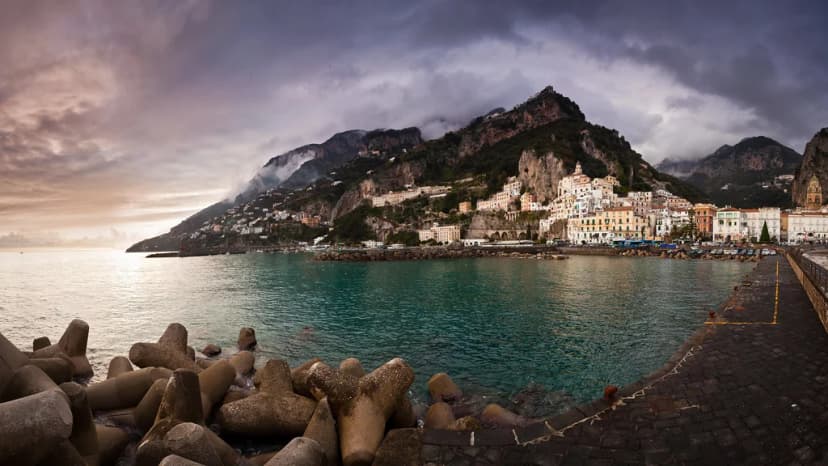
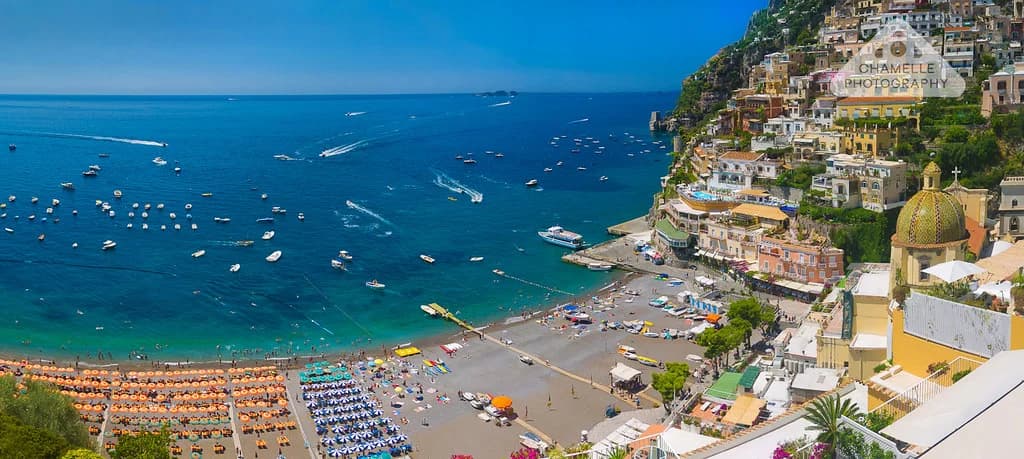
Our Italy guides explore the country's most compelling destinations beyond the familiar Rome–Florence–Venice triangle: the magnificent Amalfi Coast, the culinary powerhouse of Bologna, Shakespeare's Verona, sun-baked Puglia's Lecce and Bari, and Matera — one of the world's oldest continuously inhabited settlements. Italy rewards return visitors who push past the postcards. This guide covers Italy's best cities and regions — including Naples, Palermo, Bologna, Verona, Lecce, Siena, Bergamo, Trieste, Catania, Perugia, Matera — with expert tips on old towns, beaches, day trips, safety, and travel planning for 2026.
Southern Italy & Sicily
The Italian south is raw, dramatic, and deeply authentic. Naples is one of Europe's most electrifying cities — chaotic, brilliant, and home to the world's best pizza. A classic Neapolitan margherita at a historic pizzeria like Di Matteo or Starita costs €4–6, while a sit-down lunch at a trattoria in the Spaccanapoli district rarely exceeds €15. The National Archaeological Museum holds the finest Roman collection outside Rome (entry €22 in 2026) and takes at least 3 hours to do justice.
Sicily's Palermo and Catania offer extraordinary baroque architecture, vibrant street markets, and beaches within easy reach. Palermo's Ballarò market operates daily from 07:00–20:00 and is completely free to wander; the Norman Palace and Palatine Chapel cost €12 and require around 90 minutes. Catania's fish market runs Tuesday–Sunday from 06:00 until midday, and the black-lava Baroque cathedral on Piazza del Duomo is free to enter. The Sicily travel guide covers both cities in detail, including transport links and the best beach day trips from each. For the coast, the best beaches in southern Italy guide ranks the top stretches from the Amalfi Coast to the Salento peninsula.
Getting to the south is straightforward in 2026. Trenitalia high-speed trains link Naples to Rome in 1h10 (from €19.90 booked in advance). Palermo and Catania are served by frequent budget flights from Milan, Rome, and all major European hubs. Ferry services from Civitavecchia to Palermo (12h overnight) start from €40 per person in a seat. Within Sicily, car hire unlocks rural baroque towns like Noto and Ragusa that are impossible to see by public transport.
Bologna & Emilia-Romagna
Bologna is Italy's food capital — the birthplace of ragù, mortadella, tagliatelle, and tortellini — and a university city with the most sophisticated bar scene north of Naples. Its UNESCO-listed medieval porticoes shade 40 km of walkways through the city centre, making it one of Europe's great walking cities in any weather. The Due Torri towers (Asinelli and Garisenda) are Bologna's skyline icons; climbing Asinelli's 498 steps costs €5 and takes around 30 minutes for a panoramic reward over Emilia-Romagna's terracotta rooftops.
The Pinacoteca Nazionale holds works by Raphael, Titian, and Guido Reni (entry €6, closed Mondays). The Mercato di Mezzo food hall opens daily from 07:30 and is the best single place in Italy to eat a budget lunch — a plate of mortadella and crescentine (fried dough) costs €6–9. For a deeper dive into the city's streets, our Bologna old town guide maps the essential sights, while the Bologna 3-day itinerary plans the perfect short break.
Emilia-Romagna beyond Bologna is equally rewarding. Modena (45 minutes by regional train, ~€5) holds a UNESCO cathedral and is the birthplace of Ferrari and Lamborghini. Ravenna (1h15 by train, ~€8) contains the finest early Christian mosaics in the world, spread across eight UNESCO monuments. Bologna's central position makes day trips effortless — for the full options list see our day trips from Bologna guide.
Puglia: Lecce, Bari & Matera
Puglia's sun-baked heel stretches from the baroque extravagance of Lecce — known as the 'Florence of the South' — to the whitewashed trulli of Alberobello and the ancient cave-city of Matera across the regional border in Basilicata. This is Italy's most underrated travel zone, significantly cheaper than Tuscany and less visited than Sicily. A good agriturismo B&B in the Salento countryside costs €50–80 per room in 2026; a three-course dinner with local wine rarely tops €30.
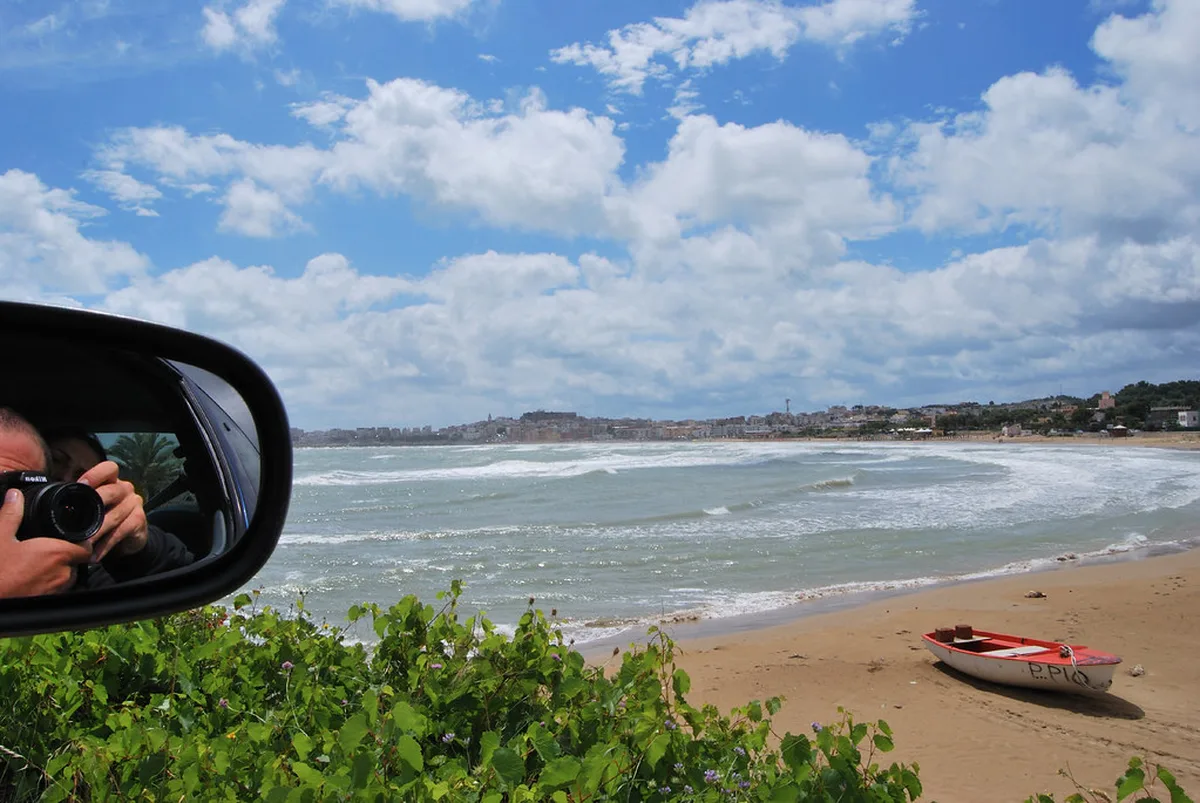
Lecce's old town is a masterclass in southern baroque: the Piazza del Duomo, Santa Croce Basilica, and the Roman amphitheatre (visible from street level at no cost) can fill an entire day. The amphitheatre excavation site charges €3 for entry. Our Lecce old town guide walks you through every major sight. Bari's old town, Bari Vecchia, is a labyrinthine fishing quarter on a promontory into the Adriatic — entry is free and the Basilica di San Nicola (patron saint of Santa Claus) is open daily 07:00–21:00. The Puglia travel guide covers the full region including transport connections between cities.
Matera is the region's crown jewel. The Sassi di Matera — cave dwellings carved into a ravine — earned UNESCO World Heritage status in 1993 and are one of Europe's most spectacular sights. Walking through the two Sassi districts (Caveoso and Barisano) is free; individual cave-church ticket combinations cost €3–7 each. Matera is best reached by bus or car from Bari (1h30) or by the scenic FAL railway from Bari Centrale (1h50, ~€5). Allow a minimum of half a day; most visitors stay overnight to see the Sassi illuminated after dark.
Northern Italy: Bergamo, Verona & Trieste
Bergamo's Upper City (Città Alta) is one of Italy's most perfectly preserved medieval hill towns — a Venetian-walled citadel perched above the modern lower city. The funicular from Bergamo Bassa to Città Alta runs daily from 07:00–00:30 and costs €1.40 each way (€2.80 return). Inside the walls, the Piazza Vecchia and adjacent Piazza del Duomo form a coherent ensemble of Lombard architecture; the Cappella Colleoni, with its polychrome marble facade, is free to enter. Bergamo is 47 minutes from Milan Centrale by Trenitalia regional train (~€6), making it the finest day trip from Milan in northern Italy. For car visitors, our parking in Bergamo guide covers the best garages near the funicular.
Verona gave Shakespeare his Romeo and Juliet, and the city wears the myth confidently. Juliet's House (Casa di Giulietta) at Via Cappello 23 charges €6 entry (or you can see the courtyard free). The Roman Arena — one of the best-preserved ancient amphitheatres in the world — hosts the famous summer opera festival; opera tickets start at €30 for unreserved steps, €100+ for arena seats. Arena daytime entry costs €10. The old town (centro storico) is compact enough to walk in a morning; Piazza delle Erbe and Piazza dei Signori are both free to enjoy. The complete Verona old town guide maps every key sight with opening times and prices.
Trieste is Italy's most underappreciated city — a Habsburg-tinged port at the head of the Adriatic with Italy's finest coffee culture and a window into Central European history. The city has more coffee shops per capita than any Italian city, and the local term for an espresso is 'un nero' rather than 'caffè'. The Castello di San Giusto (€5) offers sweeping views over the Gulf of Trieste, while the Piazza Unità d'Italia — claimed to be the largest sea-facing piazza in Europe — is free to admire at any hour. Trieste is also an outstanding base for day trips into Slovenia (Ljubljana is 1h30 by bus, from €9).
Tuscany & Umbria: Siena and Perugia
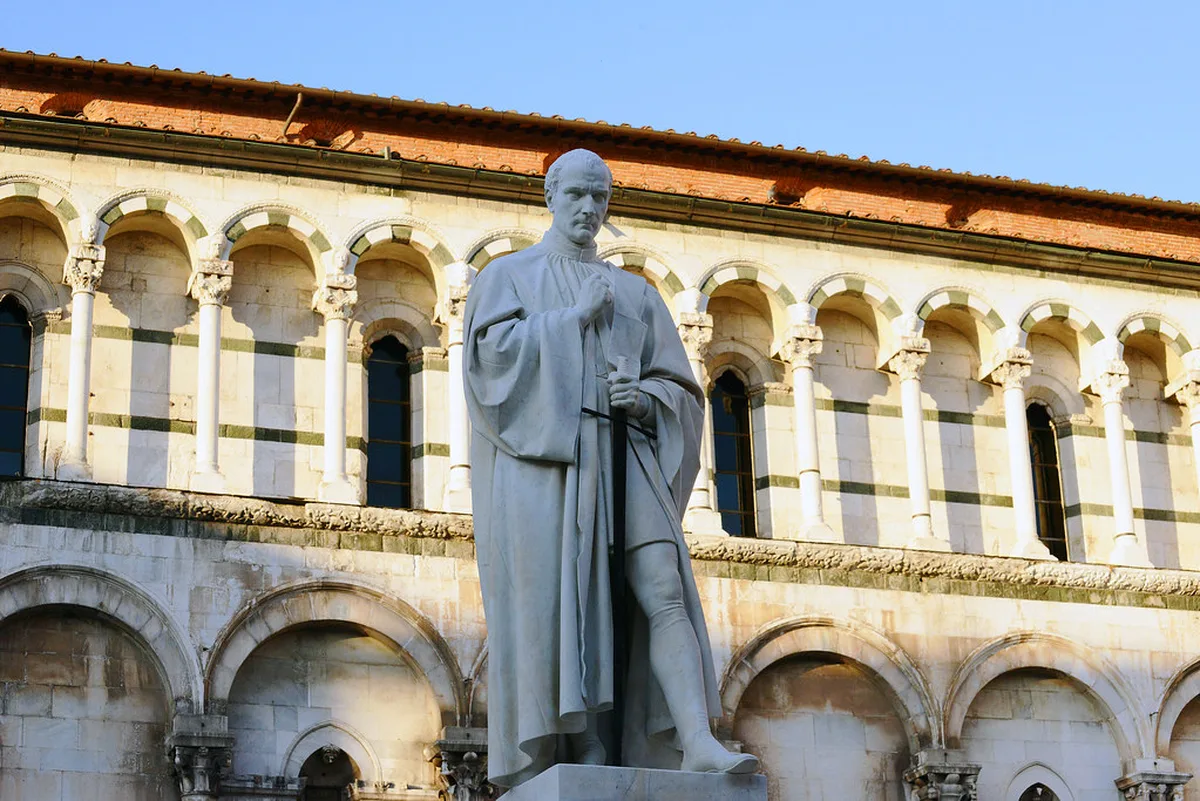
Tuscany needs little introduction, but the region beyond Florence and Pisa richly rewards exploration. Siena is arguably the finest medieval city in Italy — its fan-shaped Piazza del Campo, the site of the world-famous Palio horse race held twice annually (July 2 and August 16), is one of Europe's great public spaces and is free to sit in at any time. The Siena Cathedral (Duomo) charges €8 entry and requires 1.5–2 hours to appreciate its extraordinary inlaid marble floor; combined passes for the cathedral, Battistero, and Museo dell'Opera cost €15–20 depending on the season.
The surrounding Val d'Orcia — a UNESCO landscape of rolling golden hills, cypress avenues, and hilltop villages — is best explored by car. San Quirico d'Orcia, Pienza, and Montepulciano can be combined in a day from Siena. Pienza's famous Pecorino cheese costs €8–14 per kg at local shops; a glass of Montepulciano d'Abruzzo Nobile wine in the village costs €4–7. Our Siena old town guide has full details on the Duomo, Piazza del Campo, and the best places to eat in the city centre.
Perugia is Umbria's capital — a dramatically vertical hilltop city with a beautifully preserved medieval centre accessible by a free escalator system from the modern lower city. The Galleria Nazionale dell'Umbria (National Gallery, €8 entry) holds the finest collection of Umbrian painting in existence, including works by Perugino (Raphael's teacher). Perugia is also home to the annual Eurochocolate festival (October) and the Umbria Jazz festival (July), when hotel prices spike significantly — book 3–4 months ahead. Regional trains connect Perugia to Florence in 2h and to Rome in 2h30 (via Terontola), both around €12–18 depending on train type.
Getting Around Italy: Rail, Ferry & Car Guide for 2026
Italy has one of Europe's most extensive rail networks, and for most city-to-city journeys it is the fastest and most affordable option. Trenitalia and Italo compete on the high-speed routes, keeping prices competitive. Key journey times and indicative 2026 fares booked in advance: Rome–Naples (1h10, from €19.90), Milan–Bologna (1h, from €14.90), Florence–Bologna (35 min, from €9.90), Rome–Florence (1h30, from €24.90), Rome–Bari (3h30, from €29.90 Italo). The Frecciarossa and Frecciargento services are the most comfortable; regional trains (Regionale) are slower but substantially cheaper and require no advance booking.
The Eurail Italy Pass covers unlimited travel on Trenitalia services and is worth purchasing if you plan more than 3–4 long-distance journeys in a short period. In 2026, a 3-day Eurail Italy Pass costs approximately €139 for adults (second class). However, for most travellers, booking individual Trenitalia or Italo tickets 2–4 weeks ahead yields better value — flash sales often drop main routes to €9.90 or less. Download the Trenitalia or Italo apps to access advance fares and reserve seats directly.
For Sicily and Puglia, a rental car unlocks trulli countryside, coastal promontories, and baroque villages unreachable by public transport. Italian motorways (autostrade) charge tolls: Rome to Naples costs approximately €10.60 in tolls; Bologna to Florence (the notorious Passo della Forra tunnel route) costs €11.40. ZTL zones (Zona a Traffico Limitato) restrict car access to historic centres in virtually every Italian city — entering without a permit triggers automatic fines of €80–165. Always park outside the ZTL and use public transport or your own feet for the final approach. Our city-specific parking guides — including parking in Naples and parking in Bologna — explain each city's ZTL boundaries in detail.
Ferry services are essential for reaching Sicily from the mainland. Trenitalia tickets include a ferry crossing for trains terminating in Palermo or Syracuse — the train is loaded onto the ferry at Villa San Giovanni. Dedicated GNV and Grimaldi Lines ferries operate Rome (Civitavecchia)–Palermo overnight (12h, from €40 in a seat, €90+ for a cabin). From Naples, Tirrenia runs to Palermo (10h30, from €40). Hydrofoils connect Reggio Calabria to Messina in just 20 minutes (€3.50).
Frequently Asked Questions about Travelling to Italy
What are the best cities to visit in Italy besides Rome and Florence?
Naples, Bologna, Lecce, Siena, Bergamo, Matera, Verona, and Trieste all deserve serious attention in 2026. Naples is unmissable for intensity, Pompeii, and the world's best pizza (a margherita costs €4–6 at a traditional pizzeria). Bologna is Italy's gastronomic capital — birthplace of ragù and tortellini — with 40 km of medieval porticoes. Lecce offers extraordinary southern baroque at a fraction of Tuscany prices. Matera's ancient cave-city (Sassi) is one of Europe's most dramatic sights. Bergamo's walled Upper City (Città Alta) is an outstanding day trip from Milan. Verona pairs a Roman arena and Romeo and Juliet mythology. Trieste has a unique Habsburg atmosphere and outstanding coffee culture.
When is the best time to visit Italy in 2026?
April–June and September–October are the ideal travel windows across Italy for 2026. Temperatures range from 18–26°C, crowds are lighter than July–August, and prices are 20–40% lower than peak summer. Sicily and Puglia extend the season well: both regions are pleasant from March through November. Naples is excellent year-round — even January is mild (12–15°C) and pizza is always available. Avoid August: Italians take their own holidays, many local restaurants close, and the Amalfi Coast and Cinque Terre become severely overcrowded. Christmas markets in Bologna, Verona, and Trieste (late November to 6 January) offer a compelling winter reason to visit northern Italy.
How much does a trip to Italy cost in 2026?
Italy spans a wide price range by region and travel style. The south — Sicily, Puglia, Calabria, Basilicata — is significantly cheaper than Tuscany or the Italian Riviera. In Lecce or Catania, a comfortable mid-range hotel costs €70–100 per night and a sit-down dinner with wine runs €20–30. In Bologna or Verona, budget €90–130 per night for a good hotel and €25–40 for dinner. Museum entry fees are typically €6–22 per site. A comfortable all-in trip (hotel, food, transport, attractions) averages €100–150 per person per day across most Italian cities. Travellers staying in B&Bs and eating at markets or cafés can manage comfortably on €60–80 per day in the south.
What is the best way to get around Italy?
High-speed trains (Trenitalia Frecciarossa, Italo) are the best option for city-to-city travel on Italy's main spine. Rome to Naples takes 1h10 from €19.90; Bologna to Florence takes 35 minutes from €9.90; Milan to Venice takes 2h15 from €19.90. Book 2–4 weeks ahead for the cheapest fares via the Trenitalia or Italo apps. For Sicily and Puglia, renting a car unlocks coastal routes, trulli countryside, and hilltop baroque villages inaccessible by public transport. Beware ZTL (restricted traffic zones) in every historic centre — entering by car without a permit risks automatic fines of €80–165. Ferries connect Sicily and Sardinia to the mainland; overnight GNV services from Civitavecchia to Palermo start from €40.
Is Italy safe for tourists in 2026?
Italy is a very safe destination for tourists in 2026. Violent crime against visitors is rare. The main risk in all Italian cities is pickpocketing in busy tourist zones — Naples' Spaccanapoli, Palermo's Ballarò market, Verona's Piazza Bra, and Bologna's Piazza Maggiore are the most targeted areas. Use a zipped bag worn across the body, keep phones in a front pocket, and avoid displaying expensive jewellery or cameras conspicuously. Naples has a reputation for petty crime that exceeds its actual risk for vigilant travellers. Catania and Palermo are likewise safe to explore, including at night, as long as you stay in the lit central areas and avoid deserted backstreets after midnight.
Do I need a visa to visit Italy in 2026?
Italy is part of the Schengen Area. EU and EEA citizens travel freely with a valid passport or national ID card. Citizens of the United States, Canada, Australia, New Zealand, and the United Kingdom can visit Italy for up to 90 days within any 180-day period without a visa. From mid-2025 onwards, UK, US, Canadian, and Australian nationals must register via ETIAS (European Travel Information and Authorisation System) before arrival — this is an online pre-authorisation process, not a full visa, and costs €7. Other nationalities should check the Italian Ministry of Foreign Affairs website for the current Schengen visa requirements specific to their passport. Always ensure your passport is valid for at least 3 months beyond your planned departure date from Italy.
What is the currency in Italy and can I use cards everywhere?
Italy uses the Euro (EUR). Card payments are widely accepted in hotels, restaurants, and shops in all major cities. However, smaller trattorias, market stalls, and rural agriturismo farms often prefer or require cash — it is wise to carry €50–100 in cash at all times, especially outside major city centres. ATMs (called 'bancomat') are plentiful in all cities and towns. Avoid airport currency exchange bureaux, which charge poor rates; use your bank's debit card at a bancomat instead. Many churches and smaller museums only accept cash at the door. Tipping is not compulsory in Italy — rounding up a bill or leaving €1–2 per person at a sit-down restaurant is appreciated but not expected.
Italy offers an extraordinary breadth of experiences — from medieval old towns and ancient ruins to dramatic coastlines and vibrant food scenes. Whether you're planning your first visit or returning to explore deeper, our city-by-city guides below give you everything you need to plan a confident, rewarding trip in 2026. The destinations covered on this site — from the baroque streets of Lecce and the Sassi of Matera to the Roman Arena of Verona and the porticoes of Bologna — represent Italy at its most authentic and most rewarding.