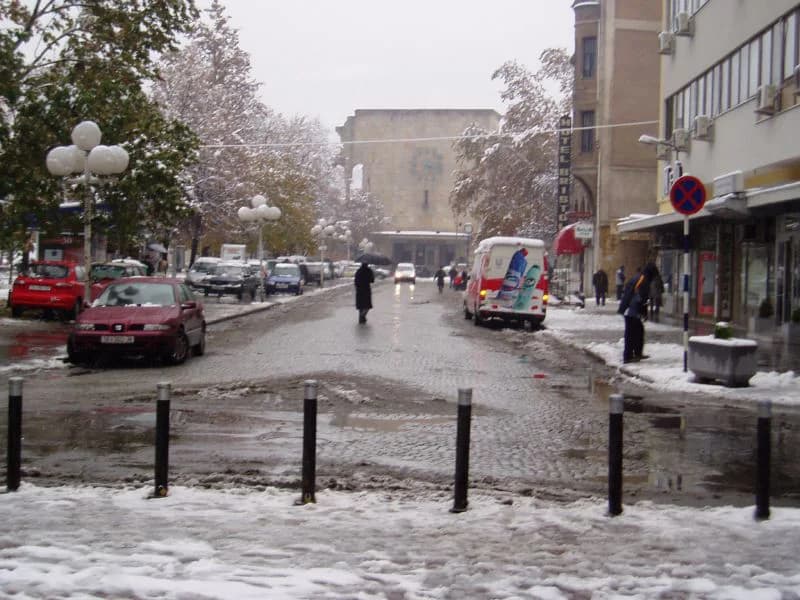
Is Skopje Safe for Tourists? A Complete Security Guide
Skopje is safe for tourists in 2026. Violent crime is among the lowest in the Balkans, the main risks are pickpocketing in markets and scam taxis at the airport, and emergency services are reachable on 192 (police), 194 (ambulance), and 195 (fire) around the clock.
For quick reference: licensed taxis from Naše Taksi or Lotus app charge a base rate of 50 MKD (€0.80) per km — a legitimate airport-to-center ride costs 600–800 MKD (€10–13). Scam drivers at arrivals quote 1,500–2,000 MKD (€24–32) for the same trip. The Bolt app eliminates this risk entirely by showing the fare upfront.
Skopje stands out as a fascinating destination where ancient history meets quirky modern architecture. Many travelers wonder if the capital of North Macedonia is safe for international visitors today. Statistically, this city remains one of the most secure capitals in the Balkan region. You will find that locals are generally welcoming and eager to help tourists navigate their home.
Safety concerns often arise from a lack of familiarity with Eastern European destinations. Violent crime is remarkably low here compared to major Western European hubs like Paris or London. Most visitors enjoy their stay without encountering any significant security issues or threats. Understanding local nuances will ensure your trip to explore Skopje's Old Town is worry-free.
General Safety and Crime Rates in Skopje
The overall crime rate in North Macedonia's capital is considered low by international standards. Most criminal activity involves non-violent offenses such as petty theft or minor scams. Walking through the city center during daylight hours feels exceptionally safe for all demographics. Police officers frequently patrol Macedonia Square and the main pedestrian thoroughfares to deter opportunists.
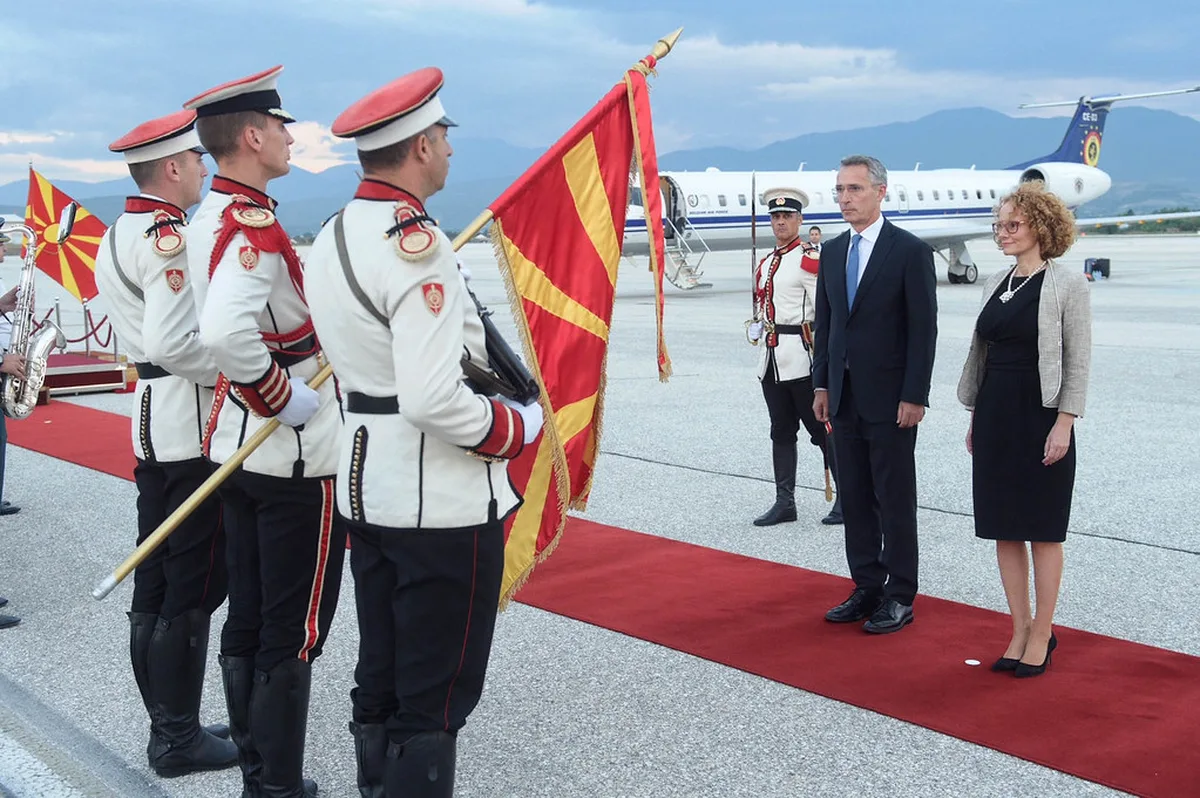
Pickpocketing remains the most common issue facing tourists in high-traffic areas. Busy locations like the Old Bazaar, Bit Pazar market, and the main bus station on Bul. Jane Sandanski require extra vigilance with your belongings. Keep your wallet in a front pocket and ensure your backpack is securely zipped at all times. Opportunistic thieves often target distracted travelers who leave phones or bags unattended on cafe tables in busy squares.
Violent crimes against foreigners are extremely rare and usually not a concern for the average visitor. Residential areas such as Kisela Voda and Gazi Baba are generally peaceful, though lighting can be dim in some older side streets after dark. Sticking to well-traveled paths and main roads at night is a standard and effective precaution that locals themselves follow. The Vardar riverside promenade is patrolled regularly and remains safe well into the evening hours.
The Čair neighborhood, situated north of the Vardar River and home to a large Albanian community, has a reputation that sometimes causes concern among first-time visitors — but in practice it is generally safe for tourists exploring during daylight hours. The Old Bazaar (Stara Čaršija), which sits within Čair, is a lively heritage district bustling with carpet merchants, tea houses, and artisan workshops throughout the day and early evening. Navigating the main bazaar lanes confidently and during opening hours poses no meaningful safety risk. City Park (Gradski Park) on the western edge of Centar is well-lit and popular with families and joggers, making it a reliable landmark for orientation and a safe area at all hours.
For serious emergencies, the main police headquarters (MoI) is located on Dimce Mircev Street in the Centar municipality. Dial 192 for police, 194 for an ambulance, and 195 for the fire service. The unified European emergency line 112 also works and connects to all services. Most officers at the central station have basic English proficiency sufficient for tourist incidents. For more comprehensive travel safety information, the UK Foreign Office North Macedonia travel advice provides official guidance from a major government source.
Safe vs Avoid Neighborhoods in Skopje
Choosing the right neighborhood can significantly enhance your sense of security and comfort throughout your stay. The city center, known as Centar, is the most popular choice for first-time visitors and offers the highest density of hotels, restaurants, and tourist attractions. This district is well-lit, monitored by CCTV, and stays active with locals until very late at night. You will find most major landmarks — Macedonia Square, the Stone Bridge, and the Museum of the Macedonian Struggle — within easy walking distance of this central hub. Budget hotels in Centar typically start at around 1,500 MKD (€24) per night, and the area covers the most ground for a first visit.
Debar Maalo, situated west of the center, offers a more local, bohemian vibe while maintaining high safety standards for visitors. This charming district is famous for its leafy residential streets, traditional kafana restaurants, and excellent coffee shops that buzz with activity throughout the day and evening. Families, students from nearby Ss. Cyril and Methodius University, and young professionals all frequent this area, making it feel inclusive and relaxed at all hours. Walking home from a late dinner in Debar Maalo is considered entirely safe, and the neighborhood is well-regarded even by cautious travelers. The main stretch along Ruzveltova Street is particularly lively on weekend evenings with a safe, mixed-age crowd.
The Old Bazaar (Stara Čaršija), located north of the Stone Bridge across the Vardar River in the Čair municipality, is a historic gem that requires a bit more awareness after sunset. The Čair area is predominantly Albanian and culturally distinct from the rest of Skopje, but it is not a place to avoid — it is simply a place to navigate with awareness. During the day and into early evening, the main bazaar thoroughfares are perfectly safe and genuinely enjoyable. However, the winding cobblestone alleys become quiet and confusing after 9 PM when most shops close. Some sections can feel isolated and poorly lit late at night. Stick to the main illuminated thoroughfares near the Kapan An caravanserai and the Mustafa Pasha Mosque entrance if exploring after dark, and consider pairing your visit with a companion if going late.
For neighborhoods to approach with extra caution, the outer suburbs of Butel and parts of Gazi Baba on the northern outskirts are more residential and lower-lit at night. These districts are not violent, but they see less foot traffic and fewer police patrols after midnight. Visitors staying in or passing through these areas late at night should use Bolt rather than walking. Aerodrom and Kisela Voda to the southeast are quiet, family-oriented, and low-crime — good choices for longer stays at reduced accommodation costs of around 1,200–1,800 MKD (€20–29) per night.
- Centar District
- Type: Tourist Hub
- Best for: First-timers
- Security: High police presence, CCTV
- Atmosphere: Busy and bright
- Debar Maalo
- Type: Bohemian Quarter
- Best for: Foodies and nightlife
- Security: Very safe residential
- Atmosphere: Relaxed and local
- Čair / Old Bazaar
- Type: Historic Heritage Quarter
- Best for: Daytime cultural visits
- Security: Safe by day; quieter alleys after 9 PM
- Atmosphere: Traditional, multicultural
- Aerodrom
- Type: Modern Residential
- Best for: Long stays
- Security: Low crime rate
- Atmosphere: Family friendly
- Kisela Voda
- Type: Quiet Suburban
- Best for: Budget accommodation
- Security: Peaceful, low foot traffic
- Atmosphere: Residential, quieter at night
Skopje Scams to Avoid in 2026
Skopje is not a heavily scam-ridden city, but a handful of well-worn tricks target tourists arriving at the airport or exploring the Old Bazaar. Being aware of these in advance eliminates almost all risk. The most important thing to remember is that all legitimate prices — for taxis, restaurants, and attractions — are posted or metered. Anything quoted verbally by someone who approached you first deserves extra scrutiny.
The airport taxi scam is by far the most impactful trap for first-time visitors. Unlicensed drivers position themselves inside or just outside the arrivals hall and offer fixed-price rides to the city center for 1,500–2,000 MKD (€24–32). The legitimate metered fare for the same journey using licensed taxis from Naše Taksi or the Lotus app is 600–800 MKD (€10–13). That is a markup of up to 233%. To avoid this entirely, use the Bolt app — enter your destination before you leave the terminal, and the confirmed price and driver will be waiting at the designated rideshare pickup zone. If you prefer a street taxi, walk past the arrivals hall to the official taxi rank at the far end of the car park where licensed vehicles display their company logo prominently on the door.
The friendly local guide scam is the second most common. A cheerful local strikes up a conversation and offers to show you the Old Bazaar "for free." After an hour of genuinely interesting sightseeing, they steer you into a cousin's restaurant or souvenir shop where prices are double the local rate. The best defense is politely declining unsolicited guiding offers, and instead booking a licensed tour through your hotel front desk or the Skopje Tourist Office on Macedonia Square. Licensed tours typically cost 500–800 MKD (€8–13) per person and are well worth the transparency.
Currency exchange scams operate at a few unauthorized exchange windows near the bus station and parts of the Old Bazaar. These windows advertise favorable rates on large posted signs but apply hidden fees or use a different rate for smaller amounts. Always use bank-affiliated exchange offices or withdraw MKD from bank-branded ATMs at Stopanska Banka, NLB Banka, or ProCredit Bank. The official exchange rate as of 2026 is approximately €1 = 61.5 MKD. Any street exchanger offering significantly more than this is likely inflating the headline rate and compensating with a commission.
Overcharging at Old Bazaar souvenir stalls is common but avoidable. Prices on handmade crafts, embroidered goods, and Macedonian wines are negotiable — open by asking for 20–30% off the first quoted price. Paying 200–400 MKD (€3–6.50) for a piece of embroidery is fair; paying 1,200 MKD (€20) for the same item is not, and vendors will accept negotiation gracefully. Having small denomination bills — 50 MKD (€0.80) and 100 MKD (€1.60) notes — makes market transactions smoother and reduces the risk of receiving incorrect change.
Fake police scams, where individuals claiming to be plain-clothes officers ask to check your wallet or passport for "counterfeit currency," are rare in Skopje but have been reported in a few tourist cities across the Balkans. Legitimate North Macedonian police carry photo ID badges and will not approach tourists on the street for impromptu currency inspections. If approached in this way, ask to be taken to the nearest police station (policiska stanica) before cooperating — genuine officers will have no objection.
Transport Safety in Skopje
Navigating Skopje's transport system is straightforward if you know the local rules and common pitfalls. Taxis are plentiful and affordable, but they are the most frequent source of price disputes and the primary scam vector for tourists arriving at the airport. Always look for official taxi company logos and phone numbers printed on the car doors — Naše Taksi and Lotus are the most reputable licensed operators in 2026. Insist that the driver turns on the meter (taximeter) as soon as you enter the vehicle, and do not board if the driver refuses.
The licensed taxi base rate is 50 MKD (€0.80) per km. A typical metered ride within the city center costs between 150 and 300 MKD (€2.40–4.90). Rides from Alexander the Great Airport to the city center by meter cost approximately 600–800 MKD (€10–13). Unregulated drivers waiting immediately outside the arrivals hall may quote 1,500–2,000 MKD (€24–32) for the same journey — nearly three times the metered price. Politely decline and walk to the official taxi rank at the far end of the car park. Using the Bolt app is by far the safest option — the fare is shown upfront, you can track the route in real time, and driver details are recorded, eliminating overcharging entirely. The Lotus taxi app is a local alternative that also pre-confirms fares.
Public buses are generally safe but require a pre-paid Skopska card for payment, available at green kiosks marked JSP throughout the city for 50 MKD (€0.80) issuance fee. A single bus journey costs 35 MKD (€0.57) using the card. You cannot pay the driver with cash, so purchase and top up your card before boarding. Buses can become very crowded during morning and evening rush hours on routes 1, 5, and 22, which increases the risk of pickpocketing. Keep your bag zipped at the front and stay alert on the red double-decker tourist route and the busy corridor linking the bus station to Macedonia Square.
Walking is the best and safest way to experience the city's landmarks and discover hidden gems. Pedestrian zones along Macedonia Square and the Vardar riverfront are wide, well-maintained, and bustling with locals throughout the day. Drivers in Skopje can be aggressive and often do not yield at unmarked crossings, so always use designated pedestrian signals and wait for the light. At night, the riverside path between the Stone Bridge and City Park is well-lit and popular with joggers and families, making it a secure walking route. See our guide to exploring North Macedonia for broader transport and travel tips across the country.
Nightlife Safety and Social Etiquette
Skopje has a thriving and diverse nightlife scene that is generally safe for all types of travelers, from solo visitors to large groups. The local culture revolves around socializing over drinks, traditional Macedonian music, and long evenings at terrace bars overlooking the river. Most bars and clubs along the City Park strip and the Canal area have visible door security to maintain a peaceful environment. Conflict is rare, as the local crowd tends to prefer a laid-back, social atmosphere over the aggressive party culture found in some Western European cities. Cover charges at clubs range from 100–300 MKD (€1.60–4.90), and a beer typically costs 100–150 MKD (€1.60–2.40) at local bars.
The Debar Maalo neighborhood is one of the best and safest areas for nightlife in Skopje. The kafanas and craft beer bars on and around Ruzveltova Street attract a predominantly local, mixed-age crowd, making the atmosphere feel authentic and relaxed rather than tourist-heavy. Streets are lit, foot traffic continues late, and venues close organically rather than emptying all at once into dark side streets. This is the district most recommended by expats and long-term residents for a safe, enjoyable night out. Expect to pay 150–250 MKD (€2.40–4.10) for a craft beer and 200–350 MKD (€3.25–5.70) for a cocktail at the more popular spots.
Standard precautions apply everywhere: never leave your drink unattended, be cautious accepting drinks from strangers, and have the Bolt app ready on your phone before you go out so you are not scrambling for transport at 2 AM. If you feel uncomfortable at any venue, approach bar staff directly — they are generally responsive and take the safety of customers seriously. Drinking in public outside licensed premises is technically prohibited and can attract unwanted police attention; stick to terraces and enclosed venues.
Respecting local customs will help you blend in and avoid social misunderstandings. Macedonians are proud of their hospitality and deeply appreciate polite, curious visitors who show interest in their culture and food. Learning a few basic phrases — "Fala" (thank you), "Zdravo" (hello) — goes a long way in building instant goodwill. Most people under 40 in the city center speak competent English and are happy to give directions, restaurant recommendations, or safety advice. See our full Skopje nightlife guide for a curated list of the safest and most enjoyable venues and neighborhoods after dark.
Is Skopje Safe for Solo Female Travelers?
Skopje is generally considered safe for solo female travelers, and the city ranks among the more welcoming Balkan capitals for women exploring independently. The Old Town (Stara Čaršija) and the Centar city center are safe to walk around freely during the day, with busy streets, cafes, and police patrols providing a reassuring level of activity. Most solo female travelers report feeling comfortable and unharrassed throughout their daytime exploration of markets, museums, and riverside walks. The walk from Macedonia Square to City Park — approximately 1.5 km along the Vardar riverfront — is particularly recommended as a daytime or early evening route, as it is well-lit and consistently populated with locals.
Evenings in the Debar Maalo neighborhood are particularly comfortable for solo women. The nightlife scene there is dominated by a local crowd — professionals, students, and families — rather than large tourist groups or rowdy stag parties. The main bar street on Ruzveltova runs late with consistent foot traffic, making it easy to walk between venues without feeling isolated. The atmosphere is relaxed and any unwanted attention is typically mild and easily deflected. A solo dinner at one of the kafanas in the neighborhood — budget around 400–700 MKD (€6.50–11) for a full meal with wine — feels entirely comfortable for women eating alone.
The Old Bazaar area deserves a note of caution after dark. While not dangerous, the winding alleys become quiet and poorly lit once shops close around 8–9 PM, and women walking alone have occasionally reported being followed briefly by individuals. The area is perfectly fine for a daytime visit, and the main Čaršija square at the entrance remains lively into the evening, but solo women are advised to move through the back alleys of the bazaar in the company of others after dark.
Staring is a part of local culture and is common throughout North Macedonia, particularly in older or more traditional parts of the city. This is almost universally cultural curiosity rather than threatening intent, and does not typically escalate. Dressing modestly — covering shoulders when visiting mosques or churches in the Old Bazaar — also helps minimize attention in those specific areas. Carrying a light scarf in your day bag for this purpose costs nothing and smooths interactions at several key sites.
For transport, the Bolt app is strongly recommended for solo female travelers at night. It eliminates the risk of getting into an unlicensed cab, shows the driver's name and vehicle details, and provides a fare estimate upfront. For emergencies of any kind, dial 192 for police, 194 for an ambulance, or 112 for the unified emergency line — North Macedonia's operators are available around the clock and typically speak basic English.
Urban Nuances: Stray Dogs and Air Quality
One distinctive aspect of Skopje is the visible presence of stray dogs, particularly around parks, markets, and outer neighborhoods. Most of these animals are tagged with ear notches, vaccinated under the city's trap-neuter-return program, and are surprisingly docile toward humans who do not provoke them. They often sleep in public squares near Macedonia Square or trail pedestrians near Bit Pazar in hopes of a scrap of food. Avoid attempting to pet or feed stray dogs, as they remain undomesticated and their behavior can be unpredictable, especially if they feel cornered or if food is involved.
Aggressive behavior from street dogs is rare in the central tourist zones but can occur more frequently in quieter, suburban areas on the outskirts such as parts of Gazi Baba and Butel after nightfall. If you encounter an agitated or barking dog, maintain a steady and calm pace, avoid direct eye contact, and move away without running. Local authorities manage the population through ongoing sterilization campaigns coordinated by the City of Skopje veterinary service, but the numbers remain noticeable. Walking within the main tourist corridors around Macedonia Square and the Vardar riverfront rarely leads to any negative encounters with these animals.
Air quality is a serious seasonal concern that visitors should plan around, particularly during winter months from December through February. Skopje sits in the Skopje Valley, a geographic basin that traps smoke from domestic wood-burning stoves, vehicle emissions, and nearby industrial zones under a thermal inversion layer. On bad days, PM2.5 levels can place Skopje among the most polluted cities in Europe temporarily. Travelers with asthma, respiratory conditions, or sensitivity to air pollution should check the AirVisual or IQAir apps before booking a winter trip. Spring and summer visits (April through September) offer significantly cleaner air and are far more pleasant overall.
Beyond dogs and air quality, pedestrians should also watch for electric scooters and cyclists who frequently use pavements rather than the road. This is especially common along the Vardar riverside path and around Macedonia Square. These micro-mobility hazards are more likely to cause a minor injury than actual crime, so staying aware of your immediate surroundings at all times — not just of people — is a useful habit in the city center.
Practical Tips for a Secure Trip to Skopje
Using ATMs in well-lit, publicly visible areas is the safest way to withdraw local Denar (MKD). Bank-attached cash machines at Stopanska Banka, NLB Banka, and ProCredit Bank branches are preferable to standalone kiosks in dark corners or inside small convenience stores. Most hotels, restaurants, and shops in the Centar district accept Visa and Mastercard, so you rarely need large amounts of cash. Carry 500–1,000 MKD (€8–16) in cash for small purchases in the Old Bazaar, bus fare top-ups at 35 MKD (€0.57) per journey, and tips at traditional kafanas that do not have card terminals.
Tap water in Skopje is safe to drink and treated to a good standard. You will see locals using the many public drinking fountains installed along the main pedestrian zone — these are regularly tested and perfectly fine. If you have a sensitive stomach or are simply cautious, a 1.5-litre bottle of water costs around 30 MKD (€0.50) at any supermarket or kiosk. Food hygiene standards at licensed restaurants are generally high, and food poisoning cases involving tourists are uncommon. A full sit-down lunch at a mid-range restaurant in Centar runs 400–700 MKD (€6.50–11) per person including a drink.
Knowing local emergency numbers is a simple but important safety step. For police, dial 192. For an ambulance, dial 194. For the fire service, dial 195. The unified European emergency line 112 also works and connects to all services with English-speaking operators. The University Clinic of Skopje (UCSM), located on Vodnjanska Street, is the main public hospital and has an emergency department open 24 hours. Keep a digital photo of your passport, travel insurance documents, and hotel address saved in your phone's camera roll in case of loss or emergency.
Travel insurance covering theft, medical treatment, and trip disruption is strongly recommended, even though the city is safe. The UK Foreign, Commonwealth and Development Office (FCDO) currently rates North Macedonia as safe for most travel with standard precautions, and the US State Department gives it a Level 1 (Exercise Normal Precautions) advisory — the lowest risk category. Most visitors find that their biggest challenge is simply not wanting to leave. Skopje is a rewarding, affordable, and secure destination for anyone who applies basic travel common sense.
Frequently Asked Questions
Is Skopje safe for solo female travelers?
Yes, Skopje is safe for solo female travelers in 2026. The Centar district and Debar Maalo are safe to walk day and night. Staring is common but cultural, not threatening. Use the Bolt app for late-night transport, avoid the Old Bazaar back alleys alone after dark, and dial 192 (police) or 194 (ambulance) in any emergency.
Is North Macedonia safe to visit in 2026?
Yes, North Macedonia is safe to visit in 2026. The US State Department rates it Level 1 (Exercise Normal Precautions) — its lowest risk category. The country has a low violent crime rate, a stable political situation, and no active travel warnings from major Western governments. Standard travel precautions are sufficient for most visitors.
How much does a taxi from Skopje Airport to the city center cost?
A legitimate metered taxi from Alexander the Great Airport to Skopje city center costs 600–800 MKD (€10–13) using licensed operators like Naše Taksi or the Lotus app at the standard rate of 50 MKD (€0.80) per km. Scam drivers at the arrivals hall quote 1,500–2,000 MKD (€24–32) for the same trip. Using the Bolt app eliminates this risk entirely by showing the confirmed fare before you book.
Can you drink the tap water in Skopje?
Yes, tap water in Skopje is safe to drink and meets high quality standards. Public drinking fountains in the city center are regularly tested and used by locals. If you prefer bottled water, a 1.5-litre bottle costs around 30 MKD (€0.50) at any kiosk or supermarket.
What should I avoid in Skopje to stay safe?
Avoid unlicensed airport taxis — the legitimate metered fare is 600–800 MKD (€10–13), not the 1,500–2,000 MKD (€24–32) quoted by scam drivers. Do not leave valuables unattended at the Old Bazaar or Bit Pazar market. Avoid the Old Bazaar's back alleys alone after 9 PM, and do not feed or pet stray dogs. Use the Bolt app for all late-night transport.
What are the emergency numbers in Skopje?
In Skopje, dial 192 for police, 194 for an ambulance, and 195 for the fire service. The unified European emergency line 112 also works and connects to all services with English-speaking operators. The main 24-hour emergency hospital is the University Clinic of Skopje (UCSM) on Vodnjanska Street.
Is the Čair neighborhood and Old Bazaar safe to visit?
Yes, the Čair neighborhood — home to the Old Bazaar and a predominantly Albanian community — is safe for tourists during daytime hours. The Old Bazaar's main thoroughfares are busy and welcoming throughout the day and into early evening. After 9 PM when shops close, the winding back alleys become quieter and less well-lit; stick to the main illuminated routes or explore with a companion after dark.
How much does eating out cost in Skopje?
Eating out in Skopje is very affordable. A full sit-down lunch at a mid-range restaurant in Centar costs 400–700 MKD (€6.50–11) per person including a drink. A beer at a local bar runs 100–150 MKD (€1.60–2.40). A 1.5-litre bottle of water from a kiosk costs 30 MKD (€0.50). Craft cocktails at popular Debar Maalo bars are priced at 200–350 MKD (€3.25–5.70).
Skopje is a remarkably safe and welcoming destination for tourists from all over the world. Low crime rates and a friendly local population make it an ideal choice for a Balkan adventure in 2026. By following standard travel safety tips — using Bolt for transport, staying alert in crowded markets, and keeping emergency numbers saved (192 police, 194 ambulance, 195 fire) — you can focus entirely on the city's rich culture and dramatic architecture. The towering statues, the Stone Bridge, and the vibrant Old Bazaar are waiting for you to explore them with confidence.
Prepare for your trip by researching neighborhoods and transport options in advance. Most visitors leave North Macedonia with nothing but positive memories and great photos. Whether you are traveling solo or with a group, Skopje offers a secure, affordable, and genuinely rewarding environment. For more on what to see, read our Skopje Old Town guide to plan your first full day in the city.