Is Bratislava Safe for Tourists? Essential 2026 Security Tips
Bratislava is very safe for tourists — Slovakia has one of the EU's lowest violent crime rates; the Old Town is well-patrolled with a visible police presence; Numbeo Safety Index for Bratislava scores approximately 64 out of 100 in 2026.
The main tourist risks in Bratislava are overpriced taxi scams (always use Bolt or Hopin app — airport to city costs €10–14 via app vs €40+ with unlicensed drivers) and pickpockets at the Main Square during summer peaks; dial 158 for police emergencies and 155 for an ambulance anywhere in Slovakia.
Bratislava offers a charming mix of medieval history and modern culture for every visitor exploring Central Europe.
Many travelers ask if Bratislava is safe for tourists before booking their long-awaited Slovakian adventure.
The city generally ranks as one of the safest capitals in the region for international guests and solo explorers.
Understanding local nuances helps you enjoy the city without any unnecessary stress or worry during your 2026 trip.
Quick answer: Bratislava is safe for tourists in 2026. Violent crime against visitors is extremely rare, petty theft is the main risk, and the Old Town is well-lit and well-patrolled around the clock.
Emergency numbers: Police 158 • Ambulance 155 • Fire 150 • European Emergency 112.
General Safety and Crime Rates in Bratislava
Bratislava is widely considered one of the safest capital cities for tourists in the European Union. According to Eurostat crime statistics for 2026, Slovakia records one of the lowest intentional homicide rates in the EU — approximately 0.9 per 100,000 inhabitants — placing it firmly alongside the Nordic and Alpine nations at the very top of the continent's safety rankings. Serious violent crime against visitors is extremely rare and usually involves isolated incidents in non-tourist areas far from the city center. Most travelers feel comfortable walking through the historic core even well after the sun goes down, and many report feeling safer here than in larger Central European capitals like Prague or Vienna. For official government travel advice, consult the UK Foreign Office Slovakia travel advice.
Local authorities maintain a visible, uniformed presence in popular zones — particularly around Hlavné námestie (Main Square), the castle hill approach, and the riverfront promenade — to ensure everyone feels secure during their visit. The Numbeo Safety Index for Bratislava stands at approximately 64 out of 100 in 2026, which rates the city as "high" on safety — comparable to cities like Ljubljana, Ljubljana, and Tallinn in the same index. This score reflects low perceived danger when walking alone at night, minimal risk of mugging, and a very low incidence of property crime in the tourist zones.
Petty theft remains the most common concern for visitors exploring the historic streets and bustling squares. Pickpockets sometimes target distracted tourists near major attractions or on crowded public buses and trams during peak morning and afternoon hours. Securing your belongings in a front-facing bag or money belt is a smart precaution when visiting the city's most popular sights. Keep your phone in a zipped inner pocket rather than a back pocket, especially on Bus 61 between the airport and the city center, which is a known spot for opportunistic theft. The local police (Mestská polícia Bratislava) are generally approachable and many younger officers speak conversational English to assist foreign travelers. There are police posts conveniently located near Hlavné námestie and the central Hlavná stanica train station for quick access. Carrying a digital copy of your passport on your phone alongside your physical document is strongly recommended. In the unlikely event of a theft, head to the nearest police station to file a report — your travel insurer will require a reference number. Slovakia is also a Schengen Area member, meaning border controls are minimal and EU-standard law applies throughout the country.
Safe Neighborhoods for Your 2026 Stay
Choosing a safe area to stay in Bratislava is quite easy given the city's compact and walkable size. The Old Town (Staré Mesto) remains the unambiguous top choice for security and proximity to the most famous local attractions. Its streets are well-lit, lined with hotels and restaurants, and host a constant flow of both tourists and locals throughout the day and well into the evening. You will find a wide range of accommodation options in Staré Mesto — from budget hostels on Obchodná street averaging €18–€35 per night in a dorm, to boutique hotels just steps from the castle gate priced at €70–€130 per night in mid-season — all benefiting from the district's strong policing and natural surveillance from surrounding businesses and residents.
Ružinov is an excellent second option for families or visitors seeking a quieter, predominantly residential atmosphere during their stay. This large eastern district features plenty of green spaces including Sad Janka Kráľa park, easy tram and bus connections to the center (15–20 minutes on Tram 9 or Bus 31), and a very low incidence of tourist-targeted crime. Most locals in Ružinov are young professionals and families, creating a relaxed neighborhood environment that puts most visitors immediately at ease. The Zlaté Piesky lake area in the north of the district is especially pleasant in summer and completely safe for an afternoon visit; entry to the lake recreation zone costs around €2–€4 per adult.
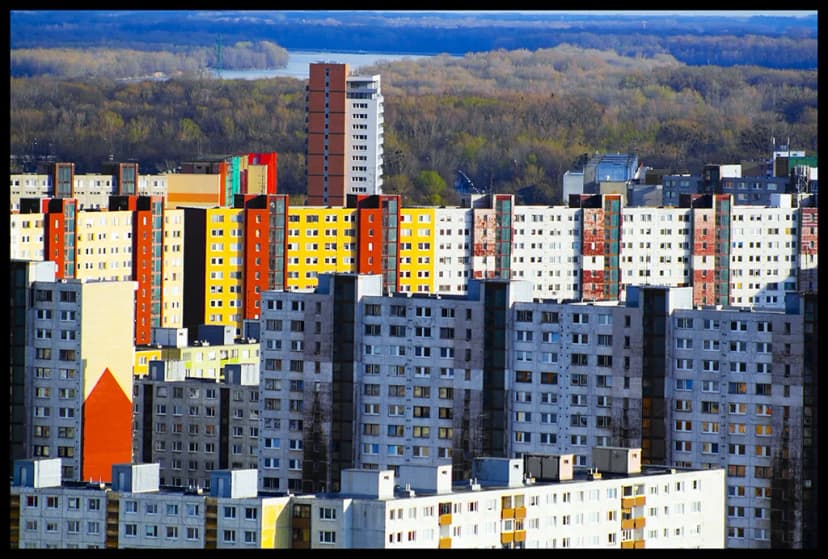
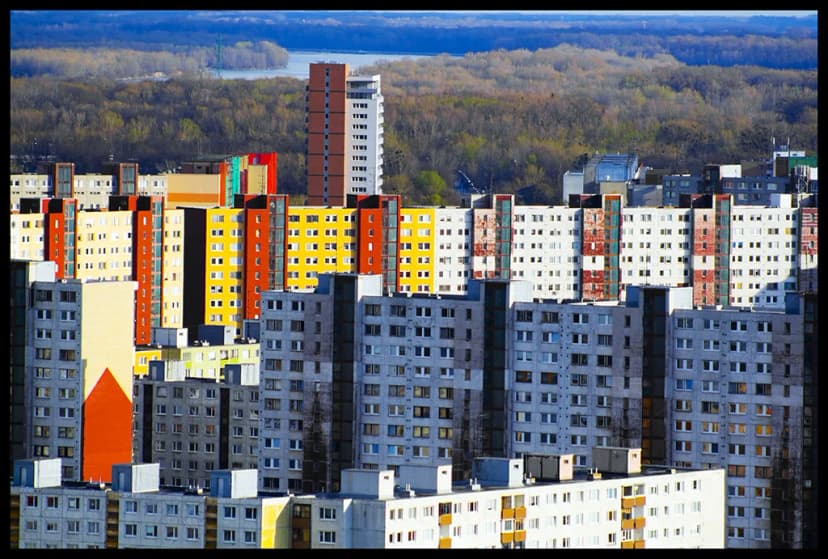
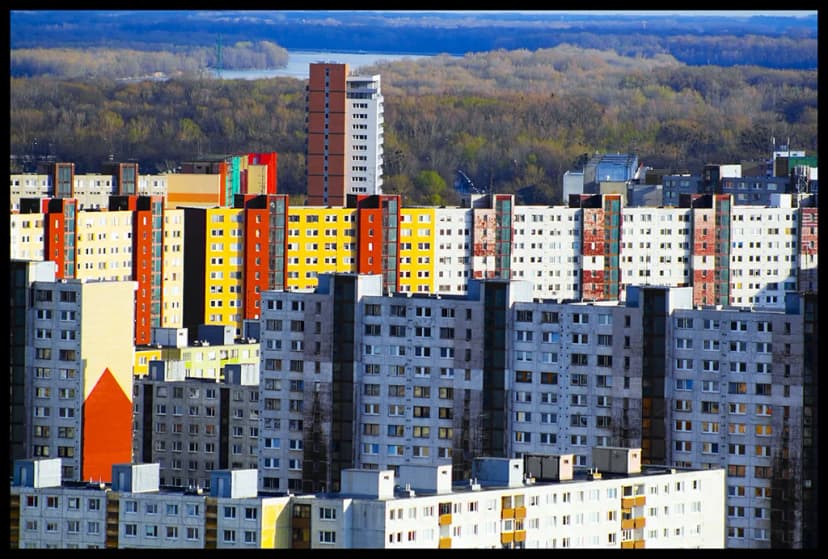
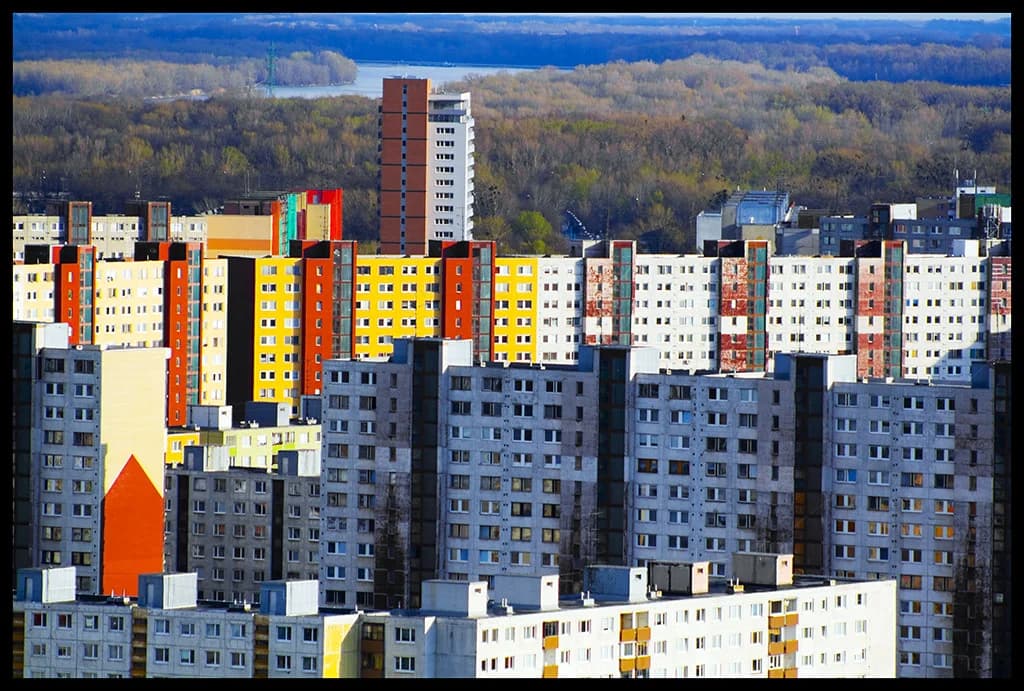
Petržalka, the massive modernist housing estate south of the Danube, has improved its safety reputation considerably over the last decade and is now a functional residential hub for tens of thousands of locals. The district registered a 28% drop in reported petty crime between 2020 and 2026 according to Bratislava city council figures, reflecting substantial investment in street lighting, CCTV coverage, and community policing. Some travelers find the panel-block architecture a bit grey and imposing on first glance, but the district is not unsafe — just less tourist-friendly in terms of amenities and signage. If you are staying in Petržalka, use the well-lit pedestrian bridge (Starý most) to cross back into the Old Town and stick to the main thoroughfares after dark. Nové Mesto, to the north of the center, is another solid safe option, particularly around the Kramáre hospital area and the lower slopes of the Little Carpathians. Our Bratislava Old Town guide offers deeper detail on the most central and well-connected accommodation zones for first-time visitors.
Avoiding Common Tourist Scams in the City
Tourist scams in Bratislava are relatively infrequent compared to larger regional hubs like Prague or Budapest, but a handful of recurring tricks are worth knowing before you arrive. Taxi overcharging remains the most persistent issue for visitors who hail cabs on the street or accept rides from drivers waiting outside the train station or airport. Drivers in unmarked or lightly branded vehicles have been known to quote flat rates of €40–€60 for journeys that legitimately cost €10–€14. Always use the Bolt or Hopin apps instead — both operate widely in Bratislava in 2026, show you the fixed price upfront, and automatically track your route for safety. If you must use a metered taxi, the legal maximum starting tariff is €1.50 and the per-kilometre rate should not exceed €0.90; any driver who quotes a flat rate above €15 for a city-center journey is almost certainly overcharging.
Some restaurants in the very center, particularly on the tourist strip between the Old Town Hall and the castle entrance, may not clearly display mandatory service charges on the printed menu. Always check the bill line by line before paying — a "service charge" of 15–20% may already be included, making an additional tip unnecessary. Politely declining pushy waiters who rush you into ordering before you have read the prices is both normal and expected. The restaurant on the castle terrace and some outlets near Michael's Gate (Michalská brána) are particularly noted for this practice. Fake street charity collectors — typically young people carrying clipboards near the main square — are another minor nuisance; a firm "nie, ďakujem" (no, thank you) is all that is needed.
Currency exchange booths advertising "zero commission" sometimes apply hidden margin rates of 8–15% above the interbank rate; use an ATM at a mainstream Slovak bank (Tatra banka, Slovenská sporiteľňa, or VÚB) instead for much better rates — withdrawal fees at foreign ATMs are typically €2.50–€4.00 per transaction, still far cheaper than a poor exchange rate on €300 of cash. Street vendors near the castle hill and on Michalská street sometimes charge inflated souvenir prices to first-time visitors. Expect to pay around €1.50 for a bottle of water from a normal supermarket versus €4–€5 from a tourist kiosk at the castle overlook — stock up at a Billa or Tesco Express before heading uphill. Being aware of these predictable pitfalls means your trip stays focused on the beauty of the city rather than frustrating avoidable losses. The Bratislava walking tour circuit is one of the best ways to learn the honest price benchmark for food and souvenirs from a local guide on your first day.
Bratislava Taxi Scams and Transport Safety: What Every Tourist Must Know
The airport taxi trap is the single most reliably reported scam in Bratislava, and it catches hundreds of first-time visitors every year. Unlicensed operators — often wearing unofficial vests or holding handwritten signs in the arrivals hall — routinely quote €40–€60 for the 17-kilometre journey from M. R. Štefánik Airport to the city center. The legitimate fare for that same route, using a licensed metered taxi or ride-hailing app, is €10–€14. The markup of €30–€50 per trip per unsuspecting tourist represents a lucrative operation that persists because unlicensed operators are difficult to hold accountable once the passenger is already inside the vehicle.
Knowing how to identify a legitimate licensed taxi prevents the trap entirely. Legal Bratislava taxis are required by law to display the taxameter (meter) visibly from the passenger seat, provide a printed receipt on request, carry the official Bratislava Taxi Licence plate on the dashboard, and display the Bratislava city taxi logo on the door. Drivers must also present a fare chart if asked. Any vehicle that cannot produce these on request should be declined immediately. Outside the arrivals terminal, ignore all drivers who approach you proactively — legitimate licensed operators wait in the marked taxi rank, not inside the building.
The most reliable option by far is to use Bolt or Hopin before you leave the arrivals hall. Both apps operate at the airport in 2026, show a fixed quoted fare before you confirm the booking, share the driver's name, photo, and vehicle registration, and track your live route. The Bolt fare from the airport to the Old Town ranges from €10 to €14 depending on time of day; surge pricing can push this to €18 on weekend nights but it remains far below the unlicensed flat rate. Hopin is a Slovak-developed alternative with similar features and often slightly lower base fares. Both apps accept card payment in-app, eliminating the need for cash entirely.
Public transport is the cheapest option: Bus 61 runs directly from the airport to Hodžovo námestie (near most Old Town hotels) every 15–20 minutes from approximately 04:30 to 23:30. A single journey ticket costs €1.20, purchased from the orange ticket machine at the airport bus stop or via the DPB app. The journey takes approximately 25 minutes without traffic. Validate your ticket immediately on boarding — inspectors operate on this route and fines start at €50. For late arrivals after Bus 61 stops running, Bolt is the safe default; night taxis at the airport after midnight carry the highest overcharging risk of any time slot.
One additional scam to note beyond taxis: some bars in the Old Town operate a "card minimum" policy — claiming that card payments are only processed for purchases over €20. This is not a legal requirement in Slovakia and is used to pressure customers into ordering more than they intended. If a bar refuses your card below a stated minimum, you are entitled to pay the exact amount in cash and leave. Keep €20–€30 in small Euro notes for these situations. Night transport across the city is well-covered: trams run until around 23:00, and a network of night buses (lines N21–N31) takes over from midnight until approximately 04:00, charging €1.50 per single journey.
Safety for Solo and Female Travelers
Solo travelers will find Bratislava to be an exceptionally welcoming and easy city to navigate alone at any time. The local culture is reserved but respectful — people generally mind their own business in public spaces, cafes, and on public transport. Female travelers can walk through the main tourist areas without facing significant harassment or unwanted attention, even late in the evening. The UK Foreign, Commonwealth and Development Office (FCDO) rates Slovakia's general safety level as low for routine crime, consistent with Western European standards and significantly safer than several EU capitals with comparable tourist volumes. Standard precautions like staying in well-populated areas after midnight and keeping your phone charged apply here just as they do in any other European capital.
Joining a Bratislava walking tour is a great way to meet other travelers while learning the city layout from an experienced local guide. These guided groups provide an extra layer of comfort for those arriving for the first time and unsure of which streets to prioritize. Most free walking tours depart from Hlavné námestie at 10:00 and 14:00 daily — tips are customary at around €5–€10 per person. Public transport is safe for women traveling alone even during the later evening hours — trams run until midnight and night buses cover the city until the early morning. Most stops are well-lit and equipped with electronic arrival displays so you are never standing alone in the dark wondering when your ride is coming.
The city's compact size is one of its greatest safety assets for solo visitors. You can become genuinely familiar with the main streets of Staré Mesto within a single afternoon's walk, dramatically reducing the risk of accidentally wandering into an unfamiliar area after dark. The entire historic core is easily walkable in under 20 minutes from one end to the other, meaning your hotel is never far away. Locals are usually happy to provide directions if you find yourself disoriented in the winding alleys near the castle quarter. Solo dining is completely normalized in Bratislava — you will find relaxed, well-lit cafes and restaurants that welcome single diners without any awkwardness or pressure to vacate the table quickly. Many solo travelers report that the small-city scale of Bratislava, versus larger capitals, makes it easier to quickly develop a confident routine and sense of place within the first 24 hours of arrival.
Solo Female Travel Safety in Bratislava
Bratislava is broadly regarded as a very safe city for solo female travelers, and the Old Town in particular deserves a specific reassurance: it is well-lit, heavily trafficked by both tourists and locals throughout the evening, and policed with a visible uniformed presence along the main pedestrian routes. Walking alone from Hlavné námestie toward the castle or along the Danube embankment after dinner is entirely normal and comfortable for most women visiting in 2026. The UK FCDO rates Slovakia's general safety level as low for routine crime, consistent with Western European standards.
One element of Bratislava's nightlife that female solo travelers should be aware of is the city's well-established reputation as a stag party destination, particularly among British and Irish groups. Friday and Saturday nights in the Old Town see noticeable numbers of large groups in the bars and clubs along Obchodná and in the lanes behind the Main Square. These groups are generally boisterous rather than aggressive — rowdy pub crawls rather than threatening behaviour — but they can make certain bar areas feel uncomfortable for a solo traveler seeking a quieter night out. Choosing wine bars or restaurants a few blocks off the main stag-party circuit (the side streets around Zámočnícka or near the Blue Church on Bezručova) gives a much calmer evening experience. Entrance to most of these quieter bars is free, and cocktails average €7–€10, comparable to the busier tourist-facing venues.
For transport after dark, Bolt is strongly recommended over hailing street taxis. Bolt shows driver identity, vehicle registration, live route tracking, and a fixed fare before you accept the ride — all features that contribute directly to personal safety. Street taxis near Obchodná at 2 AM on a Saturday are disproportionately likely to quote inflated prices or take unnecessarily long routes. If you ever feel uncomfortable in any situation, the European emergency number 112 connects you to Slovak dispatch in English; police (158), ambulance (155), and fire (150) are also available as direct-dial alternatives.
The areas to be most relaxed about: the entire Old Town, the riverfront, Ružinov in daylight and evening, and the main shopping streets. The areas to be slightly more cautious after midnight: the immediate surrounds of Hlavná stanica (the main train station), the far end of Obchodná street away from the tourist zone, and any park area not on a main path. These are minor cautions rather than warnings — Bratislava has no areas comparable to the genuinely unsafe zones found in some Western European capitals. Women traveling on their own as part of day trips from Bratislava to destinations like Devín Castle or the Slovak wine country will find regional trains and buses equally safe and straightforward to use.
Nightlife Safety and Evening Security
Bratislava's nightlife is concentrated in Staré Mesto and delivers a fun, broadly secure environment for all visitors. The most popular cluster of bars runs along Obchodná street, through the lanes behind the Old Town Hall, and down toward the Danube riverfront where several large club venues operate. Most establishments have professional door staff who monitor capacity and keep an eye on the atmosphere inside. Beer at most Old Town bars averages €2.50–€4.00 for a 0.5L glass of Slovak lager (Zlatý Bažant, Šariš, or Corgoň), while cocktails range from €7–€12 depending on the venue's positioning — tourist-facing bars near the castle charge toward the top of that range, while bars on the side streets price closer to €7–€8. Consult our Bratislava nightlife guide for the most reputable and currently operating venues, since the scene changes meaningfully from season to season.
Drink spiking is rare in Bratislava but travelers should always maintain control of their beverage in crowded venues. Never leave your glass unattended while on the dance floor, and be cautious about accepting drinks from people you have just met in a club setting. If you feel suddenly unwell after only one or two drinks, alert bar staff immediately and call 112. Slovak emergency dispatch can communicate in English. Walking back to your hotel through the historic center is generally very safe after a night out — the main pedestrian streets are bright and active until at least 2 AM on weekends, and the castle area above provides a lit landmark for orientation.
Taxis hailed directly on the street near nightlife hotspots late at night remain the single biggest financial risk of an evening out in Bratislava. Using Bolt or Hopin ensures a tracked route, a fixed upfront price, and a driver identity check before you enter the vehicle. Most Old Town nightlife venues are within a 10–15 minute walk of each other, reducing the need for late-night transport altogether for visitors staying centrally. The overall atmosphere on even a busy Saturday night lacks the aggressive edge found in comparable nightlife districts in some other European capitals — Bratislava's nightlife energy leans festive rather than confrontational. Venue security at the larger clubs along the riverfront (Club Le Monde, Subclub) is professional; expect a €5–€10 entry fee on weekends and ID checks at the door.
Transport Safety and Emergency Information
Bratislava's public transport network (DPB — Dopravný podnik Bratislava) is reliable and safe for visitors of all ages throughout the day and into the late evening. Trams are the backbone of the system and run at frequent intervals along the main corridors connecting the Old Town, Ružinov, and Petržalka. Trolleybuses serve the steeper residential hills north and east of the center. A single-journey ticket costs €1.20 and is valid for 60 minutes, allowing transfers between tram, trolleybus, and bus lines within that window. A 24-hour pass costs €3.50 and represents excellent value for visitors planning multiple journeys in a day. Purchase tickets before boarding — either from orange ticket machines at major stops or via the DPB mobile app — as drivers do not sell tickets onboard.
Validate your ticket immediately using the yellow machines inside the vehicle; plain-clothes inspectors operate across all lines and fines for traveling without a valid ticket start at €50. Bus 61 is the direct link between M. R. Štefánik Airport and the city center (Hodžovo námestie stop, near most Old Town hotels). The journey takes approximately 25 minutes depending on traffic and runs every 15–20 minutes from early morning until midnight. For the airport journey, always use Bolt or Hopin (€10–€14 to the center) or Bus 61 (€1.20) — never accept a ride from an unlicensed driver soliciting outside the terminal, who will typically charge €40–€60 for the same route. See the dedicated taxi scams section above for the full breakdown of how to identify and avoid overcharging on arrival.
If you encounter any medical or security emergency in 2026, Slovak emergency dispatch can communicate in English via 112. Response times in the city center are typically under 10 minutes for both police (158) and ambulance (155). The nearest major hospital for tourists is the University Hospital Bratislava (Nemocnica Staré Mesto) on Mickiewiczova street, approximately 1.5 km from the Old Town center — taxi from Main Square approximately €5 via Bolt, or a 10-minute walk. Keep the contact details of your country's embassy in Bratislava saved in your phone as a backup for consular matters such as lost passports. Planning day trips from Bratislava via regional trains and buses is safe and straightforward — RegioJet and Flixbus both serve major routes including Vienna (1 hr, from €5), Budapest (2.5 hrs, from €10), and Prague (4 hrs, from €12) with reliable schedules and air-conditioned coaches.
- Slovakia Emergency Contact Numbers
- Police: Call 158
- Ambulance: Call 155
- Fire: Call 150
- European Emergency (English-speaking): Call 112
Bratislava Safety at a Glance
Is Bratislava safe for tourists in 2026? Yes. Bratislava ranks among the EU's safer capitals with very low violent crime, minimal tourist scams, and a well-lit, walkable Old Town that is comfortable to explore alone day and night. The Numbeo Safety Index scores Bratislava at approximately 64 out of 100 in 2026.
Is Bratislava safe for solo female travelers? Yes. The Old Town is well-policed and well-lit at night. Use the Bolt app instead of street taxis, be aware of stag party crowds on weekend nights, and call 112 in any emergency.
Frequently Asked Questions
Is Bratislava safe to walk at night?
Yes, Bratislava is very safe to walk at night, especially throughout Staré Mesto (Old Town). The streets are well-lit, the police maintain a visible presence, and the main pedestrian zones remain active until the early hours on weekends. Stick to the lit main thoroughfares and avoid unlit park paths after midnight for maximum comfort and safety.
Is Bratislava safe at night?
Bratislava is generally safe at night for tourists. The Old Town, castle area, and Danube riverfront are all well-lit and regularly patrolled. The main precautions are to use Bolt instead of street taxis, keep your drink in sight in busy bars, and avoid isolated park areas after midnight. The European emergency number 112 connects you to English-speaking dispatch if needed.
Is Bratislava safe for solo female travelers?
Yes. Solo female travelers consistently rate Bratislava as comfortable and low-stress. The Old Town is well-lit with a strong police presence, harassment in public spaces is uncommon, and public transport is safe for solo women into the late evening. On Friday and Saturday nights, stag party groups can make certain Old Town bars rowdy — opting for wine bars on quieter side streets such as Zámočnícka or near the Blue Church avoids most of this. Use Bolt for any late-night rides, keep €20–€30 in small notes for card-minimum situations at bars, and save 112 in your contacts as the English-language emergency line.
What areas of Bratislava should tourists avoid?
There are no genuine no-go zones in Bratislava. The area around Hlavná stanica (the main train station) can feel unsettled late at night due to a small concentration of street drinkers and informal traders; exercise standard urban caution there after 22:00. The far end of Obchodná street away from the tourist center sees occasional antisocial behaviour on weekends. Petržalka looks imposing but is not unsafe — just stay on the main lit paths after dark and use the Starý most pedestrian bridge to cross back into the Old Town. Avoid isolated riverbank stretches south of Petržalka after midnight, and any unlit park path not on a designated cycling or walking route.
Is the tap water safe to drink in Bratislava?
The tap water in Bratislava is of excellent quality and perfectly safe to drink — Slovakia has some of the best groundwater reserves in Central Europe. Save money and reduce plastic waste by refilling your bottle from the tap at your hotel or at public drinking fountains in the Old Town. Bottled water at a supermarket (Billa, Tesco Express) costs around €0.40–€0.80 for a 1.5-litre bottle — compared to €4–€5 at tourist kiosks near the castle.
Is Bratislava safer than Prague or Budapest?
Most travelers find Bratislava safer than Prague or Budapest because it is smaller, less crowded, and has fewer organized tourist scams. You will encounter less aggressive street marketing, fewer pickpocket hotspots, and a more relaxed street atmosphere overall. The UK FCDO rates Slovakia as low risk for routine crime, the same rating as most of Western Europe. Bratislava's Numbeo Safety Index score of approximately 64 in 2026 is higher than both Prague (around 55) and Budapest (around 52), reflecting a meaningfully lower perceived risk across multiple categories including walking alone at night and risk of mugging.
Bratislava remains an exceptionally safe and welcoming destination for all types of travelers in 2026.
By following basic safety tips — using Bolt or Hopin for airport and late-night rides, securing your valuables in busy squares, and staying on lit streets after midnight — you can enjoy a completely worry-free visit to one of Central Europe's most underrated capitals.
Check out our Bratislava nightlife guide for the best venues to explore safely after dark, and browse Bratislava Old Town for the safest and most walkable neighbourhoods to base yourself in.