Parking in Tallinn: A Complete Local Guide
Exploring the Estonian capital by car offers great freedom but requires a solid plan for your vehicle.
Finding reliable parking in Tallinn involves understanding specific city zones and various digital payment methods.
This guide covers everything from the historic streets to the modern airport facilities for 2026 travelers.
You will learn how to avoid expensive fines while securing the best rates available in the city.
Overview of Tallinn Parking Zones (Kesklinn, Südalinn, Vanalinn)
The city divides its street spaces into three primary regulated areas with varying price points. Drivers will encounter the Kesklinn zone which covers most of the central business district. If you move closer to the heart of the city, you enter the more expensive Südalinn area. The most restricted and costly zone is the Vanalinn, which encompasses the protected medieval center.

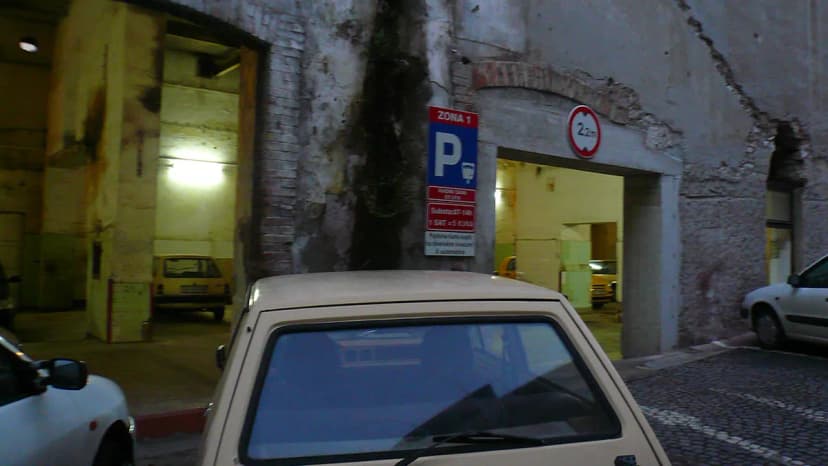
Navigating these zones requires attention to the blue signs posted at the entrance of every street block. These signs clearly state the zone name and the active hours for paid parking. Most visitors find that parking just outside the historic center saves a significant amount of money. You can easily access the main Tallinn Old Town guide attractions from these nearby central spots.
Understanding the boundaries helps you avoid accidentally parking in a premium zone without paying the correct fee. The Südalinn area is quite small but contains many high-end hotels and shopping malls. Kesklinn offers a much larger area with more flexible options for medium-term stays. Choosing the right zone ensures your vehicle stays safe while you enjoy the local sights.
Each zone has a distinct color code on maps to help drivers identify their current location. You should always verify the zone on the nearest parking machine or within your mobile app. This simple check prevents common mistakes that lead to fines from the municipal transport department. Many travelers find that walking between these zones is often faster than finding new street spots.
Parking Rates and Free Parking Hours
Street parking costs in the capital are strictly regulated and vary significantly based on the time of day. In the Kesklinn zone, expect to pay around 1.50 EUR per hour during standard business hours. The Südalinn zone increases this rate to 4.80 EUR per hour due to high demand. For those entering the Vanalinn, the rate jumps to 6.00 EUR per hour for all vehicles.
Knowing when you can park for free is essential for saving money during your trip. Most city-managed spots in the Kesklinn zone are free after 7:00 PM on weekdays and all day Sunday. However, the Südalinn and Vanalinn zones often require payment 24 hours a day, seven days a week. Always consult the Tallinn.ee - Official Parking Portal for the most current rate changes.
Saturday parking rules also vary depending on the specific zone you choose for your vehicle. In many Kesklinn areas, paid parking only applies until 3:00 PM on Saturdays. This makes the afternoon a great time to explore the various things to do in Tallinn without high costs. Always double-check the local signage to confirm these specific weekend hours.
Public holidays in Estonia usually follow the same free parking schedule as typical Sundays. This benefit allows visitors to enjoy festive events without worrying about feeding a meter. Be aware that private lots do not always follow these municipal holiday rules. They often maintain their standard rates regardless of the calendar date or local celebrations.
How to Pay: Mobile Apps, SMS, and Machines
Modern payment systems in Estonia make it very easy to manage your parking sessions digitally. Foreign visitors often find the local Pilet.ee app useful for managing their parking sessions digitally. This platform allows you to start and stop your session with a single tap on your smartphone. You should link a valid credit card to the app to ensure payments process smoothly.
Using the Parkimine.ee - City Parking Operator site is another great way to verify your digital payment status. This website provides a clear overview of all active zones and their respective mobile codes. If you prefer not to use an app, physical machines are still available in most central areas. These machines typically accept both coins and major credit cards for your convenience.
SMS parking is a popular local method but usually requires a contract with an Estonian mobile provider. Most international travelers will find that their home SIM card does not support this specific service. Stick to the official apps or physical machines to avoid any technical issues with your payment. Always wait for a confirmation message before leaving your car unattended in a paid zone.
Transaction fees vary between the different digital platforms available to drivers in the city. Pilet.ee usually charges a small service fee of around 0.32 EUR per parking session. Private apps like Snabb might offer different structures depending on the specific lot you select. Comparing these small costs can save frequent drivers a few euros over a long stay.
The 15-Minute Free Parking Rule (Parkimiskell)
A unique benefit for drivers in this city is the mandatory 15 minutes of free parking. This rule applies to all city-managed street spots across the three main parking zones. To claim this time, you must display a parking clock, known locally as a parkimiskell. You can purchase these inexpensive plastic clocks at most petrol stations and convenience stores.
The clock must be set to your arrival time and placed clearly on your dashboard. Ensure that the time is easily readable for parking attendants through the front windshield. If you do not have a clock, you can simply write your arrival time on a piece of paper. This manual method is legally acceptable as long as the note is clearly visible.
Remember that the 15-minute rule only applies if you have not yet started a paid session. Once you pay via an app or machine, the free period is usually included in your total time. This short window is perfect for quick errands like picking up a coffee or dropping off luggage. It helps keep the city moving by allowing for very short stops without payment.
Be aware that some private parking lots do not offer this specific 15-minute grace period. Always check the rules posted at the entrance of private garages or fenced lots before leaving. If you are on a Tallinn walking tour, you will see many cars using these clocks correctly. Following this local habit prevents unnecessary fines for very short stays.
Tallinn Airport Parking: Short vs. Long Stay
Travelers leaving for a few days should look into the long-stay options at the local terminal. The A2 car park provides the most economical rates for those away for more than 24 hours. You can find detailed maps and current pricing on the Tallinn-airport.ee - Official Parking Page before you arrive. Pre-booking your spot online can often result in lower daily rates for extended trips.
Short-term visitors can use the Kiss & Fly lane for quick passenger drop-offs near the entrance. This lane allows for a free stay of up to 10 minutes to unload luggage and say goodbye. If you stay longer than the allotted time, high hourly rates will apply automatically at the exit. This system keeps the terminal entrance clear for arriving and departing travelers throughout the day.
The airport also offers several premium parking lots located directly in front of the main terminal building. These spots are ideal for business travelers who value speed and immediate access to the check-in counters. While more expensive than the A2 lot, they provide the ultimate convenience for short business trips. Payment can be made easily at the automated kiosks using any major credit card.
Electric vehicle owners will find dedicated charging stations within the airport parking facilities for their convenience. These spots are clearly marked and allow you to charge your car while you are away. Ensure you check the compatibility of the charging plugs with your specific vehicle model before parking. This forward-thinking infrastructure makes the airport a friendly destination for modern eco-conscious drivers.
Private Parking Lots: Europark, Snabb, and Barking
Private operators offer an alternative to municipal street parking and often provide better security for your vehicle. Europark is the largest provider in the country with dozens of lots spread across the city center. Their lots range from open-air gravel spaces to modern multi-story garages with 24-hour surveillance. You can often find cheaper daily rates in these private lots compared to street zones.
The Snabb app is a favorite among locals for its seamless entry into various gated parking garages. It uses license plate recognition to open barriers automatically as you approach the entrance. This technology eliminates the need for paper tickets or physical payment at a central kiosk. You simply drive in and the app handles the billing based on your total stay duration.
Barking is another innovative app that allows users to park in private driveways and company lots. This platform opens up hundreds of hidden spots that are otherwise unavailable to the general public. These spots are often located in prime areas like the Tallinn beach guide districts or near major offices. It is an excellent way to find affordable parking during busy summer weekends.
Always compare the prices between these private apps and the standard city zones before you park. Some private lots in the Südalinn area might actually be more expensive during peak business hours. However, many offer significant discounts for evening and weekend stays to attract more customers. Checking the app maps gives you a real-time view of the best deals nearby.
Park & Ride (Pargi ja Reisi) for Tourists
The Park & Ride system, known locally as Pargi ja Reisi, is perfect for budget-conscious travelers. You can park your car for free at designated lots if you have a validated public transport card. This system encourages visitors to leave their cars outside the busy center to reduce urban traffic. It is a great option if you are planning day trips from Tallinn using regional buses or trains.
To use this service, you need a personalized green Ühiskaart, which you can buy for a few euros. After parking your car, you must validate your card on the public transport vehicle you take into the city. The system then recognizes your transit use and grants you free parking for the entire day. This method is both environmentally friendly and highly cost-effective for long-term visitors.
Major Park & Ride locations are situated near the main entry points of the city for easy access. Popular spots include the lots at Pääsküla, Pirita, and the Kalev stadium area. These lots are well-connected to the city center via frequent bus, tram, or trolleybus lines. You can reach the heart of the city in about 15 to 20 minutes from most of these locations.
Always ensure your Ühiskaart has at least one euro of credit to activate the parking validation. Even though the parking is free, the system requires a valid card to process the entry. Check the official city transport website for a full list of participating lots before you arrive. This strategy is especially useful during large events when central parking is very limited.
Parking Rules and Fines in the Old Town
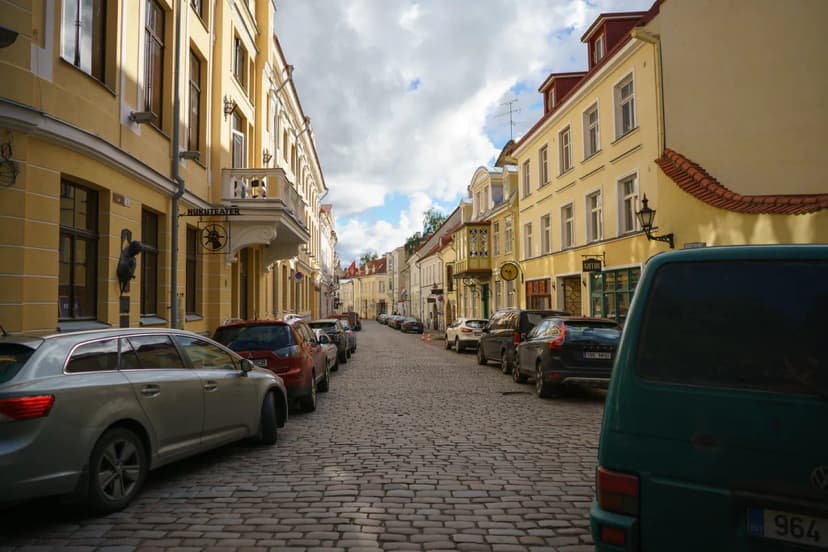
Driving into the medieval Old Town is heavily restricted and generally discouraged for most visitors. Only vehicles with special permits or those staying at specific hotels are allowed to enter the gated areas. If you do enter, be prepared for extremely narrow streets and very few legal parking spots. Most visitors find it much easier to park in the Kesklinn zone and walk into the historic area.
Snow removal is a major factor for street parking during the colder months in Estonia. The city often implements temporary bans on specific streets to allow plows to clear the roads effectively. Watch for temporary signs that indicate restricted hours for maintenance during heavy snowfall. Failure to move your vehicle can lead to towing or significant fines from the transport department.
Parking fines in the capital are issued digitally and can be quite expensive for unsuspecting tourists. A typical fine for non-payment or parking in a restricted area starts at around 31 EUR. These fines are often attached to your windshield or sent directly to your rental car agency. You should always double-check if is Tallinn safe for tourists regarding vehicle security and local law enforcement.
Towing is also a real possibility if your car blocks public transport routes or emergency access points. Trams have absolute priority, and parking too close to the tracks will result in immediate removal of your vehicle. Always leave enough space for large vehicles to pass comfortably on narrow central streets. Being mindful of these rules ensures a stress-free experience while driving in the Estonian capital.
- Comparison of Main Parking Apps
- Pilet.ee: Best for city streets
- Snabb: Best for gated garages
- Barking: Best for private driveways
- Fee: 0.32 EUR average service
Frequently Asked Questions
How much does parking cost in Tallinn city center?
Parking in the Kesklinn city center zone costs approximately 1.50 EUR per hour. The more central Südalinn zone is 4.80 EUR per hour, while the Old Town Vanalinn zone is 6.00 EUR per hour. Check our EuroCityGuide blog for more local travel tips.
Is parking free in Tallinn on weekends?
Free parking is available in the Kesklinn zone on Sundays and after 3:00 PM on Saturdays. However, the Südalinn and Vanalinn zones typically require payment 24/7. Always verify the specific blue signs on the street to confirm current weekend hours.
How do I pay for parking in Tallinn with a foreign phone number?
Foreign travelers should use the Pilet.ee or Snabb apps with a linked credit card for payments. SMS parking usually requires a local Estonian mobile contract and will not work with international SIM cards. Physical machines accepting coins and cards are also available.
Where can I find free parking near Tallinn Old Town?
Truly free parking is rare near the Old Town, but some Kesklinn streets are free on Sundays. Alternatively, use the Park & Ride system at locations like Pirita for free parking when using public transit. This requires a validated Ühiskaart green card for access.
How does the Park & Ride system work in Tallinn?
The Park & Ride system allows free parking at designated city lots for users of public transport. You must park your car and then validate your personalized green Ühiskaart card on a bus or tram. This validation grants you free parking for the remainder of the day.
Mastering the parking rules in the Estonian capital ensures a smooth and enjoyable visit for every traveler.
By choosing the right zone and using local apps, you can save money and avoid unnecessary fines.
Always remember to use your parking clock for those helpful 15 minutes of free time on city streets.
Planning your parking strategy in advance allows you to focus on the beautiful sights of this historic city.