Tallinn vs Riga: Which Baltic Capital to Visit for Your Next Trip?
Tallinn is the better choice for medieval Old Town charm and digital nomad infrastructure — its cafes offer faster WiFi at lower prices — while Riga wins for Art Nouveau architecture, nightlife, and budget travel, with daily costs running €40–60 in Tallinn versus €30–50 in Riga in 2026.
The Tallinn–Riga distance is 310 km; Lux Express and Ecolines buses run 5 times daily (€15–25, 4.5 hours), making it easy to combine both cities into a highly recommended 5–7 day Baltic itinerary without backtracking (start with our Tallinn 3 day itinerary on the Estonian side).
Deciding between Tallinn vs Riga — which Baltic capital to visit — is one of the most enjoyable dilemmas in European travel planning for 2026. Both cities offer stunning architecture, deep history, and unique cultural experiences at every turn. While they share a regional bond, their personalities differ more than you might expect. This guide breaks down the essential details to help you plan your perfect northern escape.
Tallinn shines with its perfectly preserved medieval core and high-tech modern districts. It often feels like a storybook come to life with its towers and cobblestones. Riga presents a larger, more urban feel with its wide boulevards and the world's largest concentration of Art Nouveau buildings. You will find a bustling energy in the Latvian capital that contrasts with Tallinn's cozy charm.
Direct answer: Riga is the better pick for budget travelers and Art Nouveau lovers; Tallinn wins for medieval atmosphere, tech culture, and quick weekend breaks from Helsinki or Stockholm.
Medieval Vibe vs Art Nouveau Grandeur
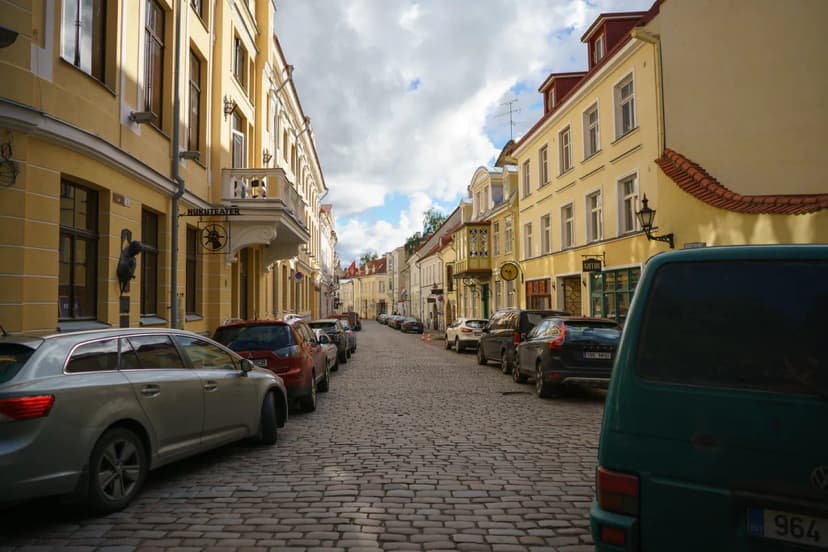
Tallinn feels like a living fairy tale with its preserved medieval walls and limestone towers. Wandering through the cobblestone streets of the Tallinn Old Town reveals hidden courtyards and ancient churches that date back to the 13th century. The entire historic center is a UNESCO World Heritage Site — compact enough to explore on foot in half a day, yet rich enough to fill two full days of discovery. Most visitors spend about four to six hours exploring this area on their first pass, then return for the evening atmosphere when lanterns flicker and crowds thin out.
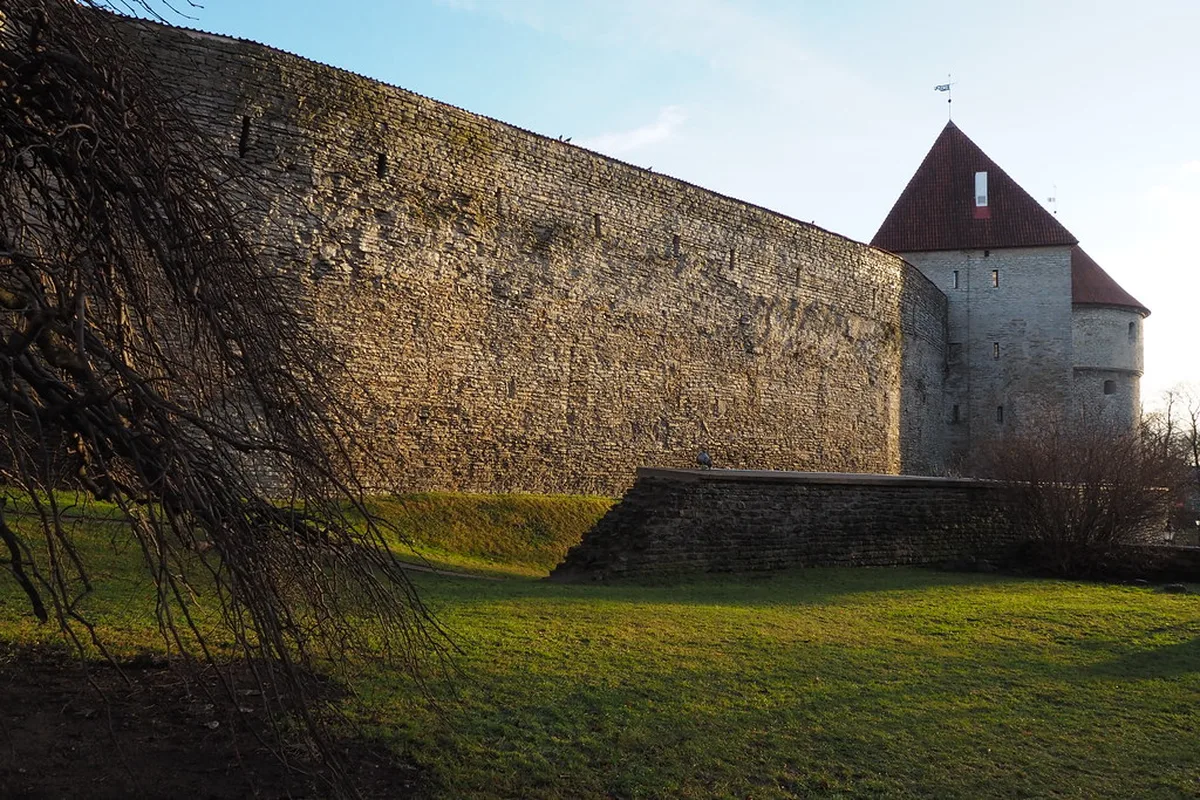
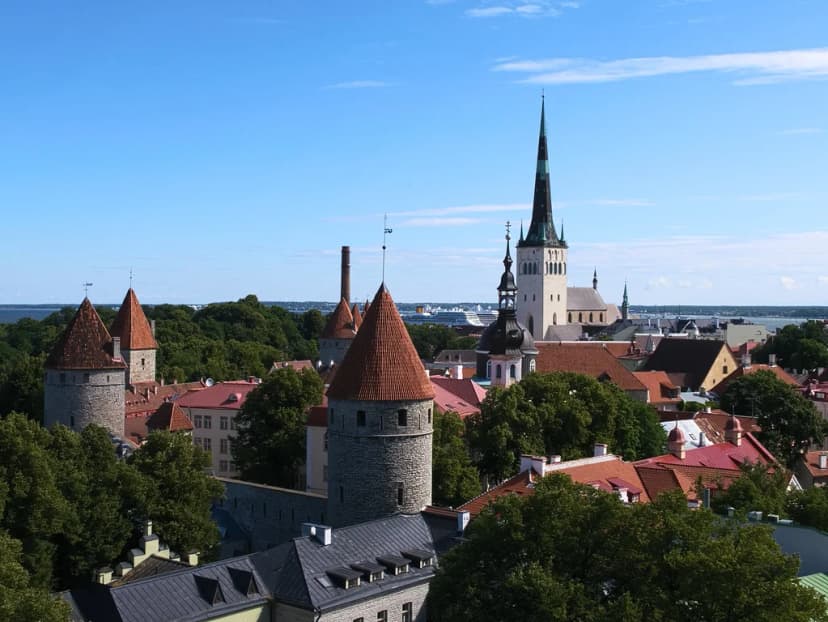
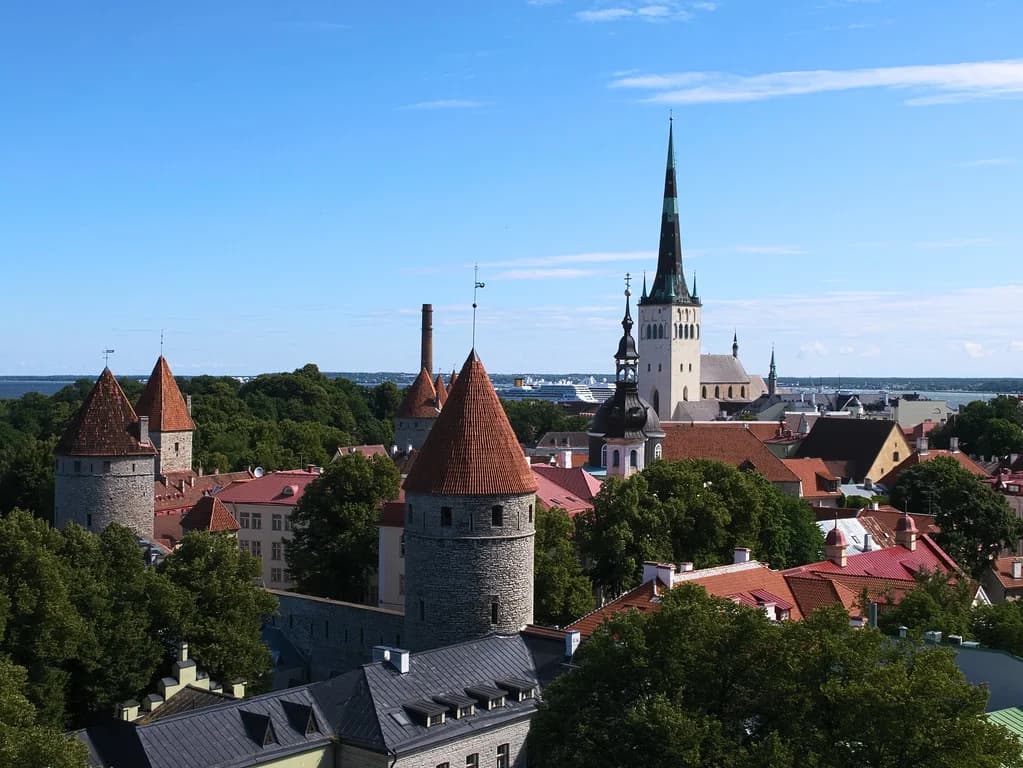
What makes Tallinn's Old Town globally unique is its completeness. Unlike many European city centers that suffered wartime destruction, Tallinn's medieval fortifications, merchant houses, and church spires survived largely intact. The atmosphere remains cozy and intimate throughout the year, with the Toompea Hill viewpoints offering some of the most photographed panoramas in the entire Baltic region — all free to access. Entrance to the Toompea Castle grounds is free; the Estonian Parliament building inside adds an intriguing political landmark to the heritage experience.
Riga offers a much grander scale with its wide boulevards and over 800 Art Nouveau structures, mostly located in the Quiet Center district. This is the largest collection of Art Nouveau architecture on the planet — a UNESCO-recognized distinction that sets Riga apart from every other city in Europe. Walking tours of these ornate facades typically cost around €15–25 per person and are well worth the investment to understand the architectural symbolism. Alberta iela (Alberta Street) is the single most impressive block: five continuous buildings in elaborate Jugendstil style, all dating to 1903–1908. You will notice a distinct shift from medieval roots to 19th-century luxury and ambition.
Navigation in Tallinn is incredibly easy because the main sights sit close together. You can walk from the harbor to the town square in less than fifteen minutes, making it ideal for travelers who prefer slow walks without using public transport. The city's compact layout also means zero transport costs for most sightseeing — a genuine saving for budget travelers. Riga requires a bit more legwork or a short tram ride to see everything. The city is divided by the Daugava River, providing a sense of space and openness. Trams cost approximately €1.50 for a single journey (card payment), and a 24-hour travel card covering all trams, buses, and trolleybuses costs €5. Riga's larger scale actually works in its favor: each neighborhood — Old Town, Quiet Center, Maskavas Forstate — feels like a distinct city within a city, rewarding multi-day visitors with fresh discoveries on every walk.
Climate is a minor but real factor in the choice. Riga sits a few degrees warmer than Tallinn on average due to its slightly more southerly position, which can matter for shoulder-season visits in March–April or October–November. Both cities are genuinely cold in winter (average lows of -6°C to -8°C in January), but their heating infrastructure is excellent and both have thriving indoor café, bar, and museum cultures that make cold-weather visits very enjoyable. Summer is the peak season for both, with long daylight hours (up to 18–19 hours in June) making evening sightseeing genuinely special.
Top Sights: Tallinn vs Riga Which Baltic Capital to Visit?
Tallinn focuses heavily on its upper and lower town fortifications and scenic viewpoints. Toompea Hill provides the best photo opportunities overlooking the red-tiled roofs below. Entry to the Kiek in de Kök museum and the adjoining bastion tunnel network costs roughly €12 in 2026 — one of the best value heritage experiences in the Baltic region, covering six floors of medieval military history with original cannon fire marks still visible in the walls. The Telliskivi Creative City, just a short walk from the train station, adds a contemporary edge: street art murals, independent specialty-coffee cafes, craft breweries, and a thriving startup culture that reflects Estonia's reputation as one of Europe's most digitally advanced nations.
Riga presents a more diverse range of attractions spread across a larger urban area. The Central Market occupies five repurposed zeppelin hangars and is one of the largest covered markets in Europe — essential for sampling local cheeses, smoked fish, freshly baked rye bread, and forest mushrooms. Entry is free; budget €5–10 for a substantial food tour through the stalls. The House of the Blackheads charges about €7 for adult entry and showcases Riga's medieval merchant heritage with a beautifully reconstructed Gothic interior. Art lovers should also visit the Latvian National Museum of Art: entry fees are usually under €10 for permanent exhibitions, and the building itself — a Neo-Classical structure from 1905 — is worth the walk across the park.
Maritime history buffs should head to Tallinn's Seaplane Harbour, housed in a massive Art Nouveau concrete hangar dating to 1916 and featuring a real submarine (the Lembit), a Finnish icebreaker, and historic seaplanes. Adult tickets cost €15 in 2026 and offer a fascinating modern counterpoint to the ancient city walls just three kilometres away. Plan two to three hours here — the submarine interior is accessible and genuinely gripping. Families with children consistently rate it as their highlight of the Tallinn trip.
For day trips, Tallinn and Riga each unlock a distinct hinterland. From Tallinn, the best day trips from Tallinn include Lahemaa National Park (free entry to the park; guided tour approx. €35), the Palmse Manor (€5 entry), and a Helsinki ferry crossing that takes just two hours (Tallink or Viking Line from €20 return). From Riga, Jūrmala beach resort is just 30 minutes by suburban train (under €2 each way) and Rundāle Palace — Latvia's answer to Versailles — is reachable on guided tours for around €30 including entry.
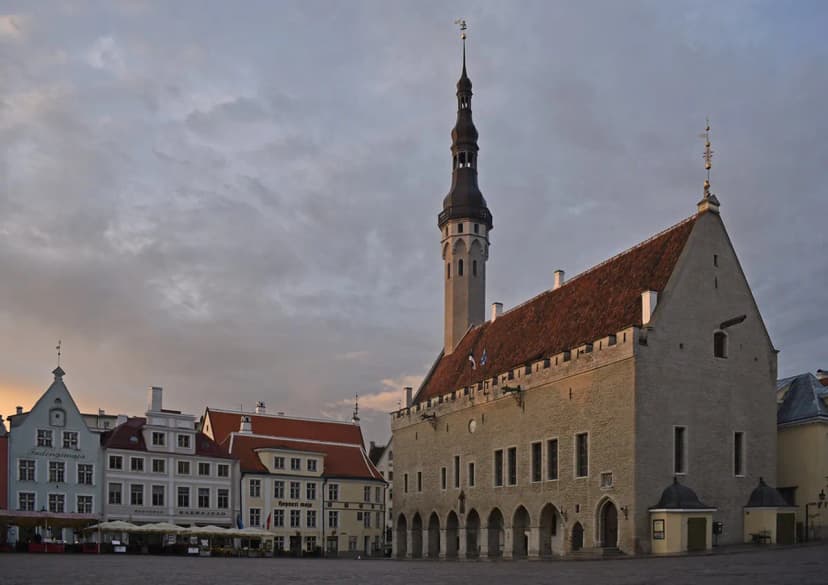
- Tallinn Town Hall Square
- Type: Historic Plaza
- Best for: Photography, Christmas market (Dec), café terraces (summer)
- Where: Center of Old Town
- Cost: Free to walk; guided tours €12–18
- Riga Central Market
- Type: Historic Market
- Best for: Local food, culture, people-watching
- Where: Near Riga train station
- Cost: Free entry; food budget €5–10
- Telliskivi Creative City
- Type: Modern Hub
- Best for: Street art, specialty coffee, craft beer, tech scene
- Where: Near Tallinn Station
- Cost: Free entry; beer/coffee €4–6
- Riga Art Nouveau District
- Type: Architectural Quarter
- Best for: Architecture, photography, guided history walks
- Where: Quiet Center, Alberta iela
- Cost: Walking is free; guided tours €15–25
Budget and Travel Costs Comparison
Riga is the more affordable of the two capitals in 2026 — sometimes significantly so. A sit-down meal at a mid-range restaurant in Riga costs approximately €8–14 per person, while the equivalent in Tallinn runs €12–18. Craft beer at a Riga bar averages €3–5 per pint; in Tallinn's Kalamaja or Telliskivi craft bars, expect to pay €4–6. Over a weekend, these differences add up to a meaningful saving, particularly for groups of two or more. A couple spending three nights in each city can realistically save €80–120 by choosing Riga-first accommodation as the budget anchor.
Hotel prices follow a similar pattern. A well-reviewed boutique room in Riga's Old Town or Quiet Center can be found for €60–95 per night in 2026. Tallinn's central hotels tend to start around €80–120 for comparable quality, reflecting the city's popularity with cruise passengers and Nordic weekend-trippers who push up peak-season demand. Hostels are excellent value in both cities: Riga offers dorm beds from €14–20 per night, while Tallinn hostels run €18–25. Staying just outside the historic core in either city can trim 20–30% from your accommodation bill without sacrificing convenience.
Transport costs remain very low in both cities. Tallinn offers free public transport for registered residents; visitors pay around €5 for a 24-hour travel card covering all buses and trams. In Riga, a single tram journey costs €1.50. Bolt (ride-sharing) is widely used in both cities and rarely costs more than €5–8 for a city-center ride. Budget travelers can comfortably manage on €30–50 per day in Riga, or €40–60 per day in Tallinn, including accommodation, meals, and entry fees. Adding a day trip — to Helsinki from Tallinn (€20–40 return ferry) or Jūrmala from Riga (under €2 train) — adds minimal cost to an already affordable itinerary.
Museum entry fees deserve a mention. Tallinn's Seaplane Harbour costs €15; the Kiek in de Kök runs €12; entry to most church towers is €3–5. Riga's House of the Blackheads is €7; the Latvian National Museum of Art is under €10; the Riga Motor Museum charges €8. Both cities offer museum passes that bundle three to five entries for €20–30 — good value if you plan more than two paid attractions per city. The Tallinn Card (€28 for 24h, €38 for 48h) covers public transport plus free or discounted entry to 40+ sights and is excellent value for first-time visitors on a sightseeing-heavy schedule.
Always check the Tallinn walking tour guide for free and low-cost ways to see the Estonian capital without blowing your budget.
Food Scenes and Nightlife Energy
Tallinn serves up a compelling mix of traditional Estonian fare and modern Nordic cuisine. Many restaurants use hyper-local ingredients like rye bread, elk meat, juniper, and forest berries. Rataskaevu 16 is a perennially popular spot where reservations are essential weeks in advance; expect €18–25 for a main course. Vanaema Juures (Grandmother's Place) offers hearty Estonian home cooking — blood sausage, pork roast, sauerkraut — for €12–16 per main, representing extraordinary value for the quality. For craft beer, the Kalamaja and Telliskivi districts host a growing number of taprooms; a pint typically costs €4–6 in 2026, with tasting flights of four 150 ml pours available from €8–12.
Fine dining in Tallinn often draws direct inspiration from the Baltic Sea and surrounding forests. Fresh fish, smoked meats, and foraged herbs are staples on many high-end tasting menus. Expect to pay around €70–90 per person for a full multi-course experience at top-tier restaurants like Noa Chef's Hall or Fotografiska Tallinn. These meals offer a sophisticated lens on Estonian culture and its relationship with the natural world — a key reason SERP research consistently names Tallinn the best Baltic city for foodies and culinary tourism. The Tallinn nightlife guide covers the best bars and late-night spots across every district, from dive bars in Kalamaja to rooftop cocktail lounges in the Old Town.
Riga is known for its Black Balsam liqueur and hearty Latvian stews found in cozy Old Town taverns. Black Balsam — a potent, aromatic herbal spirit with 45% ABV — is the city's unofficial drink and is best sampled mixed with blackcurrant juice (Balsam Melnais) for around €4 per glass. Craft beer in Riga is excellent and cheaper than in Tallinn, averaging €3–5 per pint at most independent bars. The nightlife scene is more sprawling and energetic, with clubs and bars in the Old Town and the Kipsala district staying open until the early hours. Solo travelers often find it easier to meet people here than in the quieter, more intimate bars of Tallinn. Key venues include Labietis brewery tap (craft beers from €3.50) and the rooftop bar at Hotel Neiburgs (cocktails €9–13).
Street food is a highlight around Riga's Central Market, where you can grab a freshly baked pastry or a smoked sausage for €1–3. Piragi — bacon-filled pastry rolls — are a Latvian staple available at virtually every bakery stall for under €1 each. This casual dining style suits travelers moving quickly between sights. Local breweries offer tasting flights for €8–12 — great value compared to similar experiences in Western Europe. Riga's restaurant scene also covers an impressive range of international cuisines, reflecting its position as the most cosmopolitan of the Baltic capitals; Georgian, Japanese, and Vietnamese restaurants all thrive here alongside traditional Latvian spots.
Verdict on food: Tallinn wins on fine dining innovation and Nordic-Baltic culinary creativity; Riga wins on value, variety, and street-food culture. See the separate FAQ below for a direct comparison.
Combining Tallinn and Riga: The Baltic Road Trip
The best news for indecisive travelers: you do not have to choose. Tallinn and Riga are just 310 km apart and 4.5 hours by Lux Express bus, with tickets from €15 one-way (book in advance; premium seats with Wi-Fi, power outlets, and snacks cost €25–35). Lux Express and Ecolines both depart multiple times daily from both city centers — approximately five departures in each direction — making the connection seamless without flights, airport stress, or visa complications for EU and Schengen travelers. The buses are modern, punctual, and a genuinely comfortable way to travel.
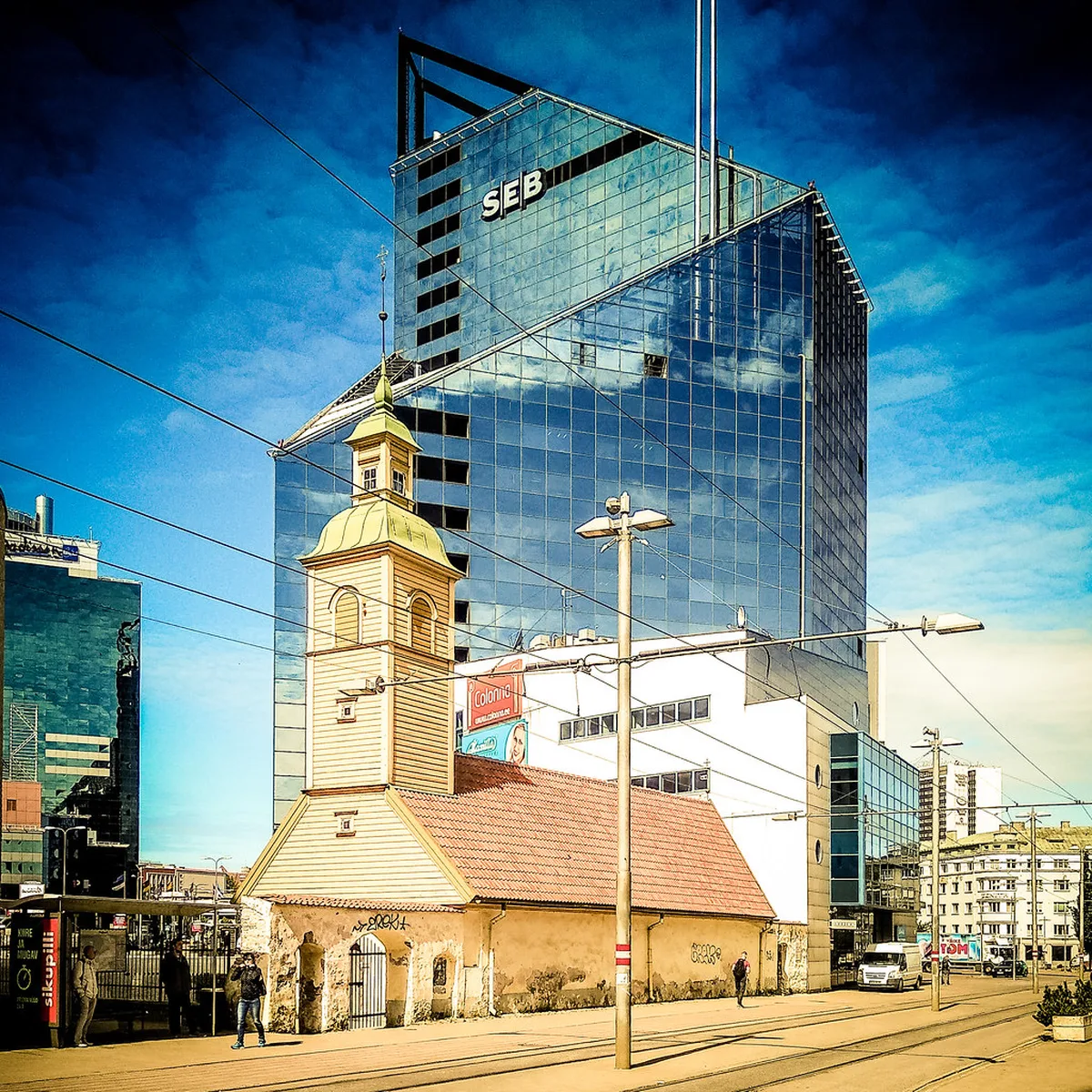
The two cities are genuinely complementary rather than redundant. Tallinn gives you the medieval fairy tale: compact, walkable, UNESCO-listed fortifications, and a cutting-edge tech startup scene. Riga delivers the grand urban counterpoint: Art Nouveau boulevards, the vast Central Market, and a larger, more cosmopolitan nightlife. Visiting both in sequence means you experience the full range of Baltic identity — from Nordic-influenced minimalism in Tallinn to central European grandeur in Riga — in a single trip. Many travelers add Vilnius (Lithuania) as a third leg by continuing south from Riga on a further 4-hour bus; the "Baltic capitals triangle" has become one of Europe's best-value multi-city itineraries in 2026.
Suggested 5-day Baltic itinerary (2026):
- Days 1–2.5 — Tallinn: Arrive, walk the Old Town (half day), Toompea Hill viewpoints (morning), Seaplane Harbour museum (afternoon), evening in Telliskivi. Day 2: Kadriorg Palace and park (free entry to park, €5 for palace), Lahemaa day trip or Kiek in de Kök, craft beer evening in Kalamaja.
- Day 2.5 — Bus transfer: Morning Lux Express to Riga (4.5h, from €15). Check in and explore the Old Town on arrival.
- Days 3–5 — Riga: Day 3: Art Nouveau walking tour (Alberta iela), Latvian National Museum of Art, evening at Labietis craft brewery. Day 4: Central Market, House of the Blackheads, Freedom Monument, Riga Old Town evening walk. Day 5: Jūrmala seaside day trip (30 min by train, under €2), return to Riga for farewell dinner at a Latvian tavern.
This itinerary works in either direction. Flying in and out of the same city? Choose Tallinn if arriving from Helsinki or Stockholm — a short ferry or flight brings you into the Estonian capital efficiently, with the Helsinki–Tallinn crossing taking just two hours by Tallink or Viking Line (from €20 return). Choose Riga if routing through Warsaw, Berlin, or other Central European hubs; airBaltic offers excellent connections into Riga from across Europe. Both airports are also served by Ryanair and Wizz Air on budget fares. The Tallinn safety guide has everything you need to know about security, scams, and safe neighborhoods before you arrive in Estonia.
Tallinn vs Riga: A Side-by-Side Cost Comparison for 2026
Cost is one of the most searched dimensions of the Tallinn vs Riga debate — and the gap is real but nuanced. Riga comes out cheaper in almost every category for leisure travelers, while Tallinn's extra investment pays dividends in digital infrastructure, English-language services, and dining creativity. The table below uses 2026 prices gathered from current booking platforms and on-the-ground reports.
| Category | Tallinn | Riga | Winner |
|---|---|---|---|
| Hostel dorm (per night) | €18–25 | €14–20 | Riga |
| Mid-range hotel (per night) | €80–120 | €60–95 | Riga |
| Restaurant meal (mid-range, per person) | €12–18 | €8–14 | Riga |
| Pint of beer (local/craft bar) | €4–6 | €3–5 | Riga |
| Museum entry (major attraction) | €5–15 | €4–10 | Riga |
| Café coffee + WiFi speed | €3–5 / 100+ Mbps common | €2.50–4 / 50–80 Mbps typical | Tallinn (speed) |
| Day trip option 1 | Helsinki ferry: €20–40 return | Jūrmala train: under €2 return | Riga (beach access) |
| Day trip option 2 | Lahemaa guided tour: ~€35 | Rundāle Palace tour: ~€30 | Roughly equal |
| 24h public transport pass | €5 | €5 | Tie |
| Typical daily budget (all-in) | €40–60 | €30–50 | Riga |
Overall winner for budget travelers: Riga. Across accommodation, food, and drinks, Riga runs 15–30% cheaper than Tallinn. A solo traveler spending five nights in Riga versus Tallinn could realistically save €50–100 on the same standard of experience.
Overall winner for digital nomads and tech travelers: Tallinn. Estonia's e-residency program, ubiquitous high-speed WiFi (even on public trams), and a dense ecosystem of co-working spaces make Tallinn the Baltic capital of choice for remote workers. Monthly co-working desk rentals average €150–200 — competitive with Lisbon or Bucharest at a fraction of Western European cost.
The Tallinn Old Town guide lists the best free and paid attractions in the historic center, helping you plan a cost-effective first day in the city.
Practical Decision: Which City Should You Choose?
Choose Tallinn if you have limited time and want a compact, walkable, instantly rewarding experience. The city is perfect for a two-day weekend break or a day trip from Helsinki (ferry tickets from €20 return, crossing takes just 2 hours). Its medieval core, design culture, and rising food scene make it one of the most immediately impressive cities in Northern Europe. The tech startup ecosystem centered around Telliskivi adds a unique modern layer rarely found in a city of this size — and the city's digital infrastructure (free WiFi everywhere, contactless payment universally accepted, e-governance services) is genuinely impressive for travelers used to slower systems. The Tallinn beach guide covers the best coastal spots within easy reach if you visit in summer — Pirita beach is just a 20-minute bus ride from the city center.
Pick Riga if you enjoy urban exploration, architectural discovery, and a more cosmopolitan city feel. It serves as a natural hub for the wider Baltics, with easy access to Lithuania by bus and the Latvian countryside by local train. The Jūrmala seaside strip is just 30 minutes and under €2 by train, making it one of the easiest beach day trips in the entire Baltic region. Riga rewards those willing to look beyond the obvious tourist trail and dig into its layered history — the Maskavas Forstate neighborhood (Riga's historic Jewish quarter) and the lively Miera iela street food strip are examples of the depth waiting beyond the Art Nouveau postcards.
Families might find Tallinn slightly easier to navigate with young children: the Old Town is compact and safe, parks are plentiful (Kadriorg park is free and excellent), and many museums offer interactive exhibits for younger visitors. Solo travelers often gravitate toward Riga's larger, more social hostel scene and energetic nightlife. Couples split fairly evenly — Tallinn for romance and fairy-tale evenings, Riga for gallery-hopping and late-night dining. The Tallinn walking tour is a perfect first-morning activity before deciding how to structure the rest of your days.
Frequently Asked Questions
Is Tallinn or Riga cheaper?
Riga is cheaper than Tallinn in 2026 across almost every spending category. Meals at a mid-range restaurant cost €8–14 in Riga versus €12–18 in Tallinn. Craft beer averages €3–5 in Riga compared to €4–6 in Tallinn. Hostel dorm beds run €14–20 in Riga versus €18–25 in Tallinn. Budget travelers can comfortably manage on €30–50 per day in Riga; Tallinn requires roughly €40–60 per day for a similar experience including accommodation, meals, and entry fees. Over a five-night stay, the difference can add up to €50–100 in Riga's favor.
How do I travel between Tallinn and Riga?
The easiest way to travel between Tallinn and Riga is the Lux Express or Ecolines bus, which runs approximately five times daily in each direction and takes approximately 4.5 hours. The distance between the two cities is 310 km. Tickets start from €15 one-way when booked in advance; premium seats with Wi-Fi, power outlets, and a snack cost €25–35. There is no direct train service between the two cities. Flying is possible but rarely worthwhile given the short distance and the convenience of central bus terminals in both cities — buses depart from and arrive at the heart of each city, saving airport transfer time and cost.
Is it possible to visit both Tallinn and Riga in one trip?
Yes — combining Tallinn and Riga in a single trip is not only possible but highly recommended. The two cities are just 310 km apart, connected by frequent Lux Express buses (5 departures daily, 4.5 hours, from €15). A 5–7 day Baltic itinerary works perfectly: 2–2.5 days in Tallinn, a morning bus transfer, then 3 days in Riga. The cities complement each other beautifully — Tallinn for medieval charm and tech culture, Riga for Art Nouveau architecture and urban energy. Many travelers add Vilnius as a third stop by continuing south from Riga on a further 4-hour bus, completing the full Baltic capitals circuit. There are no internal border controls between Estonia and Latvia for EU and Schengen passport holders.
Which Baltic capital has better food — Tallinn or Riga?
Tallinn wins for fine dining and Nordic-Baltic culinary innovation. Its restaurants regularly appear in regional "best of" lists for their use of hyper-local ingredients — foraged mushrooms, elk, juniper, fresh Baltic fish — and creative tasting menus (€70–90 per person at the top tier). Riga wins for street food, variety, and value. The Central Market's stalls serve Latvian pastries (piragi) for under €1, smoked fish for €2–4, and hearty stews for €5–8. Riga's Black Balsam liqueur is a must-try cultural experience. Overall verdict: Tallinn for a memorable special-occasion dinner; Riga for adventurous, affordable daily eating across a wider range of cuisines.
How many days do I need to see Tallinn and Riga?
You can see the main highlights of Tallinn in two full days — the Old Town, Toompea Hill, Seaplane Harbour, and Telliskivi fit comfortably into 48 hours. Riga is larger and typically requires three days to explore its various districts, Art Nouveau architecture, and markets. If you plan to visit both cities, allow at least five to seven days for a relaxed pace — 2.5 days per city with a morning bus transfer in between works very well. Adding a day trip (Helsinki from Tallinn, or Jūrmala from Riga) pushes the optimal trip length to seven days.
Which Baltic capital is better for a winter visit?
Tallinn is widely considered the best Baltic choice for a winter visit. Its medieval square hosts one of Europe's most atmospheric Christmas markets (late November through January 6), and the snow-covered towers and cobblestones create an almost cinematic scene. Entry to the Christmas market is free; mulled wine costs around €3–4. Riga also has excellent winter events and a lively indoor bar and restaurant culture, but Tallinn's compact, walkable scale suits cold-weather exploration particularly well. Riga is a few degrees warmer than Tallinn on average — a minor advantage in shoulder seasons. Pack warm layers for both — Baltic winters are genuinely cold, with average January temperatures of -4°C to -7°C in both cities.
Both Tallinn and Riga offer extraordinary value and beauty for any European traveler in 2026. Your choice depends on whether you prefer a medieval fairy tale or a grand Art Nouveau adventure — but the smartest move is to combine both on a single Baltic trip. The Lux Express bus makes it effortless, and the two cities complement each other perfectly.
Tallinn is ideal for compact, scenic weekends and travelers arriving from the Nordic countries. Riga rewards those who want urban depth, architectural wonder, and a livelier nightlife at a lower price point. Whichever city you start with, the Baltic charm will leave a lasting impression — and the other city will be waiting just 4.5 hours down the road. Start planning your 2026 Baltic adventure today to secure the best bus and hotel rates.
For more inspiration on exploring the Estonian capital, read our guides to Tallinn Old Town, Tallinn nightlife, and staying safe in Tallinn.