Is Tallinn Safe for Tourists? A Complete 2026 Safety Guide
Tallinn is very safe for tourists — Estonia's capital consistently ranks among Europe's 10 safest cities with a low crime index; tourist areas including the Old Town (UNESCO World Heritage Site) and Telliskivi Creative District are secure day and night in 2026.
The main risks in Tallinn are drink spiking near nightlife venues in Old Town and pickpockets on Toompea hill; the EU emergency number 112 works throughout Estonia, and police (110) response time in central Tallinn is under 5 minutes.
Tallinn is widely considered one of the safest capital cities in Northern Europe for international visitors. Most travelers enjoy their stay without encountering any significant safety issues or criminal activity. The city blends medieval charm with modern security, providing a comfortable environment for families and solo explorers.
Quick answer: Yes, Tallinn is very safe for tourists in 2026. It consistently ranks among Europe's safest capitals, with violent crime against visitors being extremely rare. Standard urban precautions — watching your belongings in crowds, using the Bolt app for late-night transport, and avoiding aggressive nightclub touts on Viru Street — are all you need for a trouble-free visit.
Understanding General Safety and Crime Rates
Statistics show that Estonia consistently ranks high on the Global Peace Index for 2026, placing it among the top 30 most peaceful countries worldwide. Violent crimes against tourists are extremely rare in the city center and surrounding residential districts. You will find that local police are professional and often speak English to assist visitors promptly and effectively.

Estonia's overall crime rate is one of the lowest in the European Union. According to Eurostat data, the country reports fewer intentional homicides per 100,000 people than the EU average, and assault rates in the capital are far below those of most Western European cities. Tallinn's compact historic center — the UNESCO-listed Old Town — benefits from a near-constant presence of tourists and a dedicated police patrol unit that covers the area on foot and by vehicle around the clock.
Petty theft like pickpocketing occasionally happens in crowded tourist areas during the peak summer months. Keep your bags zipped and remain aware of your belongings while exploring the Old Town landmarks and the popular viewpoints on Toompea hill, where distracted tourists make easier targets. Using a money belt or an anti-theft backpack removes most of this risk entirely. Secure your phone in a zipped pocket rather than leaving it on café tables, particularly during busy Saturday afternoon market hours.
Emergency services are highly efficient and can be reached by dialing 112 from any phone — this single number connects you to police, fire services, and ambulance in Estonia. Operators are trained to handle calls in multiple languages, including English, to provide immediate assistance when needed. Response times in the central districts are generally under five minutes for urgent situations. If you prefer to contact the police directly for non-emergency matters, you can call 110 — both numbers function from all phones, including those with no local SIM card or credit.
Travelers should maintain a standard level of awareness as they would in any major European capital. Avoid carrying large amounts of cash and use hotel safes for your passports and extra electronics. Digital contactless payments are accepted almost everywhere in Tallinn — from the smallest coffee shop to museum ticket desks — which significantly reduces the need to carry physical currency at all. Keep a small reserve of EUR €20–30 in cash for the occasional street market stall or small bakery that operates cash-only.
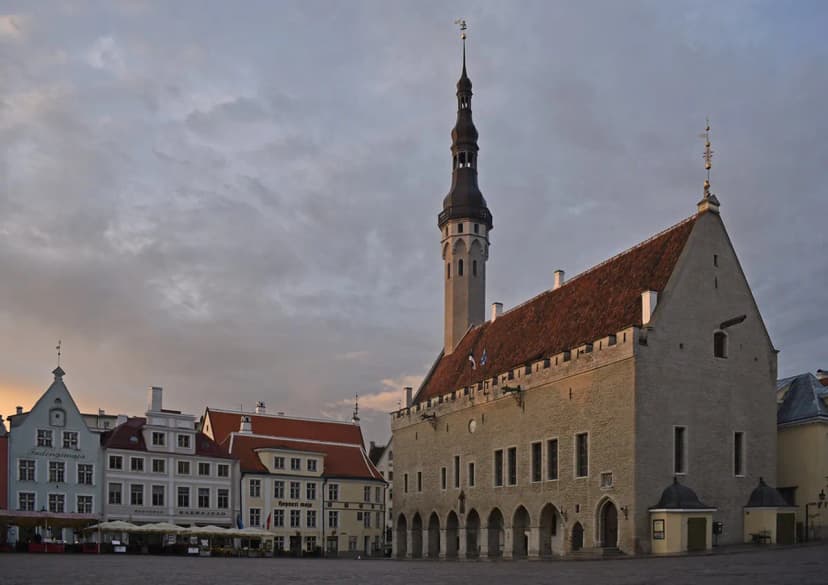
The city center is extremely well-lit after dark, with most major pedestrian routes — Viru Street, Pikk Street, and Raekoja plats (Town Hall Square) — remaining lively and populated until well past midnight during summer. This natural street presence is one of the most effective deterrents against any opportunistic crime, and it is one reason Tallinn consistently receives positive safety assessments from independent travel bloggers and government advisories alike.
Safe Neighborhoods and Areas to Exercise Caution
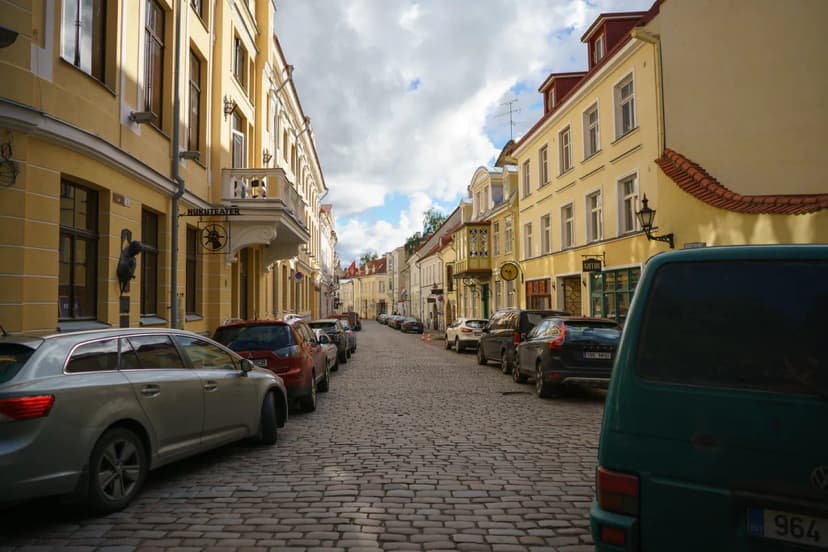
The historic Old Town is the safest part of Tallinn due to high visibility and constant foot traffic throughout the day and evening. Well-lit cobblestone streets and a strong security presence make it ideal for evening strolls after dinner. Many visitors use Tallinn's walking tour routes to familiarize themselves with the safest and most scenic paths through the medieval quarter, including the preserved city walls, Viru Gate, and the merchants' houses along Pikk Street.
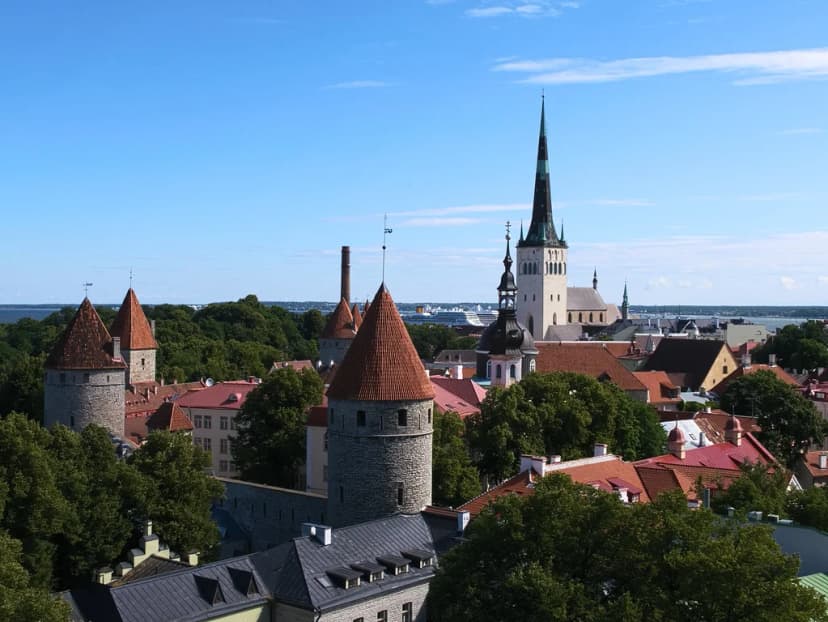
Toompea Hill (the upper Old Town) is equally safe and well-policed, even late at night. The area around the Alexander Nevsky Cathedral, Toompea Castle, and the panoramic viewing platforms draws steady visitor traffic, which naturally deters opportunistic crime. That said, the narrow stepped lanes leading up from the lower town — particularly Lühike jalg (Short Leg Lane) — attract pickpockets during peak summer afternoons, so keep bags in front of you on these stretches. Both the Lower Old Town and Toompea are where you will spend most of your time, and both are genuinely secure when standard precautions are applied.
Kalamaja and Telliskivi Creative City have transformed into some of the most vibrant and safe districts in Tallinn over the past decade. Filled with families, young professionals, independent cafés, and creative workspaces, these neighborhoods offer an authentic local experience far removed from the tourist-trap atmosphere of the Old Town nightclub strip. Telliskivi market on Saturday mornings (9:00–15:00) is particularly welcoming and safe at all hours. In the early evening, the food trucks, vinyl record shops, and craft beer bars make for a genuinely pleasant outing. Exercise more caution if you are staying out here past 1:00 AM on Friday or Saturday nights, when the atmosphere can become more boisterous, though serious incidents remain rare.
Lasnamäe is a large residential district of Soviet-era apartment blocks to the east of the center. While it is not inherently dangerous, it can feel isolating for visitors unfamiliar with the area, especially at night. Stick to the main roads and use Bolt or the tram network if you find yourself in this part of town after dark. There is no particular tourist reason to visit Lasnamäe, but if you are passing through to reach the Ülemiste City business district or the airport, the main roads are perfectly fine.
The port area near Tallinn's ferry terminal is generally safe but can become congested when large Baltic cruise ships arrive or multiple ferries depart simultaneously. Watch for opportunistic thieves who may target distracted passengers waiting with luggage near the ferry gates. Keep your bags close, avoid leaving luggage unattended, and use the secure waiting lounges inside the terminal building during extended waits. A taxi from the port to Old Town costs approximately EUR €5–7 via Bolt — avoid unlicensed drivers who approach you inside the terminal.
Viru Street and the nightclub strip deserve a specific mention. During the day, Viru is a pleasant pedestrian street ideal for shopping and café stops. Late at night on weekends it shifts character: aggressive touts work the pavement outside clubs and bars, steering tourists toward overpriced venues. Always check menu prices before entering any establishment, and be aware that some venues have been linked to inflated bills and drink-spiking incidents reported by visitors. Kalamaja and Telliskivi are far better alternatives for an enjoyable and fair-priced night out.
The beach suburb of Pirita is a peaceful and safe area approximately 5 km east of the Old Town, popular with locals for cycling, swimming, and visiting the Pirita beach. Our Tallinn beach guide covers all the best spots along this coastline. Day trips from the city into the Estonian countryside are equally safe — for ideas on destinations, see our day trips from Tallinn guide.
Safety Tips for Nightlife and Solo Travelers
Tallinn has a vibrant social scene that is generally welcoming and safe for solo explorers. Most bars and clubs in the city center maintain a relaxed and secure environment for patrons. The city's Tallinn nightlife guide covers the best venues across all districts, helping you pick the right spot before you leave your accommodation.

Alcohol-related incidents are the most common cause of trouble for tourists during weekend nights in the Old Town. Drink responsibly, pace yourself, and avoid getting drawn into arguments with heavily intoxicated individuals in late-night bars. Estonian law regarding public intoxication is enforced — police officers conduct patrols on foot through the Old Town on weekend nights and can and do issue on-the-spot fines for disorderly public behavior. The fine for being drunk and disorderly in a public place starts at EUR €40.
Drink-spiking awareness: A documented number of incidents involving sedative substances, including GHB, have been reported near tourist-heavy nightlife venues — particularly around the Viru Street club strip and a small number of establishments on Müürivahe Street. Never leave your drink unattended, even for a few minutes. If your drink tastes unusually sweet or bitter, or you feel suddenly light-headed and disoriented, alert bar staff immediately and call 112. Sit in a visible location and ask another patron to stay with you while you wait for help. Stick to bars recommended by your accommodation or verified review platforms — venues in Kalamaja (F-Hoone, Pudel Baar) and Telliskivi (Telliskivi Bar, Yard) have a consistently better safety record and far more honest pricing.
Walking back to your accommodation in the small hours is generally safe if you remain on the main thoroughfares — Pärnu maantee, Narva maantee, and the well-lit pedestrian axis through Old Town. Ride-sharing via Bolt is the recommended option for late-night solo travel. Fares run EUR €4–8 for most city center to residential journeys, and the fully tracked journey, driver verification, and in-app emergency sharing make it the safest transport option available. Always confirm the car make, registration plate, and driver photo match what is shown in the Bolt app before entering the vehicle. Avoid all unlicensed street taxis, particularly those parked near nightlife zones where unregistered drivers sometimes wait specifically for late-night fares.
Groups of bachelor and bachelorette parties — sometimes called "stag dos" — are common in Tallinn, particularly during summer weekends. These groups are generally good-natured, but the concentration of alcohol consumption in a small area can occasionally lead to rowdy scenes. If you feel uncomfortable, step inside any bar or restaurant, and staff will assist you. The Tallinn Tourist Police, stationed near Town Hall Square during the summer season, are specifically tasked with assisting tourists in these situations.
Budget planning for nightlife safety measures: a Bolt journey across town costs EUR €4–8; a round of drinks at a reputable Kalamaja bar runs EUR €8–15 for two; tourist-trap bars on Viru Street can charge EUR €40–80 per person for equivalent consumption. This price gap is the clearest signal of where not to spend your evening.
Is Tallinn Safe for Solo Female Travelers? Honest 2026 Assessment
Tallinn is consistently rated as one of the safest European capitals for solo female travelers, and that reputation is well-earned. Multiple independent travel sources — including the UK Foreign Office, TripAdvisor solo-travel forums, and well-known blogs such as clairesfootsteps.com — describe Tallinn as genuinely welcoming and low-harassment for women traveling alone. Estonia is one of the most gender-equal societies in the European Union, and that cultural disposition translates into a city where street harassment is uncommon by any international standard.
Old Town safety at night: The UNESCO-listed Old Town remains very safe for solo women after dark. The main pedestrian streets — Viru, Pikk, and the area around Raekoja plats — are well-lit and filled with tourists, restaurant patrons, and locals until midnight or later during summer months. The medieval street layout keeps you within a short walk of an open café, hotel lobby, or bar entrance at all times. Police foot patrols operate through the area from Thursday to Sunday nights. Solo women can comfortably explore the Old Town until midnight without concern; the only area requiring more vigilance is the cluster of nightclubs near Viru Gate from around 1:00 AM onward.
Telliskivi Creative District is generally regarded as one of the safest areas in the city for solo female visitors. The neighborhood draws a young, creative, mixed-gender crowd to its bars, restaurants, and markets. During the day and early evening it is entirely comfortable. On very late Friday and Saturday nights (past 2:00 AM), the atmosphere changes somewhat as bars reach maximum capacity — exercise normal caution and plan your Bolt ride in advance rather than waiting on the street alone at that hour.
The Depeche Mode Bar (Süda 4, Old Town), one of Tallinn's most famous and unusual venues, is consistently reported as busy, safe, and friendly — regularly included in solo-travel recommendations specifically because of its relaxed, non-predatory atmosphere. It is a legitimate bar with fair pricing and a mixed local and tourist clientele.
Licensed taxi vs rideshare: Always use the Bolt app rather than hailing a taxi on the street. Bolt is the dominant rideshare platform in Estonia, used by locals and tourists daily. The app shows your driver's name, photo, car make, and registration plate before you confirm the booking. Fares for city trips are EUR €4–8, with a journey from the Old Town to Kalamaja costing approximately EUR €4–5 and a trip to the airport running EUR €10–15. Share your live trip status with a friend or family member via Bolt's safety sharing feature if traveling alone at night.
Women-only and female-friendly accommodation: Several hostels in Tallinn offer female-only dormitory rooms. Old Town Hostel (Vana-Posti 11) and CRU Hostel (Adala 4, Kalamaja) are well-reviewed options with dedicated women's dorms, strong security, and staff who are experienced in assisting solo female guests. If privacy is a priority, many independent guesthouses in Kalamaja offer affordable single rooms at EUR €40–70 per night.
Tallinn's progressive culture and low harassment rates mean that solo female travelers can make eye contact, ask for directions from strangers, and sit alone in bars or cafés without attracting unwanted attention. The local attitude is reserved but friendly — Estonians tend not to approach strangers proactively, which works in your favor as a solo woman. If anyone does make you feel uncomfortable, café and bar staff are reliably helpful — step inside and ask for assistance.
Emergency numbers: Save 112 (EU universal emergency — police, ambulance, fire) and 110 (direct to Estonian police, useful for non-urgent situations) in your phone before you arrive. Both numbers function without a local SIM or mobile credit. Tallinn city center police response time is under 5 minutes.
Public Transport Safety and Common Scams
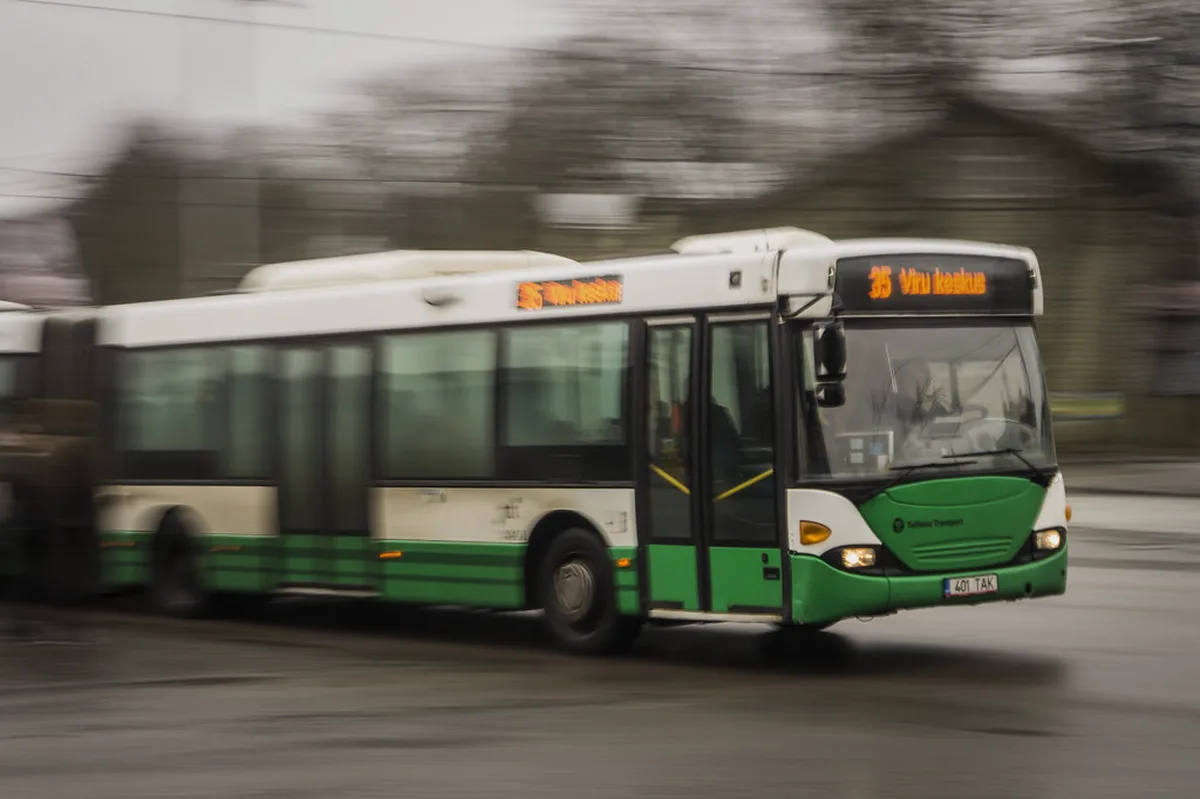
Tallinn's public transport network — buses, trams, and trolleybuses — is efficient, clean, and very safe for tourists to use throughout the day and evening. All vehicles are monitored by security cameras, and the tram network connects most of the key tourist areas including Kadriorg Park, the ferry terminal, and the Ülemiste City shopping district. Notably, public transport within the Tallinn administrative boundaries has been free for registered residents since 2013 — as a tourist, you pay a standard fare of approximately EUR €2 per hour using a contactless bank card at the validator beside the driver.
Scams targeting tourists are relatively rare in Tallinn compared to most European capitals, but a few specific traps exist and are worth knowing in detail. The most common scam involves overcharging at certain "gentlemen's clubs" and tourist-trap bars in the historic center, particularly on the Viru Street nightclub strip. The mechanism is consistent: a tout outside the venue quotes a low door fee or free entry; once inside, drinks are priced at EUR €15–30 each rather than the EUR €4–8 you would pay at a legitimate local bar. The bill — sometimes exceeding EUR €200 per person — is presented with a doorman blocking the exit. Always check a printed or digital menu before you order anything in an unfamiliar venue. If the menu is not produced on request, leave immediately.
Unlicensed taxis waiting at ranks near tourist hotspots — particularly outside the ferry terminal and near Viru Gate — sometimes charge three to four times the Bolt rate for identical journeys. These drivers typically approach you directly and quote an apparently reasonable figure. The fare is agreed verbally, no meter is started, and disputes frequently follow. Using Bolt eliminates this risk entirely: you receive a price estimate before confirming the ride, and the route is logged in real time. If a driver deviates from the shown route, the in-app support function allows you to report the issue immediately. Bolt standard fares: Old Town to Kalamaja EUR €4–5; Old Town to airport EUR €10–15; Old Town to Pirita EUR €7–10.
Ticket inspectors conduct frequent checks for valid fares on all forms of public transport. Ensure your ticket is validated immediately upon boarding to avoid a EUR €40 on-the-spot fine. As a tourist, the easiest method is to tap a contactless bank card at the validator beside the driver's cab — the system charges you automatically for a one-hour travel window. Multi-day visitor cards, available from the Tallinn Tourist Information Centre on Kullassepa 4, include unlimited public transport alongside museum discounts.
A less common but documented scam involves "friendship bracelets" and similar approaches near the Town Hall Square — individuals approach tourists, attach a bracelet or similar item while chatting, then demand EUR €10–20 in payment. Simply decline any unsolicited item being offered in a tourist area and walk away without engaging. Similarly, street gamblers operating near the Viru Gate area with card or shell games are illegal and should be ignored — participating is both unlawful and a guaranteed financial loss.
- Use Bolt for Transport
- Type: Bolt (preferred) or licensed taxi booked via app
- Best for: Late-night travel, solo travelers, airport runs
- Where: Anywhere in the city
- Cost: EUR €4–15 depending on distance
- Validate Your Public Transit Ticket
- Type: QR code or contactless bank card
- Best for: Avoiding EUR €40 on-the-spot fines
- Where: Validator at boarding doors
- Cost: EUR €2 per hour
- Avoid Unlicensed Taxis and Viru Street Touts
- Type: Street-hail drivers and nightclub entry men
- Best for: Avoiding overcharging and scams
- Where: Nightlife zones, ferry terminal, Viru Gate
- Cost: Always check prices first — legitimate venues show menus
Seasonal Safety and Local Health Regulations
Winter in Estonia brings icy sidewalks that require sturdy footwear with solid grip to avoid falls on the cobblestones and compact snow that characterizes a Tallinn January. The city municipality spreads gravel and sand on many paths, but the historic cobblestones in the Old Town freeze and remain treacherous when temperatures drop below 0°C overnight and rise again during the day. Waterproof boots with rubber soles are the single most useful safety investment for a winter visit. If you do slip and injure yourself, East Tallinn Central Hospital (Ravi 18) has a 24-hour emergency department capable of treating orthopaedic injuries — expect a wait of one to three hours for non-critical cases. Travel insurance that covers winter sports or general medical treatment is strongly recommended; a standard X-ray and consultation at the emergency department costs EUR €50–120 without insurance.
Estonian law uniquely requires pedestrians to wear small reflectors on their outer clothing during the dark winter months from October to March. These inexpensive items — available at supermarkets such as Rimi and Prisma for EUR €1–3 — help drivers see you from a distance on poorly lit suburban roads. While the rule is rarely enforced strictly on tourist visitors in the Old Town, it is good practice to attach one to your coat or bag if you plan to walk between neighborhoods after dark during the winter season.
Summer brings an entirely different set of considerations. Tallinn hosts major events including the Tallinn Music Week (April), Õllesummer beer festival (July), and several large open-air concerts that draw tens of thousands of visitors into the city center. During these peak events, pickpocket activity increases in crowded areas and public transport becomes very congested. Keep bags zipped, avoid large back pockets for your phone or wallet, and plan your transport home before events end to avoid competing for limited Bolt supply at peak times.
Tap water throughout Tallinn meets all European Union quality standards and is perfectly safe to drink directly from the tap. Using a reusable bottle saves money and reduces plastic waste — most restaurants will provide tap water for free or for a nominal service charge on request. Healthcare facilities in Tallinn are modern and well-staffed. European Union citizens should carry their EHIC (European Health Insurance Card) to access public medical care under the same terms as Estonian residents. Visitors from outside the EU must carry valid travel insurance with at minimum EUR €30,000 medical coverage — the minimum typically required for a Schengen visa application. For any medical emergency, dial 112; for after-hours pharmacy information, dial 1182.
Frequently Asked Questions
Is Tallinn safe for solo female travelers at night?
Yes — Tallinn is one of Europe's safest cities for solo female travelers in 2026. The Old Town is compact and well-lit, street harassment is uncommon by European standards, and the Bolt app provides safe, tracked transport at night for EUR €4–8 across the city. Estonia has a progressive and gender-equal culture that translates into low harassment rates in public spaces. The one area requiring extra caution is the Viru Street nightclub strip on weekend nights after midnight, where aggressive touts and a small number of documented drink-spiking incidents have been reported. Kalamaja and Telliskivi are consistently better alternatives for a safe and enjoyable evening out. Keep emergency number 112 saved in your phone.
Is Tallinn Old Town safe at night?
Yes — Tallinn Old Town is safe at night for the vast majority of visitors in 2026. The main pedestrian streets (Viru, Pikk, Raekoja plats) are well-lit and populated with tourists, diners, and locals until midnight during summer. Police foot patrols cover the area on Thursday through Sunday nights. The main exceptions are the cluster of nightclubs near Viru Gate after 1:00 AM, where aggressive touts, inflated drink prices, and a small number of drink-spiking incidents have been documented. Stick to restaurants and bars that are recommended by your accommodation, check menus before ordering, and use Bolt to get home rather than unlicensed street taxis. The Upper Town (Toompea) is quieter but safe; the narrow staircase lanes can feel isolated late at night, so use them before midnight.
What are the main scams targeting tourists in Tallinn?
The most common scam in Tallinn is overcharging at tourist-trap bars and "gentlemen's clubs" on the Viru Street nightclub strip, where touts attract visitors with promises of free or cheap entry, then present bills of EUR €100–200 or more for a few drinks. Always inspect a printed menu before ordering — if no menu is produced, leave. A second common scam is unlicensed taxis near the ferry terminal and Viru Gate, which charge three to four times the Bolt rate without using a meter. Use only Bolt or officially licensed taxi companies. Minor street scams include unsolicited friendship bracelets near Town Hall Square and illegal shell-game operators near Viru Gate — decline both and walk away without engaging.
Can you drink the tap water in Tallinn?
Yes, the tap water in Tallinn meets all European Union safety standards and is high quality throughout the city. It is safe for drinking, cooking, and brushing your teeth. Most locals drink it daily, and most restaurants will provide it on request for free or a small charge. Bring a reusable bottle to stay hydrated without buying single-use plastic — this is also environmentally considerate in a city that takes sustainability seriously.
What is the emergency number in Estonia?
The universal emergency number in Estonia is 112 for police, fire, and ambulance services. Operators are generally fluent in English and can provide immediate assistance to tourists. You can call this number for free from any mobile phone or public landline, even without a local SIM card or credit. For non-emergency police matters, dial 110 directly. Police response time in Tallinn city center is under 5 minutes. Save both numbers in your phone before you arrive.
Is the Bolt app safe to use in Tallinn?
Yes, Bolt is the recommended transport app for Tallinn and is widely used by locals and tourists alike. The app provides upfront fare estimates, real-time GPS tracking, driver identity verification, and an in-app safety feature to share your live journey with a contact. Always confirm the car registration plate and driver photo match the app details before you get in. Typical fares: Old Town to Kalamaja EUR €4–5; Old Town to airport EUR €10–15; city center to Pirita EUR €7–10. Bolt is significantly safer and more transparent than hailing an unlicensed street taxi, particularly in nightlife zones.
Tallinn remains a top choice for safety-conscious travelers looking for a unique European getaway in 2026. By following basic safety guidelines — using Bolt for late-night transport, staying aware on the Viru Street nightclub strip, keeping emergency numbers 112 and 110 saved in your phone, and choosing venues in Kalamaja or Telliskivi over tourist traps — you will have a fantastic trip to Estonia's medieval capital. For more on exploring the city, see our Tallinn vs Riga comparison to help plan your Baltic adventure, or browse our Old Town guide for the best routes through the UNESCO quarter.