Spain Travel Guide 2026: Cities, Tips & Top Things to Do
Spain's top monument is the Alhambra in Granada — tickets cost €19 and sell out weeks ahead, so book online the moment dates open or you will miss it entirely.
The best time to visit Spain is April–June or September–October; a mid-range daily budget is €80–130 per person, covering accommodation, meals, and key attractions like Córdoba's Mezquita (€13, free Monday–Saturday mornings before 10:00).
Spain's interior and Andalusia hide some of Europe's most extraordinary history — cities where Christian, Muslim, and Jewish cultures coexisted for centuries and left behind architectural masterpieces that still astonish. Córdoba's Mezquita is one of the world's great buildings. Granada's Alhambra palace complex is Europe's finest surviving Islamic architecture. Toledo, perched on a granite hill, was the capital of the Spanish empire and produced El Greco. Girona's medieval Jewish quarter inspired Game of Thrones. Segovia balances a Roman aqueduct and a fairy-tale Alcázar castle in a single skyline.
This guide covers the best of Spain — including Córdoba, Granada, Girona, Toledo, Segovia — with expert tips on old towns, beaches, day trips, safety, and travel planning for 2026.
Granada: The Alhambra and the Albaicín
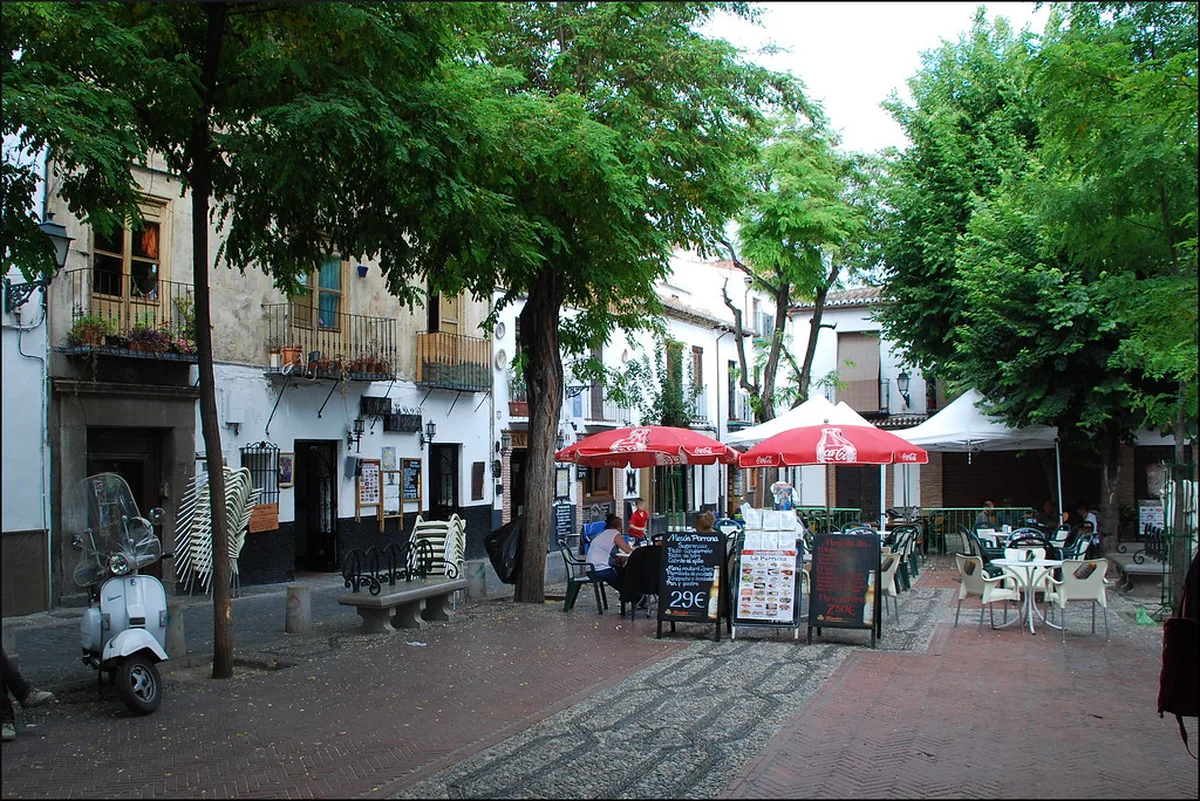
Granada is the crown jewel of Andalusia and one of the most visited cities in all of Spain. The Granada Old Town encompasses the famous Albaicín neighbourhood — a UNESCO World Heritage hillside of white-washed lanes, Moorish fountains, and Carmen garden houses with unbeatable views of the Alhambra across the valley.
The Alhambra palace complex is Spain's most visited monument and one of the world's great architectural achievements. The Nasrid Palaces, Generalife gardens, and Alcazaba fortress together occupy a forested hilltop above the city with the snow-capped Sierra Nevada as a backdrop. Entry to the Nasrid Palaces costs €19 per adult and entry is strictly timed — you must arrive within your 30-minute window or forfeit the ticket entirely. The Generalife gardens are included. Book online at least 2–4 weeks in advance in spring and summer; in high season (June–August) tickets often sell out 6–8 weeks ahead.
Beyond the Alhambra, Granada rewards slow exploration. The Albaicín's winding streets conceal neighbourhood squares, tea houses (teterías) selling Moroccan mint tea, and mirador viewpoints like Mirador de San Nicolás — the most photographed spot in Andalusia. The Cathedral and the Royal Chapel, where Ferdinand and Isabella are buried, charge around €5–6 and are rarely crowded before 10:00. Granada is also famous for free tapas: order a drink at any traditional bar and a small plate of food arrives automatically — a tradition that keeps budget travellers very happy. Evening tapas-hopping in the Realejo or around Plaza Nueva costs €2–3 per round and fills an entire night.
Granada's nightlife is lively and centred around the university district and Calle Elvira. The Granada Nightlife Guide covers the best bars, flamenco venues, and late-night options. For day trips, the Sierra Nevada ski resort is 45 minutes by bus, and the white villages of Las Alpujarras are a worthwhile full-day excursion — see our Day Trips from Granada guide for detailed itineraries.
Getting to Granada: AVE high-speed trains connect Madrid to Granada in approximately 3.5 hours (€30–70 depending on advance booking). From Córdoba, the journey is around 2.5 hours by Alvia train or 3 hours by direct bus. Granada's compact centre is walkable, though the Albaicín climb is steep — comfortable shoes are essential.
Córdoba: The Mezquita and the Judería
Córdoba is one of the greatest surprises in Europe: a mid-sized Andalusian city that was once the largest city in the western world, capital of the Umayyad Caliphate, and home to 300,000 people at its 10th-century peak. The legacy of that golden age is the Mezquita-Catedral — and nothing quite prepares you for it. Visit the Córdoba Old Town to understand why the city's historic centre has been a UNESCO World Heritage Site since 1984.
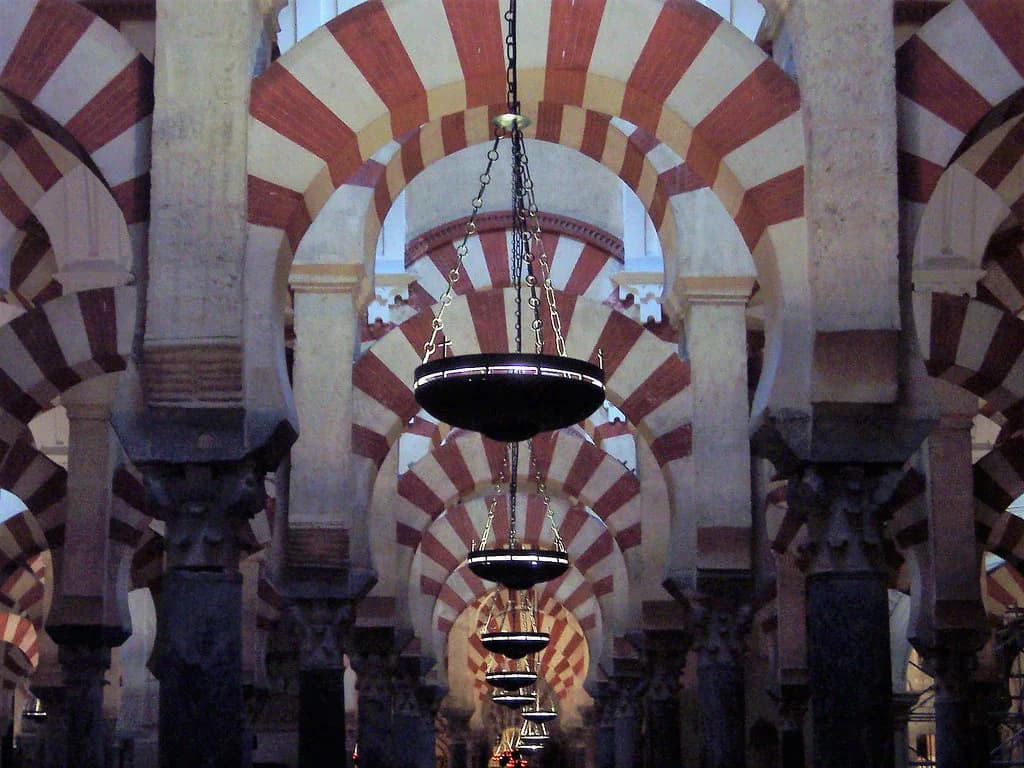
The Mezquita itself — the Great Mosque of Córdoba — is one of the most magnificent buildings in Europe. Its forest of 856 double-tiered marble columns supporting striped red-and-white horseshoe arches stretches in every direction, creating a hypnotic, other-worldly interior. At the centre of this mosque, Charles V ordered the construction of a full Catholic cathedral in the 16th century — a collision of civilisations that is either audacious or sacrilegious depending on your perspective, but undeniably extraordinary. The Mezquita charges €13 for daytime entry. A free-entry window operates Monday to Saturday from 08:30 to 09:30 — arrive by 08:20 to guarantee access as queues form early.
The Judería — Córdoba's medieval Jewish quarter — surrounds the Mezquita and is one of the best-preserved in Spain. Narrow whitewashed lanes decorated with flower pots (patios) wind past the tiny 14th-century Synagogue (€0.30 entry, one of only three surviving medieval synagogues in Spain), the Zoco market, and the Statue of Maimonides. May brings the famous Patios Festival, when private courtyards are opened to the public in a riot of geraniums and jasmine — the festival is UNESCO-listed and free to visit.
The Alcázar de los Reyes Cristianos (€4.50) offers terraced gardens and Roman mosaics plus views over the Guadalquivir river. The Roman Bridge, restored in the 2000s, is free to walk and perfect for sunset. Parking is a common concern for road-trippers — our Parking in Córdoba guide covers the best paid and free options near the Mezquita. For exploring the wider region, the Day Trips from Córdoba guide covers Seville, Ronda, and the olive-oil town of Baena.
The best walking route through Córdoba's historic centre takes about three to four hours at a relaxed pace — our Córdoba Walking Tour lays out a step-by-step route with timings and stops. Córdoba is compact and easily walkable; the only hill is the gentle slope up to the city walls. Temperatures in July and August regularly exceed 40°C — the Mezquita's shaded interior becomes one of the most pleasant places in the city.
Girona: Medieval Old Town and Costa Brava Gateway
Girona is Catalonia's second city and one of Spain's most overlooked destinations — which means shorter queues, more authentic restaurants, and a genuinely lived-in medieval centre that larger cities have long since lost to tourism. The city sits at the confluence of four rivers, its old town rising steeply on the east bank above coloured houses that are reflected perfectly in the Onyar river below. The Girona Old Town Guide covers every major sight with opening hours and entry prices.
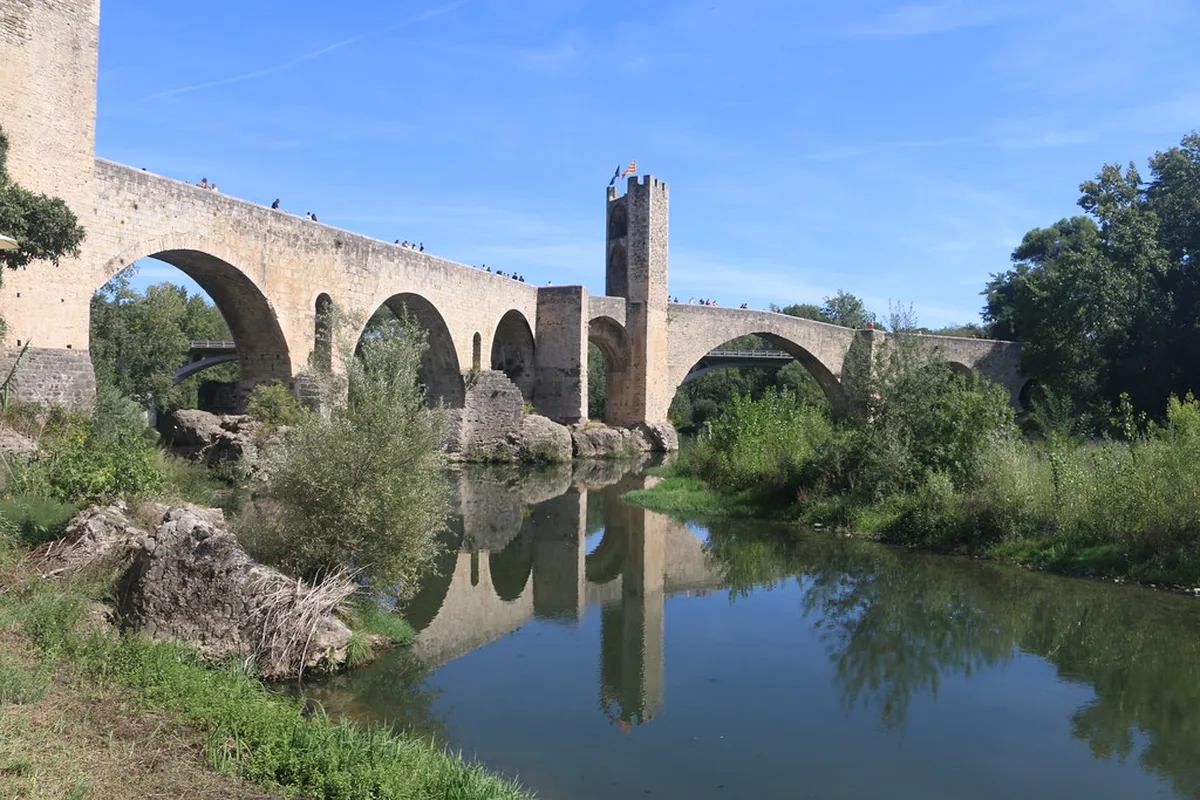
The Call — Girona's medieval Jewish quarter — is one of the best-preserved in Europe, a labyrinth of narrow lanes, stone staircases, and archways that survived largely intact because the city was never extensively rebuilt. The Museu d'Història dels Jueus (€4) tells the story of the Jewish community that thrived here for 600 years. The Cathedral of Girona looms above the old town and houses the largest Gothic nave in the world — entry costs €7 (€5 reduced) and includes the cloister and treasury. Game of Thrones fans will recognise the Cathedral steps as the steps of the Sept of Baelor and the Call's lanes as Braavos.
Girona's Roman walls can be walked along their full circuit for free — the elevated walkway gives views over the rooftops, the river, and on clear days towards the Pyrenees. The Arab Baths (€3) are a 12th-century Romanesque building that offers one of the best-value half-hours in the city. The covered market (Mercat del Lleó) is lively weekday mornings and showcases exceptional local produce — jamón, anchovies from L'Escala, cheeses, and Catalan pastries.
Girona is also the ideal base for the Costa Brava, one of the most beautiful coastlines in the Mediterranean. The coastal towns of Cadaqués, Begur, and Calella de Palafrugell are 45–90 minutes by car from Girona. Our Girona Beach Guide covers the best beaches and how to reach them without a car. For wider regional exploration, the Day Trips from Girona guide covers Dalí's Theatre-Museum in Figueres, the volcanic Garrotxa Natural Park, and the medieval walled town of Besalú.
The best way to experience Girona's old town is on foot — our Girona Walking Tour maps a two-hour route from the station through the Call, along the walls, and down to the riverbank. Girona is served by Ryanair from many European cities and is 38 minutes from Barcelona by AVE — making it a very easy addition to any Spain itinerary.
Segovia: Roman Aqueduct, Alcázar Castle, and Cochinillo
Segovia is a Castilian city that punches far above its size. Within a single viewpoint — the Plaza del Azoguejo — you can see a Roman aqueduct that has stood for 2,000 years and, on the far ridge, the turreted silhouette of an Alcázar castle that looks as though it was conjured from a fairy tale. Walt Disney is widely said to have used the Alcázar as inspiration for Sleeping Beauty's castle at Disneyland. The Segovia Old Town Guide covers every major sight with current entry prices and opening times for 2026.
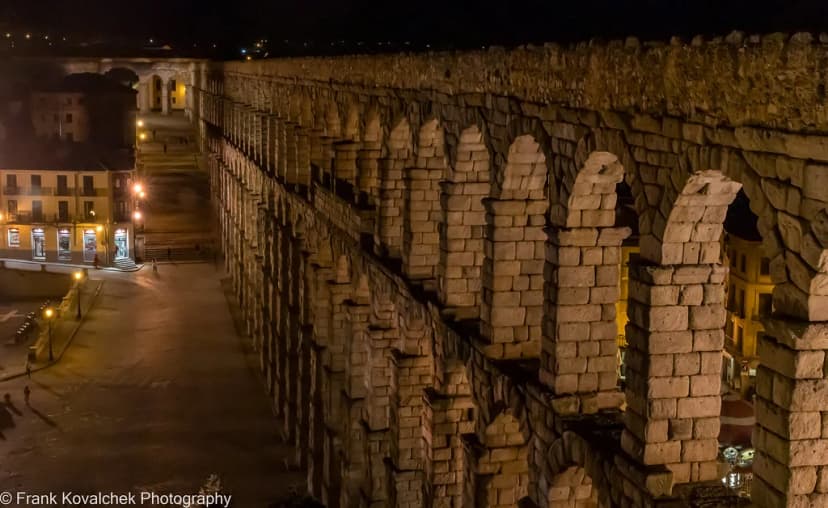
The Roman Aqueduct of Segovia — built by the Emperor Trajan around 98–117 CE — is the best-preserved Roman engineering structure in Spain and arguably in the world. It stretches for 818 metres across the valley below the old town, reaches 28 metres at its highest point, and is constructed from 20,000 interlocking granite blocks with no mortar. Entry to view the aqueduct is free; it can be seen from the Plaza del Azoguejo at any hour and is particularly dramatic at sunset and after dark when it is illuminated.
The Alcázar de Segovia (€9, or €7 without the tower) is a 12th-century fortress expanded into a royal palace over several centuries. Its needle-thin towers and position on a rocky promontory above the confluence of two rivers make it one of the most photogenic buildings in Spain. The interior contains armour collections, tapestries, and throne rooms; the tower climb rewards with panoramic views over the Castilian plateau. The Gothic Cathedral of Segovia (€3) — one of the last Gothic cathedrals built in Spain — anchors the old town's central plaza.
Segovia is famous across Spain for cochinillo asado (roast suckling pig) — served so tender it is traditionally carved with the edge of a plate. Expect to pay €20–28 per person for a full cochinillo lunch at a traditional mesón; Restaurante Cándido and José María are the most established names. The city's compact old town is easily covered on a Segovia Walking Tour in three to four hours. From Segovia, the royal palace of La Granja de San Ildefonso and the walled city of Ávila make excellent half-day excursions — see our Day Trips from Segovia guide for logistics. The fastest connection from Madrid is the regional train from Chamartín station (27 minutes, €13 return).
Toledo: El Greco's City and the Cathedral
Toledo was Spain's imperial capital for centuries, accumulating the finest medieval Christian, Moorish, and Jewish monuments in the country. The city occupies a dramatic granite hill above a deep gorge of the Tagus river — approached from the south, the panorama of Toledo's skyline is one of the great views in Europe. The Toledo Old Town Guide covers opening hours, prices, and the best route through the historic streets.
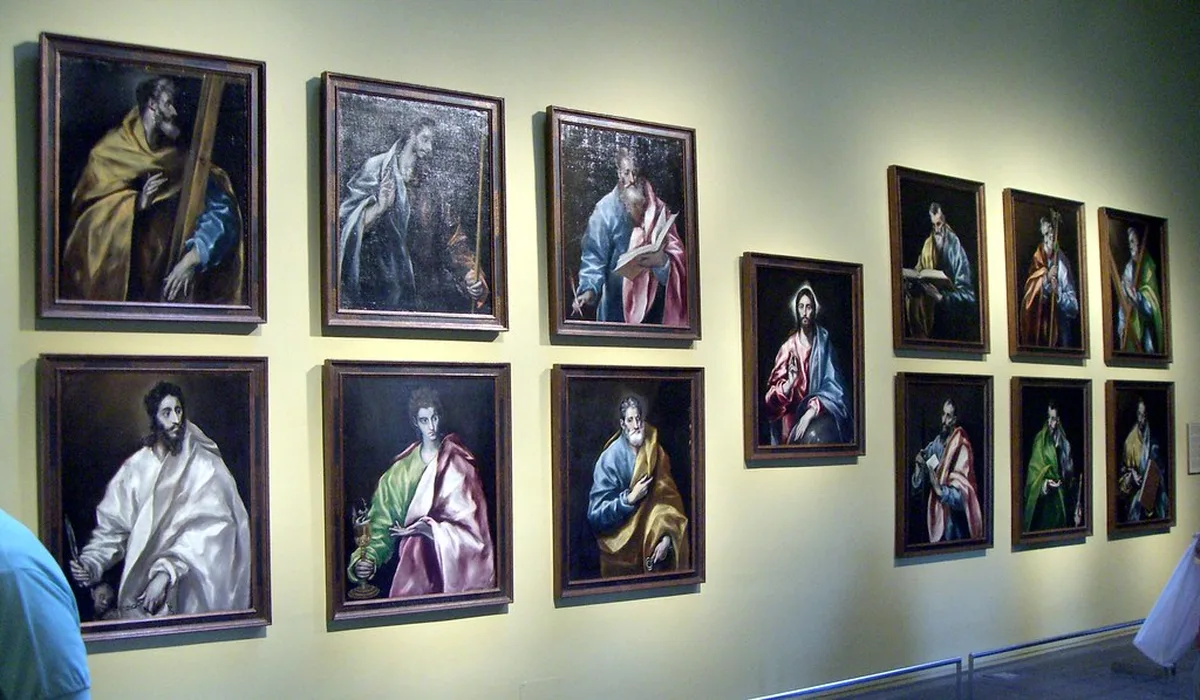
The Cathedral of Toledo is the seat of the Primate of Spain and one of the greatest Gothic buildings in Europe. Construction began in 1226 and continued for nearly three centuries; the result is a layered treasury of stained glass, sculpture, painting, and gold-encrusted altarpieces. The Sacristía contains 16 El Greco paintings including The Disrobing of Christ. Entry costs €10 (€8 reduced) and includes the cloister, chapter house, and all chapels. Arrive before 10:30 to avoid coach groups.
The Alcázar — Toledo's hilltop fortress — now houses Spain's Army Museum and offers some of the finest views over the city and surrounding plain. Entry is €5 (free Sunday). The two medieval synagogues — Santa María la Blanca (€2.50) and El Tránsito (€3) — are evocative reminders of the Jewish community that flourished here before the 1492 expulsion. The Mosque of Cristo de la Luz, a perfectly preserved 10th-century mosque, charges just €2.80 and is rarely crowded.
Toledo is heavily visited on day trips from Madrid (33 minutes by AVE, €13.70 return) and often crowded between 11:00 and 16:00. Staying overnight — when the old town empties and the Cathedral is lit from within — transforms the experience. Parking for those arriving by car is concentrated below the old town; our Parking in Toledo guide covers all the options. The Toledo Walking Tour maps the ideal half-day route and the Day Trips from Toledo guide covers Consuegra's windmills and the medieval village of Almagro.
Spain Travel Budget 2026: City by City Cost Breakdown
Spain spans a wide range of travel costs depending on which cities you visit and how you travel. Knowing what to budget city by city prevents nasty surprises and helps you allocate more money for the experiences that matter most — a proper Alhambra visit, a cochinillo lunch in Segovia, or a coastal day trip from Girona.
Córdoba is among the cheapest cities in Spain. A dorm bed costs €16–22; a double room in a good hotel in the Judería costs €70–95. Lunch at a local menú del día (three courses with wine) is €12–15. Sights are mostly low-cost — the Mezquita at €13 is the only major expense. Budget travellers can manage €60–75/day; mid-range €90–120/day.
Granada is slightly more expensive but still very reasonable by European standards. The free tapas culture dramatically reduces food costs — a round of drinks with tapas rarely exceeds €3–4 per person at traditional bars. The Alhambra (€19) is the main ticket expense. Budget €70–85/day; mid-range €100–130/day. Accommodation near the Albaicín runs €80–120 for a double room.
Girona is the most affordable major destination in Catalonia — significantly cheaper than Barcelona for accommodation and food. A mid-range double hotel costs €75–110. The old town sights total under €20 for everything. Budget €65–80/day; mid-range €95–125/day. Adding a Costa Brava day trip adds €20–40 for transport and a beach lunch.
Segovia is best visited as a day trip from Madrid (1 hour by regional train, €13 return) or as a one-night stop. If staying over, hotels in the old town cost €80–130 for a double. The Alcázar and Cathedral together are €12. Budget for a cochinillo lunch (€22–28 per person) — it is one of Spain's great food experiences. Day-trip budget: €60–80 including transport, sights, and lunch.
Toledo is similarly best as a day trip from Madrid (33 min by AVE, €14 return) but rewards an overnight stay. Budget hotels cost €55–80; historic paradores cost €150+. Day-trip budget including train, all sights, and lunch: €55–75 per person. If driving from Madrid, the Parador de Toledo on the opposite bank of the river offers the best view of the city at sunset.
Practical tips to reduce costs: Book AVE trains 2–4 weeks in advance for prices up to 60% lower. The Renfe España Pass covers unlimited travel and is good value for itineraries covering 4+ cities. Free museum entry often applies on Sunday afternoons — check individual sites. Spanish lunch is the main meal of the day; the menú del día at local restaurants is always the best-value option, typically €11–16 for three courses with wine or water included.
Getting Around Spain: Trains, Buses and the AVE High-Speed Rail
Spain has one of the most extensive high-speed rail networks in Europe. The Renfe AVE (Alta Velocidad Española) connects Madrid to most major cities at speeds up to 300 km/h, making day trips fast, comfortable, and often cheaper than flying when booked in advance. Understanding the network saves time and money for any multi-city Spain itinerary in 2026.
Key AVE routes from Madrid: Madrid–Córdoba (45 min, €25–55), Madrid–Granada (3.5 hr via Antequera, €30–70), Madrid–Toledo (33 min, €13–17), Madrid–Segovia (27 min, €13–16, regional Avant service). Barcelona–Girona is served by AVE/Alvia (38 min, €15–30). All prices are approximate and vary significantly by advance booking window — the earlier you book, the cheaper.
Booking trains: Book on the official Renfe website (renfe.com) or via the Renfe app. Third-party booking sites add fees. For the cheapest prices, book 60+ days out (Promo fares) or 14+ days out (Promo+ fares). Flexible tickets cost 2–3x more but allow changes. If travelling 4+ cities, the España Pass (unlimited rail travel for 4–10 days, from €175) can offer good value.
Buses: ALSA is the main national bus operator and serves routes that trains do not cover, particularly in Andalusia. The Córdoba–Granada route (3 hr, €12–18) is more convenient by bus than by train for most travellers. Buses also reach small towns, white villages, and coastal areas that the rail network bypasses. Bus stations are usually adjacent to or near train stations.
Renting a car: A car gives the most flexibility for Andalusia, particularly for visiting white villages (pueblos blancos), the Sierra Nevada, and the rural province of Jaén. Rental costs from €30–50/day for a compact car including basic insurance. Parking in historic city centres is expensive and complicated — most old towns restrict car access. Use park-and-ride facilities at city edges and walk or use public transport into the centre. Our guides on parking in Córdoba and parking in Toledo cover the best options in detail.
Flying within Spain: Domestic flights are generally not worth the time or cost for routes covered by AVE — the city-centre-to-city-centre travel time is comparable once airport transfers and security are factored in. Flying makes sense only for longer routes (Barcelona to Seville, Madrid to Santiago de Compostela) or for reaching the Canary or Balearic Islands.
Getting around cities: All five cities covered in this guide have walkable historic centres — the main sights in Córdoba, Toledo, Segovia, and Girona are reachable on foot from the train or bus station in 15–20 minutes. Granada's Albaicín requires a climb; minibuses (lines C31/C32, €1.40) run from the Cathedral up to the Albaicín and Sacromonte. Urban metro systems exist in Madrid and Barcelona but are not needed for the cities in this guide.
Frequently Asked Questions about Travelling to Spain
What is the best time to visit Spain?
April–June and September–October are the best months for most of Spain. Spring brings mild temperatures (18–25°C), wildflowers, and Semana Santa festivals. Autumn is quieter with warm weather and excellent local produce. July–August is very hot in Andalusia (regularly 38–42°C in Córdoba, Seville, and Granada) and crowded at all major sights. Girona and northern Spain are comfortable in summer. Winter (November–February) is cold in Castile (Segovia, Toledo) but uncrowded and cheap.
How do I book Alhambra tickets in Granada?
Book Alhambra tickets at alhambra-patronato.es — the only official site. The Nasrid Palaces cost €19 and have timed entry windows (every 30 minutes); you must arrive within your window or forfeit the ticket. In spring and summer, book 4–6 weeks in advance — tickets routinely sell out weeks ahead. The Generalife gardens and Alcazaba fortress are included in the general ticket. Night visits (€8) to the Nasrid Palaces are available Tuesday to Saturday and book out even faster than daytime slots.
Is the Mezquita in Córdoba free to enter?
The Mezquita-Catedral charges €13 for standard daytime entry. However, free entry is available Monday to Saturday from 08:30 to 09:30 (the building opens for morning prayer). Arrive by 08:15–08:20 to join the queue before the doors open. On Sundays and public holidays, no free entry period applies. The free window covers the full interior — nothing is restricted — making it one of the best free-entry windows of any major European monument.
How do I travel between Spain's cities by train?
Renfe's AVE high-speed trains connect Madrid to Córdoba (45 min), Granada (3.5 hr), Toledo (33 min), and Segovia (27 min). Barcelona connects to Girona in 38 minutes by AVE/Alvia. Book at renfe.com at least 2 weeks ahead for Promo fares (up to 60% cheaper than walk-up prices). For travel across 4+ cities, the España Pass offers unlimited rail travel from €175. Bus (ALSA) is often better for Córdoba–Granada and routes not served by fast trains.
Is Spain expensive to visit in 2026?
Spain is moderately priced by Western European standards. Córdoba and Girona are among the most affordable cities; Granada's free tapas culture keeps food costs low. A realistic mid-range budget is €80–130 per person per day (accommodation, meals, transport, and sights). Budget travellers can manage €55–75/day staying in hostels and eating menú del día lunches. Barcelona and Madrid are significantly more expensive than the five cities covered in this guide.
Which Spanish city should I visit first?
For first-time visitors to southern Spain, Granada is the strongest single destination — the Alhambra is unmissable and the Albaicín old town, free tapas culture, and Sierra Nevada setting combine to make it one of the most complete travel experiences in Europe. Córdoba is the best one-day city in Spain: the Mezquita alone justifies the trip and the old town is entirely walkable. For a classic Castile circuit, Toledo and Segovia are both easy day trips from Madrid and pair well together over two days.
What currency does Spain use and are cards widely accepted?
Spain uses the Euro (EUR). Cards are widely accepted at hotels, restaurants, and tourist sites — contactless payment (Visa and Mastercard) works almost everywhere in cities. However, carry €20–30 in cash for small tapas bars, market stalls, and rural businesses that may be cash-only. ATMs are abundant in all city centres. There is no tipping obligation in Spain — rounding up or leaving small change (€0.50–1 per drink) is appreciated but not expected.
Spain offers an extraordinary breadth of experiences — from medieval old towns and ancient ruins to dramatic coastlines and vibrant food scenes. Whether you're planning your first visit or returning to explore deeper, our city-by-city guides below give you everything you need to plan a confident, rewarding trip in 2026.