Your Essential Granada Old Town Guide for 2026
Alhambra tickets cost €19 per adult in 2026 and include the Generalife gardens; book weeks ahead on the official site as the daily 6,800-visitor cap sells out fast, especially April through October.
Granada's Cathedral costs €5 to enter and the adjacent Royal Chapel — burial place of the Catholic Monarchs — is also €5, making a combined visit to both sites just €10 per person in 2026.
Granada stands as a jewel of Andalusia where history breathes through every stone and narrow alleyway. This historic city offers a unique blend of Moorish heritage and Spanish Renaissance architecture. Walking through the ancient quarters feels like stepping back into a time of sultans and kings. Our comprehensive guide helps you navigate the labyrinthine streets of the famous old town districts.
The Albaicín remains the most iconic part of this area with its white-washed walls and jasmine-scented gardens. The entire Albaicín quarter is free to wander — no ticket needed — making it one of the most rewarding no-cost experiences in Spain. Planning your visit requires understanding the layout of these steep hills and historic plazas. This guide ensures you see the essential sights while also exploring the city's vibrant nightlife scene and checking safety advice for tourists before you arrive.
Modern travelers need more than just a map to truly appreciate the depth of this Spanish city. Local nuances and hidden corners often define the most memorable parts of a trip here. We focus on practical details that make your exploration smooth and deeply rewarding. Get ready to discover the magic of the Albaicín and the historic center with our expert tips.
Alhambra Tickets 2026: How to Book Before They Sell Out
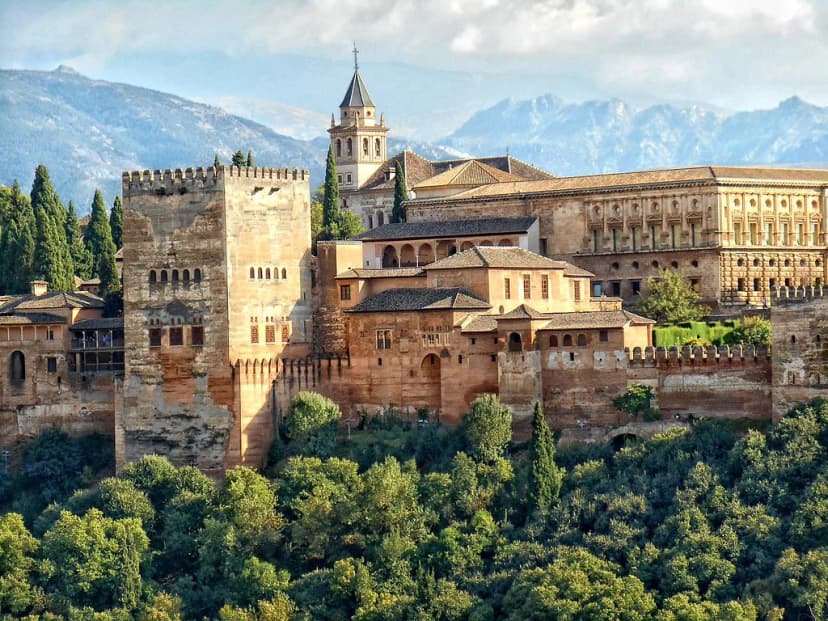
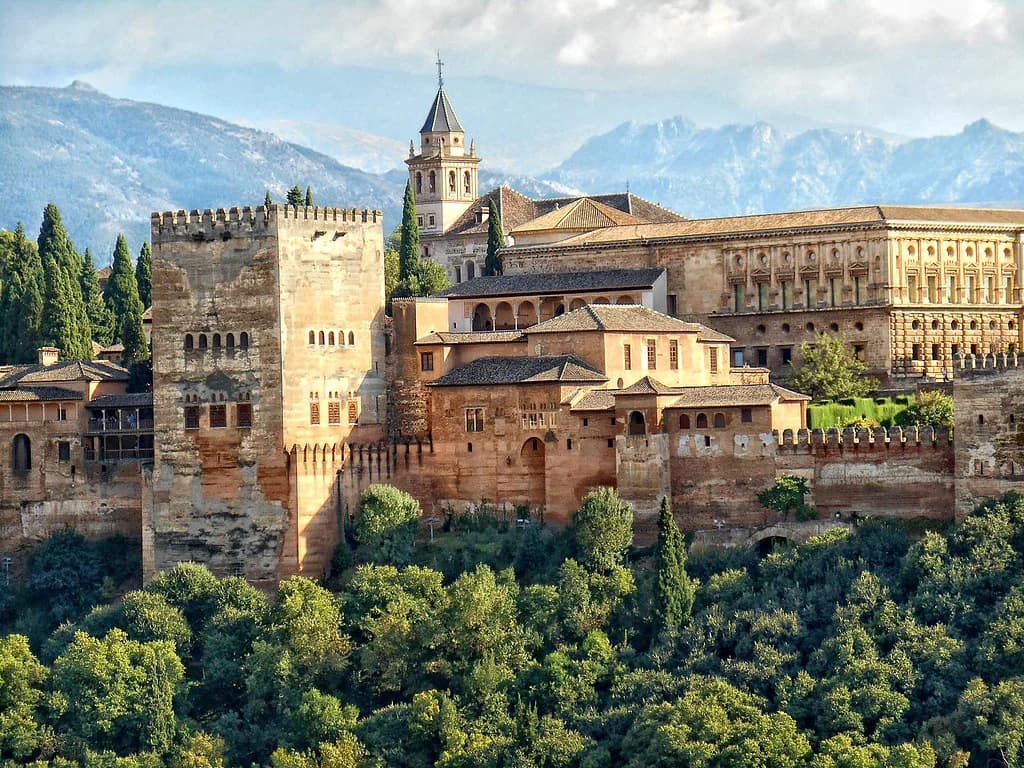
The Alhambra is the single most visited monument in Spain, and its ticket system is deliberately strict to protect the site. In 2026 the general admission ticket costs €19 per adult and includes access to the Generalife gardens, the Alcazaba fortress, and the Palace of Carlos V museum. Children under 12 enter free. The Nasrid Palaces — the jewel of the complex with their impossibly intricate stucco ceilings and mirrored pools — are included in the same €19 ticket, with a timed entry slot assigned at the time of booking.
Booking must be done through the official website at alhambra-patronato.es. Third-party resellers and hotel concierge services charge significant markups — sometimes €10–€15 extra per ticket — and occasionally sell slots that cannot be honoured during system glitches. Using the official site guarantees your timed slot is confirmed directly with the Patronato. The booking page is available in English and accepts all major credit and debit cards.
How far in advance should you book? During peak season (April through October) tickets routinely sell out 3–4 weeks ahead. For visits in July and August, booking 5–6 weeks in advance is strongly recommended. Shoulder months (March, November) often have tickets available 1–2 weeks out. December through February is the only period when same-week booking is reliably possible, though even then popular weekend slots fill quickly.
Your timed slot for the Nasrid Palaces is printed on the ticket and is non-transferable. Arriving more than 30 minutes after your slot time means forfeiting that portion of the visit — the guards enforce this strictly. Plan to be at the Alhambra entrance gate at least 20 minutes before your Nasrid slot. The complex opens at 8:30 AM; the first slot is at 8:30 AM and is the least crowded. Evening visits (after 8 PM, available from April to mid-October) offer a dramatically lit interior and shorter queues for the courtyard photography.
The Granada Card is worth comparing against the standalone ticket. The Granada Card at €47 covers the Alhambra plus the Cathedral (€5), Royal Chapel (€5), Science Park museum (€7), El Bañuelo Arab Baths (€3), and unlimited city bus rides for 72 hours. If you plan to visit all of these sights over two days, the Granada Card saves roughly €15–€20 per person versus buying each ticket separately. Purchase the Granada Card online at granadatur.com — it also reserves your Alhambra slot.
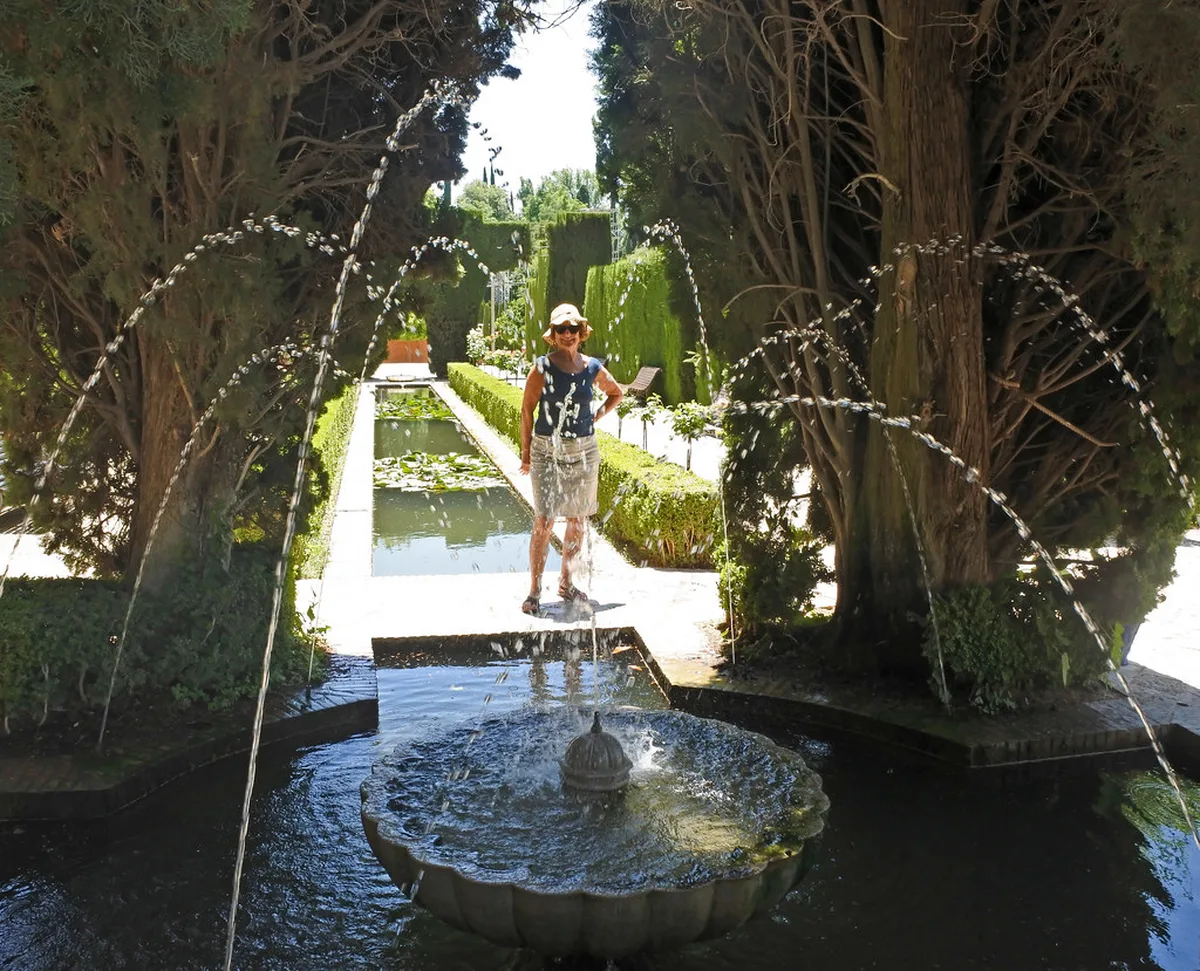
On the day of your visit, wear comfortable shoes as the Alhambra complex covers 13 hectares on uneven historic paving. Bring water — the on-site café charges premium prices (€3.50 for a small bottle). The Generalife gardens are particularly beautiful from March through May when the rose hedges and cypress avenues are in full color. Allow 3–4 hours for a thorough visit of the entire complex, or 2 hours if focusing only on the Nasrid Palaces and Generalife.
Exploring the Albaicín District
The Albaicín is a UNESCO World Heritage site known for its winding streets and traditional white houses called cármenes. Walking through this neighborhood reveals the city's Islamic past at every corner. Most visitors start their climb at Plaza Nueva and follow the Cuesta del Chapiz upward to reach the higher viewpoints. The scent of orange blossoms often fills the air during the warmer months of the year, particularly along the Carrera del Darro riverbank.
Reaching the Mirador de San Nicolás provides the most famous view of the Alhambra palace complex. Crowds gather here at sunset to watch the red fortress glow against the snow-capped Sierra Nevada mountains. Street musicians often play flamenco guitar on the low stone wall, adding a vibrant soundtrack to the stunning scenery. Try to arrive at least thirty minutes before sunset to secure a spot; the space fills quickly between April and September.
The El Bañuelo Arab Baths on Carrera del Darro 31 are among the best-preserved Moorish baths in all of Spain, dating to the 11th century. Entry costs €3 in 2026 and is included in the Granada Card. The star-shaped ceiling openings that once filtered steam are still intact, giving visitors a vivid sense of how Moorish Granada functioned as a living city. Opening hours are Tuesday to Sunday, 9 AM to 2:30 PM.
Narrow streets like Calle Calderería Nueva offer a taste of North African culture with tea houses and artisan shops. Known locally as the "Street of the Tea Houses," it is perfect for a mid-afternoon break. Traditional Moroccan mint tea costs roughly €3–€5 at most establishments. You can find intricate leather goods and colorful lanterns while browsing the small boutiques along its 200-metre length.
Exploring the upper Albaicín leads to the Plaza Larga where locals gather for morning coffee at the outdoor terraces. This square hosts a small Thursday market selling fresh produce and handcraft items, and it feels far more authentic than the lower tourist zones. Look for the cármenes — traditional villas with hidden walled gardens visible only through ornate iron gates. The Calle del Agua and Calle Panaderos nearby reward slow walkers with original Nasrid-era doorways and tilework.
- Mirador de San Nicolás Viewpoint
- Type: Public square
- Best for: Sunset Alhambra views
- Where: Upper Albaicín, Calle Atarazana Vieja
- Cost: Free access
- Calle Calderería Nueva Tea Houses
- Type: Artisan shopping street
- Best for: Mint tea and Moroccan crafts
- Where: Lower Albaicín
- Cost: €3–€5 per tea
- El Bañuelo Arab Baths
- Type: Historic monument
- Best for: Moorish architecture
- Where: Carrera del Darro 31
- Cost: €3 (included in Granada Card); Tue–Sun 9 AM–2:30 PM
- Mirador de San Cristóbal
- Type: Public viewpoint
- Best for: Quieter Alhambra panoramas
- Where: Northern Albaicín
- Cost: Free access
Historic Center and Cathedral Sights
The lower part of the old town centers around the massive Granada Cathedral, formally known as the Cathedral of the Incarnation. This Renaissance masterpiece took over 180 years to build — construction began in 1523 on the site of the Great Mosque — and is considered one of the finest examples of Spanish Renaissance architecture. Entry tickets for the interior cost €5 for adults in 2026. The bright white interior, soaring columns, and enormous circular nave create a sense of immense space and light that immediately impresses visitors.
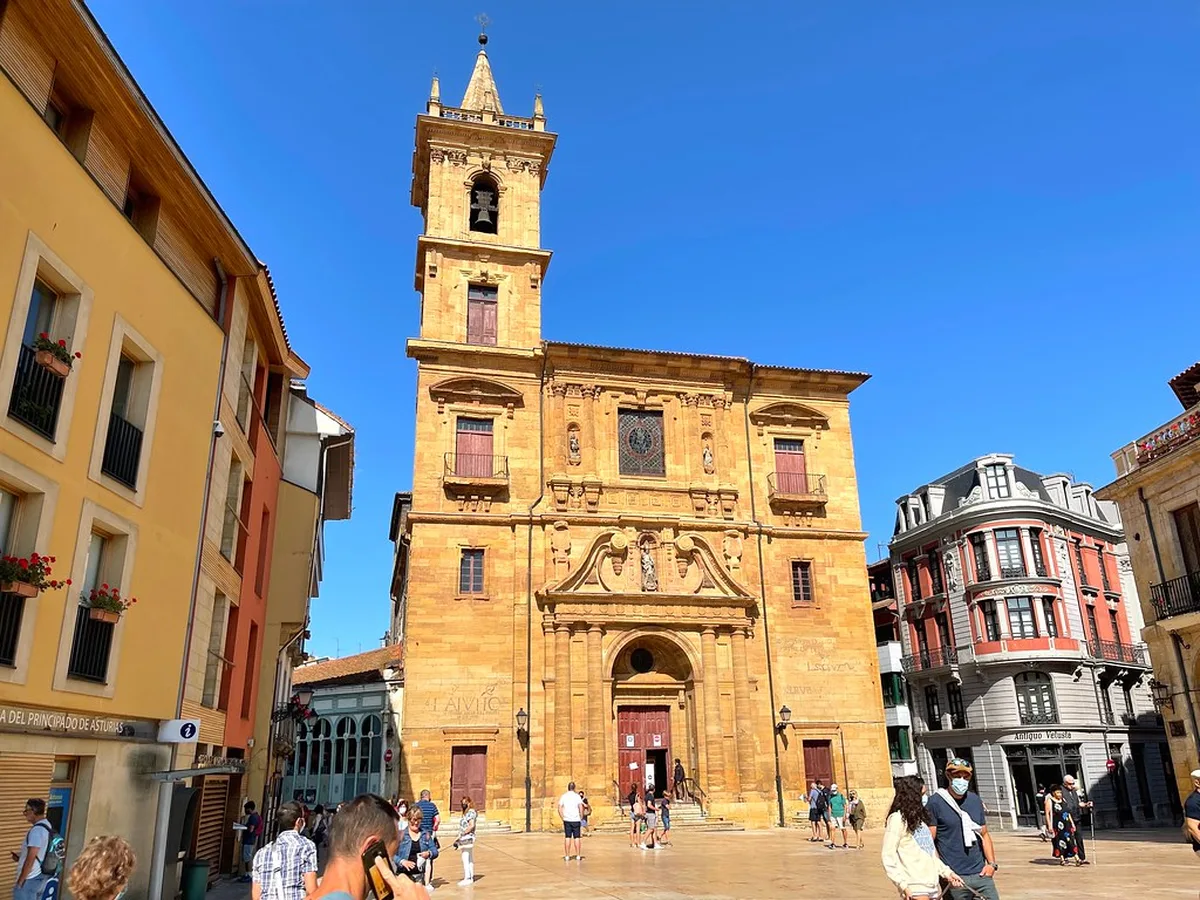
Directly adjacent to the Cathedral along Calle Oficios sits the Royal Chapel (Capilla Real), a site of great national importance and the burial place of the Catholic Monarchs, Isabella and Ferdinand. Entry costs €5 separately from the Cathedral. Art lovers will appreciate the impressive collection of Flemish paintings by Rogier van der Weyden and Hans Memling housed in the museum. Quiet reflection is required inside, and photography is restricted to preserve the sacred artifacts. Opening hours are Monday to Saturday 10:15 AM to 6:30 PM and Sunday 11 AM to 6 PM.
The Alcaicería market, reached through a narrow passage off Calle Reyes Católicos, recreates the atmosphere of the original Moorish silk bazaar that burned down in the 19th century. While the current structure is a Victorian-era reconstruction, the narrow alleys and low awnings create an authentically atmospheric shopping experience. Souvenir hunters can find Fajalauza ceramics — the blue and green decorated pottery unique to Granada — and intricate marquetry boxes known as Taracea. Prices are negotiable if you are purchasing multiple items from the same vendor.
Plaza Bib-Rambla, a five-minute walk from the Cathedral, serves as the social heart of the historic center for locals and visitors alike. Flower stalls line the square year-round, and outdoor cafes under large parasols offer plenty of space for people-watching. Order the local specialty of chocolate con churros at the historic Café Lisboa on the square's eastern side. This area is particularly festive during the Christmas season with illuminated decorations and a craft market running from late November through January. The Plaza Mayor Meson El Yantar nearby is also worth visiting for traditional Andalusian lunch menus at around €10–€13.
The Palacio de la Madraza, directly facing the Royal Chapel, was built in 1349 as an Islamic university and is now part of the University of Granada. Entry is free during opening hours (Monday to Friday, 10 AM to 2 PM and 5 PM to 8 PM). Its richly decorated prayer niche — the mihrab — is one of the finest pieces of Nasrid stucco work surviving in the city center. Do not overlook this small building simply because it lacks the fame of its neighbors.
Albaicín, Sacromonte, and Granada's Moorish Heritage
Granada's Moorish heritage runs far deeper than the Alhambra. The Albaicín and neighboring Sacromonte district together form the living memory of an eight-century Islamic civilization that shaped the city's streets, water systems, gardens, and food culture. Understanding this context transforms a casual stroll into a meaningful encounter with history.
The Albaicín's street grid follows the original Nasrid-era plan almost unchanged. Streets like Calle Panaderos and Calle Agua still follow the routes of medieval water channels (acequias) that supplied the neighborhood's famous gardens. The Acequia Real, which still carries water from the Darro River to the Alhambra, was engineered in the 13th century and remains operational today. Walking along the Vereда de Enmedio path gives views of terraced garden plots that Moorish residents cultivated centuries ago.
The Sacromonte neighborhood, a steep climb east of the Albaicín along the Camino del Sacromonte, is Granada's flamenco heartland. Its famous cuevas — cave dwellings dug into the hillside — have been inhabited since Romani communities settled here after the Reconquista in 1492. The Museo Cuevas del Sacromonte on Barranco de los Negros documents this living heritage with period furnishings and ethnographic exhibits. Entry costs €5 in 2026 and opening hours are Tuesday to Sunday, 10 AM to 8 PM (until 6 PM in winter). The surrounding hillside is riddled with active family-run zambra flamenco performances in real cave settings; expect to pay €20–€30 per person for an evening show that typically starts at 10 PM.
The Carmen de Rodríguez Acosta is one of Granada's most underrated gems. Built between 1914 and 1930 by the painter José María Rodríguez Acosta, this terraced garden complex on Callejón Niños del Royo overlooks the Alhambra from the Mauror hill. The combination of Moorish-inspired fountains, Roman columns, cypress gardens, and modernist architecture makes it unlike anything else in the city. Entry to the foundation is €6 and guided tours in English run at 10 AM and noon Tuesday through Saturday.
The Corral del Carbón, just off Calle Reyes Católicos, is the only surviving Nasrid caravanserai in Spain. Merchants from North Africa and the Middle East once stored goods in its courtyard and slept in the surrounding galleries. Today the ground floor hosts an arts and crafts shop; entry to the courtyard is free and open daily 9 AM to 8 PM. Its horseshoe archway entrance is one of the most photogenic details in the entire city center and rarely crowded.
For an immersive Moorish experience, visit the modern Hammam Al Ándalus on Calle Santa Ana 16, just off Plaza Nueva. These recreated Arab baths offer 1.5-hour bathing circuit sessions for €38 per person in 2026, including towel and locker. Book online at least 48 hours in advance as sessions fill quickly on weekends. The experience evokes the El Bañuelo baths that once served the Albaicín community and connects visitors directly to the city's pre-1492 daily life.
Granada's Free Tapas Culture Explained
Granada operates on a tapas system unlike anywhere else in Spain. When you order a drink — beer, wine, or a soft drink — the bar brings a free tapa without you asking. This tradition is not a gimmick; it is built into the pricing structure of every traditional bar in the city and makes Granada one of the most affordable places to eat well in Europe.
A beer (caña, roughly 200ml) typically costs €2.00–€2.50 in the old town bars. A larger glass (tubo or pinta) runs €3.00–€3.50. Each drink arrives with a tapa, and the bar chooses the dish — so ordering multiple rounds is both a social experience and a progressive tasting menu. Common tapas include patatas bravas (fried potatoes with spicy sauce), montaditos (bread with toppings), morcilla (black pudding), tortilla española, and croquetas. At busier bars the tapas grow in size with each successive drink.
The best streets for bar-hopping in the old town are Calle Navas, Calle Elvira, and the cluster of small bars around Plaza de los Lobos near the Cathedral. Calle Navas is lined with traditional bars where regulars drink standing at the counter; Calle Elvira attracts a younger crowd with more international tapa variations. Avoid the large terrace restaurants on Gran Vía de Colón — these charge separately for food and cater primarily to tourists who do not know the local system.
The Los Diamantes bar (two branches — Calle Navas 26 and Plaza de la Trinidad) is legendary for its fresh fried seafood tapas: baby squid rings (chopitos), prawns (gambas), and anchovies (boquerones). A drink here costs €2.50 and the tapa is consistently generous. Arrive before 1:30 PM for lunch or before 8:30 PM for dinner to avoid the longest queues. Los Diamantes does not take reservations.
Bodegas Castañeda on Calle Almireceros 1 near the Cathedral is one of Granada's oldest bars, in business since 1927. Its wooden barrels, hanging jamón legs, and tiled walls are exactly what most travelers picture when they imagine a traditional Andalusian bar. Wine by the glass starts at €2.20, and the house vermouth (vermut) at €2.50 is excellent. Tapas here lean heavily on charcuterie, cheese, and pickled vegetables — the kind of simple Andalusian food that has not changed in decades.
One practical note: the free tapa tradition applies strictly to traditional Spanish bars. Craft beer bars, cocktail lounges, and tourist-facing restaurants in the cathedral quarter usually charge separately for food. Look for bars displaying signs saying "con la consumición, tapa gratis" or simply observe whether Spanish families are standing at the bar — both are reliable indicators that you have found an authentic establishment.
Navigating the Steep Streets of Granada
Navigating the old town requires physical preparation due to the steep and uneven terrain. Cobblestone streets can be slippery, especially after a rare rain shower in the city. Sturdy walking shoes with good grip are essential for a comfortable day of exploration. Avoid wearing high heels or thin-soled sandals when planning to climb the Albaicín hills — the ascent from Plaza Nueva to the Mirador de San Nicolás gains approximately 100 metres in elevation over roughly 700 metres of walking.
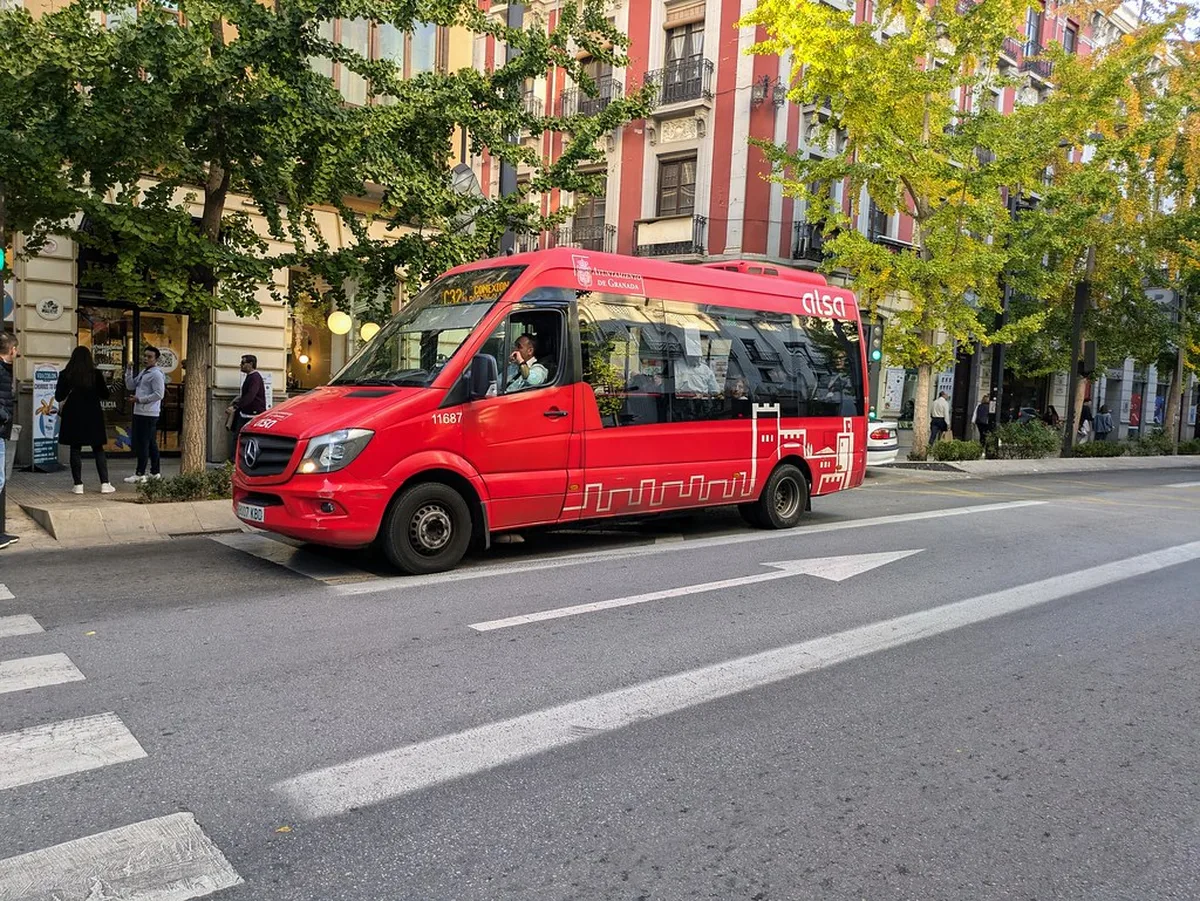
The red C31 and C32 minibuses provide a convenient alternative to the steep uphill walk. These small buses are designed to fit through the narrowest streets of the historic quarter and depart from Plaza Nueva every 7–10 minutes. A single ride costs €1.40 in 2026 and can be paid directly to the driver with coins; contactless card payment is now accepted on most vehicles. The C31 serves the upper Albaicín including stops near the Mirador de San Nicolás, while the C32 covers the Sacromonte route.
The Carrera del Darro is the most rewarding flat walk in the entire old town. This riverside street runs along the Darro River between Plaza Nueva and Paseo de los Tristes (officially Paseo del Padre Manjón), passing the El Bañuelo Arab Baths, the Casa de Castril museum, and a series of small Nasrid-era bridges. The walk takes about 20 minutes at a leisurely pace and provides constant views of the Alhambra on the hill above. Paseo de los Tristes itself has outdoor café terraces where a coffee costs €2–€3 and the view of the Alhambra towers is arguably the best in the city.
Walking remains the best way to see the hidden architectural details — carved stone doorways, tilework dados, and original Nasrid arches embedded in later Christian buildings. Take frequent breaks at the many small plazas to stay hydrated; public water fountains are scattered throughout the old town and provide fresh, drinkable water. Carry a refillable bottle to save money and reduce plastic waste during your trip.
Accessible routes exist but require longer paths around the steepest sections. The Tourist Accessibility Office at the City Hall (Calle Navas s/n) provides free maps of barrier-free itineraries on request, Monday to Friday 9 AM to 2 PM. Local taxis with accessible vehicles can be booked via the Radio Taxi Granada app and reach most parts of the old town quickly; a typical fare from the city center to the Mirador de San Nicolás is €5–€7.
Avoiding Common Tourist Mistakes in Old Town
Many visitors fall for the tourist menu offered in the busy plazas of the lower town. These menus often feature uninspiring food and lack the quality of authentic local cuisine. Walk just two or three blocks away from the main squares to find better value and flavor. Look for crowded bars where locals are standing at the counter, as this almost always indicates high quality and fair pricing.
Granada is famous for its culture of serving a free tapa with every drink ordered at traditional bars. You do not need to order extra food if you are having a couple of drinks — the kitchen sends tapas automatically. Wait for the waiter to bring your surprise snack after your beverages are served. This tradition makes dining in the old town both affordable and exciting for newcomers; two people can eat and drink well for around €15–€20 total at a traditional bar.
Driving a rental car into the Albaicín is a major mistake that regularly leads to substantial fines. Most of the old town is restricted to residents, taxis, and local bus traffic under a controlled traffic zone (zona de acceso restringido). Cameras monitor the entrances and automatically issue tickets to unauthorized vehicles; fines start at €90. Park your car in a secure underground garage on the edge of the city center instead — the Parking San Agustín on Calle San Agustín charges approximately €1.80 per hour in 2026.
Timing your visit to the Alhambra is the single most important planning decision you will make. General admission tickets at €19 sell out 2–4 weeks ahead during peak season (April–October). Purchase through the official Alhambra website at alhambra-patronato.es rather than third-party platforms, which charge excessive booking fees. The Alhambra opens at 8:30 AM and timed entry slots are staggered every 30 minutes.
Timing your visit to the other major sights can also save you from the largest tour groups. The Albaicín is most peaceful in the early morning before the midday heat and afternoon tour buses arrive — the area around Plaza Larga is largely local before 10 AM. Mondays can be tricky as some smaller museums have limited hours or are closed entirely. Always verify the latest opening times on official websites before you set out for the day.
Best Seasonal Visiting Tips for 2026
Spring 2026 is an ideal time to visit Granada for pleasant walking weather in the old town. April and May offer mild temperatures of 18–24°C that make the steep climbs much more manageable than the summer heat. The gardens of the Albaicín are in full bloom with wisteria, roses, and jasmine, creating a beautiful fragrant backdrop throughout the neighborhood. Book your accommodation and Alhambra tickets several months in advance if you plan to visit during Semana Santa (Holy Week, April 5–12 in 2026), when the city fills with processions and the streets are at their most atmospheric.
Summer temperatures in Andalusia frequently exceed 35°C during the afternoon, and heatwaves pushing 40°C are increasingly common. Plan your outdoor exploration for the early morning (8–11 AM) or late evening (after 6 PM) to avoid the worst of the heat. Many locals take a siesta during the hottest part of the day between 2 PM and 5 PM — use this time to visit the air-conditioned interior of the Granada Cathedral (€5), the Royal Chapel museum (€5), or enjoy a long lunch in a shaded restaurant.
Fall provides another window of perfect weather with crisp air and clear blue skies from late September through November. October is particularly beautiful as the surrounding valley takes on golden tones and the Sierra Nevada begins to dust with early snow. The Feria del Otoño in October brings live music and food stalls to Plaza del Carmen. You might also consider taking day trips from Granada to the nearby Alpujarra villages of Lanjarón and Bubión — whitewashed Berber-influenced mountain settlements an hour's drive from the city center.
Winter in Granada is cold by Andalusian standards (average lows of 4°C in January) but often sunny and clear. The snow-capped peaks of the Sierra Nevada look stunning from the Albaicín viewpoints, and the Sierra Nevada ski resort — Europe's southernmost ski area, 30 km from the city center — is fully operational from late November. Fewer tourists visit during January and February, resulting in shorter queues at the Alhambra and a more local atmosphere in the tapas bars. Pack layers to stay warm during the chilly evenings in the narrow, shaded streets of the Albaicín.
Frequently Asked Questions
Is the Albaicín safe to walk at night?
The Albaicín is generally safe for tourists during the evening hours. Stick to well-lit main paths including Calle Elvira, Calle Panaderos, and the route up to Plaza Larga. Avoid deserted alleys late at night. The area around Plaza Larga and the Mirador de San Nicolás remains active with locals and visitors well into the evening. For more detailed safety information, see our guide to tourist safety in Granada.
How much does the Alhambra cost to enter in 2026?
Alhambra general admission costs €19 per adult in 2026. This ticket includes the Nasrid Palaces, the Generalife gardens, the Alcazaba fortress, and the Palace of Carlos V. Children under 12 enter free. Tickets must be purchased in advance at alhambra-patronato.es; walk-up tickets are rarely available during peak season (April–October). Book at least two to four weeks ahead to be safe.
How much does the Granada Cathedral cost to enter?
The Granada Cathedral costs €5 per adult in 2026. The adjacent Royal Chapel (Capilla Real), where the Catholic Monarchs Isabella and Ferdinand are buried, is also €5 separately. Visiting both together costs €10 per person. The Cathedral is open Monday to Saturday 10 AM to 6:30 PM and Sunday 3 PM to 6 PM. The Royal Chapel opens Monday to Saturday 10:15 AM to 6:30 PM and Sunday 11 AM to 6 PM.
How much time should I spend in Granada's old town?
Plan to spend at least one full day exploring the Albaicín and the historic center. This allows you to see the Cathedral (€5), enjoy a tapas lunch, and watch the sunset from the Mirador de San Nicolás. Two days are better if you want to include the Sacromonte district, the Royal Chapel (€5), and the Arab Baths at El Bañuelo (€3). Add a third day for the Alhambra (€19), which alone deserves 3–4 hours.
Is the Albaicín free to visit?
Yes, the Albaicín quarter is completely free to wander. There is no entry fee for the neighborhood, its streets, plazas, or viewpoints including the Mirador de San Nicolás and Mirador de San Cristóbal. The only paid attractions within the Albaicín are the El Bañuelo Arab Baths (€3) and specific museum buildings. The entire hillside district with its Moorish architecture and garden walls can be explored at no cost, making it one of the most rewarding free experiences in Spain.
Is there really free food with every drink in Granada?
Yes. Granada is the most notable city in Spain where every drink at a traditional bar comes with a complimentary tapa — the kitchen chooses the dish. A beer or glass of wine costs €2.00–€3.50 in 2026. Order multiple rounds and the tapas typically increase in size and variety. This applies at traditional Spanish bars, not at tourist-focused restaurants or craft beer bars.
Are there many stairs in the Granada old town?
The Albaicín is built on a steep hill and contains many staircases and uneven cobbled slopes. The climb from Plaza Nueva to the Mirador de San Nicolás gains about 100 metres in elevation. The C31 minibus (€1.40, departing from Plaza Nueva) provides a steep-terrain alternative. The Carrera del Darro riverside path is the most accessible flat route, suitable for prams and wheelchairs with care.
Granada's old town is a captivating destination that rewards those who explore it on foot and without a strict schedule. From the Moorish charm of the Albaicín — free to wander — to the grand Cathedral (€5) and Royal Chapel (€5), every corner tells a story that spans eight centuries of coexisting civilizations. Booking your Alhambra ticket (€19, Generalife included) well in advance is the most important step to ensure a smooth visit.
Remember to respect the local customs and enjoy the slow pace of Andalusian life. Take time to savor the free tapas culture that makes Granada unique in Spain and wander without pressure. The Sacromonte caves, the Carrera del Darro at golden hour, and a cold beer with a surprise tapa at Los Diamantes will likely stay with you long after you leave. We hope your 2026 trip to this historic Spanish city is truly unforgettable. For ideas beyond the old town, browse our day trips from Granada and Granada nightlife guide.