7 Best Day Trips From Bruges in 2026 (With Prices & Train Times)
The fastest day trip from Bruges is Ghent — 30 minutes by direct train for €9 return (2026 SNCB fare), with the Gravensteen castle, Graslei quay, and STAM museum all walkable from the station via tram line 1.
Brussels is 1 hour by direct IC train (€15 return, 2026 fare), giving you enough time to see the Grand Place (free), the Atomium (€16), and Manneken Pis (free) in a single day — trains run every 30 minutes from Bruges station.
Bruges sits in an enviable position at the heart of Flanders, placing some of Belgium's finest cities and landscapes within easy reach. Whether you have a single free afternoon or a full 10-hour day, the Belgian rail network makes it simple to step beyond the canal rings and discover an entirely different side of the country. You can weave several of these excursions into a well-planned Bruges 3-day itinerary without needing a car. This guide covers seven proven day trips — with exact 2026 train times, prices in EUR, and the specific sights worth your limited hours.
Ghent: The Best Short Day Trip from Bruges (30 Min, €9 Return)
Ghent is the single easiest and most rewarding day trip from Bruges in 2026. Direct trains run every 30 minutes from Bruges station and reach Ghent-Sint-Pieters in exactly 30 minutes. A return ticket costs around €9 standard class (SNCB 2026 fare), making it one of the cheapest city escapes in Western Europe. Buy tickets via the SNCB app to skip station queues entirely.
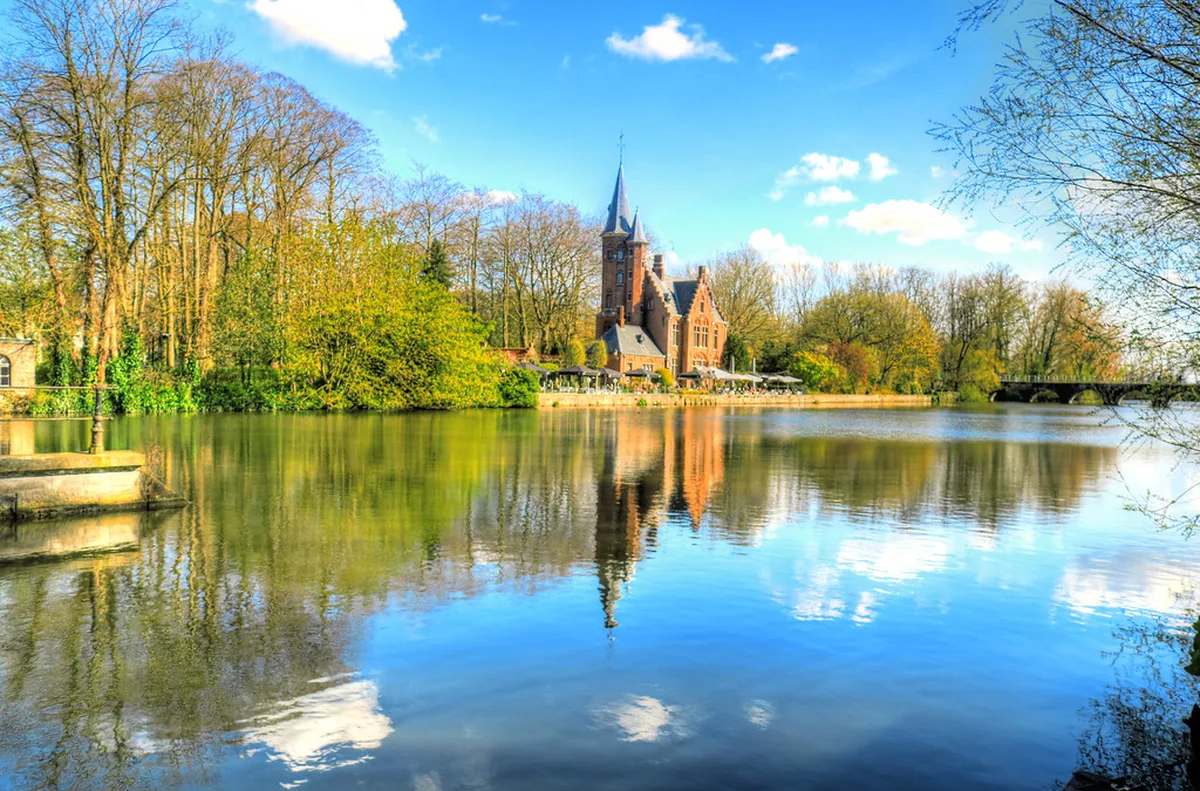
From Ghent-Sint-Pieters station, tram line 1 drops you directly at Korenmarkt square in about 10 minutes. Walk north along the Graslei and Korenlei — the twin quays flanked by medieval guild houses — for the most photogenic view in the city. Early weekday mornings offer this scene almost entirely crowd-free, a stark contrast to Bruges. The Gravensteen castle (€14 adult, €10 reduced, open daily 10:00–18:00) dominates the skyline nearby and offers sweeping views from its battlements across the canal network.
For a deep dive into city history, the STAM museum (€8 adult) charts Ghent from Roman settlement to the present through an immersive walk-through installation. Architecture fans should also visit Sint-Baafskathedraal to see the Ghent Altarpiece by van Eyck — free to enter the cathedral, €8 to view the altarpiece up close. Lunch on Vrijdagmarkt square costs €12–16 at local bistros; the waterzooi (Ghent's signature chicken stew) runs around €14–17.
Ghent suits day trippers who want the visual drama of Bruges combined with a younger, less tourist-heavy atmosphere. The city's student population of roughly 80,000 keeps street food markets lively year-round, and Ghent's Sunday market on Vrijdagmarkt is one of the best in Belgium. Allow 6–7 hours to do the city justice, leaving Bruges at 09:00 and returning by 18:00. For a direct comparison before you decide, see our Bruges vs Ghent guide — it lays out the key differences for day trippers. You can also find detailed walking routes in our Ghent walking tour guide.
Brussels: Iconic Landmarks in One Day (1 Hour, €15 Return)
Brussels is the most popular day trip from Bruges among first-time visitors to Belgium, and for good reason. Direct IC trains run every 30 minutes from Bruges and reach Brussels-Midi in exactly 60 minutes. A return ticket costs around €15 standard class (SNCB 2026 pricing) — it is worth booking online to lock in the price, especially during school holidays when trains fill quickly.
From Brussels-Midi, metro line 2 or 6 reaches the city centre (De Brouckère or Bourse stops) in under 10 minutes. The Grand Place is the obvious first stop — this UNESCO World Heritage square is free to enter at any hour and is arguably the finest town square in Northern Europe. Arrive before 09:30 to beat the tour groups and see the gilded guild facades in morning light. The adjacent Galeries Royales Saint-Hubert (1847 iron-and-glass arcade) makes an elegant covered walkway for a coffee break; a cappuccino at one of its cafes costs €3.50–4.50.
The Atomium (€16 adult, €10 child, open 10:00–18:00) sits 5 km north in the Laeken district and is easily reached by tram. Built for the 1958 World's Fair, this 102-metre steel molecule structure houses a permanent exhibition on postwar optimism and 1950s design. The views from the top sphere stretch across the entire Brussels plain on clear days. The nearby Mini-Europe park (€16 adult) is worth considering if you are travelling with children. Manneken Pis — the city's famous small bronze statue — is a 5-minute walk from the Grand Place and entirely free; note that it is deliberately underwhelming up close, but a required tick for first-timers.
For lunch, the area around Place Sainte-Catherine offers some of Brussels' best moules-frites (mussels and fries) for €18–22. Belgian craft beer is universally good; Delirium Café on Impasse de la Fidélité stocks over 2,000 varieties with pints from €4.50. Return trains to Bruges run until around 23:30, giving you a genuinely flexible evening window. If you are planning multiple Belgian city visits, our day trips from Antwerp guide covers complementary routes for context.
- Grand Place — UNESCO site, free access, best at 09:00 or golden hour
- Atomium — €16 adult, allow 90 minutes including queuing
- Manneken Pis — free, 5-min walk from Grand Place
- Belgian Comic Strip Center — €12 adult, excellent rainy-day option
Ostend: Bruges' Beach Escape by Train (15 Min, €6 Return)
Ostend is the most underrated day trip from Bruges because it is genuinely close — closer than most visitors expect. Direct trains run from Bruges station every 30 minutes and reach Ostend in just 15 minutes. A return ticket costs around €6 standard class (SNCB 2026 fare), making this the cheapest day excursion in Belgium. The spontaneous factor is real: even if rain clears by 11:00, you can be on the beach by 11:20.
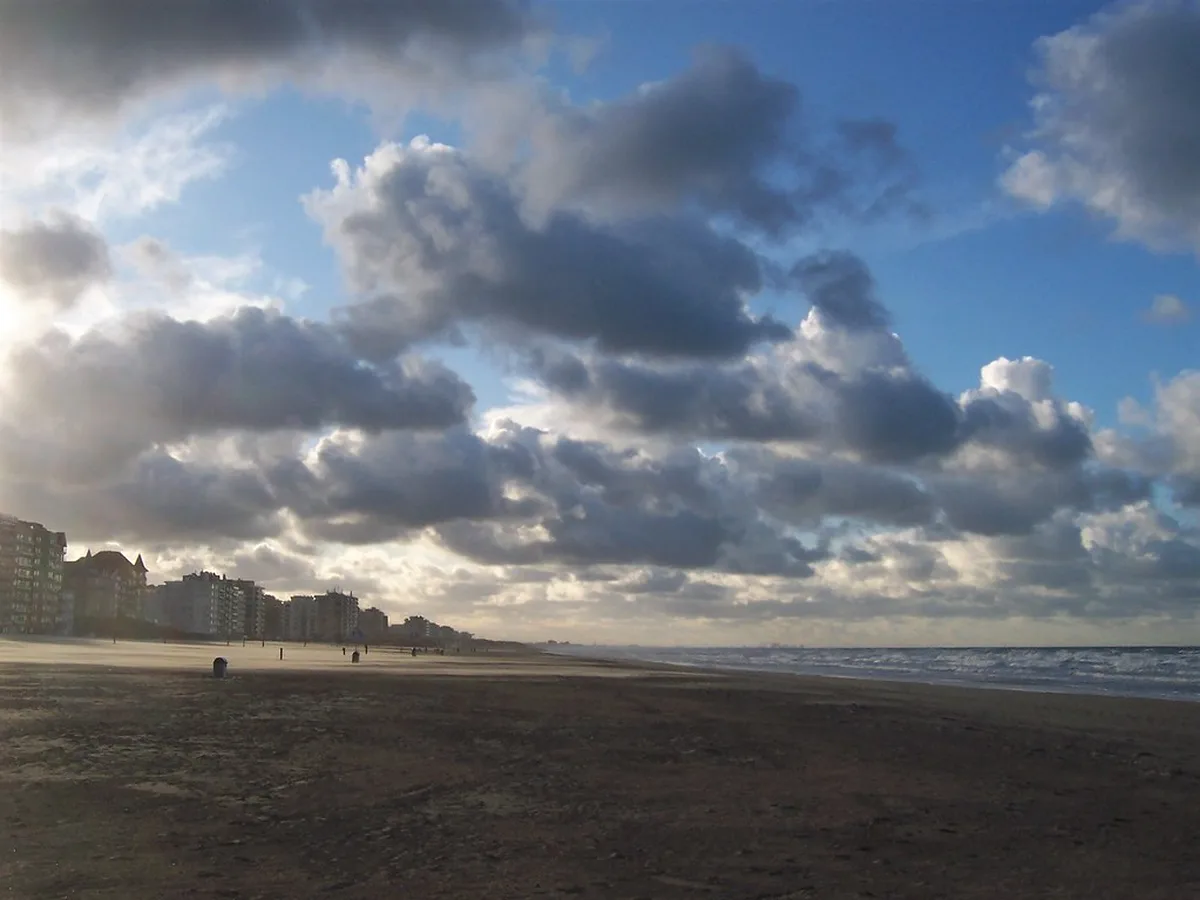
Ostend is a working North Sea harbour town with 9 km of sandy beach stretching east and west from the pier. The fishing harbour on the south side of the channel sells fresh North Sea shrimp croquettes and oysters from stalls open by 10:00 — a half-dozen oysters costs around €9–12 and a shrimp croquette runs €3–4. This is the freshest seafood you will eat in Belgium and it requires zero effort to find. The long promenade is flat and easy for walking or renting a city bike (€5/hour from multiple kiosk operators near the station).
The Mu.ZEE contemporary art museum (€12 adult, closed Mondays) focuses on Belgian coastal art from the 19th century onwards and houses significant work by James Ensor, whose former home on Vlaanderenstraat is preserved nearby as a free-access museum. The PMMK — now integrated into Mu.ZEE — holds one of Belgium's strongest collections of modern and Expressionist art, including Spilliaert's haunting nocturne scenes of the Ostend seafront painted in the early 1900s.
Beyond the beach and museums, Ostend's covered market hall (Feest- en Cultuurpaleis) and the Venetian Galleries arcade near the seafront make excellent shelter on overcast days. The Fort Napoleon (€8 adult), a restored Napoleonic-era fortification 2 km east of the centre, is reachable by a flat coastal cycle path and gives unexpected military history context to the town. Plan around 5–6 hours in Ostend: arrive at 10:00, spend the morning at the harbour market, afternoon at Mu.ZEE and the beach, and catch the 16:30 train back to Bruges for a relaxed evening.
For visitors who want to extend the coastal experience further, the Kusttram (coastal tram) runs the full 67 km Belgian coastline between De Panne in the west and Knokke-Heist in the east. A day pass costs €9 (2026 fare) and lets you hop between De Haan (30 min from Ostend, Belle Époque villas, car-free centre) and Blankenberge (sea aquarium, €12 adult) at leisure. Knokke-Heist at the eastern end is the upscale resort of choice, with high-end boutiques along the Lippenslaan and the Zwin Nature Park (€10 adult) on its eastern fringe.
Antwerp: Diamonds, Design & Art (75 Min, €17 Return)
Antwerp deserves a full day and rewards visitors who arrive early. Direct IC trains run from Bruges to Antwerp-Centraal every 30 minutes; the journey takes approximately 75 minutes and a return ticket costs around €17 standard class (2026 SNCB pricing). Antwerp-Centraal station is itself one of the architectural highlights of the trip — its neo-baroque dome, opened in 1905, is consistently ranked among the world's most beautiful railway stations and is free to appreciate from the main concourse.
The diamond district (Diamantkwartier) surrounds the station and accounts for roughly 80% of the world's rough diamond trade by volume. Several showrooms offer free entry to viewing areas where cutters work on stones at street level — the Diamond Museum (€15 adult) on Koningin Astridplein provides the historical and scientific context. From the station, tram line 3 or 5 drops you at Groenplaats in the old town in 10 minutes. The Cathedral of Our Lady houses four Rubens altarpieces (€12 entry) and dominates the skyline above the Grote Markt.
The Rubenshuis — Peter Paul Rubens' former home and studio — is among Belgium's finest historic house museums (€14 adult, closed Mondays). Booking online is strongly recommended in 2026, as timed entry tickets often sell out a week in advance during summer. The Eilandje district near the port is Antwerp's most interesting contemporary neighbourhood, anchored by the MAS (Museum aan de Stroom, €14 adult), a spiralling 60-metre tower with free rooftop access and panoramic views across the Scheldt. The Red Star Line Museum (€12 adult) tells the story of millions of European emigrants who departed for America from this exact port — an unexpectedly moving experience.
For lunch, the Het Zuid quarter south of the centre has the highest density of good restaurants — a standard lunch with a beer runs €16–22 at most brasseries. Antwerp's bar culture is exceptional; Café Beveren on Vlasmarkt is a working-class institution with draught Duvel and local jenever from €3.50. Allow a minimum of 7 hours for Antwerp — departing Bruges at 08:30 gives you until 17:00 before the return rush-hour trains fill up. For a detailed neighbourhood-by-neighbourhood breakdown, see our Antwerp old town guide and Antwerp walking tour.
Ypres (Ieper): WWI Battlefields & the Menin Gate (1 Hour, ~€10 Each Way)
Ypres — known locally as Ieper — is the most historically significant day trip from Bruges for those with an interest in the First World War. The city was almost completely destroyed during the war and subsequently rebuilt stone by stone to its medieval plan, making the Cloth Hall and main square appear genuinely medieval while actually dating from the 1920s and 1930s. This duality gives Ypres a particular poignancy that no other Belgian city shares.
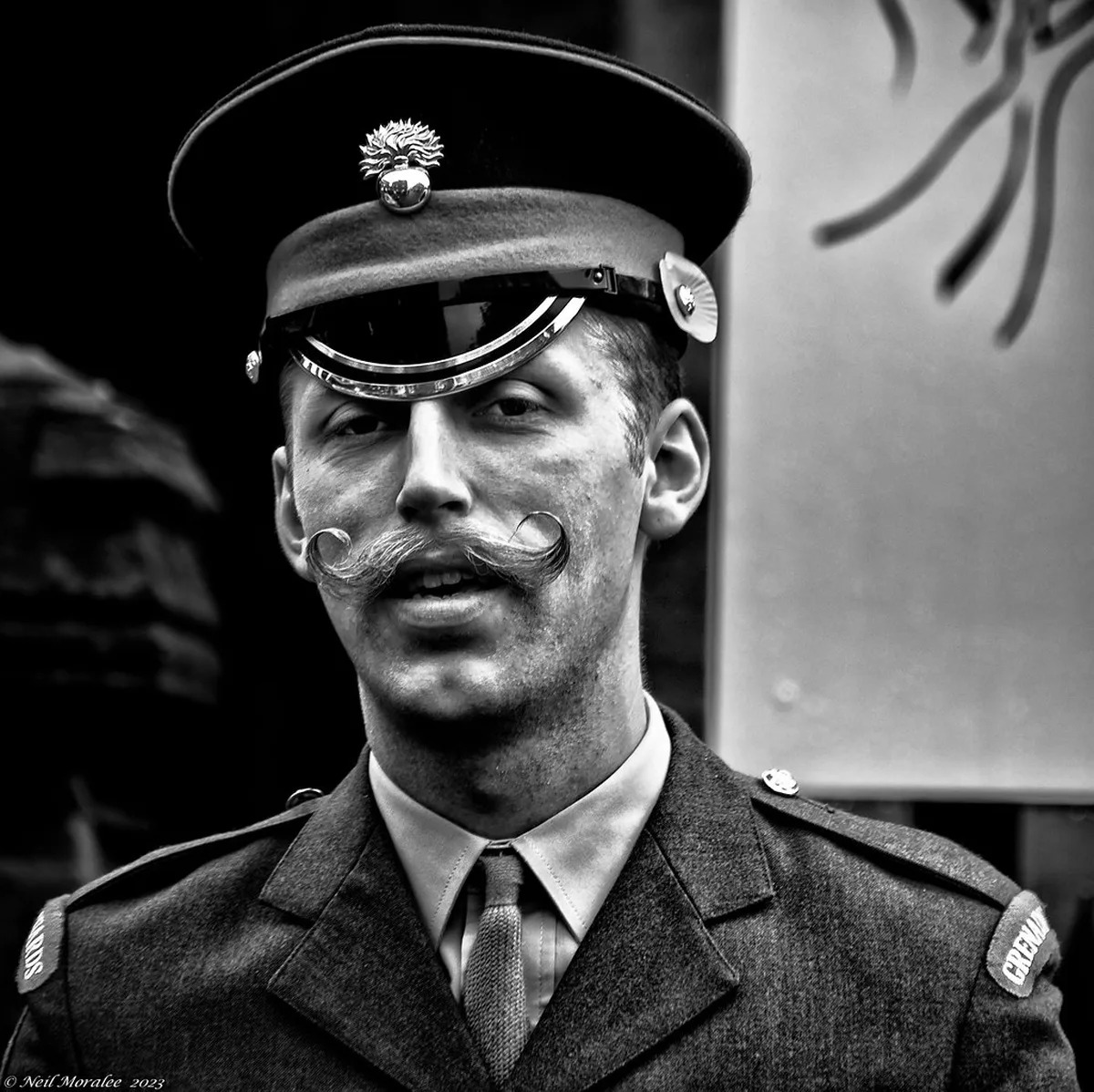
Getting there from Bruges takes around 1 hour by combined bus and train. Take a direct train to Kortrijk (40 minutes, €6.10 single, 2026 SNCB fare) and then a De Lijn bus to Ypres (bus 94 or 95, approximately 45 minutes, around €3 with the M-ticket app). Total journey time is around 85–90 minutes each way and combined transport costs approximately €9–10 each way. Many visitors choose to join an organised guided tour departing from Bruges — half-day tours typically cost €60–80 per person and include transport, a guide, and stops at Tyne Cot cemetery and the Langemark German cemetery, which are difficult to reach by public transport.
The In Flanders Fields Museum inside the Cloth Hall (€15 adult, €9 child, open daily 10:00–18:00, closed Mondays November–March) is the centrepiece of any Ypres visit. The multimedia exhibition is exceptionally well produced, assigning each visitor an identity wristband linked to a real soldier or civilian, and revealing their fate at the end. Allow at least 2 hours for this museum alone — it is the finest WWI interpretive experience in Belgium. Tyne Cot cemetery — the largest Commonwealth war graves cemetery in the world, with 11,965 headstones — is 10 km outside the city and is free to visit at any time.
The Menin Gate Last Post ceremony is the single most powerful reason to time your visit carefully. Every evening at exactly 20:00, the Last Post is sounded by volunteer buglers of the Last Post Association beneath the Menin Gate memorial — a ritual that has taken place every single evening since 1928, interrupted only during the German occupation of World War II. The ceremony is free and open to all; arrive by 19:30 to find a position on the memorial steps. The atmosphere on Friday evenings is especially moving when local school groups often participate. Plan to stay for dinner in Ypres before the ceremony — a full dinner at a local brasserie runs €18–25, and the Novotel and Ariane hotels both have restaurants open for evening service.
Amsterdam: A Longer Day Trip Worth the Effort (2h30, €30–50 Return)
Amsterdam is technically a stretch for a day trip from Bruges — the journey takes around 2 hours 30 minutes each way by direct IC international train — but it is entirely doable for those willing to leave early and travel efficiently. Direct trains run from Bruges (via Antwerp) to Amsterdam Centraal with several daily departures; tickets in 2026 range from €30 to €50 return depending on how far in advance you book via the SNCB or NS (Dutch Railways) app. Book at least two weeks ahead for the cheapest fares.
The case for making the effort is strong: Amsterdam's canal ring, the Rijksmuseum, the Van Gogh Museum, the Anne Frank House, and the Jordaan neighbourhood are genuinely world-class. The Rijksmuseum (€22.50 adult) houses Rembrandt's Night Watch and Vermeer's The Milkmaid in a setting that justifies the ticket price alone — book online in advance as the museum often sells out on weekends. The Van Gogh Museum (€22 adult, advance booking mandatory) runs a strict timed-entry system and typically sells out 3–4 weeks ahead in high season.
Given the travel time, prioritise the Rijksmuseum and a 2-hour walk through the Jordaan neighbourhood and the canal ring rather than trying to fit in multiple museums. The Anne Frank House (€16 adult, online booking essential, often sold out weeks ahead) is most manageable on weekday mornings. A canal boat tour (€15–18 for 75 minutes) is an efficient way to see the canal ring without heavy walking. Budget €15–20 for lunch at a brown café (bruine kroeg), and keep a realistic eye on your return train time — the last affordable direct trains back to Bruges typically depart Amsterdam around 18:30–19:00.
Amsterdam works best as a day trip in spring (April–May, tulip season) or autumn (September–October) when the light is exceptional and summer crowds have thinned. If you are based in Bruges for 5 or more days, adding Amsterdam as a single long-day excursion is genuinely rewarding and adds a second country to your trip without changing accommodation.
How to Plan Day Trips from Bruges: Practical Tips for 2026
The Belgian rail network (SNCB/NMBS) is the backbone of day-trip travel from Bruges. Trains are generally punctual, frequent, and affordable, but a few strategies make the experience smoother. The SNCB app (free, iOS and Android) allows you to buy tickets with a Belgian or foreign credit card, check real-time platform assignments, and receive push notifications for delays — essential on a day when a missed connection costs you an hour. Weekend tickets (available Fridays to Sundays) sometimes offer a 30–50% discount on selected routes, so always check before buying a standard fare.
Choosing the right mode of transport matters most for Ypres and the more rural Westhoek battlefields. Driving opens up the remote cemetery sites and smaller villages that buses do not serve. If you bring a car to Bruges, consult our guide on parking in Bruges before arrival — central parking costs €3–5/hour and fills by 10:00 in summer. A rental car for a day (from Bruges station via Hertz or Avis) typically costs €55–80 including insurance in 2026.
Weather is a genuine planning variable in Belgium. The North Sea climate means rain is possible in any month, but the shoulder seasons (April–May and September–October) offer the best combination of mild temperatures, manageable crowds, and lower accommodation prices. The best time to visit Bruges guide covers seasonal trade-offs in detail. Always carry a compact waterproof jacket — Belgian weather can change within an hour.
Rail passes (Eurail or Interrail, depending on your nationality) can offer value if you are combining Belgian day trips with wider European travel, but for Bruges alone the point-to-point SNCB fares are generally cheaper because Belgian domestic fares are already subsidised. Group travellers (3+ people) sometimes benefit from the SNCB group day-return fare, which reduces the per-person cost on routes to Ghent and Brussels. Always validate your physical ticket at the yellow stamping machines on the platform before boarding to avoid a €75 on-the-spot fine from inspectors.
Frequently Asked Questions
What is the easiest day trip from Bruges?
Ghent is the easiest day trip from Bruges in 2026. Direct trains run every 30 minutes, the journey takes exactly 30 minutes, and a return ticket costs around €9 standard fare. The city's main sights — Gravensteen castle (€14), the Graslei quay, and Sint-Baafskathedraal — are all within walking distance of Ghent-Sint-Pieters station via tram line 1.
Can you visit Brussels in a single day from Bruges?
Yes. Direct IC trains run from Bruges to Brussels-Midi in 60 minutes; a return ticket costs around €15 in 2026. Leaving Bruges at 08:30 gives you roughly 8 hours in Brussels — enough to see the Grand Place (free), the Atomium (€16), Manneken Pis (free), and lunch in the Sainte-Catherine neighbourhood before catching an evening train back.
How far is Ostend from Bruges by train?
Ostend is only 15 minutes from Bruges by direct train (€6 return, 2026 SNCB fare), making it the closest beach destination from Bruges. Trains run every 30 minutes throughout the day. Ostend offers 9 km of sandy North Sea beach, a fishing harbour with fresh shrimp croquettes from €3, and the Mu.ZEE art museum (€12). A coastal tram day pass (€9) lets you extend the trip to De Haan and Blankenberge along the full 67 km Belgian coastline.
How do I get to Ypres (Ieper) and the Menin Gate from Bruges?
Take a train from Bruges to Kortrijk (40 minutes, €6.10 single), then a De Lijn bus to Ypres (bus 94 or 95, ~45 minutes, around €3). Total journey is around 85–90 minutes each way and costs approximately €9–10 each way. Alternatively, guided bus tours from Bruges city centre cost €60–80 per person and include Tyne Cot cemetery. The Menin Gate Last Post ceremony is free and takes place every evening at exactly 20:00 — arrive by 19:30 for a good position.
Is Ghent or Antwerp a better day trip from Bruges?
Ghent is better if you want a shorter, more relaxed day — it is 30 minutes by train (€9 return) and its canal scenery rivals Bruges without the tour-group density. Antwerp is the better choice for museum lovers and fashion fans — it is 75 minutes by train (€17 return) and offers the Rubenshuis (€14), Antwerp Central Station architecture (free), the Cathedral of Our Lady (€12), and the MAS museum rooftop (free). Ghent suits half-day visitors; Antwerp warrants a full 7–8 hour day.
Can you do Amsterdam as a day trip from Bruges?
Yes, but it is a long day. Direct IC trains from Bruges (via Antwerp) reach Amsterdam Centraal in 2 hours 30 minutes; return tickets cost €30–50 depending on advance booking. Leave Bruges by 07:00, focus on the Rijksmuseum (€22.50, book ahead) and a walk through the Jordaan canal neighbourhood, and catch the 19:00 train back. It adds a second country to your Belgium trip with no accommodation change needed.
What is the cheapest day trip from Bruges?
Ostend is the cheapest day trip from Bruges at €6 return (2026 SNCB fare) and just 15 minutes by train. If you prefer a city, Ghent is the cheapest city day trip at €9 return and 30 minutes by direct train. Both destinations have significant free or low-cost attractions — Ostend's beach and harbour market are free to enjoy, while Ghent's Graslei quay and Sint-Baafskathedraal (free entry to the cathedral) cost nothing to visit.
The destinations covered here represent different travel modes and different sides of Belgium — medieval cities, a beach town, WWI memorials, diamond capitals, and a neighbouring country's canals all within two and a half hours of Bruges station. The right choice depends on your interests and how much time you have: Ghent for a quick morning escape (30 min, €9 return), Brussels or Antwerp for full cultural immersion (1h/€15 and 75min/€17 respectively), Ypres for a sobering and deeply memorable afternoon (~1h, €10), Ostend when you simply need sea air after days of cobblestones (15 min, €6), and Amsterdam for a genuinely ambitious two-country day.
For more planning help, see our guides to the Bruges walking tour, the Bruges old town guide, and parking in Bruges if you are arriving by car.