Ultimate Antwerp Walking Tour Guide: Discover Belgium's Port City
Free tip-based walking tours depart daily from Grote Markt's Brabo Fountain at 10:30 and 14:00 (Apr–Oct); tip €10–15 per person. The self-guided 2.5-hour loop covers Grote Markt, Cathedral of Our Lady (€8 students/€12 adults), Rubenshuis (€10), Meir shopping street (free), and MAS rooftop (free).
The complete self-guided Antwerp walking route is 3.5 km and free to walk. Key paid stops in 2026: Cathedral €12, Rubenshuis €10, MAS Museum €12 (rooftop free), Red Star Line Museum €10. Budget €30–40 per person for a full day including one museum and lunch.
Welcome to Antwerp, a Belgian city where medieval charm meets modern fashion and design. Exploring the city on foot allows you to notice intricate details on historic guild houses, absorb the aroma of Belgian waffles drifting from corner stands, and duck into the quiet medieval lanes that sit just metres from bustling shopping boulevards. Travelers consistently find that most major landmarks sit within very comfortable walking distance of one another — the entire historic core is compact enough to cover in a single morning.
A self-guided Antwerp walking tour offers the flexibility to stop for Belgian chocolate whenever you please, linger at a Rubens painting, or pull out your camera at the Diamond District storefronts. Most visitors begin their journey at the stunning Central Station before heading southwest toward the river. This guide gives you a clear route, specific 2026 prices, photo spots, and food stops so you can navigate the winding cobblestone streets with confidence.
Complete Self-Guided Antwerp Walking Tour Route 2026
This numbered route takes you through Antwerp's best historic and cultural landmarks in a logical, time-efficient sequence. Starting at Antwerpen-Centraal and finishing at the MAS Museum rooftop, the total distance is approximately 3.5 km and can be completed in 2.5–3 hours at a relaxed pace. All distances listed are walking distances between stops.
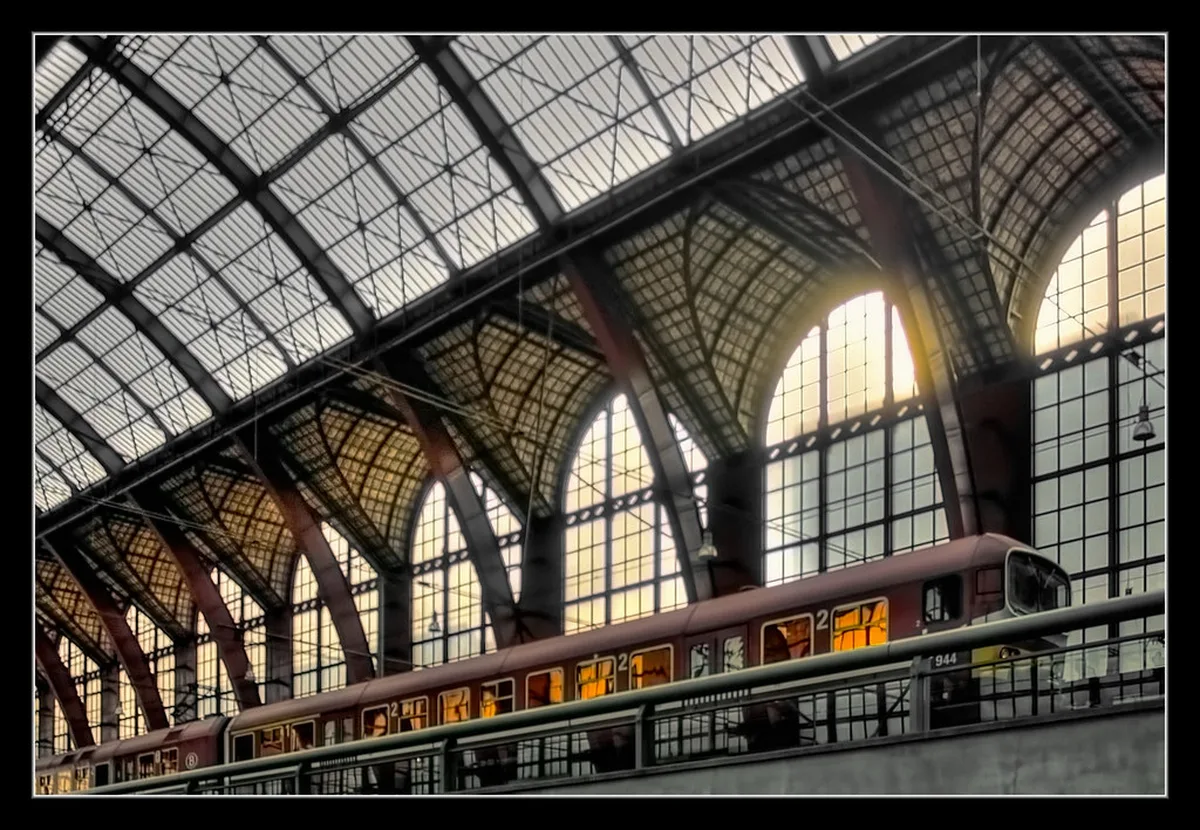
Stop 1 — Antwerpen-Centraal Station (start, free). Enter from Koningin Astridplein. Spend 20–30 minutes inside — entry is completely free. The barrel-vaulted steel roof, Caen limestone facade, and four-level platform structure make this one of Europe's most photographed railway stations. The best light for photography falls on the central dome between 10:00 and 13:00 on sunny days. Exit onto Leysstraat heading west toward Meir.
Stop 2 — Meir Shopping Boulevard (0.4 km from station, free). Antwerp's main pedestrianised shopping street stretches roughly 1 km. On a weekday morning it is pleasantly uncrowded. The highlight is the Stadsfeestzaal, a restored 1908 shopping hall with a jaw-dropping gilded interior — walk through the ground floor for free and photograph the ornate ceiling. Side streets off Meir such as Lijnwaadmarkt and Schuttershofstraat feature large-scale street art murals worth a short detour.
Stop 3 — Rubenshuis / Rubens House (0.5 km from Meir, €10 adults). The former home and studio of Peter Paul Rubens is one of the finest artist's houses in Europe. Admission is €10 for adults, free for under-18s in 2026. Opening hours are Tuesday–Sunday 10:00–17:00 (closed Mondays). The baroque garden at the rear is particularly impressive and rarely crowded in the morning. Allow 45 minutes for a full visit. This stop is optional if you are on a tight schedule — the Cathedral houses Rubens' most celebrated works and can serve as your primary Rubens experience.
Stop 4 — Grote Markt (0.3 km from Rubenshuis, free). The city's central square, anchored by the Brabo Fountain and the 16th-century City Hall (a UNESCO World Heritage Site). Allow 20 minutes to circle the guild houses and photograph the fountain from all angles. The square is most photogenic in the first two hours after sunrise when tour groups have not yet arrived. Free tip-based walking tours depart from the Brabo Fountain daily at 10:30 and 14:00 (April–October); tip €10–15.
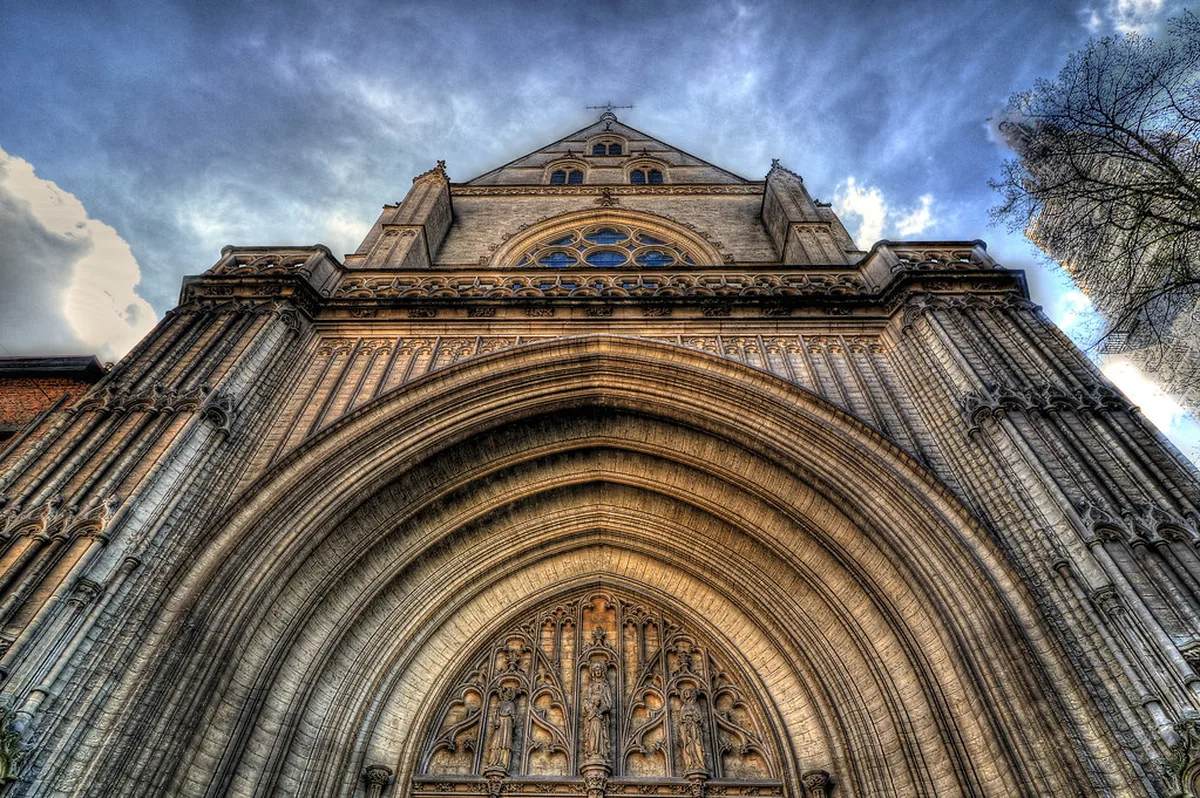
Stop 5 — Cathedral of Our Lady (0.1 km from Grote Markt, €12 adults / €8 students). Gothic masterpiece housing four Rubens altarpieces including "The Descent from the Cross" and "The Elevation of the Cross." Entry is €12 for adults and €8 for students in 2026. Opening hours: Monday–Friday 10:00–17:00, Saturday 10:00–15:00, Sunday 13:00–17:00. The main tower reaches 123 metres — the tallest in the Benelux. Plan 45 minutes inside and arrive before 11:00 to avoid queues.
Stop 6 — Groenplaats (0.1 km from Cathedral, free). A large open square flanked by café terraces — ideal for a mid-route coffee break (€3–4 for an espresso at any surrounding café). The Rubens statue stands at the centre. From here you can head down Nationalestraat to browse the independent boutiques of the 't Zuid fashion neighbourhood if time allows.
Stop 7 — Vlaeykensgang Hidden Alley (0.2 km from Groenplaats, free). This quiet medieval passage dates to 1591. The entrance sits behind a small wooden door off Oude Koornmarkt — look for the ornate stone doorframe that is easy to miss. Inside, whitewashed buildings lean close, hanging flower boxes add colour, and the noise of the city disappears entirely. This is one of the best-preserved medieval courtyards in northern Belgium. Open daily approximately 09:00 to dusk, no entry charge.
Stop 8 — Het Steen Castle and Scheldt Quay (0.4 km from Vlaeykensgang, €8 adults). Antwerp's oldest building (12th century) sits right on the Scheldt riverbank. The Het Steen visitor centre charges €8 for adults in 2026. The stone promenade along the Scheldekaaien quay stretches 1.5 km and offers open views across the river — walk north along the newly redeveloped waterfront to reach the MAS Museum.
Stop 9 — Museum aan de Stroom / MAS Rooftop (0.9 km north along the quay, rooftop free / museum €12). The red sandstone and glass tower of the MAS is unmistakable on the Antwerp skyline. Rooftop access is entirely free during museum opening hours (Tuesday–Friday 09:30–17:00, weekends 10:00–18:00) and provides a 360-degree view across the port cranes, old city roofline, and on clear days into the Netherlands. The indoor museum costs €12 for adults and is free for under-19s. Allow 30 minutes for the rooftop or 90 minutes for the full museum visit.
- Total self-guided distance: approximately 3.5 km (without optional 't Zuid extension)
- Total walking time: 2.5–3 hours at a comfortable pace including all stops
- Best starting time: 09:30 on a weekday to beat tour groups at Grote Markt and Cathedral
- Finish point: MAS Museum rooftop for panoramic views or 't Zuid for dinner
- Optional extension: 't Zuid art district adds 45–60 minutes and approximately 1.2 km
The Self-Guided Antwerp Walking Route: Key Highlights
The most logical sequence for a self-guided Antwerp walking tour starts at Antwerpen-Centraal and flows naturally toward the river, finishing at the MAS Museum or continuing south to 't Zuid. The historic core is remarkably compact — all major landmarks sit within a 1.5 km radius of Grote Markt — so you are rarely more than 10 minutes on foot from your next stop.
Start at Grote Markt, the heart of the city's historic district. The Brabo Fountain tells the legendary story of the city's naming — the Roman soldier Silvius Brabo cut off the hand of the giant Antigoon and hurled it into the river, an act that supposedly gave Antwerp its name. The fountain was sculpted by Jef Lambeaux in 1887. Surrounding the square you will find guild houses from the 16th and 17th centuries, each with distinctive gables. The City Hall (Stadhuis), built between 1561 and 1565, blends Italian Renaissance design with Flemish detail and is a UNESCO World Heritage Site. The square is lined with restaurants and brown cafés; expect to pay €6–8 for a local Duvel or Tripel Karmeliet beer at any terrace.
Walk two minutes east to reach the Cathedral of Our Lady (Onze-Lieve-Vrouwekathedraal), a Gothic masterpiece begun in 1352 and completed 170 years later. It houses four altarpieces by Peter Paul Rubens. Adult entry is €12, students €8 (2026 rates). Photography with a smartphone is permitted inside. The interior takes approximately 45 minutes to explore at a respectful pace.
Continue toward the Vlaeykensgang, a hidden medieval alleyway dating back to 1591. This quiet passage offers a stark contrast to the bustling shopping streets nearby. The entrance sits behind a small wooden door off Oude Koornmarkt — look for the ornate stone doorframe. There is no entry charge and it is open daily from roughly 09:00 to dusk.
- The Historic Grote Markt
- Location: City centre square (Grote Markt 1)
- Main Feature: Brabo Fountain + UNESCO City Hall
- Best Time: Weekday before 10:00 or after 18:00
- Access: Always open, free
- Food nearby: Café Den Engel (brown café, beers from €4.50)
- Cathedral of Our Lady
- Type: Gothic cathedral, UNESCO World Heritage
- Highlight: Four Rubens altarpieces
- Cost: €12 adults / €8 students (2026)
- Hours: Mon–Fri 10:00–17:00, Sat 10:00–15:00, Sun 13:00–17:00
- Hidden Vlaeykensgang Alley
- Age: From year 1591
- Entrance: Behind wooden door on Oude Koornmarkt
- Best for: Photography, quiet rest stop
- Cost: Free entry
Navigating the Diamond Quarter and Central Station
No Antwerp walking tour is complete without seeing the Antwerpen-Centraal railway station, and it should be your first stop rather than an afterthought. Often called the "Railway Cathedral," this station was designed by Louis Delacenserie and opened in 1905. The building features a 57-metre-high barrel-vaulted steel-and-glass roof, a Byzantine-inspired central dome, and a facade built entirely from Caen limestone imported from Normandy. Platforms are stacked across four underground levels, allowing the building to function as a fully modern interchange while preserving the historic hall above. Entry to the main concourse is completely free — simply walk in, look up, and spend as long as you like photographing the architecture. The best light falls on the central dome between 10:00 and 13:00 on sunny days. Allow at least 20–30 minutes here. The station also contains a small food court where you can grab a croissant (€2–3) or coffee (€2.50–3.50) before setting off.
Just a five-minute walk southwest of the station lies the Diamond Quarter (Diamantwijk), one of the most concentrated centres of diamond trade in the world. Antwerp handles approximately 80% of the world's rough diamond trade and 50% of polished diamonds pass through here each year. Walking along Pelikaanstraat and Hoveniersstraat gives you a glimpse of this multi-billion-euro industry: polished storefronts with reinforced windows, discreet security personnel, and dealers in traditional dress moving between offices. The quarter is generally open to pedestrians during business hours (Monday–Friday, 09:00–18:00). You will not be admitted into trading rooms, but the exterior walk is fascinating. The DIVA museum (Suikerrui 17) provides a deeper look at the diamond trade and Antwerp's craft heritage — tickets are €12 adults, €8 under 26 (2026), and it opens Tuesday–Sunday 10:00–18:00.
Consider using an Antwerp City Pass to save across museums and public transport. The 24-hour City Pass is €33 per person in 2026 and covers the DIVA museum, Red Star Line Museum, Zoo, and unlimited De Lijn tram and bus rides — genuinely good value if you plan to visit three or more paid attractions. The pass can be purchased at Visit Antwerp (Grote Markt 13) or online at visitantwerpen.be. Many visitors find the transport inclusion particularly useful for reaching the MAS Museum from the Diamond Quarter without retracing steps through the historic centre. See the Antwerp City Pass guide for a full breakdown of what is included and how to maximise value.
Exploring the Port and Modern Architecture
Head north along the Scheldt riverbank toward the Eilandje district to reach the Museum aan de Stroom, universally known as MAS. This 10-storey red sandstone and glass tower was designed by Neutelings Riedijk Architects and opened in 2011. The exterior spiral of red Indian quartzite panels and transparent glass levels creates a distinctive silhouette visible from across the port. Most importantly for budget walkers, the rooftop panoramic terrace is entirely free to access during museum opening hours (Tuesday–Friday 09:30–17:00, weekends 10:00–18:00). From the top you get a 360-degree view across the port cranes, the old city roofline, and on clear days, across to the Netherlands. The internal museum traces Antwerp's story as a global port city and charges €12 for adults, free for under-19s (2026). Allow 90 minutes for a full visit or 30 minutes for a rooftop-only stop.
The walk from Het Steen castle to MAS along the Scheldekaaien quay is one of the most rewarding stretches of the entire route. The promenade was redeveloped between 2018 and 2024, creating a wide riverside walkway lined with benches, public art installations, and grassy terraces that locals use for picnics and outdoor exercise. You will pass historic anchor chains and vintage port machinery preserved as public sculpture. On warm days the quay fills with cyclists, joggers, and families — a genuinely local scene. The walking distance from Het Steen to MAS is approximately 900 metres and takes 12–15 minutes at an easy pace.
Near the MAS, you can also find the Port House (Havenhuis) designed by Zaha Hadid Architects, completed in 2016. The structure places a shimmering diamond-shaped glass volume atop the shell of a historic 1922 fire station — the glass upper portion resembles a ship's bow viewed from the water. The building is the headquarters of the Antwerp Port Authority and is not open to the public inside, but the exterior architecture is extraordinary from any angle. It sits approximately a 20-minute walk from the MAS along the Kattendijkdok waterfront. For those interested in emigration history, the Red Star Line Museum on Amerika Kaai 9 documents the 2.5 million emigrants who sailed from Antwerp to the United States and Canada between 1873 and 1934. Tickets cost €10 adults, €8 students (2026), and it opens Tuesday–Sunday 10:00–17:00.
Street Food, Photo Spots, and Hidden Gems
No self-guided walk through Antwerp is complete without stopping at a fritkot — a Belgian frites stand — for a cone of thick-cut chips. Antwerp's fritkots serve frites fried twice in beef tallow, producing a crunchy exterior and soft interior that is genuinely different from any other chip you have eaten. A standard medium cone with sauce costs €3–5 in 2026. The most central and consistently well-reviewed stands cluster around Groenplaats and along Meir. The classic condiments are andalouse (tomato-pepper mayonnaise), samurai (spicy red pepper mayo), or plain mayo — order by pointing and using a number if you do not speak Dutch. Fritkots typically open from 11:00 and are cash-preferred, though many now accept contactless payment.
For photography, the following spots reward patience and good timing. The Stadsfeestzaal interior on Meir (open during retail hours, free entry) is one of the most spectacular interiors in Belgium — a 1908 shopping arcade with a restored glass-and-steel barrel vault, elaborate gilded stucco, and a warm amber light that photographs beautifully. Shoot looking straight up the central aisle from the far end. The Vlaeykensgang alley is best shot in the hour before noon when light diffuses evenly through the narrow gap overhead. The MAS rooftop gives the best wide-angle cityscape shot; arrive at opening time before tourist groups arrive. Along the Scheldekaaien quay, the suspended light installations near Steenplein reflect well in the river on still evenings and make compelling long-exposure photographs at dusk.
Antwerp also has a thriving street art scene that rewards walkers who explore beyond the tourist spine. The neighbourhood around Lijnwaadmarkt (east of Meir) features large-scale murals commissioned as part of the city's ongoing urban art programme. The side streets off Nationalestraat in 't Zuid host gallery walls and paste-up work that changes seasonally. For Belgian chocolate, stop at Chocolatier Goossens on Korte Gasthuisstraat (tablets from €5, handmade truffles from €2.50 each) or Pierre Marcolini at Groenplaats (premium single-origin bars from €8). Both are within easy reach of the core walking route and are genuinely excellent alternatives to supermarket chocolate bought as an afterthought at the airport.
Free vs Paid Guided Tours: What to Expect in 2026
Antwerp has a well-developed guided tour market that suits every budget. The most popular option for independent travellers is the tip-based free walking tour, which has been operating in the city since the mid-2010s. These tours depart from the Grote Markt daily — typically at 10:30 and 14:00 in summer (April–October), 11:00 only in winter. The meeting point is usually at the Brabo Fountain. No upfront payment is required; you tip at the end based on your experience and the guide's skill. A reasonable tip is €10–15 per person for a two-hour tour that covers highlights from the Cathedral to Vlaeykensgang. Legends Tours (legendstours.be) is among the longest-running operators and has consistently positive reviews on TripAdvisor. Book online to guarantee a place during summer weekends as groups fill up to 25 people.
For a more personalised experience, private guided tours start at around €25–40 per person for groups of four or more, with smaller groups paying proportionally more. Private tours can be customised — themed options include Art Nouveau architecture walks, Diamond District trade tours, and Rubens-focused art history walks. Walking in Antwerp (walkinginantwerp.be) and Antwerp City Guides (via visitantwerpen.be) are established operators. Private tours typically run 2–2.5 hours and can be booked with 48 hours' notice; advance booking of 1–2 weeks is recommended during peak summer season (June–August).
The audio guide option sits between free and private. The Visit Antwerp tourist office at Grote Markt 13 rents audio guide devices for €5 per day (2026) covering 20+ stops with multilingual commentary. An alternative is the free izi.travel app, which has a community-contributed Antwerp city walk available to download without a subscription. If you prefer a structured narrative but want to move at your own pace, the audio guide route takes approximately 2.5 hours and covers broadly the same stops as this written guide. The tourist office also sells printed walking tour maps for €2 — useful as a backup when your phone battery is low on a long day.
Local Insights for a Better Walking Experience
Wear comfortable, sturdy shoes because the old town consists mostly of uneven cobblestone paths. Thin-soled trainers or fashion sneakers often lead to sore feet after just two hours of exploring the Antwerp old town routes. Flat, well-cushioned soles — walking shoes or trail-style trainers — make a significant difference over a 3.5 km route. If you pack walking poles for balance on steep terrain, leave them at home; Antwerp is flat and the poles will slow you down on narrow cobbled lanes.
Antwerp is very pedestrian-friendly by Belgian standards, but cyclists are a real consideration. The city has 450 km of cycle infrastructure and locals use bikes as primary transport, moving fast through intersections and along shared paths. Painted bike lanes on key streets like Keyserlei and De Keyserlei Boulevard must be respected — step into them without looking and you will get a fright. Stick to the pedestrian-designated zone when walking in groups and step to the side when stopping to photograph so cyclists can pass freely.
If you visit during weekends, be aware that Meir becomes extremely crowded from around 11:00 onwards, especially on Saturdays. For a quieter experience, explore the side streets running parallel — Schuttershofstraat and Kammenstraat are both excellent alternatives with independent boutiques, vintage record shops, and antique dealers. Most shops in the city centre close by 18:00–18:30 on weekdays; on Sundays, many smaller shops do not open at all, though restaurants, the cathedral, and all major museums remain accessible. Plan museum visits for a Tuesday or Wednesday for the shortest queues.
The evening atmosphere in the city offers a completely different perspective for your walk. Historic buildings are illuminated by warm floodlighting from around 20:00, creating a dramatic setting for after-dinner strolls along the quay. The Cathedral and City Hall are particularly photogenic at night. Check the Antwerp nightlife guide for the best bars to visit after your walk — the Eilandje district near MAS and the 't Zuid neighbourhood both have excellent evening options within easy walking distance of the route end points.
Best Time to Plan Your Antwerp Route
Spring and autumn offer the most comfortable temperatures for walking long distances through the city. April and May bring blooming flowers to the city's many hidden courtyards and public parks, and the light has a golden quality that makes street photography particularly rewarding. Average high temperatures in April sit around 13–15°C — warm enough to walk without a heavy coat, cool enough to cover 3.5 km without overheating. You will likely encounter significantly fewer tour groups compared to the busy summer months of July and August, when the Grote Markt fills with large coach parties by mid-morning. September and October repeat the spring conditions: pleasant temperatures, good light, and noticeably reduced crowds.
Summer (June–August) brings the longest daylight hours and the most vibrant café terrace culture, but also the most tourist pressure. Grote Markt can feel genuinely crowded by 10:00, and the Cathedral queue in July can run 20–30 minutes. If you visit in summer, start your walk no later than 09:00 to complete the Grote Markt and Cathedral sections before the rush. The upside of summer is that all attractions are operating at full hours, guided tours depart twice daily, and the waterfront terraces along the Scheldt are at their most lively.
Winter visits can be magical, especially when the Christmas markets fill the Grote Markt and Groenplaats from late November through late December. Expect mulled wine (glühwein, €3.50–4) and Belgian speculoos biscuits at market stalls. However, daylight hours are short — sunset falls before 17:00 from November through January — so start your walking tour no later than 10:00 to maximise visibility at outdoor sites. Monday is consistently the worst day to visit, as many smaller museums and independent shops remain closed. A Tuesday or Wednesday slot gives you full access to all attractions while avoiding the weekend rush. For seasonal event listings, check visitantwerpen.be closer to your travel dates.
Practical Logistics for Walkers
Public restrooms are available in major malls like Stadsfeestzaal on Meir or inside the larger museums (MAS, Cathedral, DIVA). Carrying a small amount of cash is useful, as some standalone public facilities at squares charge a fee of €0.50 payable by coin. All cafés and brasseries along the route will allow you to use their facilities if you purchase a drink or snack — a coffee (€2.50–3.50) typically grants access without any awkwardness. The cleanest reliable free toilets on the route are inside Antwerpen-Centraal station (ground level, signed from the main concourse) and inside the MAS museum (accessible even if you only visit the free rooftop).
Water fountains are not common on Antwerp streets, so carry a reusable bottle filled at your hotel. The city tap water is safe to drink and you can refill at hotel lobbies or ask at any café for a tap water refill — legally in Belgium, restaurants must provide tap water on request. In warm weather, a 750 ml bottle is the minimum for a 3-hour walk; in summer heat, carry a full litre. Staying hydrated prevents the fatigue that often hits walkers after two hours on warm cobblestones.
If you feel tired mid-route, Antwerp's tram system is efficient and easy to navigate with a contactless payment card. A single trip costs €2.50 when tapped on or purchased via the De Lijn app (2026); a day pass costs €7. Tram line 3 runs parallel to much of the walking route from Centraal Station toward the theatre district. If you have the Antwerp City Pass, all tram and bus rides within the city zone are included — a useful safety net when feet give out after a long afternoon. The journey from MAS back to Centraal Station is approximately 15 minutes on tram line 7. For those with the Antwerp City Pass, all public transport within the city zone is covered, saving you the individual ticket cost.
Frequently Asked Questions
How long does a typical Antwerp walking tour take?
A self-guided walk covering the main route — Central Station to MAS Museum via Grote Markt and the Cathedral — spans approximately 3.5 km and takes about 2.5–3 hours at a relaxed pace with stops. Including the Cathedral interior, a fritkot lunch, and the MAS rooftop, budget 4 hours. Adding 't Zuid extends the day to 5–6 hours total.
Is Antwerp safe for tourists walking alone at night?
Yes, the city centre and waterfront are generally safe for evening walking. Well-lit streets, regular police presence, and active café terraces create a comfortable atmosphere until at least 23:00. The Eilandje (MAS area) and 't Zuid are both popular and busy after dark. Review the is Antwerp safe for tourists guide for specific neighbourhood tips.
Where is the best place to start an Antwerp walking tour?
Antwerpen-Centraal station is the ideal starting point. It is an architectural landmark in its own right (the "Railway Cathedral"), entry to the main hall is free, and the station connects directly via Meir to the historic centre. Starting here lets you follow the route downhill in a logical sequence toward the Scheldt river without backtracking.
Are there free walking tours available in Antwerp in 2026?
Yes. Tip-based free walking tours depart from the Brabo Fountain at Grote Markt daily — at 10:30 and 14:00 from April to October, 11:00 only from November to March. No upfront cost is required; a customary tip of €10–15 per person is expected at the end. Legends Tours (legendstours.be) and Free Walking Tour Antwerp are both well-regarded operators. Book online to secure a spot in summer.
How much does an Antwerp walking tour cost in 2026?
The self-guided route itself is free to walk. Main paid attractions along the route in 2026: Cathedral of Our Lady €12 adults / €8 students, Rubenshuis €10 adults, MAS Museum rooftop free (museum €12), Red Star Line Museum €10. Tip-based guided tours cost €10–15 per person in tips; private guided tours start at €25–40 per person. A fritkot frites lunch costs €3–5. Total budget for a full day with Cathedral and one museum: approximately €30–40 per person.
Can I do day trips from Antwerp after the walking tour?
Absolutely. Antwerp's central station connects to Ghent (25 min by train, €7–10), Bruges (65 min, €14–16), and Brussels (45 min, €7–12) with regular direct services throughout the day. All three cities are comfortable as day trips after a morning walking tour. See the day trips from Antwerp guide for full train schedules, costs, and what to prioritise in each city.
What shoes should I wear for an Antwerp walking tour?
Wear flat, well-cushioned walking shoes or trail-style trainers. The Antwerp old town is almost entirely cobblestone — thin-soled fashion sneakers cause sore feet after two hours. The route is flat (no hills), so walking poles are unnecessary. Comfortable, broken-in footwear makes the difference between an enjoyable 3.5 km walk and a painful one.
Antwerp rewards walkers more than any other Belgian city. From the extraordinary railway station to the quiet medieval alleys, the sculptural riverfront to the panoramic MAS rooftop, every 500 metres of the self-guided route delivers something genuinely worth seeing. The compact 3.5 km circuit keeps the day manageable without sacrificing depth — you get history, architecture, food, and contemporary urban design all within comfortable walking distance.
Take your time to absorb the atmosphere, stop for fritkot frites, and explore the side streets that most visitors miss by rushing between the headline sites. Whether you walk independently with this guide, join a tip-based tour from Grote Markt, or hire a private guide for a themed experience, Antwerp will leave you with lasting memories of one of Europe's most underrated cities. When you are ready to extend your stay, consider booking day trips from Antwerp to Ghent or Bruges, or dive deeper into the city with the Antwerp old town guide for neighbourhood-level detail.