Portugal Travel Guide 2026: Cities, Tips & Top Things to Do
Portugal's Jerónimos Monastery costs €10 to enter; the Lisbon–Porto Alfa Pendular train takes 3 hours and tickets run €25–60; a comfortable daily travel budget is €60–120 per person including accommodation, meals, and sightseeing.
Portugal is one of Europe's safest and most affordable destinations in 2026 — the euro (EUR) is the currency, English is widely spoken in cities, and no visa is required for EU and most Western passport holders.
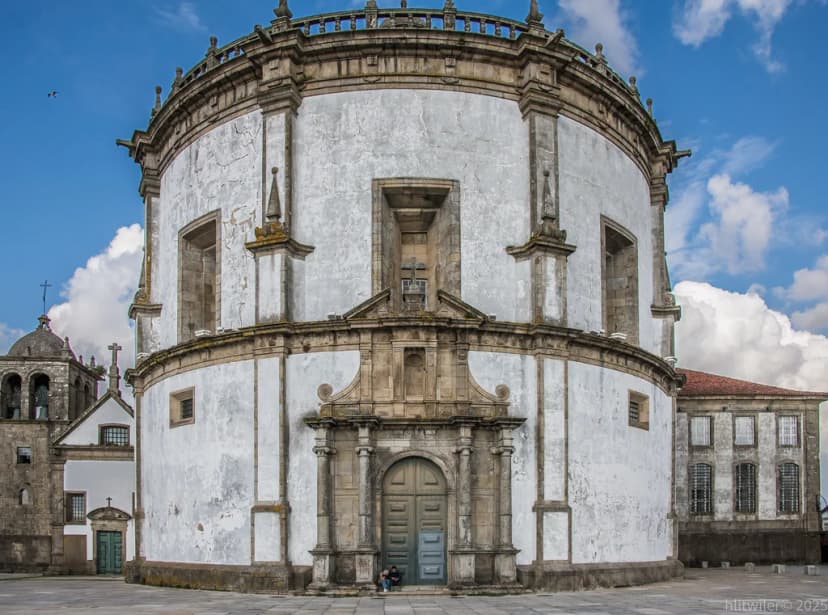
Portugal has become one of Europe's most beloved destinations — a small country with an outsized personality, combining glorious historic cities, wild Atlantic coastline, extraordinary food and wine, and the melancholic musical tradition of fado. Lisbon is Europe's coolest capital, draped across seven hills above the Tagus estuary with vintage trams, azulejo-tiled facades, and a contemporary food scene that has attracted international attention. Porto captivates with its riverside Ribeira district, UNESCO-listed tower churches, and the world's great wine export — Port. Beyond the two cities, Portugal offers the fairytale palaces of Sintra, dramatic surf at Nazaré, and the Roman ruins of Évora.
This guide covers the best of Portugal — including Lisbon, Porto, Sintra, Cascais, Évora, Nazaré — with expert tips on old towns, beaches, day trips, safety, and travel planning for 2026.
Lisbon: Hills, Trams & Fado
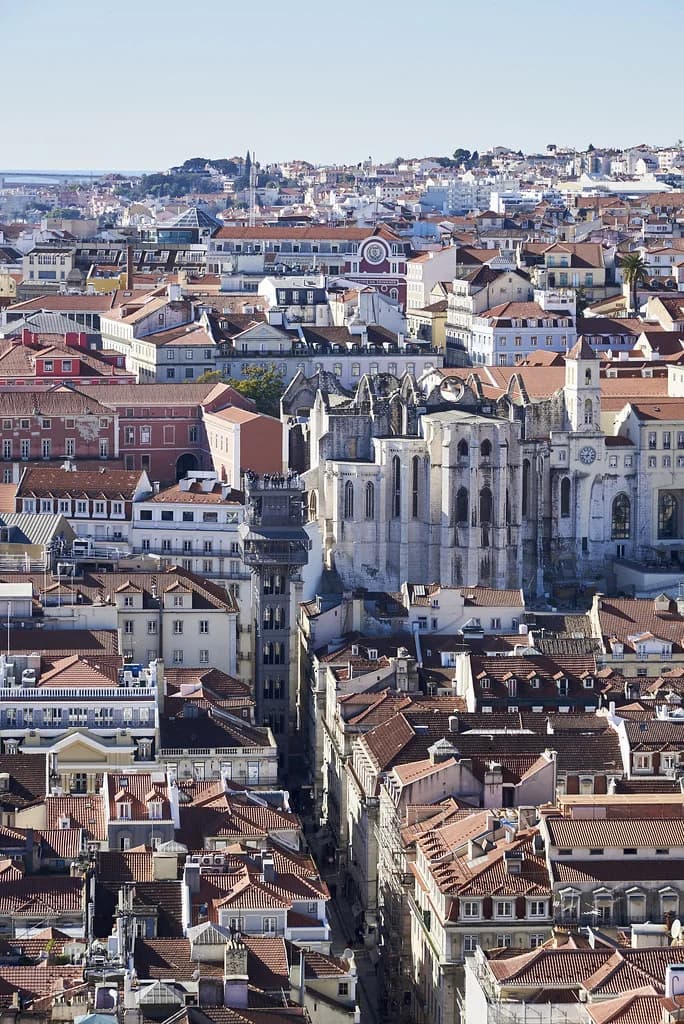
Lisbon's seven hills deliver one panoramic viewpoint (miradouro) after another. Vintage tram 28 rattles through the Alfama neighbourhood past tiled facades and white-walled churches, and the ride costs just €3 — one of the city's great bargains. At night, fado music drifts from restaurant windows in bars that have served the same melancholic songs for a century. Book a fado dinner in Alfama in advance during peak season; authentic casas de fado fill quickly from April through October.
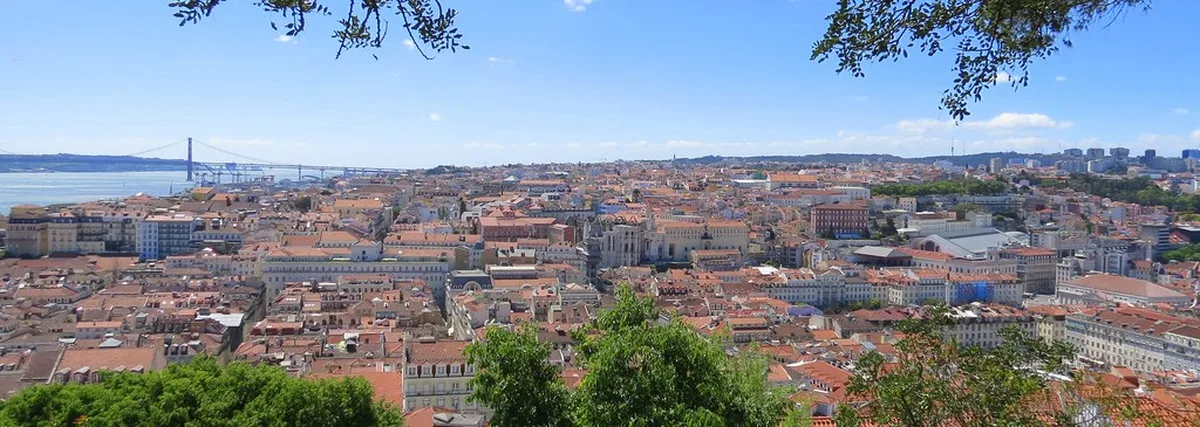
The historic Jerónimos Monastery in Belém is the city's single most impressive monument — a Manueline masterpiece of carved stone that took a century to build. Admission is €10 per adult. Combine it with the nearby Tower of Belém (€6) and the Monument to the Discoveries for a half-day Belém excursion. The famous pastel de nata custard tarts originated at the nearby Pastéis de Belém bakery and cost around €1.40 each — eat them warm.
Lisbon's neighbourhoods each have a distinct character. The Bairro Alto is the bar district; Príncipe Real is the boutique-and-café quarter; Mouraria is one of the oldest Muslim neighbourhoods in Europe. The city's funiculars — the Bica, Glória, and Lavra — climb the steepest hills for €3.80 per ride, and the Santa Justa elevator links Baixa with Chiado for the same price. A 24-hour Lisbon transport card (€6.80) covers metro, tram, bus, and funiculars and is almost always worth it. For a complete three-day plan, see our Lisbon 3-Day Itinerary.
The city's food scene is exceptional at every price point. A lunch prato do dia (daily special) in a traditional tasca costs €8–12 and typically includes soup, a main course, bread, and a glass of house wine. Fine-dining restaurants in Chiado and Príncipe Real run €40–80 per head. Seafood is a staple — bacalhau (salt cod) is prepared in hundreds of ways, and grilled sardines are the summer signature. The LX Factory market on Sundays brings together street food, vintage stalls, and local artisans in a converted industrial complex on the riverbank.
Porto: Ribeira & Port Wine
Porto's Ribeira district cascades down to the Douro river in a warren of medieval alleyways, wine bars, and grilled-fish restaurants. The district is a UNESCO World Heritage site and the heart of the city's social life — narrow lanes open unexpectedly onto terraced squares where locals play cards and tourists linger over Vinho Verde. Cross the Dom Luís iron bridge on foot to Vila Nova de Gaia to tour the ancient Port wine lodges and sample tawny and ruby Ports direct from the barrel. Tastings at most lodges cost €5–15.
Porto's architecture is extraordinary. The São Bento railway station is decorated with 20,000 hand-painted azulejo tiles depicting Portuguese history — entry is free and the concourse is one of the most photographed interiors in the country. The Clérigos Tower (€6) gives the best panorama over the city's terracotta rooftops. The Livraria Lello bookshop — often cited as one of the world's most beautiful — charges a €5 entry fee that is deducted from any book purchase. Queues form early in summer; arrive before 10:00 to avoid the worst crowds.
Eating in Porto is exceptionally good value. The francesinha — a toasted meat sandwich drowned in a spiced beer and tomato sauce — is the city's signature dish and costs €8–14 in most cafés. The Mercado do Bolhão (reopened after renovation in 2022) is the best place to buy fresh produce, cheese, and charcuterie. For evening dining, the Miguel Bombarda arts district and the Bonfim neighbourhood have the city's most interesting independent restaurants. Expect to spend €20–35 per person for a full dinner with wine. Explore everything the old town has to offer with our Porto Old Town Guide.
Getting around Porto is straightforward. The metro covers the airport, main train stations, and most tourist areas. A single metro ticket costs €1.30; a daily pass is €4.15. Porto's funiculars and the historic tram line (E1) run through the old city and cost €3.50–4.00 per ride. The city is compact enough that most sights are walkable once you're in the centre, though the hills between Ribeira and the upper city are steep.
Sintra: Fairytale Palaces
Sintra's UNESCO Cultural Landscape is a World Heritage site of extraordinary richness: the candy-coloured Pena Palace perched above the pine forest, the ruined Moorish Castle with its ramparts stretching across the hilltops, and the mysterious Quinta da Regaleira with its initiatic well are all within a few kilometres of each other. Sintra is only 40 minutes by direct train from Lisbon's Rossio station and the rail fare is approximately €2.35 each way — making it one of Europe's best-value day trips from a capital city.
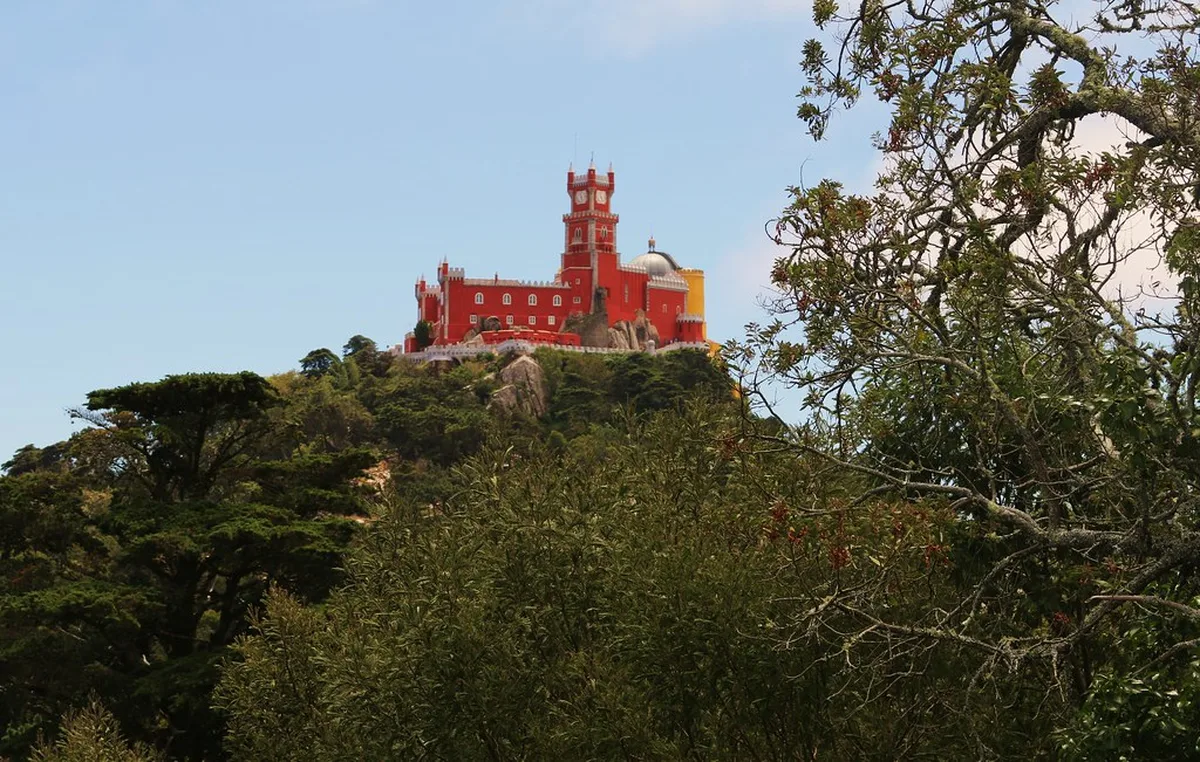
Pena Palace is the star attraction and deservedly so. The Romanticist palace built for King Ferdinand II in the 1840s blends Moorish, Manueline, Gothic, and Renaissance elements in an explosion of yellow, red, and blue. Entry to the palace and grounds costs €14; grounds only costs €8. Book tickets online in advance — on summer weekends the palace sells out before noon. The National Palace of Sintra in the village itself (€10 entry) is older and arguably more authentically Portuguese, with its extraordinary conical chimneys and Manueline interiors.
Plan your visit carefully. Arrive on the first train (departing Rossio at 06:55 in summer) to have the palaces nearly to yourself for the first hour. The village centre is charming but becomes extremely crowded by 11:00 in July and August. Budget for two to three attractions plus lunch — a full day including two palace entries, lunch, and train fare will cost around €40–50 per person. The hop-on hop-off palace bus (€5 per day) connects the village with the hilltop sites if you prefer not to walk the steep lanes. For full planning detail, see our Sintra Day Trip from Lisbon Guide.
Beyond the main palaces, Sintra rewards those who stay longer. The Monserrate Palace (€8) has one of Portugal's finest romantic gardens. The western tip of the municipality reaches Cabo da Roca — the westernmost point of continental Europe — where dramatic cliffs drop 140 metres to the Atlantic. A taxi from Sintra to Cabo da Roca costs around €20–25 one way. Combine it with a stop at Praia Grande (one of the finest surf beaches on the Estoril Coast) and a train back from Cascais to Lisbon for a satisfying full-day circuit.
Évora & the Alentejo: Roman Ruins and Rolling Plains
Évora is the most complete medieval city in Portugal — a walled university town in the centre of the vast Alentejo plain, two hours east of Lisbon by bus or train. Its Roman Temple of Diana (free to visit from outside) stands remarkably intact in the city centre, flanked by the medieval walls of what is now a regional museum. The Cathedral of Évora (€4) is the largest medieval cathedral in Portugal and towers over the white-washed old town. The macabre but fascinating Chapel of Bones in the Church of São Francisco (€5) is lined with the skulls and bones of over 5,000 monks — and is one of Portugal's most visited attractions outside Lisbon and Porto.
Évora sits at the heart of Portugal's most important wine and olive oil region. The Alentejo DOC produces full-bodied reds — Trincadeira, Aragonez, and Alicante Bouschet are the signature grapes — that pair naturally with the region's cuisine of slow-roasted lamb, migas (bread-based dishes), and rich pork sausages. A wine-tasting lunch at a quinta outside Évora costs €20–35 per person and is one of the trip highlights many visitors miss by sticking to the coast. The city itself has excellent restaurants; a full dinner in a traditional Alentejano restaurant runs €18–30 per person with wine.
The historic old town of Évora is compact and easily walkable in half a day, but the surrounding Alentejo landscape rewards exploration. Megalithic sites including the Cromeleque dos Almendres — a Stonehenge-scale stone circle dating to 5000 BCE — are 12 km west of the city and accessible by taxi (€20–25 return) or hired bicycle. Évora is an excellent base for day trips into the Alentejo plains; for recommendations, see our Évora Old Town Guide.
Atlantic Coast: Nazaré & Cascais
Nazaré hosts the world's biggest surfable waves — up to 30 metres in winter at Praia do Norte, a beach north of the main town where an underwater canyon amplifies Atlantic swells to record-breaking heights. The big-wave season runs October through March; visiting during this period to watch professional surfers tackle the giants from the clifftop viewpoint at Sítio is a genuinely jaw-dropping experience. In summer, Nazaré transforms into a traditional Portuguese beach town with calm waters, colourful fishing boats, and drying octopus on wooden racks along the seafront. Entry to the beach is free; the funicular to the clifftop Sítio district costs €1.50 each way.
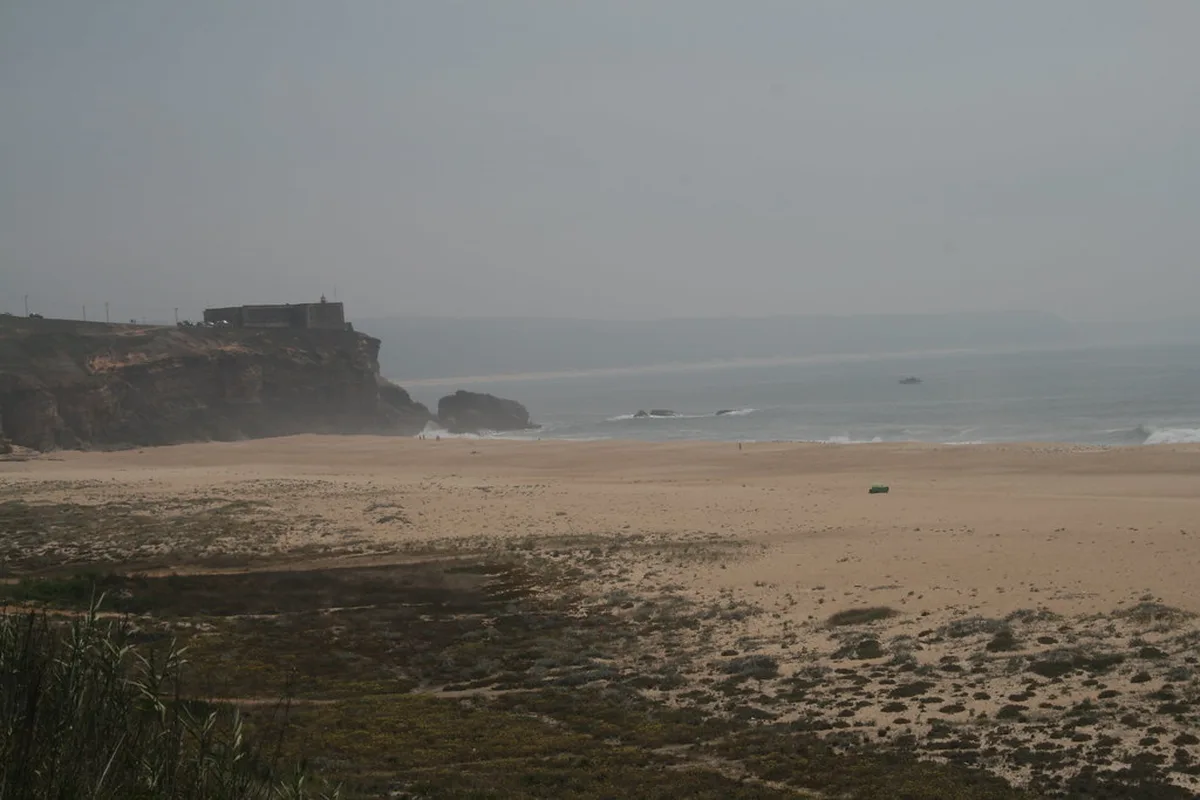
The Nazaré seafood is exceptional and very affordable by European standards. Grilled caldeirada (fish stew), percebes (barnacles), and fresh grilled sea bass are the local staples. A full seafood lunch in a restaurant on the main promenade costs €15–25 per person including wine. The town's accommodation ranges from simple guesthouses (€40–70 per night) to comfortable seafront hotels (€80–130). For beach planning, our Nazaré Beach Guide covers every stretch of sand in detail.
Cascais is a charming coastal town 40 minutes from Lisbon by train (€2.35 each way) with a relaxed resort atmosphere that manages to feel genuinely Portuguese rather than tourist-manufactured. The old fishing harbour still operates, the market hall sells local produce, and the main promenade is lined with cafés where locals and visitors mingle comfortably. The beaches immediately east of Cascais — Praia da Rainha, Praia da Ribeira — are sheltered and family-friendly. Further west toward Guincho (accessible by bike along a dedicated coastal path) the landscape opens into windswept dunes and crashing Atlantic surf. For everything the coastline offers between Lisbon and the Algarve, our Portuguese Coast Travel Guide is the definitive resource.
Portugal Food, Wine & Dining: What to Eat and Drink in 2026
Portuguese cuisine is one of Europe's most underrated food cultures — deeply rooted in Atlantic seafood, slow-cooked meat, seasonal vegetables, and artisan bread, with flavours that are bold without being complicated. Bacalhau (dried salt cod) is the undisputed national dish, prepared in at least 365 different ways according to Portuguese culinary tradition. The most classic preparations are bacalhau à Brás (shredded with eggs and potato crisps), bacalhau com natas (baked in cream), and bacalhau à Gomes de Sá (oven-roasted with potato, egg, and olive oil). Every traditional restaurant serves at least one version; expect to pay €12–18 for a main-course portion.
Beyond bacalhau, grilled fish is ubiquitous and outstanding. Sardines (best June through September), sea bream (dourada), sea bass (robalo), and monkfish (tamboril) arrive at the table simply prepared with olive oil, lemon, and boiled potatoes. The quality of Portuguese olive oil is exceptional — the Alentejo produces some of the world's finest extra-virgin oils, and you will notice the difference in cooking. Petiscos (small sharing dishes, the Portuguese answer to tapas) are an excellent way to sample broadly; a full petisco spread for two with wine costs €25–40 in most Lisbon and Porto restaurants.
Portuguese wine is exceptional and outstanding value even in restaurants. Vinho Verde (literally "green wine") from the Minho region is light, slightly effervescent, and low in alcohol — perfect with seafood. Alentejo reds (€4–8 a bottle in supermarkets, €15–25 in restaurants) are structured and food-friendly. Port wine from the Douro Valley is the country's most famous export — a bottle of quality tawny or LBV Port costs €10–20 in a wine shop. The Douro Valley also produces exceptional unfortified table wines; a day trip to the valley from Porto is one of Portugal's great wine experiences (train from Porto to Pinhão costs around €12–15 each way).
For the budget-conscious, Portugal remains genuinely affordable. The prato do dia (daily lunch special) in a non-tourist tasca costs €7–12 and almost always includes soup, a substantial main course, bread, and a small carafe of house wine or a soft drink. Supermarket prices are among the lowest in Western Europe. A full grocery shop for self-catering — including quality cheese, charcuterie, wine, fresh bread, and fruit — costs €15–25 for two people. Street food is also excellent: bifanas (pork sandwiches) cost €2–3, pastéis de nata cost €1.20–1.60, and a Galão coffee (Portugal's milky espresso drink) runs €1.20–1.80 at the counter.
Frequently Asked Questions about Travelling to Portugal
What is the best time to visit Portugal?
April–June and September–October are the ideal months: temperatures are comfortable (18–25°C), crowds are manageable, and prices are lower than peak summer. July and August are the busiest and most expensive months but reliably sunny. Winter (November–February) is mild — Lisbon rarely drops below 10°C — and a great season for city breaks with minimal queues at major sights. The Algarve coast is pleasant almost year-round for beach visits.
How much does it cost to travel in Portugal in 2026?
Portugal remains one of Western Europe's most affordable countries. A comfortable daily budget is €60–120 per person including a mid-range guesthouse or hotel, meals at local restaurants, public transport, and sightseeing. Budget travellers staying in hostels and eating prato do dia lunches can manage on €40–60/day. Lisbon and Porto are noticeably more expensive than five years ago but still cost significantly less than Paris, Barcelona, or Amsterdam. All prices are in euros (EUR).
How do I travel between Lisbon and Porto?
The Alfa Pendular high-speed train is the most comfortable option — the journey takes approximately 3 hours and tickets cost €25–60 depending on how far in advance you book. Intercidade trains are slower (3.5 hours) and cheaper (€18–35). Budget airlines also connect the two cities in under 1 hour, though airport transfer times make the door-to-door difference smaller. Buses (Rede Expressos) take 3.5–4 hours and cost €15–20. Renting a car allows coastal stops but adds the complication of city parking.
Is Sintra a day trip from Lisbon?
Yes — Sintra is 40 minutes by direct train from Lisbon's Rossio station and tickets cost around €2.35 each way, making it an excellent and inexpensive day trip. Allow a full day to visit two or three of the main sites (Pena Palace, Moorish Castle, Quinta da Regaleira). Arrive on the first train of the day to beat the crowds; the palaces get very busy by mid-morning in summer. Book Pena Palace tickets online in advance for weekends in July and August — they sell out.
Is Portugal safe for tourists?
Portugal is one of the safest countries in Europe and consistently ranks in the Global Peace Index top 10. Violent crime against tourists is extremely rare. The main risks are petty theft — pickpocketing on tram 28 in Lisbon, bag snatching in crowded miradouros — and occasional scams at tourist hotspots. Standard urban precautions apply: use a money belt or anti-theft bag, keep phones out of sight on public transport, and avoid leaving valuables visible in parked cars. Porto and Évora have fewer pickpocketing incidents than central Lisbon.
What currency is used in Portugal and can I use cards everywhere?
Portugal uses the euro (EUR). Card payments (Visa and Mastercard) are widely accepted in cities, hotels, restaurants, and most shops. Contactless payment is standard. However, some rural restaurants, small market stalls, and older tascas remain cash-only. It is advisable to carry €20–50 in cash for smaller purchases, market shopping, and tips. ATMs (Multibanco) are abundant in cities and charge no fee for most international debit cards, though your home bank may apply a foreign transaction fee.
How many days do I need in Portugal?
A minimum of 7–10 days allows a satisfying introduction: 3 days in Lisbon (with a Sintra day trip), 3 days in Porto, and 1–2 days in the Alentejo (Évora) or the coast (Nazaré). Two weeks lets you add the Algarve, the Douro Valley, or the Minho region. A week is enough for Lisbon and Porto only if you are focused. Portugal's compact geography makes it easy to combine regions — the entire country is smaller than the UK or the state of Indiana.
Portugal offers an extraordinary breadth of experiences — from medieval old towns and ancient ruins to dramatic Atlantic coastlines and vibrant food and wine scenes. Whether you are planning your first visit or returning to explore a new region, Portugal rewards curiosity and careful planning in equal measure. Our city-by-city guides below cover every destination in detail, from Lisbon's three-day itinerary to Porto's Ribeira district, Sintra's fairytale palaces, Évora's Roman ruins, and Nazaré's giant waves. Use them to plan a confident, rewarding trip in 2026.