The Best Beaches Near Porto: A Complete Coastal Guide for 2026
The best beaches near Porto — Matosinhos, Miramar, and Espinho — are reachable in 25–40 minutes by Metro or suburban train for under €2.60, with Matosinhos just four Metro stops away on the Blue Line (Z3 ticket, €1.85 one way).
Sun lounger rental along Porto's coast runs €8–€15 per day in 2026, surf lessons at Matosinhos and Espinho start at €25–€30 for a 90-minute group session, and the famous saltwater pools at Leça da Palmeira charge just €3.50 entry.
Travelers often visit Porto for its historic architecture and famous fortified wine cellars from Portugal's wine country. The nearby coastline offers a refreshing escape with vast sandy stretches and dramatic Atlantic views. This Porto beach guide will help you find the perfect seaside spot for any budget or travel style. You can easily reach these coastal gems using the city's efficient public transportation system.
Northern Portugal features a rugged shoreline where traditional fishing villages meet modern surf hubs. Many of these beaches hold Blue Flag status for their high environmental and safety standards. Planning a visit involves more than just packing a towel and sunscreen for the day. Understanding local winds and water temperatures ensures a much more comfortable experience.
Exploring the coast pairs perfectly with a broader look at day trips from Porto — the same efficient public transport network that reaches the beaches connects to historic towns like Guimarães and Braga. Whether you want to catch waves or enjoy fresh seafood at harbour-front restaurants, there is a beach for every preference. The Atlantic breeze provides a welcome relief from the summer heat in the city centre. Prepare to discover scenic promenades and hidden rocky coves just minutes from downtown. For a full city itinerary that includes coastal time, see our Porto Old Town guide.
Matosinhos Beach: The Ultimate Surfing and Seafood Destination
Matosinhos Beach serves as the primary playground for locals and visitors seeking easy ocean access from Porto's city centre. This wide sandy bay stretches for over two kilometres and provides plenty of space even during the busiest summer weekends. The shoreline is famous for its consistent south-facing swell that attracts surfers of all skill levels from May through October. Several surf schools operate directly on the sand and offer equipment rentals for beginners and improvers alike.
Reaching this destination is simple and very affordable for anyone staying in the city centre. Board the Metro Blue Line (Line A) at Trindade or Aliados and ride four stops to Matosinhos Sul. The journey takes approximately twenty-five minutes and requires a Z3 zone ticket, which costs €1.85 on the Andante card in 2026. Walking from the station to the waterline takes less than five minutes through flat pedestrian streets. If you prefer the bus, line 500 also connects the city centre to Matosinhos in around thirty-five minutes at the same fare.
Surf lessons in 2026 start at €30 for a 90-minute group session at schools like Feel Surf School and Matosinhos Surf School, both located on the northern half of the beach. Private lessons run €55–€70 per hour. Equipment rental — board and wetsuit — is available from €20 for two hours, which is important given that water temperatures rarely exceed 18°C even in August. Beginners should book weekday morning slots when crowds and wind are lower. Intermediate surfers will find the most consistent peaks at mid-beach in front of the Onda restaurant.
Food lovers should head to Rua Heróis de França immediately after their swim. This street is world-renowned for its outdoor charcoal grills where chefs cook fresh fish brought daily from the harbour next door. Sardines at €12–€16 per portion and sea bass (robalo) at €18–€22 are local favourites during the peak summer season. Most restaurants open for lunch from 12:00 and fill quickly after 13:00, so arriving early or booking ahead on busy weekends is recommended. Expect a lively atmosphere with the scent of grilled seafood filling the salt air from morning to late afternoon.
Sun loungers and parasols are available to rent on the main stretch for €8 (single lounger) or €15 (pair with umbrella) per day in 2026 — prices set by the licensed concession running from June through September. Lifeguards patrol the main swimming areas from 09:00 to 19:00 during the official bathing season from 15 June to 15 September. Families often prefer this beach because the water entry is gradual and the sandbar keeps depths manageable for children. Facilities include clean restrooms, outdoor showers, and a large car park (free on weekdays, €2/hour at weekends during peak season). The northern end of the beach features the iconic large steel sculpture known as "She Changes" by Janet Echelman, a striking landmark visible from the water. If you're considering how Matosinhos compares to the beaches accessible from Lisbon, the Porto vs Lisbon comparison guide covers the full coastal picture for both cities.
- Matosinhos Beach Visitor Essentials 2026
- Access: Metro Blue Line — Matosinhos Sul (Z3, €1.85)
- Best for: Surfing, seafood, families
- Surf lessons: from €30/group, €55/private
- Sun lounger: €8/day single, €15/pair with umbrella
- Parking: free weekdays, €2/hr weekends
- Lifeguards: 09:00–19:00 (15 Jun–15 Sep)
Foz do Douro: Elegant Promenades and Romantic Sunsets
Foz do Douro is where the Douro River finally merges with the vast Atlantic Ocean, creating one of Portugal's most dramatic coastal settings. This upscale neighbourhood features a sophisticated atmosphere with historic nineteenth-century villas, manicured gardens, and open-air cafés that stay busy into the evening. The coastline here is more rocky than sandy but offers outstanding walking paths along sea-spray-drenched granite ledges. A long promenade stretches for nearly three kilometres and is perfect for a scenic morning jog or an evening stroll as the sun drops toward the horizon.
The Pergola da Foz stands as one of the most iconic landmarks in this district. This yellow neoclassical colonnade provides a romantic backdrop for watching the sun dip below the horizon on clear evenings, which occur regularly from May through October. Many visitors stop here to take photographs before heading to one of the nearby beach bars along the Avenida do Brasil strip. The Felgueiras Lighthouse nearby often faces dramatic white-water waves that crash against the stone pier, especially during autumn Atlantic storms.
Praia da Luz and Praia do Homem do Leme are the top sunbathing choices in this district. These compact beaches feature rocky outcrops that create natural tidal pools at low tide. Small children enjoy exploring these pools to find tiny crabs, anemones, and sea snails. High-end cafés along the shore serve refreshing drinks and light snacks throughout the day; expect to pay €3–€4 for a coffee and €8–€12 for a light lunch — slightly above the Porto city-centre average but reflecting the neighbourhood's premium character. Several upmarket restaurants along the promenade offer fresh seafood menus for €20–€35 per person at dinner.
Sun loungers are available on Praia da Luz in summer for €10 per day (single) or €18 for a pair with parasol, managed by the seasonal beach concession. There is no dedicated car park, but metered street parking on Avenida do Brasil costs €1.50/hour. Cycling is a popular alternative — Porto's Gira bike-share scheme has stations near the Pergola and costs €2 for a 45-minute trip or €15/day for an e-bike. Getting here by public transport is a delightful experience: take the vintage Line 1 tram from the waterfront at Ribeira (€3.50 single ticket) for a scenic 40-minute ride along the riverbank. Alternatively, bus 500 provides a faster and more frequent connection from São Bento station, reaching Foz in about 25 minutes for the standard €1.85 Z2 fare.
Sunset from Foz is among the most celebrated in northern Portugal, drawing both locals and international visitors. Arrive at the Pergola by 19:30 in summer and 17:30 in winter to secure a good vantage point. The silhouette of the Felgueiras Lighthouse against an orange sky is one of Porto's signature photographic moments. Evening temperatures can drop to 17–19°C even in July, so bringing a light jacket is always wise at this exposed coastal point. Drivers should also check our Porto parking guide before heading to Foz, as residential-only zones operate in parts of the neighbourhood during peak summer months.
Vila Nova de Gaia: Pristine Sands and Iconic Chapels
Crossing the bridge to the south side of the Douro reveals the stunning coastline of Vila Nova de Gaia, a stretch of sand that runs almost unbroken for twenty-five kilometres toward Aveiro. This area is home to some of the most beautiful and least crowded beaches in the entire Porto region. The beaches here are generally quieter and more expansive than those to the north, making them ideal for travellers seeking a relaxed half-day escape. You can combine a visit here with a Porto 3-day itinerary for a seamless mix of city culture and coastal nature.

Praia do Senhor da Pedra at Miramar is the most famous spot on this coastline due to its unique and photogenic chapel. The small whitewashed church stands directly on a rocky outcrop surrounded by Atlantic waves, giving it an almost otherworldly appearance at high tide. It is one of the most photographed locations in Portugal and feels truly mystical at dusk when the last light catches the stone walls. The surrounding sand is soft, fine, and clean, making it ideal for a relaxed afternoon with a good book or a long walk to the water's edge.
Car parking at Praia do Senhor da Pedra costs €1.50/hour (metered, limited to 3 hours) in the main seafront car park; free parking is available in residential streets a five-minute walk inland. Alternatively, arriving by suburban train avoids parking stress entirely. The train from Porto's São Bento station to Miramar takes 22 minutes and costs €2.10 (Z4 Andante ticket). From Miramar station it is a 12-minute walk along a tree-lined path to the chapel beach. A second option is Aguda station, one stop further (€2.25), for slightly less crowded sands.
An extensive network of wooden boardwalks connects the various beaches along the Gaia coastline, running from Miramar to Aguda and beyond. These elevated paths protect the protected sand dune ecosystem while providing a flat, accessible surface for walking, cycling, and pram pushing. Cyclists and hikers frequently use these trails to travel between the different beach nodes, covering several kilometres in a single enjoyable outing. The boardwalks offer a peaceful way to enjoy the sea breeze away from car traffic. Sun lounger rental is available at both Miramar and Aguda beaches for €10/day (single) or €18/pair with parasol from licensed operators during the high season (June–September).
Dining near Senhor da Pedra is surprisingly affordable. Several family-run tasca restaurants in Miramar village serve grilled fish lunches for €10–€14, considerably cheaper than the Matosinhos restaurant row. A local speciality to seek out is Pastel de Tentúgal — a delicate flaky pastry sold at the bakery near the chapel for €1.50 each. The area is also known for its calm, pine-shaded picnic spots for families who prefer to bring their own food.
- Gaia Coastal Highlights 2026
- Key Landmark: Senhor da Pedra Chapel (Miramar)
- Transport: Suburban train São Bento→Miramar (Z4, €2.10)
- Parking: €1.50/hr metered, or free streets nearby
- Sun lounger: €10/day, €18/pair with parasol
- Atmosphere: Peaceful, dune-backed, family-friendly
Leça da Palmeira: Architectural Gems and Saltwater Pools
Leça da Palmeira offers a rare blend of natural Atlantic beauty and world-class architectural design that makes it unlike any other beach near Porto. The main beach is very wide — over 800 metres from end to end — and catches significant northerly wind from the open ocean. This exposure makes it a premier destination for kite surfers and windsurfers during the summer months, with regular weekend competitions held from June through August. The southern end of the beach is more sheltered behind natural rock formations and is better suited for traditional swimming and sunbathing with young children.
The Piscina das Marés — Tidal Pools of Leça — is an absolute must-visit for anyone interested in modern architecture and safe ocean swimming. Designed by the celebrated Portuguese architect Álvaro Siza Vieira and inaugurated in 1966, these seawater pools are carved directly into the coastal rock platform and flood naturally with each tide cycle. They offer a calm and safe place to swim when Atlantic waves render open-water swimming unsuitable. Admission in 2026 is €3.50 for adults, €2.00 for children aged 6–14, and free for children under 6. The pools operate from 09:00 to 20:00 from mid-June through mid-September. Changing rooms and outdoor showers are included in the entrance fee. Arriving before 10:00 on weekday mornings avoids the queues that form on sunny weekends.
Dining in Leça ranges from Michelin-starred to beachside casual. The Boa Nova Tea House (one Michelin star, chef Rui Paula) is built directly into the wave-lashed cliffs fifty metres from the pools, offering a tasting menu at €130–€180 per person — a splurge worth planning for a special occasion. For something more casual, the main Avenida da Liberdade features lively burger bars and pizza restaurants where meals cost €10–€16. Local youth gather here on summer evenings, creating a relaxed nightlife atmosphere that differs markedly from Porto's more intense clubbing scene; for a full evening guide to Porto, see our Porto nightlife guide. A small supermarket near the bus stop is handy for self-catering beach days.
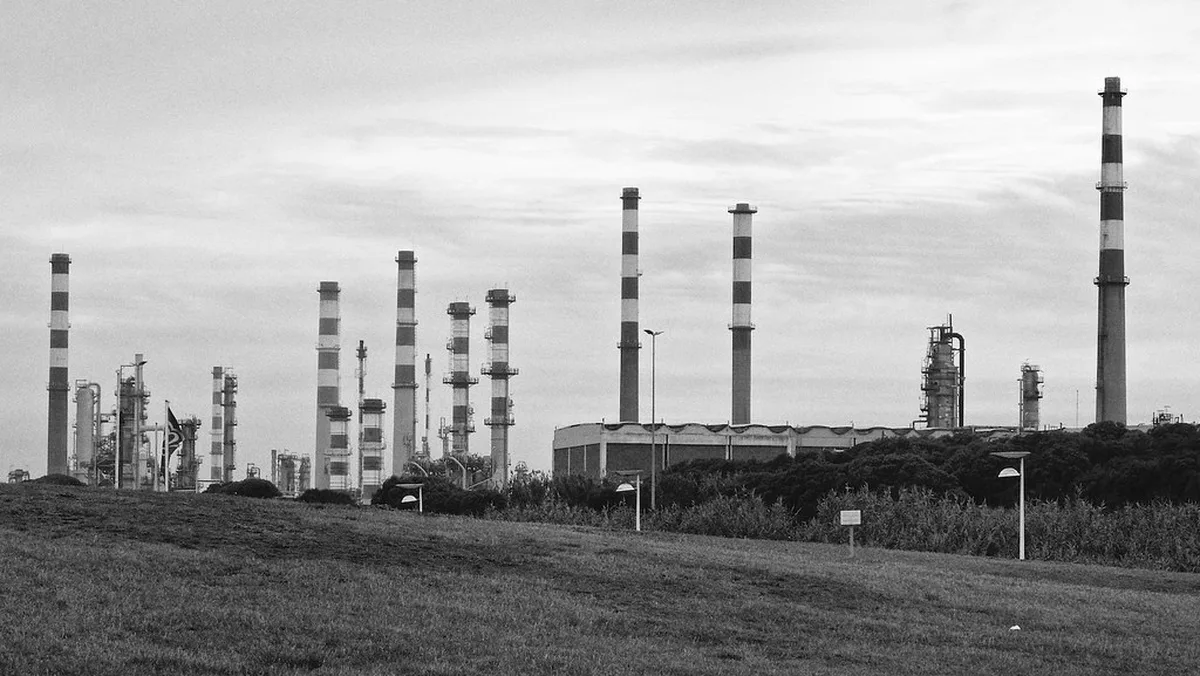
You can reach Leça by taking bus 507 from the Cordoaria stop in central Porto. The bus journey takes about forty minutes and passes through the Matosinhos commercial port area, offering industrial waterfront views along the way. The Z3 fare is €1.85. Parking is available along the coastal road for those who prefer to drive; the car park beside Piscina das Marés charges €1.50/hour, capped at €8/day. Motorcycle parking in the dedicated bays is free. Check the local weather forecast for wind speeds before committing to a beach day here — north winds above 30 km/h make the main beach uncomfortable for lounging even in full summer sunshine.
Sun loungers are available near the southern end of the beach for €10/day (single) or €18/pair with parasol. Kite-surfing lessons start at €60 for a two-hour beginner group session with local school Kite Zone Norte. Windsurfer board rental is available from €25 for two hours from the equipment kiosk open daily from June through August.
Espinho: Vast Golden Sands Just a Train Ride Away
Espinho is a traditional seaside resort town located about twenty kilometres south of Porto, and in 2026 it remains one of the best-value beach days on the entire northern Portuguese coast. It feels like a classic holiday destination with a long history of attracting summer visitors from Porto and inland Aveiro. The beaches here are massive — the main Praia de Espinho stretches for three kilometres — and offer plenty of open space for volleyball, football, and kite flying. Facilities are excellent, with clean public restrooms, outdoor showers, and a well-run lifeguard service operating from 09:00 to 19:00 during the high season.
The town features a large casino and several bustling markets near the central square. Every Monday, a massive traditional market takes place across fifteen blocks selling everything from fresh produce and clothing to local ceramics and antiques — worth combining with a beach afternoon if you visit on a Monday. Surfing is popular here, with schools like Escola de Surf Espinho offering group lessons from €25 for a 90-minute session, slightly cheaper than Matosinhos. Equipment rental — board and full wetsuit — costs €15 for two hours. The consistent southerly-facing break at the northern end of the beach produces reliable beginner-friendly waves from May through October. The water quality is excellent and Espinho consistently earns Blue Flag certification.
Fresh fish is the absolute highlight of the local culinary scene in Espinho. Watch the fishing boats arrive at the southern slipway in the early morning, and by lunchtime the catch appears on menus at harbour-front restaurants. Grilled sea bream (dourada) costs €10–€14 for a full portion — roughly 30% cheaper than Matosinhos restaurants. Many small family tasca restaurants serve the daily catch at prices that represent excellent value. Try the local seafood stew Caldeirada de peixe for €9–€12 for an authentic taste of northern Portugal. A glass of Vinho Verde from the region pairs perfectly and costs €2.50–€3.50 by the glass.
Direct suburban trains (Linha de Aveiro) run from Porto's São Bento or Campanhã station to Espinho every 30 minutes throughout the day from 06:00 to 24:00. The journey takes 28–35 minutes and costs €2.60 (Z5 Andante card) — making it among the most affordable beach day trips available from any major Portuguese city. Espinho station sits two blocks from the sand, so there is no connecting bus or taxi needed on arrival. Parking in Espinho is free in the large beachfront car park on weekdays, and €2/day at weekends during peak season (July–August).
Sun lounger and parasol rental on Praia de Espinho costs €8 (single lounger) or €14 (pair with parasol) per day — the cheapest rates among all beaches covered in this guide. The beach promenade has several ice cream kiosks charging €2–€3 per scoop, and a permanent beachfront bar with cocktails from €6.
Praia de Aguda: Pine-Backed Sands and Family Calm
Praia de Aguda is one of the quietest and most rewarding beaches within easy reach of Porto, sitting just one stop south of Miramar on the suburban rail line and roughly 18 kilometres from the city centre. Unlike the busier Matosinhos or Espinho, Aguda draws mainly local families and in-the-know visitors who value space, clean sand, and a genuine sense of calm over tourist infrastructure. The beach stretches for nearly 1.5 kilometres backed by fragrant pine woodland that provides natural shade and a pleasant place to picnic away from the Atlantic wind.

Getting to Aguda from Porto is straightforward and affordable. Take the suburban train from São Bento or Campanhã station toward Aveiro and alight at Aguda station. The journey takes approximately 25 minutes and costs €2.25 (Z4 Andante card). From the station it is a flat 10-minute walk through a quiet residential neighbourhood to the beachfront. There is no connecting bus required, and the walk itself is pleasant with shade from pine trees lining the approach path. Cyclists can also arrive via the coastal boardwalk network that links Miramar to Aguda — a scenic 3-kilometre flat ride suitable for all fitness levels.
The beach itself earns Blue Flag certification every year for its excellent water quality and clean facilities, which include public restrooms, outdoor showers, and a small lifeguard post operating from 09:00 to 19:00 between 15 June and 15 September. Sun lounger and parasol rental is available from the seasonal concession stand for €10/day (single lounger) or €18/pair with parasol — the same rate as Miramar. A beach bar open from June through September serves grilled sandwiches, cold drinks, and ice cream at reasonable prices (€4–€8 for a meal). For families travelling by car, metered parking on the seafront costs €1.50/hour, with free unmetered spaces available on the side streets approximately a 7-minute walk from the sand.
The calm, slightly sheltered aspect of Aguda makes it notably better for young children than the more exposed northern beaches. The sandbar configuration creates a shallow wading area that is safe for toddlers when seas are moderate. Anglers frequently fish from the rocky southern headland, and it is possible to watch traditional wooden fishing boats (barcos de pesca) being hauled onto the beach in the early mornings during the summer fishing season. Bird watchers will appreciate the pine woodland edge, which hosts several resident species including European goldfinches and Sardinian warblers during the spring and early summer months.
Aguda is best paired with a visit to the nearby Praia do Senhor da Pedra at Miramar — the two beaches are just 3 kilometres apart and connected by the coastal boardwalk, making it easy to walk between them. Combining both beaches in a single half-day excursion gives you a dramatic photogenic chapel location at Miramar and a peaceful family-friendly swim stop at Aguda for under €5 in total transport costs from Porto. This stretch of the Gaia coast is also covered in our broader guide to the Portuguese coast from Lisbon to the Algarve, which places Aguda in the wider context of Portugal's Atlantic shore.
- Praia de Aguda Essentials 2026
- Access: Suburban train São Bento→Aguda (Z4, €2.25), 25 min
- Best for: Families, calm swimming, pine-shaded picnics
- Sun lounger: €10/day single, €18/pair with parasol
- Parking: €1.50/hr metered, free streets 7 min away
- Lifeguards: 09:00–19:00 (15 Jun–15 Sep)
- Certification: Blue Flag annually
Póvoa de Varzim and Viana do Castelo: Hidden Northern Gems
North of Porto lies an underexplored stretch of Atlantic coastline that rivals anything in southern Portugal for sheer natural scale — yet remains largely off the tourist radar. Póvoa de Varzim, just 30 kilometres north of Porto, and Viana do Castelo, 70 kilometres north, both offer dramatic long beaches, lower prices, and a more authentic slice of northern Portuguese fishing culture. Neither beach appears on most Porto itineraries, making them excellent choices for travellers seeking to escape the summer crowds that gather at Matosinhos and Espinho.
Praia de Póvoa de Varzim is one of the longest beaches in northern Portugal, extending for over four kilometres of fine, pale sand backed by low dunes. The town itself is a working fishing port with a lively covered market (Mercado Municipal) where fresh catch from the morning fleet goes on sale from 07:00. A characteristic black-and-white geometric tile pattern — unique to Póvoa — decorates the pavements along the seafront promenade. Surf conditions here are consistent and slightly more sheltered than Matosinhos, making it popular with intermediate surfers. Group surf lessons are available from €28 for 90 minutes with local schools operating on the north end of the beach. Sun lounger rental costs €8/day (single) or €15/pair with umbrella.
Getting to Póvoa de Varzim from Porto is straightforward using the Metro Yellow Line (Line D), which runs directly from Trindade station in about 50 minutes. The Z4 zone ticket costs €2.10 on the Andante card in 2026, making it a very affordable day trip. There is also regular bus service from Porto's Campo 24 de Agosto bus hub if you prefer a more flexible schedule. Car parking at the beachfront is free on weekdays and costs €2/day at weekends during July and August.
Viana do Castelo is the bigger commitment — 70 kilometres north — but rewards the effort with one of Portugal's finest beaches, Praia do Cabedelo, a sweeping Blue Flag beach accessible by a short ferry crossing from the town quayside. The ferry runs every 30 minutes from 08:00 to 20:00 during summer and costs €1.80 return in 2026. The beach itself is vast, dune-backed, and faces into clean Atlantic swell, making it outstanding for both swimming and surfing. Facilities include a surf school (lessons from €30/group), sun lounger rental (€10/day single), clean restrooms, and a busy beach bar open from 10:00 to sunset.
Reaching Viana do Castelo from Porto by train takes 1 hour 10 minutes on the Lima Line from Campanhã station, with trains running roughly every two hours for €6.20 (IC fare). Intercity buses run by Rede Expressos also connect Porto to Viana in 75 minutes for €7.50. Both options make a day trip entirely feasible if you catch the first service around 08:00 and return on the last train at 19:30. For those with a car, the A28 motorway (tolled, approximately €5 each way via Via Verde) takes 55 minutes in light traffic.
Together, Póvoa de Varzim and Viana do Castelo represent the best competitor gap in the Porto beach travel landscape: uncrowded, affordable, and genuinely memorable. Add at least one northern day trip to any Porto beach itinerary longer than three days.
Essential Planning Tips for Your Porto Beach Trip
The Atlantic Ocean remains refreshing even during the hottest summer months of July and August. Water temperatures near Porto peak at 17–18°C in late August but hover around 14–15°C from May through June. Wetsuits are highly recommended for anyone planning to surf or swim for longer than 20 minutes — rental costs €8–€12 per day at most beach surf schools. Always check the colour of the safety flags before entering the ocean: green means safe, yellow means caution with a lifeguard present, red means entry prohibited, and a black-and-white chequered flag marks the designated surf zone.
A strong northerly wind known locally as the "Nortada" is common along this coast from late June through August, particularly in the afternoons. This wind can make the air feel chilly even when the sun is shining brightly overhead. Locals often use windbreaks or small pop-up beach tents to create a sheltered area on the sand, and these can be rented at most beach concessions for €5–€8 per day. Positioning yourself behind rocky outcrops or in the dune hollows also provides natural protection from the breeze. Morning visits (before 12:00) offer calmer conditions at nearly every beach covered in this guide.
Public transport is the most efficient way to reach the coast from Porto city centre. Ensure your Andante card is loaded with the correct zones for your destination before boarding. In 2026, zone fares are: Z2 (€1.75) for city-centre journeys, Z3 (€1.85) for Matosinhos and Leça, Z4 (€2.10) for Miramar/Aguda and Póvoa de Varzim, Z5 (€2.60) for Espinho. Validating your card on entry to every Metro, bus, or suburban train is mandatory — plain-clothes ticket inspectors operate regularly and on-the-spot fines start at €120. A day pass covering all zones costs €6.00 and breaks even after just three journeys.
Sun protection is vital because the Atlantic breeze frequently masks the intensity of the ultraviolet radiation. Apply SPF 50 sunscreen at least 30 minutes before going to the beach and reapply every 90 minutes, especially after swimming or surfing. Most beaches offer sun lounger and parasol rental at the prices listed in each section above; bringing your own equipment is cheapest for multi-day visitors. A lightweight windproof layer, a reusable water bottle, and a snack bag will make each beach day more comfortable. Beach supermarkets and kiosks typically charge 20–40% more than equivalent items in Porto city-centre supermarkets like Continente or Pingo Doce.
Parking at Porto's coastal beaches follows a broadly consistent pattern in 2026: free on weekdays year-round, €1.50–€2.00 per hour at metered seafront spots on summer weekends, with free spaces available within a 10-minute walk at most beaches. If you plan to drive, download the Emel or Parkimeter apps to check real-time availability and pay contactlessly. Note that some coastal roads near Leça and Foz enforce residents-only parking from 10:00 to 20:00 in July and August — always check the blue-zone signs before leaving your car. A full breakdown of parking zones and costs throughout Porto is available in our dedicated Porto parking guide.
Frequently Asked Questions
What is the best beach near Porto for families in 2026?
Matosinhos Beach is the top choice for families visiting Porto in 2026. The beach offers a gradual sandy entry into the water, a safe sandbar that keeps depths shallow for children, and an excellent range of facilities including clean restrooms, outdoor showers, and a lifeguard service operating from 09:00 to 19:00 between 15 June and 15 September. Sun lounger pairs with parasol rent for €15/day, and numerous cafés and ice cream kiosks are within two minutes' walk. Access is easy via the Metro Blue Line (Matosinhos Sul, Z3 ticket, €1.85) with a flat five-minute walk from the station to the sand. Praia de Aguda on the Gaia coast is the best quieter alternative for families, reachable by train in 25 minutes for €2.25 (Z4).
How much does it cost to get from Porto to the beach by public transport in 2026?
Beach transport from Porto costs between €1.85 and €2.60 per single journey depending on your destination. The Metro Blue Line to Matosinhos Sul costs €1.85 (Z3 Andante zone). Bus 507 to Leça da Palmeira is the same €1.85 Z3 fare. The suburban train to Miramar (€2.10, Z4) or Aguda (€2.25, Z4) on the Gaia coast takes 22–25 minutes from São Bento station. Espinho, the furthest beach covered in this guide, costs €2.60 for a Z5 ticket. For Póvoa de Varzim via the Metro Yellow Line the Z4 fare is €2.10. A full-day all-zones Andante pass costs €6.00 and is worth buying if you plan to visit two or more beaches in a single day.
Is the water warm enough for swimming near Porto?
The Atlantic Ocean near Porto is cold by Mediterranean standards, reaching a peak of 17–18°C in late August and dropping to 14–15°C in May and June. Most visitors find it refreshing for a quick dip but uncomfortable for extended swimming without a wetsuit. Wetsuits are available to rent at every surf school along the coast for €8–€12 per day. If cold water is a concern, the Piscina das Marés tidal pools at Leça da Palmeira offer a calmer, slightly warmer alternative at €3.50 entry — the pools trap sunlight and are generally 1–2°C warmer than open-water temperatures. Always check the safety flags before swimming, as rip currents can form quickly on exposed beaches during strong north winds.
What does it cost to rent a sun lounger near Porto?
Sun lounger rental near Porto in 2026 ranges from €8 to €15 per day for a single lounger, and €14 to €18 per day for a pair with a parasol depending on the beach. Espinho is the cheapest at €8 (single) or €14 (pair with umbrella). Matosinhos and Leça charge €8–€10 for a single lounger and €15–€18 for a pair with parasol. Foz do Douro, Praia do Senhor da Pedra (Miramar), and Praia de Aguda charge €10 single and €18 pair. All prices are for full-day hire during the licensed season from June to September. Outside that window, beach concessions do not operate and no rental equipment is available.
Are there saltwater swimming pools near Porto?
Yes. The Piscina das Marés at Leça da Palmeira is the most famous saltwater pool near Porto. Designed by Pritzker Prize-winning architect Álvaro Siza Vieira, these natural tidal pools are built into the coastal rock platform and refill with seawater each tidal cycle. They provide a calm, wave-free environment when the open beach has rough surf. Admission in 2026 is €3.50 for adults and €2.00 for children aged 6–14. The pools open from 09:00 to 20:00 between mid-June and mid-September. Changing rooms and showers are included. To avoid weekend queues, arrive before 10:00 on weekday mornings. Access is via bus 507 from Cordoaria (€1.85, Z3).
Where is the best beach north of Porto for a day trip?
Praia do Cabedelo near Viana do Castelo is the standout day-trip beach north of Porto for 2026. It is a vast, dune-backed Blue Flag beach reachable by a short ferry (€1.80 return) from Viana do Castelo town quayside. The town is 1 hour 10 minutes from Porto's Campanhã station by train (€6.20 IC fare) with services every two hours. The beach has a surf school (group lessons from €30), sun lounger rental (€10/day), and a beachfront bar open from 10:00. For a closer northern option, Póvoa de Varzim is reachable in 50 minutes by Metro Yellow Line from Trindade (€2.10, Z4) and offers a four-kilometre Blue Flag beach with group surf lessons from €28.
What is the quietest beach near Porto away from tourist crowds?
Praia de Aguda on the Gaia coast is consistently the least crowded beach within easy rail reach of Porto in 2026. Located 18 kilometres south of the city centre, it draws mainly local families rather than tourist groups, and its 1.5-kilometre pine-backed stretch rarely fills even on summer weekends. Access is by suburban train from São Bento to Aguda station (25 minutes, €2.25 Z4), then a 10-minute walk. Sun lounger rental costs €10/day (single) and the beach earns Blue Flag certification annually. Praia do Senhor da Pedra at Miramar (22 min, €2.10) offers a similarly calm atmosphere with the bonus of a photogenic ocean chapel. Both beaches are far quieter than Matosinhos or Espinho, particularly on weekday mornings.
Is it worth renting a car to visit beaches near Porto?
A car is not necessary for most beach visits near Porto — public transport covers Matosinhos (Metro, €1.85), Leça da Palmeira (bus, €1.85), Miramar and Aguda (train, €2.10–€2.25), and Espinho (train, €2.60) efficiently and affordably. Where a car adds value is for exploring the mid-coast beaches between Espinho and Aveiro that have no direct rail service, or for combining two beaches in a single day without using an all-zones day pass (€6.00). If you do drive, coastal parking is free on weekdays at most beaches and costs €1.50–€2.00/hour on summer weekends at metered seafront spots. Residential-zone restrictions in Foz and Leça apply from 10:00 to 20:00 in July and August, so always check signs. See our full Porto parking guide for zone maps and app recommendations.
The coastline near Porto offers a diverse range of experiences for every type of traveller and budget in 2026. From the urban energy and excellent surf at Matosinhos to the spiritual calm of the Senhor da Pedra chapel at Miramar, from the quiet pine-backed sands of Aguda to the architectural marvel of Leça's tidal pools, and from Espinho's classic seaside resort to the undiscovered northern stretches at Póvoa de Varzim and Viana do Castelo, there is an Atlantic beach to match every preference and travel style. Using this Porto beach guide ensures you make the most of your coastal visit without overpaying or missing the hidden gems.
Public transport links are excellent and affordable — the most expensive single journey covered in this guide is just €2.60 to Espinho. Take time to combine a beach day with other Porto experiences: pair Matosinhos with fresh seafood at the harbour grills, combine Espinho with the Monday market, or link Miramar and Aguda with the Porto 3-day itinerary for a balanced city-and-coast visit. Travellers planning to explore Portugal beyond Porto will also find useful context in our guide to Portugal's Atlantic coast from Lisbon to the Algarve. The Atlantic shore — cool, wild, and beautiful — provides the perfect counterpoint to the warm, wine-scented streets of Porto's historic centre. Pack sunscreen, a wetsuit layer, and an appetite for grilled fish: this coastline rewards those who come prepared.