Top Day Trips from Ghent: Exploring the Best of Flanders in 2026
Bruges is the top day trip from Ghent — a 30-minute direct train for €9 return in 2026 delivers UNESCO medieval canals, the iconic Belfry, and world-class chocolate in one effortless excursion.
Brussels is just 35 minutes by IC train from Ghent Sint-Pieters at €10 return in 2026, putting the Grand Place, Manneken Pis, and the Royal Museums of Fine Arts within easy reach for under €15 total.
Ghent sits perfectly in the heart of Flanders for exploring the rest of Belgium. Travelers can reach most major cities in under an hour by train, making it an ideal base for discovering the whole of Flanders and beyond.
High-speed IC connections make it possible to see three cities in one weekend. Traveling by rail is the most sustainable and stress-free way to explore. Most visitors find that Ghent serves as a much quieter and more affordable base than Brussels.
Trains leave Ghent Sint-Pieters station every 20 to 30 minutes for destinations across the country. The main rail hub offers direct lines to the coast, the capital, and dozens of smaller historic towns. Ticket prices remain very affordable compared to other Western European rail networks.
Many hidden gems lie just a short ride away from the historic center. Local insights help you avoid the largest crowds in more popular towns. Exploring these nearby destinations adds incredible depth to any Belgian holiday. Use this guide to plan your 2026 day trips with exact train times, entrance prices, and insider tips.
Magical Medieval Scenery in Bruges
Bruges is the most popular choice for travelers leaving the city of Ghent. Direct trains run every 30 minutes and take around 30 minutes to arrive at Bruges station. In 2026 a return ticket costs €9, making this one of the cheapest great escapes in Western Europe. The short journey makes it easy to visit even for a quick half-day trip, and you can be walking the medieval streets within an hour of leaving Ghent.
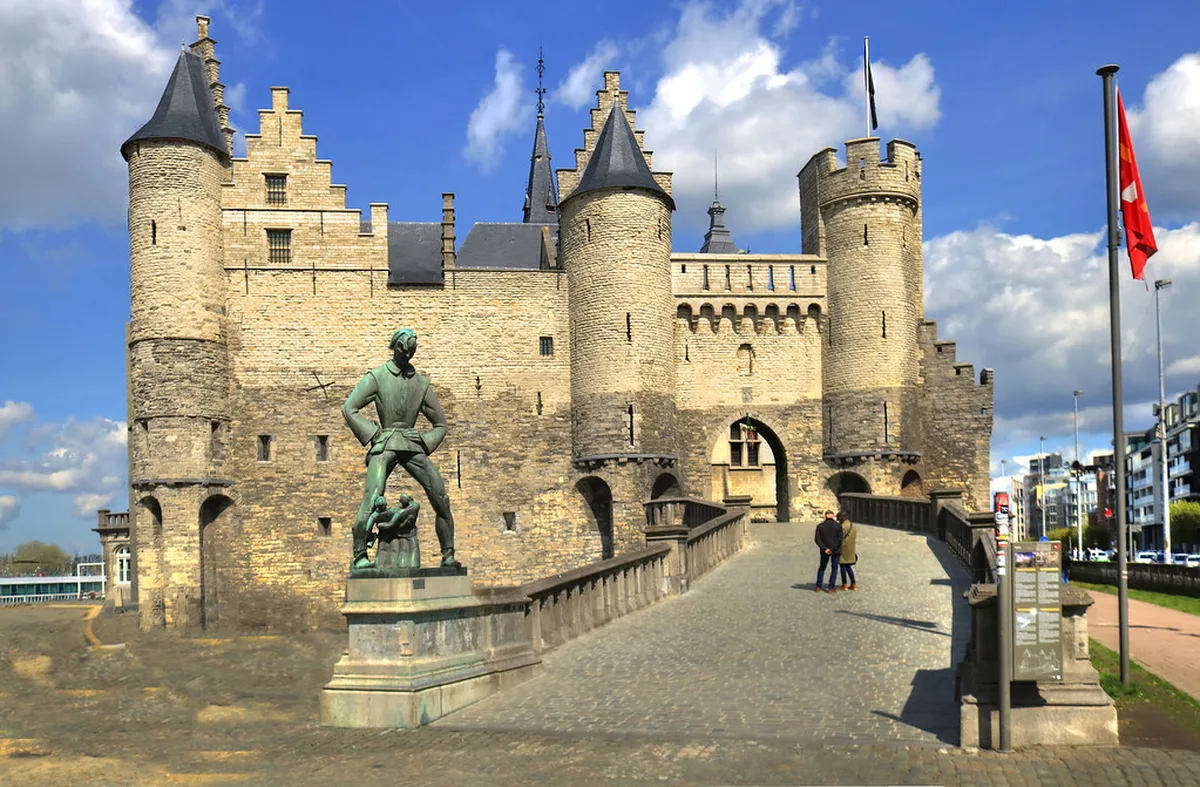
The historic center is a UNESCO World Heritage site known for its remarkably preserved medieval architecture. Begin your morning at the Markt square to see the colorful guild houses, the gilded facades, and the bronze statue of Jan Breydel and Pieter de Coninck. Climbing the 366 steps of the iconic Belfry offers a panoramic view over the entire city and surrounding polders — tickets cost €16 for adults in 2026. Book online in advance to skip the often considerable queue, especially in summer.
Canal boat tours provide a completely different perspective of the medieval architecture as you drift beneath low stone bridges. These 30-minute trips run from several docks near the Dijver and cost €12 per adult. The best departure points are near Rozenhoedkaai, where the classic postcard view of the canal junction and towers is at its most photogenic. For a detailed walking route through the city's finest streets, lanes, and courtyards, consult the Bruges old town guide before you go.
Art lovers should visit the Groeningemuseum, which houses six centuries of Flemish and Belgian painting, including the famous Jan van Eyck panels. Adult entry costs €14 in 2026. The Church of Our Lady contains Michelangelo's Madonna and Child sculpture, one of the only Michelangelo works to leave Italy during his lifetime — entry to the church is free, though a small charge applies for the museum wing. Sampling local chocolate is a mandatory activity: dozens of artisan shops line the lanes near the Burg square. Look for bean-to-bar producers rather than souvenir shops for the best quality. Allow at least six hours to do Bruges justice, or consider an overnight stay to enjoy the city after the tour groups leave on the evening trains.
If you are torn between the two cities as a base, Bruges rewards those who prefer tranquil canals and medieval lanes, while Ghent offers a livelier local scene with fewer crowds and lower accommodation prices.
Urban Energy and Art in Brussels
Belgium's capital is reachable in around 35 minutes via the frequent IC train lines. The journey from Ghent Sint-Pieters to Brussels Central or Brussels-Midi is fast and efficient, with departures every 20 minutes throughout the day. In 2026 a return adult ticket costs approximately €10. Weekend tickets (available Saturday and Sunday) offer a 50% discount on return fares, making a Saturday trip cost just €10 for the full return journey if you purchase the weekend return option at the machine or via the SNCB app.
The Grand Place is the undisputed starting point for any Brussels visit. Victor Hugo called it the most beautiful square in the world, and it remains one of the most gilded and dramatic public spaces in Europe. Every evening in summer a light and sound show illuminates the facades. Walk west from the Grand Place for ten minutes to reach the Manneken Pis, the small but famous bronze fountain that has been the city's irreverent symbol since 1619. The statue is regularly dressed in themed costumes — the wardrobe museum nearby displays over 1,000 outfits.
The Royal Museums of Fine Arts of Belgium contain one of the finest Bruegel and Magritte collections in the world. Entry fees in 2026 range from €12 for the permanent collection to €18 for combined access across multiple buildings in the complex. The Magritte Museum alone is worth the trip for fans of Surrealism — book timed entry online. The MIMA (Millennium Iconoclast Museum of Art) in the Molenbeek district showcases street art and urban culture with a very different energy.
The Sablon neighborhood is the best area for antiques, chocolatiers, and upscale cafes. Pierre Marcolini's flagship shop on Place du Grand Sablon is considered among the finest chocolatiers in Belgium — expect to pay €6–€10 for a small box of truffles, but the quality is exceptional. Explore the diverse neighborhoods like Saint-Gilles and Ixelles for a more local, residential urban atmosphere far from the tourist crowds around the central station.
Arrive before noon to enjoy the Grand Place with more personal space. Crowds peak between 11:00 and 15:00, especially in July and August. The walk from Brussels Central station to the Grand Place takes under ten minutes. Brussels offers an entirely different energy from the Flemish cities — more international, more multilingual, and considerably more urban. It is an essential contrast to include in any extended Belgian itinerary.
Diamond Districts and Fashion in Antwerp
Antwerp Centraal station is itself worth the trip — widely regarded as one of the most beautiful railway stations in the world, its neo-baroque stone vaulting and ornate iron-and-glass canopy feel more like a cathedral than a transport hub. The IC train from Ghent Sint-Pieters runs directly and takes approximately 50 minutes, with departures every 30 minutes throughout the day. A return ticket costs €12 in 2026, making it one of the best-value city breaks in Belgium for the depth of art, culture, and food on offer.
The MAS (Museum aan de Stroom) is Antwerp's most distinctive modern landmark, a twisting tower of red sandstone and glass rising above the docks. Admission to the permanent collection costs €12 in 2026, and the rooftop panoramic deck is free. The views over the Scheldt and the historic port are exceptional on clear days. Art lovers should also prioritize the Rubenshuis (Rubens House), the former home and studio of Peter Paul Rubens, where original paintings hang in beautifully preserved 17th-century rooms — tickets are €14 for adults in 2026. The KMSKA (Royal Museum of Fine Arts Antwerp) reopened after an extensive renovation and now showcases one of the greatest collections of Flemish masters in Europe.
The diamond district, a compact area near the station bounded by Hoveniersstraat and Schupstraat, handles an estimated 80% of the world's rough diamonds. Walking through is free and fascinating — dozens of trading houses operate behind reinforced glass, and the area has a strong Orthodox Jewish cultural presence that gives it a unique character unlike anywhere else in Belgium. Several diamond workshops offer guided tours with explanations of cutting and grading for around €15–€20 per person; book in advance as groups are small.
Explore the high-end fashion boutiques located in the famous Nationalestraat district, the heartland of the "Antwerp Six" fashion revolution. Designers like Dries Van Noten and Ann Demeulemeester launched global careers from this stretch. The neighborhood around the Meir (Antwerp's main shopping boulevard) is more commercial, while the Zuid (South) district offers independent galleries, vintage shops, and outstanding café culture. Lunch options in Antwerp are incredibly diverse, ranging from classic fries at a frituur to Michelin-starred tasting menus. The area around the Oude Koornmarkt is a reliable spot for affordable traditional Belgian food.
The Antwerp old town guide covers the historic quarter in detail, including the cathedral quarter and the medieval guild streets around the Grote Markt, while the Antwerp walking tour maps the best route from the station through to the Scheldt waterfront.
Ypres and the World War I Battlefields
Ypres (Ieper in Flemish) is one of the most historically significant and emotionally powerful day trips accessible from Ghent. The journey by train takes approximately one hour, with a change at Kortrijk — a total one-way ticket costs around €12 in 2026. Trains depart Ghent Sint-Pieters every hour, making it easy to arrive by mid-morning and return in the late afternoon with time to absorb the full weight of what this quietly beautiful market town represents. Few places in Europe carry as much history per square kilometer as Ypres and its surrounding Flemish fields.
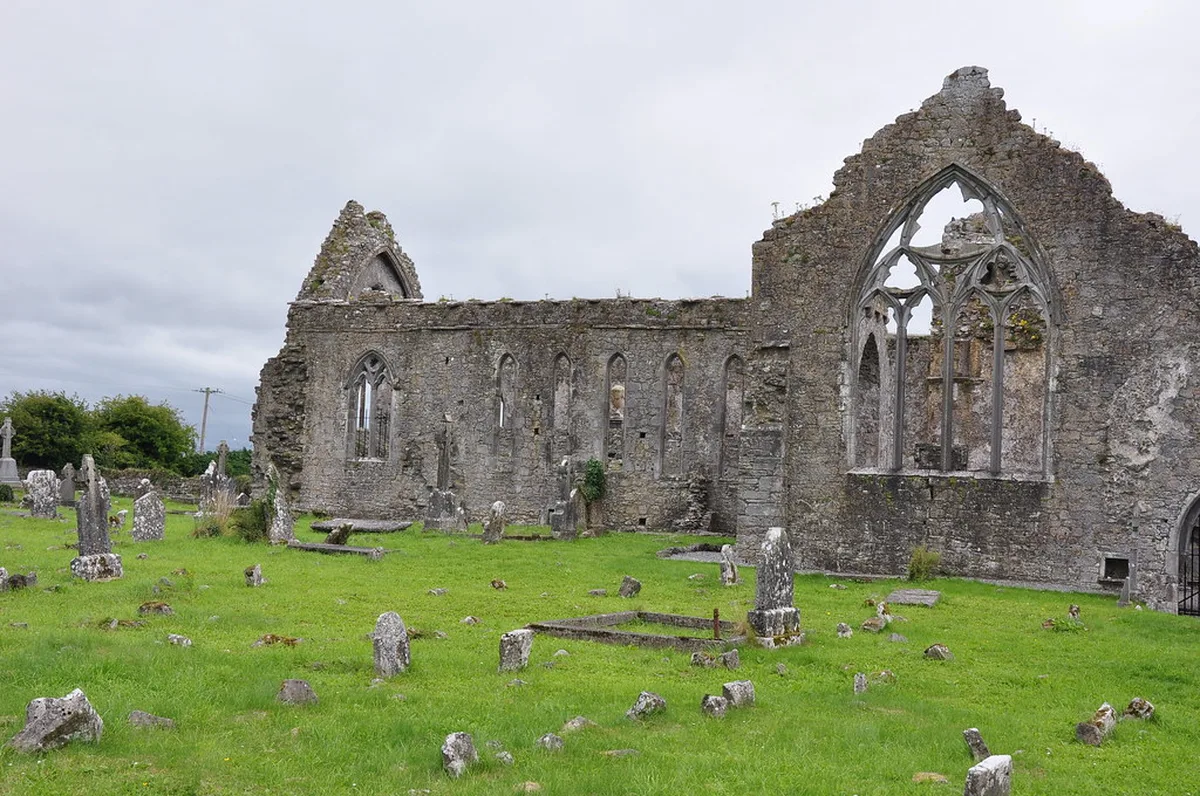
The In Flanders Fields Museum, housed inside the stunning medieval Cloth Hall (Lakenhalle) on the Grote Markt, is the essential starting point for understanding the First World War in this region. The museum uses immersive audiovisual installations, personal testimonies, and thousands of artifacts to tell the story of the Ypres Salient — the frontline that barely moved for four years while some of the deadliest battles in human history raged along it. Entry costs €12 for adults in 2026 and the experience typically takes two to three hours. Book timed-entry tickets online during peak summer months, as daily visitor numbers are capped.
The Menin Gate Memorial is a vast stone triumphal arch inscribed with the names of 54,896 soldiers from British Empire forces who died in the Ypres Salient and have no known grave. Every evening at 20:00, without exception since 1928 (except during the German occupation), the Last Post ceremony is sounded by buglers of the Last Post Association beneath the arch — one of the most moving and dignified public rituals in Europe, and entirely free to attend. Arrive at least 30 minutes early for a good position. The ceremony lasts approximately 20 minutes and draws visitors from across the world every single night of the year.
The surrounding countryside is dotted with dozens of immaculately maintained Commonwealth War Graves Commission cemeteries. Tyne Cot Cemetery near Passchendaele, about 10 kilometers outside Ypres, is the largest Commonwealth war cemetery in the world, containing nearly 12,000 graves and a memorial bearing the names of a further 35,000 missing soldiers. Local taxis or rental bikes offer the most practical way to reach the outlying sites from the town center. Several guided battlefield tours depart from Ypres daily, typically running three to four hours and costing €35–€50 per person — they include transport to key sites including Tyne Cot, Passchendaele, and Langemark German Cemetery. Walking the perimeter of a silent cemetery on a quiet afternoon, with the only sound the wind across the flat Belgian farmland, is an experience that stays with travelers long after the journey home.
Ypres itself is a remarkably intact medieval market town — almost entirely rebuilt after being razed to rubble during the war — with excellent restaurants around the Grote Markt, a weekly market on Saturdays, and a very walkable historic center. A two-course lunch at one of the brasseries around the square costs approximately €18–€24. Plan to spend a full day here rather than a half-day; the combination of the museum, the Menin Gate, the town center, and at least one battlefield cemetery is best appreciated without rushing.
Coastal Escapes to the City of Ostend
Direct trains reach the North Sea coast from Ghent Sint-Pieters in about 45 minutes, with departures every 30 minutes. A one-way ticket in 2026 costs approximately €9 for an adult in second class. Ostend is the largest and most accessible of Belgium's coastal towns, with a wide sandy beach stretching for kilometers in both directions from the central promenade. Walking along the beach provides a deeply refreshing break from the medieval stone and cobble of the Flemish interior.
Try the local gray shrimp croquettes (grijze garnaalroketten) at the harbor stalls or in one of the traditional brasseries along the Albert I promenade — these small seafood treats are a culinary staple of the Belgian coastline. A generous plate costs around €14–€18 at a sit-down restaurant. The fresh mussels and oysters from the market stalls near the fishing harbor are equally excellent and considerably cheaper — a half-dozen oysters typically run €6–€8.
The Mu.ZEE museum showcases unique Belgian modern art in a converted department store just blocks from the water. It features works by famous local artists like James Ensor, who was born in Ostend and is inextricably linked to the city's identity, and Leon Spilliaert, whose haunting coastal scenes perfectly capture the melancholy North Sea light. Tickets for adults cost €15 in 2026 for the permanent collection. The James Ensor House museum nearby offers an intimate look at the artist's studio and personal belongings for €6.
Walking the long promenade from the beach to the eastern harbor allows you to see remnants of the historic Atlantic Wall coastal defenses from World War II. The city offers a compelling mix of modern seafront apartments, grand Belle Epoque hotels, and a working fishing harbor that gives it a lived-in, unpretentious energy. Return to Ghent in the late afternoon on a direct train to enjoy a quiet evening by the canals. Ostend works particularly well as a day trip in spring or early autumn when the beach is uncrowded and the light is at its most atmospheric.
The Hidden Charm of Mechelen
Mechelen is one of the most underrated day trips from Ghent and one of the closest — the IC train takes just 20 minutes and costs around €5 one-way in 2026. Located between Ghent and Antwerp, Mechelen was once the political capital of the Low Countries and the seat of power for the Habsburg Netherlands. That history left behind a city center of extraordinary architectural richness that receives far fewer visitors than it deserves.
The unfinished Gothic tower of Saint Rumbold's Cathedral dominates the skyline and is the defining image of the city. Climbing the tower offers spectacular views over the rooftops of Mechelen and across the flat Flemish plain — tickets cost €8 in 2026. The carillon school based here trains some of the world's finest bell-ringers, and on summer Saturday evenings the tower hosts free public carillon concerts. The cathedral interior itself is free to enter and contains a remarkable Rubens altarpiece, The Miraculous Draught of Fishes.
The Kazerne Dossin museum, housed in a building that served as a transit camp during World War II, is one of the most important Holocaust memorial museums in Europe. It provides a thoughtful, extensively researched account of the persecution and deportation of Jewish and Roma people from Belgium. Entry is €12 for adults in 2026. The museum requires a minimum of two hours and is a sobering but essential experience for anyone interested in 20th-century European history.
The compact historic center is very walkable. The Grote Markt is lined with grand guild houses, and the covered fish market (Vismarkt) is a beautifully preserved Renaissance arcade now used for events and markets. Mechelen is also known for its asparagus — the local white asparagus season runs from April to June, and restaurants throughout the city serve dedicated asparagus menus. A seasonal lunch including white asparagus with Flemish mousseline sauce and smoked ham typically costs €18–€26. Mechelen is easily combined with Antwerp as a two-city day given the short train hop between them.
Dinant and the Ardennes: Birthplace of the Saxophone
Dinant lies about 1.5 hours from Ghent by train (change at Brussels-Midi), and the journey is well worth the extra travel time for the dramatic scenery alone. Trains run every hour and a one-way ticket costs approximately €18–€20. Dinant sits at the bottom of a narrow river valley where the Meuse cuts through sheer limestone cliffs, with the town compressed between the rock face and the river. It is one of the most photogenic towns in Belgium and feels entirely different from the flat Flemish landscape around Ghent.
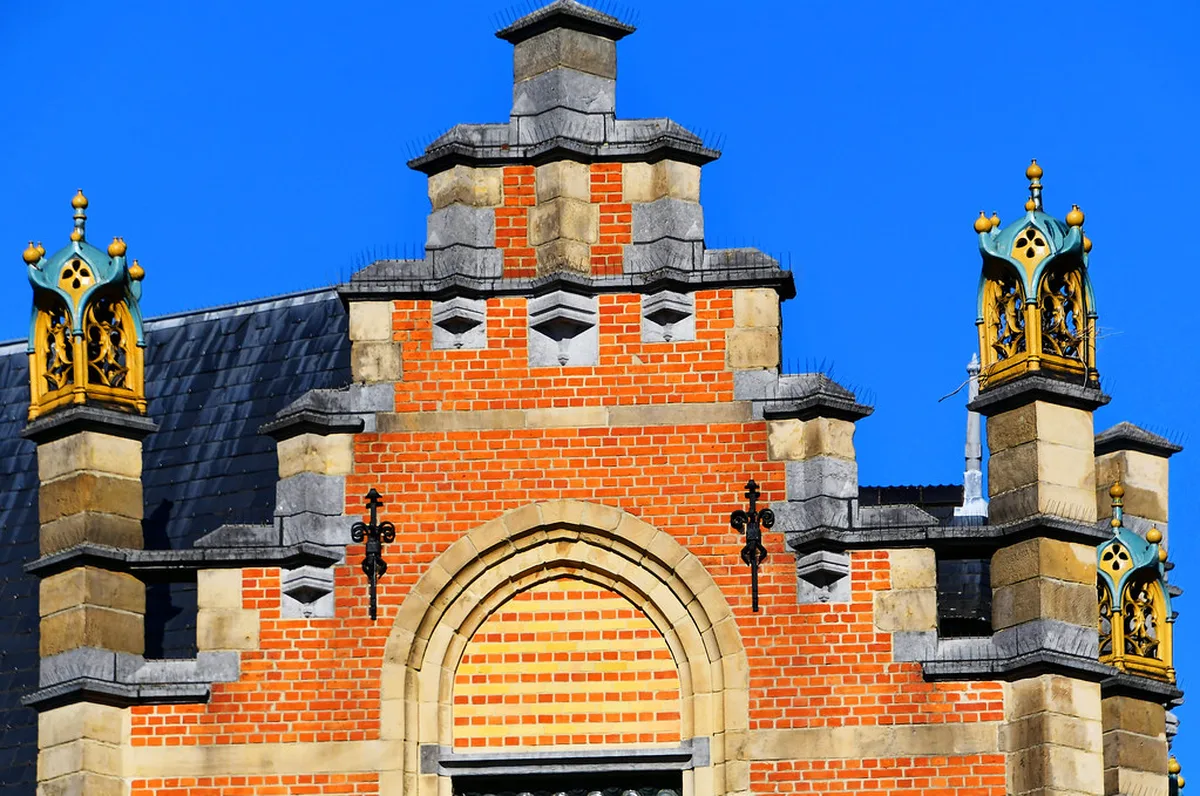
The Citadel of Dinant towers over the town atop a 100-meter cliff and is reached by cable car or 408 steps — tickets including the cable car cost €8 in 2026. The citadel contains weapons and military history exhibits and offers exceptional views over the valley and the river. Just below stands the distinctive Collegiate Church of Notre-Dame with its onion-shaped dome, built directly against the cliff face. The combination of church, cliff, and river makes for one of the great Belgian landscape views.
Dinant is the birthplace of Adolphe Sax, inventor of the saxophone. The Maison de Monsieur Sax museum tells the story of his invention and musical legacy — entry costs €5 in 2026. Saxophone sculptures are displayed along the bridge over the Meuse, each painted in different colors and styles, becoming a popular Instagram landmark. The town also produces couques de Dinant, a hard spiced biscuit shaped in traditional moulds that has been made here since the Middle Ages — buy a box at any patisserie as an edible souvenir for €3–€8 depending on size.
Kayaking the Meuse river is a popular outdoor activity — several operators near the bridge offer half-day kayak rentals starting from €15 per person. The river is calm and suitable for beginners. Dinant pairs well with a visit to the nearby Han-sur-Lesse caves, one of Belgium's most spectacular natural attractions, where an underground river carved an enormous cave system through the limestone — entry is €22 for adults in 2026. Allow a full day for Dinant given the travel time, and aim to take an early morning train from Ghent to maximize your hours there.
The Hidden Charm of Oudenaarde
While most travelers flock to Bruges, the town of Oudenaarde offers a remarkably quiet and authentic alternative for those who prefer to explore off the main tourist circuit. It is famous for its centuries-old tradition of tapestry weaving, its connection to professional cycling, and its beautifully preserved town hall — one of the finest examples of Brabantine Gothic civic architecture in Belgium. You can reach the town center in just 30 minutes by direct train from Ghent Sint-Pieters, and a one-way ticket costs approximately €5 in 2026.
The MOU Museum (Museum Oudenaarde en de Vlaamse Ardennen) is housed in the historic town hall and contains a stunning collection of 16th and 17th-century tapestries from local workshops. These enormous, richly colored weavings depict hunting scenes, mythological stories, and allegorical imagery with extraordinary detail. Entry tickets cost approximately €10 for adults at the main desk. The tapestry collection is genuinely world-class and provides a deep look into the artistic and commercial heritage of the region without the crowds you would find in a larger city museum.
Cycling enthusiasts will immediately recognize Oudenaarde as the spiritual home and finish line of the Tour of Flanders (Ronde van Vlaanderen), one of the most prestigious one-day races in professional cycling. The Centrum Ronde van Vlaanderen cycling museum offers interactive exhibits about the legendary race's history, the famous climbs of the Flemish Ardennes, and the culture of cycling in Flanders. Entry costs €12 for adults in 2026. Renting a bike at one of the local shops allows you to ride some of the famous cobbled climbs (hellingen) in the rolling hills outside town, including the Paterberg and the Koppenberg — both feature prominently in the race each spring.
Dining in the town square is consistently more affordable than in the larger tourist hubs. Local breweries like Liefmans — producing excellent fruited brown ales since 1679 — offer tours and tastings on the river Scheldt for around €10 per person. The town also has several excellent traditional Belgian brasseries around the Markt where a two-course lunch with a local beer costs approximately €20–€25. This authentic, unhurried atmosphere makes Oudenaarde one of the most rewarding and underappreciated day trips from Ghent for travelers who enjoy discovering places before the crowds find them.
Kortrijk: City of the Golden Spurs
Kortrijk is a compact, prosperous Flemish city that punches well above its size in historical significance. It is a 30-minute direct train ride from Ghent Sint-Pieters and costs approximately €5 one-way in 2026. The city is best known internationally for the Battle of the Golden Spurs in 1302, when a Flemish citizen army decisively defeated the French cavalry — an event that became a defining moment in Flemish cultural identity and is still commemorated annually on July 11, the Flemish national holiday.
The Kortrijkse Broeltorens — two medieval towers standing guard over the Leie river — are the most photographed landmarks in the city and date from the 13th and 14th centuries. Walking along the Leie riverside between the towers provides a picturesque introduction to the city. The Beguinage (Begijnhof) of Kortrijk is a UNESCO-listed historic ensemble of white-washed houses built around a central courtyard, originally housing women of the Beguine religious movement. Entry is free and the tranquil garden is one of the loveliest spots in the city.
The Kortrijk 1302 museum is dedicated to the Battle of the Golden Spurs and uses large-scale reconstructions, maps, and audiovisual presentations to bring the medieval battle and its political context to life. Entry costs €8 for adults in 2026. The collection of actual golden spurs (collected from defeated French knights on the battlefield) gives the museum its central exhibit. The museum is compact but excellent and appeals to both history enthusiasts and younger visitors.
Kortrijk's city center has undergone significant urban renewal and has a young, design-conscious energy — the Texture museum focuses on the city's historic flax and linen textile industry, which once made it one of the richest towns in medieval Europe. Entry is €6. The shopping streets around the Grote Markt offer a good mix of Belgian chain stores and independent boutiques. Several excellent brunch spots have opened near the market square in recent years, making Kortrijk an easy morning-to-afternoon day trip that leaves you back in Ghent by early evening.
Planning Your Day Trips from Ghent via Train
Ghent Sint-Pieters is the primary station for all major intercity rail connections. Avoid the smaller Ghent-Dampoort station for long-distance trips to Brussels or Antwerp — it handles mainly regional and stopping services. If you are driving to Sint-Pieters, consult our guide on parking in Ghent for the most affordable options near the station.
The SNCB mobile app is the easiest way to check live schedules and purchase tickets. Digital tickets are scanned directly from your phone by the train conductors, so there is no need to queue at a counter. Schedules for 2026 remain frequent, with most major lines running every 20 to 30 minutes throughout the day. For Bruges, Mechelen, Kortrijk, and Antwerp, trains are so frequent that you rarely need to plan departure times in advance — simply show up and the next train will come within 30 minutes.
Consider purchasing a 10-ride Rail Pass if you plan multiple day trips during your stay. In 2026 the standard 10-ride pass costs approximately €100 for second class and can be shared between two travelers on the same train, effectively giving each person five trips. This makes it particularly economical for couples or friends traveling together. The pass can be bought at any station ticket office or through the SNCB website.
Belgian trains offer first and second-class seating. Second class is perfectly comfortable and clean for all these short regional journeys — there is no practical benefit to upgrading for trips of under an hour. Always check the platform screens carefully as some longer-distance trains split into two sections heading in different directions partway along the route, particularly the Brussels to Bruges IC that splits at Ghent.
Weekend return tickets offer a 50% discount on standard fares for all passengers when traveling on Saturday or Sunday. This makes weekend day trips significantly cheaper. For destinations requiring a change — such as Dinant or Ypres — the SNCB app calculates the full itinerary and issues through tickets covering all legs of the journey. Most Belgian inter-city trains are punctual and well-maintained; the average delay is under four minutes on the main IC lines.
- Belgian Rail Ticket Options
- Standard: Single trip tickets — full price, valid on day of purchase
- Weekend Return: 50% off return fares on Saturdays and Sundays
- 10-Ride Pass: ~€100 for 10 trips, shareable between two travelers
- Youth: Under 26 discounts available via SNCB app
- Senior: Over 65 flat-rate fares on weekdays
- B-Excursion: Discounted combined train + attraction entry for select destinations
Frequently Asked Questions
What is the best day trip from Ghent?
Bruges is the best day trip from Ghent for most visitors. A direct train takes 30 minutes and costs €9 return in 2026. The UNESCO-listed medieval center, canal boat tours (€12), and Belfry views (€16) make for a full and rewarding day. Book Belfry tickets online to skip the queue.
How long is the train from Ghent to Brussels?
The IC train from Ghent Sint-Pieters to Brussels Central takes approximately 35 minutes and costs €10 return in 2026. Trains run every 20 minutes throughout the day. On weekends a return ticket includes a 50% discount automatically, making it one of the best-value capital city day trips in Europe.
Is a day trip to Brussels worth it from Ghent?
Brussels is absolutely worth a day trip from Ghent. The Grand Place, Manneken Pis, and Royal Museums of Fine Arts are world-class. The journey takes 35 minutes and costs €10 return in 2026. Combined with the weekend return discount, you can visit Europe's most gilded city square for under €10 in total travel cost.
How far is Antwerp from Ghent by train?
Antwerp is approximately 50 minutes from Ghent by direct IC train in 2026, costing €12 return. Trains run every 30 minutes. Antwerp Centraal station itself is considered one of the most beautiful railway stations in the world and makes an impressive first impression the moment you arrive.
Can I visit the WWI battlefields on a day trip from Ghent?
Yes — Ypres (Ieper) is about one hour from Ghent by train with a change at Kortrijk, costing around €12 one-way in 2026. The In Flanders Fields Museum (€12), Menin Gate, and Tyne Cot Cemetery are all accessible in a full day. The free Last Post ceremony at 20:00 beneath the Menin Gate is a profound highlight not to miss.
Can I visit the Belgian coast from Ghent?
Yes — Ostend on the North Sea is a direct 45-minute train ride from Ghent Sint-Pieters, costing around €9 one-way in 2026. It has wide sandy beaches, excellent seafood (gray shrimp croquettes from €14), the Mu.ZEE modern art museum (€15), and a lively seafront promenade. Best visited in spring or autumn to avoid summer crowds.
What is a lesser-known day trip from Ghent worth visiting?
Mechelen is the best-kept secret among Ghent day trips. It is just 20 minutes by IC train and costs around €5 one-way in 2026. Highlights include Saint Rumbold's Cathedral tower (€8), the Kazerne Dossin Holocaust museum (€12), a beautiful historic center, and the white asparagus season menus from April to June.
Choosing Ghent as your Belgian base unlocks one of the most diverse and affordable rail day-trip networks in Europe. Within 35 minutes and for under €12 return, you can stand beneath the guild halls of Brussels, wander the candlelit canals of Bruges, or arrive at one of the world's most spectacular railway stations in Antwerp. The city's central location and excellent 2026 rail links make travel stress-free and budget-friendly. Return to the city in time to use our Ghent nightlife guide for evening plans.
Most day trips from Ghent require very little advance planning due to high train frequency on the main IC lines. Book Bruges Belfry tickets and Antwerp MAS entry in advance during summer — everything else can be arranged on the day. These excursions provide a well-rounded view of both the medieval heritage and the modern, multicultural character of Belgium. Every destination in this guide is accessible within 1.5 hours of Ghent Sint-Pieters station, and most cost under €12 return to reach.
Plan your itinerary to mix the famous landmarks of Bruges and Brussels with the quieter hidden gems of Mechelen, Kortrijk, Oudenaarde, and the profoundly moving WWI sites at Ypres. The more you explore beyond the obvious choices, the richer your understanding of Flanders and Belgium becomes. This region rewards the curious traveler with history, art, food, and landscapes that remain genuinely surprising at every turn.