7 Amazing Day Trips From Corfu to Explore in 2026
The fastest day trip from Corfu in 2026 is the 30-minute hydrofoil to Saranda, Albania — €20–25 return, passport required, no car needed. Ferries to Paxos island depart daily and cost €25–35 return, taking about 1 hour each way.
Kassiopi village is the easiest mainland-free day trip: take the KTEL bus from San Rocco Square (€3, 40 minutes north), stroll the Byzantine castle ruins, and swim at sheltered Bataria beach — all in under 4 hours round-trip.
Corfu serves as a perfect hub for exploring the scenic Ionian Sea and the nearby Greek mainland. Many travelers find that day trips from Corfu offer a refreshing change of scenery and unique cultural experiences. You can reach hidden sea caves or even visit a new country within just a few hours of travel. These excursions provide deeper insight into the diverse history and natural beauty of this vibrant Mediterranean region. Whether you're drawn to the turquoise lagoons of Antipaxos, the Roman ruins of Butrint, or the pastel-coloured waterfront of Parga, the options within easy reach of Corfu Town are genuinely exceptional.
Explore Paxos and Antipaxos by Boat
Paxos and Antipaxos rank among the most beautiful day trip destinations in the entire Ionian Sea, and in 2026 they remain easily reached from Corfu. Daily scheduled ferries depart from the New Port in Corfu Town at around 08:30 and reach Gaios, the small whitewashed capital of Paxos, in approximately 1 hour. Return tickets on the public ferry cost around €25–35 per person; organized full-day boat tours typically charge €50–65 per person and include stops at both islands plus the famous Blue Caves along Paxos's western cliff face.
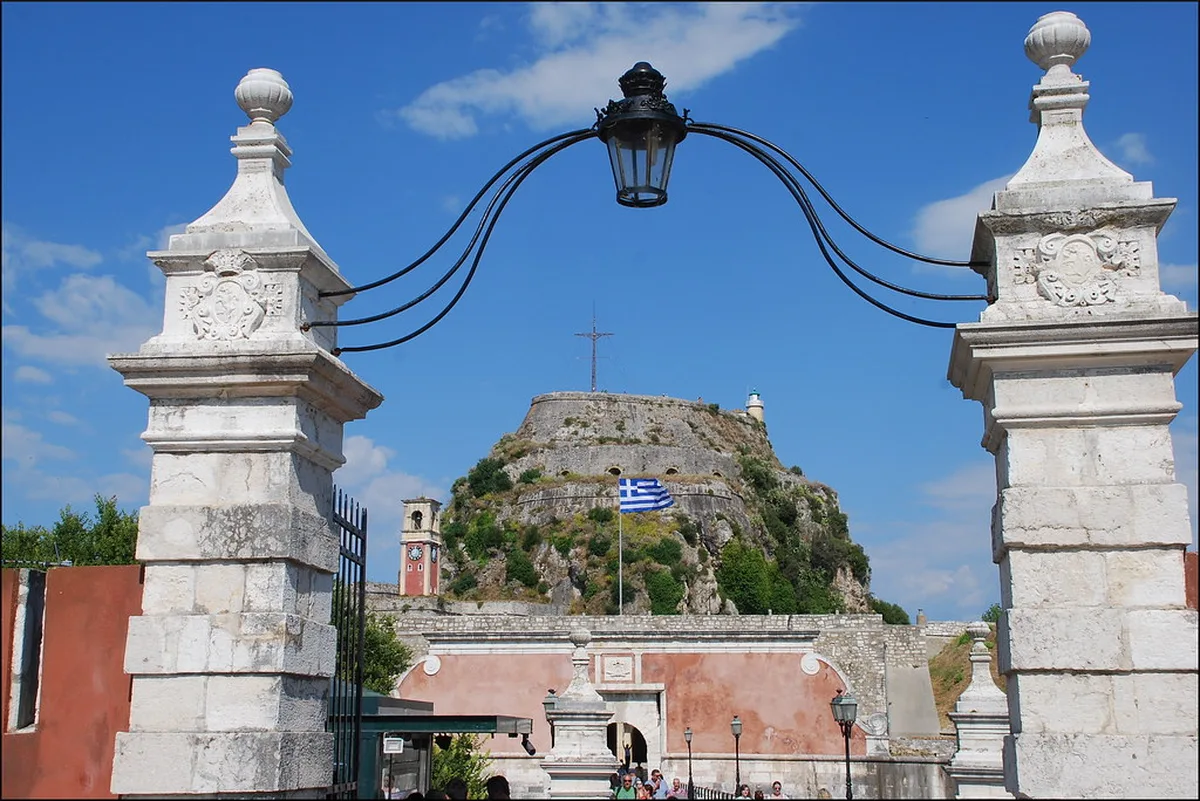
Antipaxos lies just 2 kilometres south of Paxos and has two beaches — Voutoumi and Vrika — that regularly appear on best-beaches-in-Greece lists. The water is a vivid teal colour caused by the white sandy seabed visible in shallow depths, and visibility often exceeds 15 metres. Most organized tours allow 2–3 hours at Antipaxos for swimming before heading north to Paxos itself for a taverna lunch in Gaios. Expect to pay €10–15 for a grilled fish mezze at a harbourfront restaurant.
The Blue Caves of Paxos are sea-level grottos carved into the western limestone cliffs. The boat enters slowly and natural light bends through the water, turning the interior a vivid blue. Photography is best around midday when sunlight hits the cave openings at the right angle. Most tours visit between 10:00 and 12:00. Pack snorkelling gear if you want to explore just below the surface — the rock formations continue underwater. This day trip pairs naturally with the Corfu beach guide if you plan to compare Ionian swimming spots across the region.
- Paxos Scheduled Ferry (Gaios)
- Type: Public Ferry / Organized Tour
- Departure: New Port Corfu, ~08:30
- Journey Time: 1 hour each way
- Cost: €25–35 return (ferry); €50–65 (organized tour)
- Antipaxos — Voutoumi Beach
- Type: Swimming Stop
- Best for: Crystal-clear water, snorkelling
- Cost: Included in tour
- Blue Caves, West Paxos
- Type: Scenic Coastal Cruise
- Best for: Photography, natural light shows
- Cost: Included in tour
Visit Saranda and Butrint in Albania
Crossing to Albania is one of the most rewarding and underrated day trips available from Corfu in 2026. The high-speed hydrofoil operated by Finikas Lines departs from the New Port multiple times daily and reaches Saranda in just 30 minutes. Return tickets cost €20–25 per person booked online; tickets at the port counter run slightly higher. You must carry a valid passport as Albania is not in the Schengen Area — EU and most Western-passport holders are admitted without a visa for stays up to 90 days.
Saranda itself is a lively coastal town of around 40,000 residents with a long esplanade lined with cafés and restaurants. Most menus are written in both Albanian and English, and EUR is widely accepted alongside the local Albanian Lek (ALL). A sit-down lunch of grilled sea bass with salad typically costs €8–12 per person, which is significantly cheaper than comparable meals in Corfu Town. ATMs dispensing ALL are available near the ferry port if you prefer to use local currency for market purchases.
Butrint National Park, a UNESCO World Heritage Site, is located 18 kilometres south of Saranda and is the highlight of this day trip. The site contains overlapping layers of Greek, Roman, Byzantine, and Venetian history compressed into one remarkably scenic archaeological park surrounded by lagoon and wetland. Highlights include a 3rd-century BC Greek theatre still used for occasional summer performances, a Roman forum with mosaic floors, a baptistery with the largest early-Christian floor mosaic in the Balkans, and a Venetian tower offering panoramic views over the lake. Entry to Butrint costs €5 per person for international visitors in 2026. Local minibuses from Saranda ferry port to Butrint depart roughly hourly and cost around ALL 200 (approximately €2) each way; taxis charge ALL 2,000–2,500 (€20–25) for the return trip with waiting time included. Allow at least 2 hours to walk the full loop of the archaeological site. Return ferries to Corfu typically leave at 16:30 and 18:00 — check the current Finikas Lines timetable the evening before to confirm your slot.
Discover Parga and Sivota on the Mainland
Parga is one of the most photogenic towns on the Greek mainland, a cluster of pastel-painted houses climbing a steep headland above a horseshoe bay backed by olive groves. Organized day tours from Corfu's New Port depart around 08:00 and take approximately 2.5–3 hours by boat, passing through the sheltered Blue Lagoon at Sivota en route. The Sivota stop lasts 60–90 minutes and provides a swimming break in calm, luminously green water that feels more like a tropical lagoon than the Ionian coast. Entrance to Sivota's waters is free; sun loungers on the beach cost around €5 per day. Full-day organized tours including Parga and Sivota cost approximately €55–75 per person from Corfu, with prices varying by operator.
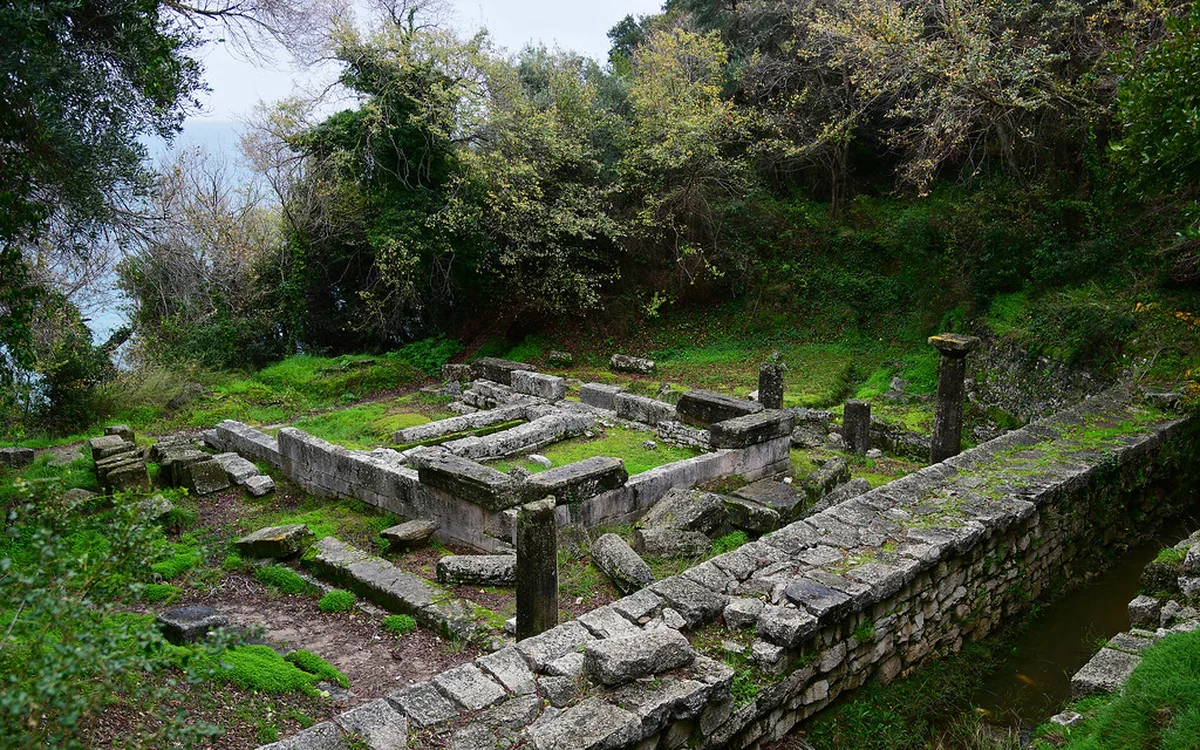
In Parga itself, the 15th-century Venetian Castle crowns the main headland and provides some of the best coastal panoramic views in the region. The climb takes about 10 minutes from the town square and entry is free. Inside the castle walls you'll find the small Church of the Transfiguration and scattered cannon emplacements that once defended the town from Ottoman forces. From the battlements you can see Paxos on a clear day. Below in the town, the narrow lanes are lined with shops selling local mountain thyme honey, olive oil soap, and handmade ceramic work — most shops are open until 22:00 in summer. A traditional lunch of lamb kleftiko or moussaka at a taverna near the main square costs €12–16 including a glass of house wine.
The return boat journey from Parga typically departs between 16:00 and 17:00, arriving back in Corfu Town by early evening. This leaves plenty of time for dinner in the Old Town — see the Corfu walking tour for a mapped evening route through the Venetian lanes. Comfortable walking shoes are essential for Parga given the steep streets and cobblestone paths.
Kassiopi Village — The Perfect Bus Day Trip from Corfu Town
Kassiopi is one of the most underrated villages on Corfu's northeast coast and the easiest day trip requiring no boat ticket whatsoever. Sitting 40 kilometres north of Corfu Town, Kassiopi is served by regular KTEL buses from San Rocco Square that make the scenic coastal journey in about 40 minutes. The fare is just €3 each way in 2026, making this the most affordable land-based excursion from the city centre. Buses run roughly every 60–90 minutes in summer from 07:30 onwards; the last return bus departs Kassiopi at around 19:30, leaving plenty of time for a full afternoon visit.
The village itself centres on a small fishing harbour flanked by colourful tavernas and cafés. The Byzantine-era castle ruins on the headland above the port are the main historic sight — entry is free, and the views from the crumbling walls across the Corfu Channel toward Albania are spectacular on a clear day. Emperor Nero reportedly performed here, and the Roman Emperor Tiberius maintained a villa in Kassiopi. The castle walls take about 30 minutes to explore at a relaxed pace, and the uneven terrain requires sturdy footwear. From the top, you can spot the Albanian coastline only a few kilometres away.
Bataria beach, a sheltered pebbly cove just a short walk east of the harbour, offers excellent swimming in calm, clear water. Sun loungers and umbrellas are available for rent at around €8–10 for two loungers and a parasol. The beach is rarely as crowded as Paleokastritsa or Glyfada, making it a rewarding choice for travellers who prefer a quieter swim. After the beach, lunch at one of the harbourside tavernas is excellent value — a fresh grilled fish platter with salad and house wine costs around €14–18 per person. In the evening, the square fills with locals and the atmosphere is genuinely relaxed and non-touristy compared to Corfu Town itself. For a broader look at beaches accessible from the island's base, the Corfu beach guide covers all the main coves from south to north.
- Kassiopi by Bus
- Departure: San Rocco Square, Corfu Town
- Journey Time: 40 minutes each way
- Cost: €3 each way (KTEL bus)
- Last return bus: ~19:30
- Byzantine Castle
- Entry: Free
- Time: 30 minutes to explore
- Bataria Beach
- Sun lounger + umbrella: €8–10
- Water: Calm, clear, excellent for swimming
Escape to the Quiet Diapontia Islands
The Diapontia Islands — Erikousa, Othoni, and Mathraki — form a small scattered archipelago roughly 20 kilometres north of Corfu's northwestern tip. They are rarely visited by mainstream tourists and represent the kind of slow, unhurried island life that is increasingly hard to find anywhere in the Mediterranean. Local ferries operate from the small ports of Sidari and Agios Stefanos in northern Corfu, with services running several times per week during summer (June through September). A return passenger ticket to Erikousa costs approximately €15–20; the crossing takes around 45–60 minutes depending on sea conditions. Confirm departure times locally as schedules shift seasonally and are not always listed reliably online.
Erikousa is the most accessible of the three islands and has a sandy beach near the main village that is rarely crowded even in August. The island has one taverna serving grilled octopus and fresh calamari caught the same morning — a meal costs roughly €12–18 per person. Othoni, the largest island and the westernmost point of Greece, has a rugged interior with marked walking trails leading to the Calypso Cave, mythologically linked to the nymph who detained Odysseus. The cave itself requires a short hike and some scrambling — sturdy shoes are essential. Mathraki is the smallest and quietest island, with a single beach and almost no commercial infrastructure, making it ideal for travellers who want complete disconnection. Pack your own food and water if visiting Mathraki as supplies are very limited. All three islands are best suited to calm weather — check the Poseidon marine forecast before departing as the crossing can be rough when northern winds pick up.
Achilleion Palace and Pontikonisi — Local Half-Day Trips
Not all day trips from Corfu require a boat ticket. The Achilleion Palace, built in 1889 for Empress Elisabeth of Austria (Sisi) and later owned by Kaiser Wilhelm II, sits in the village of Gastouri just 12 kilometres south of Corfu Town. Local buses (KTEL line) depart from San Rocco Square every 30–60 minutes and reach Gastouri in around 30 minutes; the fare is €2 each way. Entry to the palace and its terraced gardens costs €10 per adult in 2026. The grounds contain a series of dramatic marble statues — most notably "The Dying Achilles" and a towering "Victorious Achilles" — framed by panoramic views over the sea toward the Albanian coast. The interior rooms display original furnishings from both imperial eras and a collection of 19th-century paintings. Allow 1.5–2 hours for a relaxed visit.
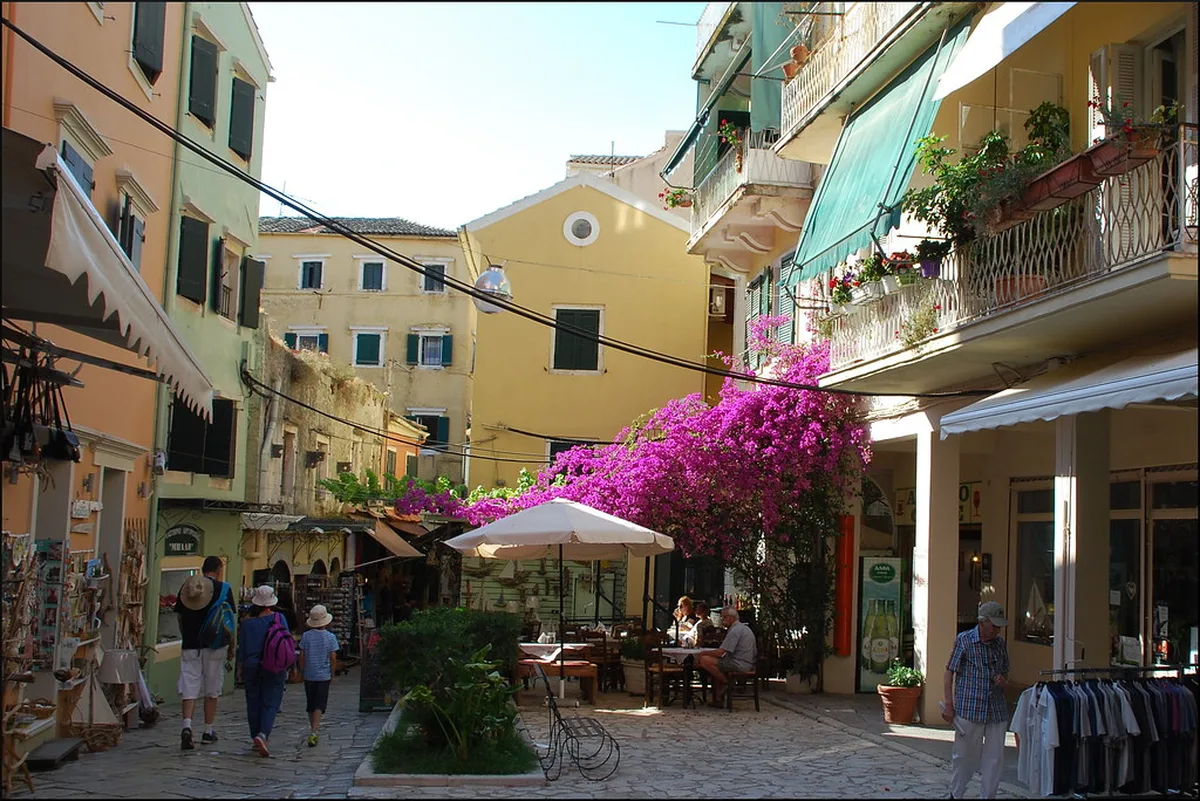
Pontikonisi (Mouse Island) is one of Corfu's most recognizable postcards — a tiny forested islet topped by a white Byzantine chapel, connected to the Kanoni peninsula by a short causeway. You can reach the Kanoni viewpoint by local bus (line 2 from Corfu Town, €2 one way) or taxi (€8–10 from the Old Town). Small rowing boats ferry visitors across to the island for €2 return; the chapel itself, dedicated to the Pantokrator, dates to the 13th century and is open during daylight hours. The view from Kanoni — planes landing at Corfu Airport in the foreground, Pontikonisi in the middle, the Albanian mountains beyond — is one of the most photographed in Greece. Combine both sites into a single half-day excursion leaving Corfu Town by 09:30 and returning by 14:00, leaving the afternoon free for beach time. For the best swimming options near Corfu Town, the Corfu beach guide covers all the main coves within easy reach.
Snorkelling and Blue Caves Boat Trip from Paleokastritsa
Paleokastritsa, on Corfu's northwest coast, is the departure point for one of the island's best short boat trips — a 2–3 hour coastal excursion to the local Blue Caves, sea arches, and snorkelling bays. This is a distinct trip from the Paxos Blue Caves and can be done as a standalone morning activity before a beach afternoon, making it ideal if you want a half-day option rather than a full-day commitment. Small wooden boats seating 6–12 passengers depart throughout the morning from Paleokastritsa harbour, usually between 09:00 and 13:00. The fare is typically €15–20 per person for the round trip, lasting around 90 minutes to 2 hours depending on how long the captain lingers at each cave.
The caves themselves are carved into the steep limestone cliffs south of Paleokastritsa and include several chambers where the ceiling reflects the filtered blue light from submerged openings below. Snorkelling inside the caves reveals purple sea urchins, small fish, and octopus sheltering in crevices — bring your own mask and fins or rent them from shops near the harbour for around €5. The most popular snorkelling spot is a sheltered cove near the Liapades beach, where seagrass meadows attract sea turtles occasionally spotted between June and September. Beyond the caves, the boat typically circles to the Alipa lagoon, a calm turquoise inlet perfect for a swim stop.
To reach Paleokastritsa from Corfu Town, take the KTEL bus from San Rocco Square (approximately €3, journey time 45 minutes, departures roughly every 90 minutes in summer) or hire a scooter for greater flexibility (from €20/day at rental agencies near the New Port). Combining the Paleokastritsa cave boat trip in the morning with an afternoon visit to the Achilleion Palace makes an efficient and varied day, linking the island's best coastal scenery with its most celebrated historic landmark. See the Corfu Old Town guide for evening dining options after returning to town.
Essential Planning Tips for Corfu Day Trips
Choosing between a private boat and a group tour depends on your budget and personal preferences. Group tours in 2026 cost €40–75 per person depending on the destination and are the most practical option for solo travellers or couples without their own transport. Private boat charters offer complete flexibility but typically start at €350–500 per day including fuel and skipper, making them cost-effective only for groups of six or more splitting the cost. Most reputable charter companies operate from the New Port marina and require a refundable security deposit at the start of the trip.
Before you leave the main island, review the Corfu walking tour to prioritize landmarks in Corfu Town itself, ensuring you don't miss key sights on arrival or departure days. Some day trips — particularly Albania or Parga — take 9–11 hours door to door and leave many first-time visitors too tired for evening activities. Balance your itinerary by alternating long excursions with relaxed beach days or a gentle local half-day trip such as the Achilleion Palace or Paleokastritsa cave boat trip.
Corfu has several departure points and confirming your correct port in advance is essential. The New Port (Neo Limani) handles most international ferries (Albania, Paxos, mainland Greece). The Old Port (Palaio Limani) serves some local cruise boats. Small village docks at Sidari, Agios Stefanos, and Lefkimmi handle regional island connections. Confirming your pickup point the evening before prevents missed departures. Bring cash in EUR for on-the-day snacks, sunscreen, and port taxes that are occasionally charged separately from your ticket price — typically €2–5 per journey.
Frequently Asked Questions
When is the best time for day trips from Corfu?
The best time for day trips from Corfu is May through September when seas are calm and all ferry routes operate daily. May and June offer the lowest crowds with warm but not extreme temperatures. July and August are busiest — book boat tickets at least 24 hours ahead to guarantee a seat on popular routes like Paxos and Albania. September combines reliable weather with noticeably quieter boats and lower prices.
Do I need a passport to visit Albania from Corfu?
Yes, you must carry a valid passport to cross into Albania from Corfu because Albania is not part of the Schengen Area. EU citizens and most Western-passport holders enter visa-free for stays up to 90 days. The border check at Saranda ferry port is quick — typically under 10 minutes — but your passport must be valid for the duration of your stay. A national ID card alone is not sufficient for non-Albanian EU citizens visiting in 2026.
How much does a day trip from Corfu to Paxos cost in 2026?
A public ferry return ticket from Corfu to Paxos costs approximately €25–35 per person in 2026, with the crossing taking about 1 hour each way. Organized full-day boat tours including Paxos, Antipaxos, and the Blue Caves cost €50–65 per person and usually include a lunch stop in Gaios. Private boat charters start at €350–500 per day for the whole vessel. Budget an additional €10–20 per person for lunch, drinks, and any entrance fees at the caves.
How do I get to Kassiopi from Corfu Town?
The easiest way to reach Kassiopi from Corfu Town is by KTEL bus from San Rocco Square. Buses depart roughly every 60–90 minutes in summer and the journey takes about 40 minutes. The return fare is just €3 each way in 2026, making this the most affordable day trip option on the island. The last bus back from Kassiopi departs around 19:30, giving you a full afternoon to explore the Byzantine castle ruins, swim at Bataria beach, and have a fresh seafood lunch at the harbour.
What is the cheapest day trip from Corfu?
The cheapest day trip from Corfu in 2026 is the bus to Kassiopi at just €3 each way — no boat ticket needed. For a sea crossing, the Albania/Saranda hydrofoil costs €20–25 return, especially affordable if you walk around Saranda and visit Butrint (€5 entry) using the local minibus (€2 each way). The Paleokastritsa cave boat trip is also very affordable at €15–20 per person for a 2-hour excursion. For a minimal-cost option, take the local bus to Kanoni (€2) and row across to Pontikonisi island for just €2 return.
Is Paxos or Albania the better day trip from Corfu?
Both are excellent for different reasons. Paxos and Antipaxos are the better choice for swimming, snorkelling, and beach scenery — the turquoise water at Voutoumi Beach is genuinely spectacular. Albania (Saranda and Butrint) is better for travellers interested in history, culture, and value for money, with cheap food and the remarkable UNESCO-listed ruins of Butrint (€5 entry). If you have two days available, do both: Albania first (30-minute crossing, easier logistics) and Paxos second (full-day organized tour, €25–35 return ferry).
Can I visit the Paleokastritsa monastery on a day trip?
Yes, the Theotokos Monastery at Paleokastritsa is open to visitors daily from approximately 07:00 to 13:00 and 15:00 to 20:00 in summer — entry is free, though donations are welcomed. Modest dress is required (long trousers or skirt, covered shoulders). The monastery sits on a rocky promontory above the bay with panoramic views over the coastline. Combine it with the harbour boat trips to the local Blue Caves (€15–20 return) for a full half-day. Reach Paleokastritsa by KTEL bus from San Rocco Square in Corfu Town (€3, 45 minutes).
Taking day trips from Corfu allows you to experience the incredible diversity of the Ionian region within easy reach of a single base. Whether you choose the ancient ruins of Albania, the turquoise lagoons of Paxos and Antipaxos, the pastel waterfront of Parga, the charming village of Kassiopi, or the sea caves above Paleokastritsa, each journey adds a distinct layer to your Greek island experience. After returning from a day trip, the Corfu Old Town guide has everything you need to find the best evening dining spots in the Venetian lanes. For your first morning on the island, start with the Corfu walking tour to orient yourself before heading further afield.