Best Time To Visit Dubrovnik
The best months to visit Dubrovnik are May, June, September, and October for ideal weather and manageable crowds. I visited Dubrovnik in late September, and it was truly the perfect sweet spot for warm water. The Pearl of the Adriatic shines brightest when the crowds thin out and the sun softens. Updated June 2024 from my recent spring visit to the Dalmatian coast.
Choosing the right time depends on whether you want beach days or quiet historic walks. Our Dubrovnik Old Town guide explains how the atmosphere shifts between the seasons. Peak summer brings vibrant energy but also higher prices and very dense crowds. Winter offers a peaceful experience but some tourist facilities will be closed.
This guide covers weather patterns, local events, and practical tips for every month. You will learn when to avoid the heat and how to save money on your trip. We also look at regional weather quirks like the Etesian wind. Let's dive into the specifics of each season in this coastal gem.
Season Comparison
Dubrovnik experiences a classic Mediterranean climate with hot summers and mild, rainy winters. Temperatures vary significantly between the peak of July and the quiet days of January. According to historical climate data, the sea remains warm enough for swimming until mid-October. The following table summarizes what you can expect during different times of the year.
Crowd levels are at their highest from late June through the end of August. Prices for accommodation often double during these peak summer months. Spring and fall offer a balance of pleasant weather and lower travel costs. Winter is the most affordable time but requires more planning for open attractions.
| Season | Weather | Crowds | Prices | Events | Best for |
|---|---|---|---|---|---|
| Early to mid-May | 18–22°C / 64–72°F | Moderate | Mid-range | Spring Festival | Hiking |
| July to August | 26–31°C / 79–88°F | Very High | Expensive | Summer Festival | Nightlife |
| September to October | 20–25°C / 68–77°F | Moderate | Mid-range | Wine Harvest | Swimming |
| January to February | 10–13°C / 50–55°F | Very Low | Budget | Festivity of St. Blaise | Culture |
Pick X If
Different travelers have different priorities when visiting the Dalmatian coast. Some visitors seek the heat of the sun, while others prefer cool morning walks. Matching your interests to the right month ensures a much better holiday experience. Consider these recommendations based on your specific travel style and goals.
Budget travelers should look at the edges of the low season for the best deals. Families often prefer the shoulder months when the heat is less intense. Adventure seekers will find the spring landscapes perfect for coastal hiking. Party lovers should stick to the high summer for the best clubbing vibes.
- Pick winter if you want
- Lowest prices and empty streets
- Pick summer if you want
- Beach days and late nightlife
- Pick spring if you want
- Blooming flowers and mild air
- Pick fall if you want
- Warm sea and wine tasting
Spring in Dubrovnik (March to May)
Spring brings a sense of renewal to the ancient limestone streets of the city. Daytime temperatures range from 14–21°C / 57–70°F as the season progresses. I noticed the local gardens are particularly vibrant during late April visits. This is a fantastic time for photography without thousands of people in your shots.
The Adriatic sea is still quite chilly for most swimmers during this period. Expect water temperatures around 16–18°C / 61–64°F in early May. Most outdoor restaurants begin opening their terraces by the start of April. According to Lonelyplanet.com, spring is ideal for active travelers.
Our late-May trip hit the Etesian wind on three of seven days. This cool breeze can make the evenings feel much chillier than they actually are. Always carry a light jacket if you plan to eat dinner outdoors. Spring also sees the return of many regional flight routes to the airport.
Summer in Dubrovnik (June to August)
Summer is the most popular time to visit, characterized by endless sunshine. Daily highs regularly reach 28–32°C / 82–90°F during July and August. The city buzzes with energy as the Dubrovnik Summer Festival takes center stage. You will find the best swimming conditions in a Dubrovnik beach guide for this season.
Crowds can become overwhelming when multiple cruise ships dock at the same time. I recommend exploring the Old Town very early in the morning to find peace. The heat can be intense, so staying hydrated is absolutely essential for everyone. Nightlife is at its peak, with beach clubs staying open until the early hours.
Sea temperatures hover around a comfortable 24–26°C / 75–79°F during late summer. The Etesian wind often provides a welcome relief from the afternoon humidity. Travelers should book their accommodation at least six months in advance for summer. As noted by Ricksteves.com, summer requires patience and careful planning.
Fall in Dubrovnik (September to November)
Many locals consider September the absolute best time to enjoy their city. Air temperatures remain warm at 21–26°C / 70–79°F, but the humidity drops. The sea has been heated all summer, making it perfect for long swims. Crowds begin to thin out significantly after the first week of September.
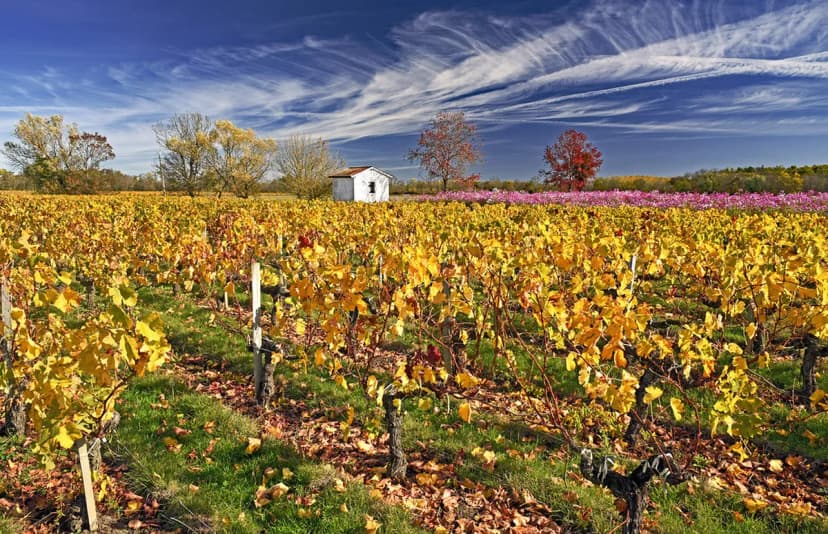
October is the season for the Good Food Festival and wine harvests. It is a wonderful time to take day trips from Dubrovnik to nearby vineyards. Pelješac peninsula comes alive with the smell of ripening grapes and fresh olives. Daylight hours are still long enough for full days of exploration and tours.
Rainfall starts to increase as the calendar moves toward late November. Temperatures drop to around 14–18°C / 57–64°F during the final autumn weeks. You can find great last-minute deals on luxury hotels during this transition period. The atmosphere becomes much more local and authentic as the tourists depart.
Winter in Dubrovnik (December to February)
Winter in Dubrovnik is mild compared to northern Europe but can be quite wet. Expect temperatures to range between 9–14°C / 48–57°F during the day. The city is beautifully decorated for the Dubrovnik Winter Festival in December. Local food stalls serve traditional sausages and mulled wine along the Stradun.
February marks the Festivity of Saint Blaise, the beloved patron saint of Dubrovnik. This cultural event offers a deep look into the history of the city. Prices for hotels are at their lowest point of the entire year now. While it might be too cold for swimming, the views remain stunningly clear.
The Bura wind can occasionally bring sharp, cold gusts from the mountains. I enjoyed the solitude of walking the empty limestone alleys in January. You will have the famous sights almost entirely to yourself during this time. It is the perfect season for those who prioritize culture over sunbathing.
What's Closed in Low Season
Visitors should be aware that Dubrovnik partially hibernates during the winter months. Ferries to remote islands like Mljet or Korčula operate on very limited schedules. The popular water taxis to Cavtat usually stop running from November to April. Many island tavernas and small family-run restaurants close their doors for the season.
Iconic spots like the Buža cliff bars often shut down when the weather cools. Beach clubs like Banje Beach remove their sun loungers by late October. Some museums might reduce their opening hours or close for essential renovations. Always check the current status of specific tours before booking a winter trip.
What to Pack
Packing correctly for the Dalmatian coast requires understanding the local microclimate. Sun protection is non-negotiable from late spring through the end of autumn. The limestone streets can be slippery, so comfortable walking shoes are a must. Layering is the most effective strategy for the changing temperatures of the day.
Even in summer, a light sweater is useful for breezy boat trips. Winter visitors need waterproof gear to handle the occasional heavy Adriatic rain. Modest clothing is often required when entering the city's historic churches. The following list provides seasonal essentials for your Dubrovnik packing list.
- Pack light linen and high SPF
- Essential for the hot July sun
- Bring waterproof boots and warm coat
- Best for rainy December days
- Pack a windbreaker and light layers
- Perfect for breezy May evenings
- Carry comfortable non-slip walking shoes
- Needed for the smooth limestone
Must-See Time Attractions
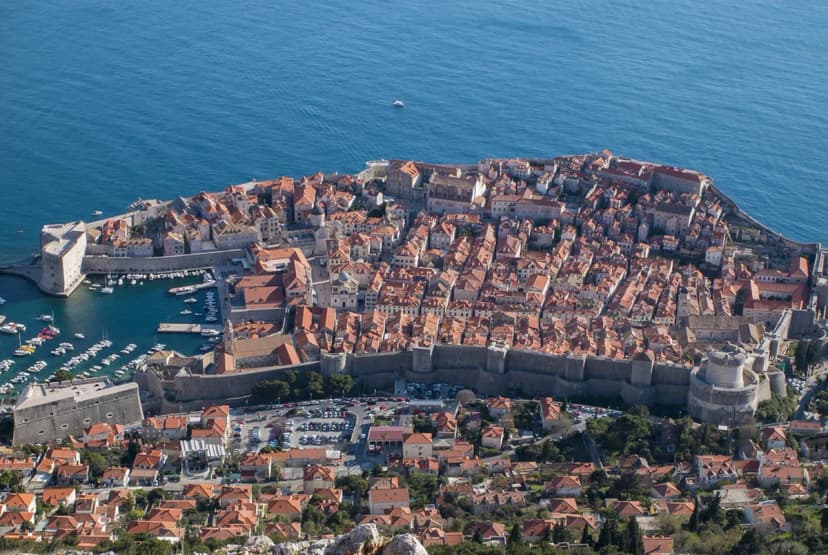
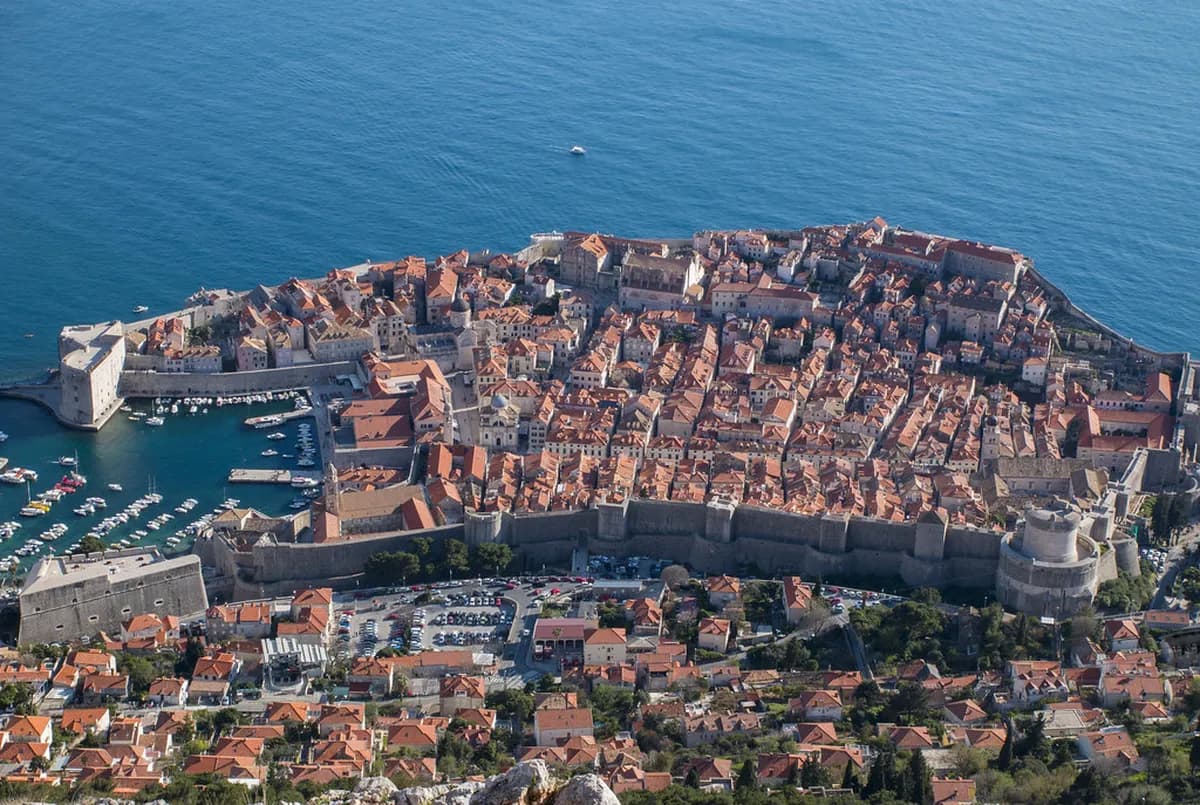
The timing of your daily activities is just as important as the month. Walking the Dubrovnik City Walls guide suggests going early. The walls open at 8:00 AM, which helps you avoid the midday heat. Sunset is another magical time to see the red-tiled roofs from above.
Visit the Rector's Palace and the Maritime Museum during the hottest afternoon hours. These stone buildings offer a cool escape from the direct Adriatic sun. Island hopping to Lokrum is best done on the first ferry of the day. Our list of things to do in Dubrovnik covers more timed tips.
How to Plan a Smooth Time Attractions Day
A successful day in Dubrovnik requires navigating the influx of cruise ship passengers. I recommend checking the port authority website for the daily ship schedule. Plan your Old Town exploration for times when fewer ships are in port. Purchasing a Dubrovnik City Pass guide can save you significant time.
The pass includes entry to the walls and several major city museums. It also provides free public transport, which is useful for staying outside the center. Make dinner reservations at least two days in advance during the peak season. Morning markets at Gundulić Square are best visited before 10:00 AM.
Frequently Asked Questions
Is Dubrovnik crowded in summer?
Yes, Dubrovnik is very crowded in July and August due to cruise ships. You should visit the walls early in the morning to avoid the largest groups. Midday is best spent at the beach or inside museums.
Can you swim in Dubrovnik in May or October?
Swimming is possible in both months but the water is warmer in October. May sea temperatures are usually around 18°C / 64°F. October remains pleasant with water temperatures near 21°C / 70°F.
What is the cheapest month to visit Dubrovnik?
January and February are the cheapest months for flights and hotels in Dubrovnik. Many luxury properties offer deep discounts during this quiet period. However, be prepared for cooler weather and some closures.
Dubrovnik is a year-round destination, but the shoulder seasons offer the best overall experience. May, June, September, and October provide the perfect mix of warmth and accessibility. Whether you want the summer energy or winter peace, this city never fails to impress. Plan your trip carefully to enjoy everything the Pearl of the Adriatic has to offer.