Exploring the Best Day Trips from Colmar in 2026
The best day trips from Colmar in 2026 include Riquewihr (€4 by bus, 15 km), Strasbourg (€8–12 by TER train, 30 min), Haut-Koenigsbourg Castle (€13 entry, 45 min total), Freiburg (€15–18 by bus), and Basel (€12–16 by train, 45 min).
From Colmar-Ville station, TER trains reach Strasbourg every 30 minutes from €8; regional buses serve Riquewihr for €4; and direct trains reach Basel SBB in 45 minutes for €12–16, making Switzerland an easy cross-border addition.
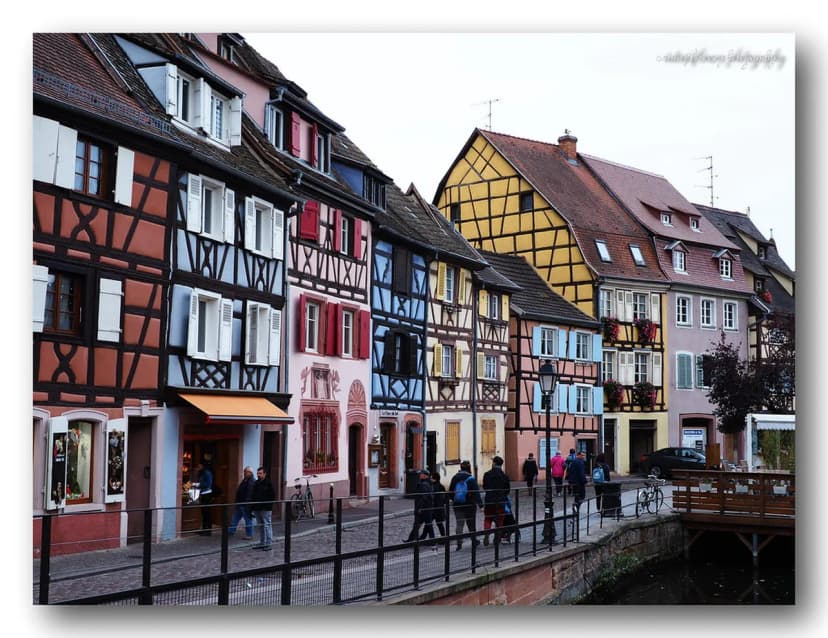
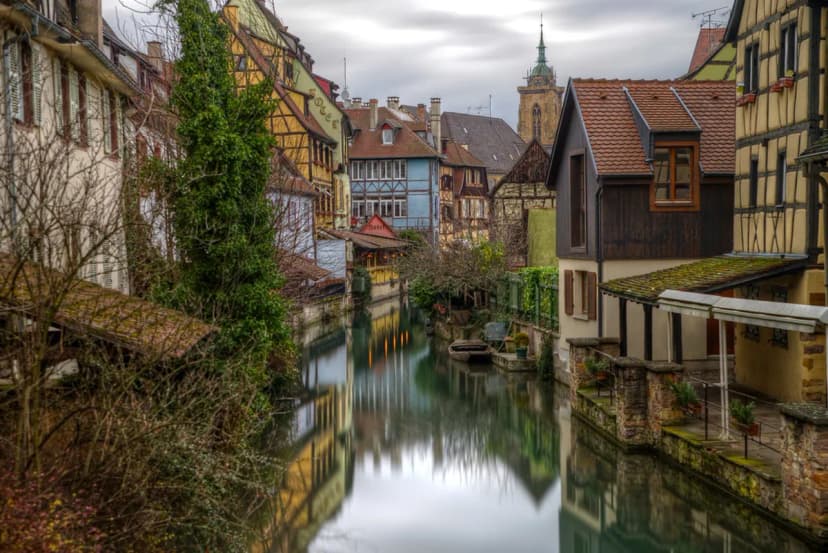
Colmar serves as the perfect hub for exploring the fairytale landscapes of the Alsace region. Its central location allows travelers to reach medieval castles and vibrant cities within an hour. Our Colmar old town guide covers the city's own highlights before you head out on excursions. Planning a few day trips helps you see the true diversity of this border territory where French elegance meets German precision.
The surrounding area blends French and German influences in food, architecture, and dialect. Most visitors find that three or four days in Colmar provide enough time for several outings. Reliable TER trains and seasonal shuttle buses make regional travel simple for international guests. This guide covers the most rewarding destinations within day-trip range, complete with 2026 transport costs and practical logistics.
Exploring the Alsace Wine Route Villages
The Alsace Wine Route features some of the most beautiful villages in all of Europe, and the stretch nearest Colmar is the most rewarding for a day trip. Riquewihr stands out with its 16th-century half-timbered houses, well-preserved defensive walls, and two medieval watchtowers that still dominate the skyline. Walking through its cobblestone main street, the Rue du Général de Gaulle, feels like stepping into an illuminated manuscript from the Middle Ages. The village produces some of the finest Riesling in France, and a tasting flight at one of the many négociant cellars costs between €8 and €15 per person in 2026.
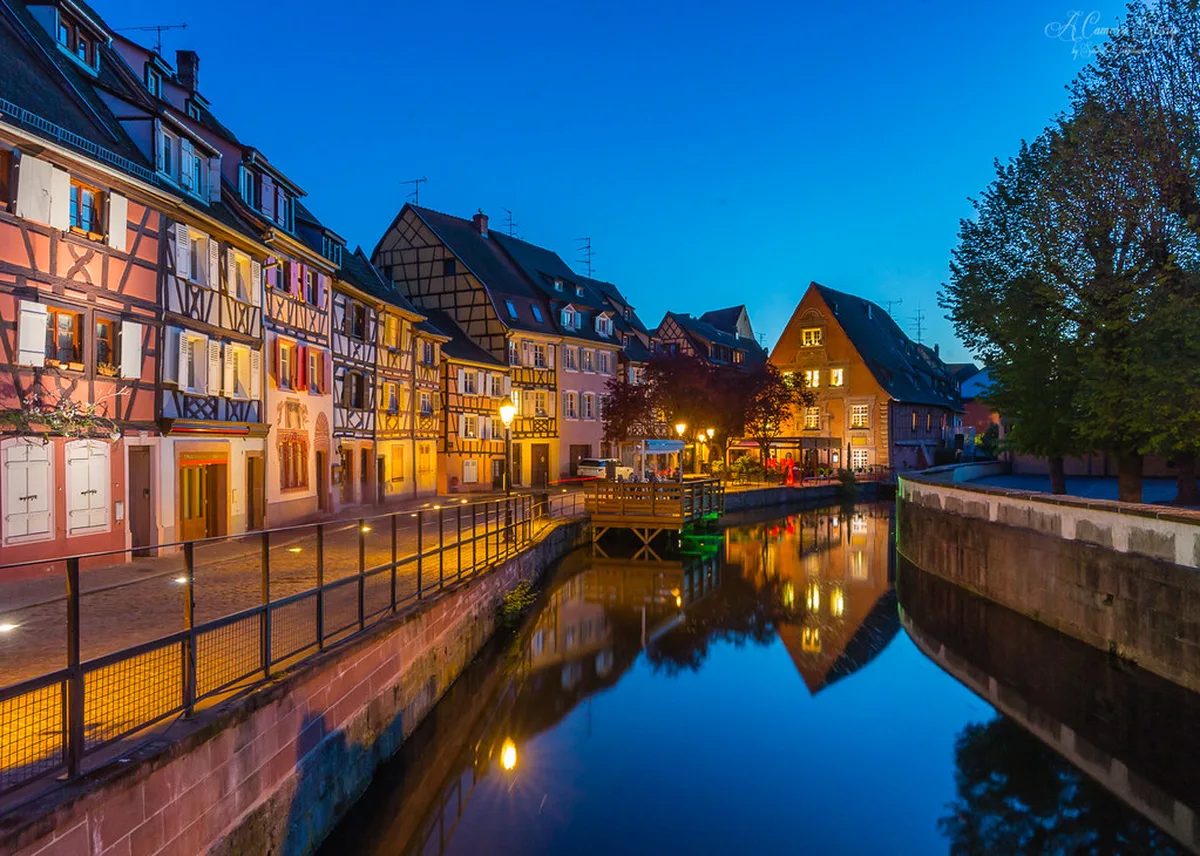
Eguisheim offers a uniquely satisfying experience thanks to its concentric circular street layout that makes it almost impossible to get lost. It sits just five kilometres south of Colmar, making it reachable by bike along the flat vineyard paths or by a short drive on the D14 road. The village is among the official Plus Beaux Villages de France and was awarded the title of France's favourite village by television audiences. Many family winemakers here offer free or low-cost tastings, with more formal guided cellar visits running €10–20 per person. Look for cascading geraniums on the windowsills from May through September — they are as much of a draw as the wine itself.
Kaysersberg provides a more rugged, less tourist-polished charm, with castle ruins perched on a rocky outcrop above the valley. The Weiss River flows through the centre of town under a fortified medieval bridge lined with flower boxes. Kaysersberg is the birthplace of Albert Schweitzer, and the small museum dedicated to the Nobel laureate is free to enter. Travelers can take the 68R013 bus from the Colmar bus station for roughly €4 each way. Plan to spend at least two to three hours here to enjoy the local chocolatiers, vinothèques, and riverside walking paths that extend up into the surrounding hills.
Ribeauvillé rounds out the classic Wine Route four-stop itinerary. It lies 16 kilometres north of Colmar and is served by the same 68R013 route. The town hosts one of the oldest folk festivals in France, the Pfifferdaj, every September, but the Grand'Rue pedestrian street and its trio of ruined castles are worth visiting year-round. A full day covering all four villages costs between €8 and €15 in public transport, or around €40–60 for a car hire shared among a group.
- Riquewihr Medieval Village
- Distance: 15 kilometres from Colmar
- Transport: Bus 68R013, €4 each way
- Wine tasting: €8–15 per person (2026)
- Highlight: Preserved medieval watchtowers and Riesling cellars
- Eguisheim Flower Village
- Distance: 5 kilometres from Colmar
- Transport: Bicycle or short drive on D14
- Entry: Free to explore; guided cellar tours €10–20
- Highlight: Circular streets, geranium-covered façades
- Kaysersberg
- Distance: 12 kilometres from Colmar
- Transport: Bus 68R013, €4 each way
- Entry: Schweitzer Museum free
- Highlight: Fortified bridge, castle ruins
- Ribeauvillé
- Distance: 16 kilometres from Colmar
- Transport: Bus 68R013, €4 each way
- Highlight: Grand'Rue pedestrian street, three ruined châteaux
History and Views at Haut-Koenigsbourg Castle
The Haut-Koenigsbourg castle stands on a rocky spur at 757 metres above the Upper Rhine Plain, visible from as far away as the Black Forest on a clear day. This enormous fortress was comprehensively restored between 1900 and 1908 under the personal direction of Kaiser Wilhelm II of Germany, giving it a theatrical completeness that purely ruined castles cannot match. The interior is one of the best-preserved reconstructions of a medieval residence in France, with a functioning drawbridge, a medieval well, armoury halls, and richly furnished royal chambers. In 2026, tickets cost €13 for adults and €9 for children aged 6–18; booking online in advance during July and August is strongly recommended to avoid two-hour queues at the gate.
Getting to the castle without a car is straightforward using the Navette du Haut-Koenigsbourg seasonal shuttle bus. This service runs from the Sélestat train station from April through October and costs €5 for a return trip. First, take a TER train from Colmar to Sélestat (€6, roughly 12 minutes), then board the shuttle for a scenic 25-minute ride through the dense pine and fir forests of the Vosges Mountains. The total journey door-to-door takes under an hour and costs around €11 return — genuinely good value for a half-day excursion. Shuttle timetables for the 2026 season are published on the Bas-Rhin tourist board website from March onwards, and departures typically run at 9:30, 11:00, 13:30, and 15:30.
The panoramic views from the castle balconies are among the finest in the entire Rhine Valley. On days with good visibility you can identify the Vosges ridgeline to the west, the flat Alsace plain below, the silvery thread of the Rhine itself, and the first blue ridges of the Black Forest in Germany to the east. The castle also holds Europe's largest collection of medieval crossbows and a complete set of period furniture sourced from the 15th and 16th centuries. Visitors typically spend two to three hours on site; wear comfortable, non-slip footwear as the stone stairs are steep and can be slippery in wet weather. Combine this excursion with a stop in Sélestat's excellent Humanist Library for a full cultural day out without adding significant cost to your transport. The Humanist Library itself is free to enter and holds one of France's most important Renaissance-era book collections, including annotated volumes by Erasmus.
A Quick Journey to Strasbourg
Strasbourg is the political and cultural capital of the Grand Est region and arguably the most rewarding city day trip reachable from Colmar. The TER Fluo regional trains run every 30 minutes from Colmar station throughout the day, with the journey taking between 28 and 35 minutes depending on whether the service is direct or stops at Sélestat. In 2026, standard tickets cost €8–12 each way depending on time of day and whether you book in advance via the SNCF Connect app; the weekly TER Alsace day pass (€18) is worth considering if you plan to make multiple stops. Our guide to day trips from Strasbourg complements this itinerary if you plan to base yourself in the regional capital for part of your trip.
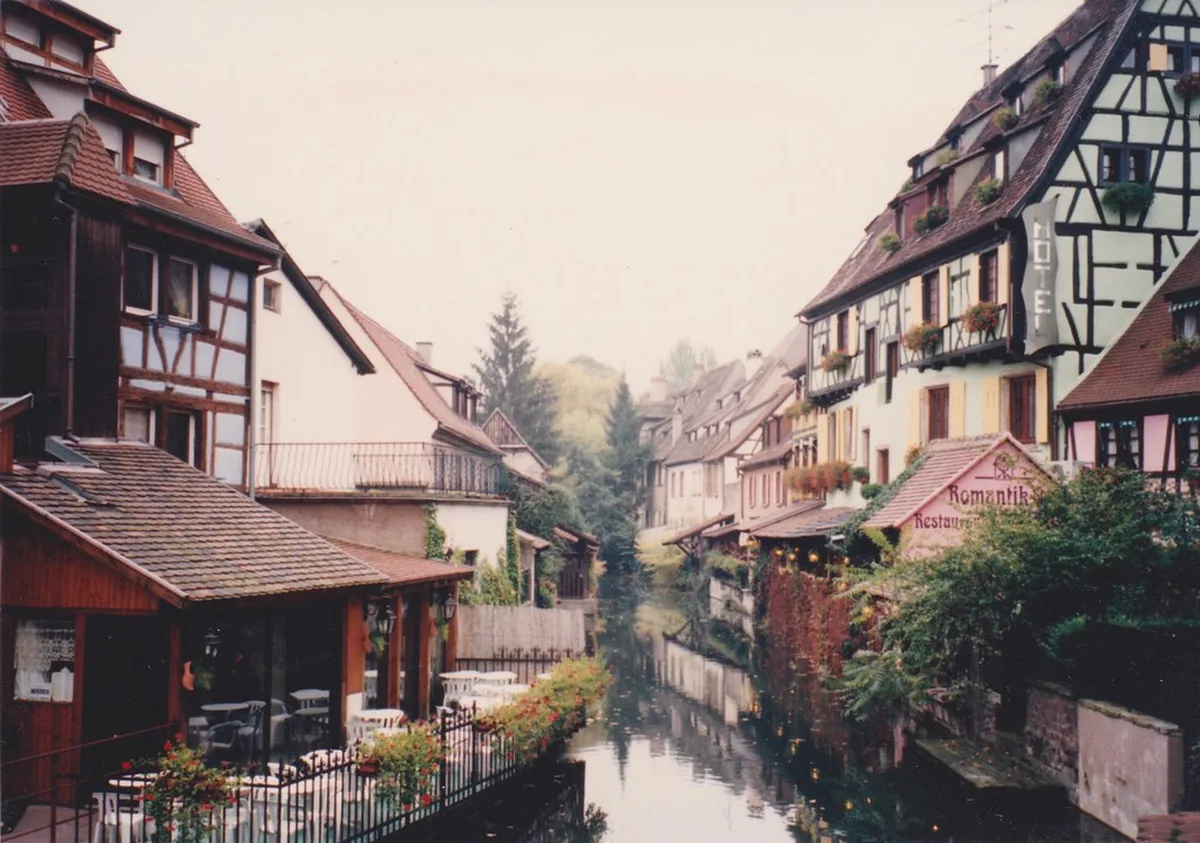
The Notre-Dame Cathedral dominates the old city skyline with its intricate Gothic façade and single 142-metre spire — it was the tallest building in the world from 1647 until 1874. Entry to the cathedral nave is free; climbing the platform above the nave costs €8 and rewards you with unobstructed views over the terracotta rooftops of the Grande Île. The famous astronomical clock stages a daily mechanical theatre performance at 12:30 PM, attracting large crowds — arrive by noon to secure a viewing spot. The surrounding Place de la Cathédrale is lined with gift shops, crêperies, and wine bars where a glass of Pinot Gris runs €4–7.
Petite France is the unmissable historic district of the city, a UNESCO-listed cluster of 16th and 17th-century tanners' and millers' houses with overhanging façades reflected in the Ill River canals. The pedestrianised streets are at their most photogenic in early morning before the tour groups arrive. A river cruise along the Ill costs €15 for adults and lasts 70 minutes, taking in the covered bridges, the Barrage Vauban, and the modern European Parliament quarter. Strasbourg's European Parliament building offers free public gallery visits when the Parliament is not in session; check the EP website for 2026 plenary dates. Budget a full day for Strasbourg — it rewards slower exploration more than almost any other city in northeast France. If you are planning an Alsace trip around the winter holiday season, the Strasbourg Christmas market is one of Europe's oldest and most celebrated, running from late November through 24 December.
Crossing the Border to Freiburg, Germany
Freiburg im Breisgau offers a vivid taste of southern German culture just 60 kilometres east of Colmar across the Rhine. The city is renowned for its exceptionally sunny microclimate — it receives more sunshine hours than almost any other German city — and for its pioneering commitment to sustainable transport, with an integrated tram network that dates to 1901 and an extensive cycling infrastructure. Small stone-lined water channels called Bächle meander along the gutters of the old-town streets; local legend says that anyone who accidentally steps into one is destined to marry a Freiburger. The channels are genuine medieval engineering, originally used to supply water to tanners and millers, and they give the pedestrian zone a lively, distinctive character.
The Freiburger Münster is a masterpiece of High Gothic architecture constructed almost entirely from warm red Vosges sandstone. Its openwork spire, completed in 1330, was described by the 19th-century art historian Jacob Burckhardt as "the most beautiful spire in Christendom." The cathedral stands above a bustling daily market where local farmers sell Schwarzwälder Schinken (Black Forest ham), fresh Flammkuchen bases, regional cheeses, and seasonal produce. A filling lunch at one of the market sausage stands — try a Lange Rote or a Brätel from the grill — costs €4–8 in 2026. The surrounding old town is compact enough to explore thoroughly on foot in two to three hours.
The most practical public transport link from Colmar is the Flixbus or regional coach services via Breisach, with total journey times of 80–100 minutes and fares of €15–18 return. Alternatively, driving takes 55 minutes via the A5 autobahn; note that German motorways have no speed limit on stretches near Freiburg, but city parking is clearly signposted and costs €2–3 per hour in central multi-storey car parks. For the most scenic approach on a clear day, cross the Rhine by the B31 highway via Breisach — the views of the river and the Vosges ridge behind you are spectacular. Review our parking in Colmar options before setting off so your car is safely left for the day.
Basel, Switzerland: A Cross-Border Cultural Escape
Basel is one of the most underrated day trips from Colmar and one that most visitors from outside Europe overlook entirely. Sitting at the precise point where France, Germany, and Switzerland converge — the so-called Dreiländereck, or Three Countries Corner — Basel is only 45 minutes from Colmar by direct TER train from Colmar-Ville station. In 2026, return tickets cost €12–16 depending on booking window; Swiss Federal Railways (SBB) accepts French SNCF tickets at the border, so you do not need to buy a separate ticket for the Basel SBB station segment.
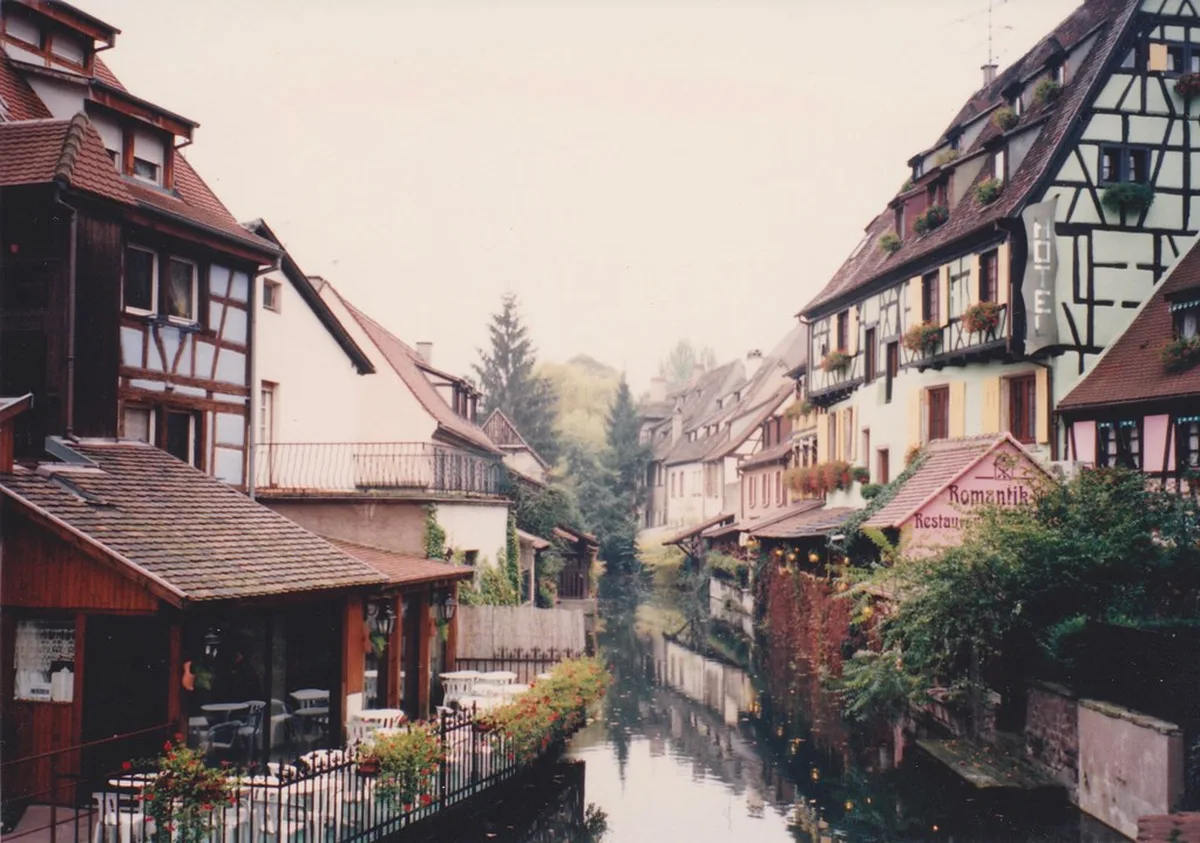
The city punches far above its size of 180,000 inhabitants in cultural terms. Basel hosts Art Basel, the world's most prestigious contemporary art fair, every June, but its permanent cultural infrastructure is extraordinary year-round. The Kunstmuseum Basel is the oldest public art museum in the world, opened in 1661, and houses works by Holbein the Younger, Cézanne, Picasso, and Paul Klee. Admission costs CHF 26 (approximately €27) for adults in 2026, with the Swiss franc trading at roughly 1.04 to the euro. The Tinguely Museum, dedicated to the kinetic sculptures of Jean Tinguely, is built over the Rhine itself and costs CHF 18 (approximately €19).
Basel's Altstadt (old town) straddles both banks of the Rhine and is best explored by walking the Mittlere Brücke, the oldest Rhine crossing in the upper river, which dates to 1225. The market square in front of the Rathaus (Town Hall) with its vivid red façade is a natural gathering point. Currency exchange is worth planning before you arrive — Swiss francs are the local currency and most shops and restaurants do not accept euros, though some tourist-facing businesses near the main station accept both. A sit-down lunch in the Altstadt runs CHF 20–35 (€21–36); street food and takeaway crêpes near the Markthalle indoor market cost CHF 8–14. Basel is particularly appealing as a day trip during the winter months, when its Christmas market (Weihnachtsmarkt) is consistently rated among the top five in Europe. Pair this trip with our Colmar Christmas market guide for a festive dual-destination itinerary.
Mulhouse: Art and Industry on the Rhine
Mulhouse is one of the most overlooked day trips from Colmar, yet it holds a genuinely remarkable cluster of world-class museums that draw enthusiasts from across Europe. Situated just 25 kilometres south of Colmar, it is reached by TER train in approximately 20 minutes from Colmar-Ville station, with tickets costing €5–7 each way in 2026. The Cité de l'Automobile — National Museum is the headline attraction, housing the largest collection of historic automobiles anywhere in the world: over 400 vehicles spanning the full arc of motoring history from the first steam-powered tricycles of the 1870s to Formula 1 racing cars and concept vehicles. Admission is €16 for adults and €9 for children aged 7–17 in 2026; allow a minimum of two hours to do the collection justice, and considerably longer if you are a true automotive enthusiast.
Complementing the automobile museum is the equally impressive Cité du Train — France's national railway museum — which occupies a vast former locomotive depot and holds more than 100 historic engines and carriages. Tickets cost €14 for adults and €8 for children. The two museums together represent extraordinary value for a combined transport-history day out. Budget €25–30 per adult all-in for entry to both, plus €10–14 for transport from Colmar. The museums are located about 1.5 kilometres apart, connected by a pleasant walk along the Canal du Rhône au Rhin or by city tram using the Mulhouse T1 line (€1.70 per journey).
Beyond its industrial heritage, Mulhouse has a well-preserved 16th-century town hall (Hôtel de Ville) whose Renaissance façade is one of the most distinctive in the region, painted with trompe-l'oeil columns and classical figures. The Place de la Réunion at the city centre is flanked by the Protestant Temple Saint-Étienne, home to the original medieval stained-glass windows removed during the Second World War for safekeeping — they are among the finest Gothic stained-glass survivals in France. Street food around the central market includes pretzels and Flammkuchen (Alsatian flatbread pizza) for €4–7, making Mulhouse an affordable and intellectually stimulating alternative to the wine-village circuit. If you are exploring the Alsace region extensively, the Alsace travel guide for Strasbourg and Colmar provides helpful context on regional transport and passes that can reduce per-journey costs.
Navigating the Sunday Transport Challenge
Many travelers make the costly mistake of planning wine-village day trips on a Sunday without checking the timetables first. Regional bus services in the Alsace département are drastically reduced on Sundays and French public holidays. The 68R013 line may operate only twice a day on Sundays during the off-season, and on some winter Sundays the service is suspended entirely. The TER train routes to Strasbourg and Sélestat continue to run seven days a week on a reduced schedule, making those destinations reliable regardless of the day. Always check the latest 2026 timetables on the Fluo Grand Est website or the SNCF Connect app before committing to a departure time.
The Kut'zig seasonal hop-on hop-off bus is the best solution for weekend wine-village travel during the tourist season, running from late April through mid-October in 2026. A full-day pass costs €19 per adult and €12 per child aged 4–12, with a family pass (2 adults, 2 children) available for €45. The Kut'zig departs from in front of the Colmar tourist office on the Place Rapp at 9:30 AM and makes scheduled stops in Riquewihr, Ribeauvillé, and Kaysersberg throughout the day, with the final return arriving back in Colmar by 7:00 PM. Seats can be reserved in advance via the Kut'zig website, which is advisable in July and August when the buses frequently sell out.
Renting a car provides maximum flexibility for Sunday excursions and for reaching smaller, unmarked vineyards and ruins that no bus serves. In 2026, compact car rentals from agencies near Colmar station (Europcar, Budget, Hertz) start at €35–50 for a full day including insurance when booked online. Driving also unlocks the higher Col de la Schlucht mountain pass road through the Vosges (closed November–April), which offers spectacular panoramic views. Be aware that most Alsace village restaurants observe a strict lunch service that ends at 2:00 PM and dinner service that begins at 7:00 PM; plan meals accordingly to avoid arriving at a locked door. Before you leave the city, the Colmar walking tour guide gives you a solid grounding in the city's own landmarks so you can compare them with what you encounter on your excursions.
Frequently Asked Questions
What is the best village to visit from Colmar?
Riquewihr is widely considered the best wine village to visit from Colmar. It offers perfectly preserved medieval architecture, including two intact watchtowers, and dozens of Riesling and Gewurztraminer tasting rooms. The 68R013 bus reaches it from Colmar bus station for €4 each way. Eguisheim is a close second for its unique concentric circular streets and proximity — just 5 kilometres from the city centre — making it easy to combine with a Colmar morning. Kaysersberg is ideal for visitors who prefer a less commercialised atmosphere and enjoy UNESCO heritage sites and scenic riverside walks.
Can I visit the Alsace wine villages without a car?
Yes, several reliable car-free options exist. The 68R013 regional bus connects Colmar to Riquewihr, Ribeauvillé, and Kaysersberg for €4 each way, running Tuesday through Saturday. On weekends from late April to mid-October, the Kut'zig hop-on hop-off bus offers a full-day pass for €19 adult, covering the same villages with more frequent stops. Cycling is also practical — the flat vineyard cycle paths between Colmar and Eguisheim take under 30 minutes and are well signposted. On Sundays outside tourist season, a car or taxi is the most dependable option as regular bus frequency drops significantly.
Is Strasbourg worth a day trip from Colmar?
Strasbourg is absolutely worth a full day trip from Colmar in 2026. The TER train runs every 30 minutes, the journey takes 28–35 minutes, and tickets cost €8–12 each way. The city offers a UNESCO-listed historic centre (La Grande Île), the Gothic Notre-Dame Cathedral with its working astronomical clock, the photogenic Petite France canal district, and the European Parliament. Most major sights are free or under €10 to enter. Budget a full day — Strasbourg rewards slow walking and spontaneous exploration far more than a rushed half-day visit.
How do I get to Haut-Koenigsbourg from Colmar?
Take a TER train from Colmar-Ville to Sélestat station, a journey of roughly 12 minutes costing €6. From Sélestat, board the Navette du Haut-Koenigsbourg shuttle bus, which runs April through October and costs €5 return. The shuttle takes about 25 minutes through the Vosges forest and drops you at the castle entrance. Total travel time from Colmar is under 45 minutes each way. In 2026, castle admission is €13 for adults and €9 for children aged 6–18; booking online avoids queues in summer. Outside the shuttle season, a taxi from Sélestat costs approximately €20–25 one-way.
Is Basel a good day trip from Colmar?
Basel is an excellent and underrated day trip from Colmar. The direct TER train from Colmar-Ville to Basel SBB takes 45 minutes and costs €12–16 return in 2026. Basel offers world-class museums including the Kunstmuseum (CHF 26 / ~€27) and the Tinguely Museum (CHF 18 / ~€19), a beautifully preserved medieval Altstadt, and the unique experience of standing at the junction of France, Germany, and Switzerland at the Dreiländereck. Note that most local shops require Swiss francs (CHF); the exchange rate in April 2026 is approximately €1 = CHF 0.96. Basel is particularly rewarding during the winter holiday period when its Christmas market is among Europe's finest.
How much does it cost to do day trips from Colmar in 2026?
Day trip costs from Colmar vary by destination. Wine villages via the 68R013 bus cost €4–8 in transport per person for a return trip. Strasbourg by TER train costs €8–12 each way, or €18 for a full-day regional pass. Haut-Koenigsbourg involves €12 round trip transport plus €13 entry, totalling approximately €25 per adult. Freiburg in Germany costs €15–18 by bus return. Basel in Switzerland costs €12–16 by train return, plus museum entry of CHF 18–26 (approximately €19–27). Mulhouse costs €10–14 by train return, plus €16 entry to the Cité de l'Automobile. A full day out with transport, entry fees, and a sit-down lunch typically costs €30–60 per person depending on your destination and spending habits.
What is the easiest day trip from Colmar for families with children?
Haut-Koenigsbourg Castle is the most family-friendly day trip from Colmar in 2026. The castle's drawbridge, armoury halls, and panoramic towers captivate children of all ages. Travel is straightforward: a 12-minute TER train from Colmar to Sélestat (€6 adult, children under 12 often free with a family card), then a 25-minute shuttle bus (€5 return) to the castle gate. Admission is €9 for children aged 6–18. The castle grounds have enough open space for children to run and explore without danger, and the café on site sells simple hot meals for €8–12. Alternatively, Eguisheim's circular streets and vineyard cycle path make it ideal for families with older children who enjoy gentle outdoor activity near the city.
Is Mulhouse worth visiting from Colmar?
Mulhouse is absolutely worth a day trip from Colmar, particularly for visitors interested in industrial heritage, design, or automotive history. The Cité de l'Automobile holds the world's largest collection of historic cars (€16 adult entry), and the adjacent Cité du Train is France's national railway museum (€14 adult entry). The TER train from Colmar-Ville to Mulhouse takes only 20 minutes and costs €5–7 each way in 2026. The historic town centre around the Place de la Réunion is compact, walkable, and entirely free to explore. Mulhouse makes an excellent alternative for visitors who have already done the wine-village circuit or who are travelling in inclement weather when outdoor excursions are less appealing.
Colmar is the ideal base for discovering the many treasures of the Alsace region and its cross-border neighbours. Whether you prefer medieval wine villages, Gothic cathedrals, Swiss museums, Black Forest hiking trails, or world-class automotive collections in Mulhouse, a rewarding day trip is always within reach. Planning your transport in advance — and checking the 2026 timetables before Sunday excursions — ensures a smooth and relaxed experience.
Take time to explore both the famous landmarks and the quieter back lanes that most tourists miss. Every village and city in this guide provides a different perspective on the remarkable cultural layering of the upper Rhine Valley. Pack your camera, bring a mix of euros and Swiss francs if Basel is on your agenda, and allow yourself to be surprised by the depth of history packed into this compact corner of Europe. Your 2026 adventure in Alsace will be among the most rewarding chapters of any European journey.