The Ultimate Colmar Walking Tour: Discover Alsace Charm in 2026
Colmar's self-guided walking tour covers roughly 3.5 km through the historic centre, linking Little Venice, the Old Custom House, Pfister House, and St. Martin's Church in about 3 hours with no entry fees for outdoor sights.
A 2-hour guided walking tour of Colmar costs €15–25 per person in 2026, departing daily from the Unterlinden Museum square; solo exploration is free and the canal boat ride in Little Venice adds €7 per adult for a 25-minute loop.
Colmar provides a magical atmosphere that feels like stepping directly into a classic European storybook. Walking through the streets allows you to appreciate the intricate architectural details at your own pace. Most travelers find that a self-guided route offers the best flexibility for exploring the hidden corners of this Alsatian gem.
This charming city in the Alsace region features colorful half-timbered houses and narrow cobblestone alleys. A well-planned Colmar walking tour ensures you see the most famous landmarks without feeling rushed. You can easily cover the main highlights within a single afternoon if you follow an efficient path.
Preparing for your 2026 visit requires understanding the best times to arrive and local logistics. This guide covers everything from the scenic canals of Little Venice to the historic merchant houses, the self-guided route with distances, and the remarkable Bartholdi Museum — birthplace of the Statue of Liberty. Get ready to discover why this destination remains a favorite for photographers and history enthusiasts alike.
Starting Your Colmar Walking Tour in Little Venice
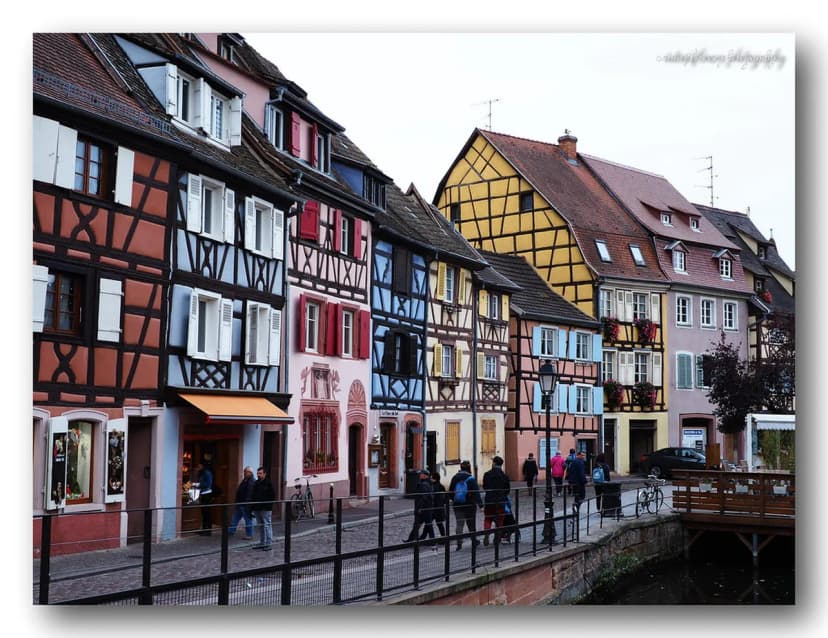
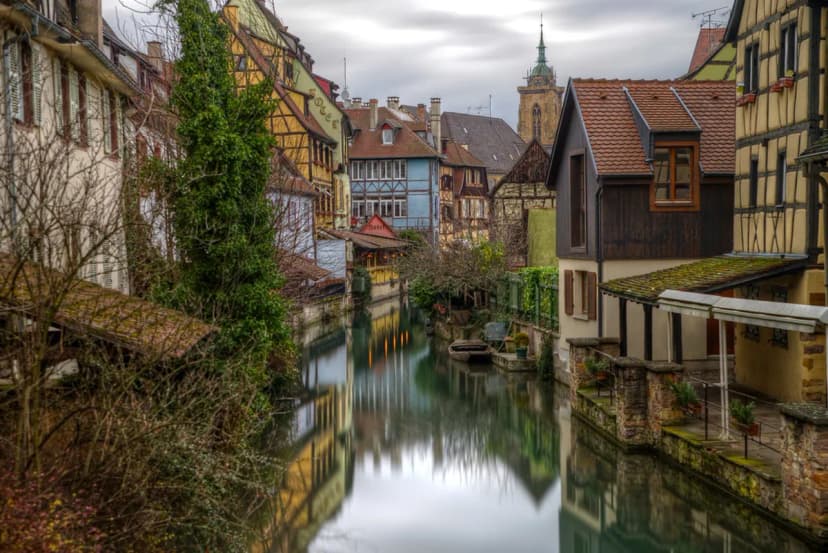
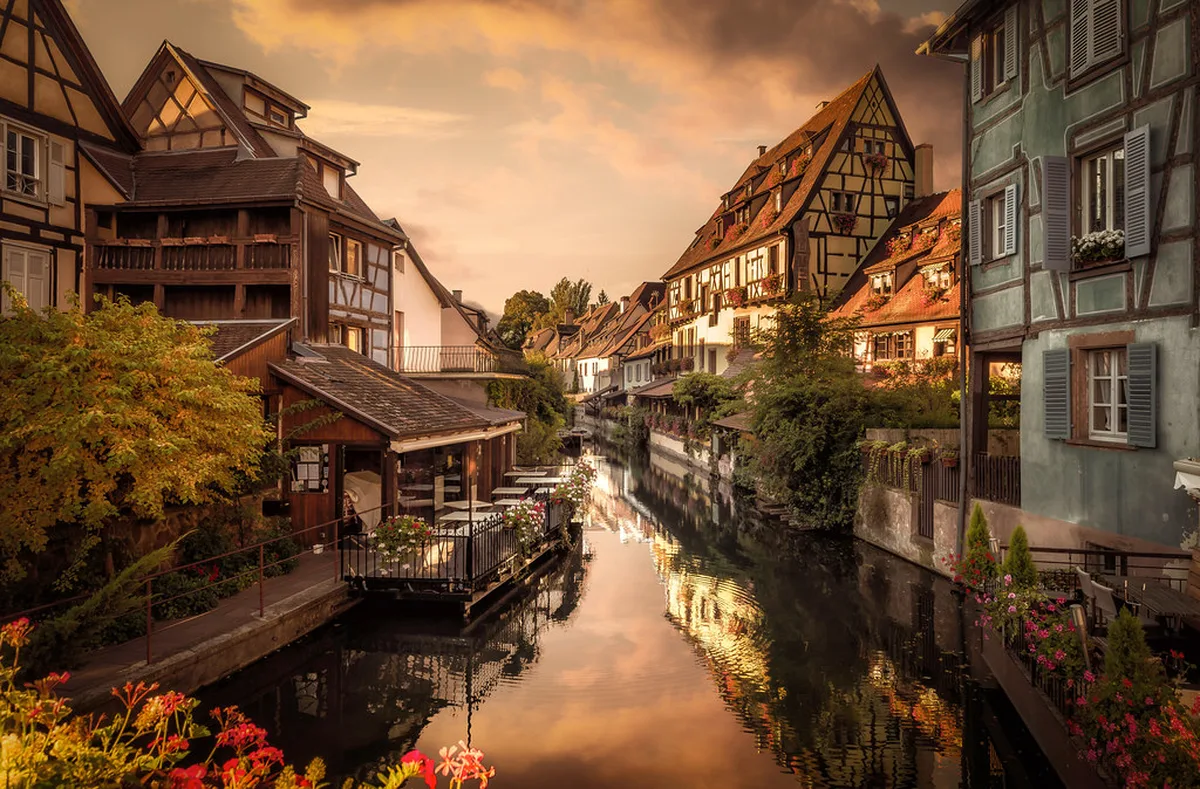
Begin your journey at the bridge on Rue des Écoles for the most iconic view in the city. This specific vantage point offers the best perspective of the colorful houses lining the quiet river. Photographers often gather here early in the morning to capture the reflections on the calm water surface. The walk from the central Place de la Cathédrale to this bridge is roughly 500 metres and takes about six minutes on foot.
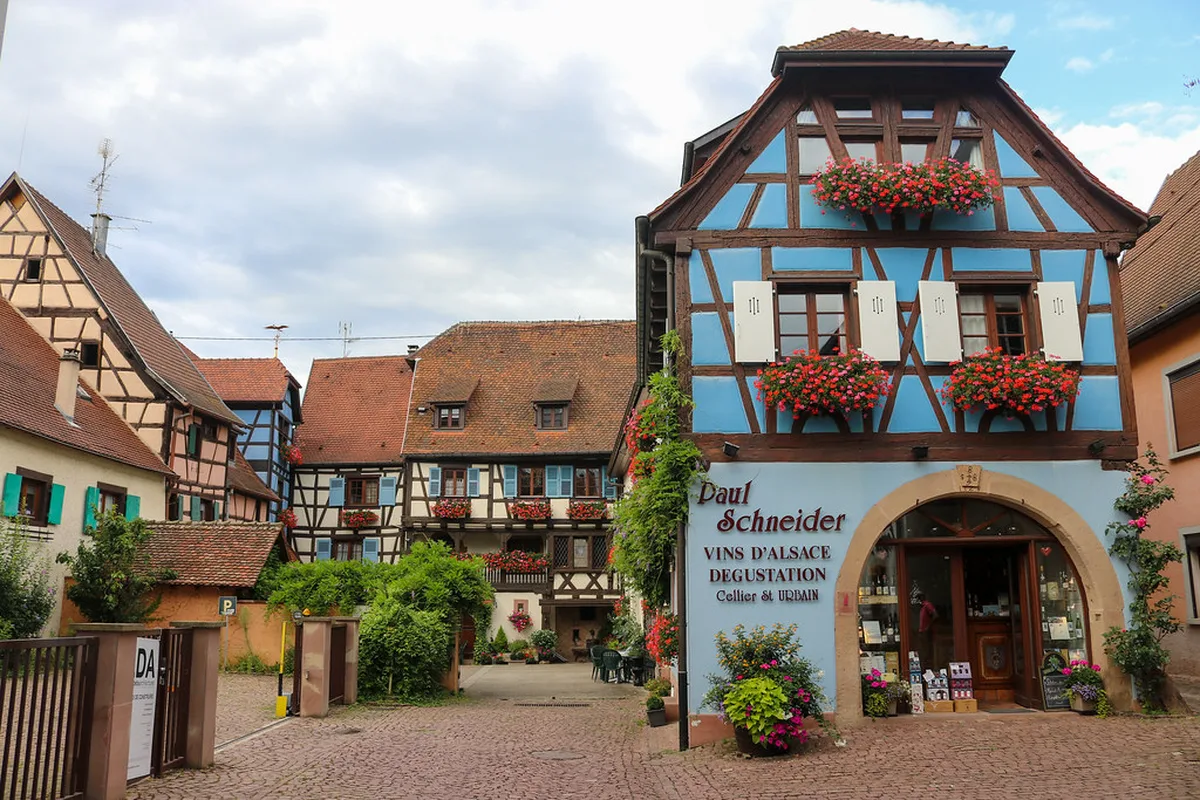
Continue your walk toward the Quai de la Poissonnerie to see the historic fisherman's district. This area served as the center of the local fishing trade for several hundred years in Colmar. The bright facades and flower-filled balconies create a vibrant backdrop for your first photos of the day. Take a moment to read the small plaques that explain the history of these ancient structures.
Consider booking a short canal boat trip to see the district from a different angle. These flat-bottomed boats glide under low bridges and offer a peaceful break from the busy walking streets. Boats depart from near the Saint-Pierre bridge and a 25-minute ride costs €7 per adult in 2026, with reduced tickets available for children. Small groups make the experience feel personal while the guide shares stories about the local canal system and the medieval tanneries that once lined these banks.
Morning visits help you avoid the largest tour groups that usually arrive by the middle of the day. The light is much softer for photography before ten in the morning during summer. Local bakeries near the water offer fresh Alsatian pretzels and tarte flambée — a crispy flatbread topped with crème fraîche and lardons that costs around €12–16 per serving at nearby brasseries. Walking through these quiet streets early allows you to hear the gentle sounds of the flowing Lauch river.
From Little Venice you can continue north along the towpath for approximately 300 metres to reach the Tanners' Quarter, or head east for 400 metres toward the Koïfhus. The entire Little Venice loop — from the Rue des Écoles bridge along the Quai de la Poissonnerie and back to Place de l'Ancienne-Douane — is just under one kilometre and takes about 20 minutes at a relaxed sightseeing pace. If you purchase a vin chaud (mulled wine) from one of the vendors near the canal, budget around €3–4 per cup, a small indulgence well worth the warmth on cooler mornings.
Rue de Turenne runs parallel to the canal and is often overlooked by first-time visitors. This narrow lane contains some of the best-preserved medieval facades in the entire district. The gentle arch of the street means that the half-timbered upper floors lean slightly toward each other overhead, creating a naturally framed perspective for photographs. Stop at the small wooden bridge midway along the lane to capture a view that rarely appears on social media feeds.
Essential Stops in the Historic Old Town
The heart of the city contains architectural wonders that represent the wealthy merchant history of the region. You should prioritize a visit to the Maison des Têtes to see its unique carved stone faces. This building features over one hundred small heads that decorate the facade in a very detailed style, each one representing a different medieval character or craftsman. Consult the Colmar Old Town guide to learn about the specific symbols hidden in the stone and which faces carry good-luck legends among local residents.
Just a few minutes away stands the Pfister House which dates back to the middle of the sixteenth century. This structure is famous for its wooden gallery and the painted murals that wrap around the exterior. It represents the transition from medieval architecture to the more decorative styles of the Renaissance period. Visitors often spend several minutes admiring the biblical scenes depicted on the walls of this landmark. The house stands at the intersection of Rue des Marchands and is free to admire from the outside at any hour.
The Koïfhus or Old Custom House serves as another vital stop on your historic walking route. This grand building once managed the taxes and trade goods that entered the city during the medieval era. You can walk through the large arched gateway to see the impressive courtyard and tiled roof designs. The surrounding square often hosts seasonal markets that sell local crafts, Alsatian wines, and traditional food products including vin chaud at €3 per cup during cooler months.
St. Martin's Church stands as the dominant religious structure in the center of the historic district. Its Gothic architecture and colorful Alsatian roof tiles make it a prominent landmark for navigating the city streets. Enter the building to see the impressive stained glass windows that date back several centuries — admission is free, though a small donation box sits near the entrance. The square outside the church provides plenty of benches for travelers who need a short resting spot before continuing toward the Rue des Têtes.
Walk the full length of Rue des Marchands, a 350-metre street that links St. Martin's Church with the Pfister House and the Maison des Têtes. Nearly every building along this lane dates from the 15th or 16th century, making it one of the highest concentrations of medieval merchant architecture in France. Budget at least 25 minutes here to look up at the overhanging storeys, the carved wooden corbels, and the hand-painted shop signs that deliberately echo the medieval aesthetic. Several artisan shops sell hand-blown Alsatian glassware and regional wines; prices for a bottle of Riesling start at around €8–12, making this a practical souvenir stop.
The Covered Market (Marché Couvert) sits just east of the Old Town along Rue des Ecoles and is worth a 20-minute detour. Vendors sell fresh Munster cheese, choucroute garnie ingredients, and locally pressed apple juice. It is also a reliable spot for a sit-down coffee before tackling the Unterlinden Museum. The ironwork structure and large riverside windows make the interior feel airy even when the market is busy with local shoppers.
The Tanners' Quarter: Rue des Tanneurs and the Lauch Riverbank
The Tanners' Quarter is one of the most architecturally distinctive and least-crowded neighborhoods on any Colmar walking tour, yet many visitors pass through it without stopping to look up. Rue des Tanneurs runs parallel to the Lauch for roughly 200 metres north of Little Venice, and the buildings here tell a story quite different from the picturesque merchant houses on Rue des Marchands. These were working structures, built tall and narrow so that animal hides could be hung in the open upper-storey attics — called séchoirs — where the breeze from the river would dry them after tanning. Walking this street from south to north, you pass eight to ten of these distinctive attic-level openings, each framed by weathered timber beams, that once served as industrial drying racks in the 17th and 18th centuries.
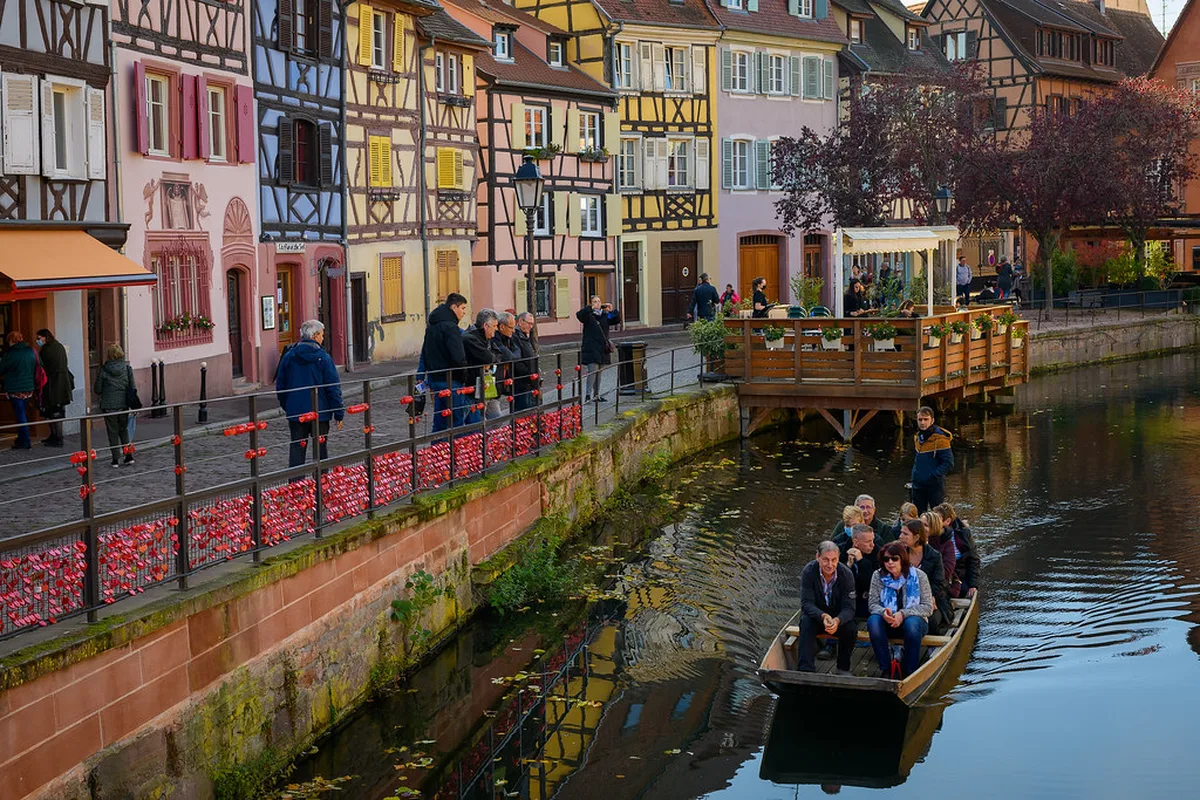
The walk from Little Venice to the start of Rue des Tanneurs is approximately 300 metres along the towpath and takes around five minutes at a gentle sightseeing pace. Once on the street itself, plan for 15–20 minutes to explore on foot and another 10 minutes if you pause at the small bridge at the northern end, which frames a less-photographed but equally beautiful canal view. The facades here are generally darker in tone than the pastel yellows and greens of Little Venice — timber and local sandstone dominate — giving the quarter a more austere medieval character that photographers find compelling in afternoon shadow light.
Several small independent boutiques and a fromagerie occupy the ground floors of the tannery buildings today. A 100-gram portion of aged Munster cheese from the fromagerie at the southern end of the street costs around €4–6, and the owner typically offers a tasting slice to interested visitors. A small artisan soap workshop near the midpoint of the lane sells locally made savon d'Alsace bars scented with lavender and pine, priced at €6–9 each — a lightweight and aromatic souvenir worth picking up before continuing toward the Old Town.
The riverbank behind Rue des Tanneurs is accessible through a narrow passage between two of the historic buildings. From the bank you get an unobstructed view south toward the Little Venice bridges and north toward the Passage de la Cathédrale. This riverside path connects back to Place de l'Ancienne-Douane in approximately 250 metres, making it a logical connector between the Tanners' Quarter and the Koïfhus courtyard on the main Old Town loop. Early morning light from the east reflects off the Lauch water and illuminates the timber facades in a warm amber tone that makes this 10-minute detour one of the best unpublicized photo opportunities in the entire city.
Combining the Tanners' Quarter with the main 3.5 km loop adds roughly 600 metres and 25–30 additional minutes to your route. Start the detour after completing the Little Venice canal loop and before turning east toward the Koïfhus. This sequencing keeps the walk linear and avoids any doubling back. If you are visiting during the Colmar Christmas market period, note that the Tanners' Quarter hosts a smaller satellite market with locally made wooden toys and ceramic ornaments; stall prices start at around €8–10 for hand-painted items and the atmosphere is considerably quieter than the main market squares. For more detail on what the broader Old Town district offers, including opening hours for the main museums and the best cafés near the pedestrian zone, see the Colmar Old Town guide.
Self-Guided Walking Route: Distances, Photo Stops, and the Bartholdi Connection
A logical self-guided loop starting from the Unterlinden Museum covers approximately 3.5 km in total and takes 2.5–3 hours including short pauses for photos and snacks. Following this sequence keeps backtracking to a minimum and places you near cafés at the natural rest points.
Leg 1 — Unterlinden Museum to Little Venice (700 m, ~12 minutes). Walk south from the museum square along Rue des Clefs, then turn right onto Rue des Boulangers to reach the Rue des Écoles bridge. This is your first major photo stop: the view of the pastel houses reflected in the Lauch river is the image most associated with Colmar worldwide. Arrive before 9:00 AM for the calmest water surface and softest light.
Leg 2 — Little Venice canal loop (900 m, ~20 minutes including boat option). Walk the Quai de la Poissonnerie eastward, cross the small footbridge near the old tannery, and return along the opposite bank. If taking a boat, board at the Saint-Pierre bridge landing; the 25-minute ride costs €7 and rejoins the walking route at the same point.
Leg 3 — Old Town merchants' circuit (1.0 km, ~30 minutes). From Place de l'Ancienne-Douane walk north along Rue des Marchands to Pfister House, then continue to Maison des Têtes. Loop back via Rue des Têtes to St. Martin's Church square. Total distance is one kilometre but dense sightseeing makes this the slowest section of the tour.
Leg 4 — Bartholdi Museum side trip (400 m from St. Martin's, ~1 hour including visit). Head west along Grande Rue to Rue des Marchands 30 — the birthplace of Frédéric Auguste Bartholdi, sculptor of the Statue of Liberty. The Bartholdi Museum occupies his family home and contains plaster models of Lady Liberty at various scales, original drawings, and personal effects. Entry costs €8 per adult in 2026 (€6 reduced). The garden courtyard displays a 1:16 scale replica that visitors can photograph freely. This stop is a genuine competitor gap: most walking tour guides mention the museum but do not explain the Alsatian roots of America's most recognizable monument. Bartholdi was born in Colmar in 1834, and the museum traces how his Alsatian landscape directly influenced the monumental scale of his later work.
Leg 5 — Return to Unterlinden (500 m, ~8 minutes). Walk north along Rue des Clefs back to the museum square. If budget permits, end the day at the Unterlinden Museum to see the Isenheim Altarpiece — one of the most important works of Northern Renaissance art. Entry costs €15 per adult in 2026 (€10 reduced, free under 13).
Key photo stops on this route: (1) Rue des Écoles bridge at dawn, (2) Quai de la Poissonnerie fishermen's houses from the footbridge, (3) Pfister House corner, (4) Koïfhus courtyard, (5) Bartholdi Museum garden with the miniature Liberty replica, (6) Unterlinden Museum's Gothic cloister visible through the entrance gate. All six are within the 3.5 km loop and accessible without paid admission (except Unterlinden interior and Bartholdi Museum).
Practical Tips for a Smooth Walking Experience
Wearing comfortable shoes is the most important preparation you can make for your day in the city. The historic streets consist almost entirely of uneven cobblestones that can be difficult for thin-soled footwear. Choose sneakers or sturdy walking sandals to ensure your feet remain comfortable throughout the entire afternoon. Avoid wearing high heels as they can easily get caught in the gaps between the old stones.
Navigating the winding alleys can sometimes feel confusing for first-time visitors exploring the center. Downloading an offline map on your smartphone helps you stay on track without needing a constant mobile signal. Many of the smaller streets do not have clear external signs so digital navigation is particularly helpful. Look for the bronze plaques set into the pavement that mark the main tourist route through the town — they appear every 100 metres or so on the primary circuit.
Finding a place to leave your vehicle is the first challenge if you are arriving by car. Check the parking in Colmar guide for the most convenient lots near the center. Underground garages like the one at Place de la Mairie offer easy access to the pedestrian zones and typically charge around €2–3 per hour or €12–15 for a full day in 2026. Arriving before 9:00 AM is recommended on weekends when surface spaces fill quickly near the Christmas market area.
Public restrooms are available at several key locations including the Covered Market and the Town Hall square. Keep a few small coins ready as some facilities require a small fee. The Covered Market is a particularly good stop because it combines facilities with excellent local food options including fresh Alsatian cheese and charcuterie. Planning your breaks around these locations makes the walking tour much more enjoyable for families traveling with young children.
Budget roughly €30–40 per person for a full day that includes a canal boat ride (€7), one museum entry — either Bartholdi (€8) or Unterlinden (€15) — a tarte flambée lunch (€12–16), and a vin chaud at the market (€3). Guided walking tours, if preferred, run €15–25 per person for a two-hour group session and depart from the Unterlinden square most mornings at 10:00 AM. Private tours cost more — typically €80–120 for a group of four — but offer bespoke routing and pace.
Accessibility note: the main pedestrian routes are flat but cobblestoned. The stretch from Place de l'Ancienne-Douane to St. Martin's Church is the most wheelchair-friendly segment as it uses smoother flagstones. Canal boats are not wheelchair accessible. The Unterlinden Museum has a fully accessible ground floor with lift access to upper galleries.
Best Times and Hidden Gems for Your Route
Spring and autumn offer the most pleasant weather for exploring the city without the intense summer heat. Flowers bloom across the bridges in May creating a colorful atmosphere that is perfect for sightseeing. September brings the harvest season which means local shops offer fresh Alsatian grape juice, Riesling, and seasonal Munster cheese. During milder months the city fills with visitors from across France and Germany, so arriving early in the day gives you the best experience without the crowds.
The Rue des Tanneurs is a slightly quieter street that many visitors accidentally skip during their tour. This area features high timber-framed houses where workers once dried animal skins in the open upper-storey attics. The architecture here is taller and more narrow than in other parts of the historic old town. Walking through this section provides a deeper understanding of the industrial past of this beautiful French city and offers some of the least-photographed facades in the entire centre.
Visit the Covered Market during the late morning to experience the local culinary culture in person. Vendors sell everything from regional cheeses and wines to fresh produce grown in the nearby Alsatian countryside. This is an excellent spot to purchase edible souvenirs such as a small wheel of Munster (around €5–8) or a bottle of Gewurztraminer (from €10). The building itself features impressive 19th-century ironwork and large windows that overlook the Lauch river on one side.
Evening walks offer a completely different perspective as the city lights illuminate the historic facades. The lighting design highlights the textures of the stone and wood in a way that midday sun cannot. Crowds thin out noticeably after the day-trip buses depart around five or six in the evening. Enjoying a quiet stroll after dinner — perhaps finishing with a glass of Crémant d'Alsace at a canal-side bar for around €6–8 — is one of the most memorable ways to experience the city.
For visitors combining Colmar with Strasbourg, the Alsace travel guide covering Strasbourg and Colmar outlines a practical two-day itinerary that uses the regional TER train (30 minutes, approximately €8–12 one-way). Arriving in Colmar by rail drops you five minutes on foot from the Unterlinden Museum, making it the natural starting point for the walking loop described in this guide.
The Christmas market, held each year from late November through late December, transforms the Old Town into one of the most atmospheric seasonal events in France. Stalls sell hand-carved ornaments, Bredele biscuits, and — naturally — vin chaud. Prices during the market period tend to run slightly higher, with a cup of mulled wine typically costing €3–4. Accommodation books out months in advance for the peak December weekends. For a deeper dive into what the winter market experience entails, including the best stall locations and evening illumination schedules, see the dedicated Colmar Christmas market guide.
Planning Your Visit: Costs and Logistics in 2026
A self-guided walking tour is essentially free unless you choose to enter the local museums or churches. Budgeting realistically for a half-day visit — snacks, one paid attraction, and a boat ride — will cost around €25–30 per person. Most travelers find this excellent value given the density of free outdoor sights. Keep in mind that some smaller artisan shops accept cash only for purchases under ten euros.
The total duration of your walk depends on how many stops you make for photos and meals. Most visitors find that three hours is sufficient to cover the main loop through the historic centre. If you plan to visit the Unterlinden Museum — home to the Isenheim Altarpiece — add at least two more hours to your schedule. The museum entry fee is €15 per adult in 2026, with a reduced rate of €10 for students and seniors. For day-excursion ideas beyond the city boundary, the day trips from Colmar guide covers the Route des Vins, Riquewihr, and the Château du Haut-Koenigsbourg.
- Guided Tour Options
- Type: Group guided walk (2 hours)
- Cost: €15–25 per person
- Departure: Unterlinden Museum square, daily 10:00 AM
- Language: English / French
- Canal Boat Rides
- Location: Little Venice, Saint-Pierre bridge
- Cost: €7 adult / €4 child
- Duration: 25 minutes
- Best for: Families and photographers
- Museum Entry Fees (2026)
- Unterlinden Museum: €15 adult / €10 reduced / free under 13
- Bartholdi Museum: €8 adult / €6 reduced
- Toy Museum: €6 adult
- Discount: Pass Alsace covers both main museums
- Food and Drink Benchmarks (2026)
- Vin chaud (mulled wine): €3–4
- Tarte flambée: €12–16
- Canal-side coffee: €2.50–3.50
- Alsatian pretzel from bakery: €1.50–2
Frequently Asked Questions
How long does a Colmar walking tour take?
A self-guided route covering Little Venice, the Old Custom House, Pfister House, and St. Martin's Church takes 2.5–3 hours at a relaxed pace over roughly 3.5 km. Adding the Bartholdi Museum (€8) extends the visit by about one hour, and the Unterlinden Museum (€15) adds another two hours. A full day including both museums, a canal boat ride (€7), and a tarte flambée lunch (€12–16) comfortably fills six hours.
How much does a guided Colmar walking tour cost in 2026?
Group guided walking tours of Colmar cost €15–25 per person in 2026 for a two-hour session departing from the Unterlinden Museum square. Private tours for groups of up to four people typically run €80–120 and allow custom pacing and route adjustments. A self-guided tour is free — the main paid additions are the canal boat ride (€7), Bartholdi Museum (€8), and Unterlinden Museum (€15).
Is Colmar walkable for people with limited mobility?
Colmar's city centre is mostly flat, which helps, but extensive cobblestoning presents real challenges for wheelchairs and strollers. The most accessible segment runs from Place de l'Ancienne-Douane to St. Martin's Church, where the pavement uses smoother flagstones. The Unterlinden Museum has a lift and accessible ground floor; canal boats are not wheelchair accessible. Visitors using mobility aids should also note that some footbridges in Little Venice have a small step at each end.
What is the best starting point for a Colmar walking tour?
Starting at the Unterlinden Museum square works best for most visitors: there is ample parking nearby, the tram stop is directly outside, and the square is easy to find. From there, walk south 700 metres to Little Venice, complete the canal loop, then head into the Old Town merchants' district. Alternatively, starting at the Rue des Écoles bridge in Little Venice captures the most photogenic view first — ideal if you want the best morning light before 9:00 AM.
What is the Bartholdi Museum and why is it worth visiting?
The Bartholdi Museum in Colmar occupies the birthplace of Frédéric Auguste Bartholdi (1834–1904), the sculptor who designed the Statue of Liberty. The collection includes plaster scale models of Liberty at various stages of development, original architectural drawings, personal correspondence, and a garden courtyard with a 1:16 replica visitors can photograph. Entry costs €8 per adult (€6 reduced) in 2026. It is one of the most underrated stops on any Colmar walking tour and takes about 45–60 minutes to explore properly.
When is the best time of year to do a Colmar walking tour?
May and September are the ideal months for a Colmar walking tour: temperatures stay between 15–22°C, flower displays are at their peak in spring, and the grape harvest fills the markets in autumn. Summer (July–August) brings the largest crowds and warmest temperatures, making early-morning starts before 9:00 AM essential. The Christmas market (late November to late December) is spectacular but the most crowded period of the year — book accommodation at least three months in advance for December weekends. Winter weekdays in January–February offer genuine solitude and the lowest accommodation prices.
Is the Tanners' Quarter worth visiting on a Colmar walking tour?
Yes — Rue des Tanneurs is one of the most distinctive and least-crowded streets in Colmar. The tall, narrow buildings with open upper-storey séchoir attics (historic hide-drying racks) look completely different from the pastel merchant houses of Little Venice. The detour from Little Venice to the northern end of Rue des Tanneurs is only 300 metres and adds roughly 25–30 minutes to the main loop. Several artisan shops and a fromagerie occupy the ground floors; expect to pay €4–6 for a tasting portion of aged Munster cheese.
Exploring Colmar on foot is the most rewarding way to experience the unique charm of the Alsace region. From the quiet canals of Little Venice to the bustling medieval merchant streets, every turning offers something new to discover. Following the 3.5 km self-guided loop described in this guide ensures you see the historic details — the carved faces on the Maison des Têtes, the Renaissance murals on the Pfister House, and the miniature Statue of Liberty in the Bartholdi Museum garden — that make this city truly special. Adding the Tanners' Quarter detour rewards visitors who want to go beyond the postcard itinerary and experience the city's industrial heritage up close.
In 2026, expect to spend €25–40 per person for a half-day that includes a canal boat ride (€7), one museum entry (€8–15), a tarte flambée (€12–16), and a vin chaud at the market (€3). Guided tours are available from €15 per person for those who prefer an expert narrative alongside the route. If you are planning nearby excursions, the day trips from Colmar guide and the Alsace travel guide are useful companions for building a longer regional itinerary. Whichever approach you choose, the colorful facades and floral displays of this Alsatian gem will stay with you long after you leave.