Greece Travel Guide 2026: Cities, Tips & Top Things to Do
Greece uses the Euro (EUR). Budget €70–120/day for mid-range island travel — covering accommodation, meals at local tavernas (avg €15–25), and ferry hops between Corfu, Crete, Rhodes, and Zakynthos.
The best time to visit the Greek islands is May–June and September–October: warm sea, fewer crowds, lower prices. The inter-island ferry network connects all major destinations from Athens' Piraeus port.
Greece's combination of ancient ruins, island-hopping adventure, and shimmering Mediterranean light has been drawing travellers for millennia. Our Greece guides focus on the country's most beautiful island destinations: Corfu's Venetian-influenced old town and lush green interior; Rhodes' astonishing medieval walled city; Crete's wild gorges, Minoan palaces, and long sandy beaches; and Zakynthos, home to the iconic Navagio shipwreck cove. Whether you're seeking archaeological depth, beach perfection, or authentic village life, the Greek islands deliver.
This guide covers the best of Greece — including Corfu, Rhodes, Crete (Chania, Heraklion), Zakynthos — with expert tips on old towns, beaches, day trips, safety, and travel planning for 2026.
Corfu: Venetian Elegance and Island Life
Corfu's UNESCO-listed old town combines Venetian architecture with Greek island life in a way that is entirely unique among the Greek islands. The Liston arcade, Spianada square, and old Byzantine fortress create a backdrop unlike any other in the Aegean. Strolling the narrow alleyways of the Campiello district — draped with washing and alive with scent of jasmine — feels like being transported to another era.
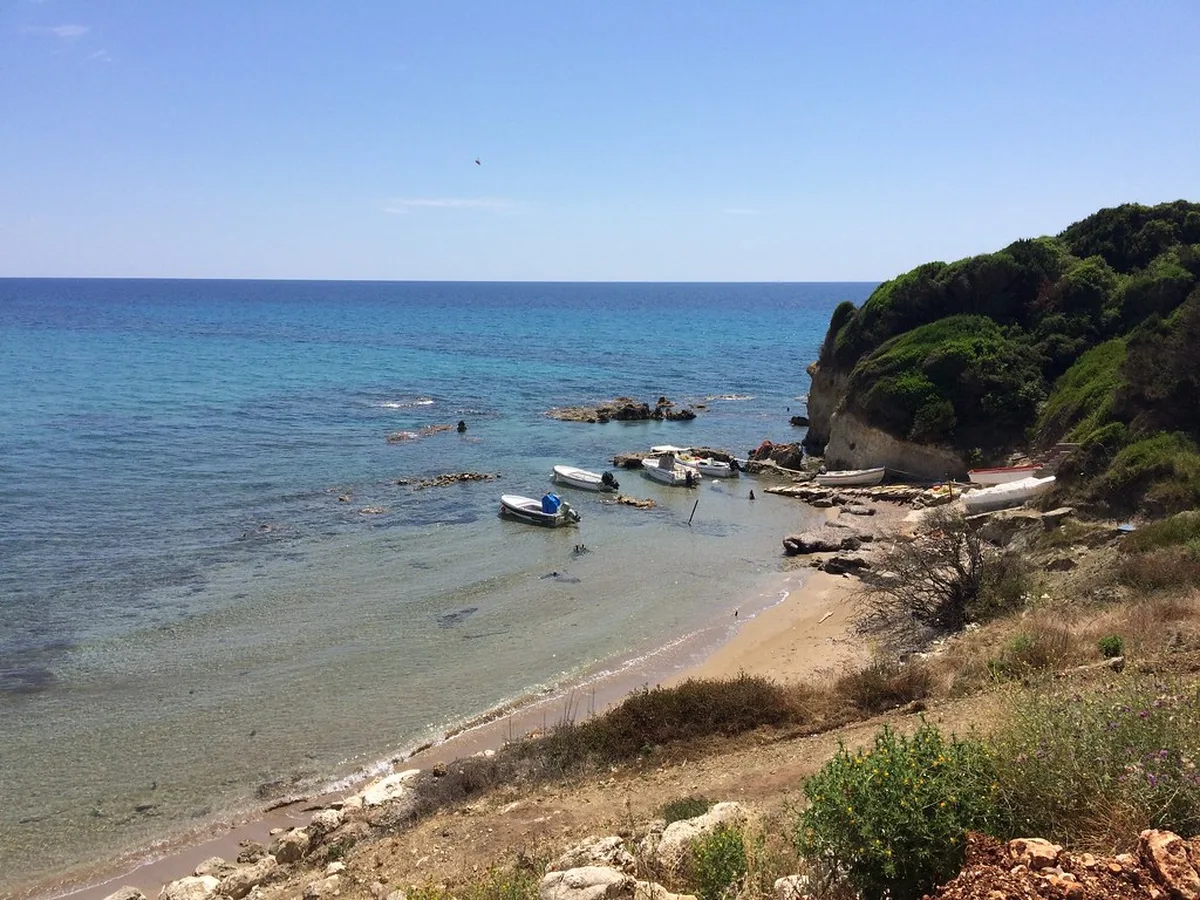
Beyond the old town, Corfu rewards those who venture into its lush green interior. Olive groves, cypress-dotted hills, and sleepy villages like Lakones and Pelekas offer a refreshing contrast to the beaches. The northern coast around Kassiopi has crystal-clear coves popular with snorkellers, while the southwest at Agios Gordios has long sandy stretches backed by dramatic cliffs.
Getting around Corfu is straightforward with local buses connecting the main resort areas, though hiring a car or scooter gives you the freedom to explore remote coves and mountain villages at your own pace. Day trips from the island include boat excursions to Albania's Butrint ruins and the nearby Diapontia islands.
Accommodation in Corfu ranges from budget studios at €45–70/night to boutique hotels in Corfu Town at €120–200/night. Eating out is excellent — fresh seafood, souvlaki, and the local sofrito (beef in white wine sauce) are staples. Expect to pay €15–25 per person at a mid-range taverna. Corfu's airport receives direct flights from most major European cities, making it an easy first port of call for a Greek island itinerary.
Our dedicated guides cover Corfu's Old Town, the island's best beaches, a self-guided walking tour, and the top day trips from Corfu.
Rhodes: The Medieval Walled City and Sun-Drenched Beaches
Rhodes Old Town is one of the best-preserved medieval cities in Europe, and the entire settlement sits inside walls built by the Knights of St John in the 14th century. The Street of the Knights, the Palace of the Grand Master, and the atmospheric Turkish Quarter make for hours of exploration. At night the old town transforms — restaurants spill onto cobblestoned squares, lanterns glow against honey-coloured stone, and the sense of living history is palpable.
Outside the walls, Rhodes is a thoroughly modern resort destination with some of the best beaches in Greece. Faliraki is the party hub, Lindos Bay has impossibly blue water below a spectacular acropolis, and Anthony Quinn Bay near Faliraki is a secluded cove favoured by divers. The interior of the island is mostly overlooked by tourists, but driving through pine-forested hills to the village of Embonas — famous for its local wine — is well worth the detour.
Rhodes has excellent transport links: the airport sits just south of Rhodes Town and handles high volumes of direct charter flights from across Europe throughout the summer season. Local buses connect most resort areas, and taxis are metered and reasonably priced. For exploring the interior and southern villages, car hire is advisable.
Budget-wise, Rhodes offers good value by Greek island standards. Taverna meals average €15–22 per person for a full meal with local wine. Mid-range hotels in the new town or resort areas cost €80–150/night in peak season. The old town has boutique guesthouses from €100–180/night. Our guides cover the Rhodes Old Town, top beaches, and a detailed walking tour.
Crete: Greece's Largest Island with Two Great Cities
Crete has everything — the Minoan palace of Knossos near Heraklion, the dramatic Samaria Gorge hike in the White Mountains, pink-sand beaches at Elafonisi, the photogenic Venetian harbour of Chania, and a serious food and wine scene centred on local olive oil, cheeses, and the bold wines of the Peza region. As Greece's largest island by far, Crete rewards travellers who stay longer and dig deeper.
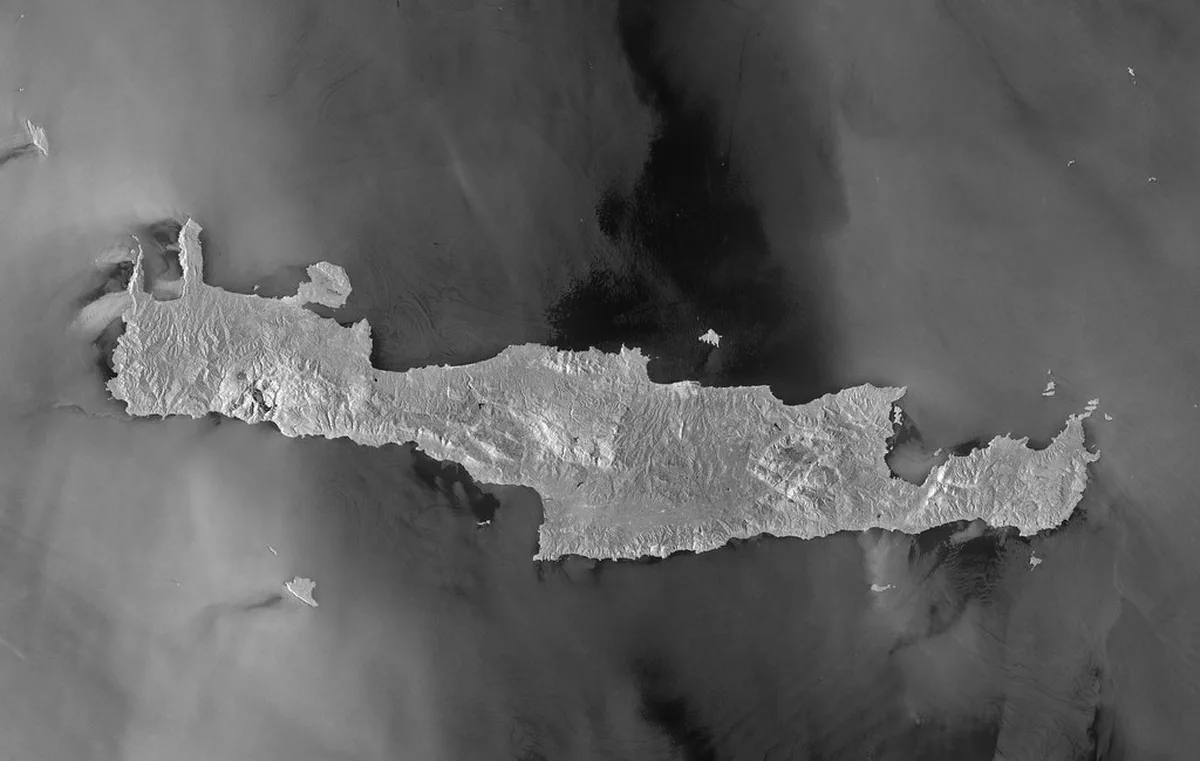
Heraklion is the island's capital and main gateway — home to the superb Archaeological Museum (one of Greece's best) and a short drive from Knossos. The city itself has a working-port character distinct from the polished resort towns: the Morosini Fountain, the old Venetian fortress, and the lively market street of 1866 are highlights. Day trips from Heraklion reach the Lasithi Plateau, the Dikteon Cave (birthplace of Zeus in myth), and the eastern palace site of Malia.
Chania, at the western end of the island, is considered by many to be Crete's most beautiful city. The Venetian harbour lined with pastel-painted mansions, the historic lighthouse, and the covered market are all exceptional. The surrounding region has some of Crete's finest beaches — Elafonisi with its pink-tinged sands, the lagoon at Balos (boat access only), and the quieter coves along the Akrotiri peninsula.
Getting between Crete's two main cities is easy via the north-coast highway (1.5 hours by car, 3 hours by regional bus). Both cities have airports. Taverna meals average €15–25 per person. Mid-range accommodation runs €70–130/night depending on location and season. Our guides cover Chania Old Town, Chania beaches, Heraklion Old Town, Heraklion beaches, and day trips from both Chania and Heraklion.
Zakynthos: Navagio, Turtles and Hidden Coves
Zakynthos is famous worldwide for two things: the Navagio shipwreck beach — accessible only by boat and framed by soaring white cliffs — and the loggerhead sea turtles (Caretta caretta) that nest on Laganas Beach each summer. Both experiences are genuinely extraordinary and justify the trip alone. Boat tours to Navagio depart from Porto Vromi and the main port, and the dramatic views from the clifftop lookout are equally rewarding.
Beyond these icons, Zakynthos has much more to offer. The Blue Caves on the north coast glow an ethereal turquoise as sunlight refracts through the water — best visited by small boat in the morning. The island's interior is surprisingly rural and undiscovered, with olive groves, vineyards, and traditional villages like Macherado and Agios Nikolaos rarely visited by tourists. The island also produces excellent local wine, particularly the white Verdea variety.
Zakynthos Town (also called Zante Town) is the island's main settlement — rebuilt in Neoclassical style after the 1953 earthquake that destroyed most of the island's historic buildings. The seafront is pleasant for an evening stroll, and the local Dionysios Museum has fascinating religious art. The main resort area of Laganas, to the south, is lively in summer but visitors are urged to respect turtle nesting restrictions on the beach.
Zakynthos is compact and easy to explore by hired car or scooter. Accommodation ranges from €50–90/night for apartments in quieter areas to €120–200 for beach resorts. Meals at local tavernas average €15–22 per person with wine. Our guides cover the best beaches on Zakynthos, the Zakynthos Old Town, and the top day trips from the island.
Getting Around Greece: Ferries, Flights and Local Transport
Greece's inter-island ferry system is the backbone of any Greek island itinerary, and using it is a fundamental part of the travel experience. Athens' Piraeus port is the main hub, with high-speed and conventional ferries connecting to Corfu (8–9 hours, conventional; 6.5 hours high-speed), Crete (7–9 hours overnight to Heraklion), Rhodes (12–18 hours conventional, 5.5 hours high-speed), and Zakynthos via Patras. Book in advance during July and August — car ferries sell out weeks ahead.

Domestic flights are an excellent alternative for covering long distances quickly. Aegean Airlines and Sky Express connect Athens to all major island airports. Fares can be as low as €35–60 one-way booked in advance. Note that some inter-island flights (e.g. Corfu to Crete) require a connection in Athens.
On each island, local buses (KTEL) connect main towns and resort areas at low cost (€2–6 per journey). However, the frequency drops significantly outside peak season. Car hire is strongly recommended for exploring Crete (the island is large), useful on Rhodes (for the interior and south), and convenient on Corfu and Zakynthos if you want to reach remote beaches. Expect to pay €35–55/day for a small car including basic insurance in peak season. Scooters from €18–28/day are popular for shorter distances.
Athens itself is well worth 2–3 days and is served by its modern metro system linking the airport to the city centre. The Acropolis, National Archaeological Museum, and Plaka neighbourhood are unmissable before or after island-hopping. Athens accommodation mid-range runs €80–140/night in central neighbourhoods.
Greek Food, Taverna Culture and What to Eat in 2026
Greek cuisine is one of the great pleasures of travel in the country, and eating at a traditional taverna remains one of the best-value experiences in the Mediterranean. Expect to pay €15–25 per person at a mid-range taverna for a full meal with a carafe of house wine or a cold Mythos beer. Tourist-facing restaurants in old towns and resort areas charge more — up to €35–45 per person — but quality doesn't always follow price.
The staples are universally excellent: grilled octopus charred over charcoal, fresh-caught fish sold by the kilo, moussaka (aubergine and minced meat topped with béchamel), stifado (slow-braised beef or rabbit with pearl onions), and spanakopita (spinach and feta filo pastry). Each island has its own specialities — Corfu's pastitsada (spiced pasta with rooster), Crete's dakos (barley rusk topped with tomato and mizithra cheese), and Rhodes' pitaroudia (chickpea fritters).
Breakfast at a café typically costs €4–8 for coffee, juice, and a tiropita (cheese pastry). Street food — gyros, souvlaki wraps — runs €3–5 and provides excellent quick lunches. Supermarket self-catering is cheap and effective: local cheeses, olives, tomatoes, and bread from local bakeries. Tap water is drinkable in most parts of Greece including all major island towns.
Greek coffee culture deserves mention: the frappe (iced instant coffee) is a national institution and costs €2–3. The newer freddo espresso and freddo cappuccino have largely taken over among younger Greeks, particularly in cities. Always allow time to sit with a coffee — the Greek approach to café culture is leisurely and social, not rushed.
Greece Travel Budget 2026: Costs for Islands vs Mainland
Greece in 2026 offers significantly better value than most Western European destinations, though costs have risen across the board since 2022. Here is a realistic breakdown to help you plan your spending.
Budget traveller (€50–70/day): Staying in hostels or basic rooms (€25–40/night), eating at bakeries and street food stalls, self-catering for some meals, using local buses. This is achievable on the mainland and on Crete, but harder on smaller islands with limited budget options in peak season.
Mid-range traveller (€70–120/day): Studio apartments or 3-star hotels (€60–100/night), one or two taverna meals per day (€15–25 per person), occasional boat trips or excursions. This is the sweet spot for most independent travellers visiting the Greek islands. Corfu, Zakynthos, and Crete offer good mid-range value. Rhodes and Santorini sit toward the top of this range.
Comfort traveller (€150–250+/day): Boutique hotels or caldera-view suites (€150–400/night), fine dining, private boat charters, and direct taxi transfers. Santorini and Mykonos frequently push into this bracket even for visitors who consider themselves mid-range.
Island vs mainland cost comparison: The Greek mainland — Athens, Delphi, Thessaloniki, Meteora — runs 20–35% cheaper than the islands for accommodation and eating out. Island prices are highest on Mykonos and Santorini (iconic but expensive), moderate on Corfu, Rhodes, Crete, and Zakynthos, and lowest on lesser-visited islands like Samos, Naxos, and Ikaria.
Key 2026 costs at a glance: Ferry tickets €15–45 (island hopping, economy class); museum entry €10–20 (Acropolis €20, Knossos €15, Palace of the Grand Master €10); beach sunbeds €10–16/pair at organised beaches (free beaches always available); domestic flight Athens to Corfu/Rhodes from €35 booked ahead; car hire from €35/day in low season, €50–60/day in July–August.
Tipping is expected but not obligatory: rounding up to the nearest €5 at a taverna, or leaving €1–2 per taxi ride, is standard practice. Hotel porters and tour guides typically receive €2–5.
Frequently Asked Questions about Travelling to Greece
What is the best Greek island to visit?
It depends on your priorities. Corfu and Rhodes have the best old towns and history. Crete has the most to see and do, with two major cities, Minoan ruins, and excellent beaches. Zakynthos has the iconic Navagio beach and sea turtle nesting. Santorini and Mykonos are iconic but significantly more expensive and crowded than the islands covered in this guide.
When is the best time to visit the Greek islands?
May–June and September–October are ideal for visiting the Greek islands in 2026: the sea is warm, crowds are manageable, and prices are 20–40% lower than peak season. July–August is the hottest and most crowded period. October sees some facilities begin to close but weather remains warm and pleasant, particularly in Crete and Rhodes.
How do I get between Greek islands by ferry?
Ferries connect the Greek islands through the Piraeus port in Athens. You can book tickets via Greek Ferries (gtp.gr) or directly with operators like Minoan Lines, ANEK, or Blue Star Ferries. Book well in advance for July and August, especially if travelling with a car. High-speed ferries cut journey times significantly but cost more — Piraeus to Heraklion takes 7 hours overnight by conventional ferry.
Is Greece safe for tourists in 2026?
Greece is one of Europe's safest countries for tourists. The islands are particularly trouble-free with very low crime rates. Standard city precautions apply in Athens — watch for pickpockets in crowded areas like Monastiraki flea market and on the metro. The main practical risks for island visitors are motorbike accidents (always wear a helmet) and sunburn in the intense July–August heat.
What currency is used in Greece and how much cash do I need?
Greece uses the Euro (EUR). Card payments are widely accepted in hotels, restaurants, and larger shops across the islands. However, smaller tavernas, beach kiosks, and local markets often prefer cash. ATMs are available in all major towns and resort areas. Bring some cash for day trips to remote villages and small-boat excursions. Budget €70–120/day for mid-range island travel covering accommodation, meals, and local transport.
How many days do I need to explore the Greek islands?
Allow at least 4–5 days per island to go beyond the main sights. A typical two-week itinerary covers two or three islands comfortably: for example, Corfu (4 nights) + Crete's Chania region (5 nights) + Rhodes (4 nights) + Athens (2 nights). Rushing between too many islands — a common mistake — means spending significant time on ferries rather than exploring. Crete alone merits 7–10 days to do justice to both Chania and Heraklion and the surrounding region.
Greece offers an extraordinary breadth of experiences — from medieval old towns and ancient ruins to dramatic coastlines and vibrant food scenes. The euro-denominated economy, well-developed ferry network, and welcoming local culture make it one of Europe's most rewarding destinations for independent travellers. Whether you're planning your first visit or returning to explore deeper, our island-by-island guides below give you everything you need to plan a confident, rewarding trip in 2026.