Chania Old Town Guide: Explore the Venetian Harbor and Alleys
The Venetian Harbor in Chania Old Town is free to explore and open 24 hours. Walk the 1.5 km breakwater to the Egyptian Lighthouse at no cost — Crete's most iconic free attraction in 2026.
Dinner at a local taverna in Chania Old Town averages €18–30 in 2026. The Chania Archaeological Museum costs €4 (Tue–Sun, 8AM–8PM); Maritime Museum €3; Firka Fortress €3; Byzantine Museum €2.
Chania Old Town stands as a living museum where centuries of history blend into a vibrant coastal atmosphere. This Chania Old Town guide will help you navigate the narrow alleys and ancient structures of Crete's second-largest city. You will find a unique mix of Venetian, Ottoman, and Greek influences around every corner of the pedestrian-friendly center.
Planning a visit in 2026 offers a chance to see beautifully restored landmarks and a thriving local food scene. Walking through these streets feels like stepping back in time while enjoying modern Mediterranean hospitality. The area is mostly car-free, making it an ideal place for slow exploration and spontaneous discoveries. Ancient stone walls protect the harbor from the sea, creating a picturesque backdrop for your Greek vacation. Expect to spend at least two full days soaking in the sights and flavors of this enchanting destination.
The Venetian Harbor and Lighthouse: Chania's Most Photographed Spot
The Venetian Harbor is entirely free to walk and open at all hours, making it the most accessible highlight in Chania Old Town. Entering through the old city walls, you immediately feel the scale of the crescent-shaped quay first constructed by Venetian rulers in the 14th century. The harbor front stretches roughly 800 meters of restaurants, converted warehouses, and historic stone buildings fronting the turquoise water of the Cretan Sea.
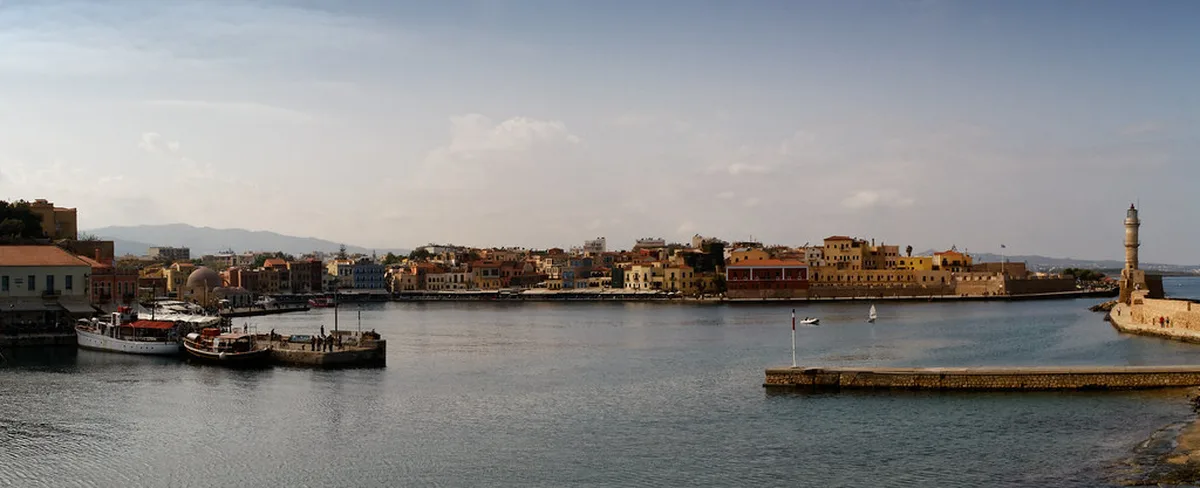
Walking the 1.5-kilometer breakwater to the Egyptian Lighthouse provides the best panoramic views of the entire waterfront. This landmark, built in the early 19th century by Egyptian engineers and restored in 2006, remains one of the most photographed sites in all of Crete. The lighthouse itself cannot be entered, but the walk to its base is the reason most visitors come to Chania. The breakwater path can be slippery when the sea is rough, so wear shoes with good grip. Most travelers complete the round-trip walk in 30 to 40 minutes at a leisurely pace — at any hour, at zero cost.
Nearby, the Mosque of the Janissaries — also known as Giali Tzamisi — stands as the oldest Ottoman building in Crete, identifiable by its distinctive pink domes and arched portico facing the water. Built in 1645 immediately after the Ottoman conquest, it no longer functions as a mosque and today often hosts local art exhibitions and cultural events. Entry during exhibitions is typically free or a nominal €1–2 donation. Photographers congregate here during the golden hour to capture the sun setting behind the harbor walls and reflecting in the shallow port.
Venetian shipyards, known locally as the Arsenali, line the eastern side of the harbor and once housed massive war galleys that patrolled the eastern Mediterranean. These enormous stone arches — some measuring 50 meters deep — were built between the 14th and 16th centuries and are among the best-preserved examples of military maritime architecture in the Mediterranean. The Grand Arsenal now operates as the Mediterranean Architecture Center and frequently hosts public lectures, exhibitions, and design events open to visitors at no charge. Walking past these arches in the late afternoon, when the light turns amber, helps you appreciate the engineering scale of the Venetian empire. The area stays noticeably cooler than the inland streets thanks to the thick stone walls and constant sea breezes. After exploring the harbor, it is easy to transition to nearby Chania beaches for an afternoon swim.
The best time to photograph the Venetian Harbor is at dawn, when the surface of the water is glassy and the streets behind you are empty. By 10:00 AM, cruise ship passengers fill the main quay and the atmosphere shifts from serene to busy. Returning after 20:00 gives you the illuminated lighthouse reflected in the water — an entirely different composition that rivals the golden hour. No entrance fee, no booking, no crowds if you choose your timing wisely. The harbor remains Chania's defining image in 2026 for good reason: it is simply one of the most beautiful free sights in the whole of Greece.
Wandering Through the Historic Quarters
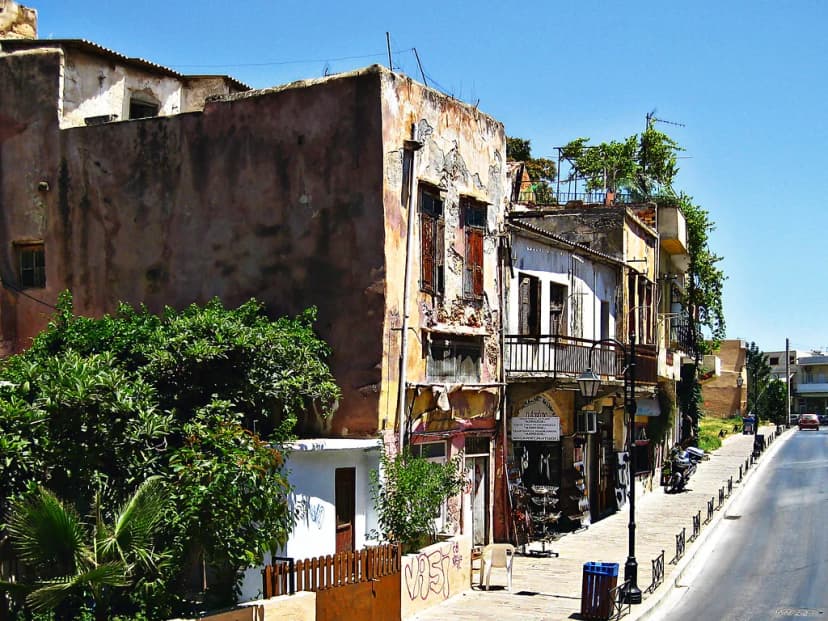
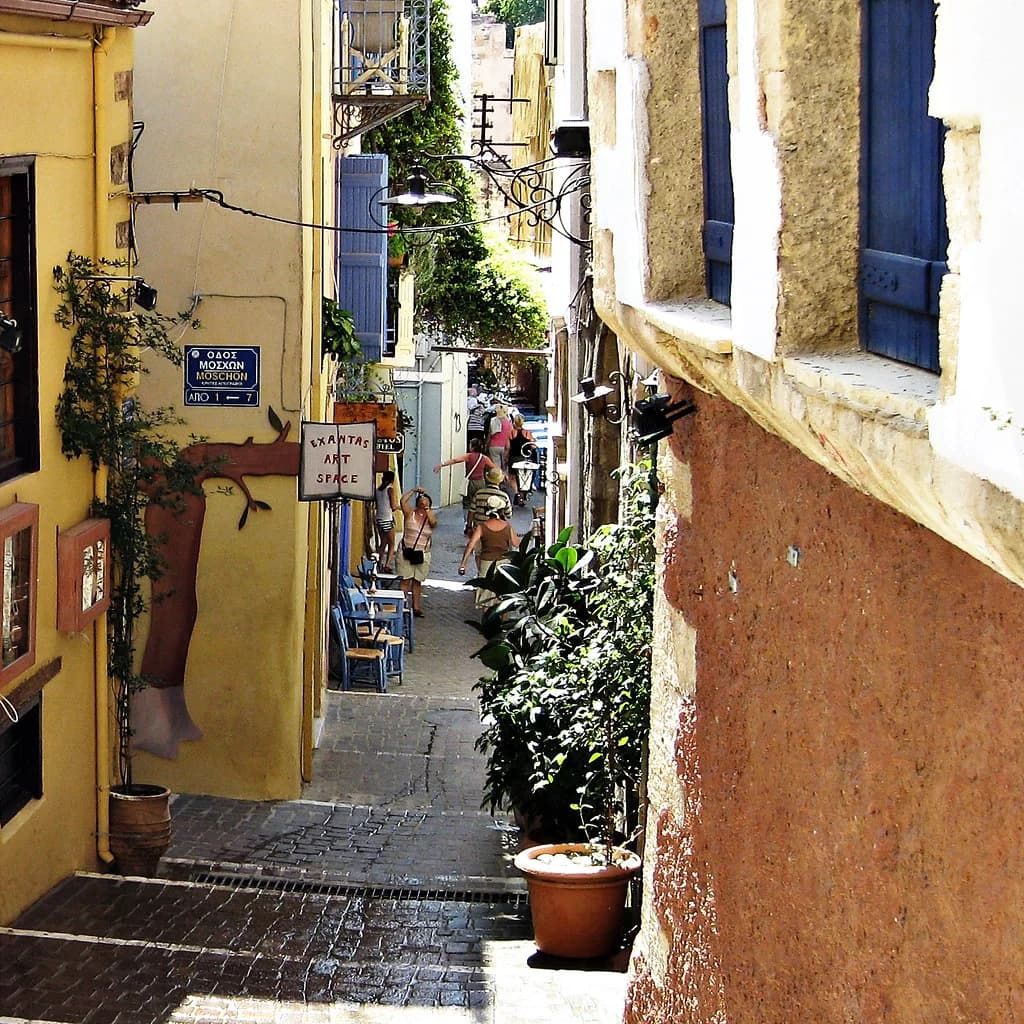
Chania Old Town is divided into several distinct historic neighborhoods, each with its own character, architecture, and atmosphere. Moving away from the harbor front reveals a labyrinth of covered lanes, unexpected courtyards, and restored facades that reward slow exploration. Budget half a day simply to wander without a fixed itinerary, because the real discoveries here happen by accident.
The Jewish Quarter, known as Evraiki, sits just behind the harbor and features some of the narrowest streets in the entire city. Etz Hayyim Synagogue is a vital historical site and the only surviving Jewish monument on Crete. The congregation dates to before the Spanish Inquisition in 1492, when Sephardic Jews arrived on the island. Visitors are welcome during morning hours (Monday to Thursday, 10:00–18:00, Friday 10:00–15:00), and a small donation of €2–3 is appreciated. The courtyard contains a mikveh bath and tombstones of community members, offering a profound and peaceful contrast to the busy harbor streets. The neighborhood is perfect for finding boutique hotels tucked into restored stone townhouses, many at competitive rates of €80–140 per night in 2026.
Splantzia Square serves as the heart of the old Turkish Quarter and offers a noticeably more local, unhurried atmosphere than the waterfront. The square is anchored by the Church of Agios Nikolaos, a uniquely hybrid structure that bears both a bell tower and a minaret — reflecting its use as both a mosque and a church at different points in history. Locals gather under the enormous plane tree at the square's center to drink coffee and play backgammon, especially in the early evenings. Prices for food and drinks in Splantzia are reliably €2–4 lower per item than those found directly on the waterfront tavernas, making it the smarter choice for longer meals.
Topanas is the aristocratic Venetian district on the western edge of the old town, running toward the Schiavo Bastion. Intricate stone carvings and colorful painted facades make this the most photographed residential neighborhood in Chania. Theotokopoulou Street is the main artery of Topanas, lined with high-end lace shops, traditional Cretan embroidery outlets, and galleries selling local ceramics. Walking here in the early morning — before 9:00 AM — allows you to see the town waking up without the midday crowds that arrive with cruise ship passengers. The Byzantine walls still stand in several sections around Topanas, and climbing the stairs near the Schiavo Bastion provides an elevated view of the terracotta rooftops and the sea that no postcard fully captures.
Top Cultural Landmarks and Museums
Chania Old Town contains a remarkable concentration of museums and monuments for a city of its size. Most can be visited on foot within the compact historic zone, and several can be combined into a single half-day walk. The combination of Firka Fortress, the Maritime Museum, and the Mosque of the Janissaries forms a natural circuit along the western harbor front that takes two to three hours at a comfortable pace.
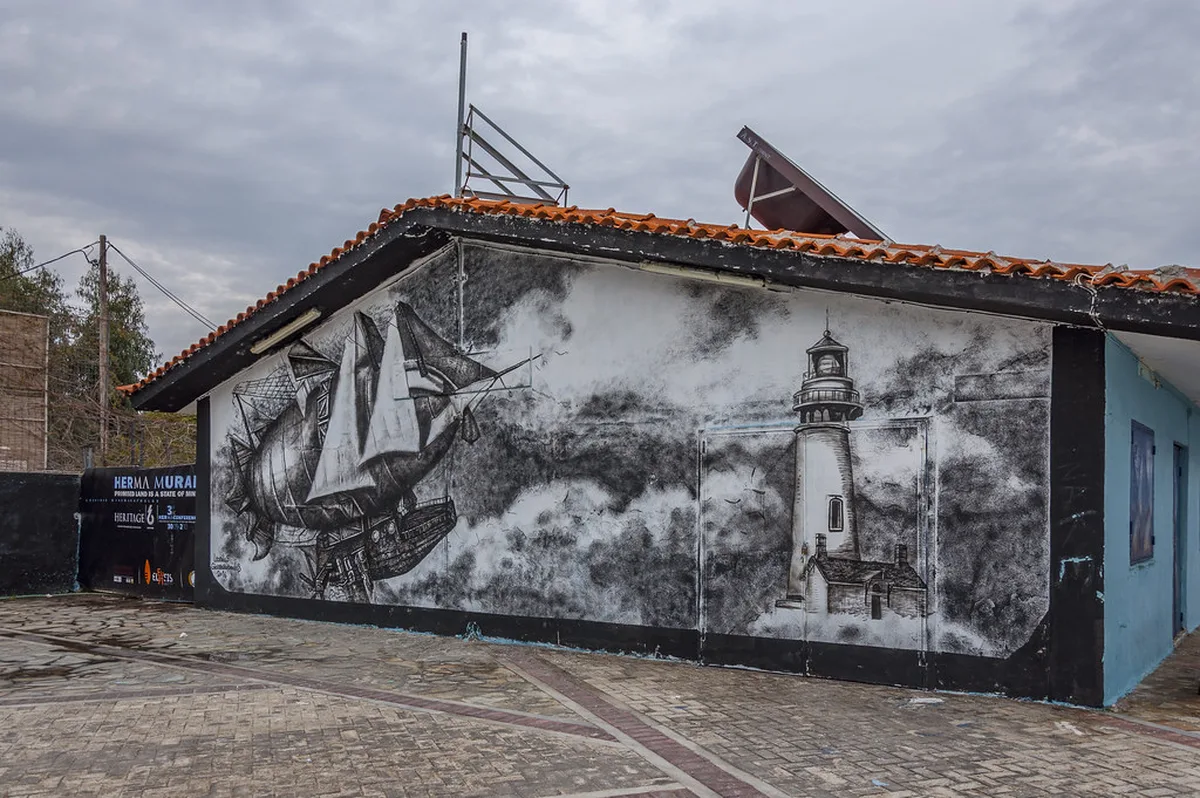
The Maritime Museum of Crete, housed inside the Firka Fortress at the harbor entrance, is a genuine highlight. Adult tickets cost €3 in 2026, making it one of the most affordable paid attractions in the city. The museum holds a large collection of ship models spanning from ancient Greek triremes to 20th-century steamers, alongside navigational instruments, historic maps, sea charts, and a permanent exhibit on the Battle of Crete in 1941. The upper floor features an impressive display of seashells and marine biodiversity from the eastern Mediterranean. Allow at least 90 minutes to explore both floors properly. The museum is open Tuesday to Sunday, 09:00–17:00, and is closed on Mondays.
Firka Fortress admission costs €3 in 2026. This is the exact spot where the Greek flag was raised on December 1, 1913, marking the historic union of Crete with Greece — an event commemorated with a plaque and small monument inside the courtyard. The fortress walls provide some of the best framing for photographs of the lighthouse across the harbor mouth. During summer, the courtyard hosts theatrical performances and open-air music concerts, with tickets typically running €10–20.
The Archaeological Museum of Chania costs €4 for adults (Tuesday to Sunday, 8:00 AM–8:00 PM; closed Mondays). The Minoan artifact collection — including pottery, jewelry, and stone vessels from sites across Western Crete — is genuinely world-class and not replicated elsewhere. The museum is located in the Halepa district, approximately a 15-minute walk east of the old town. The Byzantine Museum on Theotokopoulou Street in the Topanas district charges €2 admission and contains icons, frescoes, and ecclesiastical objects spanning the Byzantine and Venetian periods of Cretan history.
- Maritime Museum of Crete
- Type: Nautical History
- Best for: Families and history buffs
- Where: Firka Fortress entrance, western harbor
- Cost: €3 adults (2026)
- Hours: Tue–Sun, 09:00–17:00
- Firka Fortress
- Type: Military Heritage
- Best for: History and photography
- Where: Western harbor entrance
- Cost: €3 adults (2026)
- Chania Archaeological Museum
- Type: Minoan and Ancient History
- Best for: History enthusiasts
- Where: Halepa district, 15 min walk east
- Cost: €4 adults (2026)
- Hours: Tue–Sun, 8:00 AM–8:00 PM
- Byzantine Museum
- Type: Art and Icons
- Best for: Art lovers
- Where: Theotokopoulou Street, Topanas
- Cost: €2 adults
- Etz Hayyim Synagogue
- Type: Religious Heritage
- Best for: Cultural and historical insight
- Where: Jewish Quarter, Evraiki
- Cost: Free / €2–3 donation suggested
- Hours: Mon–Thu 10:00–18:00, Fri 10:00–15:00
Chania Old Town Markets: The Agora and Street Food
The Municipal Market — the Agora — is one of the great food destinations in Crete and deserves at least an hour of unhurried exploration. Built in 1913 in a striking cross-shaped layout modeled on the markets of Marseille, the Agora is the commercial heart of Chania Old Town and the best place to buy local products at non-tourist prices. In 2026, following completed renovations, all four wings of the market are operating. The main entrance is on Gianari Street, and the market typically opens Monday to Saturday from 07:00 to 15:00.
The cheese section inside the Agora alone is worth the detour. Alongside hard-aged graviera — a nutty staple often served with honey as a taverna starter for around €4–6 — you will find myzithra (soft whey cheese), anthotiro (fresh ricotta-style), and aged staka butter that locals spread on warm bread. Expect to pay €4–8 per 200g for premium aged varieties, and vendors are invariably happy to let you taste before you buy. The fish section in the early morning is at its most vibrant before 09:00, when the day's catch from the Cretan Sea is laid out fresh on ice.
Street food around the Agora and the lanes behind Halidon Street represents some of the best-value eating in the old town. Skridlof Street — famously known as Leather Lane — is lined with traditional workshops producing handmade sandals and bags, with prices ranging from €20 for simple sandals to €90 or more for custom-fitted boots. The surrounding lanes contain small bakeries selling Cretan tiropita (cheese pies) for €2–3 and freshly made spanakopita for a similar price. Sfakiani pita — a thin pastry filled with mizithra and drizzled with honey — is a Chania specialty available throughout the market area for €5–8.
Cretan olive oil is considered among the finest in the world, and the lanes around the Agora are lined with specialty shops offering free tastings. A 500ml bottle of single-estate oil from Western Crete costs €8–14 depending on variety and press date. Thyme honey from the Lefka Ori mountains sells for €6–10 for a 250g jar. Both make ideal gifts that survive travel well. The Agora market area also connects naturally to the broader old town food scene: the most authentic tavernas are consistently found two or three blocks inland from the waterfront, where mains average €12–18 and most family-run kitchens bring a complimentary carafe of raki and a small dessert after the meal as a Cretan hospitality tradition.
For day trips that combine market mornings with wider exploration of Western Crete, the day trips from Chania guide covers the best regional routes by car and boat — including the Samaria Gorge, Balos Lagoon, and the White Mountains.
Authentic Dining and Shopping Insights
Chania Old Town has one of the most rewarding food and shopping scenes in Crete. The key is knowing which streets to seek out and which to avoid. The waterfront tavernas are beautiful but overpriced; the best meals are consistently found two or three blocks inland, in the lanes behind Halidon and Skridlof streets.
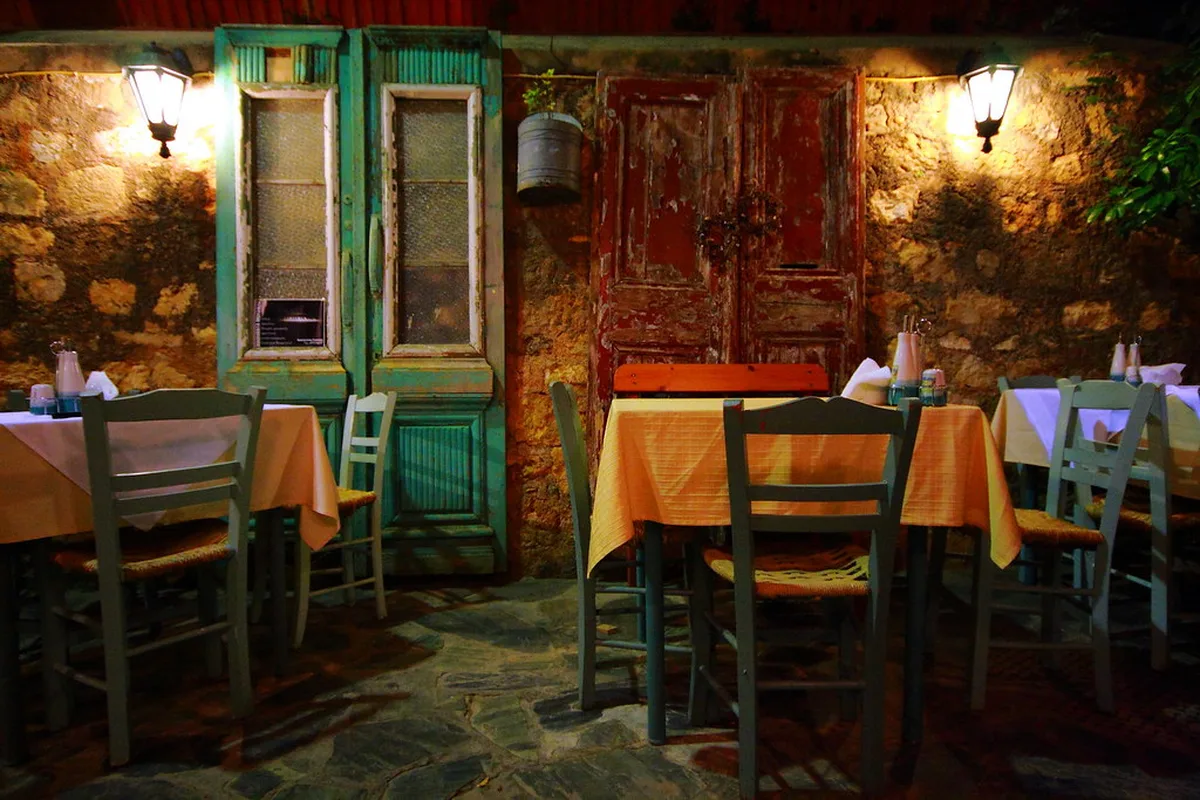
Finding a non-tourist taverna is simple once you know the rule: walk until menus are posted only in Greek, and tables are filled with local speakers. Traditional Cretan mains cost €12–18 in 2026 at a genuine local taverna, while dinner at a more upscale harbor-facing restaurant averages €18–30. Order dakos — a barley rusk topped with grated tomato, crumbled mizithra cheese, and extra virgin olive oil — for around €5–7 as a starter. Most small inland eateries bring a complimentary carafe of raki and a small dessert after the meal, a Cretan hospitality tradition that does not appear on the bill.
The harbor in the evening is one of the great free pleasures of Crete. After 20:00, the lights of the Lighthouse reflect across the water, the Mosque of the Janissaries glows amber, and the quay fills with a mix of locals and visitors. Most people buy a beer or glass of local raki at a harbor-side cafe (€3–5) and simply walk. This is not the time to eat at a waterfront taverna — use the golden hour at the harbor for atmosphere and move to Splantzia or the back lanes for dinner. Evening harbor walks are also a natural time to plan the next day's excursion: the harbor is the departure point for boat day trips to the Samaria Gorge and Balos Lagoon, with tickets sold at kiosks along the quay (typically €25–45 per person depending on destination).
Essential Planning and Logistics
Chania Old Town is compact enough to cover on foot, but a few logistical decisions will significantly improve your experience. Timing, footwear, and accommodation location are the three variables that matter most for a comfortable visit in 2026.
Parking near the old town is notoriously difficult, especially during the peak months of July and August. The large public lot near Talos Square is often full by 10:00 AM. The smarter strategy is to park in the newer part of the city and walk ten minutes to reach the historic pedestrian zone, or use the paid underground car park on Kydonias Street (approximately €1.50–2.00 per hour). This approach eliminates the stress of navigating narrow one-way streets that frequently end in dead ends. If you are staying in the old town, most accommodation is within five minutes' walk of all major landmarks, meaning you will not need a car at all during your stay.
The cobblestone streets are charming but demanding on your feet after a full day of walking. Leave high heels at home and opt for sturdy walking sandals or comfortable sneakers. The steps leading up to sections of the Venetian walls near the Schiavo Bastion are uneven and lack handrails in places. Moving slowly lets you appreciate the architectural details while staying safe on centuries-old stone. If you are visiting with young children or strollers, the main harbor front and Splantzia Square are manageable; the inner lanes of Evraiki and Topanas require carrying a stroller up several short flights of stairs.
Early morning — between 07:00 and 09:00 — is the optimal time for photography and for visiting the Agora market. The light is soft and diffuse, the streets are quiet, and the fish market inside the Agora is at its freshest. By 11:00, cruise ship passengers arrive and the main thoroughfares become substantially busier. If you prefer a quieter experience, schedule museum visits for the midday heat when most visitors retreat to the beach. The Chania beach guide covers the nearest swimming spots, several of which are reachable by local bus from the old town in under 20 minutes. Chania is consistently safe for solo travelers and families, with a low crime rate throughout the tourist areas. Most shop owners speak good English and provide directions readily.
If you plan to extend your stay beyond Chania, the Heraklion Old Town guide covers Crete's capital city, including the Palace of Knossos, the Heraklion Archaeological Museum, and the Venetian Koules Fortress — all reachable from Chania by a 90-minute bus or ferry connection.
Frequently Asked Questions
Is Chania Old Town walkable for seniors?
Yes, the main harbor front and Splantzia Square are flat and easy to navigate. The inner quarters of Evraiki and Topanas have uneven cobblestones and some short flights of stairs. Wear supportive, flat-soled shoes and take frequent breaks at the cafes throughout the historic center. Most key landmarks — the Venetian Harbor, Mosque of the Janissaries, and Firka Fortress (€3) — are accessible without climbing stairs.
When is the best time to visit Chania Old Town?
May, June, and September offer the best balance of warm weather and manageable crowds in 2026. July and August are very hot (often exceeding 35°C) and the harbor front fills with cruise ship passengers by mid-morning. Visiting in the shoulder seasons means better hotel rates — boutique rooms that cost €150–200 in August often drop to €80–110 in May or September — and a more relaxed pace throughout the historic streets.
How many days do I need in Chania Old Town?
Two full days are enough to see the main landmarks, visit the Maritime Museum (€3) and Firka Fortress (€3), walk the Venetian Harbor breakwater to the Lighthouse, explore Splantzia and the Jewish Quarter, and eat well at local tavernas. If you want to use Chania as a base for exploring Western Crete — the Samaria Gorge, Balos Lagoon, or the White Mountains — plan for five to seven days total.
Can I drive inside the Chania Old Town?
Most of the historic center is a designated pedestrian zone where private cars are prohibited. Only residents with special permits can drive in certain sections, and enforcement is active. Use the paid underground car park on Kydonias Street (€1.50–2.00/hour) or the public lot near Talos Square. Most visitors staying in old town accommodation will not need a car at all during their stay.
How much does it cost to visit Chania Old Town in 2026?
The Venetian Harbor, Lighthouse walk, and most outdoor sites are free. Paid attractions include the Maritime Museum at Firka Fortress (€3 adults), Firka Fortress itself (€3), the Archaeological Museum in Halepa (€4, Tue–Sun 8AM–8PM), and the Byzantine Museum on Theotokopoulou Street (€2). A full day of sightseeing, a taverna lunch (€12–18 for a main course), and coffee on the harbor can be done comfortably for €35–55 per person, excluding accommodation.
What are the best local dishes to try in Chania Old Town?
Order dakos (barley rusk with grated tomato and mizithra cheese, €5–7) as a starter at any inland taverna. Sfakiani pita — a thin pastry filled with local cheese and drizzled with honey — costs €5–8 and is a Chania specialty. Lamb with stamnagathi (wild greens) is the regional slow-cooked main, available in cooler months for €15–18. Finish with a small complimentary carafe of raki, which most family-run tavernas bring automatically after your meal at no extra charge.
What is the Chania Archaeological Museum admission and hours in 2026?
The Chania Archaeological Museum charges €4 for adults in 2026 and is open Tuesday to Sunday from 8:00 AM to 8:00 PM; it is closed on Mondays. The museum is located in the Halepa district, about a 15-minute walk east of the Venetian Harbor. It holds one of the finest Minoan collections in Crete, including pottery, jewelry, and stone vessels from excavations across the Western Crete region.
Chania Old Town is a destination that rewards those who take the time to wander without a strict schedule. From the free walk along the Venetian Harbor to the Egyptian Lighthouse, to the quiet lanes of Splantzia and the Jewish Quarter's Etz Hayyim Synagogue, each neighborhood reveals a different layer of Crete's layered history. The Maritime Museum at Firka Fortress costs just €3 and gives essential context for everything else you see around the harbor. The Byzantine Museum on Theotokopoulou Street adds another dimension for €2.
In 2026, the old town's mix of intact Venetian and Ottoman architecture, affordable traditional tavernas with mains at €12–18 and dinners averaging €18–30, and a compact pedestrian layout make it one of Greece's most satisfying destinations for unhurried travel. Support local artisans on Skridlof Street, try the regional Cretan dishes at a back-alley taverna, and end each evening with a slow walk along the illuminated harbor. For the wider Chania region, the day trips from Chania guide covers the best excursions beyond the old town walls.