Your Ultimate Bari Beach Guide 2026: Best Coastal Spots and Day Trips
Bari's most popular city beach, Pane e Pomodoro, is free to enter and reachable by AMTAB Bus 12 from Bari Centrale for €1.50; Polignano a Mare's cliff coves are 35 minutes away by regional train for €5.
Private lido sun-lounger-and-umbrella sets on Bari's city beaches cost €10–20 per person in 2026; parking near Pane e Pomodoro costs €1.50–2 per hour in a pay-and-display car park 5 minutes on foot.
Bari offers a stunning mix of historic charm and a beautiful Adriatic coastline for visitors. Travelers often use this guide to navigate the best seaside spots for their next Italian trip, from sandy urban stretches to dramatic limestone coves on short day-trip trains.
Top City Beaches in Bari
Pane e Pomodoro is the most popular public beach located within the city limits of Bari in 2026. It sits in the Poggiofranco district, roughly 4 km south-west of the historic centre, and features soft golden sand and shallow, calm waters that are perfect for families with young children. Travelers reach this spot by taking AMTAB Bus 12 from Bari Centrale station — the journey takes around 15 minutes and a single ticket costs just €1.50. You can buy tickets at newsstands or via the MUVT app before boarding. Beach entry is completely free, making it ideal for budget travelers on a trip through Italy. On weekend mornings in July and August arrive before 9:00 AM to claim a good stretch of sand before the crowds build.
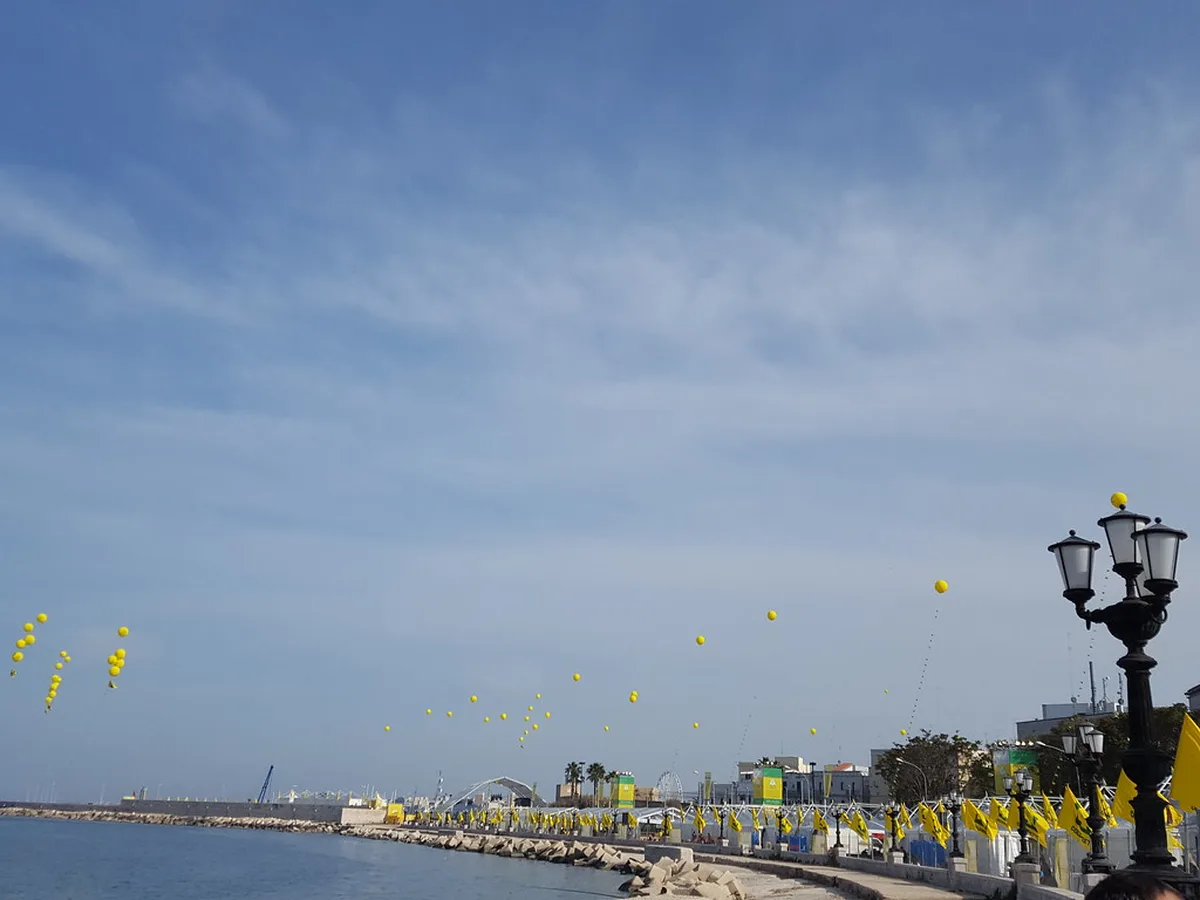
Torre Quetta offers a more rugged experience with its pebble shoreline and lively beach bars, located approximately 8 km north-east of the city centre. Social travelers find this area ideal for music and a vibrant Adriatic atmosphere on summer evenings. The beach itself is free to enter on the public sections, but private lido sections charge €10–20 for a sun-lounger-and-umbrella set for the day. Parking is available in a large free car park nearby, though it fills quickly on weekend afternoons. Several restaurants along the promenade serve freshly grilled fish and cold Peroni for around €12–18 per main course.
Torre a Mare is a quieter option sitting just 12 km south of the city centre, backed by a charming fishing village with excellent seafood trattorias. It has a small sandy cove with good snorkelling in the clear Adriatic water. Reaching Torre a Mare is straightforward: take the regional Ferrovie del Sud Est train from Bari Centrale, a journey of about 20 minutes costing approximately €2. Trains run every 30 to 60 minutes throughout the day from early morning. The village has a handful of free public parking spaces, but they fill by 10:00 AM in peak summer — arriving by train is the safer option.
Understanding the difference between a Spiaggia Libera (free beach) and a Lido (private beach club) will save you both time and money. Free beaches offer open access with no services. Private lidos provide sun loungers, showers, toilets, and bar service for a set daily fee — typically €10–20 per person in 2026. Arriving before 10:00 AM ensures you find a good spot during the busy summer months, especially at Pane e Pomodoro where demand peaks from late June onward.
- Pane e Pomodoro Beach
- Type: Sandy beach
- Access: Bus 12 from Bari Centrale (€1.50)
- Cost: Free entry; lido sections €10–20
- Best for: Families, budget travelers
- Torre Quetta Coastal Area
- Type: Pebble shoreline
- Access: Local bus or taxi (~8 km north-east)
- Cost: Free entry; lido €10–20
- Best for: Socializing, evening beach bars
- Torre a Mare
- Type: Sandy cove, fishing village
- Access: Regional train (~20 min, €2)
- Cost: Free entry
- Best for: Quiet days, seafood lunch
Polignano a Mare: The Best Day Trip Beach from Bari
Polignano a Mare is the single most dramatic coastal destination you can reach from Bari in 2026. The town sits perched on limestone cliffs that plunge directly into clear turquoise water, creating some of the most photographed scenery in all of southern Italy. Every summer it draws thousands of visitors who come specifically for the cliff-diving shows at Lama Monachile, and it is easy to see why the Red Bull Cliff Diving World Series has used this location as a competition venue.
Getting there is simple: regional trains depart Bari Centrale roughly every 30 minutes throughout the day, the journey takes around 35 minutes, and a single ticket costs just €5 in 2026. Trains run from approximately 05:30 until 22:30, making it easy to time your visit for the quieter early mornings. Return tickets to avoid queues at the machine before your journey home. If you prefer to drive, the journey takes about 35 minutes via the SS16 coastal road; paid parking in the town costs €1.50–2 per hour in the main car parks just outside the historic centre.
The highlight beach is Lama Monachile (also called Cala Porto), a small pebble cove cut between two soaring limestone cliffs right beneath the old town. It gets extremely crowded in July and August, so aim to arrive before 9:00 AM or after 4:00 PM for breathing room. Water shoes are strongly recommended on the pebble entry. There are no lounger-rental services at Lama Monachile — it is a free public beach — but a bar above the cove sells cold drinks and snacks from around €2.50 for a coffee or soft drink.
Beyond Lama Monachile, the surrounding coastline hides dozens of smaller sea caves and rocky coves accessible by kayak or a short boat tour departing from the harbour — roughly €15–25 per person for a one-hour tour. The most famous is Grotta Palazzese, a natural sea cave with a restaurant built into the cliff face. Dinner at Grotta Palazzese costs from €90 per person and must be booked weeks ahead in high season; even a glimpse from the viewpoint above is free and spectacular.
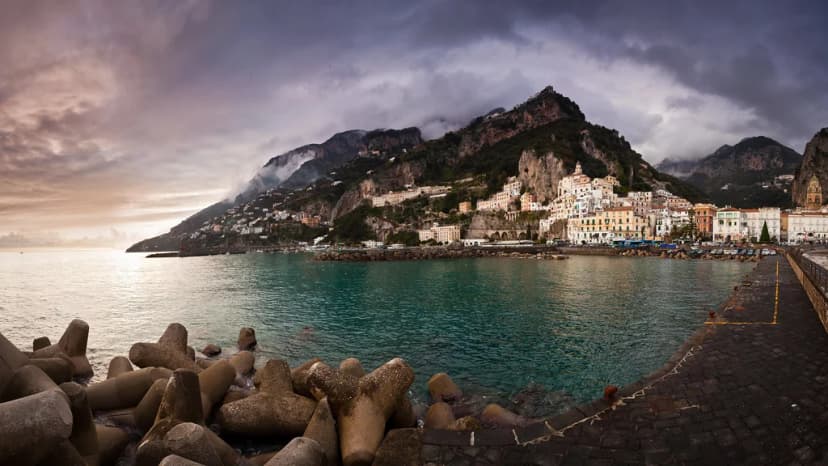
After your beach time, the medieval old town of Polignano rewards an hour of wandering: whitewashed alleys, local gelato shops (expect to pay around €2.50 for a two-scoop cone), and free cliff-edge viewpoints that rival anything on the Amalfi Coast. The town pairs beautifully with a broader Puglia travel itinerary covering Lecce, Bari, and Matera in one trip.
More Coastal Day Trips from Bari
Monopoli is the closest major coastal town beyond Polignano a Mare, sitting roughly 50 km south of Bari, and it offers several sandy coves alongside a beautifully preserved Aragonese castle and charming historic harbour. The beaches around Monopoli — including Cala Porta Vecchia and the sandy arc of Capitolo — are broader and less crowded than Polignano's Lama Monachile. Frequent regional trains reach Monopoli from Bari Centrale in about 40 minutes for approximately €4. Once there, a local bus or taxi covers the 3 km from the train station to the best beaches for around €5 by cab. Parking in Monopoli costs €1–1.50 per hour in the paid zones near the castle.

Trani is an excellent alternative for travelers seeking a different atmosphere on the Adriatic coast, located 43 km north of Bari. Its Gothic cathedral sits directly on the water's edge — one of the most iconic views in Puglia — and the town has a clean pebble beach below the harbour walls. Trains from Bari Centrale run frequently on the main north-south line and reach Trani in around 35 minutes for roughly €3.50. The town's lido on the northern seafront charges €12–18 for a full sun lounger-and-umbrella set. Combining a morning at the beach with a late lunch of raw seafood at one of the harbour restaurants — budget €25–40 per person including wine — makes for a full and satisfying day out.
For those who prefer a guided experience, a day trip from Bari itinerary can combine multiple coastal and inland stops — including Alberobello's trulli and Matera's sassi — in a single excursion, often costing €40–80 per person for a small-group tour by minibus. If you want to compare the wider region's best coastlines, our guide to the best beaches in southern Italy covers top options across Puglia, Campania, and Sicily, with difficulty ratings and transport summaries for each location.
Water Sports and Beach Activities Around Bari in 2026
Bari's Adriatic coastline offers far more than sunbathing and swimming in 2026. The calm, clear waters between Torre Quetta and Torre a Mare are well suited to a range of water sports that cater to all ability levels. Whether you are a complete beginner or an experienced water sports enthusiast, you will find something to keep you busy on and below the surface.
Stand-up paddleboarding (SUP) has become extremely popular along the Bari coast over the past few years. Several rental operators set up on Pane e Pomodoro and Torre Quetta from June through September, charging around €15–20 per hour for board and paddle hire. No prior experience is necessary, and the flat, sheltered conditions near the shore make these beaches ideal for beginners. Morning sessions before 10:00 AM offer the calmest water.
Kayaking is another excellent option, particularly for accessing small sea caves and rocky inlets that are unreachable on foot. Sit-on-top kayak rentals at Torre Quetta run approximately €12–18 per hour for a single kayak or €20–25 for a tandem. Guided kayak tours of the coastal caves near Torre a Mare depart daily in summer at 09:00 and 16:00, costing around €30–40 per person including equipment and a local guide.
Snorkelling is rewarding throughout the Bari coastline, especially at the rocky outcrops around Torre a Mare and San Giorgio. The rocky sea floor supports sea urchins, octopus, and small fish visible in just 2–3 metres of water. Basic snorkel-mask-and-fin sets are available to rent at several lidos for €5–8 per session. Bring water shoes regardless — the limestone entry points are sharp underfoot.
For certified divers, a handful of dive centres operate from Bari, offering guided boat dives to deeper wrecks and reef systems along the Puglia coast. A two-dive boat excursion with full equipment typically costs €60–90 per person. The best dive sites are located 10–20 km offshore and are accessible only by boat, so booking in advance is essential during the July–August peak. Introductory discover-scuba sessions in sheltered shallows are available at most centres for around €50–70, including all equipment and an instructor.
Beach volleyball courts are set up free of charge at Pane e Pomodoro throughout the summer season. Local clubs organise informal games most evenings from 18:00 onward — visitors are usually welcome to join. A handful of lidos at Torre Quetta also offer padel courts for hire at around €15–20 per hour for the court, making it easy to combine a beach day with a bit of sport in the cooler afternoon air.
Practical Tips for Your Bari Beach Visit
Public transport is the most efficient way to reach various coastal locations around the city. The 2026 AMTAB bus network covers the main urban beaches for a low fare of €1.50 per journey. You can purchase tickets at local newsstands or through the MUVT mobile application before boarding — tickets cannot be bought from the driver on most routes. Bus 12 from Bari Centrale serves Pane e Pomodoro directly, with buses running roughly every 15–20 minutes during summer peak hours from 07:00 to 20:00.
If you prefer to drive, parking near the coastal beaches varies by location. At Pane e Pomodoro there is a paid car park within a 5-minute walk charging around €1.50–2 per hour. Torre Quetta has a larger free parking area a short walk from the shoreline, though it fills quickly on weekend mornings. For Polignano a Mare, use the paid car parks on the outskirts of town at €1.50–2 per hour and walk in — driving into the centro storico is restricted during summer.
Summer temperatures in Puglia regularly exceed 32°C during July and August. Carry at least 2 litres of water per person, apply SPF 50 sunscreen every two hours, and seek shade between 13:00 and 16:00 when UV levels peak. Many beach kiosks and lido bars sell chilled water and fresh granita (crushed-ice lemon drinks) for €1.50–2.50, providing an affordable way to cool down without leaving the beach. Children and older travelers should be especially careful during the hottest part of the day.
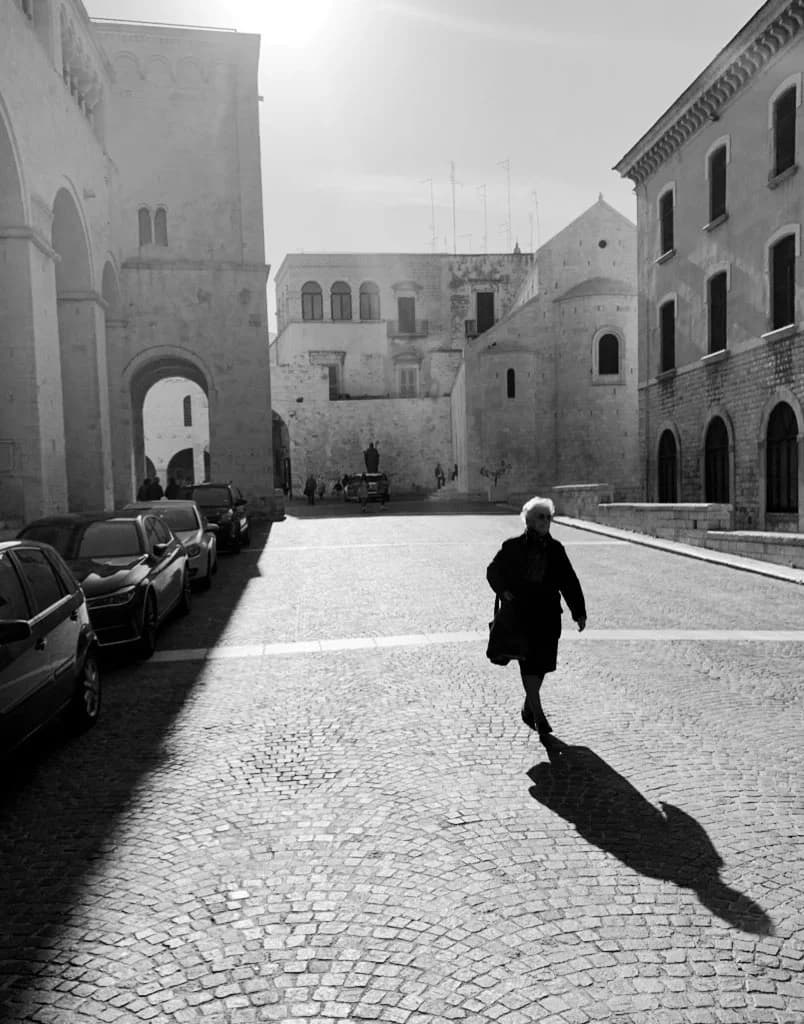
After a day at the coast, the Bari old town guide is the perfect complement — Bari Vecchia's labyrinthine alleyways, the Basilica di San Nicola, and the evening passeggiata along the Lungomare promenade are all within easy walking distance of the city beaches and the central train station.
Hidden Coastal Gems Near the City
San Giorgio is a quieter alternative located just south of the Pane e Pomodoro main beach. Visitors will find small rocky inlets where locals go to escape the larger tourist crowds, and the flat limestone rocks provide natural sunbathing platforms with direct sea access. Underwater explorers find this section of the coast excellent for snorkelling thanks to the clear Adriatic water and a sea floor rich with sea urchins, small octopus, and wrasse. There are no facilities here, so bring your own food and water; the nearest bar is a 10-minute walk back along the promenade. Entry is free and there is no car park — arrive on foot via Pane e Pomodoro or by Bus 12 from Bari Centrale.
Mola di Bari, 20 km south of the city, provides a more authentic fishing-village atmosphere for coastal explorers willing to venture a little further. While the beaches are smaller — mostly pebble and flat rock — the seafood restaurants along the waterfront are exceptional. A fresh polpo alla brace (grilled octopus) with a glass of Primitivo costs around €15–20 at the harbour-side restaurants. Regional trains from Bari Centrale reach Mola di Bari in roughly 25 minutes for approximately €2.50, with services throughout the day. The town is far less visited by international tourists, making it a genuinely local experience.
Visiting these lesser-known spots requires a bit more planning regarding transport schedules. After a quiet day by the sea, the Bari nightlife guide is the ideal way to round off your evening — the city's bars and osterie in Bari Vecchia and the Murat district come alive from 20:00 onward, with craft cocktails from €8–12 and local craft beer from €5.
Best Seasons for a Bari Beach Holiday
Late May and June offer beautiful weather without the intense heat of mid-summer. Sea temperatures begin to rise to a comfortable 20–22°C by mid-June, making it pleasant for swimming. You will also find that accommodation prices in Bari are noticeably more reasonable during this shoulder season compared to July and August. Lidos at Torre Quetta and Pane e Pomodoro open from early June, and most water-sports rental operators launch their season during the first week of the month. Crowds at Polignano a Mare are manageable in June, making it a particularly good time for a day trip to the cliffs — trains are reliable and the coves are not yet overwhelmed.
September is another excellent month to use this Bari beach guide for your travels. The Adriatic water remains warm from the summer sun — typically 24–26°C — but the largest crowds have mostly departed after the Italian school holidays end in mid-September. Many beach clubs at Torre Quetta and Torre a Mare stay open until the end of September and offer reduced lido rates of €8–12 for a full lounger set as demand drops. Hotel prices fall significantly after the first week of September, often by 20–30% compared to peak August rates.
Avoid visiting purely for the beach during the winter months from December to February. While the coastal views remain beautiful and the Lungomare promenade is wonderful for a brisk walk, the water temperature drops to around 13–14°C — too cold for comfortable swimming. Use this time instead to explore the historic centre; our Bari old town guide covers the Basilica di San Nicola, the medieval castle, and the best trattorias in the Bari Vecchia quarter, all of which are best enjoyed in the cooler winter months when tourist numbers are low.
Understanding Bari Beach Etiquette and Safety
Respecting local customs ensures a pleasant experience for everyone on the sand. Italians often observe a quiet riposo period during the hottest part of the afternoon, roughly 13:00 to 16:00. You might notice some smaller beach kiosks and lido bars closing briefly during this window before reopening for the lively late-afternoon and early-evening beach session. Playing loud music from personal speakers is frowned upon at most lidos and on public beaches near residential areas — use earphones to keep the peace.
Keeping the beaches clean is a priority for the local community and Bari city authorities. Always use the provided recycling bins — separate containers for plastic, glass, and general waste are present at all managed beaches. Leaving rubbish behind can result in fines from municipal police, who do patrol popular beaches such as Pane e Pomodoro during peak season. Smoking is banned on many Puglia beaches; look for the official spiaggia smoke-free signs before lighting up.
Lifeguards (bagnini) are present at all licensed private lidos during opening hours, typically 09:00 to 19:00. They are generally absent on free public beaches and on the rocky coastal stretches at San Giorgio and Torre a Mare, so swim with extra caution in those areas. Check the colored flag system before entering the water: green means safe conditions, yellow means caution, and red means swimming is prohibited due to dangerous sea conditions. On rough-weather days after storms, the Adriatic near Bari can produce unexpectedly strong currents, even in relatively sheltered bays.
Frequently Asked Questions
Does Bari have good beaches?
Yes, Bari has several excellent beaches in 2026. Pane e Pomodoro is the most popular city beach — sandy, free to enter, and reachable by AMTAB Bus 12 for €1.50. Torre Quetta offers a livelier pebble-shore scene with beach bars and private lido sets from €10–20. For dramatic cliff scenery, the 35-minute regional train to Polignano a Mare (€5) adds world-class coastal beauty to any Puglia trip.
How do I get to the beach from Bari city centre?
The easiest option in 2026 is AMTAB Bus 12, which runs from Bari Centrale directly to Pane e Pomodoro beach for €1.50 per ticket. For Torre a Mare and further coastal towns, regional trains from Bari Centrale are frequent and affordable — Torre a Mare costs around €2 (20 min) and Polignano a Mare costs €5 (35 min). Buy tickets at station machines, newsstands, or the MUVT app before boarding.
What does it cost to rent a sun lounger and umbrella on Bari's beaches?
Private lidos at Pane e Pomodoro and Torre Quetta charge €10–20 per person for a full-day sun-lounger-and-umbrella set in 2026. This fee typically includes access to showers, changing rooms, and toilets. In September, off-peak rates drop to around €8–12. Public spiaggia libera sections next to the lidos are always free, but offer no facilities or shade.
What is the best month for a Bari beach holiday?
June and September are the best months for visiting the beaches around Bari. In June, sea temperatures reach 20–22°C and crowds at Pane e Pomodoro and Polignano a Mare are manageable. In September, the Adriatic stays warm at 24–26°C, lido prices drop to €8–12, and hotel rates fall by 20–30% compared to August. Both shoulder months offer the best balance of good weather, value, and breathing room on the sand.
Are there sandy beaches in the city of Bari?
Pane e Pomodoro is the main sandy beach within Bari's city limits, located in the Poggiofranco district about 4 km from the historic centre. It has a long stretch of soft sand, shallow water ideal for children, and free public access. Torre a Mare, 12 km south by regional train (€2, 20 min), also has a small sandy cove. Most other coastal spots in the area — including Torre Quetta and the rocky inlets at San Giorgio — are pebble or flat limestone rather than sand.
Is it safe to swim in the Adriatic sea near Bari?
Swimming in the Adriatic near Bari is generally very safe between June and September. Local authorities regularly monitor water quality at Pane e Pomodoro and Torre Quetta to meet EU Blue Flag standards. Always check the beach flag before entering: green means safe, yellow means caution, red means swimming is prohibited. After storms, avoid swimming at unguarded rocky stretches such as San Giorgio and Torre a Mare, where currents can be unexpectedly strong despite the calm appearance of the water.
Where can I park when driving to the beach in Bari?
Paid parking near Pane e Pomodoro costs €1.50–2 per hour in the pay-and-display car park 5 minutes on foot from the beach. Torre Quetta has a free car park nearby, but spaces fill by 10:00 AM on weekends in July and August. For Polignano a Mare day trips, use the main car parks just outside the centro storico at €1.50–2 per hour — driving into the old town is restricted during summer. Taking public transport (Bus 12 for city beaches, regional trains for Polignano) avoids all parking hassle for €1.50–5 per journey.
Bari serves as a fantastic base for exploring the diverse coastline of the Puglia region in 2026. You can enjoy urban sandy beaches at Pane e Pomodoro, lively pebble shores at Torre Quetta, or dramatic limestone cliff coves at Polignano a Mare via a short regional train. For a broader perspective on the region's best swimming spots, our guide to the best beaches in southern Italy covers everything from Puglia to Sicily. Plan your visits early in the day to secure the best spots by the water, pack sunscreen and water shoes, and respect the local environment to keep the Adriatic beautiful for future visitors.