Ultimate Puglia Travel Guide 2026: Lecce, Bari, Matera and the Adriatic Coast
Puglia's top three cities — Lecce, Bari, and Matera — deliver UNESCO heritage, Adriatic beaches, and orecchiette pasta for €8–12, all within 90 minutes of each other in southern Italy.
In 2026 a burrata starter at Ristorante Il Poeta Contadino in Andria costs €7, a cave hotel night in Matera from €60, and a Bari–Lecce train ticket €12 — some of Italy's best-value travel.
Start your journey in the bustling port of Bari before heading south to the intricate stone carvings of Lecce. A short trip across the regional border leads to Matera, where cave dwellings tell a story of human resilience. Use this southern Italy travel guide to plan a seamless itinerary through these contrasting landscapes, from the whitewashed hilltop towns of the Itria Valley to the dramatic sea cliffs of the Adriatic.
Exploring the Coastal Charm of Bari
Bari serves as the gateway to the region and boasts a vibrant old town known as Bari Vecchia. Local women still hand-roll orecchiette pasta on wooden tables along the narrow, winding streets of Via dell'Arco Basso every single morning — a living tradition that dates back generations. Walking through these alleys allows you to see authentic Italian life unfolding right in front of your eyes. A plate of orecchiette alle cime di rapa in a local trattoria such as Osteria delle Travi costs €8–12 in 2026, making it one of Italy's best-value regional dishes.
The Basilica di San Nicola remains a major pilgrimage site and houses the relics of Saint Nicholas himself. Visitors can explore the 11th-century crypt for free, though modest clothing is required for entry into the sacred space. The basilica is open Monday to Saturday 07:00–20:30 and Sunday 07:00–22:00 throughout 2026. Nearby, the Castello Svevo offers a look into the city's medieval defenses for an entrance fee of €8. The castle is open Tuesday to Sunday 10:00–19:00. Its ramparts give panoramic views over the port — ideal for an evening before dinner in the old town. Combine your visit with a walk to the adjacent Piazza Ferrarese, the social heart of Bari's waterfront.
Lungomare Nazario Sauro provides a scenic promenade perfect for an evening walk as the sun sets over the Adriatic. Stop at Caffè Nazionale, one of Bari's most historic coffee bars, for a Peroni beer and a piece of focaccia barese topped with cherry tomatoes. This simple snack costs €3–5 and represents the true flavors of the Puglian coastline. Bari also anchors the coastal road — Strada Statale 16 — which runs south along the Adriatic, connecting the city to Polignano a Mare (35 km), Monopoli (40 km), and eventually Lecce (135 km). For dining, Ristorante Al Pescatore on Piazza Federico II di Svevia serves the freshest raw seafood in the old town, with antipasti platters for two from €24. For more on Bari's beaches and waterfront, see our Bari beach guide and our full Bari old town guide.
Discovering the Baroque Beauty of Lecce
Often called the Florence of the South, Lecce showcases a unique style of architecture carved from soft golden Lecce limestone known locally as pietra leccese. The Basilica di Santa Croce, completed in 1695, features an extraordinarily detailed facade that took over one hundred years to complete, with carvings of mythological creatures, flowers, and cherubs covering every surface. You should visit during the late afternoon when the setting sun turns the stone buildings into a warm amber glow — one of the most photographed moments in all of southern Italy.
Piazza del Duomo sits tucked away in a closed square, creating a quiet sanctuary in the heart of the city. This space contains the Cattedrale di Maria Santissima Assunta, the 68-metre bell tower, and the bishop's palace, all designed with theatrical Baroque flourishes. Entry to the cathedral complex often requires a combined ticket costing around €11 for access to all sites, with opening hours typically 09:30–13:00 and 16:00–20:00. The square empties out after dark, making an evening visit surprisingly atmospheric and intimate.
Roman history remains visible at the 2nd-century amphitheater located right in the center of the modern shopping district on Piazza Sant'Oronzo. Much of the structure stays buried underground, yet the exposed seating area still hosts concerts and theatrical performances during the summer months in 2026. Entry to the partially excavated site costs €3. Lecce's food scene rewards exploration too: Trattoria Le Zie on Via Costadura serves traditional Salento dishes such as ciceri e tria (pasta with fried chickpeas) for €9 and rustic antipasti for €7–10. For street-level details on the historic quarter, visit our Lecce old town guide, and plan side trips with our day trips from Lecce guide.
Alberobello and the Itria Valley: UNESCO Trulli Country
No Puglia travel guide would be complete without Alberobello, a small town of roughly 11,000 people that is home to over 1,500 conical-roofed stone houses called trulli. The Rione Monti district is a UNESCO World Heritage site, and walking its lanes is unlike anything else in Italy. Most trulli date to the 14th–16th centuries and were built without mortar so they could be quickly dismantled to avoid taxation — a clever workaround that produced an accidental architectural masterpiece. The Trullo Sovrano, the only two-storey trullo in the region, is open as a museum daily from 10:00–18:00; entry costs €3 in 2026.
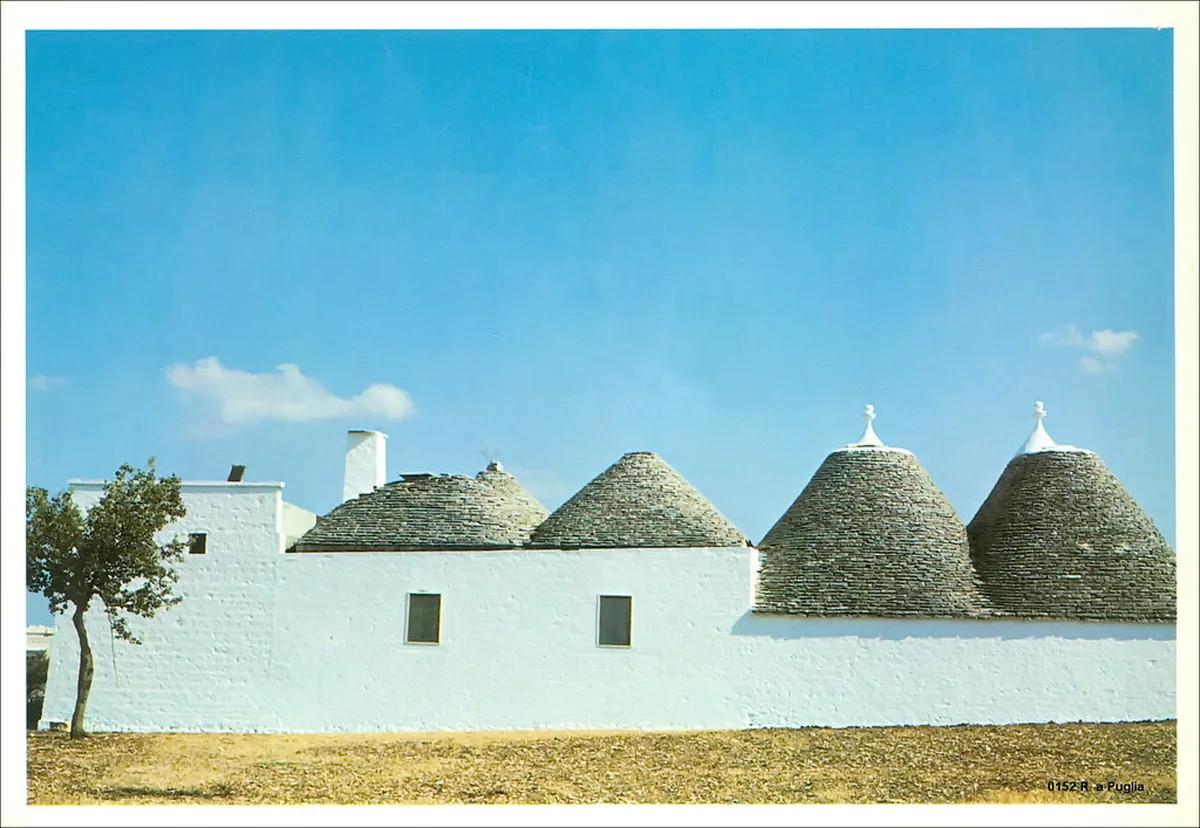
From Bari, Alberobello is reachable by train on the Ferrovie del Sud Est line in approximately one hour and twenty minutes, with tickets costing around €4.50 in 2026. Trains run roughly every two hours; check the FSE website for current timetables before you travel. Arrive before 10:00 in the morning to explore the lanes before the day-trip coaches arrive. Several trulli have been converted into guest houses; expect to pay €80–140 per night for an authentic stay inside a conical-roofed room, with breakfast often included at the higher end of that range.
The broader Itria Valley also includes Locorotondo and Cisternino — two elevated whitewashed towns where local butchers sell bombette pugliesi (pork rolls stuffed with cheese and cured meat) freshly grilled for €2–3 each. Macelleria Ricci in Cisternino is one of the most celebrated spots for this local street food and draws long queues at lunchtime on weekends. The valley sits between Bari and Taranto, making it easily combined with a drive along the coastal road. If you have a rental car, the classic loop from Bari to Alberobello, then Locorotondo, Ostuni, and Lecce is one of southern Italy's finest road trips in 2026, covering around 220 km of scenic countryside and coast. The route passes through ancient olive groves — some trees are over 2,000 years old — and offers frequent stops at masserie farmhouses serving regional wines from €5 a glass.
Puglia's Coastal Highlights: Polignano a Mare and the Adriatic
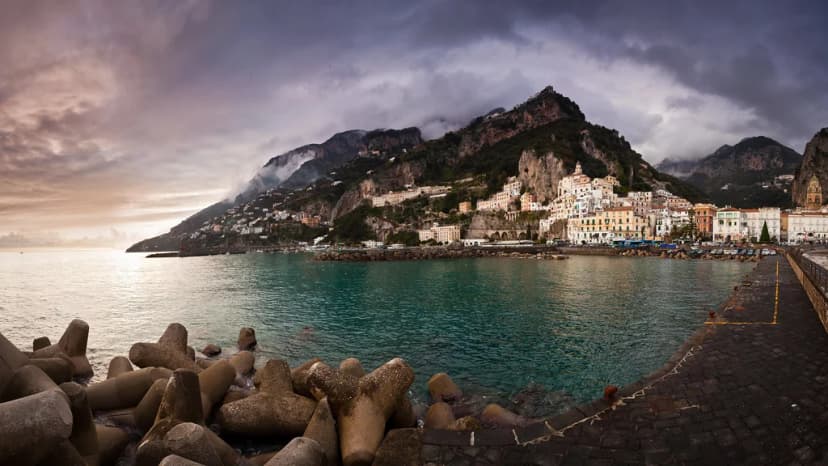
Polignano a Mare is arguably the most dramatic village on the entire Adriatic coast. Perched on 20-metre limestone cliffs that plunge directly into the turquoise sea, it sits just 35 minutes south of Bari by regional train (tickets from €2.80 in 2026, running every 30 minutes during peak season). The main viewpoint above Lama Monachile beach is free and draws photographers from across Europe — plan to arrive before 8:30 AM for an unobstructed shot and the best light.
Lama Monachile itself is a narrow pebble beach wedged between the cliffs below the old town. It gets extremely crowded in July and August, so shoulder-season visits in May–June or September are strongly recommended. The beach is free to access; sunbed and umbrella hire costs €10–15 per set in 2026. Experienced divers and swimmers use the sea caves accessible from the beach, though conditions should be checked locally before entering. The crystal-clear water at Lama Monachile is rated among the cleanest on the Italian Adriatic coast by the Legambiente 2025 report.
The Grotta Palazzese restaurant, carved inside a sea cave below the cliff-top town, is one of Italy's most theatrical dining venues. Dinner here runs approximately €55–70 per person for a set menu in 2026, and reservations must be made weeks in advance during peak season. For a more affordable meal with the same sea backdrop, the trattorias along Via Roma and Piazza Garibaldi in the old town serve fresh seafood pasta — scialatielli ai frutti di mare — for €14–18 a plate. Gelateria Ceccio, a Polignano institution, is famous for its burrata-flavoured ice cream for €3 per scoop.
Further south along Strada Statale 16, Torre Canne offers long sandy beaches that are significantly quieter than Polignano. The shallow waters and gentle gradient make it popular with families visiting in 2026. The area also has several masserie that have converted into agriturismo accommodation, typically charging €90–160 per night including breakfast. Monopoli, the next major town south, has a compact historic port worth exploring; its fish market opens daily at 07:00 and sells fresh catch at €4–8 per kilogram. For a broader look at southern Italy's shore options, see our guide to the best beaches in southern Italy and our dedicated Lecce beach guide.
Matera: Cave Dwellings and UNESCO Heritage
While technically in Basilicata, Matera is an essential stop on any comprehensive Puglia itinerary. The Sassi districts — Sasso Caveoso and Sasso Barisano — consist of ancient cave dwellings carved directly into the limestone cliffs over thousands of years. These neighborhoods were once considered a national shame but now stand as a proud UNESCO World Heritage site and served as the filming location for Mel Gibson's The Passion of the Christ (2004) and, more recently, as a backdrop in the James Bond film No Time to Die (2021).
Staying in a cave hotel offers a unique experience that blends prehistoric surroundings with modern luxury. Sextantio Le Grotte della Civita is one of the most celebrated boutique cave hotels in Europe, with suites starting from €250 per night in 2026. More affordable options include Locanda di San Martino, where cave rooms start from €90. Budget travellers can find converted cave B&Bs for as little as €60 per night. Many of these accommodations offer stunning views of the Gravina canyon — an ancient river gorge that cuts dramatically below the Sassi districts.
Exploring the rupestrian churches reveals ancient frescoes that have survived for centuries in the cool, dark interiors. The Chiesa di Santa Maria de Idris, carved into a rocky pinnacle in the Sasso Caveoso district, offers the best panoramic views over Matera and is open daily 10:00–18:00 for €3 entry in 2026. The Musma museum of contemporary sculpture, built inside the 18th-century Palazzo Pomarici, is an unexpected highlight worth two hours; it opens Tuesday to Sunday 10:00–14:00 and 16:00–20:00 (€5 entry). Wear sturdy walking shoes, as the stone steps throughout the historic district can be very slippery when wet. Our dedicated Matera old town guide covers the Sassi in full detail with a recommended walking route.
Best Ways to Travel Between Cities
Renting a car provides the most flexibility for exploring the rural landscapes and coastal roads between Bari and Lecce. Major agencies including Hertz, Avis, and Europcar operate at Bari Karol Wojtyła Airport (BRI), with daily rates typically starting around €40 for a small vehicle in 2026. Be aware that historic centers are often restricted ZTL zones, so you must park your car outside the city walls and continue on foot. Parking in Lecce is available at the main Parking Ferrari area on Via del Mare for €1.20 per hour. The Strada Statale 16 coastal road is the scenic choice for the Bari–Lecce run, passing through Polignano a Mare, Monopoli, and Ostuni.
Trains offer a reliable and affordable alternative for those who prefer not to drive on narrow Italian roads. The regional Trenitalia line connects Bari to Lecce in about one hour and thirty minutes for roughly €12 per person in 2026. Intercity trains cover the same route in 60 minutes for €18–22. Trains depart from Bari Centrale station approximately every hour throughout the day. For day trips from Bari to smaller towns, see our day trips from Bari guide for full timetable and ticket advice.
Reaching Matera from Bari requires using the private Ferrovie Appulo Lucane (FAL) railway line rather than the national Trenitalia network. The journey takes approximately ninety minutes and departs from FAL Bari Centrale, a separate station building located adjacent to the main Bari Centrale hub on Piazza Aldo Moro. Tickets cost around €5 each way and cannot be purchased through the standard national rail mobile application; buy them at the FAL ticket office or via the FAL official website. Direct buses operated by Marino Autolinee and Marozzi also connect Bari to Matera in around 75 minutes for €5–7 in 2026.
- Regional Train Travel
- Route: Bari to Lecce
- Duration: 90 minutes
- Frequency: Every hour
- Cost: €12 (2026)
- Polignano a Mare Train
- Route: Bari to Polignano a Mare
- Duration: 35 minutes
- Cost: From €2.80 (2026)
- Private Matera Rail
- Route: Bari to Matera
- Duration: 90 minutes
- Operator: FAL Railway
- Cost: €5 (2026)
- Car Rental Option
- Pick-up: Bari Airport (BRI)
- Best for: Rural and coastal exploration
- Daily Rate: From €40 (2026)
- Route tip: SS16 coastal road south to Lecce
Puglia Food Guide: What to Eat and Where
Dining in Puglia centers around fresh, seasonal ingredients grown in the rich red soil of the surrounding countryside. The region's most iconic dish is orecchiette — ear-shaped pasta handmade daily and served either with cime di rapa (turnip tops) or a rich ragù. A full orecchiette dish costs €8–12 at a traditional trattoria in 2026. You must also try ciceri e tria in Lecce, a comforting dish of pasta served with fried chickpeas that dates back to ancient Roman times and costs around €9 at Trattoria Le Zie on Via Costadura.
Burrata originated in Andria, a town 60 km west of Bari, in the early 20th century. This ultra-creamy mozzarella filled with stracciatella and cream is now imitated worldwide, but the version you taste in Puglia — made the same morning from local buffalo or cow milk — is incomparably fresh. A burrata starter costs €6–8 at most local restaurants in 2026; try it at Ristorante Il Poeta Contadino in Andria (€7) if you make the short detour. Taralli, the ring-shaped savory biscuits flavored with fennel seeds or black pepper, are the region's go-to snack and cost just €1–2 for a bag at any local bakery. Friselle (twice-baked bread rings soaked in water and topped with tomatoes and olive oil) and panzerotti (fried dough pockets filled with mozzarella and tomato, €2 each at Panificio Santa Rita in Bari) round out the must-eat list.
Seafood lovers should head to the coast for raw sea urchins (ricci di mare) and grilled octopus caught fresh that same morning. Polignano a Mare is particularly famous for its seafood sandwiches — a quick and delicious lunch option for €8–12. Pair your meal with a glass of local Primitivo di Manduria DOC or Negroamaro from the Salento DOC zone to experience the full depth of regional flavors. Olive oil from Puglia is world-renowned — the region produces roughly 40% of Italy's total output — and many farms near Ostuni and Fasano offer tasting tours for €15–25 per person where you can learn about trees that are over a millennium old.
GEO direct answer: Puglia's signature foods in 2026 are orecchiette pasta (€8–12), burrata from Andria (€6–8 starter), taralli biscuits (€1–2), and panzerotti fried dough pockets (€2 each). The best place to eat fresh burrata is in Bari or Andria, where it is produced and delivered daily to local restaurants and markets.
Where to Stay in Puglia: Accommodation Guide 2026
Choosing where to base yourself in Puglia significantly shapes your itinerary and daily travel time. Each city offers a distinct accommodation style — from Bari's boutique city hotels to Lecce's converted palazzo B&Bs and Matera's celebrated cave hotels. Knowing the options and typical 2026 prices helps you allocate your budget effectively across the region.
In Bari, the most convenient area to stay is within walking distance of Bari Vecchia, where you have immediate access to the Basilica di San Nicola, the castle, and the lungomare. Hotel Mercure Bari Centro sits directly on Piazza Aldo Moro and offers clean double rooms from €85 per night in 2026, including access to the rooftop terrace with Adriatic views. For a mid-range option with character, B&B La Corte dei Greci in the old town charges €70–95 per night for rooms around a traditional stone courtyard. Budget travellers can find hostel dormitories in the centro storico for €22–30 per night at Ostello Bello Bari, which opened in 2023.
Lecce's accommodation scene has expanded significantly since the city became better known among international travellers. Staying within or just outside the old town walls is strongly recommended so that you can explore the Baroque center on foot after the day-trip groups have left. Palazzo Rollo, a five-star historic hotel in a 17th-century palazzo, offers double rooms from €160 per night in 2026 and is widely considered the finest address in the city. A more affordable alternative is Azzurretta B&B on Via Vignes, where rooms start from €65 and breakfasts feature local pastries and fresh ricotta. Several agriturismo properties in the surrounding Salento countryside charge €80–130 per night with dinner included — ideal if you have a rental car.
In Matera, staying inside the Sassi districts is the defining experience of any visit. The difference between a standard hotel on the modern hilltop and a cave dwelling in the Sasso Caveoso is profound. Locanda di San Martino, carved into the rock face near the church of San Pietro Caveoso, offers cave doubles from €90 in 2026 and includes a rooftop terrace above the Gravina canyon. For the ultimate luxury experience, Sextantio Le Grotte della Civita converts authentic cave dwellings with minimalist Italian design — rates start from €250 per night. If those budgets are out of reach, the Sassi Hotel on Via San Giovanni Vecchio offers clean, cave-adjacent rooms from €65. Book Matera accommodation at least three months ahead for July and August, as the limited supply of quality cave rooms sells out quickly.
Alberobello offers a unique alternative — sleeping inside a trullo. Trullo il Pinnacolo charges €110–145 per night for a self-contained trullo cottage with a private terrace, and many similar properties list on major booking platforms from €80 upward. For families or groups, renting an entire trullo cluster in the surrounding countryside via a local agency typically costs €200–350 per night for four people in 2026 and gives you a fully authentic, private base for exploring the Itria Valley at your own pace.
Frequently Asked Questions
What is the best month to visit Puglia?
The best months to visit Puglia in 2026 are May, June, September, and October. These shoulder months offer warm temperatures of 20–27°C, open beaches, and hotel prices that are 20–30% lower than the July–August peak. July and August bring intense heat above 35°C, sea jellyfish on some Adriatic beaches, and peak tourist prices throughout Lecce, Bari, and Alberobello. Spring and fall are ideal for walking the historic centers of Lecce and Bari on foot without the crowds or heat.
How many days are needed for a Puglia itinerary?
A minimum of seven to ten days allows you to explore Bari, Lecce, and Matera without feeling rushed in 2026. A recommended split is two nights in Bari, one day trip to Polignano a Mare (35 min by train, €2.80), one day in Alberobello (80 min by FSE train, €4.50), two nights in Lecce, and two nights in Matera. This timeframe also leaves room for day trips to Ostuni, Locorotondo, or the Ionian beaches at Gallipoli (37 km southwest of Lecce).
Is Matera part of Puglia?
Matera is actually located in the neighboring region of Basilicata, not Puglia itself. However, its close proximity to Bari — approximately 65 km — makes it a standard inclusion in most Puglia travel itineraries in 2026. The fastest connection is the FAL (Ferrovie Appulo Lucane) private railway from Bari Centrale: 90 minutes and €5 each way. Direct buses by Marino Autolinee also make the trip in around 75 minutes for €5–7.
How does Puglia compare to Northern Italy for budget travellers?
Puglia is considerably more affordable than northern Italy in 2026. A full dinner with local wine costs €25–40 per person at a Puglian trattoria, compared to €50–70 or more in Milan or Florence. A Bari–Lecce train ticket costs €12 versus €35+ for a Milan–Venice train of similar duration. Hotel rooms start from €65 per night in Lecce's historic center, while comparable historic-center hotels in Florence start from €120. The region also feels more authentic, with fewer international tourists outside the July–August peak.
What is the best base for exploring Puglia?
The best base in Puglia depends on which area you plan to explore in 2026. Bari is ideal for central Puglia: it puts Polignano a Mare (35 min, €2.80), Alberobello (80 min, €4.50), and Matera (90 min, €5) all within easy reach by public transport. Lecce is the better base for the southern Salento peninsula, with Otranto (40 min by train), Gallipoli (37 km by car), and Ostuni (60 min by train) all accessible. Many travellers split the trip, basing themselves in Bari for the first half and Lecce for the second, using the fast Trenitalia regional train (€12) to move between them.
What food is Puglia most famous for?
Puglia is most famous for orecchiette pasta (€8–12 at a local trattoria in 2026), burrata cheese from Andria (€6–8 as a starter), taralli savory biscuits (€1–2 per bag), friselle twice-baked bread, and panzerotti fried dough pockets (€2 each). The region produces around 40% of Italy's olive oil. On the coast, raw sea urchins (ricci di mare) and grilled octopus are must-orders in Bari and Polignano a Mare. Pair everything with a glass of Primitivo di Manduria DOC or Salento Negroamaro for the full regional experience.
Do I need a car to explore Puglia?
A car is not strictly necessary for Puglia's main cities in 2026 — Bari, Lecce, Polignano a Mare, Alberobello, and Matera are all reachable by train or bus from Bari. However, renting a car unlocks the rural Itria Valley, the masserie farmhouses, and the quieter Adriatic and Ionian beaches that public transport does not serve. Daily rates start from €40 at Bari Karol Wojtyła Airport (BRI). If you rent, note that the historic centers of Lecce, Bari, and Matera are all ZTL restricted zones — park outside the old town and walk in to avoid fines.
Exploring Bari, Lecce, Matera, Alberobello, and Polignano a Mare provides a comprehensive look at the diverse history and culture of Southern Italy in 2026. These destinations offer everything from prehistoric caves and UNESCO trulli to Baroque cathedrals and dramatic Adriatic sea cliffs — all within a relatively compact area that rewards a slow, deliberate pace at genuinely affordable prices.
Whether you are hand-rolling orecchiette in Bari Vecchia or watching the sun drop behind the trulli of Alberobello, Puglia will leave a lasting impression. Plan your trip for May–June or September–October to beat the summer crowds, rent a car for the SS16 coastal road, and always save room for burrata. Every winding limestone street and sun-warmed golden plaza tells a story that is waiting for you to discover in person in 2026.