The Ultimate Lecce Old Town Guide for Your 2026 Trip
Lecce's old town is a walkable Baroque quarter in Puglia where the Basilica di Santa Croce and Roman Amphitheatre are free to enter in 2026, and a pasticciotto at Pasticceria Natale costs just €2–€3.
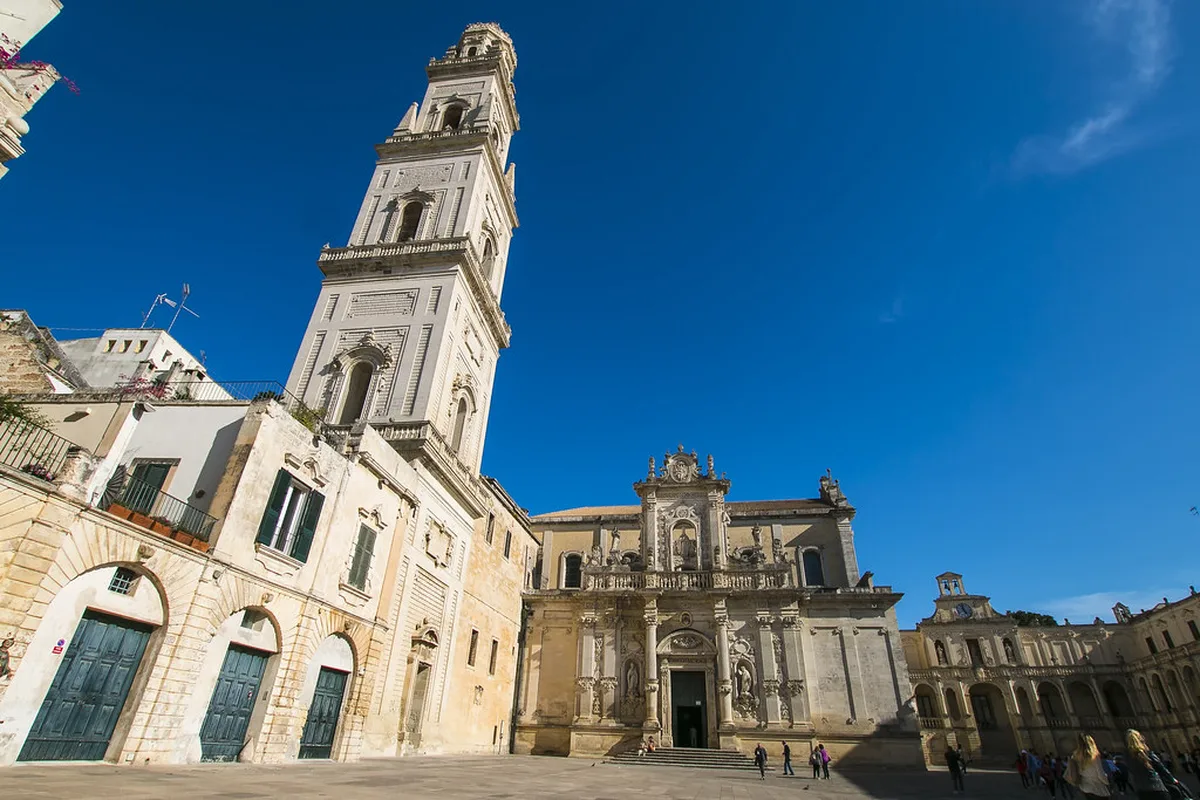
Visit Piazza del Duomo at sunrise for the golden Lecce stone at its most photogenic — the Cathedral is free to enter, the Bell Tower costs €3, and coffee at any surrounding bar runs €1.20–€1.50 in 2026.
Lecce sits in the heart of Puglia and offers some of Italy's most stunning Baroque architecture. This golden-hued city earned the nickname "The Florence of the South" for its intricate stone carvings. Exploring the historic center requires a bit of planning to avoid the afternoon heat and crowded squares.
Visitors often feel mesmerized by the warm Lecce stone that glows during the sunset hours. Walking through the limestone gates feels like stepping into an open-air museum of the 17th century. This guide provides the essential details needed for a smooth and memorable visit to the city center in 2026, including entry fees, street food prices, and practical navigation tips.
You will find hidden courtyards and grand churches around almost every corner of the old town. Local traditions remain strong here, from morning pastries to late-night strolls through the lighted piazzas. Prepare for a sensory experience filled with rich history, savory scents, and deep cultural roots.
Iconic Landmarks of the Historic Center
The Basilica di Santa Croce stands as the ultimate symbol of the city's unique architectural style. Artisans spent over a century carving the complex facade that features animals, flowers, and mythological figures. Entry to the church exterior and main nave is free in 2026; the adjoining Palazzo dei Celestini may charge a small fee for temporary exhibitions, typically €2–€4 depending on the show. Checking the official opening hours before you arrive ensures you do not miss the stunning interior, typically open 09:00–12:30 and 15:00–18:00 daily. The best photographs of the facade are taken during the late afternoon when the low southern sun catches every carved detail in the warm Lecce stone.
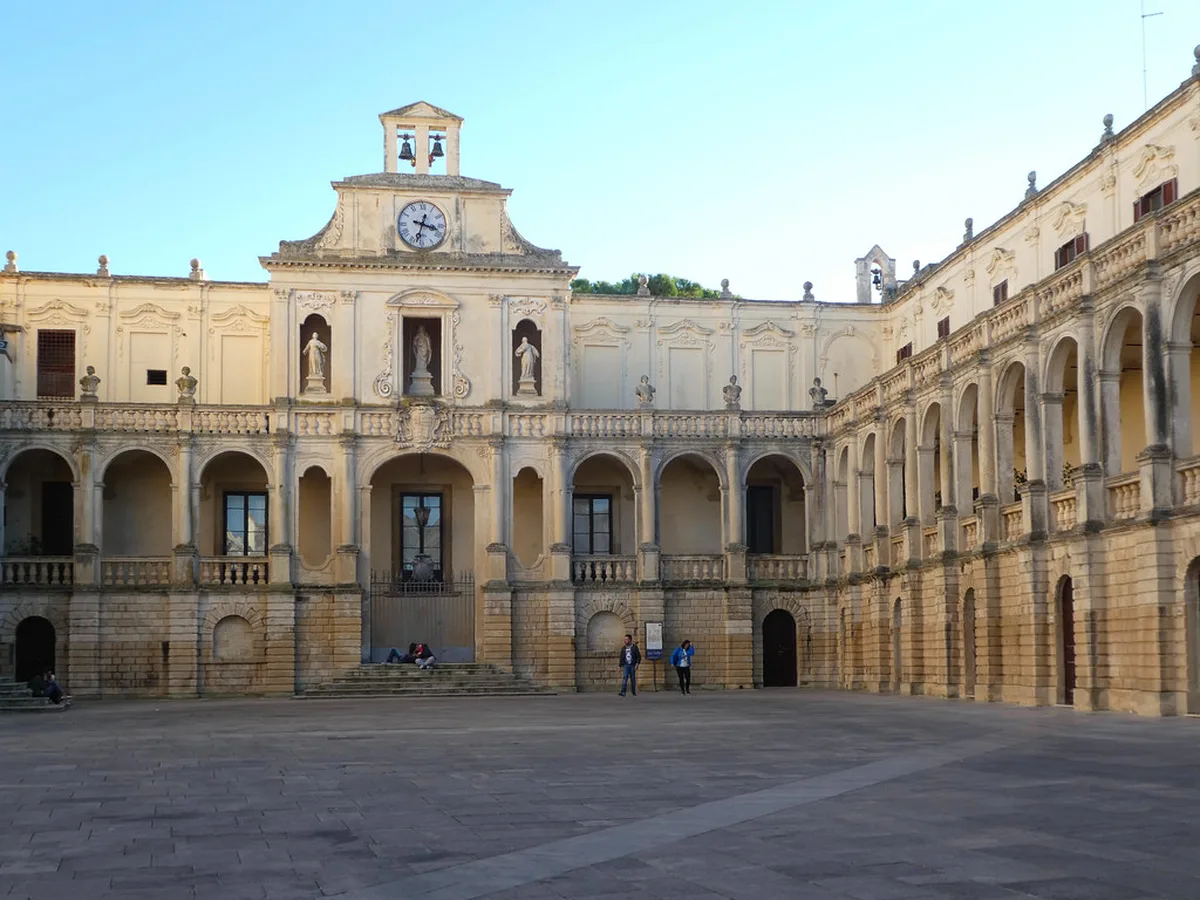
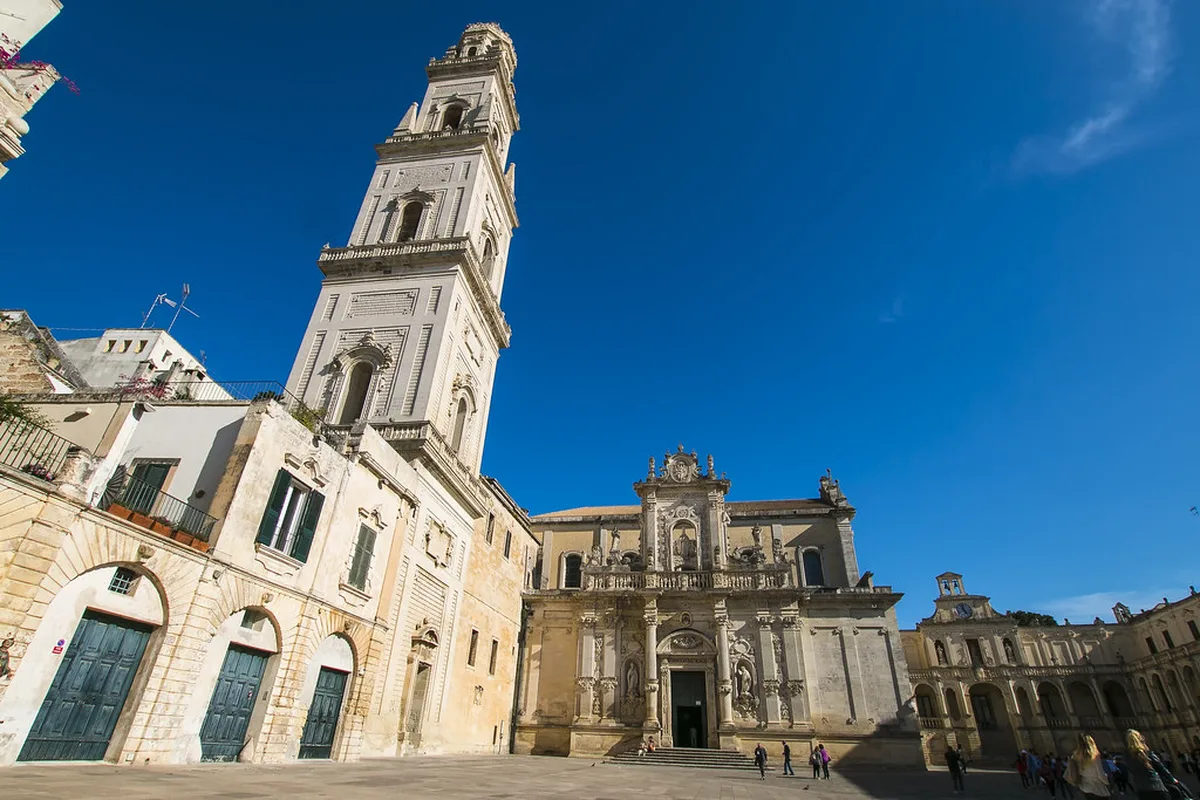
Piazza del Duomo offers a rare example of a closed square that feels like a private courtyard. The Lecce Cathedral (Cattedrale dell'Assunzione) anchors the square and entrance is free, though a donation is appreciated. The Bell Tower rises 72 metres and provides a landmark for navigating the narrow streets; access to the tower costs approximately €3 per person in 2026. Evening lighting transforms the square into a quiet sanctuary away from the busier shopping avenues. Many travelers find this the most peaceful spot for photography during the early morning hours, before organized tour groups arrive after 09:30.
A professional Lecce walking tour helps explain the layers of history beneath the modern pavement and typically costs €12–€18 per person for a two-hour guided walk in 2026. The Roman Amphitheatre sits partially excavated in the middle of Piazza Sant'Oronzo and dates back to the second century. Historians estimate it once held over 25,000 spectators for gladiatorial games and public events. Entry to the amphitheatre viewing area is free from street level at any time of day, making it one of Puglia's most accessible ancient sites with no booking required. For a broader perspective on the Salento and Puglia region, the Puglia travel guide covers how Lecce fits into a wider southern Italy itinerary.
- Basilica di Santa Croce
- Type: Baroque Church
- Best for: Intricate carvings
- Where: Via Umberto I
- Cost: Free (facade & nave, 2026)
- Hours: 09:00–12:30 & 15:00–18:00
- Roman Amphitheatre
- Type: Ancient ruins
- Best for: History lovers
- Where: Piazza Sant'Oronzo
- Cost: Free viewing at street level
- Lecce Cathedral & Bell Tower
- Type: Cathedral complex
- Best for: Architecture and panoramic views
- Where: Piazza del Duomo
- Cost: Cathedral free; Bell Tower ~€3
Practical Logistics for Your Old Town Visit
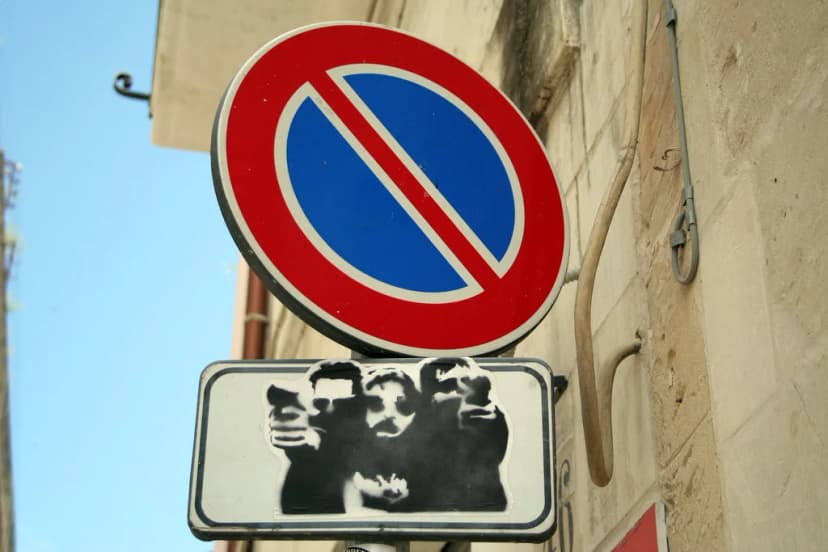
Driving into the historic center is restricted by a ZTL (Zona a Traffico Limitato) zone that uses cameras to catch unauthorized cars. Heavy fines — often €100 or more — apply to visitors who accidentally cross these boundaries without a special hotel permit. Finding reliable parking in Lecce outside the ZTL walls saves time and money. Most blue-zone street spots require payment through a mobile app or a nearby ticket machine, and cost approximately €1–€1.50 per hour in 2026. Several multi-storey car parks near Porta Napoli offer a practical alternative for full-day visits, with daily rates typically in the €7–€10 range depending on the facility.
The old town is entirely walkable and mostly flat, making it accessible for most fitness levels. However, the polished limestone streets can become surprisingly slippery after a light rain shower. Wear shoes with good grip to navigate the smooth surfaces safely throughout your sightseeing day. Comfortable footwear is essential since you will likely walk several miles between the major gates. Morning visits between 08:00 and 11:00 are strongly recommended — the golden Lecce stone catches the low light beautifully and the squares are far less crowded than in the afternoon heat.
Public buses connect the train station to the edges of the historic center every twenty minutes. Tickets are affordable at roughly €1.50 for a single one-way journey in 2026. Walking from the station to the Porta Rudiae entrance takes about fifteen minutes at a steady pace. Taxis are available but can be expensive for short trips within the city limits, typically starting at €5 for the minimum fare. For visitors arriving from Bari by train, journey time is approximately one hour fifteen minutes and a standard ticket costs around €12 in 2026. Travelers arriving from further afield can combine Lecce with a stop in Bari using the day trips from Bari guide, which highlights the train corridor through Puglia.
Authentic Flavors Found in Lecce's Alleys
Starting your day with a pasticciotto is a mandatory ritual for anyone visiting the city. This shortcrust pastry is filled with lemon-scented custard and served warm from local bakeries. Expect to pay around €2–€3 for this treat at a traditional coffee bar near the square. The best versions in 2026 come from Pasticceria Natale on Via Leonardo Prato, a historic bar that has been baking them since 1948. Pair it with a Caffè Leccese, which features espresso over ice with sweet almond milk, for a quintessential Salento breakfast. This iced coffee drink is unique to Lecce and is available at virtually every bar in the old town for €2–€2.50 in 2026.
Savory lovers should seek out the rustico leccese for a quick and filling midday snack. This puff pastry disc contains a hot center of béchamel, tomato, and mozzarella, with a hint of black pepper. It is one of the most popular things to eat in Lecce for food enthusiasts, priced at around €2 per piece at most bakeries. Local shops usually bake them fresh twice a day to ensure the pastry remains crisp and the filling piping hot. The best spots to find them are the small forno (bakeries) tucked into the side streets between Piazza Sant'Oronzo and the Basilica di Santa Croce.
Dinner in Puglia typically starts later than in northern Europe, often beginning after eight in the evening. Many restaurants remain closed during the afternoon and only reopen for the late-night crowd. Booking a table in advance is highly recommended for popular trattorias during the summer season. Try the orecchiette pasta with turnip tops (cime di rapa) for a truly regional dining experience, typically priced at €10–€14 as a main course in 2026. Grilled swordfish and sea bass appear on many menus near the old town and cost €16–€22 for a main. A carafe of local Primitivo or Negroamaro wine adds €6–€10 to the bill and pairs beautifully with almost anything on the menu.
Lecce's Street Food and Local Specialties
Lecce has a rich and affordable street food culture that rewards curious walkers in the old town. The most iconic bite is the pasticciotto leccese — a warm, oval shortcrust pastry filled with vanilla custard cream. At Pasticceria Natale, considered by many locals to be the definitive source, a pasticciotto costs €2–€3 in 2026 and is best eaten straight from the oven during the morning pastry culture that runs from 07:00 to 10:00. Local bars serve them alongside a Caffè Leccese for a full Salento breakfast ritual that will keep you energized for several hours of sightseeing.
The rustico leccese is Lecce's answer to a savory pastry. A thick circle of golden puff pastry is filled with béchamel sauce, crushed tomato, mozzarella, and black pepper, then baked until the top is flaky and golden. Sold at bakeries (forno) and specialty shops throughout the centro storico, it costs around €2 in 2026 and makes a satisfying lunch on the go. Look for shops that bake them twice daily — mid-morning and early afternoon — so you always get them fresh and hot. The aroma from the ovens is easy to follow through the narrow alleyways.
Friselle are ring-shaped twice-baked rolls made from durum wheat or barley, a staple throughout Puglia. In summer, street vendors and bars soften them briefly with water and top them with fresh cherry tomatoes, local olive oil, and a pinch of oregano — a dish known as frisella con pomodoro, typically priced at €3–€5. For a sweeter treat, pitta 'mpigliata — a traditional pastry from the Salento region filled with fig, walnut, and honey — appears in pastry shops around the old town and is worth seeking out as an edible souvenir. Expect to pay €1.50–€2.50 per piece from specialty pastry shops.
Morning pastry culture is a serious institution in Lecce. The bars and cafes around Piazza Sant'Oronzo and Via Trinchese fill with locals between 07:30 and 09:30, creating a lively atmosphere that visitors rarely experience if they arrive after 10:00. Joining the regulars for a standing breakfast at the bar counter is the most authentic way to start a day in the old town and costs no more than €4–€5 for coffee plus a pastry. The speed and efficiency of Italian bar culture — order, pay, eat standing — is itself a cultural experience worth savoring before the morning crowds arrive at the major landmarks.
Avoiding Common Mistakes in the Old Town
The midday riposo is a serious tradition where shops close from roughly one until five in the afternoon. The streets become very quiet and many services are unavailable during these hot hours. Plan your museum visits or long lunches for this window to avoid frustration with closed doors. Use this time to rest at your hotel before the city comes alive again at sunset. Alternatively, use the riposo hours to take a day trip to Lecce's coast — the nearest beaches at San Cataldo are only 15 minutes away by car, and bus connections run from the edge of the ZTL zone for approximately €2 return in 2026.
Churches in the city strictly enforce a dress code that requires covered shoulders and knees. Carrying a light scarf in your bag allows you to enter these sacred spaces without any issues. Entry may be denied if your attire is considered too casual for a religious site. Respectful behavior and quiet voices are expected even when the churches are not holding services. This applies equally to the Basilica di Santa Croce, Lecce Cathedral, and the smaller parish churches scattered throughout the residential quarters. Guards at the door of Santa Croce routinely turn away visitors in shorts or sleeveless tops without exception.
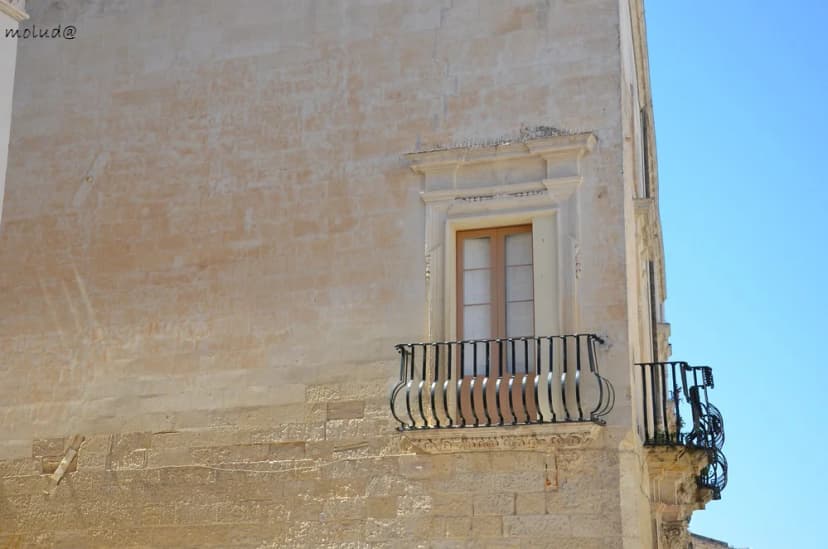
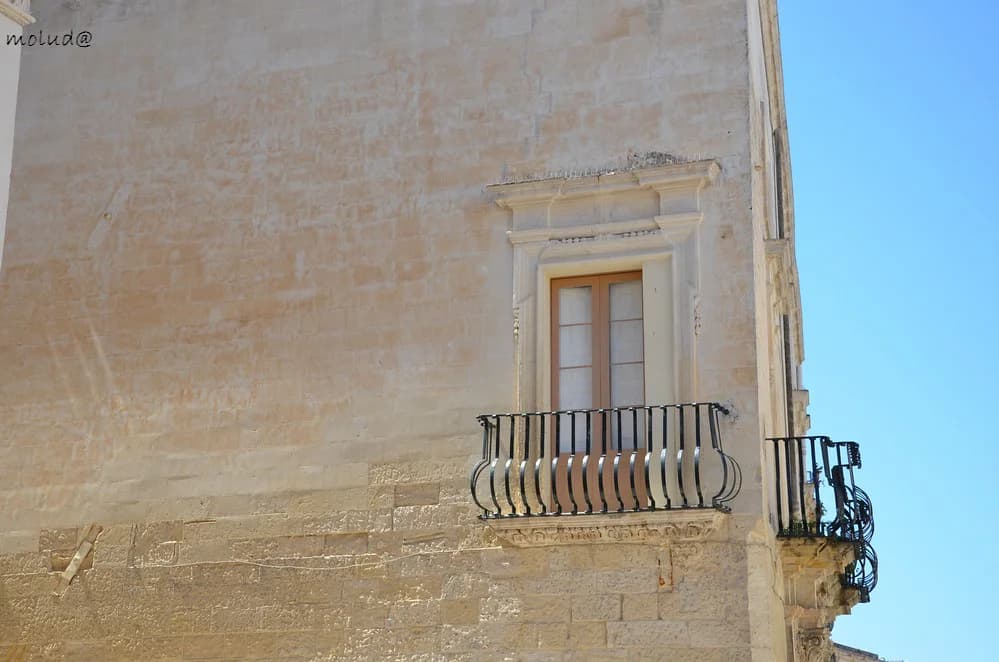
Many tourists forget that Lecce is a living city and not just a tourist destination. Be mindful of local residents when exploring the quieter residential alleys late at night. Avoid blocking narrow doorways while taking photos of the beautiful balconies and ornate doorways. Small gestures of courtesy go a long way in maintaining the welcoming atmosphere of the neighborhood. Also remember the ZTL zone: even dropping someone off by car inside the restricted area can trigger an automatic fine — always check boundary signs before entering by vehicle. Hotels inside the ZTL can issue temporary permits, but you must request these at check-in, not at the camera checkpoint.
Artisanal Treasures and Local Shopping
Lecce is famous for the ancient art of cartapesta, or paper-mâché, which dates back centuries. Local masters use simple materials like paper and straw to create incredibly detailed religious statues. You can visit small workshops along Via Palmieri to see these artists at work today. Small decorative items made with this technique make for lightweight and unique souvenirs, with prices starting around €10–€15 for small pieces in 2026. Larger commissioned pieces depicting saints or Baroque architectural motifs can run from €50 to several hundred euros depending on complexity and the reputation of the workshop.
The local limestone is another popular material for smaller handcrafted goods and home decor. Sculptors carve the soft stone into lamps, clocks, and intricate jewelry that reflects the city's architecture. Prices for these items vary greatly depending on the complexity of the design and the artist's skill. Shopping at independent boutiques helps support the local economy and preserves these traditional crafts. A carved stone piece makes a durable souvenir that captures the essence of Lecce far more authentically than mass-produced alternatives found in tourist shops near the main piazzas.
Textiles from the Salento region often feature bright colors and traditional Mediterranean patterns. Look for linen towels and tablecloths that are woven in nearby towns and sold in the old town, typically priced between €15 and €45 depending on size and quality. These high-quality goods often last for years and serve as a functional reminder of your trip. Most shops are happy to ship larger purchases back to your home address for a fee. For visitors who want to combine a shopping afternoon with beach time, the Lecce beach guide covers the best coastal spots within easy reach of the old town.
Day Trips and Excursions from Lecce
Lecce's position in the heel of the Italian boot makes it one of the best bases for exploring the wider Salento peninsula and the Puglia region. The city sits within easy reach of dramatic coastlines, cave cities, and Baroque hilltowns that are very different from the urban grandeur of the historic center itself. A well-planned day trip can dramatically expand the value of your time in this part of southern Italy without requiring you to change accommodation or arrange complex logistics.
Otranto is the closest major excursion destination and lies approximately 40 kilometres southeast of Lecce, reachable in around 35 minutes by car or 50 minutes by regional train costing €3.50 in 2026. The town's 11th-century cathedral contains one of the world's largest and most detailed floor mosaics, covering the entire nave with biblical scenes and mythological figures. The seafront castle and the blue-green waters of the Adriatic also make Otranto a popular half-day beach destination in summer. Buses from Lecce's Piazza Carmelo run hourly during peak season for approximately €3.50 return.
Gallipoli, on the Ionian coast about 37 kilometres southwest of Lecce, offers a very different character — a whitewashed island old town connected to the mainland by a 16th-century bridge. The town is renowned for its Baroque church of Sant'Agata and for some of the best beaches in the southern Salento, with clear turquoise water that rivals Sardinia in July and August. A day return bus from Lecce costs approximately €4–€5 in 2026, and a sun lounger with parasol on the most popular beaches runs €10–€16 per day. For the full picture of coastal options across the region, the best beaches in southern Italy guide ranks the top spots along this coastline.
Matera, the ancient cave city and UNESCO World Heritage Site, lies further afield at roughly 120 kilometres northwest of Lecce in the neighboring region of Basilicata. The journey takes approximately two hours by car or around two and a half hours by a combination of train and bus. Entry to the Sassi di Matera cave district is free to walk through; individual cave museums and rock churches charge €3–€6 each in 2026. Matera makes an ideal overnight extension rather than a rushed day trip, though day-trippers from Lecce do make the journey regularly in the summer. For more detail on the cave city, the Matera old town guide covers the Sassi districts, best viewpoints, and practical entry information. You can also find the full range of day trips from Lecce organized by travel time and transport option.
Alberobello, famous for its trulli — whitewashed conical stone buildings unique to this part of Puglia — sits about 80 kilometres north of Lecce and is reachable in approximately one hour by train via Bari, with a Trenitalia ticket costing around €9–€12 in 2026. The Rione Monti district contains the highest concentration of trulli and entry to the area is free, though visiting the interior of a trullo museum costs €1.50–€3. The combination of Alberobello and Matera in a two-day side trip from Lecce is one of the most popular itineraries in southern Italy and gives visitors an extraordinary contrast between cave dwellings and cone-roofed farmhouses within a single journey.
Frequently Asked Questions
Is Lecce old town safe for solo travelers?
Yes, Lecce's historic center is generally very safe for solo travelers even during the late evening hours. Standard precautions apply — keep bags zipped in busy piazzas and avoid poorly lit alleys late at night — but the city has a friendly, community-focused atmosphere. The well-lit piazzas and lively bar scene near Piazza Sant'Oronzo mean you are rarely alone in the evenings, making Lecce one of the most comfortable southern Italian cities for solo exploration in 2026.
How many days should I spend in Lecce?
Two to three days in Lecce provide enough time to see the major landmarks and enjoy the local food scene at a comfortable pace. This duration allows you to appreciate the Baroque details at the Basilica di Santa Croce, Piazza del Duomo, and the Roman Amphitheatre, while also fitting in a morning at a local bar and a long dinner at a trattoria. If you stay three nights, you can add a day trip to Otranto or Gallipoli without feeling rushed.
Can I reach the beach from Lecce old town?
Yes — Lecce is an inland city but the coast is only about fifteen to twenty minutes away by car or bus. San Cataldo is the closest beach, roughly 15 kilometres east of the old town, and is served by seasonal buses costing approximately €2 return in 2026. Many visitors prefer the clearer and calmer waters of Porto Cesareo on the Ionian coast, about 35 kilometres southwest, reachable by car in 40 minutes or by bus in around an hour.
What is Lecce's most famous church?
The Basilica di Santa Croce on Via Umberto I is Lecce's most celebrated church and one of the finest examples of Baroque architecture in all of southern Italy. Its facade took more than a century to complete and features an extraordinary riot of carved animals, figures, and floral motifs. Entry to the facade and main nave is free in 2026, making it an unmissable stop on any visit to the old town. It is open daily from 09:00 to 12:30 and 15:00 to 18:00.
What is a pasticciotto and where can I try one in Lecce?
A pasticciotto is a small oval pastry made from shortcrust dough and filled with lemon-scented vanilla custard cream. It is the signature breakfast pastry of Lecce and the Salento region, best eaten warm straight from the oven between 07:00 and 10:00. In 2026, expect to pay €2–€3 per pastry. The most recommended place to try one is Pasticceria Natale on Via Leonardo Prato, a historic patisserie that has been serving them since 1948. Pair it with a Caffè Leccese (espresso over ice with almond milk, €2–€2.50) for the full local breakfast experience.
Is Lecce suitable as a day trip from Bari?
Lecce is reachable from Bari in approximately one hour and fifteen minutes by direct train, with tickets costing around €12 each way in 2026. While a long day trip is technically possible, an overnight stay is strongly recommended. The city's evening atmosphere — when the Baroque facades glow under artificial light and the piazzas fill with locals for the passeggiata — is one of the highlights of any visit and cannot be experienced on a rushed day trip. The last direct trains back to Bari run around 21:00–22:00, so check schedules carefully if you plan to return the same day.
What is the ZTL zone in Lecce and how do I avoid a fine?
The ZTL (Zona a Traffico Limitato) in Lecce is a restricted traffic zone covering most of the historic center, monitored by automatic cameras. Driving into the ZTL without authorization triggers a fine of €100 or more, which may arrive weeks after your trip via post. To avoid this, park outside the ZTL in a blue-zone street space (approximately €1–€1.50 per hour in 2026) or in a multi-storey car park near Porta Napoli (€7–€10 per day). If your hotel is inside the ZTL, it can issue a temporary permit — request this at check-in before driving to the property.
When is the best time of year to visit Lecce?
April to June and September to October are the best months to visit Lecce. Temperatures are warm but not oppressive (20–28°C), crowds are manageable, and accommodation prices are significantly lower than in July and August. Summer peak season (July–August) sees temperatures above 35°C and a large influx of Italian domestic tourists, which drives hotel rates up and can make the narrow streets feel crowded by midday. Winter visits (November–February) are quiet and mild by northern European standards, with daytime highs around 12–16°C, though some coastal restaurants and beach facilities close entirely.
Lecce offers a unique blend of historical grandeur and relaxed southern Italian charm. Following this 2026 guide ensures you see the best sights while navigating the city like a local — from the free entry to the Roman Amphitheatre and Basilica di Santa Croce to the €2 rustico leccese from a bakery on a sunny morning. Remember to pace yourself and enjoy the slow rhythm of life in the Salento region, respecting the midday riposo and the evening passeggiata traditions that define life in the old town.
The city serves as an excellent base for exploring the wider Puglia area during your stay. Consider booking a few day trips from Lecce to see the olive groves, coastal towns, and cave cities of the region. Your 2026 trip to this golden city will likely be a highlight of your Italian travels.