France Travel Guide 2026: Cities, Tips & Top Things to Do
France's top museums and landmarks have fixed entry prices: the Louvre costs €22, Palace of Versailles €21, and the Eiffel Tower summit €29.40 — book online in advance to skip queues.
Getting around France is fast and affordable: the TGV Paris–Bordeaux takes just 2 hours from €35–€80 one-way, and a comfortable daily travel budget for regional France is €80–€150 per person including accommodation, food, and transport.
France is synonymous with the good life — extraordinary food, world-class wine, sophisticated architecture, and a culture that has shaped Western civilisation for centuries. Beyond Paris, France's regions each offer a distinct identity: Alsace's Germanic half-timbered villages and Christmas markets, Bordeaux's prestigious wine estates and newly renovated waterfront, Toulouse's terracotta-pink medieval city nicknamed La Ville Rose, and the Mediterranean-tinged streets of Montpellier. Our France guides focus on the country's most compelling regional cities — the destinations that reward travellers who venture beyond the Eiffel Tower.
This guide covers the best of France — including Bordeaux, Strasbourg, Colmar, Toulouse, Montpellier, and Normandy — with expert tips on old towns, beaches, day trips, safety, and travel planning for 2026.
Alsace & Strasbourg: France's Christmas Capital
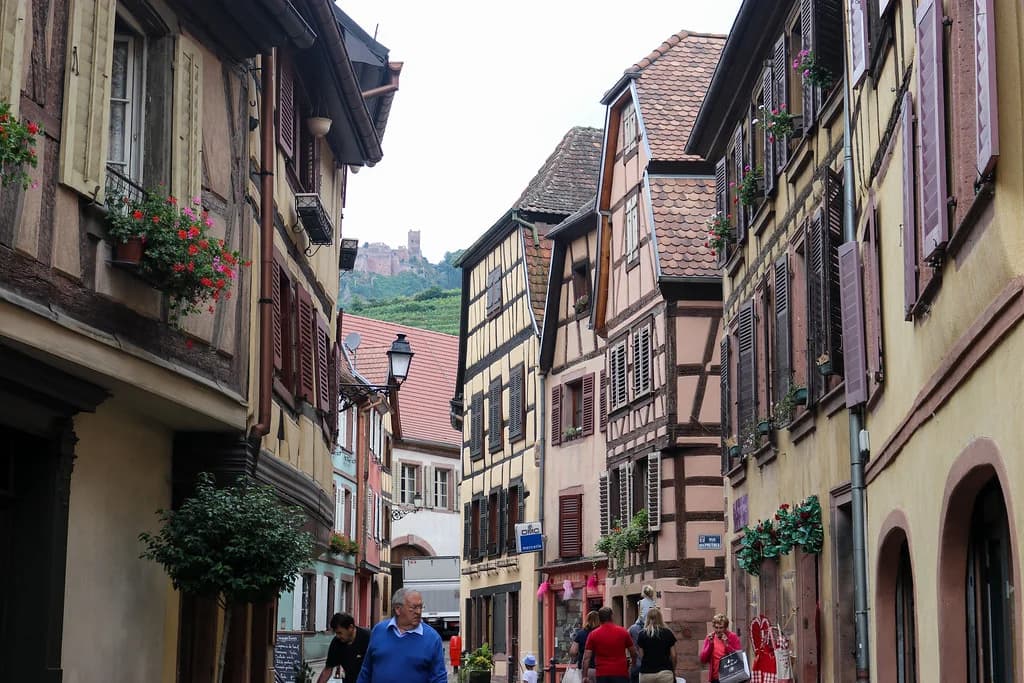
The Alsace region along the Rhine produces some of the most distinctive wines in France — Riesling, Gewurztraminer, and Pinot Gris cultivated in soils that are French in culture but shaped by centuries of Alsatian and Germanic tradition. The Route des Vins wine trail winds through a string of fairy-tale villages between Strasbourg and Colmar, making this one of the most scenic drives in Europe. In winter, however, Alsace transforms completely: Strasbourg and Colmar host Europe's most atmospheric Christmas markets, drawing visitors from across the continent.
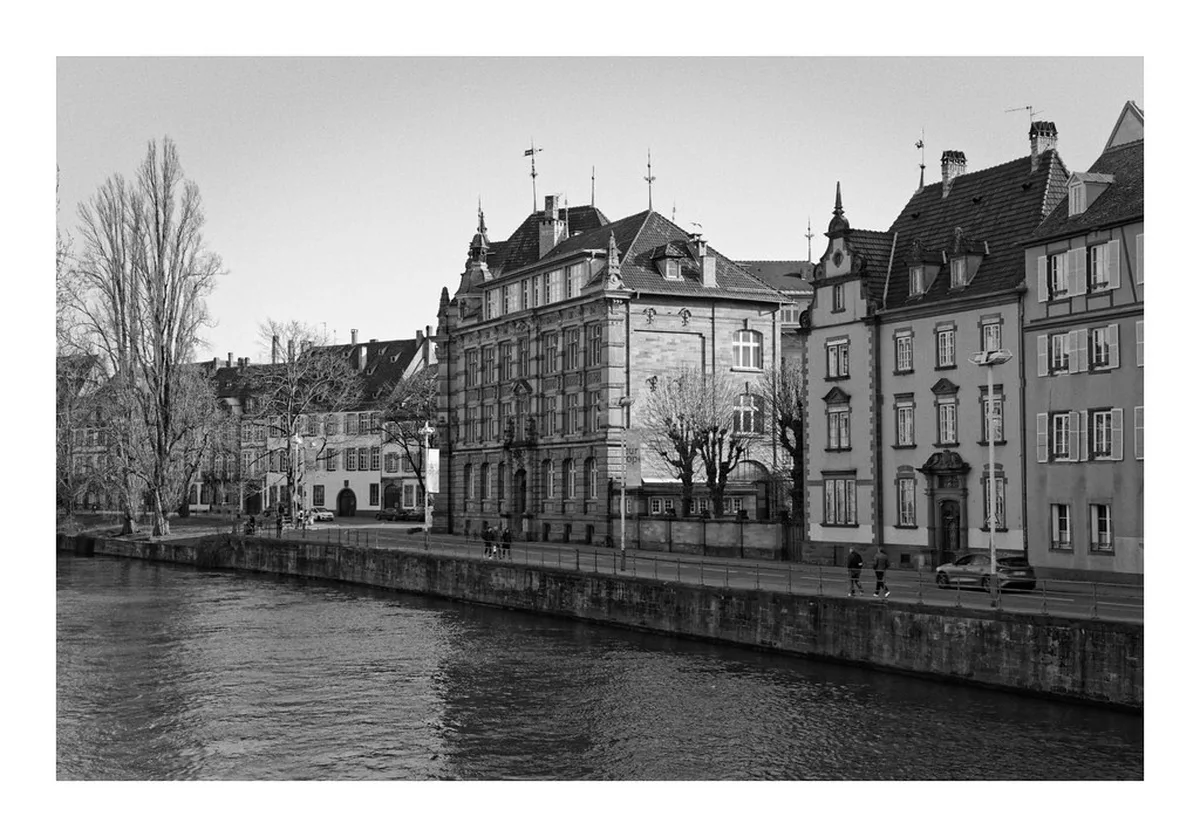
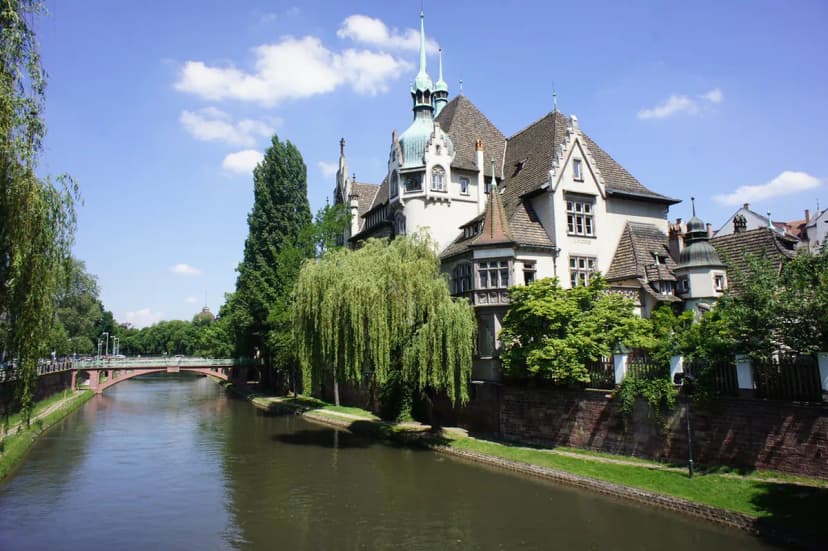
Strasbourg's old town — Grande Île — is a UNESCO World Heritage Site, a dense island of medieval streets surrounded by the Ill River. The Gothic Cathedral of Notre-Dame, the Petite France district of tanners' houses reflected in still canals, and the grand Place Kléber are all within easy walking distance. Strasbourg is also the seat of the European Parliament and the Council of Europe, giving it a cosmopolitan energy unlike any other French city of its size.
The Strasbourg Christmas Market (Christkindelsmärik) is the oldest in France, dating to 1570. Running from late November through December 24th, it fills Place Kléber and Place Broglie with around 300 wooden chalets selling bredele biscuits, mulled wine (vin chaud at around €3–€4 a cup), and handcrafted ornaments. Entry is free. The Christmas Market in nearby Colmar is smaller but arguably more picturesque, set amid half-timbered buildings draped in fairy lights. For a full Alsace itinerary combining both cities, the Alsace travel guide covering Strasbourg and Colmar gives you a detailed plan. Day trippers from Strasbourg can also explore the wider region — see the best day trips from Strasbourg for options including the Rhine Valley, Black Forest, and Colmar itself.
Colmar: The Most Beautiful Town in Alsace
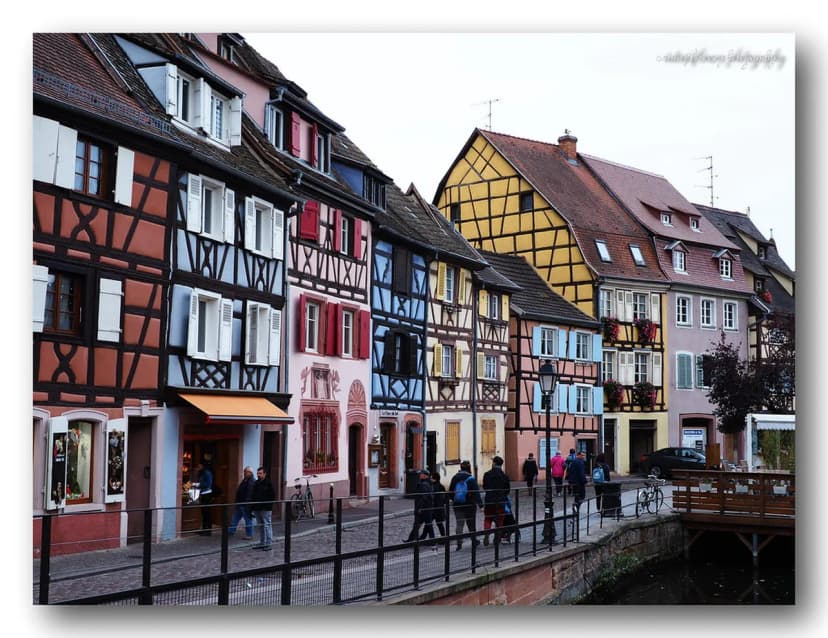
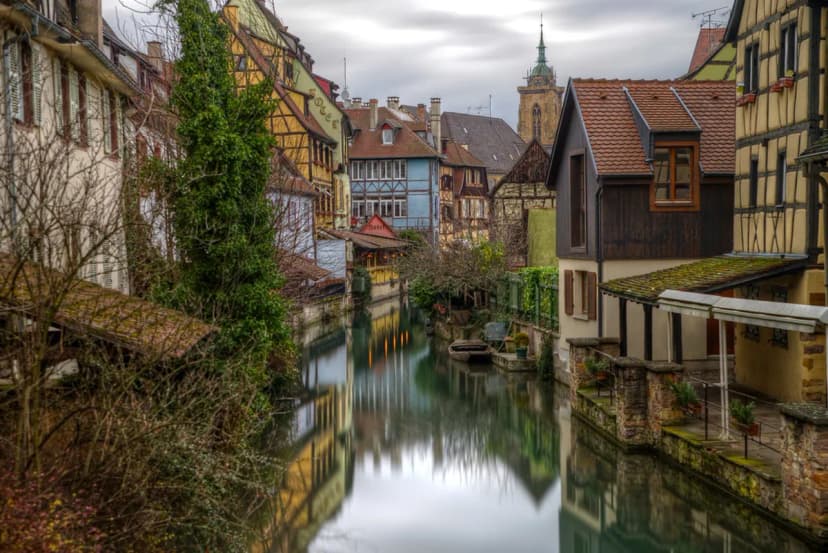
Colmar is frequently cited as one of the most beautiful small towns in France — and the photographs rarely disappoint in person. The Colmar old town is a preserved ensemble of half-timbered Renaissance and Baroque architecture in vivid shades of yellow, blue, and red, arranged around canals and cobbled market squares. Unlike many tourist towns in France, Colmar's centre is entirely authentic — these are working buildings, not a preserved open-air museum.
The Petite Venise (Little Venice) neighbourhood is the most photographed part of Colmar: a canal flanked by colourful former fishermen's and tanners' houses, best seen by a flat-bottomed boat (barge tours cost around €7–€10 per adult). The Place de l'Ancienne Douane and Rue des Marchands are worth lingering on for their architecture. The Unterlinden Museum, housed in a 13th-century Dominican convent, holds the Isenheim Altarpiece — considered one of the greatest works of Northern Renaissance art — entry costs €15.
Colmar is compact enough to cover in a day, but an overnight stay lets you experience the town after day-trippers leave, when the light on the buildings turns golden and the Christmas market glows. The Colmar Christmas market guide has everything you need for a December visit. For a self-guided walk, the Colmar walking tour maps the key highlights in a logical two-hour circuit. Base accommodation in Colmar costs €80–€150 per night for a comfortable mid-range hotel; €40–€65 for budget options.
From Colmar, excellent day trips are possible in every direction: north to Strasbourg (30 minutes by TER train, €11 one-way), east to Germany's Freiburg via the Rhine crossing, or south into the southern Alsatian wine villages around Riquewihr and Eguisheim. The day trips from Colmar guide covers all the best options with transport times and costs.
Bordeaux: Wine, Architecture & a Reinvented Waterfront
Bordeaux has undergone one of the most dramatic urban transformations in recent French history. Once a city associated primarily with wine trade and grand but grimy 18th-century facades, it has reinvented itself into one of France's most dynamic and liveable urban destinations. The Place de la Bourse waterfront — now reflected in the vast Miroir d'Eau water mirror, the world's largest reflecting pool — is a symbol of this renewal. The Cité du Vin museum (entry €22) is a landmark building dedicated to wine cultures worldwide, with a panoramic tasting deck overlooking the Garonne.
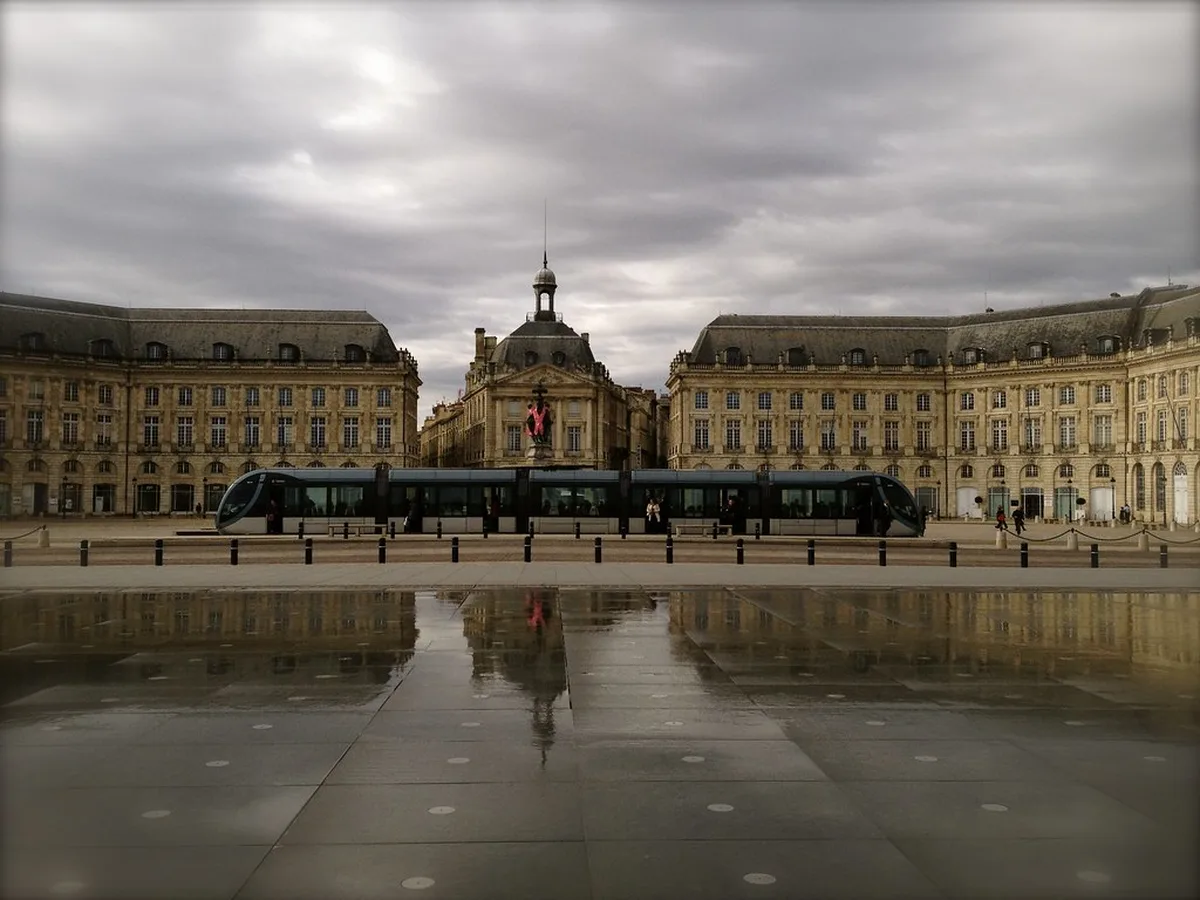
The Bordeaux old town guide takes you through the UNESCO-listed historic centre: the grand 18th-century Place des Quinconces, the Saint-Pierre and Saint-Michel quarters with their independent shops and tapas bars, and the Grosse Cloche medieval bell tower. The city's neoclassical architecture — entire boulevards of honey-coloured limestone — earned Bordeaux its UNESCO listing as "an outstanding urban and architectural ensemble." The Grand Théâtre on Place de la Comédie is one of the finest 18th-century theatres in Europe.
Wine tourists will want to explore the surrounding châteaux of the Médoc, Saint-Émilion, and Pomerol appellations. Saint-Émilion is the most visitor-friendly, a medieval hilltop village (45 minutes by TER train, €12 return) surrounded by some of the world's most prestigious vineyards. Entry to the famous Saint-Émilion underground church costs €10. A Bordeaux 3-day itinerary covers the city and a wine excursion in a logical sequence. For getting in and around, the Bordeaux parking guide is essential reading if you're arriving by car. Safety-conscious visitors can check the Bordeaux safety guide for neighbourhood-by-neighbourhood advice.
Toulouse: La Ville Rose
Toulouse's most distinctive quality is its colour. The city is built almost entirely from terracotta-pink brick — the same warm reddish-orange brick that glows at sunset over the Garonne River — earning it the affectionate nickname La Ville Rose (The Pink City). It is France's fourth-largest city, a major university hub with over 130,000 students, and the centre of Europe's aerospace industry: Airbus assembles the A350, A380, and the Beluga SuperTransporter at its Toulouse factories, and the Aeroscopia museum (entry €15) lets visitors walk through retired Concordes and A380s.
The Toulouse old town guide covers the essential historic centre: the Place du Capitole, the city's grand central square dominated by the 18th-century Capitole building (free entry to the reception rooms on weekdays), the Jacobins Convent with its exceptional palm-tree vault ceiling, and the Saint-Sernin Basilica — one of the finest Romanesque churches in Europe and a UNESCO site on the Camino de Santiago pilgrimage route. The Canal du Midi, another UNESCO landmark, begins in Toulouse and winds 240 kilometres to the Mediterranean — renting a bicycle along the canal towpath (€15/day) is one of the best ways to see the city's outskirts.
Toulouse has an emerging food and nightlife scene centred on the Carmes and Saint-Aubin neighbourhoods — the Toulouse nightlife guide covers the best bars, wine caves, and clubs. The city is also a practical base for day trips from Toulouse to Albi (a UNESCO Episcopal city, 1 hour by train), Carcassonne's medieval citadel (50 minutes, €17 TER return), and the Pyrenean foothills. The Toulouse safety guide provides context on which areas to be aware of.
Montpellier: Mediterranean France at its Most Vibrant
Montpellier is France's fastest-growing city — a sun-drenched, youthful university town on the Mediterranean coast with a well-preserved historic centre, easy beach access, and a relaxed lifestyle that attracts both French internal migrants and international students. It lacks the major iconic sights of Paris or Lyon, but what it offers instead is a very liveable southern French experience: warm winters, café terraces in active use year-round, and a genuine local culture not yet overwhelmed by tourism.
The Montpellier old town guide explores the Écusson — the historic centre shaped like a heraldic shield by its ring of boulevards. Place de la Comédie (known locally as l'Oeuf, the Egg) is the social hub, lined with cafés and anchored by the Opéra Comédie. The Promenade du Peyrou, an esplanade with a triumphal arch modelled on the Arc de Triomphe, gives views across the city. The Fabre Museum (entry €9) holds one of the most significant fine art collections in southern France.
Montpellier's beaches are a major draw — the nearest, Palavas-les-Flots, is 12 kilometres from the city centre (accessible by tram line 3, €1.70). The Montpellier beach guide covers the best spots along the Hérault coast, from Carnon to La Grande-Motte, with transport options and parking tips. The Camargue natural reserve — Europe's largest river delta, home to wild flamingos and white horses — begins 40 kilometres west; see the day trips from Montpellier guide for a full excursion plan. For those concerned about urban safety, the Montpellier safety guide gives honest, neighbourhood-specific advice.
Normandy: D-Day History & Dramatic Coastlines
Normandy is one of France's most historically significant and scenically dramatic regions — a landscape of chalk cliffs, apple orchards, Gothic abbeys, and coastlines that carry the weight of the 20th century's most pivotal military operation. For travellers based in Paris, Normandy is the most rewarding day trip in all of northern France, reachable by direct train from Paris Saint-Lazare in under 2 hours to Rouen (from €25 one-way) or Caen (from €30).
The D-Day beaches of June 6, 1944 — Utah, Omaha, Gold, Juno, and Sword — stretch across 80 kilometres of coastline in the Calvados department. Omaha Beach remains the most visited, with the American Cemetery at Colleville-sur-Mer (free entry) overlooking the sea in one of the most sobering landscapes in Europe. The Mémorial de Caen museum (entry €20) provides the most comprehensive account of the Normandy campaign in English. From Bayeux, the famous Bayeux Tapestry (entry €12) — an 11th-century embroidered chronicle of the Norman conquest of England — is a UNESCO Memory of the World document displayed in a purpose-built museum.
Mont-Saint-Michel, the tidal island abbey rising from a bay shared by Normandy and Brittany, is France's most visited monument outside Paris. Day access is free; abbey entry costs €13. The tides are among the fastest-rising in Europe — follow the marked causeway and never cross the sand on foot without a guide. Our dedicated Normandy travel guide for a day trip from Paris covers the key decisions: Rouen vs Caen vs Mont-Saint-Michel, guided tour vs self-drive, and which D-Day sites are accessible without a car. If you have two days, combining Rouen's Gothic cathedral and its Impressionist heritage with a coastal drive to Étretat's famous chalk arches is an outstanding itinerary.
France Travel Budget: What to Expect in 2026
France covers a wide spectrum of travel costs — from genuinely budget-friendly experiences in student cities and rural areas to some of the most expensive hospitality in Europe in Paris and the French Riviera. For travellers focusing on France's regional cities covered in this guide, the costs are more manageable than the country's luxury reputation suggests.
Accommodation: Budget hostels in cities like Montpellier, Toulouse, and Strasbourg start at €25–€40 per night for a dorm bed. A comfortable mid-range hotel room in any regional French city costs €80–€130 per night. Bordeaux and Strasbourg tend to be slightly pricier than Toulouse and Montpellier. Booking 3–4 weeks ahead and avoiding French school holiday periods (Toussaint, Noël, February half-term, and Easter) reduces costs by 20–40%.
Food: A basic lunch menu (plat du jour + bread + carafe of water) at a local French bistro costs €12–€17 in regional cities. A three-course dinner with wine at a quality restaurant costs €30–€55 per person. Supermarkets (Carrefour, Lidl, Intermarché) allow self-catering for €8–€12 per day. Street food is less developed in France than in southern Europe — crêperies, sandwich bars (baguettes at €4–€7), and Lebanese-French restaurants are the main budget food options.
Transport: The French SNCF rail network is extensive. A standard second-class TGV ticket booked 4–6 weeks ahead costs €35–€80 for intercity routes. Regional TER trains (Strasbourg–Colmar: €11; Bordeaux–Arcachon: €9) are priced separately and are excellent value. In cities, tram and metro networks cost €1.70–€2 per journey with day passes at €4.50–€6. Renting a car for rural Normandy or the Alsace wine route costs €35–€55 per day from major agencies at airports; fuel is approximately €1.75–€1.90 per litre.
Attractions: Paris attracts the highest entry prices (Louvre €22, Versailles €21, Eiffel Tower summit €29.40). Regional museums are more affordable: Toulouse's Capitole is free, the Fabre Museum in Montpellier costs €9, and the Strasbourg historical museum costs €7.50. Many French municipal museums offer free entry on the first Sunday of each month. EU citizens under 26 years old get free entry to all French national monuments and museums — bring your EU ID card or passport.
Overall daily budget: A budget traveller staying in hostels and eating from supermarkets can manage on €60–€80 per day in French regional cities. A comfortable mid-range trip costs €120–€180 per day. Luxury travel in France — fine dining, design hotels, château wine tasting experiences — costs €300+ per day. The sweet spot for most visitors is the €100–€150 per person per day range, which gets you a good hotel, two restaurant meals, public transport, and one or two paid attractions.
Getting Around France by Train
France's TGV (Train à Grande Vitesse) network is one of the finest high-speed rail systems in the world, connecting all major cities at speeds up to 320 km/h. For travellers exploring the cities in this guide, the train is almost always the best option — faster than flying (once airport check-in is factored in), more city-centre to city-centre, and significantly less polluting.
Key routes and journey times: Paris Montparnasse to Bordeaux takes 2 hours 5 minutes (from €35 booked ahead, up to €120 last-minute). Paris Est to Strasbourg takes 1 hour 47 minutes (from €29 booked 2+ months ahead). Bordeaux to Toulouse takes 2 hours 7 minutes by TGV (from €20 off-peak). Strasbourg to Colmar is a regional TER train — 25 minutes, €11 one-way, no reservation required. Toulouse to Montpellier takes 2 hours 15 minutes (from €19 TGV).
Booking: Book via SNCF Connect (sncf-connect.com) or the SNCF app. For rail passes, Interrail (EU citizens) and Eurail (non-EU citizens) cover all French trains. A 3-day France pass costs approximately €175 in second class — worthwhile if you're doing 4+ TGV journeys. Seat reservations (€10 per TGV) are mandatory even with rail passes and must be booked separately.
Night trains: SNCF's Intercités de Nuit network has been partially revived — Paris to Toulouse departs at 22:12, arriving at 07:21 (from €29 for a couchette), saving a hotel night. Paris to the Hendaye (Basque coast) and Paris to Briançon (Alps) are the other main overnight routes.
When to rent a car: Trains reach all the cities in this guide efficiently, but renting a car is worth considering for the Alsace wine route (village-hopping between Obernai, Riquewihr, Kaysersberg, and Eguisheim), the D-Day beaches of Normandy (public transport is very limited between the sites), and the Dordogne/Périgord region south of Bordeaux. Rental prices are significantly cheaper booked in advance through comparison sites (Rentalcars.com, AutoEurope) versus at airport counters.
Frequently Asked Questions about Travelling to France
What is the best city in France besides Paris?
Bordeaux, Lyon, and Strasbourg consistently rank as the most rewarding French regional cities. Lyon is France's gastronomic capital. Strasbourg is the seat of the European Parliament and a UNESCO-listed old town. Bordeaux combines outstanding wine estates, a UNESCO historic centre, and a revitalised waterfront. For Mediterranean character, Montpellier and Marseille offer a distinctly southern French experience.
When is the best time to visit France?
April–June offers pleasant weather, blooming countryside, and manageable crowds — the best all-round period for most visitors. September–October is ideal for wine touring (harvest season), fewer tourists, and warm days without summer heat. December is unmissable for the Alsace Christmas markets in Strasbourg and Colmar. Avoid the first two weeks of August and French school holiday periods for lower prices and shorter queues.
How much does it cost to visit France per day?
A budget traveller in French regional cities can manage on €60–€80 per day using hostels (€25–€40/night) and supermarkets for meals. A comfortable mid-range trip costs €120–€180 per day with a hotel, two restaurant meals, transport, and one paid attraction. Allow €100–€150 per person per day as a realistic planning figure for cities like Bordeaux, Strasbourg, and Toulouse. Paris and the French Riviera cost significantly more.
How do I travel around France by train?
France's TGV high-speed train network is the fastest and most convenient way to travel between cities. Paris–Bordeaux takes 2 hours 5 minutes from €35; Paris–Strasbourg takes 1 hour 47 minutes from €29. Book via SNCF Connect (sncf-connect.com) or the SNCF app. EU citizens can buy Interrail passes; non-EU citizens use Eurail. Seat reservations (€10 per journey) are mandatory on TGV trains even with a rail pass.
Is France safe for tourists?
France is generally safe for tourists. Pickpocketing is the most common risk in crowded areas, particularly on public transport, around major tourist sites, and at Christmas markets. Bordeaux, Strasbourg, Colmar, and Toulouse are all considered safe for visitors; see our dedicated safety guides for each city. Standard precautions apply: use hotel safes for passports, be aware of your surroundings in busy areas, and avoid deserted streets at night in peripheral urban areas.
Do I need to speak French to travel in France?
English is widely spoken in French tourist areas, hotels, and major restaurants — especially in Strasbourg (which has a large European civil service population), Bordeaux, and Montpellier (a major university city). In smaller villages and local markets, basic French phrases are helpful and appreciated. Learning to say bonjour (hello), merci (thank you), and une carafe d'eau, s'il vous plaît (a jug of tap water, please) goes a long way in local establishments.
What are the best day trips to do from France's regional cities?
Each regional city offers excellent day trip options. From Strasbourg: Colmar (25 min by TER), the Alsace wine route villages, and Germany's Black Forest. From Bordeaux: Saint-Émilion wine village (45 min by TER, €12 return), Arcachon and the Dune du Pilat (50 min). From Toulouse: Albi (1 hour by train) and Carcassonne's medieval citadel (50 min, €17 return). From Montpellier: Palavas-les-Flots beach (tram, €1.70) and the Camargue. From Paris: Normandy's D-Day beaches and Mont-Saint-Michel.
France offers an extraordinary breadth of experiences — from the half-timbered Christmas market towns of Alsace and the wine-estate country around Bordeaux, to the pink-brick boulevards of Toulouse, the sunny Mediterranean energy of Montpellier, and the D-Day coastlines of Normandy. Whether you're planning your first visit or returning to explore deeper, our city-by-city guides below give you everything you need to plan a confident, rewarding trip in 2026.