The Ultimate Toulouse Old Town Guide for Travelers in 2026
Toulouse's old town (Vieux Quartier) is walkable in under 20 minutes: Place du Capitole and Saint-Sernin nave are free, Couvent des Jacobins cloister costs €5, Cité de l'Espace €25, and a metro ticket €1.80 in 2026.
Musée des Augustins charges €8 in 2026, the Capitole courtyard is free, and a full sightseeing day combining landmarks and Marché Victor Hugo lunch costs under €45 per person.
The historic center of Toulouse glows with a distinctive terracotta hue that earns it the nickname "La Ville Rose." Walking through these narrow streets feels like stepping back into a grand medieval past. Most visitors start their journey at the iconic Place du Capitole to soak in the local atmosphere. This comprehensive guide helps you navigate the winding alleys and discover the secrets of the Vieux Quartier, with accurate 2026 prices and updated opening details throughout.
Ancient brick facades line the boulevards and provide a warm backdrop for your morning explorations. Beyond the famous plazas, you will find a wealth of cultural treasures and vibrant culinary markets. Many travelers prioritize the major landmarks but often miss the quiet charms of the smaller neighborhoods, including the Garonne waterfront and the iconic pink-brick residential quarters. Our Toulouse nightlife guide and Toulouse beach guide cover the city's livelier sides in full detail.
Top Landmarks in the Toulouse Old Town
Place du Capitole serves as the beating heart of the city and houses both the city hall and an opera house. Admission to the grand Henri IV courtyard is free during standard business hours from Monday to Saturday, making it one of the best no-cost experiences in Toulouse. Keep an eye on the ceiling frescoes that depict famous moments from local history — they are among the finest civic paintings in southern France. The square often hosts lively markets where you can find regional crafts, seasonal produce, and the violet-based confections Toulouse is famous for. Every Wednesday and Saturday morning a large open-air market fills the surrounding streets, drawing locals and visitors alike with stalls of fresh bread, Périgord truffles, and aged Comté cheese.
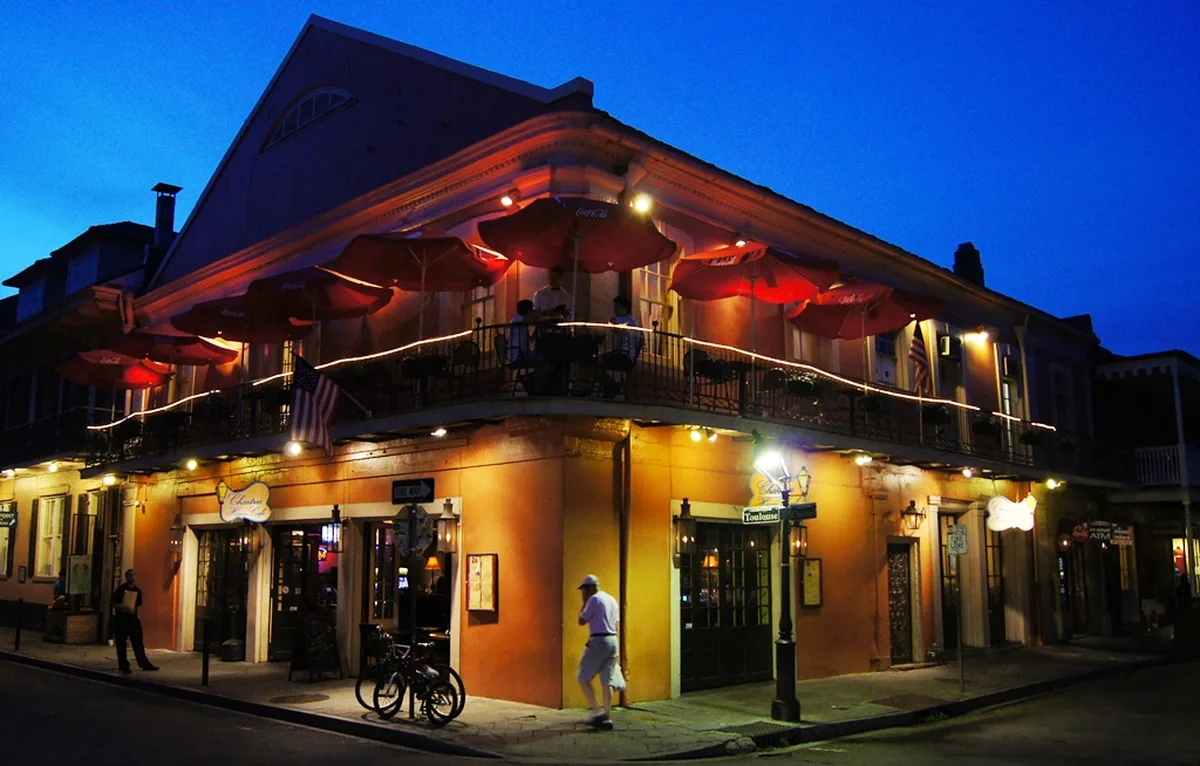
The Basilique Saint-Sernin stands as a masterpiece of Romanesque architecture and a key stop on the Camino de Santiago pilgrimage route. Entry to the main nave remains completely free in 2026, though visiting the sacred crypts costs €4. Arrive before 10:00 AM to enjoy the quiet majesty of the interior before the tour groups arrive. This UNESCO World Heritage site features intricate brickwork that looks particularly stunning during the golden hour when the setting sun turns the facade a deep amber. The ambulatory chapels contain reliquaries dating back to the 9th century, and the church's five-aisled basilica plan influenced ecclesiastical construction across Europe. Allow at least 45 minutes to properly appreciate the interior, exterior apse, and the atmospheric square in front of the main portal.
Couvent des Jacobins offers a peaceful escape from the city's bustle with its unique "palm tree" vaulting and serene cloister. In 2026, the standard cloister entry fee is €5 (free on the first Sunday of each month), while the church itself remains open to everyone at no charge. The acoustics inside the church are legendary and the space occasionally hosts intimate classical music concerts — check the Toulouse tourism website for seasonal programming. Photographers will appreciate the play of light through the stained glass windows in the late afternoon, when the rose window casts geometric patterns across the pale stone floor. The refectory connected to the cloister also hosts temporary art exhibitions throughout the year.
Musée des Augustins, housed in a converted 14th-century Augustinian monastery, is the city's principal fine-arts museum and charges €8 in 2026 (under-26 free, EU residents under 26 free). The collection spans medieval sculpture to 19th-century French painting and includes one of France's finest Romanesque capital collections, carved directly from the region's distinctive pink stone. The Gothic church wing of the building — with its soaring ribbed vaults — is itself a work of art worth the admission price. Plan at least 90 minutes here; pick up the free English-language map at the desk to orient yourself among the 4,000-object collection.
- Place du Capitole
- Type: Central square
- Best for: People watching, markets
- Where: City center
- Cost: Free
- Basilique Saint-Sernin
- Type: Romanesque church (UNESCO)
- Best for: History buffs, pilgrims
- Where: Northern old town
- Cost: Free nave / €4 crypts (2026)
- Couvent des Jacobins
- Type: Gothic monastery
- Best for: Architecture, photography
- Where: Near Capitole
- Cost: €5 cloister (2026), free church
- Musée des Augustins
- Type: Fine arts museum
- Best for: Sculpture, medieval art
- Where: Rue de Metz
- Cost: €8 (2026)
Wandering Through the Medieval Narrow Streets
Rue du Taur connects the Capitole to the Basilica and features some of the most charming storefronts in the entire old town. Local boutiques sell everything from pastel-dyed fabrics to artisanal violet-flavored candies — the latter a Toulouse specialty with origins in the 19th century. Look up to spot the traditional wrought-iron balconies that characterize the residential buildings here; many date back four hundred years and feature decorative motifs inspired by the region's woad-trade prosperity. This street provides a perfect path for those who enjoy a slow-paced stroll through history, and on weekday mornings you will share it mostly with students heading toward the nearby university quarter.
Hidden behind unassuming wooden doors lie the Hôtels Particuliers — grand private mansions built for the wealthy merchants and magistrates of the Renaissance. The Hôtel d'Assézat is perhaps the most famous and now houses the Fondation Bemberg art collection (entry €9 in 2026), which includes works by Cranach, Bonnard, and Toulouse-Lautrec. Some courtyards allow public access during the day if you enter quietly and respect the residents — look for the medallion keystones above the doorways as a sign of Renaissance prestige. These structures reflect the immense wealth generated by the woad (pastel) dye trade in the 16th century, a brief period when Toulouse was one of the richest cities in Europe. A self-guided walk hitting five of the major Hôtels Particuliers takes roughly two hours and requires no entrance fees beyond the Fondation Bemberg.
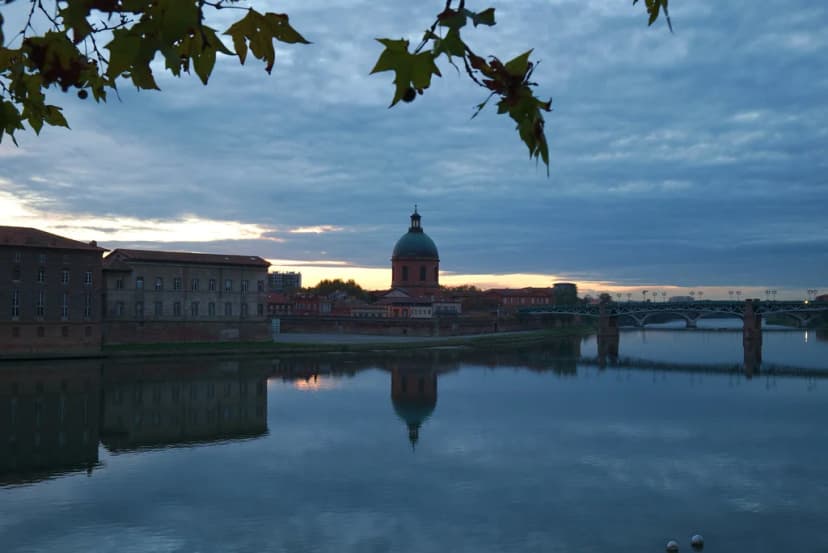
Quartier de la Daurade sits right on the banks of the Garonne River and offers refreshing breezes and some of the best sunset views in the city. The riverfront steps — called the "berges" — are a popular gathering spot for students, families, and musicians during spring and summer evenings. Visit the nearby Basilique Notre-Dame de la Daurade to see the famous Black Virgin statue, venerated by locals for centuries and particularly associated with the city's patron feast days. Sunset views from the Pont Neuf bridge provide the most iconic photo opportunities in all of Toulouse; the bridge itself dates to 1659 and its seven asymmetrical arches adapt to the fluctuating Garonne water levels. From the bridge, looking northeast toward the old town, the terracotta skyline glows almost orange in the evening light — the moment that best explains the Pink City's nickname.
Place Saint-Étienne, Toulouse's oldest square, rewards those who venture slightly away from the main tourist axis. The Cathédrale Saint-Étienne here is an architectural curiosity: two mismatched naves joined when construction funds ran out in the 13th century, giving it a deliberately asymmetric interior that puzzles and delights visitors. Entry is free. The square surrounding the cathedral is lined with pavement cafes where locals play chess or simply read in the afternoon sun. Between Saint-Étienne and the river, the grid of streets known as the Esquirol neighborhood contains some of the city's finest independent bookshops, vintage clothing stores, and wine bars — worth 30 minutes of aimless exploration on any afternoon visit.
The Garonne Waterfront and Île du Ramier District
The Garonne River is the spine that gives Toulouse its shape, and walking its banks reveals a side of the city that most visitors rush past on their way between monuments. The berges de la Garonne — the landscaped riverside paths on both banks — extend for several kilometres and are used daily by joggers, cyclists, and families pushing prams. Starting from the Pont Neuf and walking south along the right bank takes you past 17th-century flood-relief chambers built into the bridge's piers, still visible as arched niches above the waterline, a feat of engineering that allowed controlled flooding to protect the city.

Île du Ramier is a 65-hectare river island connected to both banks by footbridges and home to the Parc de la Plaine — one of the largest green spaces inside the city limits. In summer (late June through August) the island hosts Toulouse Plages, an urban beach festival with imported sand, beach volleyball, free outdoor cinema, and pedalo rentals on the river (pedalo hire approximately €8–€10 per 30 minutes in 2026). Admission to the island itself is always free. The park's shaded plane-tree avenues make it an excellent midday escape from the heat of the stone streets; local families arrive with picnic blankets and spend entire Sunday afternoons here.
Stade Toulousain, the home of the famous Stade Toulousain rugby club and one of the most storied stadiums in French sport, is also located near the island. If your visit coincides with a Top 14 match (season runs September–June), securing tickets in advance via the club's official website is strongly recommended — tickets range from €20 to €60 depending on the stand and fixture. Rugby is not just a sport here; it is a civic identity, and attending a match is a genuinely local cultural experience.
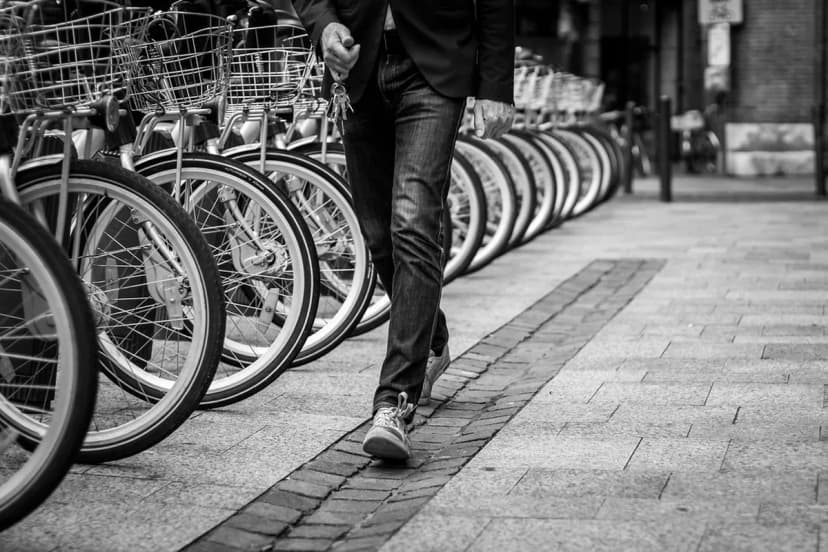
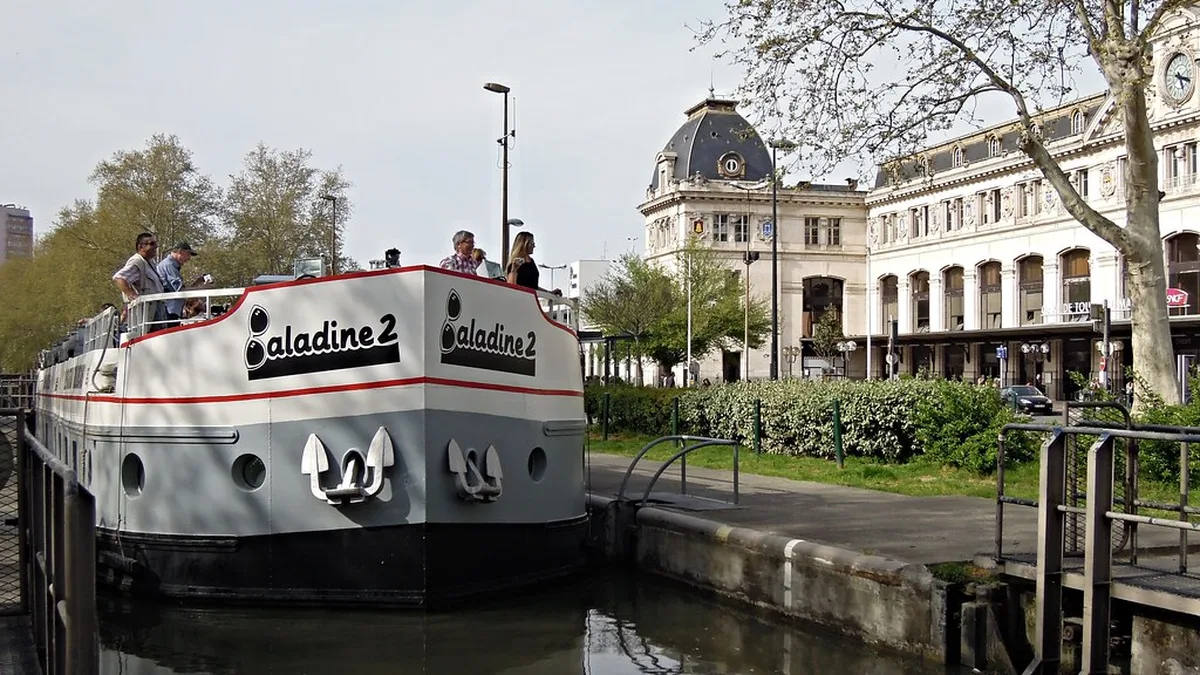
The Canal du Midi begins its 240-kilometre journey to the Mediterranean from Toulouse's Port de l'Embouchure (Port Saint-Sauveur), a short bike ride from the old town. The towpath along the canal is a UNESCO World Heritage corridor in its own right, shaded by ancient plane trees and dotted with lock-keeper cottages. Renting a bicycle (around €15–€20/day from city bike-share or independent shops near the Capitole in 2026) and cycling the first five kilometres of the canal as a half-day excursion is one of the best low-cost experiences available in the Toulouse area. The path is entirely flat and suitable for all fitness levels.
Practical Logistics for Your Toulouse Visit
Walking remains the most effective way to navigate the compact streets of the historic district. The narrow lanes are often pedestrianized or have very limited vehicle access during the day, and the absence of motor traffic makes the old town safe and pleasant even for families with young children. Wear comfortable shoes with good grip: the cobblestones in the older sections of the Vieux Quartier are uneven, and some side alleys slope unexpectedly toward the river. Most major sites are located within a twenty-minute walk of each other, making a full day of sightseeing entirely car-free and refreshingly affordable.
Public transport is efficient and well-integrated if you need to travel beyond the historic core to attractions such as Cité de l'Espace (the aeronautics and space science museum). Single tickets for the metro or tram cost €1.80 in 2026 and are valid for 90 minutes of travel including transfers. A day pass costs €6.30 and represents good value if you plan four or more journeys. The two metro lines (A and B) are clean, punctual, and easy to navigate even for those who do not speak French — all stations have bilingual signage and printed journey planners. Tram line T1 connects the Arènes metro hub to the Canal du Midi and broader western suburbs; tram T2 serves the university zone to the southeast.
Cité de l'Espace, Toulouse's flagship science attraction dedicated to the space industry that defines the city's economy, charges €25 for adult day entry in 2026 (children 5–15 pay €19). The site includes an IMAX planetarium and a life-size replica of the Ariane 5 rocket. Budget a full half-day minimum — the attraction is 15 minutes from the city center by tram and bus combination. Book online in advance during school holiday periods as capacity is capped.
Personal safety is generally high throughout the historic district, and Toulouse consistently ranks among France's safer major cities for visitors. Travelers should remain situationally aware in crowded areas such as the Saturday Capitole market and busy transport interchanges. Pickpockets occasionally operate near the main tourist squares; keep valuables in a front-facing bag and avoid leaving belongings unattended at outdoor cafe tables. For a detailed safety briefing specific to the city, our is Toulouse safe for tourists guide covers the neighborhoods, transport, and emergency numbers you need to know before arriving.
The best base for exploring the old town is any accommodation within the city center's Boulevard de Ceinture ring road — this keeps every major site walkable. Several budget-to-mid-range hotels cluster near Place Wilson and Place du Capitole, with nightly rates from approximately €70–€130 for a double room in 2026 outside peak summer dates. Toulouse-Blagnac Airport is connected to the city center by the Navette Aéroport shuttle bus (€9 single, 2026) running every 20 minutes during the day.
Authentic Dining in the Vieux Quartier
Marché Victor Hugo is the premier destination for food lovers seeking fresh local ingredients and a genuine taste of daily Toulouse life. The ground floor features stalls selling aged cheeses, cured meats, and the famous Toulouse sausage — a coarse-ground, garlic-seasoned pork sausage sold in spirals and considered one of the defining flavors of the southwest. Expect to pay around €5–€8 per 300g of sausage from the specialist charcutiers. Head upstairs to find a cluster of small restaurants that serve dishes prepared entirely with market-fresh produce: the classic €14–€16 lunch menu (entrée, plat, dessert) is exceptional value. Lunch service typically begins around noon and tables fill up very quickly on Friday and Saturday, so arriving before 12:15 PM is recommended if you want a seat without a wait.
Traditional Cassoulet is a hearty slow-cooked bean stew that serves as the absolute signature dish of the Toulouse region. The definitive Toulouse version features Tarbais beans, duck confit, Toulouse sausage, and pork rind, simmered for hours until the surface forms a golden crust. Many restaurants in the old town specialize in this dish; a generous serving at a reputable establishment costs €18–€24 in 2026. Le Colombier near the Capitole is a long-standing institution that has served authentic cassoulet for many years; booking a table at least two days ahead for dinner is advisable in high season. Pair your cassoulet with a half-bottle of robust red wine from the nearby Fronton appellation (Négrette grape), available at most traditional restaurants for €12–€18.
Coffee culture thrives in the various plazas where locals enjoy a petit noir in the late-morning sun before the lunch rush. Place Saint-Georges offers a more refined and upscale ambience compared to the busy Capitole, with several independent specialty coffee shops that roast their own beans. Budget roughly €2.50 for an espresso at a traditional counter, €4–€5 at a specialty shop. Evening drinks often transition into lively social hours as the sun dips below the rooftops, particularly along the streets between Place Saint-Pierre and the river where student bars open onto the pavement. For curated recommendations on bars, live music venues, and clubs, our Toulouse nightlife guide covers every pocket of the city's after-dark scene.
Violet-themed products are a Toulouse culinary obsession worth exploring: violet liqueur (Liqueur de Violette, around €22 a bottle at specialist shops near the Capitole), violet jam (€4–€6 per jar), and violet hard candies are all made locally and make excellent gifts. The Maison Pillon near Place du Capitole has operated as a specialist violet confectionery since 1936 and is the most visited producer in the city. Sampling a violet macaron (€2.50 each) alongside an afternoon coffee is a ritual that captures the spirit of Toulouse better than almost any postcard.
Common Mistakes to Avoid in the Old Town
Many tourists spend all their time in the city center and neglect the surrounding region, which contains some of the most extraordinary heritage in France. The old town is beautiful, but several historic villages and cities are reachable within an hour by train from Toulouse-Matabiau station. Planning a few day trips from Toulouse can greatly enrich your overall French experience and put the city in its broader historical context. Albi — a UNESCO World Heritage city with a fortress cathedral built entirely in Romanesque brick — is 75 minutes by train and costs approximately €14–€18 return in 2026. Carcassonne's medieval walled city is 50 minutes away by TER train (around €16–€22 return) and is arguably the most visually dramatic fortified town in Europe.
Operating hours for shops and attractions can be quite traditional in southern France, catching uninformed visitors off-guard. Small boutiques often close for a midday break between 1:00 PM and 3:00 PM, particularly from September through June. Many museums — including Musée des Augustins — remain closed on Tuesdays, so check individual schedules before you set out for the day. Arriving at a locked door after a twenty-minute walk is frustrating and easily avoided with a quick check of the Toulouse tourism website the evening before. During the August school holidays, some smaller restaurants actually close for their own vacation; the larger establishments near the Capitole stay open, but reservations become more important.
A common visual mistake is to keep your eyes at street level. The upper floors of residential buildings throughout the old town feature unique brick patterns, decorative ceramic tiles, and carved stone corbels that tell the story of centuries of architectural evolution. Local residents take pride in their window displays, wrought-iron balconies, and small potted-plant gardens that add bursts of color to the terracotta facades. Taking a slow ten-minute walk along Rue Saint-Rome or Rue des Changes with your eyes deliberately raised above shop-sign level reveals the true layered character of the Pink City — and provides some of the best photography of your visit without requiring any admission fee.
Finally, do not attempt to see Toulouse's major attractions in a single day. The city rewards a minimum two-night stay: one day for the historic monuments and market, a second for the river, the Île du Ramier, the Musée des Augustins, and a leisurely cassoulet lunch. Visitors who rush through on a one-day rail excursion from Barcelona or Paris typically leave having seen only the Capitole square, which barely scratches the surface of what makes the Pink City remarkable in 2026.
Frequently Asked Questions
Is the Toulouse old town walkable for seniors?
Yes, the Toulouse old town is mostly flat and very walkable for most visitors, including seniors and those with mobility considerations. Many streets are pedestrian-only, which makes navigating the area safer and more enjoyable. However, some older alleys have uneven cobblestones that require sturdy footwear with good ankle support. The area between Place du Capitole and Basilique Saint-Sernin is particularly accessible, with wide paved paths and frequent benches for resting. If you need a break from walking, the city's tram network (€1.80 per ticket in 2026) connects key neighborhoods, and the riverfront berges are entirely level and smooth-surfaced.
What is the best month to visit the Vieux Quartier?
Late spring (May to mid-June) and early autumn (September to October) offer the most pleasant weather for exploring the Vieux Quartier, with mild temperatures in the 18–24°C range and fewer crowds than the peak July–August period. May is particularly good because the outdoor terraces are in full swing, markets are active, and days are long. September combines warm evenings with post-summer pricing on accommodation. December brings Christmas markets to the squares and a festive atmosphere, though shorter days mean less time for outdoor sightseeing. July and August are the busiest and hottest months (up to 35°C) but also when the most events and festivals take place along the Garonne riverfront.
Are most attractions in the old town free?
Many of the top landmarks in the Toulouse old town are free to enter in 2026. The Capitole courtyard, the main nave of Basilique Saint-Sernin, the church interior of the Couvent des Jacobins, and the Cathédrale Saint-Étienne all cost nothing to visit. Paid attractions include: Couvent des Jacobins cloister (€5), Musée des Augustins (€8), Cité de l'Espace (€25), and the Saint-Sernin crypts (€4). Budgeting around €20–€30 per person per day for entrance fees is sufficient for a comprehensive sightseeing itinerary. The first Sunday of each month, the Jacobins cloister is free — a good budget tip for flexible travelers.
How much does public transport cost in Toulouse in 2026?
A single metro or tram ticket in Toulouse costs €1.80 in 2026 and is valid for 90 minutes including transfers between lines. A one-day unlimited pass costs €6.30, which pays for itself after four journeys. A ten-journey carnet (booklet) costs €15.60 (€1.56 per trip). Tickets can be purchased at metro station machines, at tram stops, or via the Tisséo app. The airport shuttle bus (Navette Aéroport) between Toulouse-Blagnac Airport and the city center costs €9 single and €16.50 return in 2026, running every 20 minutes from early morning to midnight.
What is Toulouse famous for eating?
Toulouse is most famous for two foods: the Toulouse sausage (saucisse de Toulouse) — a coarse-ground, garlic-flavored pork sausage — and cassoulet, a rich slow-cooked bean and meat stew that is the definitive dish of the southwest. A restaurant cassoulet serving costs €18–€24 in 2026. The city is also known for violet-flavored sweets, liqueurs, and jams made from locally grown Toulouse violet flowers, available from specialty confectionery shops near Place du Capitole (violet macarons around €2.50 each). Marché Victor Hugo is the best single location to sample all of these local specialties under one roof.
Can you do a day trip to Carcassonne or Albi from Toulouse?
Yes, both Carcassonne and Albi are excellent day trips from Toulouse by train in 2026. Carcassonne is approximately 50 minutes by direct TER train (€16–€22 return) and offers a UNESCO-listed medieval walled city that is one of the most dramatic fortified sites in Europe. Albi is 75 minutes from Toulouse-Matabiau station (€14–€18 return) and features a UNESCO World Heritage old town dominated by a massive Romanesque brick cathedral and the Toulouse-Lautrec Museum (€14 entry). Both cities can be comfortably explored in five to six hours, making them ideal for a full-day excursion from a Toulouse base. For a broader list of regional options, see our day trips from Toulouse guide.
Shopping and Local Markets in Toulouse
Shopping in Toulouse's old town is a layered experience that ranges from luxury boutiques along the pedestrian Rue d'Alsace-Lorraine to independent artisan studios tucked into the backstreets of the Esquirol neighborhood. The city's commercial heart clusters between Place du Capitole and Place Esquirol, where a mix of French national chains and independent traders compete side by side. Budget roughly 90 minutes to cover the main commercial axis at a comfortable pace, pausing to browse without feeling rushed by the morning crowds.
Marché Victor Hugo is the undisputed culinary shopping destination of the city, open Tuesday through Sunday from 8:00 AM to 1:00 PM (closed Monday). The ground floor hosts more than 50 specialist stalls selling Toulouse violet products, locally produced foie gras, Périgord walnuts, aged Roquefort and Comté cheeses, and the famous coiled Toulouse sausage at around €5–€8 per 300g. The market hall also stocks fresh fish from the Atlantic coast and seasonal vegetables from the Tarn valley farms nearby. On Saturday mornings the perimeter streets around the market attract additional outdoor stalls selling flowers, antiques, and secondhand books — the perfect environment for an unhurried browse before the lunch crowd arrives.
Les Galeries Lafayette on Rue Lafayette stocks high-end French brands including Longchamp, Sandro, and Maje alongside a well-curated beauty hall on the ground floor. For independent fashion, the area around Rue des Filatiers and Rue Saint-Rome is lined with concept stores and vintage clothing shops, with prices starting from €15–€25 for secondhand pieces in good condition. Several of these shops specialize in southwestern French textile traditions including linen and cotton goods produced in nearby Albi and Mazamet.
Violet-specific souvenirs are a unique Toulouse specialty that you cannot buy anywhere else in France. Maison Pillon, operating since 1936 near Place du Capitole, is the city's most celebrated violet confectionery and sells violet macarons (€2.50 each), violet liqueur (€22 per 500ml bottle), and handmade violet soap (€8–€12) in elegantly packaged gift boxes. La Maison de la Violette, a converted narrowboat moored on the Canal du Midi near the Port de l'Embouchure, operates as a floating boutique specializing in violet perfumes, candles, and skincare products — a genuinely memorable shopping experience. Both establishments accept credit cards and offer tax-refund forms (détaxe) for non-EU visitors spending over €100. If you are exploring day trips from Toulouse, note that Albi also has excellent local craft markets worth planning around.
Antiquarian book hunters should not miss the covered antique market at Marché Saint-Sernin, which operates every Sunday morning from 8:00 AM to 1:00 PM in the square surrounding the basilica. Stalls sell vintage maps of Occitanie, 19th-century travel journals, regional ceramics, and silverware at prices ranging from €5 for a postcard print to several hundred euros for a signed first edition. This is one of the most atmospheric outdoor markets in all of southern France and perfectly complements a morning visit to the basilica itself, which opens to free visitors from 8:30 AM on Sundays.
Toulouse offers a unique blend of historic charm and modern French vitality that makes it one of southern France's most compelling city destinations in 2026. The old town remains the soul of the city where every pink-brick facade tells a story of the woad merchants, pilgrims, and engineers who built one of Europe's great provincial capitals. By following this guide — with its accurate 2026 pricing, transport details, and neighborhood tips — you can navigate the streets with confidence and find the hidden spots that most visitors walk straight past.
Remember to take your time and let the atmosphere of the Vieux Quartier guide your path. Whether you are admiring a Romanesque portal, cycling the Canal du Midi towpath, or sharing a cassoulet at a Marché Victor Hugo restaurant, the city will reward every unhurried hour you give it. For more travel inspiration and detailed itineraries across the region, browse our day trips from Toulouse and Toulouse nightlife guide to plan the rest of your visit. Safe travels as you explore one of the most beautiful historic centers in all of France.