Is Toulouse Safe for Tourists? Essential Tips for Your 2026 Visit
Toulouse is safe for tourists in 2026. The UK FCDO rates France at normal vigilance, violent crime is rare, and the main risk is petty theft. Emergency numbers: police 17, SAMU 15, fire 18, European line 112.
Key facts: Metro single ticket €1.90, day pass €6.80, three-day tourist pass €15.80. The safest tourist districts are Capitole, Saint-Étienne, and Carmes — all within easy walking distance of each other in the historic centre.
Toulouse remains a popular destination known for its stunning terracotta architecture and vibrant student culture. Many travelers wonder if the Pink City is secure enough for a long and relaxing vacation. Generally, this southern French hub offers a very welcoming environment for most international visitors. Most tourists enjoy their stay without experiencing any significant security issues or serious crimes.
You should still practice standard safety precautions to ensure your trip remains enjoyable and stress-free. The local authorities work hard to maintain a safe environment for everyone who visits the city. Understanding local nuances will help you navigate the streets with confidence during your upcoming 2026 journey.
General Safety Overview in Toulouse for 2026
Safety statistics show that Toulouse is relatively secure compared to larger metropolises like Paris or Marseille. Violent crime targeting tourists is exceptionally rare within the main historic city centre areas. You will likely feel comfortable walking through the primary squares during the bright daylight hours. Local police maintain a visible presence to ensure public order and safety for all residents.
The UK Foreign, Commonwealth and Development Office (FCDO) currently advises travellers to exercise normal vigilance in France, with no specific warnings for Toulouse in 2026. France's national Vigipirate counter-terrorism alert remains at the "Enhanced Security" level, which means you may see uniformed officers and bag checks at major cultural venues and transport hubs. This is routine procedure rather than an indicator of elevated local danger, and it should not affect your holiday plans in any material way.
Petty theft remains the most frequent concern for travelers in crowded or busy public areas. Pickpockets often operate near major landmarks or busy transport hubs like the main Matabiau station. Keep your belongings secure and avoid displaying expensive jewellery while you are walking in public. Being aware of your surroundings helps prevent most opportunistic crimes that might occur during vacation.
Visitors should stay vigilant when using their smartphones in open areas or near metro entrances. Snatch-and-grab thefts can happen if you leave your devices unattended on cafe tables or benches. Most people find that common sense is enough to avoid these minor but frustrating travel issues. The overall risk level remains low for those who follow basic urban safety guidelines daily.
Toulouse's large university population of over 130,000 students creates a naturally active street atmosphere that deters opportunistic crime in the central districts. Areas around Université Paul Sabatier and Capitole Square tend to be bustling until late evening, providing natural surveillance on the streets. The student community is generally cosmopolitan and welcoming toward foreign visitors, so do not hesitate to ask for directions if you are lost.
Emergency services in France are efficient and can be reached by dialling 112 from any phone, including mobiles without a SIM card. You can also call police directly on 17, the SAMU medical emergency line on 15, or the fire brigade on 18 — all free from any handset. English-speaking operators are available on 112, and they can dispatch police, medical, or fire teams to your location. Keep a digital copy of your passport and travel insurance details stored safely on your phone or in a secure cloud service. Having these documents ready will speed up any administrative processes if you lose your wallet or experience a theft. The nearest major hospital with an emergency department is CHU de Toulouse — Hôpital Purpan, located about four kilometres from Capitole Square and reachable by metro Line A.
Toulouse Neighbourhood Safety Guide: Capitole, Arnaud Bernard, and Les Minimes
Not all parts of Toulouse carry the same safety profile, and knowing which neighbourhoods to prioritise — and which to approach with extra caution — will make your trip significantly smoother. Here is a district-by-district breakdown based on 2026 local crime data and visitor reports.
Capitole and the Historic Centre (Safety rating: Excellent). The area surrounding Place du Capitole is the beating heart of tourist Toulouse and comfortably the safest zone in the city. Wide, well-lit streets, constant foot traffic from both residents and visitors, and a strong police presence make violent crime virtually unheard of here. Pickpocketing is the only realistic concern, particularly around the Saturday morning market. Keep your bag zipped and in front of your body when the square is crowded, and you will have no issues. Hotels, restaurants, and cultural sites cluster densely in this district, making it the ideal base for most visitors.
Saint-Étienne and Carmes (Safety rating: Very Good). The elegant streets running south from Capitole toward the Saint-Étienne Cathedral are quieter than the main square but equally secure. This largely residential area with high property values attracts a professional demographic that keeps street activity orderly. It is one of the best neighbourhoods in which to find a mid-range boutique hotel away from the noise of the main square, while remaining within a ten-minute walk of all central attractions.
Arnaud Bernard (Safety rating: Moderate — extra vigilance after 22:00). Arnaud Bernard sits just north of Capitole and has a noticeably grittier character. By day it is a lively multicultural market district where you can buy excellent North African pastries and fresh produce at Marché Victor Hugo. By night, some of the side streets behind the main square attract a rougher crowd, and street harassment — particularly toward solo female travellers — is reported more frequently here than in the central tourist zone. Stay on the main thoroughfares, keep your phone in your pocket rather than your hand, and avoid lingering in the darker alleys off Rue Arnaud Bernard after midnight.
Les Minimes (Safety rating: Moderate). Les Minimes is a working-class residential neighbourhood across the Canal du Midi to the north of the centre. It is not a tourist destination in any meaningful sense, and most visitors have no reason to go there. The area has a higher-than-average incidence of opportunistic property crime, and the canal towpaths can feel isolated after dark. If you do pass through during the day — perhaps cycling along the canal — stay on the main paths and you will be perfectly fine.
Mirail, Bagatelle, and Reynerie (Safety rating: Avoid after dark). These outer social-housing estates in the south-west of the city are far removed from the tourist trail and carry a significantly higher violent crime rate than the centre. French government statistics consistently flag the Mirail zone as one of the most sensitive urban areas in south-west France. There are no tourist attractions here, and visitors have no reason to travel to these districts. Taxi drivers will take you there without hesitation during daylight if you have a specific reason, but exercise common sense and do not walk around alone after sunset.
Côte Pavée and Guilhemery (Safety rating: Excellent). These prosperous bourgeois neighbourhoods to the south-east of the centre have some of the lowest crime rates in the city. If you are renting an apartment for a longer stay and want a quieter, residential feel, these are ideal choices. Public transport connections into the centre are good via metro Line B.
Neighborhoods to Enjoy and Areas to Avoid
The historic centre is the best place to base yourself for a secure and comfortable experience. Staying near the Toulouse Old Town ensures you are near well-lit streets and active crowds throughout the day and into the evening. Areas like Capitole and Saint-Étienne are generally peaceful and very safe for late evening strolls. These neighbourhoods offer a classic French atmosphere with plenty of local residents and helpful shopkeepers who are accustomed to assisting tourists.
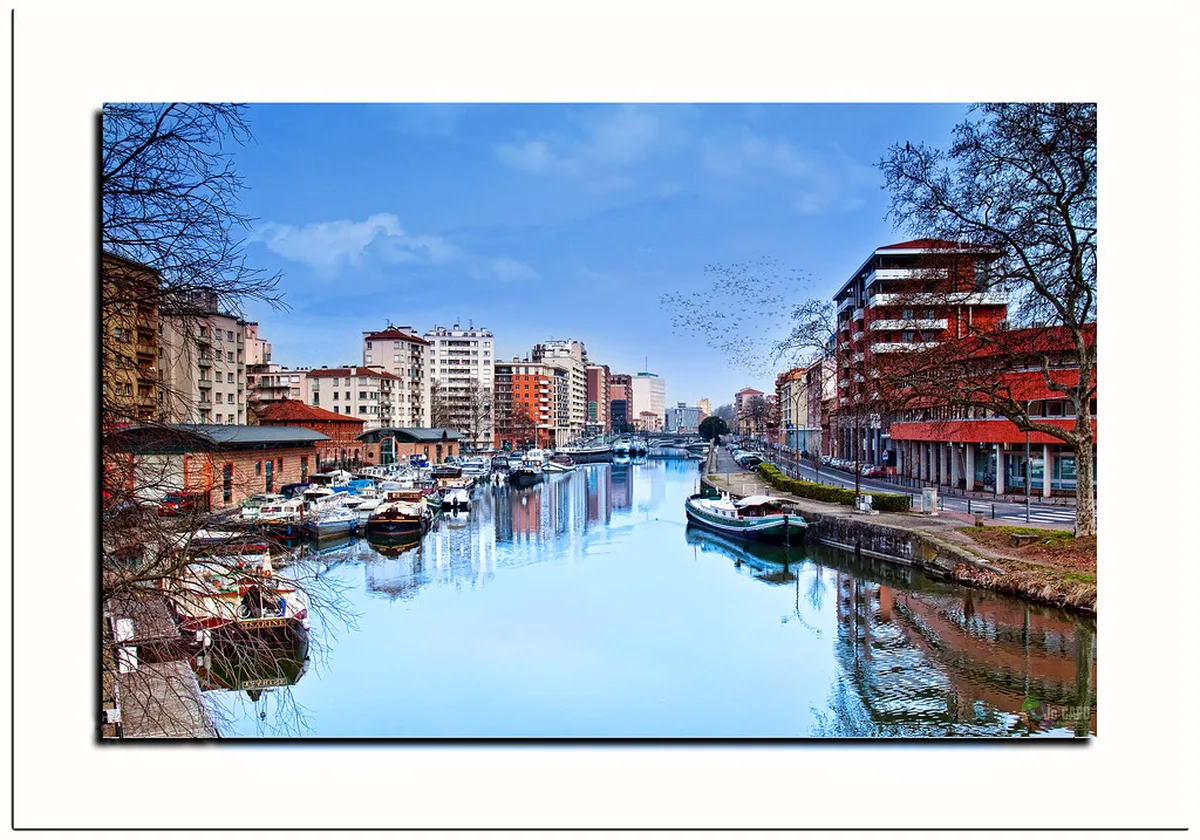
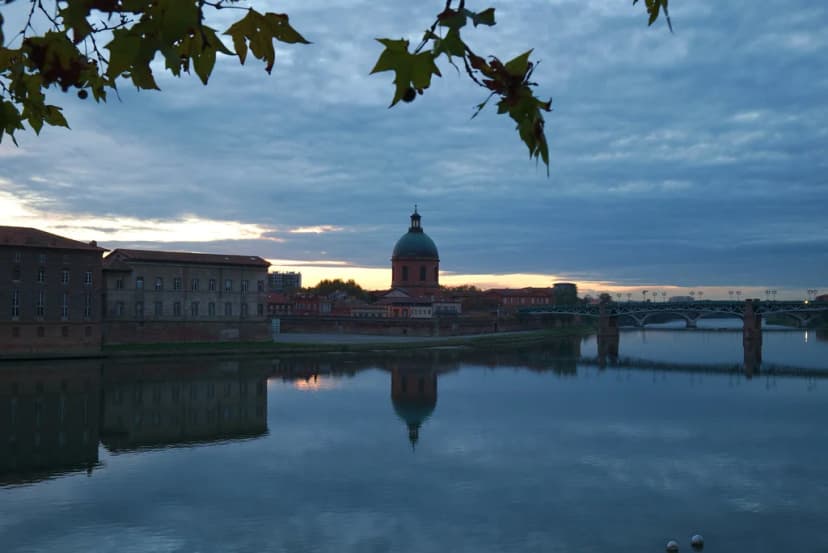
The Garonne riverfront between Pont Neuf and Pont Saint-Pierre is a particularly pleasant and safe area for an evening walk. The banks are illuminated, frequented by joggers and families, and lined with café terraces. In summer, the Toulouse Plages seasonal beach installations along the river are monitored by city security staff and are excellent for a relaxed afternoon. Explore the riverside when you want a break from the historic streets — it is consistently cited by visitors as one of the most enjoyable and worry-free experiences in the city.
Some residential districts on the outskirts may feel less comfortable for tourists after the sun sets. Areas such as Mirail, Bagatelle, and Reynerie often have higher crime rates and fewer tourist attractions. Most visitors have no reason to visit these zones during a standard city break or trip. Stick to the central districts to stay safe and access the best experiences the city offers.
Arnaud Bernard is a lively area that can sometimes feel a bit gritty late at night. While it hosts great bars and a vibrant multicultural food market, it requires more vigilance than the quieter shopping streets near Capitole. Groups of people may gather in the squares on weekend nights, which can feel intimidating for some solo travellers. Use your best judgment when navigating these transition zones between the centre and the outer suburbs, and prioritise well-lit main streets over shortcuts through narrower side lanes.
During the hot summer months, the city sets up sandy areas along the Garonne river banks. Visiting the seasonal Toulouse beach areas offers a fun and safe way to cool down. These areas are well-monitored by security staff to ensure a family-friendly environment for all visitors. The riverside atmosphere is typically relaxed and presents very few safety concerns for the average tourist.
The Saint-Cyprien district on the west bank of the Garonne has undergone significant gentrification in recent years and is now home to art galleries, craft breweries, and independent restaurants. It is generally safe during the day and early evening. Some of the quieter residential streets behind the main market square can feel empty after 23:00, so travel in groups or take a short taxi ride back to the centre late at night.
Safety on Public Transport and at Night
The Toulouse metro and tram systems are modern, clean, and generally very safe for tourists. The network operated by Tisséo runs two metro lines, four tram routes, and an extensive bus network covering the entire metropolitan area. In 2026, a single metro ticket costs €1.90, a day pass costs €6.80, and a three-day tourist pass costs €15.80 — all good value for exploring the city without relying on taxis. Trains run frequently until midnight on weekdays and until around 03:00 on most weekends, which makes it easy to return from a late dinner or night out without concern.
Stay alert when using the metro late at night, especially if the carriages are nearly empty. The Jean-Jaurès interchange — where Lines A and B cross — can feel busy and chaotic during peak hours, which is when pickpockets are most active. Keep your bag on your lap rather than on the floor or hanging from a hook, and stand with your back to the carriage wall if you are standing. Ticket inspectors (contrôleurs) operate regularly on all lines; always validate your ticket before boarding to avoid a €70 on-the-spot fine.
Walking back to your hotel after enjoying the Toulouse nightlife is usually safe in the centre. Stick to main roads like Rue d'Alsace-Lorraine and Allées Jean-Jaurès, which remain well-lit and populated during the evening. Avoid taking shortcuts through dark alleys or unlit parks after the sun goes down. Taxis (look for the blue "Taxi" roof sign) and ride-sharing apps like Uber are readily available for a secure and quick ride back to your accommodation; a typical centre-to-centre journey costs €8–€14 depending on time of day.
The large student population means that many areas remain active and busy until the early morning hours on weekends. This constant activity provides a level of natural surveillance that makes the streets feel much safer than in comparable cities. Bourse and Jean-Jaurès are popular hubs where you will find plenty of people and open businesses late into the night. Staying where the crowds are is a simple but effective way to ensure your personal security throughout the evening.
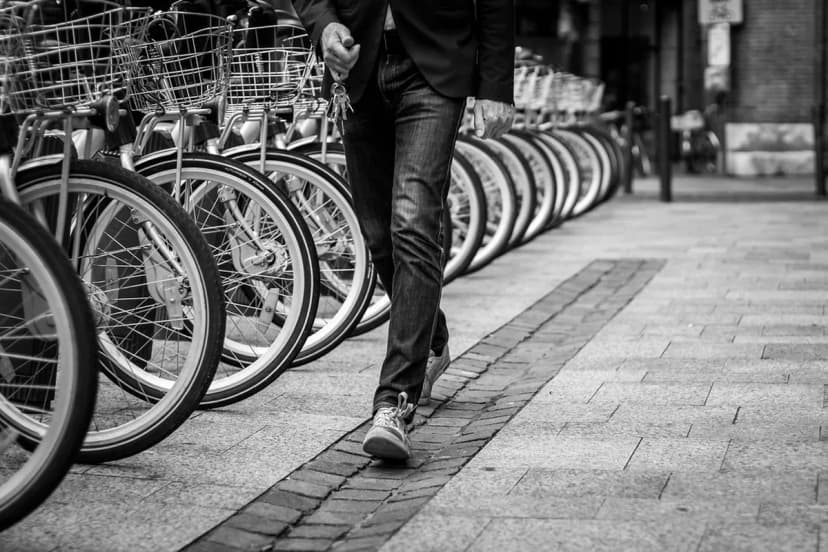
Bicycles are a popular way to get around, but you should always use a high-quality lock. Bike theft is a common issue in many French cities, including this beautiful southern destination. Rental bikes from the city's VélôToulouse scheme cost €1.20 for the first hour and can be picked up and dropped off at over 250 docking stations across the city. Always dock the bike fully at the station — an incompletely docked bike can result in continued charges. If you bring your own bicycle, use a D-lock through the frame and rear wheel, and secure it to a fixed object rather than simply locking the wheel.
Night buses (the Noctambus network) operate on six routes from around 00:30 until 04:30 on Friday and Saturday nights, departing from Allées Jean-Jaurès. This is the cheapest late-night option at standard metro fare prices and covers most central districts. Download the Tisséo app before your trip to access real-time timetables and the city transport map in English.
Avoiding Common Tourist Scams in the Pink City
Scam artists in Toulouse often use distraction techniques to target unsuspecting visitors in the main squares and near major transport hubs. The fake petition scam is the most widely reported con in the city centre: a person — often working in a group — approaches you with a clipboard and asks you to sign a petition for a charitable cause. While your attention is on the paper, an accomplice targets your pockets or bag. This scam is most common around Place du Capitole and the Pont Neuf bridge area. The correct response is to keep walking while firmly but politely saying "Non, merci."
Be cautious of helpful strangers who approach you at ticket machines in the Matabiau train station or at metro vending machines. They may offer to help you navigate the French-language interface while in reality attempting to add fraudulent charges or observe your PIN number. Always use the official English language option on the machines yourself, cover the keypad when entering your code, and politely decline unsolicited assistance. Legitimate Tisséo staff wear red and white branded uniforms and carry ID lanyards; they will never ask to handle your payment card.
The gold ring scam — in which a stranger "finds" a gold ring on the pavement and offers it to you, then asks for money — circulates in most major French tourist cities and has been reported in Toulouse around Capitole and near the main museums. Simply keep walking; the ring is worthless brass, and engaging opens the door to persistent demands for cash. Similarly, card games and shell games operated by small groups on folding tables near tourist sites are always rigged in the operator's favour; walking past is the only winning move.
Street vendors selling counterfeit goods may occasionally approach you in the more touristy areas of town. Purchasing these items can sometimes lead to fines from customs officers — counterfeit luxury goods carry penalties of up to €300,000 and three years' imprisonment under French law, though tourists caught with a small quantity are typically issued a warning and have the goods confiscated. It is best to buy your souvenirs from established shops or the authentic local markets such as Marché Saint-Aubin. This ensures you receive quality products while supporting the local economy in a safe and legal way.
ATM skimming devices are occasionally reported on freestanding cash machines in tourist areas. Use ATMs located inside bank branches where possible, always shield the keypad with your free hand, and check for any looseness or unusual attachments on the card slot before inserting your card. Most major French banks — BNP Paribas, Société Générale, Crédit Agricole — have branches with internal ATMs within a short walk of Capitole. Contactless card payment is now accepted almost universally in Toulouse shops, bars, and restaurants, which reduces the need to carry large amounts of cash.
Solo Traveler and Female Safety Tips
Solo travellers will find Toulouse to be a manageable and genuinely friendly city to explore independently. The city's student-heavy demographic creates a tolerant and internationally minded social environment where foreign visitors are a normal part of daily life. Learning a few basic French phrases — "Bonjour," "Merci," "Excusez-moi," and "Parlez-vous anglais?" — goes a long way toward building goodwill with locals and signalling that you are engaged with the culture rather than simply passing through.
For solo female travellers, the central districts around Capitole, Carmes, and Saint-Étienne are consistently reported as safe and comfortable for walking alone during the day and for early-evening dining. Street harassment does exist in some areas — particularly around Arnaud Bernard late at night — but it is far less prevalent than in many other southern European cities. Trust your instincts: if a street or venue feels uncomfortable, leave without hesitation and move to a busier area. Apps like Hollaback and BSafe allow you to share your real-time location with a trusted contact back home, which adds a valuable layer of reassurance during solo evening outings.
Many solo travellers choose to book a table at the bar or counter seating area in restaurants rather than sitting alone at a full table — this creates natural opportunities for conversation with staff and other diners, and feels less isolating. Toulouse has a thriving café culture with plenty of welcoming spots in which to spend an afternoon reading or planning your itinerary while people-watching in safety. The independent cafés along Rue de la Colombette and around Place Saint-Georges are particularly popular with students and expats and have a friendly, inclusive atmosphere.
If you plan to head outside the city, consider booking organised day trips from Toulouse to nearby destinations such as Albi, Carcassonne, or the Pyrenees foothills. Joining a guided group excursion provides an extra layer of social connection and practical support for independent travellers. These excursions allow you to see the wider region without worrying about complex transport logistics or navigating unfamiliar rural roads alone after dark.
Sharing your daily itinerary with a friend or family member back home adds another practical level of security. Send a quick message at the start and end of each day with your planned location and accommodation address. Most solo visitors leave Toulouse with only positive memories and a desire to return — the city's manageable size, excellent public transport, and cosmopolitan atmosphere make it one of the most approachable solo travel destinations in south-west France.
Health Safety and Medical Emergencies in Toulouse
Knowing how to access medical care quickly is a critical but often overlooked aspect of travel safety. France has one of the best public healthcare systems in Europe, and visitors from EU countries carrying a valid European Health Insurance Card (EHIC) or its post-Brexit UK equivalent, the Global Health Insurance Card (GHIC), are entitled to necessary treatment at French state hospitals at the same cost as French residents. Non-EU visitors — particularly those from the United States, Canada, and Australia — should ensure they carry comprehensive travel insurance that includes emergency medical evacuation cover before departing for Toulouse.
For medical emergencies in 2026, your most important number is SAMU (Service d'Aide Médicale Urgente) on 15, which dispatches ambulances and medical teams anywhere in France. You can also call the pan-European emergency line 112, which routes your call to the appropriate service including SAMU, police (17), or the fire brigade (18). All three numbers are free from any mobile phone and reachable without a SIM card or network credit. The 112 operator can connect you to an English-speaking assistant if you are not comfortable in French.
The main public hospital for emergencies is CHU de Toulouse — Hôpital Purpan, located at 1 Place du Docteur Baylac, about four kilometres west of the city centre. It is accessible by metro Line A (direction Basso Cambo, alight at Purpan stop) or by taxi for approximately €10–€14. A second major facility, Hôpital de la Rangueil, handles specialist and trauma cases in the south of the city and is approximately seven kilometres from Capitole. In non-life-threatening situations — such as a sprained ankle, minor allergic reaction, or stomach upset — pharmacies (look for the green cross sign) are an excellent first port of call. French pharmacists are highly trained clinicians who can diagnose minor conditions, recommend over-the-counter treatment, and advise whether you need a doctor. Most central pharmacies in Toulouse stock English-language medication guides, and staff commonly speak basic English.
For dental emergencies outside normal clinic hours, the CHU Purpan runs a dental emergency unit (urgences dentaires) open on weekdays and mornings at weekends. For eye emergencies, the Clinique Montalban in the Côte Pavée district has an ophthalmology emergency department. If you are travelling with prescription medication, bring a certified copy of your prescription from your home doctor, as French pharmacies cannot dispense controlled substances without a valid EU- or French-compatible script. Always pack a small personal first-aid kit including plasters, an antihistamine (particularly useful during Toulouse's high-pollen spring season), rehydration sachets, and any regular prescription medicines in adequate supply for your entire trip plus a few extra days in case of travel delays.
Food safety in Toulouse is generally excellent. The local restaurant inspection regime is rigorous, and hygiene standards in central establishments are high. Tap water throughout the city is safe to drink directly from the tap and is subject to frequent municipal quality testing. The greatest food-related health risk for most visitors is overeating — the city's cassoulet and duck confit are exceptionally rich — rather than contamination. If you experience severe gastrointestinal illness that does not resolve within 24 hours, visit a pharmacy first; if symptoms worsen, call 15 (SAMU) for medical advice or attend the CHU Purpan emergency department.
Essential Safety Checklist for Toulouse
Following a few simple steps can significantly reduce your chances of facing any trouble during your visit. The UK FCDO and French authorities consistently advise the same core precautions for visiting any major French city in 2026. This checklist covers the most important aspects of staying secure while you explore the Pink City, from arrival at the airport or station to your last evening before departure. Use these tips to prepare before you arrive and keep them in mind as you wander the terracotta streets.
- Secure your personal belongings carefully
- Use: cross-body bags or money belts worn under clothing
- Avoid: back pockets, open tote bags, bags hung over chair backs
- Tip: use your hotel safe for passports and spare cash (most hotels offer this free of charge)
- Benefit: prevents the majority of opportunistic petty theft
- Stay in well-lit central districts after dark
- Best areas: Capitole, Saint-Étienne, Carmes, and the Garonne riverfront
- Why: high foot traffic and active café terraces provide natural surveillance
- Avoid: isolated canal towpaths and the outer Mirail/Bagatelle estates
- Benefit: dramatically reduces exposure to opportunistic street crime
- Use official transportation services only
- Metro: Tisséo Lines A and B — €1.90 per journey in 2026
- Taxi app: G7 Taxi (official Toulouse taxi fleet) or Uber
- Night bus: Noctambus routes from Allées Jean-Jaurès (Fri/Sat until 04:30)
- Benefit: avoids unlicensed drivers and overcharging
- Keep emergency contacts and documents ready
- Emergency number: 112 (police, ambulance, fire — English available)
- Police non-emergency: 17 | SAMU medical: 15 | Fire brigade: 18
- Nearest A&E: CHU Purpan, Metro Line A to Basso Cambo direction then bus 59
- Benefit: faster assistance in any situation that requires official help
- Protect your money and payment cards
- Use bank-branch ATMs rather than freestanding street cash machines
- Contactless payment accepted almost everywhere — minimise cash carried
- Notify your bank before travel to avoid card blocking on foreign transactions
- Benefit: reduces skimming risk and ensures access to funds throughout your stay
Frequently Asked Questions
Is Toulouse safe for tourists at night?
Yes, the Toulouse city centre is generally very safe for tourists at night in 2026. The neighbourhoods of Capitole, Carmes, and Saint-Étienne remain well-lit and populated with locals and students until late. Stick to these main areas, use the metro or a licensed taxi for longer journeys, and avoid walking alone through quiet residential outskirts like Les Minimes or the canal towpaths after midnight. The student population of over 130,000 creates naturally active streets that deter opportunistic crime in the central zones.
Are there specific areas to avoid in Toulouse?
Tourists should avoid the outer social-housing estates of Mirail, Bagatelle, and Reynerie, which are in the south-west of the city and have significantly higher crime rates than the historic centre. These zones offer no tourist attractions and most visitors have no reason to travel there. Arnaud Bernard, just north of Capitole, is safe by day but requires extra vigilance on weekend nights — stick to the main thoroughfares and avoid dark side streets after 22:00. All central tourist districts are considered safe for normal daytime and early-evening activity.
Is it safe to use the metro in Toulouse?
The Toulouse Tisséo metro is modern, well-maintained, and considered very safe for both locals and tourists in 2026. The two metro lines (A and B) cover all major tourist sites and run until approximately 00:00 on weekdays and until 03:00 on weekend nights. A single ticket costs €1.90, and a three-day tourist pass costs €15.80. Stay alert for pickpockets during peak hours at busy interchanges like Jean-Jaurès, keep your bag on your lap when seated, and always validate your ticket before boarding to avoid a €70 fine from inspectors who operate throughout the network.
Can I walk alone as a solo female traveler?
Toulouse is a good destination for solo female travellers who follow standard urban precautions. The central neighbourhoods — Capitole, Saint-Étienne, Carmes, and the Garonne riverfront — are comfortable for walking alone during daylight and the early evening. Street harassment is less common than in many southern European cities but does occur in Arnaud Bernard on weekend nights. Share your location with someone back home, use the Tisséo metro or a licensed taxi (G7 app) rather than walking alone after midnight, and trust your instincts if a situation or location feels uncomfortable.
What does the UK FCO (FCDO) advise about travel to Toulouse?
The UK Foreign, Commonwealth and Development Office (FCDO) advises travellers to exercise normal vigilance throughout France, including Toulouse, as of 2026. There are no city-specific warnings for Toulouse. The main country-level advisory notes the risk of terrorism (France's Vigipirate system operates at Enhanced Security level), the possibility of civil unrest around demonstrations, and the standard risk of petty theft in tourist areas. The FCDO recommends keeping travel insurance documents accessible, registering your trip with the FCDO's Travel Aware service, and calling 112 in any emergency. Full and up-to-date advice is available at gov.uk/foreign-travel-advice/france.
How much should I expect to pay for taxis and transport in Toulouse in 2026?
Public transport in Toulouse is affordable in 2026. A single Tisséo metro or tram ticket costs €1.90, a one-day pass costs €6.80, and a three-day tourist pass costs €15.80. VélôToulouse city bikes cost €1.20 for the first hour from over 250 docking stations. Licensed taxis charge a minimum of approximately €7.00 at pick-up, with most short central journeys costing €8–€14. The Uber app also operates in Toulouse at broadly similar prices. Avoid any unlicensed driver who approaches you at the station or airport — always book via the official G7 taxi app or the Uber platform to guarantee metered fares and driver identification.
What emergency numbers should I save before visiting Toulouse?
Save these four numbers before you travel to Toulouse in 2026: 112 (pan-European emergency line — works without a SIM, English-speaking operators available, connects to police, ambulance, or fire), 17 (Police Nationale — for crimes, theft reports, and non-life-threatening security incidents), 15 (SAMU — French medical emergency ambulance service), and 18 (Sapeurs-Pompiers — fire brigade, also trained in first response). All calls are free from any handset. For non-urgent medical advice, pharmacies across the city centre are open until 20:00 on most weekdays and can treat minor ailments on the spot.
Toulouse is a fantastic destination that balances a high level of safety with a rich cultural experience in 2026. The UK FCDO rates France at normal vigilance, violent crime targeting tourists is rare, and the main risk — opportunistic petty theft — is easily managed with basic precautions. By keeping your belongings secure, staying in the well-lit central districts, and using the reliable Tisséo metro network, you can enjoy everything that the Pink City has to offer with confidence. In any emergency, remember police 17, SAMU 15, fire 18, or the pan-European line 112.
The local community is genuinely welcoming and proud to share their beautiful terracotta city with international visitors. Whether you are exploring the historic old town, heading on one of the excellent day trips from Toulouse to Albi or Carcassonne, or spending an evening enjoying the Toulouse nightlife, your visit will be memorable and secure from start to finish. Plan your trip with confidence and look forward to exploring the remarkable streets of southern France in 2026.