10 Unforgettable Day Trips from Toulouse You Must Try in 2026
Carcassonne is the top day trip from Toulouse: TER trains run every 90 minutes, arrive in 50 minutes, and a return ticket costs €13.50–€17 in 2026 — no car needed.
Albi's UNESCO Sainte-Cécile Cathedral is 55 minutes by TER (€15–€19 return); the Toulouse-Lautrec Museum inside the Archbishop's Palace charges €12 adults in 2026.
Toulouse serves as an exceptional hub for exploring the stunning Occitanie region of Southern France. You can easily reach medieval fortresses, Pyrenean valleys, UNESCO cathedrals, and rolling vineyards within an hour of the city centre. The regional TER train network makes most destinations accessible without renting a car, and 2026 Navigo Occitanie rail passes offer unlimited regional travel from €75 for a 7-day period. Planning these excursions allows you to experience the extraordinary diversity of history and culture across the French South. Whether you are visiting for a long weekend or an extended stay, this guide covers the absolute best locations to add to your 2026 itinerary.
Medieval Fortresses and Brick Cathedrals
Carcassonne is the undisputed highlight for travellers seeking historical day trips from Toulouse. The Cité Médiévale rises dramatically above the lower town, its double ring of fortified walls and 52 watchtowers visible from several kilometres away. The 2026 entry fee to the Château Comtal and ramparts is €9.50 for adults, with under-26 EU residents admitted free. Tickets include a self-guided tour of the inner fortress and access to the rampart walkway, where panoramic views across the Aude Valley reward the climb. Most visitors spend four to five hours exploring the narrow cobblestone streets, the Basilica of Saints Nazarius and Celsus, and the surprisingly well-preserved medieval gardens inside the walls.
TER trains from Toulouse-Matabiau to Carcassonne run every 60–90 minutes throughout the day, with the journey taking approximately 50 minutes. In 2026, a standard return fare costs between €13.50 and €17 depending on the time of departure; booking at least two days ahead via SNCF Connect locks in the cheapest price. No seat reservation is required, which gives you flexibility to take any return train that suits your schedule. The first train departs around 05:30 and the last return from Carcassonne leaves after 21:00, allowing a very full day in the fortress town.
Albi provides a contrasting but equally compelling historical experience. The Sainte-Cécile Cathedral — the largest brick cathedral in the world and a UNESCO World Heritage Site — looms over the Tarn River with a fortress-like severity that makes it unlike any other Gothic church in France. Entry to the cathedral itself is free in 2026, though the treasury and choir enclosure cost €3. The adjacent Toulouse-Lautrec Museum, housed in the Archbishop's Palace, charges €12 for adults and is one of the finest collections of the Post-Impressionist painter's work anywhere in the world. TER trains from Toulouse to Albi run the 77 km route in approximately 55 minutes, with return fares of €15–€19 in 2026.
Combining Carcassonne and Albi in a single day is difficult without a private car because they lie in opposite directions from Toulouse. If pressed for time, prioritise Carcassonne for the immersive medieval atmosphere and scale, or Albi for a more intimate experience anchored by world-class art. Both destinations offer superb lunch options: a traditional cassoulet in a Carcassonne brasserie runs €16–€22, while Albi's riverside terraces serve three-course lunch menus for €18–€28. Several Toulouse-based tour operators offer combined coach day tours to either destination, with prices starting at €89 per person including transport and guided entry, departing from Place du Capitole.
Moissac, reachable in 45 minutes by direct TER for around €10 return, rounds out the trio of essential heritage stops in this direction. Its 12th-century Romanesque abbey cloister and portal are among the finest examples of Romanesque sculpture in Europe, and the surrounding market town retains a quiet, unhurried charm that the more-visited sites sometimes lack.
- Carcassonne Medieval Citadel
- Travel Time: 50 mins by TER
- 2026 Cost: €9.50 entry + €13.50–€17 return train
- Access: Hourly TER from Toulouse-Matabiau
- Best for: Immersive medieval history, photography
- Albi Sainte-Cécile Cathedral
- Travel Time: 55 mins by TER
- 2026 Cost: Free cathedral entry; €12 Toulouse-Lautrec Museum
- Access: TER train, €15–€19 return
- Best for: Art, UNESCO architecture
- Moissac Abbey Cloisters
- Travel Time: 45 mins by direct TER
- 2026 Cost: €7 entry + ~€10 return train
- Access: Direct train from Toulouse
- Best for: Romanesque art, peaceful atmosphere
Hilltop Villages and Wine Tasting
Cordes-sur-Ciel perches on a rocky ridge above the Cerou Valley, its Gothic houses and carved stone facades preserved almost untouched since the 13th century. The name — City in the Sky — earns its romance most clearly on misty mornings when the peak pierces the cloud cover below. Parking at the base of the hill costs €4 per day in 2026, and a small electric shuttle connects the lower town to the fortified gates for €2 per trip, a useful option when temperatures push above 30°C in summer. Once inside, the Grand Rue des Ormeaux is lined with extraordinary Gothic mansions whose façades are decorated with hand-carved hunting scenes and floral motifs — most now housing artisan craft workshops and galleries that are free to browse.
Gaillac lies 15 km south of Cordes and serves as the heart of one of France's oldest documented wine regions, with viticultural history dating back to Roman times. The appellation is known for indigenous grape varieties you will rarely encounter elsewhere: Loin de l'Oeil, Mauzac, and Braucol produce whites and reds with genuinely distinctive character. Most of the estate cellar doors in the hills around town are open without appointment and offer tastings for €8–€12 per person, typically including four to six wines and a plate of local cheese and charcuterie. Several producers also sell bottles directly from the cellar at €7–€18, representing excellent value compared to nearby Bordeaux wines of equivalent quality. The town's market square hosts a regular Saturday morning market where local farmers sell olive oil, honey, and seasonal truffles — arrive before 12:00 as stalls begin packing up early.
Driving between Cordes-sur-Ciel and Gaillac takes approximately 25 minutes on country roads that pass through a patchwork of sunflower fields and limestone ridges. Renting a car in Toulouse for the day — available from major agencies near Toulouse-Matabiau station — costs approximately €45–€65 including insurance, making this route the most practical two-site combination in the northern half of Occitanie. For those committed to public transport, a bus operates from Albi to Cordes twice daily, but the timetable makes combining both Gaillac and Cordes in one carless day extremely difficult. If wine is the priority and you want to stay on rails, Gaillac has its own TER station on the Toulouse-Albi line, reachable in around 50 minutes for €13 return.
Gaillac's annual wine festival in early August attracts producers from across the appellation to the riverside Abbaye Saint-Michel, and a festival tasting pass costs around €15, including a souvenir glass and unlimited samples across participating producers. Outside of festival season, the wine cooperative in the town centre — Cave de Técou — is the easiest single stop for an overview of the appellation, with a well-presented tasting room, English-speaking staff, and a good selection of wines in the €8–€22 range available to take home. This northern arc combining Cordes and Gaillac makes a strong half-day alternative for travellers who have already checked off the better-known highlights closer to Toulouse.
Art, History, and Riverside Walks
Moissac is the essential pilgrimage stop for travellers interested in Romanesque art and the Camino de Santiago. The Abbey of Saint-Pierre holds a monastery cloister of extraordinary beauty: 76 marble capitals carved with biblical scenes, portraits of abbots, and elaborate foliate patterns surround a central garden planted with flowers and ancient cypress trees. The cloister dates to 1100 and remains one of the best-preserved examples of Romanesque decorative carving in the world. Entry in 2026 costs €7 for adults and includes the cloister, the church interior, and the narthex portal — whose tympanum depicting the Apocalyptic Christ surrounded by the 24 Elders is widely considered a masterpiece of medieval sculpture. TER trains from Toulouse reach Moissac in about 45 minutes, with return fares around €10.
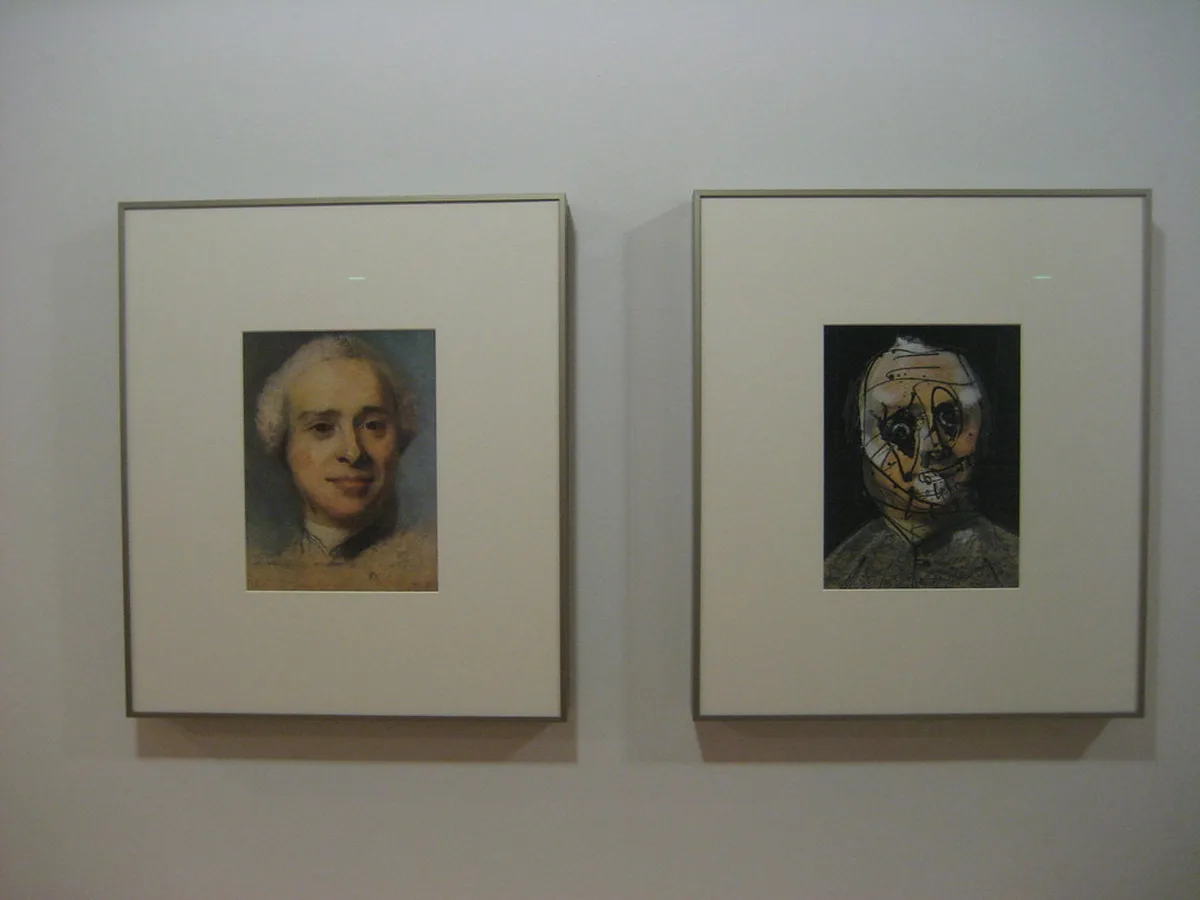
Montauban, the prefecture of Tarn-et-Garonne, is sometimes called the Pink City of the South for its warm-hued brick architecture — a parallel to Toulouse itself that makes the comparison flattering for both cities. The Place Nationale at the heart of the old town features a remarkable double arcade of brick arches on all four sides, a design unique in France, where the ground floor has historically been given over to markets and commerce while the upper floors house apartments and offices. The Ingres-Bourdelle Museum, set in the former episcopal palace above the Tarn River, charges €10 for adults in 2026 and contains the largest collection of drawings and paintings by Jean-Auguste-Dominique Ingres outside Paris, alongside an impressive collection of bronzes by Emile-Antoine Bourdelle. TER trains from Toulouse reach Montauban in just 20 minutes, making it one of the easiest day trips on this list, with return fares as low as €8–€10.
Combining Moissac and Montauban works naturally because they sit on the same direct rail line west of Toulouse. A practical itinerary begins with the early TER from Toulouse-Matabiau to Moissac, spending two to three hours at the abbey and the surrounding streets before taking the 20-minute train east to Montauban for a late lunch at one of the bistros on Place Nationale — expect a two-course menu for €14–€20. The afternoon can then be spent at the Ingres-Bourdelle Museum and along the riverside esplanade before catching any return train to Toulouse. This itinerary covers two of the most rewarding lesser-known towns in the region for a total transport cost of around €15 return from Toulouse.
The Canal de Garonne towpath at Moissac offers a peaceful cycling extension to the day. Bicycle hire near Moissac station is available for approximately €20 per day, and the flat towpath stretches in both directions with no significant gradients — suitable for all fitness levels. Heading east toward Castelsarrasin takes you through 12 km of waterside scenery lined with plane trees, past historic locks and barges moored at the canal bank. For travellers who prefer walking, the riverside promenade in Montauban between Pont Vieux and the Musée Ingres provides a pleasant 40-minute circuit with views of the salmon-pink cathedral and the shimmering Tarn below.
Andorra and the Pyrenees: Mountain Day Trips from Toulouse
Andorra la Vella, the tiny duty-free principality nestled in the eastern Pyrenees, lies approximately 170 km from Toulouse and is accessible by car in around 2 hours 15 minutes via the N20 and the spectacular Pas de la Casa border crossing. While no direct train serves Andorra, FlixBus and several coach operators run seasonal services from Toulouse for around €25–€35 return per person in 2026. The principality levies no VAT, making it one of Europe's best destinations for duty-free shopping: electronics, perfumes, spirits, and tobacco are all significantly cheaper than in France or Spain. A bottle of premium Scotch whisky that retails for €55 in Toulouse can cost as little as €30 in Andorra's duty-free shops, and perfumes carry savings of 20–40% compared to French prices.
Beyond duty-free retail, Andorra offers genuinely spectacular mountain scenery for those willing to leave the capital. The Grandvalira ski area — the largest ski resort in the Pyrenees and one of the largest in southern Europe — offers hiking and mountain biking trails in summer 2026. The Funicamp cable car from Encamp to Grau Roig runs in summer for mountain access and costs approximately €18 one way or €28 return per adult, lifting passengers to 2,520 metres above sea level where alpine meadows and glacier-carved cirques open in every direction. Caldea, the large thermal spa complex in Escaldes-Engordany, charges €37 for a 3-hour session in the lagoon area, offering a luxurious way to relax before the drive back to Toulouse.
The French Pyrenees closer to Toulouse offer mountain experiences without crossing an international border. Saint-Lary-Soulan, roughly 140 km south on the A64/D929, is a popular ski resort that operates gondolas year-round for mountain access. In summer 2026, the gondola to Plan d'Adet at 1,700 metres costs €12 return, with a further cable car to the summit at 2,515 metres for €8 additional. The resort village has several good mountain restaurants where a tartiflette or grilled trout with regional cheese runs €16–€24. Luchon (Bagnères-de-Luchon), 153 km from Toulouse, is another popular base with its own thermal spa — the largest in the Pyrenees — charging €25 for a 2-hour thermal circuit in 2026.
For travellers relying on public transport, Luchon is the most accessible Pyrenean destination via a combination of TER train to Montréjeau and connecting bus — total journey time around 2 hours 30 minutes and return fares approximately €22–€28. The mountain town itself is handsome, with 19th-century belle-époque villas lining the central Allées d'Etigny, and the short walk to the Lac d'Oo from the Granges d'Astau car park — one of the most photographed mountain lakes in the French Pyrenees — rewards the trip independently of the thermal spa. This mountain arc, whether to Andorra for duty-free shopping or to Saint-Lary and Luchon for alpine scenery, adds a completely different dimension to a Toulouse-based itinerary.
Foix Château and the Ariège Valley
Foix, the medieval capital of the Ariège département, sits 82 km south of Toulouse along the N20 and is one of the most visually dramatic towns in the entire Occitanie region. The three-towered Château de Foix erupts from a single rocky outcrop above the confluence of the Ariège and Arget rivers with an almost theatrical abruptness — it is impossible to arrive by road or train without stopping to photograph it. The château functioned as a key stronghold for the Counts of Foix and later as a political prison, and its exhibitions on Cathar history and medieval daily life are genuinely well-curated. Entry in 2026 costs €7 for adults, with free admission for under-18s accompanied by a paying adult. The highest tower offers a panoramic view across the Ariège Valley and the Pyrenean foothills that rivals anything in the region.
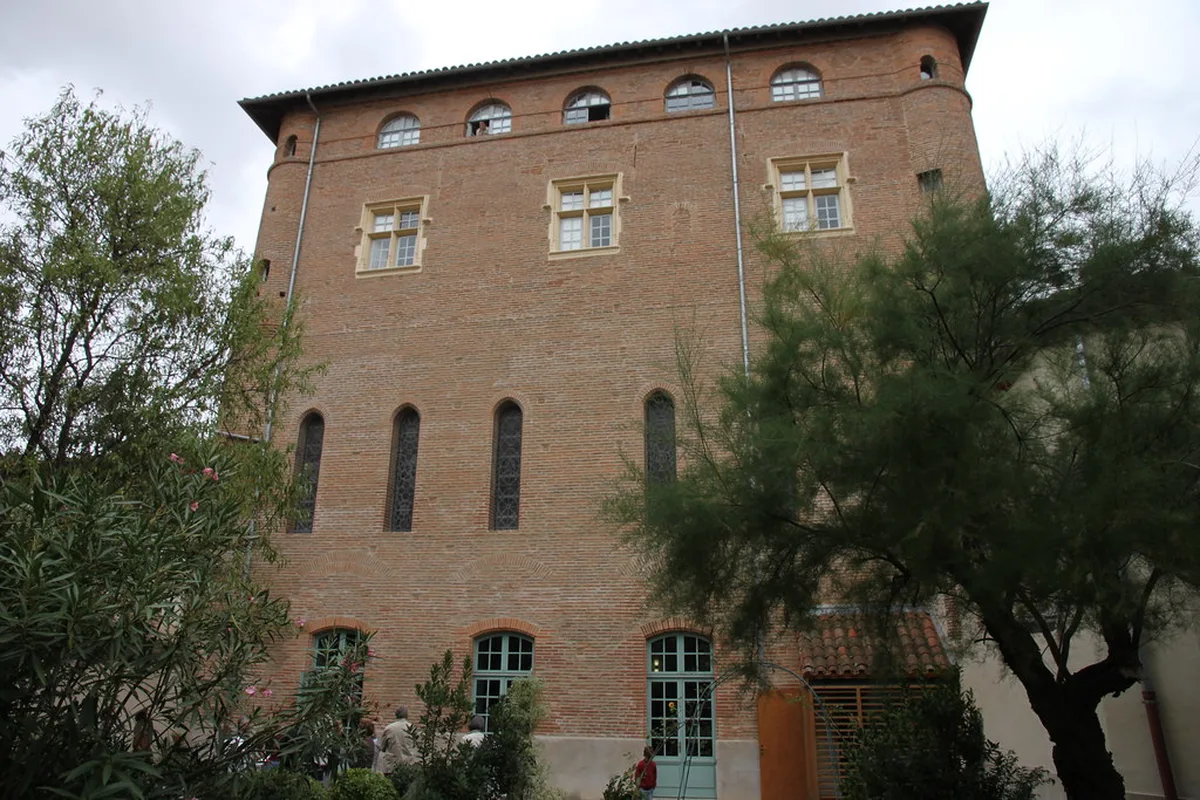
TER trains from Toulouse-Matabiau to Foix operate regularly throughout the day, covering the 82 km in approximately 70 minutes. Return fares in 2026 run between €14 and €20 depending on departure time, and the train journey through the Ariège gorges is spectacular in its own right — particularly the stretch south of Pamiers where the line follows the river through limestone cliffs. The town below the château is genuinely pleasant for independent exploration: the covered market hall, the medieval bridge across the Ariège, and the old quarter around the Place de l'Hôtel de Ville provide a good two-hour walking circuit before or after visiting the castle.
The Ariège Valley south of Foix contains several additional attractions worth building into a longer day. The Niaux Cave, 14 km south of Foix, contains one of the most important collections of Palaeolithic cave paintings in Europe — bison, horses, and ibex drawn with remarkable skill around 14,000 years ago. Entry to Niaux is by guided tour only and strictly limited to protect the cave microclimate; the 2026 adult price is €12.50 and advance booking through the official site is strongly recommended as tours sell out quickly in summer. Mas-d'Azil, 40 km northwest of Foix, is a different prehistoric marvel: a massive natural tunnel 420 metres long and 50 metres wide that a main road actually passes through, with a small museum on the Azilian archaeological culture discovered here. Entry to the cave and museum costs €8 in 2026.
Combining Foix château with a morning visit to Niaux Cave works well with a rental car, taking the D8 south from Foix through the Vicdessos Valley. Lunch in Foix at the café-brasseries near the market — typically a two-course plat du jour for €13–€17 — fits naturally between the morning cave visit and an afternoon in the château. The overall day provides a rare combination of medieval history, Palaeolithic art, and mountain landscape that few day-trip itineraries from any European city can match. For rail travellers, Foix alone is a thoroughly satisfying full-day trip from Toulouse without needing to rent a car at all.
Nîmes: Roman Amphitheatre and the Pont du Gard
Nîmes is one of the finest Roman cities in France and makes a compelling day trip from Toulouse by TGV, with journey times of around 1 hour 20 minutes and return fares from €30–€55 depending on how far in advance you book via SNCF Connect. The city's Roman amphitheatre — the Arena of Nîmes — is the best-preserved Roman arena in the world still used for events today. The 2026 adult entry fee is €10, and the combined pass covering the Amphitheatre, the Maison Carrée Roman temple, and the Tour Magne costs €15 for adults, representing excellent value for an afternoon of ancient history. The Maison Carrée itself, a remarkably intact 2,000-year-old Roman temple, houses an immersive film on the founding of the city inside its original colonnaded walls — admission is free in 2026.
The Pont du Gard, 23 km northeast of Nîmes, is the ultimate highlight of any visit to this part of southern France. The three-tiered Roman aqueduct bridge spans the Gardon River at a height of 48 metres and is a UNESCO World Heritage Site. In 2026, car parking at the Pont du Gard site costs €9 per vehicle, and the entry to the archaeological museum and site is €10 for adults (free for under-18s). The best experience is arriving by 09:00 before tour groups arrive — the morning light on the golden limestone arches reflecting in the river is extraordinary. A bus from Nîmes town centre reaches the Pont du Gard in approximately 30–40 minutes and costs €1.50 one way on the Edgard regional bus network.
The old town of Nîmes itself rewards several hours of walking. The Jardins de la Fontaine, built in the 18th century around the ancient Roman sacred spring, are among the most elegant public gardens in southern France and are completely free to visit. The Temple of Diana — a partially ruined Roman structure within the gardens — and the panoramic views from the Tour Magne at the garden's summit make for a fine late-morning circuit. The covered market on Rue des Marchands offers excellent local cheeses, Camargue rice, and brandade de morue (salt cod brandade) that you can buy to take back to Toulouse. A café lunch on the Place de la Maison Carrée typically costs €14–€22 for a two-course menu including local wine.
Combining Nîmes with the Pont du Gard in a single day works best with a hire car collected at Nîmes train station — one-day rentals from Europcar or Hertz at the station run €45–€60 including insurance. Alternatively, the Edgard bus connects directly from Nîmes station to the Pont du Gard and back without a car. Plan to arrive in Nîmes on the first TGV of the morning (around 07:30 departure from Toulouse), spend the morning at the Pont du Gard, return for lunch in the old town, visit the Arena and Maison Carrée in the afternoon, and catch a late-afternoon TGV back to Toulouse. This itinerary covers two UNESCO sites and the finest surviving Roman amphitheatre in Europe for a total day budget of approximately €75–€100 per person including transport and entry fees.
Essential Logistics for Toulouse Excursions
Choosing between public transport and a rental car depends heavily on your specific destination list. TER trains are ideal for visiting major towns like Carcassonne, Albi, Moissac, Montauban, and Foix without worrying about parking or mountain driving. Return fares to most nearby destinations range from €8 to €20 in 2026, and trains from Toulouse-Matabiau operate from early morning until late evening. Booking through the SNCF Connect app at least 24 hours ahead typically secures the lowest published fares; same-day tickets are usually available but cost more. The Navigo Occitanie pass — €75 for 7 days of unlimited TER travel in the Occitanie region — offers exceptional value if you plan four or more day trips during a week-long stay in Toulouse. For current rail schedules and discounts, the SNCF website and the Tisseo regional transport planner both provide real-time information.
Car rentals unlock villages and mountain destinations that trains cannot reach, including Cordes-sur-Ciel, the Pyrenean resorts, and the smaller Ariège prehistoric sites. All major rental agencies — Europcar, Hertz, Sixt, and Avis — have desks at Toulouse-Blagnac Airport and near Toulouse-Matabiau station. Day rental prices in 2026 start at approximately €45 for a compact car including basic insurance, rising to €65–€80 with fully comprehensive cover. Fuel in the Occitanie region costs around €1.78–€1.85 per litre for unleaded (SP95) and €1.65–€1.72 for diesel in 2026; filling up in Toulouse before departure is generally cheaper than at motorway service stations or in small villages. Parking in medieval town centres such as Carcassonne's lower ville basse and Albi's town centre is managed and well-signposted, typically costing €1.50–€2.50 per hour; most towns offer free parking zones a 10-minute walk from the main attractions.
Seasonal transport schedules affect several smaller routes, particularly bus services to villages that operate reduced timetables outside the July–August peak season. The Cordes-sur-Ciel shuttle from Cordes-Vindrac train station only runs reliably in summer; at other times, you need a taxi or a car to bridge the final 5 km from the station to the hilltop village. Before any trip to a smaller destination, verify departure and return times on the Fluo Occitanie transport planner, which aggregates trains, regional coaches, and local bus services across the entire region. Always note the time of the last feasible return service and build in a 30-minute buffer — missing the final train from a quiet village is easy to do and expensive to fix via taxi. For a late return to Toulouse, Toulouse's vibrant nightlife around the Place Saint-Pierre and Rue de la Colombette offers plenty of options for unwinding after a long day on the road.
Grouping your day trips by geographic direction is the single most effective logistical strategy for a Toulouse-based itinerary. The western arc (Moissac, Montauban) suits rail travellers wanting an easy morning start. The north (Albi, Cordes, Gaillac) is best covered by car. The east (Carcassonne, Nîmes) rewards those with extra travel time and a TGV ticket. The south (Foix, Andorra, Pyrenees) rewards those willing to invest the most journey time. Before departing each day, verify that the entry sites you plan to visit are open — some châteaux and museums operate reduced hours between November and March, and national holidays can cause unexpected closures. Exploring the Toulouse old town on your first evening is a good way to calibrate the pace before launching into longer day excursions. For safety tips and local travel advice, the Toulouse safety guide covers everything you need to know before setting off. If you want to combine a day trip with a beach visit, the Toulouse beach guide covers the best coastal options with transport details from the city.
Frequently Asked Questions
What is the most popular day trip from Toulouse in 2026?
Carcassonne is the most popular day trip from Toulouse in 2026. TER trains depart Toulouse-Matabiau roughly every 90 minutes and arrive in about 50 minutes. The 2026 adult entry fee to the Château Comtal and ramparts is €9.50. Return train fares range from €13.50 to €17 depending on the time of travel, making the total day cost under €30 including entry. It is a UNESCO World Heritage Site suitable for all ages and does not require advance booking for the train.
Can I reach the beach from Toulouse in one day?
Yes. The Mediterranean coast around Narbonne and Cap d'Agde is approximately 150–170 km from Toulouse and reachable by car in around 1 hour 45 minutes via the A61 motorway. By train, TGV services reach Narbonne in around 1 hour 10 minutes, with TER connections onward to Narbonne-Plage. The beach season runs from June to September, with water temperatures peaking in July and August. For a beach closer to Toulouse, the Atlantic coast at Hendaye is 3 hours west by TGV. The Toulouse beach guide covers the best coastal options with transport details.
Is it safe to travel alone on day trips from Toulouse?
Solo travel on day trips from Toulouse is very safe. TER regional trains are well-used by commuters and tourists throughout the day, and major destinations such as Carcassonne, Albi, and Foix have staffed train stations and busy town centres. Standard precautions apply — keep valuables secure in crowded historic centres like the Carcassonne Cité, and note return train times before you set off. The Toulouse safety guide provides broader context on travelling in the region.
How much does a day trip to Carcassonne cost from Toulouse in 2026?
A budget day trip to Carcassonne from Toulouse in 2026 costs approximately €25–€35 per person. The TER return train fare is €13.50–€17. Entry to the Château Comtal and ramparts costs €9.50 for adults; the outer Cité walls and streets are free to walk. A sit-down lunch in the lower town costs around €14–€18 for a two-course menu. Booking the train via SNCF Connect 24–48 hours ahead secures the lowest fare. EU residents under 26 enter the château for free.
Can I visit Andorra as a day trip from Toulouse?
Yes, Andorra la Vella is reachable as a long day trip from Toulouse. By car the drive takes around 2 hours 15 minutes via the N20 and the Pas de la Casa border crossing. Coach services operate seasonally for approximately €25–€35 return. Andorra has no VAT, making electronics, spirits, perfumes, and tobacco significantly cheaper than in France. The Funicamp cable car to alpine terrain costs €28 return in 2026, and the Caldea thermal spa charges €37 for a 3-hour session. Allow at least 4–5 hours in Andorra to justify the travel time.
What is the best day trip from Toulouse without a car?
Carcassonne is the best car-free day trip from Toulouse. Trains run every 60–90 minutes, the return fare is €13.50–€17, and the fortress is a 10-minute walk or short bus ride from Carcassonne station. Albi (55 min, €15–€19 return) is the best second choice, offering the Sainte-Cécile Cathedral and the Toulouse-Lautrec Museum. Montauban (20 min, €8–€10 return) is the easiest half-day option. Foix (70 min, €14–€20 return) is ideal for those wanting medieval history combined with mountain scenery. All four are served by direct TER trains from Toulouse-Matabiau with no connection required.
How do I get from Toulouse to Nîmes for a day trip in 2026?
The fastest way from Toulouse to Nîmes is by TGV, with journey times of approximately 1 hour 20 minutes. In 2026, return fares start at around €30 if booked in advance via SNCF Connect, rising to €55 or more for same-day tickets. Nîmes station is a 15-minute walk from the Roman Arena at the city centre. From Nîmes, the Pont du Gard UNESCO aqueduct is reachable in 30–40 minutes by the Edgard regional bus (€1.50 one way) or by hire car (€45–€60 for the day) collected at the station. The combined Arena + Maison Carrée + Tour Magne pass costs €15 for adults in 2026.
What is the Navigo Occitanie rail pass and is it worth buying?
The Navigo Occitanie pass offers unlimited TER train travel across the entire Occitanie region for €75 for a 7-day period in 2026. It covers all destinations in this guide — Carcassonne, Albi, Foix, Montauban, Moissac, Gaillac, and more — on any TER service without needing to book individual tickets. The pass pays for itself with just four day trips: Carcassonne (€17) + Albi (€19) + Foix (€20) + Montauban (€10) = €66 in individual fares, so the pass saves money from the fifth trip onward. Purchase it online at occ.fr or at Toulouse-Matabiau station. It is not valid on TGV services to Nîmes or Paris.
Toulouse is an exceptional base for exploring some of the most rewarding destinations in Southern France. Whether your priorities are medieval history at Carcassonne, Post-Impressionist art in Albi, duty-free shopping in Andorra, prehistoric caves in the Ariège, Roman heritage at Nîmes, or Romanesque masterpieces at Moissac, the surrounding region delivers extraordinary variety within a short train or car journey. Start booking your 2026 day trips now to secure the best TER and TGV fares and timed entry slots at popular sites like Niaux Cave and the Pont du Gard. For more on the city itself, the Toulouse old town guide is the ideal starting point before you head out into Occitanie.