Toulouse Beach Guide: Best Coastal Escapes and Riverfront Fun
The closest beaches to Toulouse in 2026 are Narbonne-Plage (150 km, ~2 h by TER from €18), Montpellier's Plage de l'Espiguette (240 km, ~2 h 30 min from €22), and Arcachon (250 km, ~2 h 30 min from €25).
Budget day-trippers reach Narbonne-Plage for as little as €26 return (Prems TER + €3 shuttle); Arcachon Dune du Pilat costs ~€50 return by TER; Montpellier's beaches start at €44 return.
While Toulouse sits inland, you can still find amazing spots to soak up the sun and enjoy the water. The Pink City offers a surprising mix of riverfront activities and easy access to the Mediterranean coast. Finding a refreshing spot to swim is simple if you know where to look during the hot summer months.
Locals often head to the banks of the Garonne river for a relaxing afternoon under the sun. Visitors can also take a short trip to find some of the most beautiful sandy shores in southern France. Many travelers are surprised by how quickly they can reach the sea from the city center. Whether you have an afternoon to spare or a full weekend free, this 2026 guide covers every option from free urban lakes to stunning coastal resorts reachable by public transport.
Exploring the Inland Toulouse Beach Scene
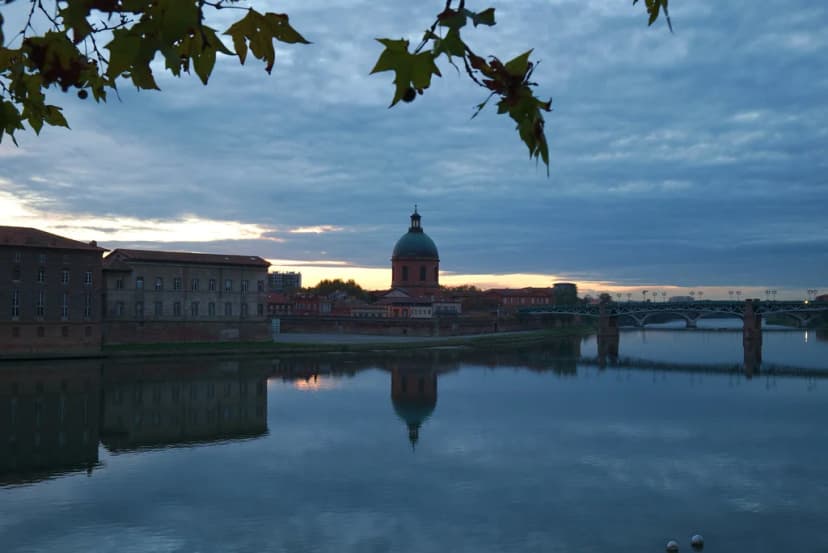
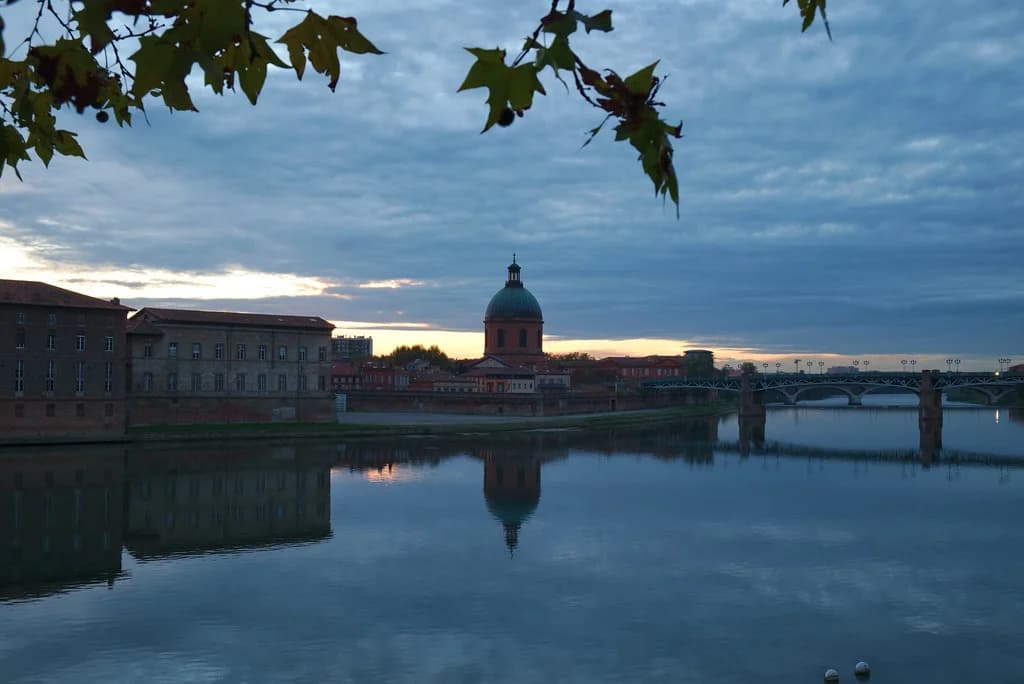
Toulouse is famous for its terracotta architecture and vibrant atmosphere rather than coastal views. The Garonne River serves as the primary water feature for residents and tourists throughout the year. Walking through the Toulouse old town guide helps you understand the city's historic connection to the river and its role in daily life, from medieval trade to modern leisure.

Accessing the actual sea requires a bit of travel, but the journey is well worth the effort. Most people choose between the Mediterranean to the east or the Atlantic to the west. Each coastline offers a distinct vibe, ranging from calm turquoise waters to rugged surfing waves. The Mediterranean option is far more practical for a day trip because the TER regional rail network covers the route efficiently and affordably. From Toulouse-Matabiau, trains depart for the Languedoc coast almost every hour during summer, and booking Prems fares 60–90 days ahead can cut costs dramatically.
One often-overlooked gem is Lac de Sesquières, a free public lake in the northern part of the city near the Borderouge metro station on line B. The lake features a supervised sandy beach area, a dedicated children's paddling zone, beach volleyball courts, and shaded picnic areas. Entry is completely free all year round, and there are no parking fees for those arriving by car. The water quality is tested regularly and consistently meets EU bathing standards, making it one of the safest urban swimming spots in Occitanie in 2026. The lake is open for supervised swimming from mid-June through early September, typically 10:00–19:00 daily.
Planning a beach day in 2026 involves choosing between city-organized events or natural coastal landscapes. The inland heat can be intense, making a trip to the water a top priority for many. Riverside parks provide an immediate solution for those who want to stay within the city limits, while the regional rail network opens up dozens of Mediterranean options within a two-hour radius. Understanding the transport costs and travel times upfront is the key to stress-free planning, so this guide includes specific 2026 fares and timetable estimates for every route covered. For broader regional context, our comprehensive day trips from Toulouse guide lists additional excursions that pair well with a beach visit.
Toulouse Plages: The Ultimate Summer Riverfront Event
Every summer, the city transforms the riverbanks into a massive leisure zone known as Toulouse Plages. The Prairie des Filtres becomes a hub for sand, sports, and relaxation for several weeks. This annual event is one of the standout items on the summer calendar in the city, and it saves visitors an expensive journey to the coast. You can experience genuine beach-style entertainment just minutes from the historic centre without spending a single euro on transport.
Organizers set up beach volleyball courts, dance floors, and plenty of lounge chairs for public use. Families enjoy the dedicated play areas and shallow water features designed for children. Entry to the main site is completely free, making it an accessible option for every traveler regardless of budget. In 2026 the event is expected to run from 19 July through 24 August, though the exact dates are confirmed by the city council each spring — always check the official Toulouse tourism website for the finalized program before your trip. The Prairie des Filtres itself is a five-minute walk from Place Saint-Pierre, easily reached on foot from most central accommodation.
Activities usually run from late July through late August when temperatures are at their highest, frequently reaching 35–38 °C in the afternoon. The atmosphere feels like a seaside resort right in the heart of the bustling city. You can find food stalls and cold drinks throughout the site; expect to pay around €3–€5 for a cold beverage and €8–€14 for a full street-food meal. The variety of vendors improves every year, with a strong emphasis on local Occitan produce and international street food, and several stalls typically serve regional specialities such as cassoulet bites and violet-flavoured treats unique to Toulouse.
Evening events often include live music or outdoor cinema screenings for a perfect end to the day. The riverfront comes alive with energy as the sun sets over the historic bridges. In previous years, headline music acts have performed on the main stage from 20:00 onwards, with entry still free of charge. This local tradition provides a great way to experience the city's social culture firsthand, and it doubles as a superb budget alternative to a full day at the coast. If you are visiting Toulouse in high summer and the coast is not practical, Toulouse Plages is the single best free activity the city offers. Pair it with an evening stroll through the nearby old town for a complete Toulouse summer experience — our Toulouse nightlife guide covers the best bars and terraces to continue the evening after the event closes.
Best Mediterranean Beaches Near Toulouse
The Mediterranean coast is the most popular choice for a quick seaside escape from the city. Narbonne-Plage is the closest major beach and takes about 90 minutes by car or just under 2 hours by TER train. The beaches along this stretch of the Languedoc-Roussillon coast offer warm, shallow water, long sandy shores, and reliable sunshine from June through September — ideal conditions for families and first-time coastal visitors from Toulouse.
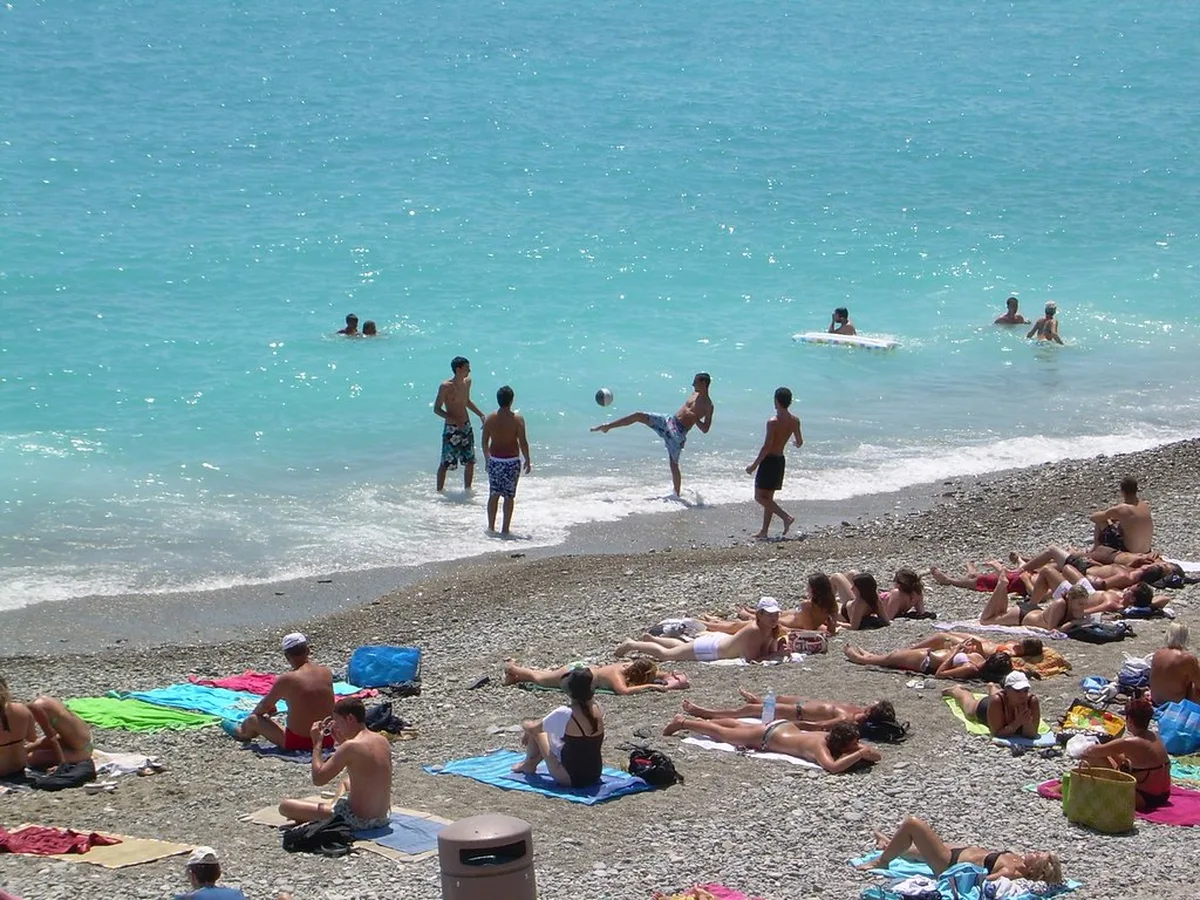
The TER train from Toulouse-Matabiau to Narbonne runs multiple times daily. In 2026 a standard second-class single ticket costs approximately €18–€22 depending on how far in advance you book and whether you travel at peak hours. Return tickets typically run €34–€40. Holders of the Occitanie pass (a regional rail card available to residents) travel at a significant discount. From Narbonne train station, a seasonal shuttle bus — the Hérault Transport Navette Plage — departs every 30–40 minutes to Narbonne-Plage and costs around €3 each way in 2026. The entire journey from Toulouse city center to the sand typically takes 2 hours 15 minutes door-to-door. The beach itself stretches 4 km with free public access, two lifeguard posts operating July–August, and beachside restaurants where a two-course lunch with wine runs €16–€22 per person.
Gruissan is another fantastic option known for its unique stilt houses and narrow village streets. The wide sandy beaches here provide plenty of space even during the peak summer season. The Plage des Chalets, Gruissan's most iconic spot, is framed by hundreds of colourful wooden stilt houses made famous by the 1986 film Betty Blue. Visitors often enjoy fresh seafood at the marina after a long day of swimming; a plate of moules marinières with frites at a harbour restaurant runs about €14–€18 in 2026. Gruissan is not on the main TER line, so most visitors drive (around 1 hour 45 minutes from Toulouse) or take the train to Narbonne and then a connecting bus, adding roughly 25 minutes and €2–€4 to the journey. Parking at the main Gruissan-Plage lot costs €6–€9 per day in peak season; arriving before 10:00 AM secures a free spot on the access road during shoulder season.
Port-la-Nouvelle offers a more laid-back atmosphere for those who prefer a quieter environment. The long pier and sandy stretches are ideal for peaceful walks along the shoreline. Nature lovers will appreciate the nearby lagoons and birdwatching opportunities in the area. The beach at Port-la-Nouvelle runs over 5 km with virtually no commercial development on its southern half, making it one of the least crowded Mediterranean beaches accessible from Toulouse in 2026. It is reachable from Toulouse by train via Narbonne with a short connecting TER service; total travel time is around 2 hours 30 minutes and the combined fare is approximately €22–€26 single in 2026.
- Narbonne-Plage for Family Fun
- Type: Sandy beach, Mediterranean
- Best for: Families, first-timers
- Train fare from Toulouse: ~€18–€22 single (2026)
- Shuttle bus from Narbonne station: ~€3 each way
- Beach entry: Free
- Gruissan for Scenic Views
- Type: Coastal village with stilt houses
- Best for: Photography, seafood lovers
- Best access: Car (~1h 45 min) or train to Narbonne + bus
- Parking: €6–€9/day at main lot or free on access road before 10:00
- Port-la-Nouvelle for Peaceful Escapes
- Type: Quiet lagoon-adjacent beach
- Best for: Nature, birdwatching, off-season visits
- Train fare from Toulouse: ~€22–€26 single (2026)
- Beach entry: Free
Surfing and Sun on the Atlantic Coast
The Atlantic coast is further away but offers a completely different landscape and climate. Biarritz is the most famous destination in this region and takes about two hours 30 minutes to three hours by car depending on traffic. The Basque coast delivers world-class surf, dramatic cliff scenery, and a distinct cultural identity that sets it apart from the Mediterranean resorts — worth the extra travel time if you are after an adventurous coastal experience rather than a calm swim day.
Surfers flock to the Basque Country for its world-class waves and rugged cliffside scenery. Hossegor is another top spot for those looking to experience the famous French surf culture, hosting the WSL Championship Tour event each autumn. The water temperature on the Atlantic side averages 18–20 °C in July and August — noticeably cooler than the Mediterranean's 24–26 °C, which can be very refreshing after a hot inland summer. Surfboard rentals at Hossegor range from €15–€25 per half-day in 2026, and surf schools charge approximately €45–€60 for a two-hour beginner lesson. Several schools at Hossegor and Capbreton offer multi-day beginner packages for €120–€180 including equipment, which represent good value for those wanting to learn properly over a long weekend.
Day trips to the west are long, so an overnight stay is often recommended for travelers who want to make the most of the experience. The TER train from Toulouse to Bayonne (the nearest hub for Biarritz and Hossegor) runs several times daily in 2026. A single ticket costs around €25–€35, and the journey takes approximately 2 hours 15 minutes to Bayonne, from where a local bus or taxi connects to Biarritz (25 minutes, ~€5 by bus or €20 by taxi). The drive through the Pyrenean foothills offers stunning views that make the journey enjoyable even if you choose to go by road instead. Budget accommodation in Hossegor starts at around €60–€90 per night in July for a basic hostel bed or private room.
Saint-Jean-de-Luz provides a sheltered bay that is perfect for swimming in calmer waters and is particularly recommended for families. The historic town center features beautiful Basque architecture and excellent local boutiques. A fresh tuna pintxo at the morning market costs around €2–€3, and a full tasting lunch in a local restaurant runs €18–€28 per person. The Grande Plage at Saint-Jean-de-Luz is a 1.5 km crescent of fine sand fully protected from ocean swells by two breakwaters, making it genuinely safe for young children and non-swimmers. Spending a full day here allows you to experience both the beach and the distinctive Basque culture that sets this stretch of coast apart from anywhere else in France.
Atlantic beaches often feel more wild and natural compared to the manicured Mediterranean resorts. The combination of dramatic cliffs, powerful surf, and unspoiled dune systems makes the extra travel time worthwhile for those seeking a more adventurous coastal experience. Plan to depart Toulouse by 8:00 AM at the latest to maximize your time on the water before the return journey. If the Atlantic coast appeals but a multi-day trip is not feasible, Arcachon Bay — covered in its own section below — offers calmer Atlantic waters within a similar travel radius and a more manageable day-trip format.
Mediterranean Beaches 1.5–2 Hours Away: Narbonne-Plage, Gruissan, and Sète
Beyond the nearest coastal options, a cluster of excellent Mediterranean beaches sits within a 1.5–2 hour radius of Toulouse — all reachable by TER train without a car. This stretch of the Languedoc-Roussillon coast is consistently ranked among the best-value beach destinations in France, offering long sandy shores, warm shallow water, and far fewer crowds than the Côte d'Azur. The beaches in this corridor share reliable sunshine records of 300+ days per year and water temperatures that reach 25–27 °C in August, making them genuinely superior to many northern European alternatives.
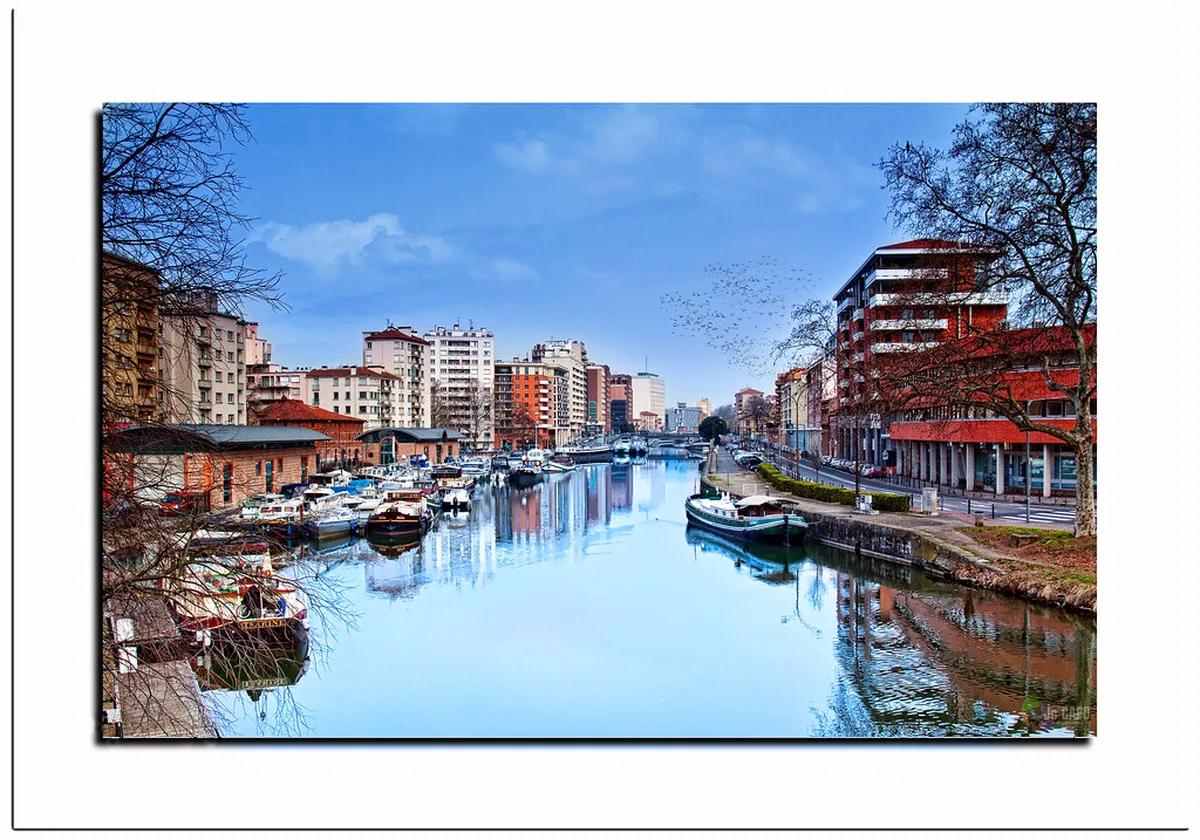
Narbonne-Plage, already covered above, anchors the western end of this corridor. Moving east, Gruissan-Plage sits just 10 minutes further by car from Narbonne and is famous for the Plage des Chalets — a beach flanked by hundreds of brightly coloured wooden stilt houses that appear in the 1986 cult film Betty Blue. The beach itself stretches over 3 km and features gentle Mediterranean surf ideal for children and casual swimmers. In 2026 parking at the main Gruissan-Plage lot costs €6–€9 per day; arriving before 10:00 AM secures a free spot on the access road during shoulder season. The water at Gruissan-Plage is consistently rated Blue Flag quality, and the sheltered bay means wave heights rarely exceed 30 cm even in windy conditions.
Sète, the "singular island" city built on a narrow strip between the Mediterranean and the Thau lagoon, is one of the most underrated beach destinations in southern France and sits roughly 1 hour 45 minutes from Toulouse by direct TER train. The 2026 single fare from Toulouse-Matabiau to Sète is approximately €20–€26 depending on booking window. The Corniche de Sète, a 12 km stretch of beach running along the southern seafront, offers both organised lidos and free public beach sections. Expect to pay €12–€18 for a sun lounger and parasol rental at the staffed beach clubs, or simply lay your towel on the free public sections a short walk further along. Sète also boasts some of the freshest seafood in Occitanie — the port's fish market opens daily at 06:30 and the tielle Sètoise (a spiced octopus pie sold for €4–€6 each) is the definitive local taste experience.
Sète's port also operates passenger ferry services to the Thau lagoon oyster villages, where a dozen freshly opened oysters cost as little as €6 direct from the producers. If you are combining beach time with food tourism, Sète is the strongest all-round option in this entire guide. The train journey from Toulouse is straightforward — a direct TER via Montpellier Saint-Roch, with trains running every 1–2 hours throughout the day in summer 2026. Montpellier itself also sits on this rail corridor and is worth a quick city visit before heading to its nearby beaches; our dedicated Montpellier beach guide covers Palavas-les-Flots, Carnon, and Plage de l'Espiguette in detail.
For those without a car who want to maximise time in the water, the recommended 2026 route is: Toulouse-Matabiau (07:45 TER) → Narbonne (09:35, ~€20) → seasonal shuttle bus to Narbonne-Plage (10:10, €3) → beach by 10:20 AM. Return: shuttle to Narbonne (17:40) → TER to Toulouse (19:30). Total cost for the day: approximately €46–€50 including transport and beach shuttle. Bringing your own picnic cuts food costs significantly versus the beachfront restaurants, and a baguette, cheese, and fruit from a Toulouse supermarket before departure typically costs under €8 per person.
Also worth noting is Cap d'Agde, 1 hour 50 minutes from Toulouse by car (around 2 hours 20 minutes by train via Agde station). The vast sandy beach at the base of the volcanic Cap d'Agde headland is free to access, and the nearby naturist resort village — while not for everyone — is one of the largest in Europe and adds a unique cultural dimension to the area. For families focused purely on beach quality, the Grande Plage at Cap d'Agde offers 14 km of fine sand and reliable Mediterranean conditions throughout the summer. Beach clubs along Cap d'Agde rent sunbeds for €10–€15 per day, and the town's water park Aqualand charges €28–€35 for an all-day pass in 2026.
Arcachon Bay and Dune du Pilat: The Atlantic Escape Worth the Journey
Arcachon Bay, roughly 250 km northwest of Toulouse on the Atlantic coast, is one of the most spectacular natural environments within day-trip range of the city. The bay is a vast, shallow inland sea sheltered from the full force of the Atlantic Ocean, producing calm, warm waters that reach 20–22 °C by July — significantly warmer than the open Atlantic beaches further north. By TER train from Toulouse-Matabiau to Bordeaux (1 h 10 min, ~€18–€25), then a connecting TER or shuttle to Arcachon (50 min, ~€8), the total journey is around 2 hours 30 minutes and costs approximately €26–€33 single in 2026.
The beach town of Arcachon itself offers several free public beach sections along its four-quarter promenade — Ville d'Hiver, Ville d'Été, Ville d'Automne, and Ville de Printemps. The Plage d'Arcachon in the Ville d'Été quarter is the main supervised swimming beach, open with lifeguards from late June through August between 10:00 and 19:00. Sun lounger rentals on the organised beach clubs run €12–€20 per day including a parasol in 2026. The bay's sheltered position makes it one of the calmest Atlantic beach options in southwest France, ideal for families with young children or travelers who prefer swimming without waves.
The undisputed highlight of any Arcachon visit is the Dune du Pilat, Europe's tallest sand dune at 106 metres, located 8 km south of Arcachon town. A local bus (line 1, ~€2 each way) runs from Arcachon station to the dune base every 30 minutes in summer. Entry to the dune itself is free, though the car park charges €5–€8 per vehicle in peak season. Climbing the dune's wooden staircase (515 steps) takes around 15 minutes and rewards you with a panoramic view across the Landes pine forest to the west and Arcachon Bay to the east — genuinely one of the most dramatic natural viewpoints in France. At the base of the western slope, a 2 km stretch of Atlantic beach sits completely undeveloped; swimming here is for confident adults only as there are no lifeguards and currents can be strong.
For oyster lovers, a visit to the Cap Ferret peninsula across the bay from Arcachon is a must. The ferry from Arcachon to Cap Ferret runs every 30–60 minutes in summer and costs €8–€10 return. Cabanes d'ostréiculteurs (oyster shacks) line the bay side of Cap Ferret and sell a dozen Arcachon oysters for €6–€9 with bread and butter. The combination of Dune du Pilat, bay swimming, and oyster tasting makes Arcachon one of the highest-value day trips from Toulouse in 2026 despite the slightly longer travel time. Book the Toulouse–Bordeaux leg well in advance during July and August as seats sell out quickly on this busy TGV and TER corridor.
Essential Planning Tips for Your Beach Day
Safety should always be a priority when traveling to the coast or the riverbanks. Reading about Toulouse safety for tourists is a useful starting point, as the same principles — awareness of your surroundings, keeping valuables secured — apply equally at busy coastal beaches during peak season. Always swim in designated areas where lifeguards are present to ensure your personal security. At Narbonne-Plage and Arcachon, designated flagged swimming zones are clearly marked; a green flag means safe to swim, orange means caution, and red means swimming is prohibited that day.
Packing sun protection is vital because the southern French sun can be extremely strong, particularly between 11:00 and 16:00 from June through September. A factor 50 sunscreen for children and factor 30 for adults is the minimum recommended for this climate. Bring plenty of water — at least 1.5 litres per person — and snacks if you plan to visit the more remote coastal spots, as beachfront convenience shops charge premium prices. Rental chairs and umbrellas are available at larger resorts and typically cost €10–€18 per set per day in 2026, so budget accordingly if you prefer comfort over carrying your own equipment. A quality beach mat or folding chair bought before departure costs €15–€30 from Toulouse's Decathlon stores and pays for itself quickly if you visit the coast multiple times.
Booking your TER train tickets in advance can save you a meaningful amount of money. SNCF regularly releases promotional fares (labelled "Prems") up to 90 days before departure; booking Toulouse to Narbonne at the Prems rate can bring the cost down to €10–€14 single, compared to the full flex fare of €22–€28. The SNCF Connect app and website are the most reliable booking platforms for 2026. Regional trains often have special summer group passes — the "Escapade Weekend" tariff, for example, offers 25% off return tickets for groups of 2–5 people traveling together. Setting a price alert via the SNCF Connect app for your target travel date is the most reliable way to catch a Prems release as soon as it becomes available.
Arriving early at the beach helps you secure a prime spot before the crowds arrive. Weekdays between Monday and Thursday are generally much quieter than weekends when locals head to the shore in large numbers. Planning your return trip for late evening — departures after 19:30 — can help you avoid the peak post-beach traffic surge on the shuttle buses and connecting trains. If you are traveling during the French August school holidays (the first three weeks of August), book all transport and any paid beach facilities at least two to three weeks in advance to avoid sold-out situations. Some popular campsites near Narbonne-Plage and Gruissan open reservations in January for the following August — worth planning that far ahead if budget accommodation at the coast is part of your plan.
If you want to compare beach options across the broader Occitanie region, the Montpellier beach guide covers the beaches that are closest to Montpellier in detail, many of which overlap with the Toulouse day-trip zone and can be accessed on the same TER network. Cross-referencing both guides is the most efficient way to plan a multi-day beach itinerary in the region. You should also review the general day trips from Toulouse page for non-beach excursions that can be combined with a coastal visit on a multi-night break.
Frequently Asked Questions
How far is the nearest beach from Toulouse?
The nearest Mediterranean beach is Narbonne-Plage, approximately 150 km east of Toulouse. By TER train from Toulouse-Matabiau, the journey to Narbonne takes roughly 1 hour 45 minutes, followed by a 20-minute seasonal shuttle bus to the beach (€3 each way). By car on the A61 and A9 motorways the drive is around 90 minutes. The 2026 train fare is approximately €18–€22 single. On the Atlantic side, Arcachon Bay is 250 km northwest — around 2 hours 30 minutes by TER via Bordeaux, with a combined single fare of approximately €26–€33.
Can you swim in the Garonne river in Toulouse?
Swimming directly in the Garonne river is prohibited in Toulouse for safety and water-quality reasons. Strong undercurrents and variable water quality make open-river swimming dangerous. Instead, the city provides Lac de Sesquières — a free supervised freshwater lake with an official swimming zone and sandy beach near Borderouge metro station — and the annual Toulouse Plages event at the Prairie des Filtres, which runs late July through late August (expected 19 July–24 August in 2026) with water play features and beach activities. Both options are free to enter in 2026.
Is there a beach in Toulouse city center?
Toulouse does not have a natural beach, but it has two free alternatives within city limits. Lac de Sesquières (near Borderouge metro station, line B) offers a supervised sandy beach with designated swimming zones open mid-June through early September, typically 10:00–19:00. Additionally, Toulouse Plages transforms the Prairie des Filtres into an urban beach complete with imported sand, volleyball courts, and outdoor activities each July and August. Both are free to enter in 2026.
What is the cheapest way to get from Toulouse to the beach by public transport in 2026?
The cheapest option is to use a SNCF "Prems" promotional TER fare to Narbonne, which can cost as little as €10–€14 single if booked 60–90 days in advance via the SNCF Connect app. Add €3 each way for the seasonal Hérault Transport shuttle bus from Narbonne station to Narbonne-Plage beach, bringing the minimum round-trip transport cost to approximately €26–€34. Alternatively, Lac de Sesquières within Toulouse is free and reachable by metro (line B, Borderouge station) at the cost of a standard city ticket (€1.75 in 2026).
How long does it take to get from Toulouse to Sète by train?
A direct TER train from Toulouse-Matabiau to Sète takes approximately 1 hour 45 minutes to 2 hours, traveling via Montpellier Saint-Roch. Trains run every 1–2 hours throughout the summer day in 2026. The single fare is approximately €20–€26 depending on the booking window. Sète station sits about 1.5 km from the Corniche de Sète beach, reachable by bus (line 3, €1.50) or a pleasant 20-minute walk along the canal. The Corniche offers both staffed beach clubs (sun lounger rental €12–€18/day) and free public beach sections.
When is Toulouse Plages 2026 and is it free?
Toulouse Plages 2026 is expected to run from approximately 19 July to 24 August at the Prairie des Filtres on the banks of the Garonne river. The event is entirely free to enter and attend. It features imported sand, beach volleyball, outdoor cinema, live music evenings (from 20:00 on the main stage), children's play areas, and food stalls with drinks from €3–€5 and meals from €8–€14. Exact dates are confirmed by Toulouse city council each spring — check the official Toulouse tourism website (toulouse-tourisme.com) closer to summer for the confirmed programme.
Is Arcachon worth the trip from Toulouse for a day visit?
Yes, Arcachon Bay is one of the best day trips from Toulouse for those willing to travel 2 hours 30 minutes each way. The 2026 combined TER fare (Toulouse–Bordeaux–Arcachon) costs approximately €26–€33 single. The main draws are the Dune du Pilat (free entry, Europe's tallest sand dune), the calm bay beaches ideal for families, and fresh oysters at Cap Ferret shacks from €6–€9 per dozen. Book the Toulouse–Bordeaux train well in advance in July–August as seats sell out quickly.
Which Toulouse beach day trip is best for families with young children?
Narbonne-Plage is the top recommendation for families: calm Mediterranean water, a 4 km sandy beach, supervised swimming zones with lifeguards (July–August), and a quick door-to-door journey of around 2 hours 15 minutes by TER train + shuttle from €21 total. Arcachon Bay's Plage d'Arcachon is the best Atlantic alternative — sheltered, warm water (20–22 °C in July), and supervised swimming until 19:00. For those who want to stay in the city, Lac de Sesquières offers free supervised swimming with a children's paddling zone just minutes from central Toulouse by metro.
Finding the perfect spot to relax is easy with this comprehensive Toulouse beach guide at your side. Whether you prefer the riverfront energy of Toulouse Plages, the free swimming at Lac de Sesquières, a Mediterranean day trip to Narbonne-Plage or Sète by TER train, or the Atlantic grandeur of Arcachon's Dune du Pilat, the region offers a genuine beach experience for every budget in 2026.
The combination of city culture and seaside access makes Toulouse a unique summer destination in southern France. With 2026 TER fares from €18–€22 to the Mediterranean coast and a free city beach just a metro ride away, there is no reason to go waterless during the Toulouse summer. Plan your transport early, book Prems tickets where possible, and enjoy the warm waters of the Mediterranean or the Atlantic shores — all within a half-day's travel of the Pink City.