The Essential Montpellier Beach Guide for Your Next Trip
Carnon Beach is Montpellier's nearest sandy shore — 20 minutes via Tram Line 3 (€1.70 single); private paillotes charge €10–18/day for a sunbed, while the public beach is entirely free.
In 2026, coastal parking costs €2–3/hour at Carnon, Palavas-les-Flots, and La Grande-Motte; free parking opens at all three resorts from October through May — arrive before 9 AM in July and August.
Montpellier sits just a few miles from the stunning Mediterranean coastline. The vibrant city offers easy access to golden sands and clear blue waters for every traveler.
Many visitors explore the historic center before heading to the sea for relaxation. You will find several beautiful beaches within thirty minutes of the main squares. Using a comprehensive Montpellier beach guide helps you navigate these diverse coastal options. Proper planning ensures you spend more time swimming and less time commuting.
Top Beach Destinations Near the City
Carnon Beach remains a favorite for families due to its shallow waters and easy access via Tram Line 3. The wide sandy stretches provide plenty of space for children to play safely, and the beach is well-served by lifeguards from late June through early September. Most visitors enjoy the proximity to the local marina for afternoon strolls, where small sailing boats and kayaks bob in the calm waters. A row of casual cafes along the promenade offers quick snacks, ice creams, and cold drinks, with a panini typically costing around €5–7 and a coffee €2.50. In 2026, Carnon's public parking lot charges €2.50 per hour during the peak season, so many families opt to arrive by tram instead. The beach itself is entirely free to access, though renting a sun lounger from one of the private concessions on the northern end costs €12–15 for the day.
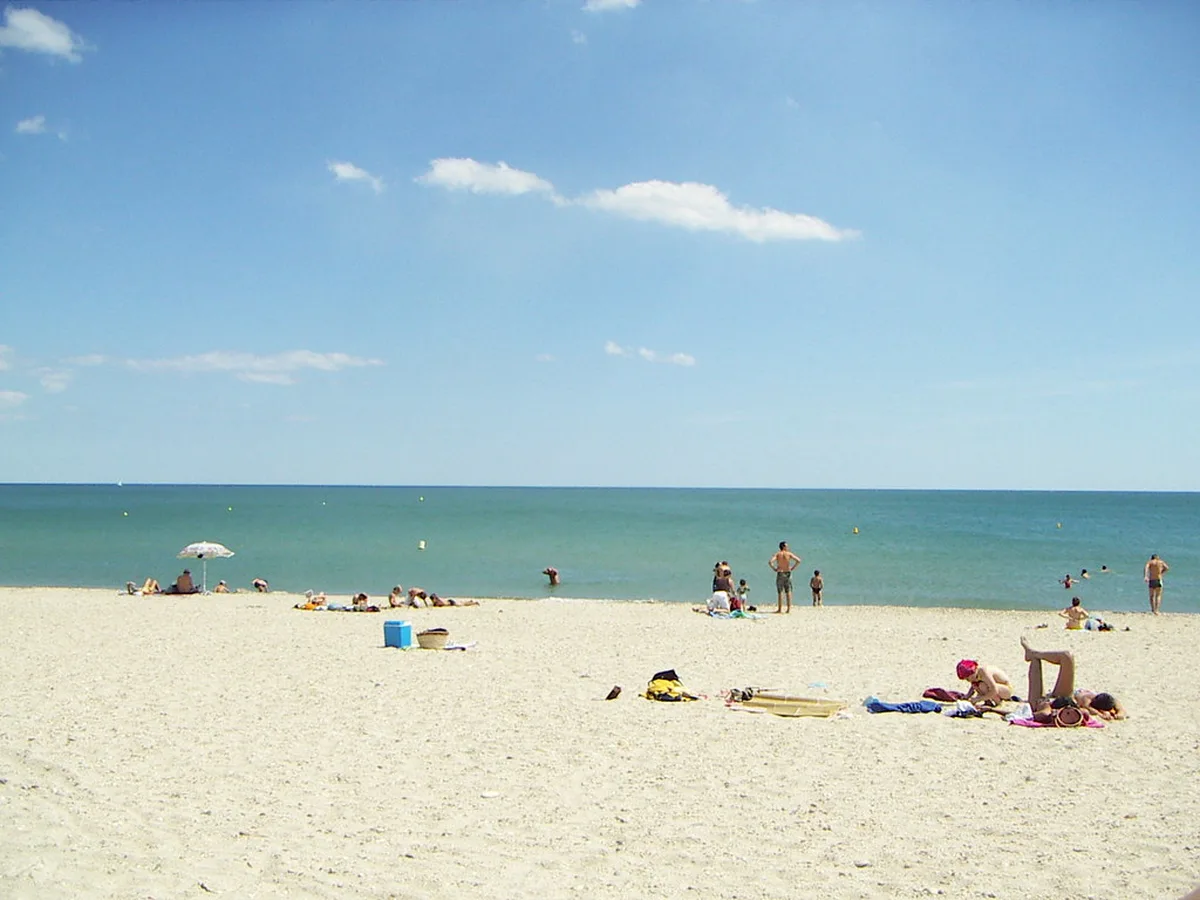
Palavas-les-Flots delivers a classic French seaside resort atmosphere with a lively canal running through its centre. The iconic lighthouse tower stands as a landmark and offers panoramic views of the coast for a small entry fee of €2.50 per adult in 2026. You can find numerous seafood restaurants serving fresh catches right by the water, with a full grilled fish lunch averaging €18–25 per person. The town has two distinct beach areas separated by the canal — the west side is quieter and more family-friendly, while the east side has more beach clubs and bars. This area feels more developed and bustling compared to other nearby spots, and it draws large crowds on summer weekends. If you want to compare the coastal energy with the city's historic energy, the Montpellier old town guide gives a useful contrast between these two very different sides of the city.
Villeneuve-lès-Maguelone offers a wilder experience for those who prefer untouched nature and open horizons. A scenic walk or a small tourist train takes you across the lagoon to the shore, with the train costing €4 return per adult. The historic Maguelone Cathedral sits nestled among the vines near the beach, and the combination of medieval architecture and Mediterranean scenery is genuinely remarkable. This beach is entirely free and has no private concessions, so bring your own food, water, shade, and equipment. Because it lies within a protected natural area, dogs are banned from June through September, and campfires are prohibited year-round. Parking at the lagoon entrance costs €3 per hour in peak season. This location is perfect for travelers seeking peace, photography, and connection with nature away from the resort crowds.
La Grande-Motte stands out for its UNESCO-recognised pyramid-shaped architecture from the 1960s and lush green spaces that separate the residential blocks from the shore. The beaches here are well-maintained, raked daily in summer, and offer a wide range of water sports including jet ski rental at around €60 for 30 minutes. The marina is one of the largest on the French Mediterranean coast and is worth a walk in the evening when the yachts light up. Multiple private beach clubs operate here through the summer season, typically charging €10–18 per lounger per day depending on their position on the sand. La Grande-Motte is also a good base for day trips further along the coast, which you can find detailed options for in our day trips from Montpellier guide. Each beach near the city has a distinct personality, and this one is ideal for visitors who want comfort and water-sport activity in equal measure.
- Carnon Beach for Families
- Type: Sandy beach, shallow entry
- Best for: Young children and tram-commuters
- Access: Tram Line 3, €1.70 single
- Cost: Free entry; loungers €12–15/day; parking €2.50/hr
- Palavas-les-Flots Resort Area
- Type: Developed resort with canal
- Best for: Seafood dining and lighthouse views
- Access: Bus 28 or bike path from Montpellier
- Cost: Free beach access; lighthouse €2.50; meals €18–25
- Villeneuve-lès-Maguelone Nature Spot
- Type: Protected natural beach, no concessions
- Best for: Peaceful walks and photography
- Access: Tourist train €4 return or walk from car park
- Cost: Free entry; parking €3/hr
- La Grande-Motte Marina Beach
- Type: Organised resort with water sports
- Best for: Jet skiing and evening marina strolls
- Access: Car or bus; parking €2–3/hr
- Cost: Loungers €10–18/day; jet ski €60/30 min
How to Reach the Coast from Montpellier
Reaching the sea is straightforward when you use the efficient public transport network that Montpellier has built over the past decade. Tram Line 3 takes you from the Place de l'Europe interchange to the Pérols Étang de l'Or stop in approximately twenty minutes. A single tram ticket costs €1.70 in 2026, while a ten-journey carnet costs €14.50, reducing the per-trip cost to €1.45 — a worthwhile saving if you plan multiple beach days. Day passes cost €4.10 and can be used on both trams and connecting buses without restriction. From the Pérols stop, a short Bus 106 connection or a 25-minute walk leads directly to Carnon. This route remains the most popular choice for budget-conscious travelers, and the trams run every seven minutes at peak times in summer, so waits are minimal.
Vélomagg bike rentals offer a healthy and scenic way to reach the Mediterranean under your own power. A dedicated bike path runs from the city center all the way to the coast, following the banks of the Lez river through reed beds and lagoon edges. The ride takes about forty-five minutes at a comfortable pace and is relatively flat throughout. Vélomagg short-term subscription costs €1 for 24 hours, with the first 30 minutes of each hire free — making it effectively free for most coastal rides if you keep your legs moving. You can find Vélomagg docking stations at the central Place de la Comédie, at the tram stops, and throughout the university district for easy pick-up.
Driving to the beach provides more flexibility for families with bulky gear, but comes with significant parking challenges during the July and August peak. Many lots near Palavas fill up by ten in the morning on weekends and public holidays. In 2026, metered street parking in Carnon costs €2.50 per hour, while the main supervised car parks at Palavas charge €2–3 per hour with a daily maximum cap of around €15–18. Consider arriving before 9:00 AM to secure a shaded space. Off-season driving is far simpler, with free parking widely available at all coastal resorts from October through May. If you are interested in reaching beaches further along the Languedoc coast by car, our day trips from Montpellier article covers driving routes to destinations as far as Sète and the Camargue.
Seasonal shuttle buses known as navettes de plage operate during peak months, connecting the main tram terminuses directly to the sand without requiring passengers to change vehicles. These services usually run every fifteen minutes between 9:00 AM and 7:00 PM during July and August, with the last return bus departing the beach at 8:00 PM. The shuttle fare is included in a standard tram ticket or day pass, meaning no additional cost. Bus 28 provides a year-round connection between Montpellier city center and Palavas-les-Flots, with a journey time of around fifty minutes and the same €1.70 single fare as the tram. Always check the latest schedules on the TaM Montpellier app, which shows real-time departures for all lines, or pick up a printed timetable from the main tourist office on the Esplanade Comédie.
Private Beach Clubs and Public Amenities
Private beach clubs, known locally as paillotes, offer a luxury experience that goes well beyond a simple sunbed on the sand. These establishments typically provide full table service, bringing cold drinks, cocktails, and full meals directly to your chair without leaving your spot. In 2026, renting a basic sunbed (bain de soleil) at most paillotes costs €10–14 for the day, while a double sunbed with a parasol at a premium club in La Grande-Motte or Carnon runs €15–18. The more upscale clubs — such as those with pool access or beachside DJ sets — charge €20–25 for a premium package that includes a drink upon arrival. Booking in advance through the club's own website or via a WhatsApp reservation is strongly recommended for weekend visits in July and August, as the better spots sell out before noon.
Many of these beach clubs also feature evening programming, transforming into lively open-air bars and small concert venues after 7:00 PM. This seamless transition from daytime lounging to evening socialising is a distinct feature of the Montpellier beach scene, and complements the city's broader evening culture covered in our Montpellier nightlife guide. Some clubs run themed nights on Thursdays and Saturdays with no cover charge before 9:00 PM. If you want to try the full paillote experience but keep costs manageable, arrive at 4:00 PM when some clubs offer half-day rates of €6–8 per lounger.
Public beach areas are entirely free and open to everyone throughout the year, offering a genuine alternative to the paid club experience. You will find basic amenities — outdoor showers, toilet blocks, and waste bins — at regular intervals along the coast at Carnon and Palavas. It is wise to bring your own umbrella as natural shade is essentially nonexistent on the flat sandy beaches; beach umbrellas can be purchased at the supermarkets in Palabas for around €15–20. Most public zones have lifeguards (sauveteurs-secouristes) on duty between 11:00 AM and 6:00 PM from late June through August. Outside these hours, swimming is at your own risk, and the flag system should guide your decisions regardless of lifeguard presence.
Food options near the shore range from casual snack bars to sit-down seafood restaurants. At the casual end, a crêpe or a panini from a kiosk costs €4–7, while a 33cl cold beer typically runs €3–4. Sit-down restaurants at Palavas and Carnon often post two-course formule lunch menus at €14–18, which represent excellent value given the quality of locally sourced fish and shellfish. For those managing costs carefully, picking up supplies at the Carrefour Market in Palavas before hitting the sand is a straightforward option. Grocery-bought food, fresh fruit, and chilled drinks can be brought onto all public beach areas without restriction. Water sports rental shops at Carnon and La Grande-Motte offer paddleboards at €15 per hour, kayaks at €12 per hour, and pedalo boats at €18 per hour for a two-seater, making for an active supplement to a day of sunbathing.
Best Time for a Coastal Visit in 2026
Summer brings the warmest water and the most reliable sunshine to the Languedoc coast. July and August see the highest temperatures, regularly reaching 30–34°C on the beach and Mediterranean sea temperatures of 24–26°C, making for excellent swimming conditions. These months are also the busiest: Carnon and Palavas can each draw tens of thousands of visitors on a Saturday, so arriving by 9:00 AM is essential for securing a spot without paying for a private club lounger. Accommodation prices in Montpellier city rise sharply in peak summer, with a mid-range hotel averaging €120–160 per night compared to €70–95 in shoulder months. You will find the most vibrant beach atmosphere in peak summer, with paillotes fully open, water sports at full operation, and evening beach concerts running through August.
Shoulder seasons — June and September — offer a strongly preferable combination of warm weather and manageable crowds. The water remains warm enough for comfortable swimming, typically 20–23°C in early June and 22–24°C in September. Accommodation prices in the city drop significantly, and the beach clubs are open but rarely full even on weekends. June also brings the Fête de la Musique on 21 June, which spills outdoor performances down to the seafront promenades. September is particularly good for watersport enthusiasts, as the warm Tramontane wind picks up and provides excellent conditions for windsurfing and kiteboarding at Carnon and La Grande-Motte. Both months represent the best overall value for a Montpellier beach holiday in 2026.
Winter visits from November through February provide a serene and completely different coastal experience. While sea temperatures drop to 12–14°C and swimming is unappealing, the coastal paths remain open and can be walked or cycled in pleasant cool air. Many seafood restaurants at Palavas stay open on Fridays, Saturdays, and Sundays, serving warming fish soups and grilled sole at slightly lower winter prices. The beaches are effectively empty, the light is soft, and flamingos from the Camargue occasionally forage in the coastal lagoons visible from the path between Villeneuve-lès-Maguelone and Carnon. This is the best period for travelers who value solitude, natural landscapes, and a completely unrushed experience of the coastline.
Springtime from late March through May sees the beach clubs begin setting up their infrastructure for the new season, usually reopening between Easter weekend and the first weekend of May. April and May can bring the mistral-like Tramontane wind, which keeps temperatures feeling fresh (16–22°C) and makes these months ideal for kite surfers and windsurfers. The flowering garrigue scrubland behind the lagoons creates beautiful purple-and-yellow backdrops for walks around Villeneuve-lès-Maguelone. Hotel rates remain low through May, making it one of the best budget windows for a combined city-and-coast holiday in 2026.
Palavas-les-Flots vs La Grande-Motte — and the Espiguette Wild Beach
Choosing between Palavas-les-Flots and La Grande-Motte is one of the most common questions among first-time visitors to the Montpellier coast, and both towns serve meaningfully different traveler profiles. Palavas is closer to the city — about 12 km from the city center — and sits directly on a long straight beach flanked by a canal full of fishing boats and pleasure craft. It has a lived-in, slightly faded resort charm with boulangeries, a daily market, and independent restaurants that cater to French families rather than international tourists. The lighthouse is genuinely worth climbing: from the top you see the entire sweep of coast from the Camargue to the Cap d'Agde for a €2.50 entry fee.
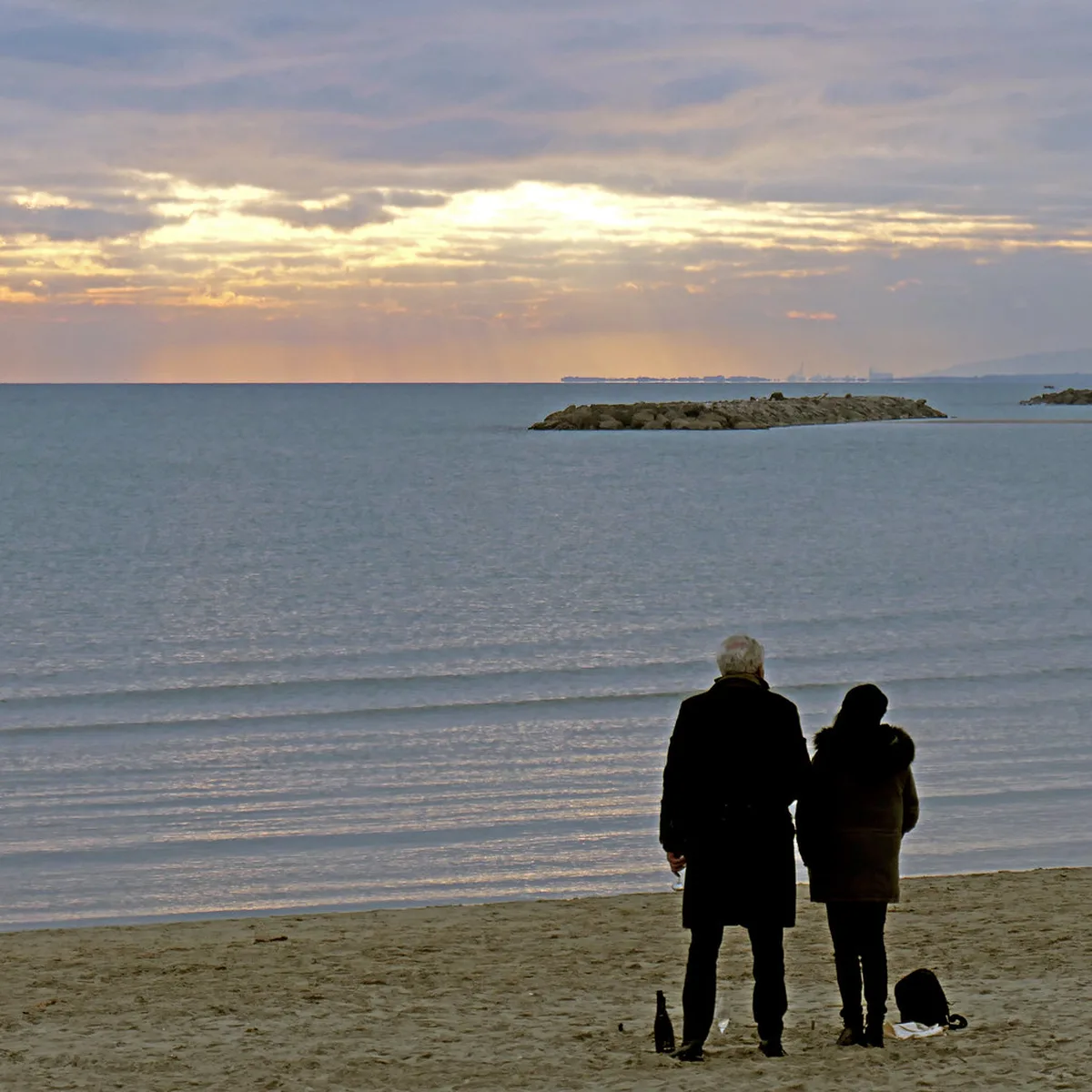
La Grande-Motte, by contrast, is a purpose-built resort designed in the late 1960s and now holds UNESCO recognition for its boldly modernist pyramid architecture. It lies around 22 km from Montpellier city center and has a broader, more manicured beach with better-organized beach clubs, a larger marina, and a noticeably more affluent atmosphere. Sun loungers at La Grande-Motte's private clubs are generally €13–18/day, a touch higher than comparable services at Palavas. The resort is almost entirely pedestrianised near the waterfront, making it far more pleasant to walk around with children or a pushchair. For a direct cost comparison, parking at La Grande-Motte costs €2/hr in the seafront lots, versus €2.50/hr at Carnon and Palavas during the peak summer period.
For travelers willing to venture a little further — approximately 40 km south-west of Montpellier — the Espiguette wild beach near Le Grau-du-Roi is one of the finest undeveloped beach experiences on the entire French Mediterranean coast. The beach stretches for more than 20 km without a single commercial structure, backed only by rolling sand dunes and pinewood. Entry to the Espiguette beach car park costs €7 per vehicle for the day in summer 2026, and the car park itself is a 10–15 minute walk from the actual shoreline. Because no sun lounger rental or food concessions exist, visitors must bring everything they need. Nudism is common on the eastern sections of the dunes by long-standing informal tradition. The water is exceptionally clear and shallow for the first 50 metres, making it among the best swimming beaches in the Languedoc. A combined Espiguette day trip combined with a visit to the fortified town of Aigues-Mortes nearby makes for an outstanding excursion from Montpellier.
The verdict for most visitors in 2026 is this: choose Palavas for an authentic French resort lunch and a relaxed half-day by the sea; choose La Grande-Motte for organised comfort, better beach clubs, and water sports; choose Espiguette for a completely wild and crowd-free Mediterranean experience. All three can be reached by car in under an hour from Montpellier city center, and the contrast between them illustrates the remarkable coastal variety available within a short radius of the city. Our day trips from Montpellier article includes transport logistics and driving times for all three destinations.
Sète Plage de la Corniche — A Hidden Gem Near Montpellier
Sète's Plage de la Corniche is one of the best-kept secrets within easy reach of Montpellier, and in 2026 it remains significantly less crowded than Palavas or Carnon despite offering comparable sand quality and sea conditions. The beach lies approximately 30 km south-west of Montpellier — around 35 minutes by car via the D185 coastal route — and can also be reached by a combination of Tram Line 1 to Montpellier Saint-Roch station followed by a direct TER regional train to Sète, with a train ticket costing €5.40 for the 25-minute rail journey. From Sète station, the Plage de la Corniche is served by local bus line 1 for €1.30, or a 20-minute walk along the waterfront promenade.
The beach itself is a long, straight stretch of golden sand flanked by the Thau lagoon on one side and the open Mediterranean on the other, giving it a distinctive geography unlike the flat plains of Carnon and Palavas. The Corniche road runs parallel to the beach and is lined with seafood restaurants specialising in fresh oysters and sea bream from the Thau lagoon — a platter of a dozen Bouzigues oysters typically costs €12–16 at the waterside brasseries, which is excellent value by Languedoc standards. Several fish smokehouses and produce stalls operate year-round along the Corniche, selling smoked eel, marinated anchovies, and bottarga at prices that reflect the working fishing port heritage of the town.
Sète as a city adds genuine cultural depth to a beach day that none of the smaller resort towns can match. The port quarter around the étang de Thau is filled with working trawlers and shellfish producers, and the Canal Royal that cuts through the centre hosts traditional jousting tournaments (joutes nautiques) on summer evenings from July through August — a spectacular free spectacle rooted in centuries of local maritime culture. Parking along the Corniche costs €1.50–2 per hour at the seafront pay-and-display bays, with a large free car park available 600 metres north of the main beach access. This free option is particularly valuable for families driving from Montpellier with equipment and beach gear.
The water at Plage de la Corniche is consistently rated among the cleanest along the Languedoc coast by the annual Pavillon Bleu (Blue Flag) assessments, which Sète has held for eleven consecutive years. Swimming conditions are excellent from late May through October, with sea temperatures following the same seasonal curve as Carnon — around 19–21°C in June, 24–26°C in peak summer, and 20–22°C through September. Lifeguards are posted at the main supervised section from 11:00 AM to 7:00 PM during July and August. For travelers interested in combining a Sète beach day with a longer coastal excursion, our day trips from Montpellier guide covers the full itinerary including the Sète cliff path and the Saint-Clair panoramic viewpoint that overlooks the entire Gulf of Lion.
Sun lounger rental is available through two privately operated beach clubs near the Corniche car park, typically charging €11–14 per lounger per day with a parasol. These clubs are noticeably less commercialised than the paillotes at La Grande-Motte and do not require advance booking except on the busiest August weekends. Budget travellers should note that the public beach stretches continue well beyond the concession zones on both the north and south ends of the Corniche, offering completely free access to equally fine sand. A paddleboard hire stand near the main lifeguard post rents boards for €14 per hour, and kayaks are available at €10 per hour from a seasonal operator near the south car park. Sète's Plage de la Corniche is, in short, the ideal choice for Montpellier visitors who want a more authentic and culturally rich beach day without the resort crowds.
Safety and Local Beach Etiquette
Understanding the flag system is vital for your safety while swimming in the Mediterranean, and it is taken seriously by the local lifeguard teams at all supervised beaches. A green flag means the water is calm and safe for all swimmers including children and non-experts. Yellow indicates caution is needed due to light waves, wind chop, or mild currents, and children should be accompanied in the water at all times. Never enter the water when you see a red flag flying at the lifeguard post — this indicates dangerous conditions that can endanger even experienced open-water swimmers. The double red flag means the beach is closed entirely, typically due to pollution events or extreme weather. These decisions are made by certified lifeguards (sauveteurs), not by local business owners, and they are enforceable by a €150 fine for non-compliance at regulated beaches.
Protecting the delicate coastal environment is a statutory priority in the Languedoc-Roussillon region. All beaches within the Natura 2000 protected coastal zones — which include the Villeneuve-lès-Maguelone area and the Étang du Méjean — carry fines of up to €1,500 for littering. Always use the waste bins provided at beach exits, or take your litter back to the city. Avoid walking on the sand dunes: the marram grass binding them together is fragile, and a single trampled path can trigger a cascade of erosion that takes decades to repair. Many travelers wonder about general personal safety when visiting the coast; our is Montpellier safe for tourists article addresses petty theft risks at beach areas and how to protect your belongings while swimming.
Pet regulations vary depending on the specific beach and the time of year, and enforcement has tightened in 2026. The main supervised beaches at Carnon, Palavas, and La Grande-Motte prohibit dogs entirely between 1 June and 30 September, with fines of €68 for violations. However, several designated dog-friendly beach sections exist in each resort — look for the "plage autorisée pour les chiens" signage with a dog symbol at the entrance barriers. Outside the June–September window, dogs are allowed on all public beach sections if kept on a lead. The Espiguette wild beach near Le Grau-du-Roi is generally dog-friendly year-round in the dune sections, though the protected reserve areas adjacent to it have seasonal restrictions. Always read the signs at each beach entrance, as rules can vary even between adjacent stretches of sand.
Frequently Asked Questions
Is there a beach directly in Montpellier city center?
No, Montpellier city center is approximately 10–12 km from the nearest sandy beach at Carnon. You must take public transport, rent a bike, or drive to reach the Mediterranean. The fastest option in 2026 is Tram Line 3 to Pérols Étang de l'Or (€1.70, 20 minutes), followed by a connecting Bus 106 or a 25-minute walk to Carnon beach.
How much does the tram cost to get to the beach in 2026?
A single tram ticket costs €1.70 in 2026 for a one-way trip on any TaM Montpellier line. A day pass (Ticket Journée) costs €4.10 and covers unlimited travel on all trams and connecting buses, including the summer beach shuttle (navette de plage). A 10-journey carnet costs €14.50, reducing each trip to €1.45. Tickets must be validated in the machine on board before each journey.
Are the beaches near Montpellier sandy or pebbly?
The beaches around Montpellier are almost entirely composed of fine, pale golden sand with no significant pebbles or rocks on the main swimming stretches. Carnon, Palavas-les-Flots, Villeneuve-lès-Maguelone, and La Grande-Motte all have wide, flat sandy beaches that are comfortable for barefoot walking and sunbathing. The seabed entry is also gently sloping sand, making these beaches suitable for children and non-swimmers who prefer shallow water.
Can I rent sun loungers and umbrellas on the public beaches?
Public beach areas in Montpellier's coastal resorts do not offer state-run lounger rentals directly on the open sand. However, private beach clubs (paillotes) operating on designated concession areas within the public beach rent sun loungers for €10–18 per day, usually including a parasol. If you prefer to avoid the cost, beach umbrellas and chairs can be purchased at Carrefour Market in Palavas for €15–20 and used on the free public sections throughout your stay.
How much does parking cost at Montpellier's beaches in 2026?
In 2026, metered parking at the main coastal resorts costs €2–3 per hour during the summer season (June–September). Carnon charges approximately €2.50/hr at its main seafront car park, Palavas ranges from €2–2.50/hr, and La Grande-Motte's waterfront lots cost €2/hr with a daily maximum of around €15. Free parking is widely available from October through May at all three resorts. Arriving before 9:00 AM on summer weekends is the best strategy to find a space near the beach without difficulty.
What is the best wild beach near Montpellier for avoiding crowds?
The Espiguette beach near Le Grau-du-Roi, approximately 40 km south-west of Montpellier, is the finest undeveloped beach in the region. It stretches over 20 km with no commercial facilities — no bars, no clubs, and no lounger rentals — backed by rolling dunes and pine forest. Entry to the beach car park costs €7 per vehicle per day in summer 2026. The water is exceptionally clear and the beach stays spacious even in August. Bring all food, water, and shade, and plan for a 10–15 minute walk from the car park to the shoreline.
A visit to the Mediterranean coastline is one of the highlights of any trip to Southern France, and the beaches around Montpellier deliver a remarkable range of experiences within a short distance of the city. From the family-friendly Carnon reachable for just €1.70 on the tram, to the architecturally striking resort of La Grande-Motte, to the completely wild 20-km expanse of Espiguette — this stretch of coast rewards every type of traveler.
Plan your transport in advance using the TaM app, book beach club loungers ahead on summer weekends, and check the flag system before every swim. With the specific 2026 prices and logistics in this guide, you have everything you need to spend more time in the water and less time organising. For more on what to see and do when you come back to the city at the end of the day, our Montpellier nightlife guide covers the best evening options within walking distance of the city center.