Ultimate Montpellier Nightlife Guide for Travelers in 2026
Montpellier's nightlife centers on the medieval Écusson district, where Papa Doble cocktail bar serves signature daiquiris at €11–13 and Antirouille club charges €10–15 entry. Bar drinks cost €4–7, cocktails €9–13, and clubs run until 5:00 AM in 2026.
The city's 70,000-strong student population drives a year-round party scene across Quartier Saint-Roch, Place de la Comédie, and Port Marianne. Marché du Lez pours draft beer from €4.50 and cocktails €10–12 in the modern riverside district.
Montpellier pulses with a unique energy that stems from its massive student population and sunny Mediterranean climate. The city transforms after sunset as historic squares fill with locals enjoying chilled wine and lively conversation under the stars. Travelers find everything from hidden jazz basements in the medieval center to massive open-air beach clubs near the coast. This comprehensive guide helps you navigate the best spots for an unforgettable evening in southern France in 2026.
The social scene here feels more relaxed than Paris but remains significantly more vibrant than other regional French cities. Happy hour typically begins around 6:00 PM and serves as the primary social bridge between work and dinner. Exploring the cobblestone streets during these golden hours reveals the true heart of the local Occitanie culture. Planning your night out in 2026 requires a bit of local knowledge regarding transport and venue locations.
Vibrant Districts for the Best Montpellier Nightlife
The Quartier Saint-Roch serves as the beating heart of the city's evening activity with its labyrinth of narrow medieval streets. Walking through this area allows you to discover tiny wine bars and bustling bistros tucked into ancient stone buildings. Most venues here offer outdoor seating which creates a communal atmosphere that lasts well into the early morning hours. Consult our Montpellier old town guide to find the most picturesque corners for a pre-drink stroll before your evening begins.
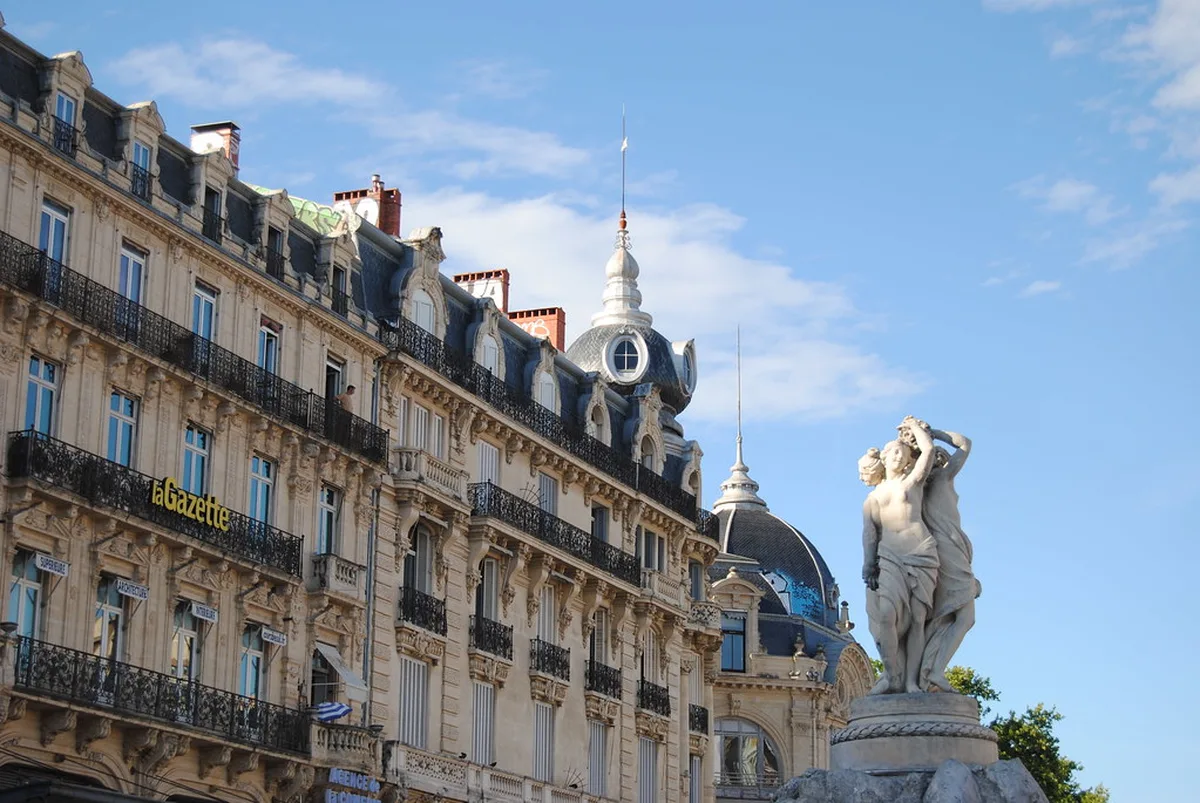
Place de la Comédie offers a more grand and tourist-friendly environment with large terraces overlooking the Opera House. While prices here can be slightly higher, the people-watching opportunities make it a worthwhile stop for a single drink. Expect to pay around €7 for a large beer or €8 for a glass of regional white wine on the main terraces. Many groups meet by the Three Graces fountain before heading deeper into the historic center for cheaper options in 2026.
Port Marianne represents the modern side of the city with sleek architecture and trendy bars overlooking the Lez river. This district attracts a slightly older and more professional crowd compared to the student-heavy streets of the center. The Marché du Lez is a standout destination here, offering a food court style environment with multiple bars and food stalls where draft beers start at €4.50 and cocktails run €10–12. Getting here is easy via Tram Line 1 or 3, making it a convenient alternative to the crowded medieval quarters during peak tourist season in summer 2026.
The Beaux-Arts neighborhood, located just south of the Écusson, offers a quieter but equally charming alternative to the main party areas. Streets lined with nineteenth-century architecture house small wine bars and tapas spots that stay open until 1:00 AM. A glass of Languedoc Grenache runs about €4–5 here, making it one of the most affordable areas for an evening drink. Locals recommend starting your night in Beaux-Arts before migrating toward the louder streets of Saint-Roch after 10:00 PM, when the city's real nocturnal energy begins to peak.
Ecusson, the fortified historic center in its entirety, becomes a pedestrian-friendly outdoor social space on warm evenings. Rue de la Loge and Rue Saint-Guilhem are the two key arteries where bar terraces spill onto the cobblestones and musicians often perform. Street performers and small markets add to the festive atmosphere that distinguishes Montpellier from more restrained French cities. The student community keeps prices competitive here, with pints of local craft beer regularly found at €5–6 throughout the district.
- Top Nightlife Neighborhoods
- Saint-Roch: Medieval streets and student bars
- Port Marianne: Modern riverside venues and food halls
- Comédie: Central grand terraces from €7 a drink
- Beaux-Arts: Local bohemian atmosphere and wine bars
- Écusson: Pedestrian streets with live music and craft beer
Top Bars and Pubs for a Local Experience
Craft beer enthusiasts will find a growing scene in Montpellier with several dedicated taprooms serving local Languedoc brews. Bear's House on Rue de l'Université provides a rotating selection of artisanal beers starting at roughly €5.50 per pint, with imported Belgian and German styles running €6.50–7. These spots often close earlier than clubs, so they are perfect for starting your evening before midnight. The taproom format encourages conversation with bar staff who are typically passionate about local brewing culture and happy to recommend a session ale or a robust stout to match your mood.
Cocktail lovers should head to Papa Doble, a world-renowned bar famous for its creative mixology and Ernest Hemingway theme located in the Écusson. The intimate interior and expert staff make it an ideal choice for those seeking a sophisticated and quiet atmosphere. Signature drinks typically cost between €11 and €13, with the house daiquiris considered the most popular choice among regulars and returning tourists. Arrive before 9:00 PM on weekends to secure a table in this popular and often crowded establishment, as the queue outside can stretch considerably after 10:00 PM on Friday and Saturday nights in 2026.
British and Irish pubs like The Shakespeare on Rue Aristide Briand or O'Carolans offer a familiar environment with live sports and international crowds. These venues frequently host pub quizzes and live music sessions that draw both expats and local students together. Pints of Guinness or local lager typically range from €5.50 to €7 during the standard evening hours, with happy hour deals reducing that to €4–4.50 before 8:00 PM. The friendly staff usually speak excellent English, which helps travelers who are still practicing their basic French phrases and appreciate a familiar setting before venturing into more local establishments.
La Plage cocktail bar near the Antigone district has built a loyal following by offering seasonal menus that change every three months. Bartenders source locally grown herbs and Mediterranean spirits to create drinks that genuinely reflect the region's terroir. Cocktails here run €9–11, placing it among the more affordable cocktail destinations in the city without sacrificing quality or presentation. The garden terrace fills quickly on weekday evenings, so arriving by 8:30 PM is advisable if you want outdoor seating. The bar also stocks an impressive list of natural wines from small Languedoc producers, with glasses starting at €5 and bottles from €22.
Bistrot Urbain near the train station has earned a reputation as an excellent pre-club option with its generous happy hour running from 6:00 to 8:00 PM. During that window, draft beers drop to €4 and glasses of house wine to €4.50. The playlist shifts from ambient jazz in the early evening to something louder and more rhythmic as the night progresses. A small food menu with tapas plates (€4–7 each) allows you to line your stomach sensibly before heading to the dance floors later in the evening. The crowd is mixed but consistently warm and welcoming to international visitors who are new to the city.
Late-Night Clubs and Dancing in the City
Clubs in the city center like Antirouille on Rue Ferdinand de Lesseps cater to those who enjoy eclectic music ranging from reggae to electronic beats. The cover charge is often modest, usually falling between €10 and €15, sometimes including a first drink at the bar. Doors typically open at midnight, but the dance floor rarely fills up until at least 1:30 AM on weekends. Check the official venue websites and social media accounts for specific event schedules to avoid showing up for a genre you dislike, since the programming shifts significantly from one week to the next in 2026.
Industrial spaces on the outskirts of town host massive techno parties at venues like Dieze Warehouse. These locations offer high-quality sound systems and international DJ lineups for dedicated fans of underground electronic music. Entry fees range from €12 to €15 depending on the headlining artist, with presale tickets often available online for €10. The tram system stops running late at night, so you may need to rely on rideshare apps like Heetch or Uber for the return journey, budgeting around €8–12 for a cab back to the city center. Check our Montpellier beach guide if you plan to visit the seasonal clubs located near the water during summer.
Rockstore on Rue de Verdun is arguably the city's most iconic live music venue, hosting both local acts and touring indie and rock bands throughout the year. The ground floor operates as a bar where drinks cost €5–7, while the concert room above charges a separate entry fee of €10–14 depending on the act. The venue has a capacity of around 800, which creates an electric atmosphere that larger arenas cannot replicate. Its proximity to the Comédie makes it an easy addition to any night that begins on the main square, and the eclectic booking policy means there is almost always something compelling on the calendar.
Summer visitors should prioritize the Paillotes or beach clubs located in nearby Carnon or La Grande Motte. These open-air venues allow you to dance on the sand while enjoying the refreshing Mediterranean sea breeze. Entry can be selective during peak season in July and August 2026, so dressing smartly is often a requirement for these coastal party spots, and expect to pay €12–15 at the door on busy nights. Most beach clubs operate from late May through September and offer a very different vibe than urban nightclubs, combining food, cocktails (€10–12), and dancing in one sprawling outdoor space that only shutters when the sun comes up.
ZAZA Club in the Port Marianne district has gained a strong following for its themed electronic nights held every Friday and Saturday. The venue holds around 500 guests and features a well-engineered sound system that attracts residents and touring DJs specializing in house and deep house. Entry is €12 on standard nights and €15 for special events, with drink prices matching the club tier: beers €6, cocktails €11–13. The modern décor and outdoor smoking terrace overlooking the Lez river give ZAZA a polished edge over older clubs in the center, making it a popular choice for the 25–35 age group seeking something between the student bar circuit and the underground warehouse scene.
Sophisticated Wine Bars and Cultural Evenings
Languedoc is the largest wine-producing region in France, and the local bars reflect this incredible viticultural heritage. Wine bars like Les Enfants Terribles on Place de la Canourgue offer tasting flights of three to five regional varietals for €14–18, allowing you to compare styles side by side with expert guidance from knowledgeable staff. Small plates of local cheese and charcuterie (€8–12) often accompany the wine to enhance the overall tasting experience. Consider pairing an evening here with day trips from Montpellier to visit the actual vineyards where these famous wines are produced, particularly the Pic Saint-Loup and Terrasses du Larzac appellations.
Jazz enthusiasts will appreciate the cozy atmosphere of La Gazette Café, which frequently hosts live performances in a relaxed setting that feels genuinely intimate. The venue combines a library, bar, and concert hall into one unique space that appeals to a diverse crowd ranging from young students to seasoned music fans. Admission is often free, though patrons are expected to purchase drinks or food to support the performing artists; expect to spend €5–7 on a glass of wine or €4.50 on a craft beer. The music usually starts around 8:30 PM, making it a great choice for a mellow and culturally rich evening before deciding whether to continue to a club or call it a night at a sensible hour.
Cinema-bars such as Ciné-Cité combine film screenings with bar service for a uniquely French evening format. Attending an original-language screening followed by drinks with other cinephiles costs around €10–12 for the ticket plus €5–7 per drink. The programming tends toward art-house and international films, attracting an intellectually curious crowd that makes for stimulating post-screening conversation. This format is especially popular among the student population and provides a refreshing alternative to the louder nightclub circuit. Check local listings for themed evenings such as retrospectives or directors' cuts, which often draw bigger and more engaged audiences.
Rooftop bars are becoming increasingly popular across Montpellier in 2026, with boutique hotels and cultural venues opening elevated terraces that offer stunning panoramic views over the city skyline. Watching the sunset over the red-tiled roofs of the Écusson district provides a perfect backdrop for a quiet cocktail (€11–13) or a glass of chilled Picpoul de Pinet (€7–8). The Hôtel du Corum terrace and several newly opened boutique hotel rooftops now offer reservation slots through their websites, which is strongly recommended for weekend evenings between June and August. Note that these terraces can get quite breezy after 10:00 PM, so bringing a light jacket is wise even during the warmest summer evenings in southern France.
Student Nightlife: The Écusson District and Antigone After Dark
Montpellier's 70,000 students make it one of the youngest cities in France by population, and that energy is nowhere more visible than in the Écusson district after 9:00 PM. The area around Rue de l'Université and Place de la Canourgue transforms into an outdoor social hub where groups gather with takeaway bottles and share music from portable speakers before heading to bars. This pre-drinking culture keeps individual budgets low, since a 75 cl bottle of local Languedoc rosé from a nearby cave à vin costs just €4–6 and serves two people comfortably. Budget bars in this zone offer draft pints for €4–5 and shots from €2.50, making it the most affordable nightlife pocket in the entire city in 2026.

The student bar circuit includes Le Cargo, a two-floor venue on Rue Aristide Briand that runs themed student nights every Wednesday and Thursday. Entry is free before midnight, then €5 after, and drinks are deliberately priced for student wallets at €4 for a beer and €5 for a well spirit mixer. Karaoke nights on Wednesdays draw a particularly enthusiastic crowd and are widely regarded as one of the most entertaining low-cost options in town. The atmosphere is unpretentious and the music policy covers everything from French pop to hip-hop to 2000s throwbacks, ensuring a packed dance floor by 11:30 PM regardless of the theme.
The Antigone district, Montpellier's neoclassical quarter designed by Ricardo Bofill, presents a very different aesthetic for its post-dark personality. The grand colonnaded arcades and wide esplanades become surprisingly atmospheric under the evening lighting, and several bars and restaurants along Place du Nombre d'Or and the Esplanade run terraces until midnight. The cocktail bar Perles de Rosée on the edge of the Antigone offers creative house cocktails for €9–11 and a curated natural wine list with glasses from €5.50. The walk between Antigone and the city center takes less than ten minutes along the Lez riverbank, making it easy to combine both districts in a single evening without relying on the tram network.
University bars attached to the faculties sometimes open for public evening events, particularly during the academic year from October through May. These events include themed parties, DJ nights, and charity fundraisers where entry is free or capped at €5 and drinks are subsidized. Checking university social media accounts (Université de Montpellier and Montpellier 3 Paul-Valéry) is the easiest way to find these events as a traveler. They provide an authentic window into student culture that no tourist bar can replicate, and the welcoming atmosphere ensures newcomers are quickly drawn into the festivities.
Rooftop student parties, often organized by student associations called BDEs (Bureaux Des Étudiants), occasionally take place on private terraces across the Écusson and are advertised through Shotgun, France's primary event ticketing app. Tickets typically run €8–12 and include a welcome drink. These events are not always easy to find as an outsider, but asking bar staff in the Saint-Roch area for recommendations on the night usually yields reliable intelligence. The crossover between local students and international visitors is enthusiastic, and it is common to end up in lively multilingual conversation on these informal rooftop gatherings that can run until 3:00 AM or later.
Happy Hour and Pre-Club Drinks: Getting the Best Value in 2026
Happy hour culture is deeply embedded in Montpellier's social calendar, with most bars running promotions between 6:00 PM and 8:00 PM on weekdays. Bistrot Urbain near Gare Saint-Roch drops draft beers to €4 and house wine to €4.50 during this window, making it one of the best-value stops before the main evening begins. Bar Ô Bois on Rue de la Loge does two-for-one cocktails from 6:30 to 7:30 PM every Thursday and Friday, with cocktails priced at €10 normally dropping to an effective €5 each during the deal. Arriving early at these venues also guarantees outdoor seating, which disappears fast as temperatures cool and the terraces fill after 7:30 PM.
The concept of a "pré-soirée" — the French equivalent of a pre-party — is taken seriously in Montpellier, particularly among students and young professionals. Many groups meet at someone's apartment or an outdoor square like Place de la Comédie to share bottles of Languedoc rosé (€5–8 at a local cave à vin) before walking to their chosen bar together. This approach saves money and builds social energy before the expense of bar rounds. Participating in the outdoor square culture around 8:00–9:00 PM provides one of the most authentic experiences of the city's social fabric that many visitors miss entirely.
Le Zing on Rue de la Carbonnerie opens at 5:30 PM and positions itself explicitly as a pre-club destination with its long happy hour running until 9:00 PM. Beers cost €4.50, house cocktails €8, and a charcuterie board for sharing runs €12. The lighting and music level are calibrated for conversation rather than dancing at this stage, with the energy ramping up closer to closing at midnight when the bar transitions its role from pre-drink venue to late-bar alternative for those who skipped the clubs entirely. Staff are known for honest recommendations about which clubs are busy on a given night, which is invaluable local intelligence for a visitor navigating a new city.
Wine shops with tasting areas, known locally as cave à vins with bar service, have multiplied significantly across the Écusson and Beaux-Arts quarters over the past two years. La Vinothèque on Rue Foch allows customers to buy bottles from the retail shelf at shop price (€8–25) and consume them on-site with a €3 corkage fee, paired with cheese platters at €10–14. This hybrid format is far more economical than conventional bar pricing and gives travelers direct access to wines they cannot find outside the region. The knowledgeable staff can guide selections from the Coteaux du Languedoc, Corbières, and Minervois appellations, turning the pre-evening stop into an education in southern French viticulture.
For travelers planning to move between districts during the evening, starting in Port Marianne for happy hour at Marché du Lez (beer €4.50 until 7:30 PM) then transferring via Tram Line 1 to the Comédie for dinner, and finishing in Saint-Roch for club-bound drinks is a proven three-stop circuit. This route ensures variety and keeps the total spend before club entry around €20–25 per person. Planning the circuit in advance and checking which clubs have events that match your musical preferences on the Shotgun or Fever apps before leaving your accommodation will dramatically improve the overall evening experience in Montpellier in 2026.
Practical Tips for Navigating the Night Scene
Navigating the city at night is relatively simple thanks to the Amigo bus, which specifically serves the main nightlife hubs. This shuttle runs from the city center to the major clubs on the outskirts until the early morning hours every Friday and Saturday night. A single ticket costs roughly €2, providing a safe and affordable alternative to expensive private taxi services. Consult our guide on whether Montpellier is safe for tourists to learn more about nighttime security and which areas to avoid after midnight.
Dress codes in Montpellier are generally casual for bars but can become much stricter for high-end clubs and beach venues in 2026. Sneakers and jeans are acceptable in the Saint-Roch and Écusson areas, but leather shoes and collared shirts are better for nightclubs in Port Marianne and the industrial zone. Many bouncers will refuse entry to large all-male groups if they are not accompanied by women in the party, a policy enforced particularly at the more exclusive venues. Arriving early at popular venues, ideally before 1:00 AM, can sometimes help you bypass the strictest door policies and the long entrance queues that form after 1:30 AM on weekends.
Staying hydrated and pacing yourself is essential, especially during the hot summer months when the heat lingers after dark and dehydration sets in faster than expected. Most bars are happy to provide tap water for free if you are also purchasing alcoholic beverages throughout the night — this is a legal requirement in France, so do not hesitate to ask. Keep a close eye on your belongings in crowded areas like Place de la Comédie and Rue de la Loge, where opportunistic theft occasionally occurs during peak hours. Planning your route home before you start drinking and saving the Heetch or Uber app on your phone ensures a smooth and stress-free end to your evening. Budget €8–15 for a late-night rideshare back to your accommodation from the club district.
Currency and payment are straightforward: virtually every bar and club in Montpellier accepts contactless card payment in 2026, including at the door for cover charges. Keeping €20–30 cash as backup is still wise for smaller street-level bars and any pop-up events in the Écusson that may not have reliable card terminals. Tipping is not mandatory in France but leaving €1–2 per round at cocktail bars is increasingly common and appreciated. The city observes standard French licensing laws with last orders at most venues by 2:00 AM for bars, though nightclubs with special entertainment licenses operate until 5:00 AM or later.
Frequently Asked Questions
Is nightlife in Montpellier expensive for travelers?
Montpellier is one of the more affordable nightlife cities in France. In 2026, draft beers cost €4–7 depending on the venue and neighborhood, cocktails run €9–13, and club entry is €10–15. The Écusson and Saint-Roch districts are cheapest, with pints from €4–5 at student bars like Le Cargo. A full evening of drinks and one club entry typically costs €25–45 per person. Wine bars like Les Enfants Terribles offer regional tasting flights at €14–18, which is excellent value for Languedoc appellations.
What time do clubs usually close in Montpellier?
Most major nightclubs including Antirouille and Dieze Warehouse stay open until 5:00 AM or 6:00 AM on Friday and Saturday nights. Smaller bars in the historic Écusson center typically call last orders between 1:00 AM and 2:00 AM on weekdays. Beach clubs near Carnon operate until sunrise during peak summer season in July and August 2026. ZAZA Club in Port Marianne and Rockstore on Rue de Verdun typically close between 4:00 and 5:00 AM on weekends. Always verify specific hours on the venue's website before heading out.
Do I need to book a table for bars in Montpellier?
Reservations are rarely needed for casual pubs and street-level bars in the Écusson, but they are highly recommended for popular wine bars, rooftop terraces, and cocktail lounges such as Papa Doble in the Écusson and La Plage near Antigone. If you are traveling with a group of six or more, calling ahead or booking online at least one day in advance is strongly advisable. Rooftop venues including the Hôtel du Corum terrace operate at limited capacity and regularly turn away walk-in groups on summer weekend evenings in 2026.
How do I get home safely after a night out in Montpellier?
The Amigo night bus runs from the city center to the major club zones on Friday and Saturday nights for €2 per trip, making it the most cost-effective late-night transport option. Rideshare apps Heetch and Uber both operate in Montpellier and typically quote €8–15 for a trip from the club district to the city center or a hotel. The tram network stops running around 1:00 AM, so do not rely on it after that hour. Avoid unlicensed taxis touting outside clubs, and always book through an official app or licensed taxi firm for safety.
What is the best area for student nightlife in Montpellier?
The Écusson district and the streets immediately around Place de la Canourgue and Rue de l'Université are the undisputed center of student nightlife in Montpellier in 2026. Bars here offer draft beer from €4 and shots from €2.50. Le Cargo on Rue Aristide Briand runs student event nights every Wednesday and Thursday with free or €5 entry before midnight. The Antigone district is a quieter but stylish alternative just ten minutes away on foot, with cocktail bar Perles de Rosée serving cocktails at €9–11. Checking the Shotgun app for BDE student association events will reveal the best private parties of any given week.
Are there good wine bars in Montpellier for a quieter night out?
Yes. Montpellier sits at the heart of the Languedoc wine region, and the city has excellent wine bars suited to a relaxed evening. Les Enfants Terribles on Place de la Canourgue offers tasting flights of three to five regional wines for €14–18, while the Beaux-Arts neighborhood has several informal bars where a glass of local Grenache or Picpoul costs €4–5. La Gazette Café combines free live jazz starting at 8:30 PM with a curated wine list from €5 per glass. La Vinothèque on Rue Foch lets you buy retail bottles and drink them on-site with a €3 corkage fee, making it the most economical wine option in the city.
When is the best time to visit Montpellier for nightlife?
Montpellier's nightlife is vibrant year-round thanks to its large student population, but the peak period runs from late May through September 2026 when beach clubs near Carnon and La Grande Motte open their outdoor spaces. The academic year from October to May brings the densest student bar scene with weekly themed events at Le Cargo and regular free jazz nights at La Gazette Café. Summer evenings are warmer but more crowded and tourist-heavy. Spring and autumn offer a balanced mix of good weather, full student activity, and shorter queues at popular venues like Papa Doble and Rockstore.
Montpellier offers one of the most diverse and energetic nightlife scenes in southern France for travelers to enjoy in 2026. Whether you prefer the historic charm of the Écusson's student bars around Le Cargo, the Mediterranean sophistication of a Languedoc wine tasting flight at Les Enfants Terribles, or the industrial pulse of Dieze Warehouse, every budget and preference is catered for in this vibrant city. If you are planning a wider stay in the region, explore our guide to day trips from Montpellier or discover what to see in the Montpellier old town before your evening begins. Remember to use the Amigo bus for safe transport at €2 per trip, sample the local wines whenever possible, and check the Shotgun app for the week's best events. Use this guide to ensure your 2026 trip includes the very best evening experiences this city has to offer.