The Ultimate Montpellier Old Town Guide for Travelers in 2026
Musée Fabre charges €10 adults in 2026 (free every Sunday); tram tickets cost €1.70 per journey. The Arc de Triomphe, Promenade du Peyrou, and Jardin des Plantes are all free to enter.
The Écusson — Montpellier's medieval old town — is fully walkable in under three hours, with every key landmark within 1.5 km of Place de la Comédie inside a car-free pedestrian zone.
Discover the medieval charm of the Écusson in this Montpellier old town guide. Narrow marble streets and grand mansions create a timeless atmosphere for every traveler. You will find vibrant plazas filled with cafes and street performers around every corner. This historic center remains one of the largest pedestrian zones in all of Europe.
Walking through the city center feels like stepping back into the 14th century. Hidden courtyards and ancient stone arches wait behind every heavy wooden door. The city balances its rich history with a youthful energy from the local university. Planning your route helps you find the best sights without getting lost in the maze.
The Vibrant Hub of Place de la Comédie
Place de la Comédie serves as the central meeting point for locals and visitors alike. This oval-shaped plaza features the famous Three Graces fountain from the late 18th century. Street performers often entertain crowds near the grand Opera House on the southern end. The square is perfectly located near the main train station for easy access from anywhere in France.
The Esplanade Charles-de-Gaulle offers a shaded retreat just steps away from the bustling square. Plane trees line the walkways, providing a cool canopy during the hot summer months that regularly push past 32°C. Small kiosks sell snacks and drinks — expect to pay around €2–3 for a crêpe or a bottle of water. Families relax on the park benches while children play near the central paths, and the atmosphere stays lively well into the evening hours.
Visiting the Musée Fabre requires about two to three hours to see the full permanent collection. Entry costs €10 for adults in 2026, though the museum opens completely free every Sunday — one of the best deals in the city. Special temporary exhibitions carry a separate supplement, typically €5–8 depending on the show. This museum houses one of the most significant art collections in southern France, spanning Flemish masters through to 20th-century works, and art lovers will appreciate the seamless mix of classical paintings and modern installations across five floors of beautifully restored galleries.
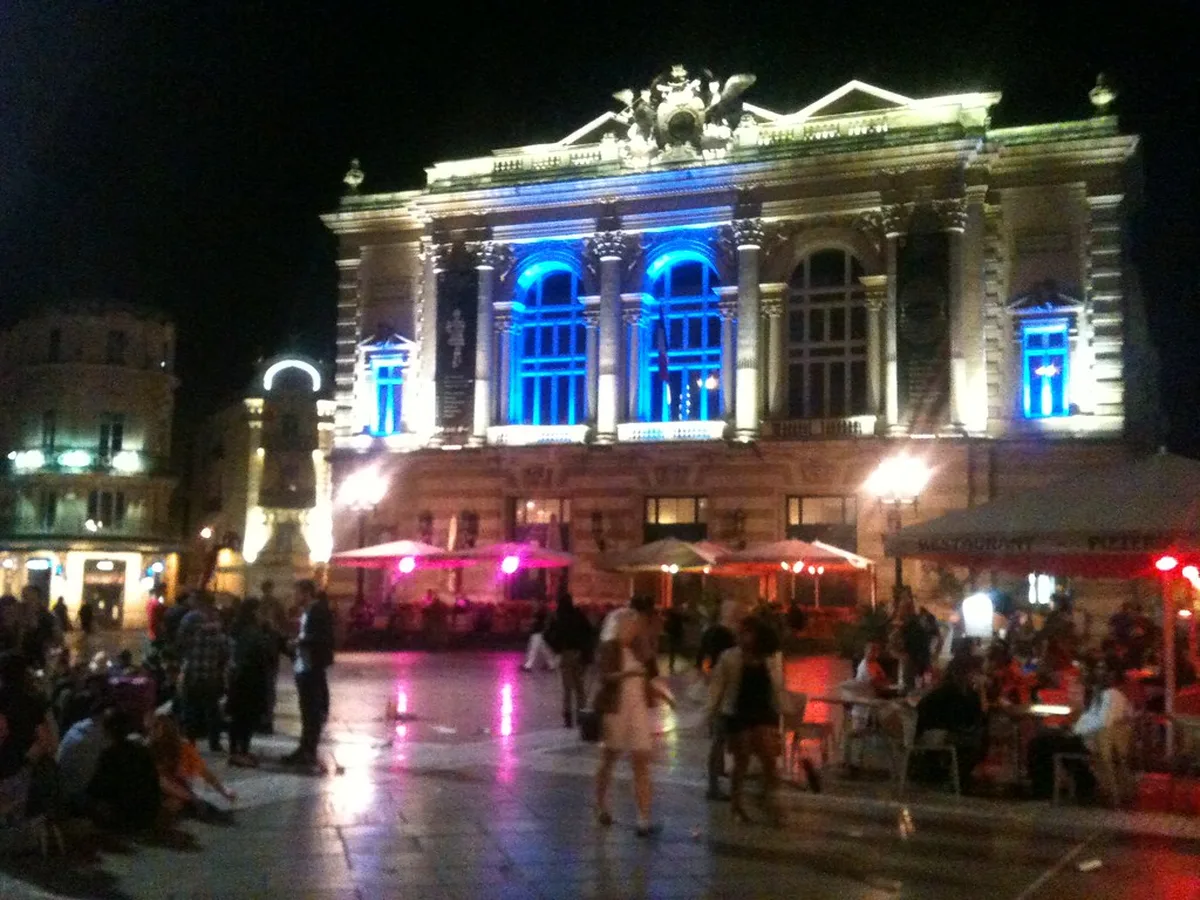
The Opéra Comédie stands as a masterpiece of late 19th-century architecture, with its grand facade dominating the southern edge of the plaza. Guided tours are occasionally offered to show the ornate interior and gilded stage — call the box office at +33 4 67 60 19 99 for current tour schedules. Check the 2026 performance season online to book tickets, which range from €12 for standing positions to €75 for premium seats in the stalls. The building glows beautifully at night when the exterior lights turn on, and spending 20 minutes here after dinner costs nothing at all. The plaza itself stays animated until midnight during the warmer months, with buskers, food trucks, and impromptu dance performances filling the space.
Medieval Marvels in the Saint-Pierre Quarter
The Cathédrale Saint-Pierre stands out with its massive twin pillars and fortress-like appearance that makes it look more like a castle keep than a place of worship. It was originally built as a monastery chapel in the 14th century and heavily restored after the Wars of Religion. Visitors can enter for free during daylight hours — typically 9:00 AM to 6:00 PM — to admire the soaring vaulted ceilings and the medieval stonework. The interior remains cool even during the peak of the Mediterranean summer, making it a welcome refuge when temperatures hit 35°C in July and August.
Right next to the cathedral sits the Faculty of Medicine, which carries the remarkable distinction of being the oldest medical school in the Western world still in continuous operation today. It was founded in 1220, predating many of Europe's most famous universities. Guided tours are available through the Montpellier tourism office in 2026 for €8 per person, typically running on Tuesday and Thursday mornings. The building contains a fascinating museum of anatomy, including a collection of preserved specimens and antique surgical instruments that require a separate booking of €5. Reservations are strongly recommended, particularly in the busy months of June through September.
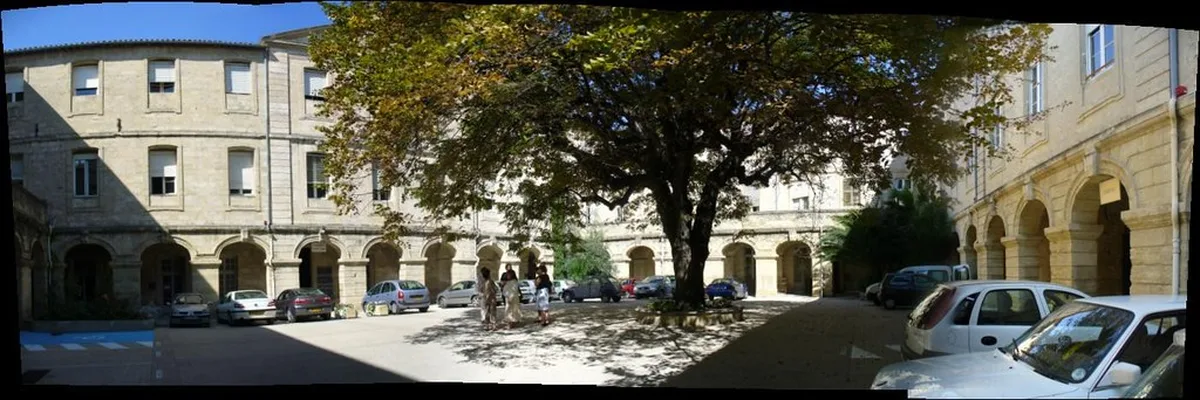
Walking through the narrow alleys of the Saint-Pierre quarter reveals hidden courtyards tucked behind heavy wooden doors. Many of these buildings are classified as Hôtels Particuliers — grand private mansions dating back to the 17th and 18th centuries when Montpellier was a wealthy trading city. Look for the small bronze plaques marked "Hôtel Particulier" to find the most impressive architectural details. Some courtyards open to the public during the Journées du Patrimoine heritage weekends in September, offering a rare chance to see interiors that are otherwise permanently closed. Guided heritage walking tours in 2026 start from €14 per person and depart from Place de la Comédie at 10:00 AM.
The Jardin des Plantes is the oldest botanical garden in France, founded in 1593 to train medical students in identifying medicinal herbs. It offers a peaceful escape with rare species from five continents and ancient cedar trees that are more than two centuries old. Admission is free, but the gates close at 6:00 PM in winter and at 8:00 PM during the summer season. This garden served as a study site for famous botanists including Pierre Magnol, after whom the magnolia genus is named. Grab a paper map at the entrance gate to navigate the labeled plant beds, and allow at least 45 minutes to walk the full perimeter without rushing.
- Cathédrale Saint-Pierre
- Type: Gothic Cathedral
- Best for: Architecture fans
- Where: Rue de l'École de Médecine
- Cost: Free entry (2026)
- Faculty of Medicine
- Type: Historic University
- Best for: History buffs
- Where: Adjacent to Cathedral
- Cost: Tour €8 / Museum €5 (2026)
- Hôtel de Varennes
- Type: Private Mansion
- Best for: Photo opportunities
- Where: Place Pétrarque
- Cost: Exterior view free
Panoramic Views from the Promenade du Peyrou
The Porte du Peyrou — more commonly called the Arc de Triomphe — serves as a grand entrance to the city's highest point and is completely free to walk through and photograph. This triumphal arch was erected to commemorate King Louis XIV and offers an imposing photo opportunity from either side. The arch is occasionally accessible to climb during the Journées du Patrimoine heritage days in September; check the Montpellier tourism website in autumn for exact dates and times. The golden limestone glows warmly during the late afternoon golden hour, particularly between 5:00 PM and 7:00 PM in summer.
The Promenade du Peyrou itself is a wide, formal terrace built in the early 18th century, featuring a large equestrian statue of Louis XIV at its center and an elegant hexagonal water tower at the far end. From the main terrace, the Saint-Clément Aqueduct stretches dramatically across the western neighbourhood, its double arches inspired by the Roman Pont du Gard. On clear winter mornings, the views extend all the way to the Mediterranean Sea roughly 12 kilometres to the south. Locals gather here every evening to watch the sunset over the distant Pic Saint-Loup, and the terrace is always free to access at any hour of the day or night.
A popular antique and flea market operates along the promenade on Sunday mornings, running from roughly 8:00 AM to 1:00 PM. Vendors set up around 50–70 stalls offering vintage French postcards, old ceramic dishes, antique linens, and decorative ironwork. Prices at the market start from €2–3 for small prints and run into the hundreds for genuine antique furniture. Bringing cash is essential as most vendors do not accept card payments, and arriving before 9:30 AM gives you the first pick of the most interesting pieces. Bargaining is standard practice — an opening offer of 20–30% below the asking price is entirely acceptable.
The Saint-Clément Aqueduct was constructed in the 18th century to carry water from the Lez River to the city's fountains and drinking troughs. Its 880-metre double-arched structure is one of the finest pieces of civil engineering in southern France. Walking underneath the arches from the adjacent Les Arceaux neighbourhood gives you a powerful sense of its massive scale. The Les Arceaux food market runs every Tuesday and Saturday morning from 7:30 AM to 1:30 PM beneath the arches, offering regional produce including local Picpoul de Pinet wine (around €8–12 per bottle from the stall), Thau lagoon oysters (€8–10 per dozen), and seasonal fruit from surrounding farms. It is the single best market in Montpellier for buying authentic local food to take home.
The Antigone Quarter and the Place de la Comédie to Promenade du Peyrou Walking Route
Many visitors miss the remarkable Antigone district, a neo-classical urban quarter designed by Catalan architect Ricardo Bofill and built between 1979 and 2000. Stretching east from Place de la Comédie toward the banks of the Lez River, Antigone offers an extraordinary contrast to the medieval Écusson. Its sweeping colonnaded boulevards, monumental fountains, and pale stone arcades were designed to evoke ancient Athens and Rome. Walking the full length of Antigone from Place du Nombre d'Or to Place de l'Europe takes about 25 minutes at a leisurely pace and costs absolutely nothing.
Start at Place du Nombre d'Or, the circular plaza just east of Place de la Comédie, where Bofill's signature curved colonnades frame the wide pedestrian avenue ahead. The scale is deliberately oversized — ceilings reach six metres, and the archways dwarf passing pedestrians. Head east along the central axis, passing the Hôtel de Région building and the public library, until you reach the large fountain at Place de l'Europe overlooking the Lez. The whole quarter is lined with affordable shops, a busy supermarket, and several café terraces where a coffee runs €1.50–2.50.
For the classic west-to-east walk connecting all the major landmarks, begin at the Saint-Clément Aqueduct in the Les Arceaux neighbourhood. From there, walk ten minutes uphill to the Arc de Triomphe gateway and onto the Promenade du Peyrou terrace. Continue downhill through the Écusson via Rue Foch, passing the Prefecture building, until you arrive at Place de la Comédie. Then turn east into Antigone for the full architectural contrast. The complete route covers approximately 3.5 kilometres and takes 2.5 to 3 hours with stops for photos and coffee. Wear flat, comfortable shoes — the smooth limestone pavements are beautiful but slippery when wet.
The route also passes several excellent lunch options. On Rue Foch, the covered Halles Laissac market (open Tuesday to Sunday, 7:30 AM to 1:30 PM) sells fresh sandwiches and pastries for €3–6. In the Antigone quarter, the Marché du Lez on weekends (Saturday and Sunday, 9:00 AM to 7:00 PM) hosts a mixed food, vintage, and craft market with street food stalls charging €8–12 for a full meal plate. The walk is equally enjoyable in the evening, when the Arc de Triomphe and the Antigone fountains are lit up and the outdoor terraces fill with the after-work crowd. For ideas on venturing beyond the city on a rest day, the day trips from Montpellier guide covers half-day excursions to Pont du Gard, Sète, and the Camargue.
Shopping and Dining in the Écusson Alleys
Rue de l'Ancien Courrier is perhaps the most picturesque shopping street in the city, with its polished white limestone pavement reflecting the sunlight and making the narrow passage feel luminous even on a cloudy afternoon. You will find high-end boutiques, artisanal jewelry workshops, and a handful of galleries selling original prints by local artists — most pieces range from €30 to €150. The street is best explored on a weekday morning when foot traffic is lighter and shopkeepers are more willing to chat about their craft. It connects directly to Place Jean-Jaurès, where a fresh flower and vegetable market runs Tuesday, Thursday, and Saturday mornings from 7:00 AM to 1:00 PM with stall prices starting at €1.50 for a bunch of fresh herbs.
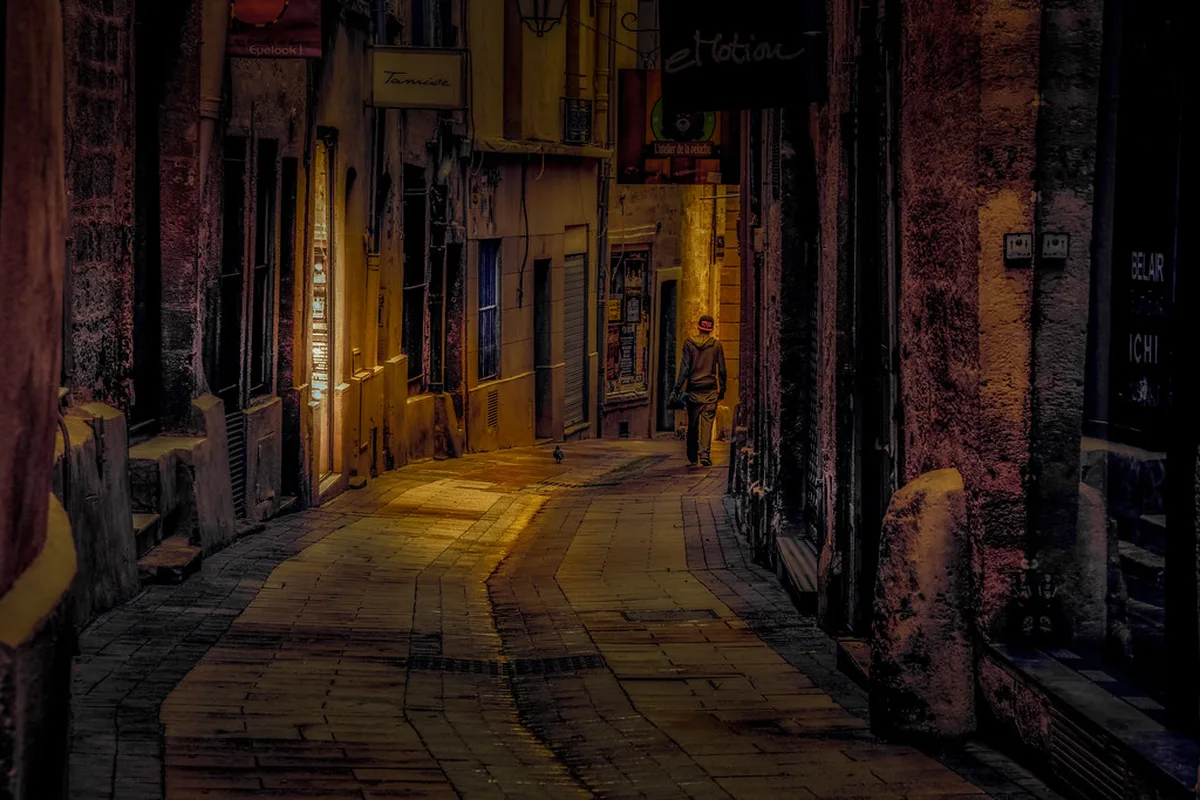
Small bistros and wine bars fill the squares of the Saint-Roch neighbourhood, turning the area into a lively social hub every evening from around 6:30 PM onward. A glass of local Languedoc red at most bars costs €3.50–5, and many places offer a tapas plate of regional charcuterie and cheese for €9–14. This area becomes very lively in the evening as people gather for drinks and tapas, and the atmosphere is relaxed and welcoming for both students and tourists. See the Montpellier nightlife guide for the best evening spots and the liveliest bars by neighbourhood.
The Halles Castellane is the main covered market for fresh local produce, open daily from 7:30 AM to 1:30 PM with a smaller afternoon session on some days. Traders sell everything from regional sheep's milk cheeses and aged Roquefort to live shellfish and fresh-caught fish from the Mediterranean. A half-dozen oysters from the Thau lagoon costs around €4–5 at the fishmonger stalls — far cheaper than restaurant prices. Try the local olives marinated in herbes de Provence (€2.50 per 100g) or a slice of savory tielle, a pastry filled with spiced octopus that originates from nearby Sète and costs around €3 per individual portion.
Traditional Languedoc cuisine is easy to find in the many family-run restaurants around the Écusson, with most three-course lunch menus (plat du jour with a starter or dessert) priced at €14–19 per person including a small carafe of house wine. Try brandade de morue — a silky purée of salt cod and olive oil — or fresh oysters and mussels sourced that morning from the Thau lagoon a 30-minute drive away. Dinner in the same restaurants typically runs €25–40 per person without wine. For the best cheese selection, stop at the fromageries around Rue de la Loge where a 200g wedge of aged Comté or Roquefort costs €5–8 from the counter.
Exploring Beyond the Écusson: Beaches and Day Trips
Montpellier's old town is an ideal base for reaching the Mediterranean coast and the remarkable landscapes of the Occitanie region. The nearest sandy beach at Palavas-les-Flots is only 12 kilometres south, reachable via Tram Line 3 from Place de la Comédie to Pérols Étang de l'Or (€1.70 single) followed by a seasonal shuttle or a dedicated 20-minute cycle path. The beach itself is free to access and stretches for several kilometres of fine sand flanked by seafood restaurants where a grilled sea bream plate with chips costs around €16–22. For a deeper dive into all coastal options, including Carnon Plage, La Grande-Motte, and the sheltered lagoon beaches, the Montpellier beach guide covers every route and facility in detail.
The Pont du Gard Roman aqueduct, a UNESCO World Heritage Site, sits just 45 minutes from Montpellier by car or a 1-hour 15-minute bus from the bus station on Rue du Grand Saint-Jean. Entry to the archaeological site costs €9.50 per adult in 2026, and swimming in the Gard River directly beneath the 2,000-year-old arches is free and highly recommended in summer. Guided kayak tours on the river launch from €22 per person and last around two hours. Hiring a car for the day (from around €45 from Montpellier centre) also lets you combine the Pont du Gard with the medieval town of Uzès in a single comfortable loop.
Sète — the so-called "Venice of Languedoc" — is a working fishing port 25 kilometres west, reached by a direct regional train from Saint-Roch station in just 22 minutes for €4.50. The tielle Sétoise octopus pastry costs €3 per piece at the harbour-front bakeries, and a platter of freshly shucked Thau lagoon oysters at a waterside table runs €10–14 per dozen. The canal bridges, brightly painted fishing boats, and the hilltop Cimetière Marin cemetery overlooking the sea make Sète one of the most photogenic half-day escapes in the region. The day trips from Montpellier guide covers Sète, the Camargue flamingo wetlands, and the Pic Saint-Loup wine village with full transport times and entry costs for 2026.
For travellers who want to combine Montpellier with another major French city, Toulouse is under two hours by TGV (from €19 if booked in advance) and offers a completely different architectural character — pink brick instead of white limestone. Bordeaux is approximately three hours away by high-speed rail. Both cities feature their own historic old towns and vibrant food markets that reward a multi-city itinerary. Checking the French rail app SNCF Connect at least three weeks ahead typically unlocks the lowest promotional fares, bringing cross-country trips to €25–40 for a single journey in either direction.
Practical Logistics for Your Old Town Visit
Montpellier is a very walkable city, but the old town has many steep slopes and uneven surfaces. Wear comfortable shoes with good grip to handle the smooth, sometimes slippery limestone cobblestones — this is especially important after rain in the winter months. Most of the Écusson is a car-free zone, making it pleasantly safe for pedestrians and pushchairs. Bicycles are popular on the outer ring roads, but the narrow medieval alleys can be dangerously crowded during peak summer hours between 11:00 AM and 3:00 PM.
Public transport is efficient, with four colour-coded tram lines connecting the city centre to the suburbs and the airport. Line 1 (blue) is the most useful for reaching Place de la Comédie from the central Saint-Roch train station, running every 4–6 minutes during the day. A single ticket costs €1.70 in 2026 and is valid for one hour of travel across all tram and bus connections. A 10-trip carnet costs €13.50, reducing the per-journey cost significantly for a week-long visit. Validate your ticket at the yellow machine on the platform before boarding — inspectors regularly check, and the fine for an unvalidated ticket is €75. The Vélomagg bike-share scheme offers an alternative for €1 per 30 minutes from any of the 50+ docking stations around the city.
While the city is generally very welcoming, always stay aware of your surroundings in crowded plazas and on busy tram platforms, where pickpockets occasionally operate during peak season. Keep your bag in front of you, use a money belt for passports and larger amounts of cash, and do not leave belongings on café chair backs. Read more about whether Montpellier is safe for tourists before your trip, including which neighbourhoods to avoid after dark and practical tips for solo travellers. The city is generally considered one of the safer mid-sized French cities, with a visible police presence around the tourist areas.
Spring (March to May) and autumn (September to October) offer the best weather for exploring the historic streets, with average temperatures of 15–22°C and relatively few tourists. Summer temperatures regularly rise above 33°C, making midday walks exhausting and potentially dangerous for children and older visitors without adequate water and sun protection. Carry at least one litre of water per person when visiting in July or August, when the city's stone pavements radiate heat well into the evening. Many shops and small restaurants still observe a traditional 2–3 hour lunch closure between 12:30 PM and 3:00 PM, so plan any shopping accordingly. Museum visits are best timed between noon and 3:00 PM to take advantage of the air conditioning and avoid the crowds that gather in the morning hours.
Frequently Asked Questions
How much time do I need for a Montpellier old town guide tour?
Plan at least one full day to explore the main sights of the Écusson comfortably. A well-paced day gives you time for the Cathédrale Saint-Pierre, the Promenade du Peyrou, a market visit, and a leisurely lunch. Two days are better if you want to include the Musée Fabre (€10, free Sundays), the Antigone quarter, and the Les Arceaux market. Three days allows you to add the Jardin des Plantes and an evening in the Saint-Roch neighbourhood.
Is the Montpellier Old Town accessible for cars?
The Old Town is largely a pedestrian-only zone with very limited vehicle access during the day. Visitors should park in one of the underground garages — Parking Comédie and Parking Corum are the closest to the historic centre and charge around €2–3 per hour in 2026. From either car park, every major landmark in the Écusson is within a 10-minute walk. Arrival by tram from the train station is faster and cheaper than driving.
Can I walk to the beach from the Montpellier Old Town?
No, the nearest beaches are about 10–13 kilometres from the city centre and not walkable. The most practical route in 2026 is Tram Line 3 from Place de la Comédie to Pérols Étang de l'Or (€1.70 single), then a connecting shuttle or a 20-minute bike ride along a dedicated cycle path to the Palavas-les-Flots seafront. The Montpellier beach guide covers all transport options including the seasonal beach shuttle that runs June through September.
What are the best things to buy in the Old Town?
The best souvenirs from Montpellier's old town include local Languedoc wines (€8–15 per bottle from the Les Arceaux market), artisanal honey flavoured with lavender or garrigue herbs (€5–8 per jar), and hand-thrown pottery from the workshops on Rue de l'Ancien Courrier. The Sunday antique market at the Promenade du Peyrou is the best source for vintage French postcards, antique linen, and decorative ironwork at €2–50 depending on the item. For food, tielle octopus pastry from the Halles Castellane (€3 per piece) makes a unique edible souvenir.
What is the Antigone quarter in Montpellier and is it worth visiting?
Antigone is a neo-classical residential and commercial district designed by Catalan architect Ricardo Bofill, built between 1979 and 2000 immediately east of Place de la Comédie. It is worth a 30-minute detour for the striking architecture alone — sweeping colonnades, giant archways, and monumental fountains designed to evoke ancient Athens. Entry is free and the area is pleasant for a stroll at any time of day. The weekend Marché du Lez market on the eastern edge adds a practical reason to visit on Saturdays and Sundays.
How much does it cost to visit Montpellier Old Town's top attractions in 2026?
Many of Montpellier's top attractions are free in 2026. The Arc de Triomphe, Promenade du Peyrou, Cathédrale Saint-Pierre, and Jardin des Plantes all charge no entry fee. The Musée Fabre costs €10 for adults but is free every Sunday. Faculty of Medicine tours cost €8 per person, and the anatomy museum adds €5. A realistic daily budget covering one paid museum, a market lunch, tram transport (€1.70 per journey), and afternoon coffee is around €25–35 per person, excluding dinner.
What is the best day to visit the Montpellier Old Town markets?
Saturday offers the best combination of markets in 2026. The Les Arceaux food market runs Saturday mornings from 7:30 AM to 1:30 PM beneath the Saint-Clément Aqueduct, selling Picpoul de Pinet wine (€8–12 per bottle), Thau lagoon oysters (€8–10 per dozen), and fresh seasonal produce. The Marché du Lez in the Antigone quarter operates Saturday and Sunday 9:00 AM to 7:00 PM with street food plates at €8–12. Sunday is the day for the antique market at the Promenade du Peyrou (8:00 AM to 1:00 PM) and free entry to the Musée Fabre. The Halles Castellane covered market at Place Castellane is open daily from 7:30 AM to 1:30 PM except Monday.
Exploring the historic heart of Montpellier is one of the highlights of any trip to southern France in 2026. This Montpellier old town guide helps you navigate the best plazas, landmarks, markets, and local flavours — from the free-entry Arc de Triomphe to the €10 Musée Fabre and the Sunday antique stalls at Peyrou. The mix of medieval Écusson, 18th-century water engineering, and Bofill's neo-classical Antigone creates an urban experience unlike anywhere else in France.
Take your time to wander through the alleys and discover your own favourite hidden spots. Check local opening hours as they can shift during the 2026 summer season. The city also serves as a perfect base for exploring the wider Occitanie region, including the Pont du Gard and the Camargue wetlands covered in our day trips from Montpellier guide. For evening plans, the Montpellier nightlife guide covers the best wine bars and live music venues in the Saint-Roch neighbourhood. Enjoy the sunny terraces and the slow Mediterranean pace of life in this beautiful French city.