Discover the Best Sands with Our Cascais Beach Guide
Praia de Cascais and Praia da Rainha sit 200 m from the train station; the return fare from Lisbon Cais do Sodré is €2.30, journey time 40 minutes — Portugal's cheapest full-day coastal escape in 2026.
Sun lounger sets at Praia da Rainha cost €10/day in 2026; all beaches are free to enter; bus 405 reaches wild Praia do Guincho, 9 km west, for €2.30 return in about 20 minutes.
Cascais serves as the premier coastal escape for those visiting the sun-drenched shores of central Portugal.
This former fishing village transformed into a royal summer retreat, offering a diverse mix of sandy coves and rugged cliffs.
Our comprehensive cascais beach guide helps you navigate the variety of shorelines found just a short train ride from Lisbon.
Whether you seek calm waters for children or massive Atlantic swells for surfing, this coastline delivers exceptional experiences for everyone.
Choosing Your Ideal Cascais Beach
Selecting the right spot depends heavily on the daily weather patterns and your personal activity goals for the afternoon. Cascais sits at the point where the sheltered Tagus estuary mouth meets the open Atlantic, so beaches just a few kilometres apart can feel entirely different on the same day. Wind direction is the single most important variable: a north-westerly of 15–20 knots makes Praia da Rainha or Praia da Conceição perfectly pleasant while Guincho feels like a sandblaster.
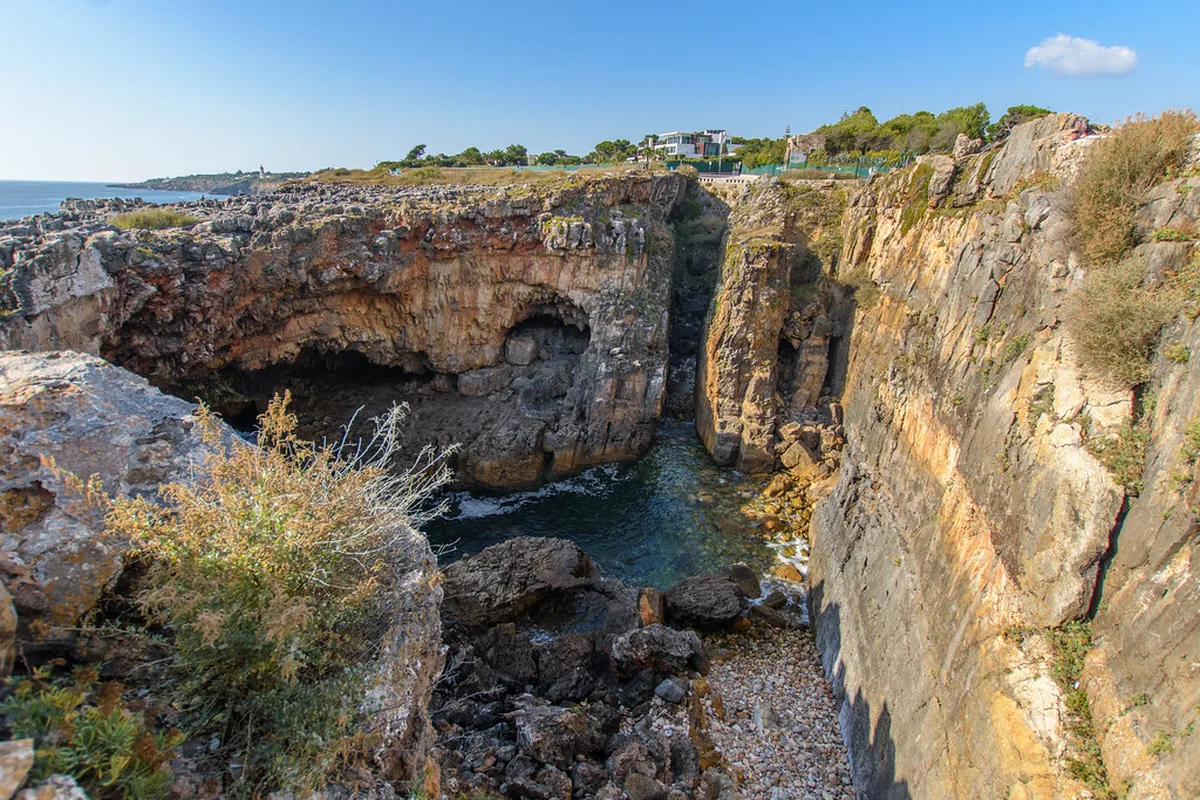
Town centre beaches are positioned 0–1 km from Cascais train station and sit within walking distance of the main praça, restaurants, and the municipal market. They are sheltered by the Cascais headland, which blocks the dominant north-westerly swell. Water temperatures peak at around 20 °C in August, and the gentle wave action makes them ideal for families travelling with young children. Sunbed-and-umbrella sets are available from beach concessions at €8–12 per set per day on the smaller coves and €12–18 on larger stretches with more infrastructure. Lifeguards are on duty from June through September.
Wilder stretches like Guincho Beach — 9 km west of town — offer breathtaking dune scenery and Atlantic solitude. They also come with stronger undertows, cooler water (often 17–18 °C even in July), and no supervised swimming zones. These beaches suit experienced surfers, kitesurfers, and hikers who want dramatic coastal scenery rather than a conventional beach day. Checking day trips from Cascais that include the Sintra-Cascais Natural Park is a smart way to combine a Guincho visit with an afternoon in the hills. Always check the wind forecast the evening before using Windguru or Windy, and look for the coloured flag system: green means safe swimming, yellow urges caution, red means swimming is prohibited.
- Sheltered Town Centre Coves
- Type: Calm sandy bays protected by the Cascais headland
- Best for: Families, swimming, and relaxed sunbathing
- Access: Easy walk (0–1 km) from train station
- Vibe: Social, bustling, facilities-rich
- Cost: Free entry; sunbed sets €8–18/day
- Wild Atlantic Surf Stretches
- Type: Exposed windy beaches with dune systems
- Best for: Surfing, kitesurfing, and scenic walks
- Access: Bus 405 (€2.30 return, 20 min) or bicycle rental (€15–20/day)
- Vibe: Natural, raw, and energetic
- Cost: Free entry; parking at Guincho €2/hr in peak season
Exploring the Best Town Center Beaches
Praia da Rainha remains the most iconic spot in the heart of the village due to its royal history. Queen Amelia chose this secluded cove for her private baths in the late nineteenth century because the surrounding cliffs offer excellent protection from the wind. The beach is just 200 m from the Cascais train station, making it the first natural stop for day-trippers arriving from Lisbon. Arrive before ten in the morning during July and August to secure a towel spot on this tiny but beautiful stretch of golden sand; by noon in high season it fills completely. A standard two-sunbed-and-umbrella set costs €10 per day here in 2026.
Praia da Ribeira, the former fishing port beach, sits directly adjacent to Praia da Rainha and offers a different atmosphere entirely. This working harbour setting means occasional fishing boats still use the ramp, and small seafood restaurants line the back of the beach. A plate of grilled sardinhas at one of the harbour-front tascas costs €11–14 in 2026. The beach is most pleasant in the morning before the afternoon heat draws larger crowds. Entry is free and there are no sunbed rentals — it is a bring-your-own-towel spot. Public showers and toilets are available 100 m east near the Cascais marina promenade.
For those wanting more space, Praia da Conceição lies 800 m east of the station along the Paredão promenade and offers considerably more sand. The wider beach accommodates beach volleyball courts that are free to use in the morning, and sunbed sets here average €12–15 per day. A children's playground sits at the western end, and there are three beachside kiosks selling drinks, ice cream, and toasted sandwiches from around €3. The water depth is shallow for 30–40 m from shore, making it consistently the safest wading beach in the Cascais town cluster for young swimmers.
- Praia da Rainha Secluded Cove
- Type: Small sheltered sandy beach, 0.2 km from station
- Best for: Photography, calm swimming
- Where: Directly in Cascais town centre
- Cost: Free entry; sunbed sets €10/day
- Praia da Ribeira Fishing Port
- Type: Working harbour beach with historic character
- Best for: Watching boats, affordable seafood
- Where: 0.1 km from Praia da Rainha, near the main square
- Cost: Free entry, no sunbed hire
- Praia da Conceição Wide Sands
- Type: Large open family beach
- Best for: Sandcastles, volleyball, safe wading
- Where: 0.8 km east of station along the Paredão
- Cost: Free entry; sunbed sets €12–15/day
Surfing and Nature at Praia do Guincho
Adventure seekers should head west toward the dramatic dunes and powerful waves of Praia do Guincho, located 6 km from Cascais town centre. This beach gained international fame as a filming location for a classic James Bond movie and remains one of the finest surfing destinations in the Lisbon region. The consistent north-westerly swell produces hollow, punchy beach-break waves that suit intermediate to advanced surfers from October through April; summer sees smaller, cleaner conditions suitable for beginners. High winds from spring through autumn make this an ideal spot for kiteboarding and windsurfing, with several rental and lesson operators along the beachfront road charging €40–60 for a two-hour beginner lesson in 2026.
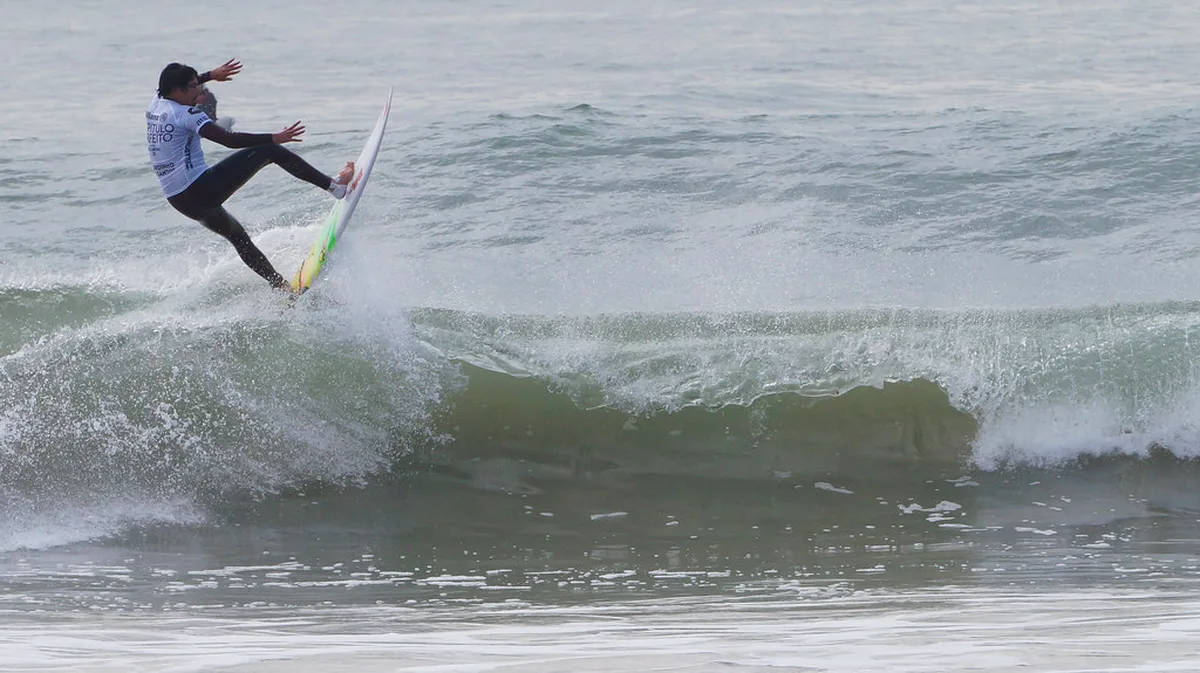
Getting to Guincho from Cascais centre takes about 20 minutes by car along the N247 coastal road, which hugs the cliff edge with spectacular views. The public car park at the beach charges €2 per hour in peak season (June–September) or you can take bus 405, which departs from Cascais bus terminal for €2.30 return and runs roughly every 40 minutes on weekdays and every 60 minutes on weekends. Cyclists have a dedicated coastal path for much of the route, with bicycle rentals available in Cascais town from €15–20 per day. The signed Estrada Marginal route adds a few extra kilometres for the full scenic experience, passing Praia da Cresmina and the Cabo Raso lighthouse.
Casual swimmers should be wary of the strong undertow at Guincho, and the red flag prohibiting swimming is raised frequently between September and April. When the flag is red, the beach becomes excellent for coastal walks along the dune boardwalk, birdwatching in the Sintra-Cascais Natural Park, or lunch at one of the seafood restaurants on the Estrada do Guincho. The most famous, Restaurante O Faroleiro, serves grilled fish platters for two at €28–36 and has terrace views directly onto the Atlantic. The wild cliff scenery, backed by the forested Sintra hills, makes Guincho worth visiting even on a purely overcast day as a non-beach alternative — the natural-park hiking trails are well-signed and mostly flat, with distances of 3–7 km.
- Praia do Guincho Surf Haven
- Type: Large wild beach, 6 km from Cascais centre
- Best for: Surfing, kitesurfing, and scenic coastal walks
- Access: Bus 405 (€2.30 return, 20 min) or car (€2/hr parking)
- Cost: Free entry; surf/windsurf lessons €40–60 for 2 hr
- Praia da Cresmina Dunes
- Type: Scenic coastal dunes within the Natural Park
- Best for: Sunset walks and birdwatching
- Where: Adjacent to Guincho, 5.5 km from Cascais centre
- Cost: Free boardwalk access
Guincho Beach: Cascais's Wild Atlantic Gem
Guincho Beach, sitting 9 km west of Cascais centre along the N247 coastal road, is the beach that defines the wild, untamed character of this coastline. Unlike the manicured town beaches, Guincho has no paid sun-lounger zones, no beach clubs, and no supervised swimming areas — just 1.5 km of pristine Atlantic sand backed by a shifting dune system that is protected as part of the Sintra-Cascais Natural Park. The absence of infrastructure is precisely what draws visitors who want to experience Portugal's coast in its most elemental form.
Bus 405 departs from Cascais bus terminal directly to Guincho Beach, with a journey time of around 20 minutes and a return ticket costing just €2.30 in 2026. Services run roughly every 40 minutes on weekdays and every hour on weekends from late May through September, tapering to a skeleton timetable outside peak season. Drivers who prefer to rent a vehicle have a 15-minute drive via the scenic coastal cliff road, with parking at the main Guincho car park charging approximately €2 per hour in summer — a small price for access to a beach of this scale. Cyclists can follow the signed coastal path from Cascais, a 9 km route that passes through the natural park and takes about 45 minutes at a leisurely pace.
Surfing and windsurfing are the primary water sports at Guincho, and the beach has produced several Portuguese national champions. The consistent north-westerly trades funnel between the Sintra hills and the headland at Cabo Raso, generating reliable winds for kitesurfing from April through October. Several surf schools based in Cascais run minibus transfers out to Guincho for beginner lessons, with two-hour group sessions priced from €40 per person in 2026. The wave quality ranges from manageable beginner beach-break on smaller summer days to demanding hollow surf in autumn and winter, when local pros and visiting international surfers congregate.
The dramatic backdrop of the Sintra hills rising directly behind the dunes is one of the most photographed coastal views in the Lisbon region. The Cascais palaces are visible on clear days from the northern end of the beach, providing an extraordinary contrast of forested mountain and open ocean. Many visitors combine a Guincho morning with an afternoon at the palaces — see our Sintra day trip guide for transport links and entry fees. After a morning at the beach, the seafood restaurants clustered on the Estrada do Guincho offer some of the freshest fish in the area: grilled sardinhas plates cost €12–16 and the famous local caldeirada fish stew runs €14–18 per person. Arriving for sunset — typically 20 minutes later at Guincho than in Lisbon due to its western position — rewards visitors with deep orange light across the Atlantic horizon, a sight that justifies the short bus ride from town even on a cloudy beach day.
- Guincho Beach at a Glance
- Distance: 9 km west of Cascais centre
- Access: Bus 405 (€2.30 return, 20 min) or car (€2/hr parking in season)
- Facilities: No sunbed hire; no supervised swimming; free parking area
- Surf & windsurf lessons: From €40/person for a 2-hr group session
- Seafood nearby: Sardinhas €12–16; caldeirada €14–18
- Best for: Surfing, sunsets, natural-park walks, non-beach-day alternatives
Family Fun Along the Cascais Promenade
The Paredão is a flat, wheelchair-accessible sea-wall promenade that stretches for three kilometres between Cascais train station and the neighbouring town of Estoril. Walking the full length takes around 40 minutes at a gentle pace, and the route passes four distinct beach access points, two playground areas, and several kiosk cafés. This makes the promenade ideal for families who want to sample multiple beaches across one afternoon without committing to a single spot. The path is fully paved and shaded by low coastal pines at the eastern end, where the breeze is at its calmest.

Praia da Tamariz in Estoril, at the far eastern end of the Paredão, sits in the shadow of the Estoril Casino and offers a striking backdrop of 1930s Belle Époque architecture. The beach has gentle wave action and good lifeguard coverage from June through September. Sun-lounger sets here cost €14–18 per day in 2026, reflecting the slightly more upmarket Estoril setting. The Estoril train station is immediately behind the beach, meaning you can walk the Paredão one way and catch the train back from Estoril to Cascais (€1.80 single, 4 minutes) — a convenient loop that avoids retracing your steps.
Children often gravitate to the Piscina Oceânica Alberto Romano, a large ocean-fed saltwater pool positioned roughly halfway along the Paredão walk. The pool is filled directly from the Atlantic via a system of sluice gates, meaning the water is always clean and salt-filtered, but the pool walls protect bathers from the open-ocean currents and wave surge. Entry is free and lifeguards supervise the pool during summer months. The pool depth varies from 0.5 m in the children's section to 2.5 m in the main swimming area, making it the most consistently safe option for young swimmers on the entire Cascais coast. Changing facilities and showers are available on site at no charge.
The Paredão walk itself passes the Museu do Mar on its western stretch (entry €2 for adults, €1 for under-12s in 2026), which provides a welcome indoor escape on unexpectedly hot afternoons. Several beachside restaurants along the promenade offer the prato do dia (daily special) for €9–12, typically grilled fish or a hearty caldo verde soup with bread. For families seeking a complete, low-cost day out, the promenade loop — train from Lisbon to Cascais (€2.30), a promenade walk, a swim at Piscina Oceânica, and a return train from Estoril — can be done for under €8 per adult, making it one of the best-value coastal days within reach of the Portuguese capital.
- Praia da Tamariz Castle-View Beach
- Type: Wide sandy beach with casino backdrop
- Best for: Families, sunbathing, and easy train access
- Where: East end of the Paredão in Estoril, 3 km from Cascais station
- Cost: Free entry; sunbed sets €14–18/day; return train to Cascais €1.80
- Piscina Oceânica Alberto Romano
- Type: Free ocean-fed saltwater pool, 0.5–2.5 m deep
- Best for: Safe swimming for all ages, especially young children
- Where: Midpoint of the Paredão promenade, 1.5 km from Cascais station
- Cost: Free public access; showers included
Practical Tips for a Smooth Beach Day
The train from Cais do Sodré in Lisbon is the most efficient way to reach Cascais for a day trip. In 2026, a return ticket costs €2.30 and the 40-minute ride offers beautiful views of the Tagus River estuary. If you are planning a broader coastal itinerary, our Lisbon beach guide covers the best beaches reachable from the capital beyond just Cascais. Trains depart roughly every 20 minutes throughout the day on the Cascais-Cais do Sodré line (operated by CP). The line terminates at Cascais station, which is 200 m from the nearest town beaches, making it the only intercity rail line in the Lisbon region with an actual beach walk from the terminus. Avoid travelling on weekend mornings in July and August as the train can fill to standing capacity — consider a 7 AM or 8 AM departure to beat the crowds.
Once in Cascais, bus 405 (€2.30 return) serves Guincho Beach roughly every 40–60 minutes from the bus terminal next to the train station. Taxis from the station forecourt charge an unmetered fixed rate of approximately €10–12 one way to Guincho. Bicycle rentals are available at several shops on Rua das Flores within 300 m of the station, with hybrid bikes going for €15–20 per day and e-bikes for €25–30. The dedicated coastal cycling path runs along the Paredão promenade and continues — with some on-road sections — all the way to the Guincho dunes.
Sun-lounger sets across Cascais beaches range from €8 on the smaller town coves to €18 on larger more developed beaches like Praia da Tamariz. Free public beach access is guaranteed by Portuguese law on all beaches, so the paid sunbed zones always share space with free-access sand. Parking in Cascais town centre costs €1.50–2.50 per hour at the main surface car parks near the market; arriving before 8 AM secures free kerb-side parking on most side streets within a ten-minute walk of the beach. Pack plenty of high-SPF sunscreen because the Atlantic sea breeze often masks the true intensity of the Portuguese summer sun — UV index frequently reaches 10 (very high) between 11 AM and 3 PM. For lunch, many local restaurants offer the prato do dia for €9–12, providing an affordable and authentic midday meal option. See our full guide to Cascais old town for the best dining streets and café-hopping routes near the beaches.
- Essential Beach Day Gear
- Must-have: Windproof beach umbrella (Guincho and open beaches)
- Clothing: Light layers for the sea breeze in evenings
- Shoes: Comfortable walking sandals for the Paredão promenade
- Safety: Waterproof phone pouch and reef-safe sunscreen SPF 50+
Praia de Cascais: The Heart of the Town
Praia de Cascais is the largest and most central beach in Cascais, stretching for roughly 350 metres directly in front of the town's historic fishing quarter and main commercial street, Rua Frederico Arouca. Unlike the more compact Praia da Rainha two minutes away, Praia de Cascais offers genuinely wide sand at low tide, meaning even on a busy July Saturday there is typically enough space to lay a towel without sitting on top of strangers. The beach faces south-south-west, which gives it excellent afternoon sun and shelter from the dominant north-westerly wind that can make the Paredão promenade feel breezy.
The beach is free to enter and the surrounding infrastructure is the most comprehensive of any beach in the Cascais municipality. Public toilets and free showers are located at both the eastern and western ends of the sand. A Blue Flag is awarded annually, confirming water quality meets European bathing standards. Lifeguards patrol from 10 AM to 7 PM throughout June, July, August, and September. Sun-lounger and parasol sets are available from the concession operator at the midpoint of the beach for €12–16 per set per day in 2026, including a reserved spot in the designated lounger zone.
The promenade directly behind the beach is lined with café terraces and artisan ice-cream shops. A locally beloved geladaria near the slipway serves a three-scoop cone of Portuguese artisan flavours for €4.50 in 2026, which is the perfect reward after a morning swim. For a more substantial meal, the beachside restaurants specialise in bacalhau (salt-cod) and grilled peixe espada (scabbard fish), with a typical two-course lunch running €14–20 per person. The fish market, Mercado da Vila, is a five-minute walk inland and opens Tuesday through Saturday mornings, selling the previous night's catch directly from Cascais fishing boats at prices well below restaurant level.
Getting to Praia de Cascais from Lisbon takes exactly the same route as reaching Praia da Rainha — take the CP Cascais line from Cais do Sodré (€2.30 return, 40 minutes) and the beach is a three-minute walk from the station exit. Driving visitors can use the underground car park beneath Cascais market at €1.80 per hour in 2026, with a dedicated pedestrian underpass leading directly to the beachfront. Cyclists arriving via the coastal Ecovia path from Estoril will find secure bike racks at the eastern end of the promenade. The beach connects westward to the marina and eastward to the Paredão promenade toward Estoril, making Praia de Cascais the natural hub from which to explore the entire coastal strip. For context on what to see and do just inland from the beach, see our Cascais old town guide covering the pedestrianised streets, palaces, and cultural museums within walking distance of the sand.
- Praia de Cascais at a Glance
- Length: Approximately 350 m of central town beach
- Distance from station: 3-minute walk (250 m west)
- Sun lounger sets: €12–16/day in 2026
- Facilities: Blue Flag water quality, lifeguards Jun–Sep, free showers and toilets at both ends
- Parking: Underground market car park €1.80/hr
- Best for: Families, central location, combining beach with old-town sightseeing
Frequently Asked Questions
Which Cascais beach is best for families with small children?
Praia da Rainha and Praia da Conceição are the best choices for families in 2026. Both beaches offer calm, shallow waters protected from the Atlantic wind, easy access to toilets and showers, and lifeguard coverage from June through September. Sun-lounger sets cost €10–15 per day. Praia da Rainha is 200 m from Cascais train station, making it the easiest to reach from Lisbon with young children.
How do I get to Guincho Beach from Cascais centre?
Bus 405 departs from Cascais bus terminal (next to the train station) every 40–60 minutes and reaches Guincho Beach in about 20 minutes; a return ticket costs €2.30 in 2026. Alternatively, rent a bicycle (€15–20/day) and follow the coastal path — a scenic 9 km ride. Taxis charge a fixed rate of around €10–12 one way. By car, follow the N247 coastal road westward and park at the Guincho car park (€2/hr in season).
Are the beaches in Cascais free to visit?
All beaches in Cascais are free to enter — Portuguese law guarantees public beach access. Optional sun-lounger-and-umbrella sets cost €8–18 per day depending on the beach, with cheaper rates on the smaller town coves and higher prices at the Estoril end of the Paredão. Wild beaches like Guincho have no paid lounger zones at all: just free sand, open Atlantic, and natural dunes. Facilities at paid zones typically include changing rooms, showers, and a beach bar.
How much does it cost to get from Lisbon to Cascais by train in 2026?
A return train ticket from Lisbon Cais do Sodré to Cascais costs €2.30 in 2026, making it one of Europe's cheapest coastal day trips. The journey takes approximately 40 minutes. Trains run every 20 minutes throughout the day on the CP Cascais line. The station drops you within 200 m of Praia da Rainha, so no further transport is needed for the town centre beaches. Buy tickets at the station machines or via the CP app; contactless bank cards are accepted at the turnstiles.
Can beginners learn to surf at Guincho Beach?
Yes, though conditions at Guincho are often more suitable for intermediate surfers. Several surf schools based in Cascais town run supervised beginner lessons at Guincho when swell and wind conditions are manageable, typically in June and July. A two-hour group lesson including equipment and bus transfer from Cascais costs from €40 per person in 2026. On days when Guincho is too powerful, the same schools often redirect beginners to calmer breaks nearer town. Always book via a licensed surf school rather than attempting Guincho independently as a first-time surfer.
What is the best time of year to visit Cascais beaches?
June and September are the sweet-spot months for Cascais beaches in 2026: sea temperatures reach 18–20 °C, daytime air temperatures average 23–27 °C, and the summer crowds of July and August have not yet arrived (or have thinned). July and August are peak season — busiest, hottest (28–32 °C), and most expensive for accommodation. May is pleasant for walks and outdoor dining but the water is still cool at 16–17 °C. From October through April the weather is mild (15–20 °C) but ocean swimming is rarely comfortable. Surfers and kiteboarders prefer October through March for the reliable Atlantic swell and wind.
A visit to this stunning coastline offers the perfect blend of relaxation and Atlantic adventure for every traveller in 2026.
Using this cascais beach guide ensures you find the right atmosphere whether you want bustling town coves or wind-swept natural dunes at Guincho.
Remember to respect the local environment by taking your trash with you and following all posted safety flags — coloured-flag compliance is strictly enforced by lifeguards at all supervised beaches.
Enjoy the golden sands and refreshing waters of Portugal as you make lasting memories on these beautiful shores. For a broader view of Portugal's Atlantic coastline stretching from Lisbon to the Algarve, our Portuguese coast travel guide maps out the full coastal route with transport, costs, and beach recommendations.