The Ultimate Cascais Old Town Guide for Your Visit
Cascais Old Town in 2026 costs roughly €20–35 per person for a seafood dinner, €2.30 for the train from Lisbon, and charges €0 to walk its cobblestone streets and beaches. Most major museums run €5–8 entry, making it one of Portugal's best-value historic destinations.
The fastest way to reach Cascais is by Comboios de Portugal train from Lisbon Cais do Sodré — 40 minutes, €2.30 single or €4.60 return in 2026, running every 20 minutes and dropping you steps from the old town.
Cascais Old Town offers a perfect blend of historic charm and modern coastal luxury. You will find narrow cobblestone streets lined with colorful houses and vibrant flowers. This area serves as the heart of the village and provides endless photo opportunities. Our cascais old town guide helps you find the best spots.
Exploring this district allows you to see the traditional side of Portuguese fishing culture. Many visitors come for the beaches but stay for the winding alleys and local shops. Walking through the center feels like stepping back into a more peaceful era. Expect to spend at least three hours wandering through the main historic sections.
Exploring the Heart of Cascais Old Town
The streets of the old town feature the famous Portuguese pavement known as calçada. Patterns of waves and anchors decorate the ground beneath your feet. Walking here requires sturdy shoes because the stones can be quite slippery when wet. Most visitors start their journey at the Praça 5 de Outubro near the water, where the main pedestrian axis begins and the ocean air is strongest.
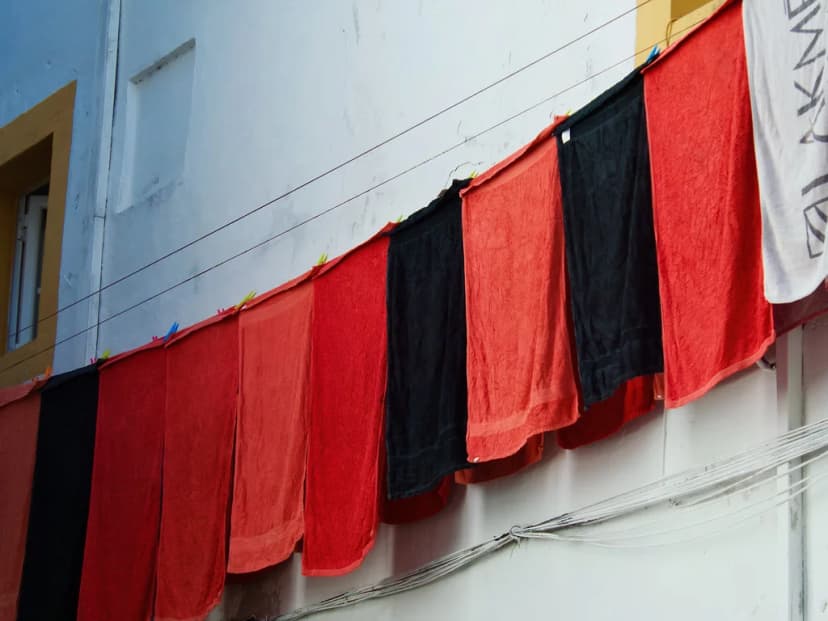
Traditional houses often display intricate tile work called azulejos on their facades. Bright yellow and blue paint frames many of the wooden doors and windows along Rua Afonso Sanches and Rua de Camões. Local residents still hang laundry on small balconies overlooking the quiet side streets. These residential areas offer a genuine glimpse into daily life well away from the main tourist crowds near the beachfront.
Bougainvillea flowers bloom in bright pink and purple shades during the spring months, usually from April through June. The scent of salt air mixes with the aroma of fresh coffee from nearby cafes on Largo Luís de Camões. Early morning is the best time to capture photos without many people in the background — aim for before 9 AM in July and August. You can find several hidden courtyards if you venture off the primary shopping paths on Rua Direita and explore the back lanes toward the Cidadela walls.
The neighbourhood of Bairro dos Museus, a short walk east of the main square along Avenida Rei Humberto II de Itália, clusters several of the town's finest cultural institutions within a single park. The shaded walkways here are cooler than the town center and ideal for a mid-afternoon stroll when the cobblestones heat up. Cyclists share the paved lane that runs parallel to the seafront promenade, so pedestrians should keep to the inner path. The area is open to visitors around the clock at no charge, making it a natural extension of any old-town walking tour in 2026.
Local guided walking tours depart from Praça 5 de Outubro at 10 AM on Tuesdays through Sundays, costing approximately €15 per adult and €8 for children under 12 in 2026. The 90-minute route covers the Citadel, the azulejo-fronted mansions, and the municipal market. Private tours with an English-speaking guide run €60–90 for groups of up to six. Self-guided audio tours are available via a free app — search "Cascais Walks" in the app store before you arrive.
Must-See Landmarks in the Historic Center
The Citadel of Cascais — locally called the Cidadela — stands as a powerful reminder of the town's defensive past. This massive stone fortress now houses the five-star Cidadela Art District hotel and a vibrant contemporary art precinct. Entry to the main courtyard and the Cidadela Arte gallery is free for the public Tuesday through Sunday, 10 AM to 6 PM (closed Monday). Art lovers should explore the small studios tucked inside the thick 16th-century walls, where local painters often work in view of visitors.
The Town Hall Square — Praça 5 de Outubro — features a stunning black and white wave pattern on the ground. A statue of King Pedro I stands proudly in the center of this open space. Administrative buildings surrounding the square show off classic 18th-century architecture with ornate wrought-iron balconies. This location serves as a central meeting point for many walking tours and is free to visit at any hour.
The Church of Our Lady of the Assumption (Igreja de Nossa Senhora da Assunção) on Rua da Assunção contains beautiful painted ceilings and gilded baroque altars. It survived the great earthquake of 1755 with very little damage to its structure. Visitors can enter for free Monday through Saturday 9 AM–12 PM and 3 PM–6 PM, though donations are always appreciated by the local parish. Quiet reflection here provides a genuine break from the busy sun-drenched streets outside.
The Museu Condes de Castro Guimarães in the Parque Marechal Carmona, accessible via Avenida Rei Humberto II de Itália, is housed in an eccentric early-20th-century mansion with Moorish and Gothic influences. In 2026 entry costs €5 for adults and €2.50 for students and seniors; under-12s enter free. Opening hours are Tuesday through Sunday 10 AM–5 PM. The collection spans Flemish paintings, Indo-Portuguese furniture, and azulejo panels from the 18th century. The adjacent park with its peacocks and duck pond is open every day from 8 AM to 8 PM at no charge.
The Santa Marta Lighthouse and Museum sits right on the coastal edge, a five-minute walk from the old town along Rua Bela Vista. The lighthouse has been active since 1868 and the small attached museum tells the story of Portuguese maritime navigation. In 2026 admission is €5 for adults, free for under-16s. It opens Tuesday through Sunday from 10 AM to 6 PM. On clear days the views from the lighthouse base stretch as far as the Sintra hills inland and south toward Setúbal.
- Cidadela Arte (Citadel Art District)
- Type: Contemporary art galleries
- Best for: Modern art and photography
- Where: Inside the Citadel fortress
- Cost: Free entry, Tue–Sun 10 AM–6 PM
- Museu Condes de Castro Guimarães
- Type: Historic mansion museum
- Best for: Gothic architecture and decorative arts
- Where: Parque Marechal Carmona, Avenida Rei Humberto II de Itália
- Cost: €5 adults, €2.50 concessions, Tue–Sun 10 AM–5 PM
- Santa Marta Lighthouse Museum
- Type: Museum and viewpoint
- Best for: Ocean views and maritime history
- Where: Rua Bela Vista, coastal edge
- Cost: €5 adults, free under-16, Tue–Sun 10 AM–6 PM
Cascais Marina and Waterfront: The Fishermen's District
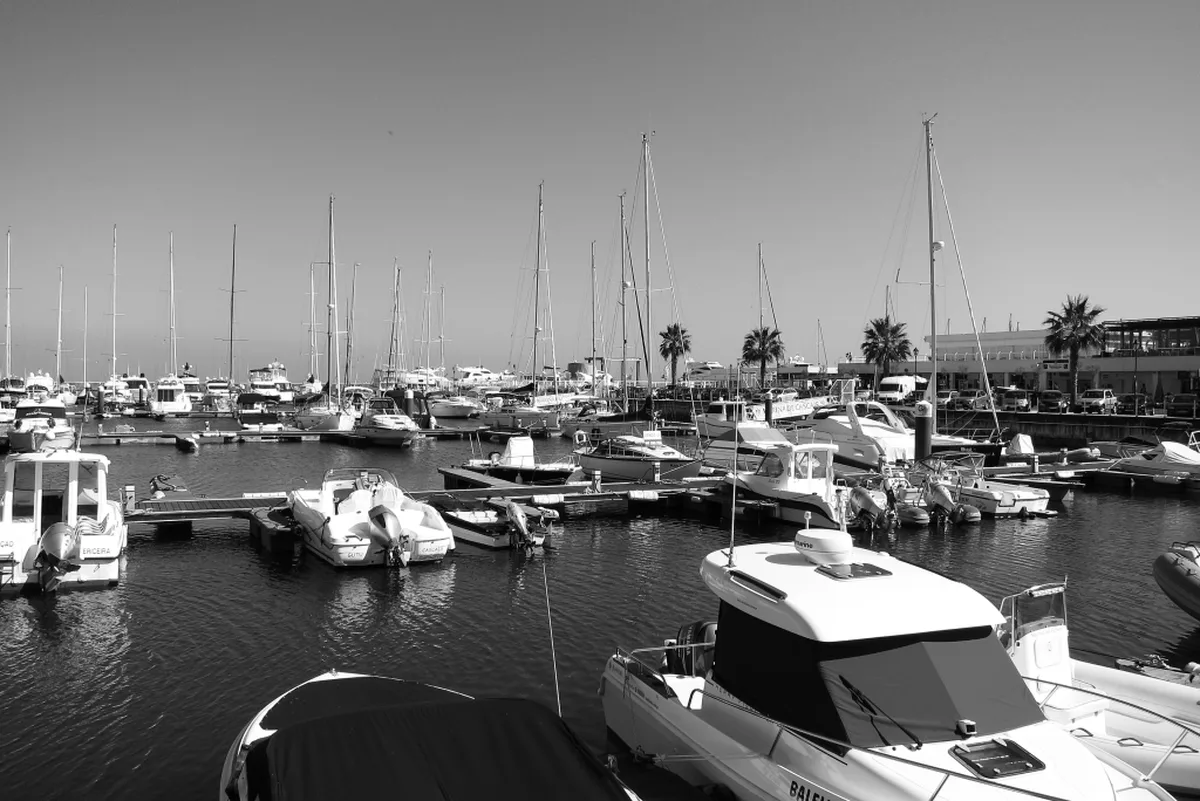
The waterfront district stretching from the old fishing harbour to the modern marina is where Cascais's maritime soul still beats loudest. Early mornings here smell of brine and diesel as the remaining fishing boats unload their catch directly onto the quayside. The colourful hulls — painted in red, blue, and white — have been a fixture on this stretch of coast for centuries, long before the town became a fashionable resort for Lisbon's aristocracy in the 19th century.
The Cascais Fish Market (Mercado de Peixe) operates every morning except Monday from approximately 7 AM to 1 PM on Rua Mercado. The stalls sell freshly landed sea bass, red mullet, clams, and the famous Portuguese barnacles (percebes). If you arrive before 9 AM you will see fishmongers slicing and packing whole fish straight from the boats. At the snack counter at the market entrance, pastéis de bacalhau (salt-cod fritters) cost €1.50–2 each in 2026 — one of the best budget bites in the entire Lisbon coast. Fresh whole fish sells at market price, typically €8–14 per kilogram depending on species and season.
The Cascais Citadel (Cidadela) looms directly over the waterfront and is best appreciated from the marina promenade below. The Cidadela Arte gallery inside the fortress walls offers free admission Tuesday through Sunday and mounts four to six rotating contemporary exhibitions per year. In 2026 the focus has shifted toward Atlantic-themed photography and Portuguese urban art. Entry is free; guided group tours of the exhibitions cost €6 per person and must be booked in advance via the Cidadela Arte website.
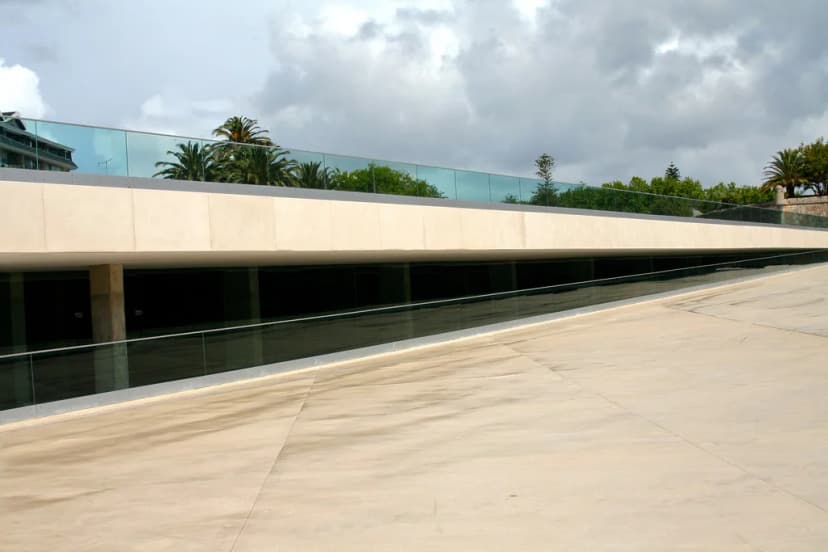
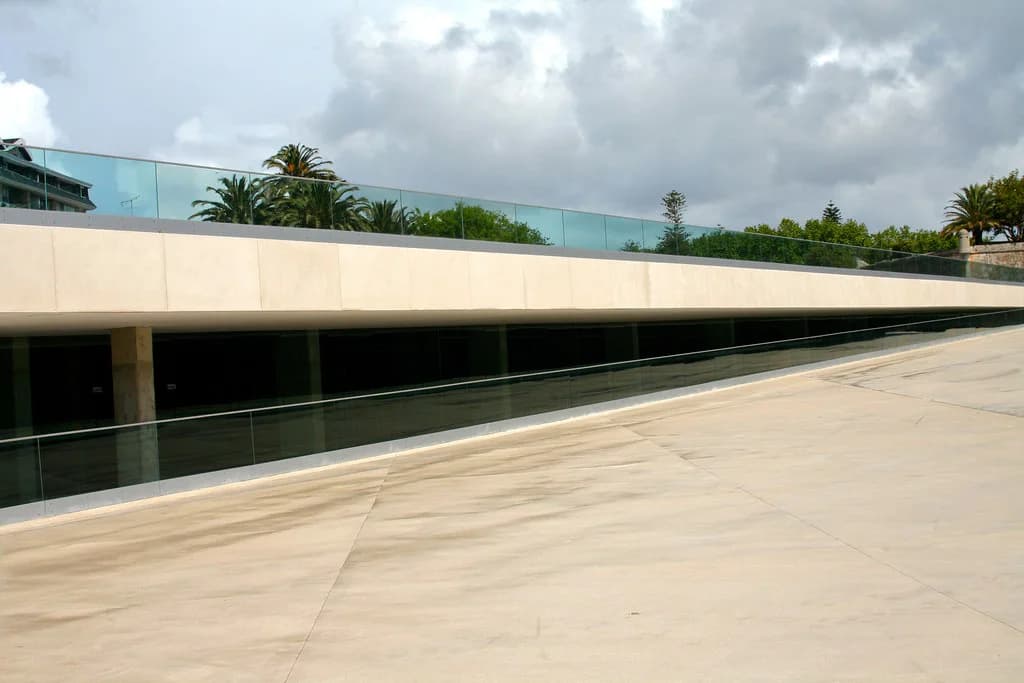
Casa das Histórias Paula Rego is one of the most distinctive museums on the entire Portuguese Riviera. Designed by architect Eduardo Souto de Moura and opened in 2009, its two rust-red pyramid towers have become an architectural landmark visible from the marina. The museum holds the largest permanent collection of work by Paula Rego, Portugal's most internationally celebrated living artist, including her unsettling figurative paintings and large-format pastels. In 2026 entry costs €8 for adults, €4 for students and seniors, and is free for children under 12. It opens Tuesday through Sunday from 10 AM to 6 PM (last entry 5:30 PM). The museum is located on Avenida da República, a ten-minute walk east of the old town along the seafront.
The marina itself — Marina de Cascais — is one of the finest in Iberia, accommodating up to 650 yachts and motor vessels. Strolling the pontoons is free and the boat-watching is excellent, particularly during summer regattas. The marina boardwalk is lined with upmarket seafood restaurants where a full meal runs €25–40 per person including house wine in 2026. For a cheaper option, the snack bars at the north end of the marina serve grilled sardines and bifanas (pork sandwiches) for €6–10.
The Passeio Marítimo is the seafront promenade that runs 2 kilometres from the old town marina east to the Casino Estoril, passing through the quiet resort of Estoril along the way. The path is entirely flat, paved, and free to walk or cycle at any hour. It is one of the most scenic coastal walks in Greater Lisbon, with unobstructed Atlantic views the whole way. Cyclists can rent bikes near the marina from several operators for approximately €12 per half-day in 2026. The walk to Estoril takes about 30 minutes at a leisurely pace and opens up connections to Estoril's gardens and train station for the return journey.
A Detailed Cascais Old Town Guide to Dining
Seafood lovers will find paradise in the small restaurants tucked away from the main square. Fresh grilled sardines are a local staple during the summer months and typically appear on menus from June through September. In 2026 prices for a full seafood meal range from €20 to €35 per person including house wine and a starter. Booking a table in advance is highly recommended for weekend dinners throughout the summer season, especially at restaurants directly on Largo de Camões and Rua das Flores.
Largo de Camões acts as the primary hub for nightlife and casual dining in the old town. Outdoor seating under canvas parasols allows you to enjoy the mild evening air while you eat. Waiters often display the catch of the day on ice near the restaurant entrance — point at what you want and they will weigh and price it on the spot. For specific seasonal food recommendations and neighbourhood guides, browse the best restaurants near Lisbon for comparison context with the capital.
Pastelaria Garrett on Rua Frederico Arouca is a famous spot for those with a sweet tooth. Their traditional pastries pair perfectly with a strong Portuguese espresso (bica), which costs around €0.80–1.20 standing at the counter in 2026. Most cafes charge 30–50% less if you stand at the counter rather than sitting at a table — a common custom throughout Portugal. Try the Areias de Cascais, which are small butter cookies coated in powdered sugar; a bag of six costs around €3.
Restaurant O Batel on Travessa das Flores specialises in traditional Cascais-style grilled fish and is popular with local families. A full grilled sea bass (robalo) with potatoes and salad costs around €22–28 for two people to share in 2026. The house white wine — typically a Setúbal regional Moscatel or Fernão Pires — is served by the half-litre carafe for around €6. This type of no-frills tasca represents some of the best dining value along the entire Cascais coast.
Avoid the restaurants that have large laminated picture menus displayed on stands at the street entrance. These spots often cater exclusively to day-tripping tourists and may charge 20–30% more for lower quality. Look instead for places where you see local Portuguese families eating with young children — a reliable indicator of honest pricing and fresh ingredients. House wine at a local tasca is usually very affordable at €4–6 per half-litre carafe and of surprisingly high quality given the Setúbal Peninsula's excellent wine-growing conditions.
Shopping and Local Crafts in the Village
Rua Direita serves as the main pedestrian shopping street in the old town, running from near the Citadel walls south toward Largo de Camões. International brands sit alongside small boutiques selling traditional Portuguese goods. Most shops open around 10 AM and stay busy until 9 or 10 PM during the summer high season. This street becomes very crowded during peak cruise season from June through September when liners anchor off shore and transfer passengers into the old town by tender.
Ceramic shops line the side streets off Rua Direita, particularly on Travessa do Correio and Rua Afonso Sanches. They offer beautiful hand-painted plates, bowls, and decorative tiles. The swallow — andorinha — is a popular symbol of home and good fortune in Portuguese culture and appears on countless ceramic pieces. Small ceramic birds in various sizes and colours range from €5 to €15 each; larger decorative platters start around €25–40 in 2026 depending on detail and origin.
Cork products are another specialty you will encounter in many storefronts throughout the old town and along the seafront. Portugal produces roughly half the world's commercial cork supply from the cork oak forests of the Alentejo and Algarve. Bags, wallets, belts, and even shoes made from this sustainable material are widely available. Cork wallets typically cost €12–18 and cork tote bags €20–35. These items are lightweight, waterproof, and make excellent gifts; they also pass carry-on airline rules without any issue.
The Mercado Municipal de Cascais on Rua Mercado opens Tuesday through Sunday from 7 AM to 1 PM and stocks fresh local produce alongside a handful of artisan food stalls. You can buy vacuum-packed dried salt cod, local honey, artisan jams, and fresh-pressed olive oil directly from producers. Prices here are lower than the souvenir shops on Rua Direita and the quality is often higher. The market closes entirely on Monday, so plan your shopping visit accordingly.
For upscale Portuguese design, the Cascais Villa cultural complex on Avenida Marginal hosts occasional weekend artisan markets, particularly in spring and autumn. Independent designers sell jewellery, leather goods, and printed textiles here. Entry to these markets is free. Check the Cascais Cultura website or the town's official tourism page before your visit to confirm upcoming market dates in 2026.
Practical Tips for Your Old Town Visit
Comfortable walking shoes are essential for navigating the uneven calçada stone streets. Heels can easily get caught between the cobblestones and cause a painful fall — this is one of the most common tourist mishaps in every Portuguese old town. Sneakers or flat sandals with good rubber grip provide the best support for a long day. Many visitors deeply regret wearing flip-flops after an hour of walking on the undulating stone surfaces, particularly on the steeper lanes leading up toward the Citadel.
Parking inside the old town is extremely difficult and almost entirely restricted to residents with local permits. Use the large pay-and-display underground car park beneath the marina, or the surface lots near Cascais train station on Avenida Combatentes da Grande Guerra. In 2026 underground parking runs around €1.50 per hour or a flat €12–15 for a full day during high season. Taking the Comboios de Portugal train from Lisbon's Cais do Sodré station is a far cheaper alternative at €2.30 single (€4.60 return) and takes just 40 minutes on the scenic coastal line — ideal if you are combining Cascais with other day trips from Lisbon.
Timing your visit can make a substantial difference in your overall experience. Large cruise tour groups typically arrive between 10:30 AM and 3 PM, flooding Rua Direita and the main square. Exploring before 10 AM or after 5 PM provides a much calmer and more photogenic atmosphere. Sunset views from the coastal path near the Santa Marta Lighthouse are consistently spectacular and draw smaller, more relaxed crowds than the midday peak. In July and August sunrise comes around 6:15 AM — early risers can have the entire old town almost to themselves.
Public restrooms are located near Praia da Ribeira beach and at the marina complex. Most municipal facilities charge €0.50 or require a €1 coin for entry, so keep small change available. Many cafes allow non-customers to use the facilities for the cost of a coffee (€0.80–1.20 at the counter). Always carry at least 500 ml of water during the hot summer afternoons — temperatures in Cascais can exceed 35°C in July and August despite the Atlantic breeze.
The Cascais municipal bus network (Scotturb) connects the old town to Boca do Inferno, Guincho beach, and Sintra from a central hub on Avenida 25 de Abril. In 2026 a single bus ticket costs €1.95 on board or €1.50 if purchased via the app. A Cascais day pass (Passe do Dia) covering all local buses costs €6.50 and is excellent value if you plan to visit both Boca do Inferno and Guincho on the same day. The tourist information centre on Rua Visconde da Luz distributes free town maps and transport timetables.
Best Day Trips and Nearby Attractions
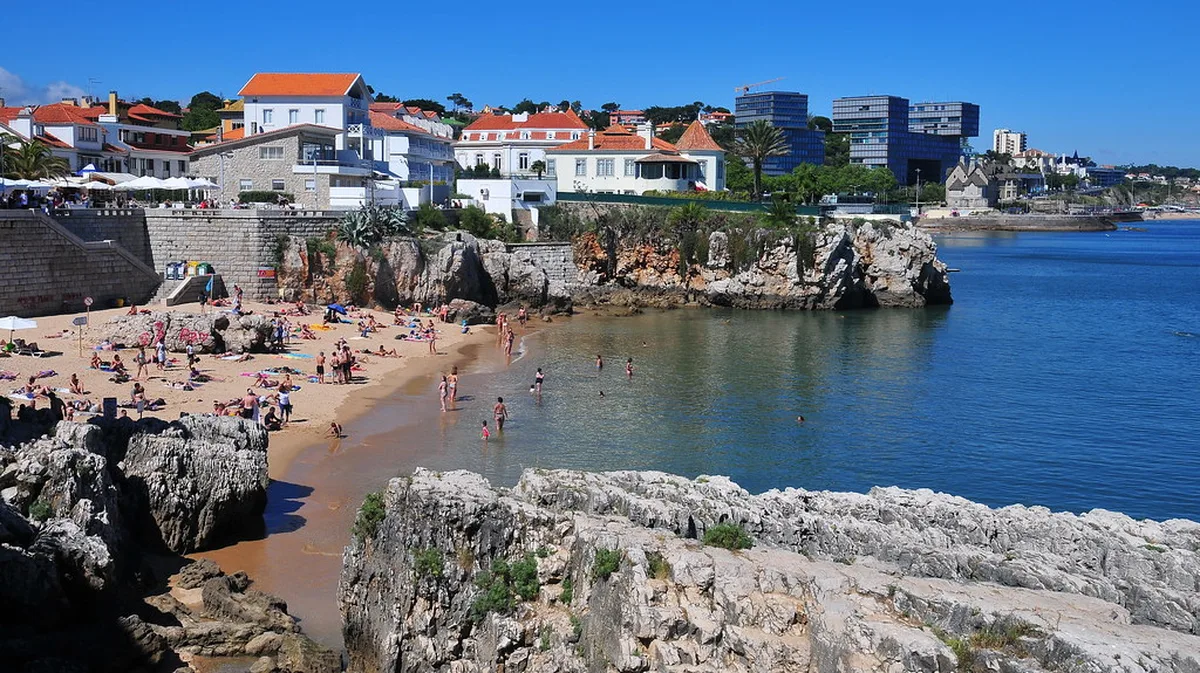
The old town serves as an excellent base for exploring the surrounding coastline. A short walk along the Passeio Marítimo ocean path leads you to the best beaches in Cascais. Sandy shores like Praia da Ribeira are located right at the edge of the historic centre. These spots are perfect for a quick dip after a morning of sightseeing, and in 2026 they are free to access with no entry charge.
Boca do Inferno is a dramatic cliff formation located about 20 minutes on foot west of the old town along the signed coastal path. Waves crash into the open sea cave with a thunderous sound during high tide, sending spray several metres into the air. The walk there follows a scenic paved path with dedicated lanes for bicycles. Admission to the viewing platforms is free for all visitors at any time of day or night.
Sintra is another exceptional destination for those taking day trips from Cascais. The UNESCO World Heritage historic town features 19th-century Romantic palaces set among lush forested hills. In 2026 the Scotturb Bus 1623 connects Cascais and Sintra regularly throughout the day, taking approximately 45 minutes; the one-way fare is €3.80. Plan for a full day if you intend to visit the Pena Palace (€17.50 adults in 2026) and the Moorish Castle (€12 adults). Booking palace tickets online 24 hours in advance is strongly recommended in July and August to avoid selling out.
Estoril is a straightforward 30-minute coastal walk or 5-minute train ride (€1.40 single) from Cascais and makes a worthwhile half-day addition. The town is best known for the Casino Estoril — reportedly the inspiration for Ian Fleming's Casino Royale — and for its ornate formal gardens, which are free to visit. The Estoril coast road circuit was a Formula 1 venue from 1984 to 1996 and the pit-lane infrastructure is still visible from the public road. The beachside promenade at Estoril connects directly to the Passeio Marítimo so you can walk the entire stretch one way and return by train.
Seasonal Events and Festivals in Cascais Old Town
Cascais Old Town's event calendar is one of the richest on the Portuguese Riviera, and timing your visit around a festival can transform a pleasant trip into an unforgettable one. The town council and local cultural associations organise a packed programme throughout the year, with many events centred on the streets, squares, and seafront of the historic centre — and the majority are free to attend.
The Festas de Nossa Senhora da Assunção take place every August 15 around the Church of Our Lady of the Assumption on Rua da Assunção. This is one of the oldest religious festivals in the municipality, combining a solemn outdoor mass in the early morning with an afternoon street procession through the old town. Residents dress in traditional attire, bands play fado and popular Portuguese music, and stalls selling local sweets and wine line the side streets. Entry to all street events is free; expect the area around Rua da Assunção and Largo de Camões to be packed from mid-afternoon into the late evening.
The Cascais Jazz Festival, held annually every September in the Parque Marechal Carmona adjacent to the Museu Condes de Castro Guimarães, draws internationally recognised acts as well as the best Portuguese jazz talent. In 2026 the festival spans five days, with free daytime performances on the park's outdoor stage and ticketed evening concerts in the main tent (€15–30 per night in 2026, available via the Cascais Cultura website). The shaded park setting, with its duck pond and peacock garden, provides a beautifully relaxed backdrop even for the larger evening shows.
Christmas and New Year transform the old town completely. The Mercado de Natal (Christmas Market) opens in early December along Rua Direita and in Praça 5 de Outubro, with around 40 artisan stalls selling handmade ceramics, cork gifts, local olive oil, and Setúbal wines. Mulled wine (vinho quente) costs €3–4 a cup and roasted chestnuts (castanhas assadas) are sold from street braziers for €2 a paper cone. Entry to the market is free and it runs daily from 10 AM to 10 PM until Christmas Eve. On New Year's Eve the town stages a free fireworks display over the marina visible from the entire old town seafront.
Semana do Mar (Sea Week), usually held in late July or early August, celebrates the Atlantic heritage that has defined Cascais for centuries. The festival includes traditional boat races between the old fishing harbour and the marina, open-air seafood tastings along the Passeio Marítimo, and historical re-enactments of 19th-century fishing traditions. The regatta viewing points along the coastal path near Santa Marta Lighthouse are the best free vantage positions. Some cooking demonstrations at the Fish Market on Rua Mercado are also ticketed at €8–12 per session, bookable via the Cascais tourism office on Rua Visconde da Luz.
For visitors planning around the Portuguese Riviera's Sintra day trip season, note that Sintra's own Festival de Música de Sintra typically runs in June — it is easy to combine with a Cascais visit in the same week since the Scotturb Bus 1623 links the two towns directly in 45 minutes. Checking both towns' event calendars before booking accommodation can allow you to attend two major cultural events without any additional travel cost. In general, May through October offers the densest programme of outdoor events in Cascais, while November through April is quieter but has fewer crowds and lower accommodation rates.
Frequently Asked Questions
Is Cascais Old Town walkable for everyone?
Yes, the area is mostly pedestrian-friendly and compact, with most key sights within a 15-minute walk of each other. However, the traditional calçada cobblestone streets are uneven and can be slippery when wet. Visitors with mobility issues should stick to the main flat paths along the seafront and around Praça 5 de Outubro. The coastal Passeio Marítimo promenade is fully paved and level, making it the most accessible route in the area.
How much time should I spend in the old town?
Set aside at least half a day to cover the main streets, landmarks, and a leisurely lunch. If you want to visit the Santa Marta Lighthouse Museum (€5, Tue–Sun 10 AM–6 PM) and the Museu Condes de Castro Guimarães (€5, Tue–Sun 10 AM–5 PM), a full day is needed. Many travellers stay overnight to enjoy the calmer evening atmosphere when the cruise-day crowds have departed.
What is the best way to get to Cascais from Lisbon?
The Comboios de Portugal train from Cais do Sodré station in Lisbon is the most convenient option in 2026, costing €2.30 single and taking 40 minutes along a scenic coastal route. Trains run every 20 minutes throughout the day and deposit you steps from the old town. Avoid driving — the coastal road is slow in summer and parking costs €12–15 per day near the marina.
Are there many free things to do in the old town?
Many of the best experiences are completely free. You can wander the historic streets, admire the azulejo facades, visit the Citadel courtyard and the Cidadela Arte gallery (free Tue–Sun), explore the Town Hall Square, walk the 2 km Passeio Marítimo promenade to Estoril, and sunbathe at Praia da Ribeira — all at no cost. It is one of Portugal's most budget-friendly coastal destinations in 2026.
What museums are worth paying for in Cascais in 2026?
Casa das Histórias Paula Rego (€8, Tue–Sun 10 AM–6 PM) is the standout paid attraction — its unsettling figurative paintings by Portugal's most celebrated contemporary artist are unlike anything else in the country. The Museu Condes de Castro Guimarães (€5, Tue–Sun 10 AM–5 PM) is excellent for fans of decorative arts and Gothic architecture. The Santa Marta Lighthouse Museum (€5, Tue–Sun 10 AM–6 PM) is worth it purely for the ocean views from the lighthouse base on a clear day.
Where is the best place to eat seafood on a budget in Cascais?
The Cascais Fish Market on Rua Mercado (Tue–Sun, 7 AM–1 PM) is the best budget option — pastéis de bacalhau (salt-cod fritters) cost €1.50–2 each and fresh fish is sold at market price. For a sit-down meal, look for tascas (neighbourhood restaurants) away from the main tourist squares where a full grilled fish meal costs €20–28 per person including wine. Avoid restaurants with large laminated picture menus on the street — these typically charge tourist premiums of 20–30% above local prices.
Cascais Old Town remains one of the most beautiful and accessible destinations in Portugal in 2026. The combination of history, culture, and coastal beauty — from the free Cidadela Arte galleries to the €8 Paula Rego museum and the €2.30 train ride from Lisbon — creates a uniquely rewarding holiday experience at almost any budget. Following this guide will help you navigate the streets like a seasoned traveller.
Every corner of the historic center tells a story of the town's rich maritime past. Whether you are eating fresh pastéis de bacalhau at the fish market for €2 or enjoying a €30 seafood dinner overlooking the marina at sunset, the atmosphere is consistently memorable. We hope this information makes your 2026 trip planning both easier and more enjoyable. Pack your walking shoes and get ready to discover the magic of this remarkable Portuguese seaside village.