Lisbon Restaurants Best Places to Eat: A Local Foodie Guide 2026
For an authentic Lisbon lunch in 2026, head to Taberna da Rua das Flores in Chiado or Tasca do Chico in Bairro Alto — both serve a full prato do dia for €12–18 including wine, delivering genuine Portuguese flavour without the tourist markup.
Dinner at Lisbon's best neighbourhood restaurants — like Taberna Albricoque in Alfama or A Cevicheria in Príncipe Real — runs €20–35 per person; Michelin tasting menus at Belcanto (Chiado) or Alma (Chiado) start at €55 and reach €180 for a full evening experience.
Lisbon is a city where every meal tells a story of ancient trade and local maritime history from Portugal's rich Atlantic heritage. The smell of grilled sardines fills the narrow alleys of Alfama during the warm summer months, especially in June when festivals take over the streets. Food lovers will find a mix of humble taverns and sleek modern eateries across the seven hills, and in 2026 the city's culinary reputation has never been stronger. This guide helps you navigate the vibrant culinary landscape to find the best flavours in the Portuguese capital.
Planning your dining schedule is just as important as mapping out the sights during your stay. The city offers a unique blend of rustic comfort food and high-end Michelin-starred innovation. Most restaurants serve lunch between 12:30 PM and 3:00 PM before closing for a short afternoon break. Dinner service typically starts around 7:30 PM and continues late into the night for locals, with the busiest tables filling by 9:00 PM on weekends. If you want to coordinate your meals with sightseeing, our Lisbon 3-day itinerary pairs restaurant stops with the key neighbourhoods each day.
You will encounter a wide variety of ingredients ranging from Atlantic shellfish to mountain cheeses. Each district has its own distinct personality and culinary specialties that cater to different budgets. Understanding the local customs and hidden gems will ensure you have a truly memorable dining experience. Prepare your palate for a journey through one of Europe's most exciting and affordable food scenes in 2026.
Authentic Tascas and Traditional Portuguese Flavors
Traditional tascas offer the most authentic glimpse into the soul of Portuguese culture and history. These small, family-run spots usually feature paper tablecloths and handwritten menus displayed in the window. In 2026 you can typically find a hearty prato do dia for €9–14 including a glass of house wine or beer, making them unbeatable value anywhere in Western Europe. These local favourites provide a warm, unpretentious atmosphere that feels like stepping into a private home kitchen rather than a tourist restaurant.
Expect to see classic dishes like Bacalhau à Brás, which is salted cod scrambled with eggs, matchstick potatoes, and olives — a deeply savoury one-pot staple that costs around €12–15 at a neighbourhood tasca. Portions are notoriously generous and are often large enough for two people to share comfortably. Many tascas still do not accept credit cards, so keep some cash ready. Ordering the house wine by the carafe (€4–6 per half-litre) is the most budget-friendly way to enjoy the local vineyard selections.
Some standout tascas worth seeking out in 2026: Taberna da Rua das Flores (Rua das Flores 103, Chiado) charges around €14–18 for mains and is reliably excellent for modern-rustic petiscos. A Cevicheria (Rua Dom Pedro V 129, Príncipe Real) blends Portuguese tradition with ceviche-style seafood at €16–22 per dish. For the true neighbourhood experience, head to Tasca do Chico (Rua do Diário de Notícias 39, Bairro Alto), where bifanas and daily specials hover between €10–13 and the place fills up with local regulars by 1:00 PM sharp. Zé da Mouraria (Rua João do Outeiro 24, Mouraria) is a beloved old-school tasca that serves generous portions of cozido à portuguesa for around €11–14 and attracts almost no tourists despite its central location.
Look for eateries where locals are queuing around 1:00 PM for their lunch break — that queue is your best quality indicator. The noise level inside these taverns is often high as friends gather to share the day's events. Service is fast and efficient to accommodate the busy midday rush. Choosing a spot away from the main tourist squares — Praça do Comércio and Rossio — consistently results in better quality and lower prices. For the most authentic experience, venture into Mouraria or Campo de Ourique where rents are lower and menus are written for locals, not visitors.
The couvert (appetizer plate of bread, butter, and olives) is usually placed on your table automatically. Note that you will only be charged for these items if you actually eat them — prices range from €2–5 depending on the restaurant's location. Feel free to politely ask the waiter to remove them if you want to save room or money. The practice is legal and well understood; no offence will be taken at a proper neighbourhood tasca. When returning from day trips outside the city, arriving back in Lisbon in time for a 7:30 PM tasca dinner is easy — see our day trips from Lisbon guide for timing advice.
Modern Dining and Innovative Culinary Concepts
Lisbon has evolved into a global hub for innovative culinary techniques and creative plating styles. Chefs are reinventing classic dishes like suckling pig and bacalhau with contemporary flair and seasonal local ingredients. Many of these upscale venues require reservations at least two weeks in advance for weekend slots. In 2026, tasting menus at Lisbon's top establishments range from €45–80 per person, with wine pairings adding another €25–40, making a blow-out dinner still considerably cheaper than equivalent restaurants in London or Paris.
At the high end, Belcanto (Largo de São Carlos 10, Chiado) remains Lisbon's most celebrated two-Michelin-star restaurant, offering a tasting menu at around €180 per person — book two months ahead. Alma (Rua Anchieta 15, Chiado), one Michelin star, has a more accessible lunch tasting menu at €55. For a stylish evening without the Michelin premium, Taberna Albricoque (Rua de Santa Marinha 1, Alfama) serves inventive petiscos at €9–15 per plate in a relaxed, candlelit setting that feels worlds away from the tourist trail. Bettina & Niccolò Corallo (Rua da Escola Politécnica 4, Príncipe Real) is a beloved spot for exceptional chocolate and Portuguese-colonial fusion desserts, perfect for ending a modern dining evening at €6–10 per dessert.
If you are following a Lisbon 3-day itinerary, consider booking one special dinner in the Chiado district on your second night when your appetite for new experiences is still sharp. This area is home to several award-winning restaurants that focus on modernising Portuguese heritage. The decor in these spots often blends historical azulejo tilework with sleek, minimalist design. Wine pairings are highly recommended to experience the full depth of the country's diverse Alentejo and Douro grape varieties.
Príncipe Real is another neighbourhood where trendy concepts and fusion kitchens are currently flourishing. You might find interesting combinations of traditional piri-piri and aged vinegar mixed with Japanese or South American influences. These restaurants often cater to a younger, international crowd looking for a stylish evening out at prices between €25–50 per head. Check the official website of the restaurant to confirm their current seasonal operating hours before visiting — many reduce sittings outside peak summer months.
Vegetarian and vegan options are much easier to find in these modern establishments than in traditional tascas. Chefs are increasingly sourcing plant-based ingredients from local organic farms in the Alentejo. This shift reflects a growing demand for healthier and more sustainable dining choices in the city. Restaurants like Ao 26 Vegan Food Project (Rua Victor Cordon 26, Chiado) serve full vegan menus for around €10–16 per main, proving that plant-forward eating in Lisbon no longer means sacrifice or blandness. Always mention dietary restrictions when booking so the kitchen can accommodate you fully.
Seafood Specialists and Fresh Atlantic Catches
Fresh seafood remains the backbone of the local diet due to the city's close Atlantic proximity and centuries-old fishing culture. Lisbon is famous for its cervejarias — informal beer halls specialising in shellfish and cold draft beer. Cervejaria Ramiro (Avenida Almirante Reis 1, Intendente) is a legendary spot where locals and tourists alike queue for giant tiger prawns (€28–38 per 500g), barnacles (percebes, €25–35 per portion), and the unmissable prego no pão sandwich served at the end of the meal. Arrive before 6:30 PM on a weekday to keep your wait under 30 minutes; Friday and Saturday evenings can mean waits exceeding 90 minutes.
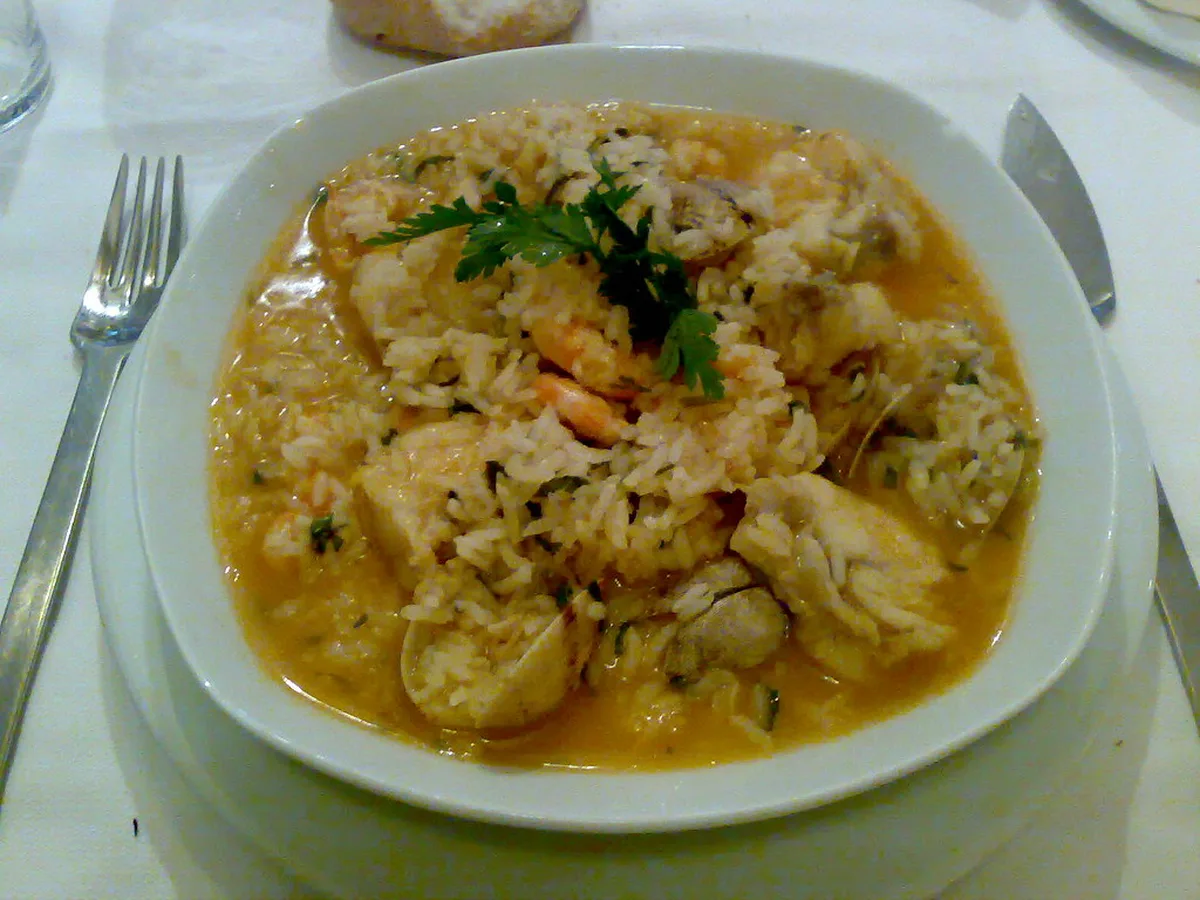
Most premium seafood is priced by weight — check the daily market rates posted at the entrance or on a chalkboard before you order. A full meal for two at Ramiro including shellfish, wine, and dessert typically runs €80–120. If that feels steep, Solar dos Presuntos (Rua das Portas de Santo Antão 150, Baixa) offers an excellent daily grilled fish lunch, with sea bass (robalo) or sea bream (dourada) at €18–24 per plate in a charming old-Lisbon setting. The riverside stretch at Cais do Sodré and Santos also hosts several smaller fish restaurants where a full grilled catch with salad and wine costs €25–50 for two. Peixaria da Esquina (Rua do Conde de Sabugosa 9, Campo de Ourique) is a modern fish restaurant with an open kitchen where the day's catch dictates the menu; grilled mains cost €20–28 and the quality is consistently exceptional.
Do not miss Amêijoas à Bulhão Pato — clams cooked in white wine, garlic, lemon, and cilantro for €12–16 at most cervejarias. This dish is perfect for dipping crusty bread into the deeply fragrant broth. Pair your seafood feast with a crisp Vinho Verde (€4–8 per glass) for a refreshing and authentic experience. The slight effervescence of this young wine cuts through the richness of buttery shellfish perfectly. For octopus lovers, Polvo à Lagareiro (roasted octopus with olive oil and potatoes) is the definitive version — budget €16–22 and look for it at any reputable tasca or cervejaria. The best seafood experiences in Lisbon are often found by venturing slightly beyond the central tourist belt, something also true of the beaches reachable on a day trip — our Lisbon beach guide covers the coastal options where seafood shacks line the shore.
- Iconic Seafood Beer Halls
- Type: Casual Cervejaria
- Best for: Shellfish feasts
- Where: Almirante Reis (Intendente)
- Example: Cervejaria Ramiro
- Cost: €40–80 per person
- Riverside Fish Grills
- Type: Scenic Dining
- Best for: Grilled fish by weight
- Where: Cais do Sodré and Santos waterfront
- Cost: €25–50 for two
- Local Neighbourhood Peixarias
- Type: Family Eatery
- Best for: Authentic atmosphere, value
- Where: Campo de Ourique, Mouraria
- Cost: €15–30 for two
Iconic Pastry Shops and Sweet Local Traditions
No visit to the city is complete without tasting a warm Pastel de Nata dusted with cinnamon and icing sugar. Pastéis de Belém (Rua de Belém 84–92, Belém) is the original bakery, operating since 1837, and still serves thousands of these custard tarts every day. In 2026, a single tart costs €1.40 at the counter. The queue outside looks daunting but moves fast thanks to a highly efficient production line that bakes fresh trays every few minutes — most visitors wait 10–15 minutes at peak times. Buying a box of six (€8.40) is common for those wanting to enjoy them on the nearby riverside esplanade.
For a city-centre alternative without the Belém trek, Manteigaria (Rua do Loreto 2, Chiado) bakes Pastéis de Nata all day in an open kitchen visible from the street. A single tart costs €1.30 here. The quality rivals Belém and the location is far more convenient if you are staying in Bairro Alto or Chiado. Pair your pastry with a bica (strong short espresso, €0.80–1.20) for a truly local afternoon ritual. Most locals stand at the counter and drink quickly before continuing their day — sitting down costs slightly more at many cafes. Santini (Rua do Carmo 9, Chiado) is excellent for artisan Portuguese gelato at €3–5 per cup, perfect for a warm afternoon sweet stop between sightseeing.
Beyond the famous custard tarts, look for Travesseiros and Queijadas de Sintra, which are traditional puff-pastry pillows filled with almonds and egg cream (€1.50–2.00 each). These pastries are particularly celebrated in Sintra — if you are heading out on a Sintra day trip from Lisbon, the pastelarias around the historic town centre are the best place to try them fresh. Many historic cafes in the Baixa and Chiado districts have beautiful azulejo-tiled interiors worth visiting in their own right while you eat. Café A Brasileira (Rua Garrett 120, Chiado), open since 1905, is worth a stop for a bica and a pastry even if prices run slightly higher (€2–3 per tart) in this landmark setting.
Avoid buying pastries from generic souvenir shops in high-traffic tourist zones around Praça do Comércio. The quality is significantly higher at dedicated Pastelarias that bake their goods on-site daily. Look for the sign "Fabrico Próprio" (own manufacture) which confirms the shop makes its products in-house. Freshness is key to achieving the perfect crinkled, semi-caramelised crust that distinguishes a great Pastel de Nata from a mediocre one. Morning visits — between 8:00 AM and 10:30 AM — give you the best shot at trays fresh from the oven.
Lisbon Street Food and Pastéis de Nata Guide 2026
Lisbon's street food scene is one of the most satisfying and affordable in Southern Europe. Eating well on €5 per snack is entirely realistic if you know where to look. The city's most iconic street bites range from custard tarts to bifanas (pork sandwiches) to grilled sardines — each tied to a specific neighbourhood, season, or institution. Here is a practical 2026 guide to the essential stops.

Pastéis de Nata — the essential custard tart trail. As detailed above, Pastéis de Belém (Rua de Belém 84–92, Belém) charges €1.40 per tart and is the pilgrimage stop. Expect a short queue but treat it as part of the experience — the tiled dining rooms inside are spectacular. Manteigaria (Rua do Loreto 2, Chiado) offers a convenient city-centre alternative at €1.30 each, with an open bakery visible through the glass. Both institutions produce a genuinely different recipe: Belém's is richer and slightly more custardy; Manteigaria's is crisper in the pastry shell.
Bifanas — the quintessential Lisbon pork sandwich. A bifana is a thin marinated pork steak served in a crusty roll (papo-seco), often with mustard and piri-piri sauce. Price in 2026: €3–4 at street-facing cafes and market stalls. Tasca do Chico (Rua do Diário de Notícias 39, Bairro Alto) is well known for bifanas alongside its Fado nights. For the most classic experience, the cafes around Praça da Figueira in Baixa serve bifanas from €3 to lunchtime queues of office workers and market traders — the best indicator that the roll, broth, and pork ratio is exactly right.
Grilled sardines — a June festival must. Lisbon's Santo António festival in June transforms Alfama into a giant open-air sardine feast. During festival season (roughly 1–30 June), street grills throughout Alfama and Mouraria serve portions of four to six sardines on bread for €3–6. At sit-down restaurants with sardine menus, expect €10–14 for a full grilled sardine meal with salad and bread. Outside June, grilled sardines are still available year-round at cervejarias and traditional restaurants, though the atmosphere is best in summer when the charcoal smoke fills the entire hillside.
Mercado da Ribeira — Time Out Market. Located on Avenida 24 de Julho at Cais do Sodré, the Time Out Market brings together some of Lisbon's best-known chefs and food stalls under one historic market roof. Main dishes from individual stalls range from €8–15, making it an ideal choice for groups with different appetites or anyone who cannot commit to a single cuisine. Popular stalls include Marlene Vieira's Portuguese seafood counter and A Cevicheria's market outpost. The market is open daily 10:00 AM–midnight, busiest at lunch (12:30–2:00 PM) and early dinner (7:00–9:00 PM). Arrive at off-peak times to secure a seat at the communal wooden tables; the space fills completely during peak hours.
Mouraria and Campo de Ourique: Hidden Dining Gems
Two neighbourhoods consistently overlooked by first-time visitors — Mouraria and Campo de Ourique — offer some of Lisbon's most genuine and affordable dining experiences in 2026. Because neither appears prominently in mainstream tourist itineraries, restaurants here price their menus for residents rather than visitors, and the quality-to-cost ratio is consistently the best in the city.
Mouraria sits at the foot of the São Jorge Castle hill and is one of Lisbon's oldest and most diverse neighbourhoods. The area has a strong North African and South Asian culinary influence layered over traditional Portuguese tascas, making it unique in the city. Tasca do Abel (Calçada de Santo André 11, Mouraria) is a beloved neighbourhood institution serving petiscos and daily specials from €8–13. Zé da Mouraria (Rua João do Outeiro 24) offers cozido à portuguesa — a rich stew of pork, sausage, and vegetables — for €11–14, a dish that takes days to prepare properly and is rarely done this well for under €20 anywhere else. The neighbourhood's small lanes host several international restaurants where South Asian curries and Moroccan-inspired tagines are served for €9–13 per main, reflecting the historic Moorish roots of the district.
Campo de Ourique, on the other hand, is a quiet residential neighbourhood about a 20-minute walk west of Chiado, primarily known to expats and long-term Lisbon residents. The Mercado de Campo de Ourique (Rua Coelho da Rocha 104) is the hidden gem of the food hall scene — smaller and far less crowded than the Time Out Market, with stalls offering fresh fish counters, Portuguese wine bars, and grill stations where a full meal costs €12–18. The surrounding streets have a cluster of neighbourhood bistros and natural wine bars; Taberna da Esquina (Rua Domingos Sequeira 41A) is particularly well regarded for modern Portuguese petiscos at €8–14 per plate in an intimate setting.
Both neighbourhoods reward a slower, more exploratory approach to eating. Skip the set menu and instead order two or three petiscos to share — this is how locals eat here. Wine by the glass from the Alentejo or Dão region costs €3–5 and is selected carefully at the better spots. If you are planning a more leisurely day around these areas, Lisbon's funicular network connects Campo de Ourique to the city centre quickly — the Lisbon funicular and cable car guide covers the routes in detail. Mouraria is easily reached on foot from Baixa or the Rossio metro station in under ten minutes, making it an effortless lunchtime detour from the main sightseeing circuit.
The best time to visit both neighbourhoods for food is on a weekday between 12:30 PM and 2:30 PM, when local workers fill the tascas and the daily specials are freshest. Avoid arriving after 3:00 PM as many spots close for the afternoon break. Evening dining in Mouraria begins around 7:30 PM and the area takes on a lively, social atmosphere as residents return from work. In Campo de Ourique, the Mercado stays open until 11:00 PM on weekdays and midnight on weekends, making it the most flexible option for late arrivals or those returning from a long day of sightseeing around the wider Lisbon area.
How to Choose the Right Dining Neighborhood
Choosing where to eat depends heavily on the specific vibe and energy you want from your evening. Bairro Alto is the perfect place for late-night bites before exploring the Lisbon nightlife, with dozens of small eateries on the narrow streets coming alive after sunset. Expect a younger, international crowd and plenty of music spilling out from the nearby bars. Many restaurants here offer sharing menus in the €15–25 per person range that are designed to be eaten before a big night out.
Alfama offers a more romantic and nostalgic setting, with many restaurants featuring live Fado music in basement or courtyard rooms. Dining here typically involves a fixed price of €30–45 per person for the meal and the musical performance combined — research shows these packages have become more formalised in 2026 with set dinner times at 8:00 PM and 9:30 PM. Reservations are essential for the most famous Fado houses — Clube de Fado (Rua de São João da Praça 92) and Tasca do Chico are both highly regarded — to ensure a good view of the performers and avoid disappointment on busy Friday and Saturday nights.
Baixa is convenient for a quick lunch between sightseeing stops at around €10–16 per head, but it can be very crowded near Rua Augusta and Praça do Comércio. Look for side streets such as Rua dos Correeiros or Rua da Conceição to find better value and more authentic menus aimed at local office workers. Many restaurants in this central area have outdoor terraces that are ideal for people-watching on warm afternoons. Be aware that terrace prices are sometimes slightly higher — usually €1–2 more per dish — than sitting inside the main dining room.
Cais do Sodré has transformed from a historic port district into a major culinary destination. The Time Out Market (Mercado da Ribeira) is located here and offers dozens of high-quality food stalls with main dishes at €8–15 under one roof. This is an excellent choice for groups who cannot agree on a single type of cuisine. Nearby, Rua Nova do Carvalho (the "Pink Street") has also developed a cluster of lively dinner restaurants and wine bars with shared plates at €5–12. Príncipe Real, a ten-minute walk up the hill, rounds out the premium end: boutique wine shops, organic grocery delis, and sit-down restaurants where a relaxed two-course lunch costs €18–28 per head.
Frequently Asked Questions
Do I need to tip at restaurants in Lisbon?
Tipping is not mandatory but is appreciated for good service in Lisbon. Most locals leave around 5–10% in casual restaurants or simply round up the bill. At tascas and cafes, rounding up to the nearest euro is sufficient. In higher-end restaurants charging €45–80 for tasting menus, a 10% tip is more standard and expected by international guests.
What is the best time to eat dinner in Lisbon?
Dinner in Lisbon typically happens later than in northern Europe. Most restaurants open at 7:00 PM, but locals usually arrive around 8:30 PM. Peak hours run from 8:30 PM to 10:30 PM on weekends. If you prefer quieter service and guaranteed seating in 2026, arrive when doors open at 7:00 PM — you will have the full attention of the kitchen and waiting staff before the rush hits.
Is tap water safe to drink in Lisbon restaurants?
Yes, tap water in Lisbon is perfectly safe to drink and meets all EU safety standards. You can ask for a "copo de água da torneira" (glass of tap water) for free or at minimal charge. However, many restaurants will default to selling bottled mineral or sparkling water at €1–2 per bottle. Simply request tap water directly and any reputable establishment will bring it without issue.
What should I know about the appetizers served at the start?
The bread, butter, sardine paste, and olives placed on your table are known as the couvert. These items are not free — they will be added to your final bill if consumed, typically at €2–5 total. You can politely ask the waiter to remove them if you do not want them; no offence will be taken. In 2026 prices for couvert are generally listed at the beginning of the printed menu.
How much does a typical meal cost in Lisbon in 2026?
In 2026, a full lunch prato do dia at a local tasca costs €9–14 including a drink. A mid-range dinner for two with wine at a neighbourhood restaurant runs €40–70. Fine dining tasting menus start at €45 per person and reach €80–180 at Michelin-starred establishments like Belcanto (Chiado) or Alma (Chiado). Street food — Pastéis de Nata (€1.30–1.40), bifanas (€3–4), and market stall dishes (€8–15) — makes Lisbon one of Western Europe's most affordable food cities.
Where can I find the best Pastéis de Nata in Lisbon?
The two most acclaimed spots in 2026 are Pastéis de Belém (Rua de Belém 84–92, €1.40 each) — the original 1837 bakery in Belém, requiring a short queue — and Manteigaria (Rua do Loreto 2, Chiado, €1.30 each), which is the best city-centre option with an open bakery visible from the counter. Both are genuinely excellent; the choice comes down to whether you are making the trip to Belém or staying central. Avoid packaged custard tarts from souvenir shops, which are pre-made and lack the fresh-baked caramelisation that defines the real thing.
Which Lisbon neighbourhoods are best for budget dining in 2026?
Mouraria and Campo de Ourique consistently offer the best value for money in Lisbon. Tascas in Mouraria serve daily specials for €8–13, while the Mercado de Campo de Ourique food hall has stalls where a full meal costs €12–18. Both neighbourhoods are priced for locals rather than tourists. For mid-range dining at €15–25 per head, Bairro Alto and Cais do Sodré offer the widest variety. Avoid eating directly on Rua Augusta or Praça do Comércio where tourist-facing menus can be 30–40% more expensive for the same quality.
Is it safe to eat seafood from street stalls or markets in Lisbon?
Yes, seafood from reputable Lisbon markets and cervejarias is safe and very fresh due to the city's direct Atlantic supply chain. Cervejaria Ramiro (Intendente) and Solar dos Presuntos (Baixa) are two well-established spots with consistently high food safety standards. At the Time Out Market, all vendors are vetted. For grilled sardines from street stalls during the June Santo António festival, stalls in Alfama and Mouraria are operated by local residents and associations — the sardines are fresh-caught and grilled to order, making them perfectly safe and delicious at €3–6 per portion.
Lisbon in 2026 offers a culinary journey that balances deep traditions with modern creativity and fresh ingredients at prices that remain among the best in Western Europe. Whether you choose a humble tasca serving a €12 prato do dia or a Michelin-starred venue with a €65 tasting menu, the quality of food is consistently impressive. The city's affordability makes it one of the best destinations in Europe for dedicated food travellers. Exploring different neighbourhoods — from Alfama's Fado houses to Príncipe Real's wine bars — will reveal hidden gems that many tourists overlook.
Remember to embrace the local pace of dining and enjoy the social atmosphere of each meal. Trying new dishes like Bacalhau à Brás or Polvo à Lagareiro will broaden your appreciation for Portuguese culinary culture. Keep this guide handy as you wander through the historic streets and vibrant modern districts. Your taste buds will thank you for discovering the incredible variety of flavours found in this remarkable coastal capital in 2026.
Plan your visits to popular spots like Cervejaria Ramiro and Pastéis de Belém in advance or arrive early to avoid long waits during peak summer season. Do not be afraid to step away from the main squares to find the most authentic and affordable experiences. Lisbon's restaurant scene is constantly evolving, so there is always something new to taste. Enjoy every bite of your adventure in one of the world's most delicious and welcoming food cities.