Exploring Portugal: The Best Lisbon 3-Day Itinerary
Day 1: São Jorge Castle (€15) and Alfama. Day 2: Jerónimos Monastery (€10) and Belém Tower (€8). Day 3: LX Factory and Estrela. Mid-range daily budget €100–€150, including tram 28 (€3) and metro day pass (€6.80).
The Lisboa Card (24h €22, 72h €45) covers unlimited tram 28 and metro rides plus free museum entry, saving at least €33 on entries alone across 3 days — the single best-value purchase for this itinerary.
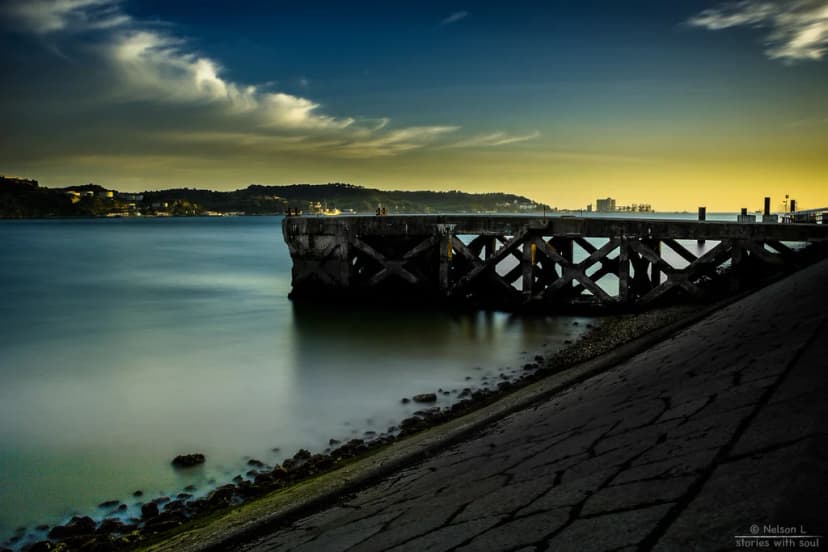
Lisbon is a city of seven hills and endless golden sunlight reflecting off the Tagus River. This Lisbon 3-day itinerary helps you navigate the winding streets of Alfama and the grand plazas of Baixa. You will discover how to maximise your time in this historic yet modern European capital.
Exploring the city requires a balance of iconic landmarks and quiet moments in local cafes. Walking these steep streets offers incredible views but demands a good pair of comfortable shoes. Most visitors find that three days provides just enough time to see the major highlights without rushing.
Your journey will take you from medieval castle walls to the site of the 1755 great earthquake to trendy industrial art spaces. Finding the best spots for traditional music and fresh seafood makes the experience truly authentic. Local insights in this guide ensure you avoid the busiest crowds and find the best value.
Day 1: Stepping Into History in Alfama and Baixa
Start your morning at the São Jorge Castle to enjoy panoramic views over the terracotta rooftops of Lisbon. In 2026 entry tickets cost €15 for adults and €7.50 for children under 14, making it one of the pricier but most rewarding stops on a first day. The ticket office opens at 9:00 AM and the site closes at 22:00 (summer hours) or 21:00 (winter hours). Booking online through the official Lisbon castle website saves you up to 20 minutes of queuing. The fortress walls provide a perfect vantage point for photographing the Ponte 25 de Abril bridge and the Tagus River below. Budget around 90 minutes here: about 45 minutes exploring the towers and walls, and another 45 minutes enjoying the café terrace with a €3 coffee and views.

Wander down into the Alfama district after the castle to lose yourself in the city's oldest and most charming neighbourhood. Narrow alleys and colourful laundry hanging from balconies create a scene that feels frozen in time. The Feira da Ladra flea market (Tuesday and Saturday mornings) operates near Campo de Santa Clara if your timing aligns — vendors sell antique tiles, vintage clothing, and ceramics from around €2 upwards. Many travellers enjoy taking the Lisbon funicular and cable car guide to reach the highest peaks without the steep climb. The Elevador da Bica, for example, runs from 7:00 AM to 9:00 PM and costs €3 per single journey. Stop at a small bakery for a bica (espresso, €0.80–€1.20) and a pastel de nata (€1.40–€1.80) while watching locals start their day.
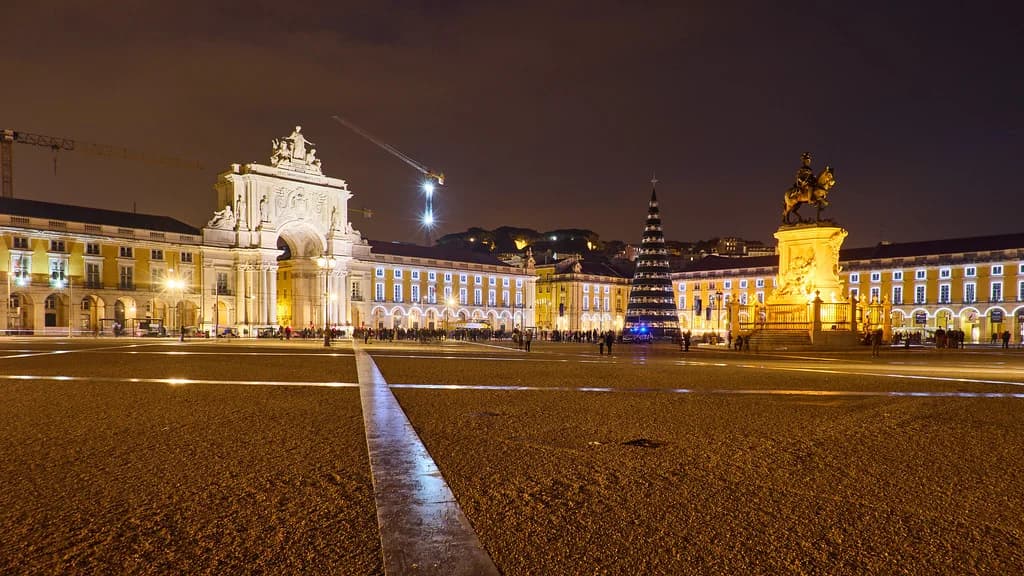
Head toward the Baixa district in the afternoon to see the grand neoclassical architecture of the city centre. The Praça do Comércio opens up to the river and serves as a magnificent gateway to the city. Walking through the Rua Augusta arch (€3 to climb to the top, open 9:00 AM–9:00 PM) offers a great view of the bustling pedestrian shopping streets. The Rua Augusta itself is lined with pharmacies, shoe shops, and pastelarias — good spots to pick up a bottle of local Ginjinha cherry liqueur for €5–€8. This area is flat and easy to navigate compared to the hilly neighbourhoods you visited earlier, making it a welcome rest for tired legs. Consider pairing this district with a visit to a recommended Lisbon restaurant for a traditional lunch of bacalhau à brás (shredded salted cod with eggs) for €12–€16.
End your first day at one of the many scenic viewpoints known locally as miradouros. Miradouro da Senhora do Monte offers one of the most romantic sunset spots in the entire city; the walk up takes about 15 minutes from Alfama. Miradouro das Portas do Sol and Miradouro de Santa Luzia are closer alternatives if energy is running low. Street performers often play acoustic guitar as the sky turns shades of pink and orange around 8:30 PM in summer. Small kiosks at most viewpoints sell cold beer (€2.50–€3.50), local wine (€3–€4 per glass), and bifanas (pork sandwiches, €3–€4) — perfect for a relaxed alfresco dinner with views you will remember long after the trip.
Day 2: Belém and the Age of Discovery
Take the modern 15E tram from the city centre (Praça da Figueira stop) to reach the historic district of Belém. The journey takes about 25–30 minutes and costs €3 per single journey if you pay on the validator with a reloadable Viva Viagem card, or €3 with a contactless bank card. Do not attempt to buy a paper single ticket on board — drivers no longer sell them from 2025 onwards. Arriving before 9:30 AM helps you beat the long queues that form at the most popular maritime monuments by mid-morning, especially in summer when daily visitor numbers can exceed 3,000.
The Jerónimos Monastery stands as a masterpiece of Manueline architecture and a UNESCO World Heritage site. In 2026 entry to the church nave is free, but visiting the ornate cloisters — the highlight of any visit — costs €10 for adults. Children under 12 enter the cloisters free of charge. Booking tickets online through the DGPC (Portuguese national monuments authority) website at least 48 hours in advance is strongly recommended during peak season (June–September). Spending two hours here allows you to appreciate the intricate stone carvings depicting twisted ropes, armillary spheres, and sea creatures that cover every surface. The monastery is located at Praça do Império, and the nearest public toilet (€0.50) is beside the main entrance.
Walk five minutes toward the river to see the Belém Tower, the 16th-century fortified lighthouse that once marked the entrance to Lisbon's harbour. Entry in 2026 costs €8 for adults and €4 for students with valid ID, and the tower is open Tuesday–Sunday 10:00 AM–6:30 PM (last entry 6:00 PM). The narrow stone staircase inside requires single-file traffic, so expect a brief queue during busy periods. Just 400 metres to the east, the Padrão dos Descobrimentos (Monument to the Discoveries) celebrates the Portuguese navigators who sailed to Africa, Asia, and the Americas in the 15th century. The roof-terrace observatory costs €5 and provides a clear aerial view of the giant stone map embedded in the riverfront plaza below — an ideal photo opportunity.
No visit to this area is complete without eating a warm pastry from the original factory, Pastéis de Belém, located at Rua de Belém 84–92, a three-minute walk from the monastery. The café has been serving these custard tarts since 1837 using a secret recipe that has never been publicly revealed. In 2026 a single tart costs €1.40 eaten at the counter or €1.60 at a table; a box of six to eat in the Jardim do Ultramar park nearby costs €8.40. The sprinkle of cinnamon and powdered sugar applied fresh at the table adds the perfect finish. Expect to queue 10–20 minutes for a table on weekends; the counter service is faster. The nearby Jardim do Ultramar (free entry) is a calm botanical garden where you can sit on a bench and enjoy your tarts before heading back to the city. If you still have energy after Belém, the beaches near Lisbon are reachable by train from Belém station for a late-afternoon dip in the Atlantic.
Day 3: Modern Vibes and Local Life
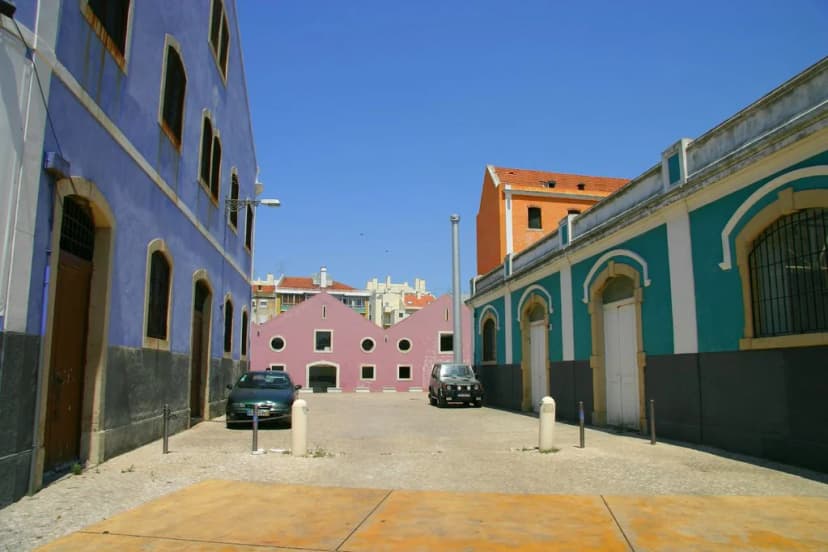
Begin your final morning at the LX Factory, a creative hub built inside a 19th-century industrial textile complex in the Alcântara district. The complex is free to enter and open daily, but the famous Sunday market (10:00 AM–6:00 PM) draws the biggest crowds with over 80 independent vendors selling handmade jewellery, vintage vinyl, artisan cheeses, and street food. On weekdays the complex is quieter and ideal for exploring the permanent boutiques and studios at your own pace. Expect to spend €8–€15 on brunch at one of the on-site cafes — grab a seat at the Fábrica Coffee Roasters (flat white €3.20) before the mid-morning rush. The Ler Devagar bookstore inside LX Factory is one of Lisbon's most Instagrammed spaces: a soaring three-floor warehouse stuffed with books, with a vintage bicycle suspended mid-air from the ceiling.
Explore the Estrela neighbourhood after LX Factory by catching bus 713 (€1.80 with Viva Viagem card) from the Alcântara-Mar stop. The Basílica da Estrela, completed in 1790, stands at the top of the hill with its distinctive white limestone dome visible from kilometres away. Entry to the church is free; a guided tour of the dome terrace costs €5 and runs hourly from 10:00 AM to 5:00 PM. The Jardim da Estrela across the street is Lisbon's best family-friendly park, with duck ponds, an ornate Victorian bandstand, and mature trees providing shade even on hot summer days. Bring a picnic from the neighbourhood's independent delis — a loaf of Alentejo bread (€1.50), a wedge of Azeitão cheese (€3–€4), and a small bottle of local wine (€3–€5) from Garrafeira Alfaiate on Rua de São Bento makes a memorable lunch under the trees.
Prepare for an exciting night by exploring the Lisbon nightlife guide for the best bars and clubs across different neighbourhoods. Bairro Alto transforms from a sleepy residential area into a sprawling open-air party zone after 10:00 PM, with dozens of small bars spilling onto the cobblestone streets. Beer in Bairro Alto typically costs €2.50–€3.50 for a half-litre imperial; cocktails range from €8 to €12 at the trendier venues along Rua do Norte and Rua da Atalaia. If you prefer something quieter, the bars around Príncipe Real — a 10-minute walk from Bairro Alto — attract a more local crowd with craft beer (€4–€6) and natural Portuguese wine. The evening then naturally leads into Alfama for fado — see the dedicated section below for restaurant recommendations and booking details.
Lisbon Day 3 Evening: Fado in Alfama
Fado is the heart and soul of Lisbon, and Alfama is the neighbourhood that gave the genre its most authentic setting. A proper fado evening on Day 3 transforms the trip from a sightseeing visit into something genuinely moving. The raw emotion — saudade, a Portuguese word describing a longing for something beautiful that has passed — fills the room in these small, dimly lit venues in a way that no recording can replicate.
Before the show, spend 45 minutes wandering the streets of Alfama as dusk falls. Rua do Chapeleiro, a narrow laneway near the Sé Cathedral, is particularly atmospheric in the early evening when the day-trippers have gone and only locals and fado-goers remain. The tiled walls catch the last of the golden light, and the smell of grilled sardines drifts from kitchen windows. Take tram 28 from Praça do Comércio in Baixa directly to the Alfama / São Tomé stop — the ride costs €3 per single and takes about 12 minutes. The tram runs until approximately midnight, ensuring you can get back after the show.
Three authentic fado venues stand out in 2026 for quality and atmosphere:
- Tasca do Chico (Rua do Diário de Notícias 39, Bairro Alto — also hosts fado nights) — one of Lisbon's most celebrated intimate venues, with only 30 seats. A dinner-and-show package in 2026 costs approximately €45–€55 per person, including three courses and house wine. Show-only entry (standing, if space allows) starts from €20 per person. Booking at least one week ahead is essential; reservations fill within hours of opening.
- Sr. Fado (Rua dos Remédios 176, Alfama) — a 50-seat neighbourhood taverna that has hosted nightly fado since 1994. The dinner-and-show menu costs €38–€50 per person with a set three-course menu; a show-only ticket with a mandatory minimum drink spend of €25 is available if you have already eaten. The performances typically run from 8:30 PM to midnight with multiple fadistas taking turns. Reserve at least 10 days ahead in high season.
- Mesa de Frades (Rua dos Remédios 139A, Alfama) — the most theatrical of the three, housed in a former 18th-century chapel with azulejo tile panels covering the walls. The dinner-and-show experience costs €55–€70 per person including a generous four-course meal and drinks. Show-only entry costs €30 with one drink included. Considered one of the finest fado experiences in the city; arrive 15 minutes before your reservation as late arrivals may lose their seats.
Practical tips for booking fado in 2026: call or email each venue directly — most do not use third-party booking platforms, and direct reservations often come with a complimentary glass of ginjinha on arrival. If you cannot secure a reservation at one of the above venues, the tourist fado houses along Rua de São João da Praça (near the Sé) offer walk-in seating with dinner-and-show packages from €35 per person. These are reliable but lack the intimacy of the three recommended venues. Dress code is smart casual; most venues require closed shoes. The show typically begins around 9:00 PM and runs until 11:30 PM, leaving time to catch the last tram 28 back to Baixa.
Bonus: Day Trips from Lisbon to Sintra, Cascais, and Beyond
If you have an extra half-day or a flexible schedule, Lisbon is ideally positioned as a base for some of Portugal's most rewarding day trips. The region around the capital packs in fairy-tale palaces, dramatic Atlantic coastline, and charming fishing towns — all reachable within 40–60 minutes by public transport. The key advantage of day-tripping rather than overnight-staying is that Lisbon hotels offer far more choice and value than accommodation in the smaller towns.

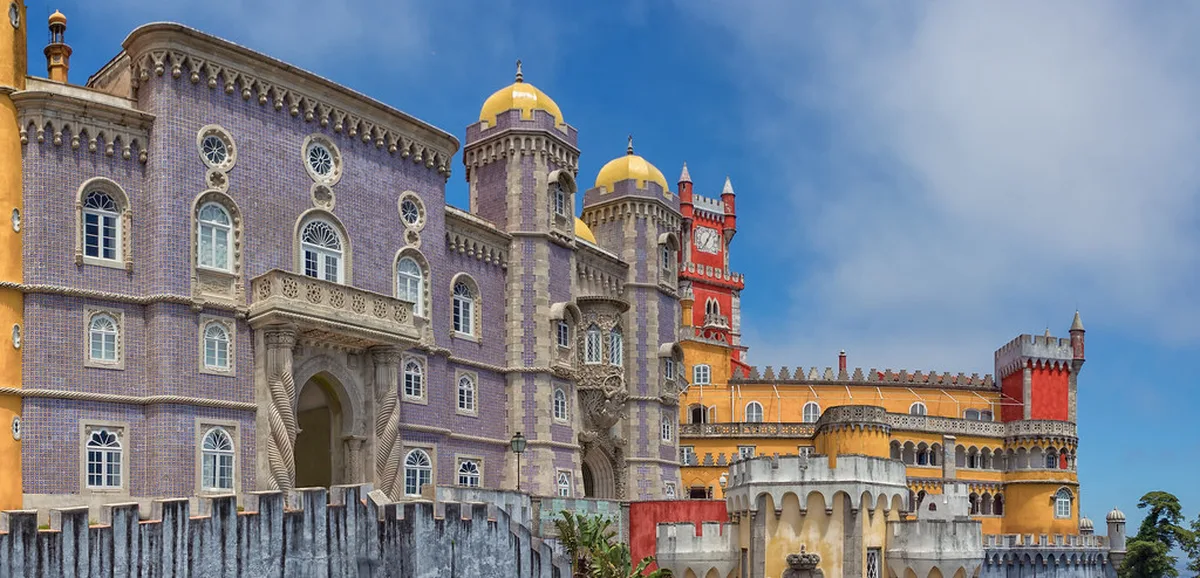
Sintra is the most popular excursion from Lisbon and for good reason. The hilltop town is a UNESCO World Heritage site ringed by palaces, quintas, and Moorish ruins hidden among dense subtropical forest. Trains depart from Lisbon's Rossio Station every 20–30 minutes; the return ticket costs €4.80 and the journey takes 40 minutes. The Pena Palace, perched above the cloud line on the Serra de Sintra, charges €14 for adults to enter the grounds and palace interior; the park alone costs €8. Queues at the palace gate can exceed 90 minutes in summer — buying timed-entry tickets online 3–7 days ahead is essential from June through September. For a complete guide to the monuments, trails, and transport tips, read our Sintra day trip from Lisbon guide.
Cascais is a more relaxed alternative — a former royal fishing village with a wide sandy bay, a pedestrianised old town, and excellent seafood restaurants. The Cascais Line train from Lisbon's Cais do Sodré station takes 33–40 minutes and costs €2.35 per single (Viva Viagem card). The town itself is flat, easy to walk, and far less crowded than Sintra except in August. The Citadela fortress and the Paula Rego Museum (€5 entry) are the cultural highlights; the Praia de Cascais beach is free and backed by cafes charging €2.80 for a coffee. Our Cascais beach guide covers the best stretches of sand and which ones suit families, surfers, or those seeking quieter coves.
For travellers with a full extra day, the walled medieval city of Évora in the Alentejo region is accessible by Alfa Pendular train from Oriente Station (1 hour 30 minutes, €15–€22 return). The Roman Temple of Évora, the Cathedral, and the eerie Chapel of Bones — built from the skulls and femurs of 5,000 monks — are all within a 20-minute walk of each other inside the historic walls. A two-course lunch with wine at a traditional Alentejo restaurant in the old town costs €12–€18 per person. See the full list of day trips from Lisbon for distances, transport options, and timing recommendations across all nearby destinations.
Essential Logistics for Your Lisbon 3-Day Itinerary
Getting around Lisbon without a car is straightforward in 2026 thanks to an integrated network of trams, buses, metro, and funiculars all covered by the Viva Viagem card. Purchase the reloadable card for a one-time €0.50 fee at any metro station or airport ticket machine. A metro day pass costs €6.80 and covers unlimited metro rides across all four lines; this is the best value option if you plan more than three metro journeys in a single day. Individual tram and bus rides cost €1.80 per trip using the Viva Viagem card — significantly cheaper than the €3 charged if you pay at the door with cash or card. The Lisbon Airport (Aeroporto) metro station is on the Red Line; a single journey into Baixa-Chiado takes around 20 minutes and costs €1.80 with the Viva Viagem card.
For travellers who want unlimited public transport plus free museum access, the Lisboa Card is worth considering. In 2026 the 24-hour card costs €22, the 48-hour card costs €37, and the 72-hour card costs €45. It includes unlimited rides on all public transport (including tram 28), free entry to the Jerónimos Monastery (saving €10), free entry to the Belém Tower (saving €8), and discounted or free entry to 30+ other museums and monuments. Purchase it at the airport tourist desk, the Lisboa Welcome Centre on Praça do Comércio, or online before you travel. For a 3-day visit following this itinerary, the 72-hour card breaks even after just three major museum visits and a day of tram use. Full details and purchase tips are in our dedicated Lisbon City Pass guide.
- Buying the official Lisbon Card (2026 prices)
- 24h: €22 / 48h: €37 / 72h: €45
- Benefit: free transport, Jerónimos (€10 saving), Belém Tower (€8 saving)
- Purchase: airport kiosk, Lisboa Welcome Centre, or online
- Using tram 28
- Cost: €3 per ride (cash/card at door) or €1.80 with Viva Viagem card
- Route: Martim Moniz → Alfama → Estrela
- Hours: approx. 7:00 AM to midnight
- Tip: board at the terminus (Martim Moniz) for a guaranteed seat
- Warning: watch for pickpockets in crowded sections between Alfama and Baixa
- Metro day pass: €6.80 (all lines, all day)
- 15E tram to Belém: €3 per single (cash/card), €1.80 with Viva Viagem
Driving in the city centre is very stressful due to narrow one-way streets and severely limited parking. Public transportation is faster and much cheaper than attempting to rent a car for a 3-day stay. The metro system is clean, air-conditioned, and easy to navigate using English-language signage at every station. If you do arrive with a rental car, consult a dedicated parking in Lisbon guide to identify the closest secure car parks to your hotel before arrival, as street parking in the historic districts is largely prohibited or restricted to resident permit holders.
Avoiding Common Mistakes in Lisbon
The beautiful stone sidewalks known as Calçada Portuguesa are famously slippery when wet or worn smooth by thousands of daily footsteps. Avoid wearing high heels, leather-soled shoes, or any smooth-bottomed footwear while exploring the steep hills and cobbled lanes of the city. Rubber-soled trainers or walking shoes with good grip will make your tours significantly safer and more comfortable. Many tourists regret packing heavy rolling suitcases, which become almost impossible to manage across the cobblestones of Alfama — a lightweight backpack or soft duffel is far more practical.
Restaurants across Lisbon commonly place bread, olives, cheese, and cured meats on your table immediately after you sit down, without being asked. These couvert items are not free gifts — you will be charged €1.50–€4 per person for whatever you choose to eat. If you do not want them, simply tell the waiter "não queremos o couvert, obrigado" (we don't want the couvert, thank you) and they will remove the items at no charge. This is a legal practice in Portugal and not a scam, but knowing the rule in advance prevents a surprising addition to your bill. Budget restaurants near tourist hotspots like Alfama and Baixa sometimes charge as much as €8 per person for the couvert basket, so always ask the price if you are unsure.
Safety is generally high in Lisbon, but crowded tourist areas — especially tram 28, the Miradouro da Graça viewpoint, and the Baixa shopping streets — require extra caution. Pickpockets target tourists carrying bags on their backs or phones in rear pockets. Keep valuables in a front-facing cross-body bag or a money belt under your clothing. The most common scam involves someone "accidentally" bumping into you while an accomplice reaches into your bag or pocket. For a full breakdown of which areas to stay alert in and which are genuinely safe at night, read our dedicated guide on is Lisbon safe for tourists. Most visits are entirely trouble-free, but following basic precautions keeps the risk minimal throughout your trip.
Frequently Asked Questions
Is 3 days enough time to see Lisbon?
Three days is enough time to cover Lisbon's main highlights: São Jorge Castle (€15), Alfama, the Belém monuments, LX Factory, and an evening of live fado. You can visit Jerónimos Monastery (€10) and Belém Tower (€8) on Day 2, explore the historic neighbourhoods on Days 1 and 3, and still have time for leisurely meals and viewpoint sunsets. If you want to add a day trip to Sintra (40 minutes by train from Rossio station, day-return ticket €4.80), a fourth day is worthwhile.
What is the best month for a Lisbon 3-day itinerary?
May and September offer the best balance of warm weather (20–25°C), manageable crowds, and lower hotel prices compared to July and August. Spring (March–May) brings blooming jacaranda trees and comfortable walking temperatures. Winter (November–February) is mild (10–15°C) and very affordable but brings occasional rain; most monuments stay open year-round so a winter visit is entirely feasible on a tighter budget.
How much does a 3-day trip to Lisbon cost in 2026?
A mid-range traveller following this itinerary should budget €100–€150 per day in 2026. Key costs: Jerónimos cloisters €10, Belém Tower €8, São Jorge Castle €15, metro day pass €6.80, tram €3 per ride, Lisboa Card 24h €22. Budget travellers staying in a hostel (€25–€40/night) and eating at local tascas (€9–€14 per meal) can manage on €70–€90 per day. A fado dinner-and-show evening adds €38–€70 depending on venue. Total for 3 nights accommodation + activities + meals: roughly €350–€600 per person.
Do I need a car for this itinerary?
No car is needed for this Lisbon 3-day itinerary. The city has an excellent public transport network: tram 28 (€3) connects Alfama to Estrela, the 15E tram (€3) runs to Belém, and the metro day pass (€6.80) covers all four lines. Driving in the old districts is actively discouraged — streets are narrow, one-way, and parking is scarce and expensive. A Viva Viagem card (€0.50 to purchase) loaded with credit is the smartest transport tool for a short visit.
How do I book fado restaurants in Lisbon in 2026?
Book fado restaurants directly by phone or email at least one week ahead, and two weeks ahead in summer (June–September). The top three venues — Tasca do Chico, Sr. Fado, and Mesa de Frades — do not use third-party platforms and fill up quickly. Dinner-and-show packages cost €35–€70 per person depending on venue; show-only tickets (€20–€30) are available at some venues if you email in advance. Reach Alfama by tram 28 from Baixa (€3, approx. 12 minutes).
Is the Lisboa Card worth buying for a 3-day visit in 2026?
The 72-hour Lisboa Card costs €45 in 2026 and pays for itself quickly. It covers unlimited tram 28 and metro rides, free entry to Jerónimos Monastery cloisters (€10), free entry to Belém Tower (€8), free entry to São Jorge Castle (€15), and discounts at 30+ other sites. Following this 3-day itinerary, the card saves approximately €33 on museum entries alone before a single tram ride is counted. Purchase it at the airport, online, or at the Lisboa Welcome Centre on Praça do Comércio.
Can I do a day trip to Sintra or Cascais during my 3 days in Lisbon?
Yes — both Sintra and Cascais are easy half-day or full-day excursions from Lisbon. Sintra is 40 minutes by train from Rossio Station (return ticket €4.80); the Pena Palace costs €14 for adults. Cascais is 33–40 minutes from Cais do Sodré station (€2.35 per single). If your schedule is tight, visit one or the other rather than squeezing both into the same day — each destination deserves at least 4–5 hours. Sintra suits history and palace enthusiasts; Cascais suits beach lovers and relaxed coastal dining.
What are the best beaches near Lisbon for a quick escape?
The closest Atlantic beaches to Lisbon are on the Setúbal Peninsula (Costa da Caparica) and the Cascais coastline. Costa da Caparica is reachable in 40–50 minutes by bus from Praça de Espanha (€3.65 return with Viva Viagem); the beach stretches 30 km and is popular with Lisbon locals on summer weekends. Cascais beaches (Praia de Cascais, Praia da Rainha) are reached by Cascais Line train in 33–40 minutes from Cais do Sodré for €2.35. Both are free to access; expect beach chair hire at €4–€6 per day in peak season.
Following this Lisbon 3-day itinerary ensures you see the best of what the city offers in 2026. The mix of historic landmarks, modern culture, and authentic live fado creates a truly memorable travel experience. You will leave with a deep appreciation for the unique soul of the Portuguese capital.
Remember to take your time and enjoy a slow coffee in a sunny plaza. Lisbon is best experienced when you allow yourself to wander off the main path and let the neighbourhood lead you. The city's magic is often found in the small details of the tiled walls, the sound of fado drifting from a doorway, and the golden light on the Tagus at sunset.