Is Lisbon Safe for Tourists? A Complete 2026 Safety Guide
Lisbon is safe for tourists in 2026. In an emergency dial 112 (police/ambulance/fire) or PSP direct line 21 765 4242. Petty theft — not violent crime — is the primary risk; pickpocketing on Tram 28 accounts for most reported tourist incidents.
Portugal Crime Index data ranks Lisbon among the ten safest EU capitals. Solo travellers including women report feeling comfortable throughout the city. INEM ambulance response averages 8 minutes in central Lisbon. A 24-hour Zapping transport card costs EUR 2.00 to activate.
Lisbon is widely considered one of the safest capital cities for tourists in Europe in 2026. Violent crime remains very low compared to other major cities across the world, and the UK Foreign Commonwealth & Development Office (FCDO) advises travellers to exercise normal precautions throughout Portugal. Travellers should mostly watch out for petty theft — predominantly pickpocketing — in crowded tourist spots and public transport hubs. According to the FCDO's 2026 travel advisory, crime types visitors are most likely to encounter include bag-snatching, opportunistic phone theft, and occasional distraction-based scams. Staying alert helps ensure a smooth experience while exploring the beautiful streets of Portugal.
The city maintains a welcoming atmosphere that makes visitors feel comfortable during the day and at night. Most residents are friendly and helpful toward foreigners who need directions or assistance. Understanding local safety nuances — particularly which neighbourhoods demand extra vigilance and at what hours — will help you navigate the historic districts with total confidence. This guide covers everything you need to know about staying safe while enjoying your 2026 visit. If you are planning your trip, check our Lisbon 3-day itinerary for a structured way to explore the city safely and efficiently.
Understanding Petty Theft and Pickpocketing
Pickpocketing is the most frequent issue for visitors in Lisbon's historic districts. Crowded trams — most infamously the number 28, which winds through Alfama and Graça — attract opportunistic thieves during peak travel hours between 10 AM and 7 PM. Keep your bag in front of you and stay aware of your surroundings at all times. These small habits prevent the vast majority of common theft attempts during your stay.
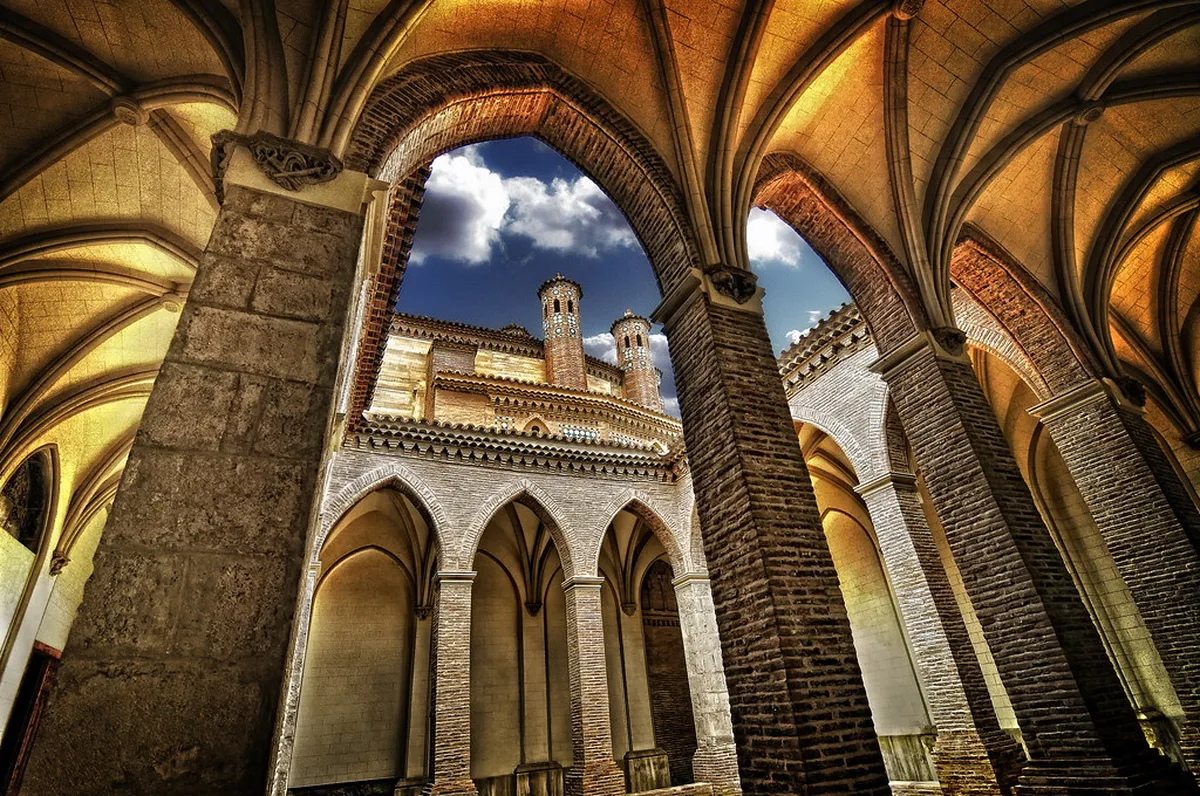
Baixa and Alfama are beautiful but require extra vigilance due to their narrow, winding streets and dense tourist crowds. Scammers sometimes approach visitors offering drugs, which are usually just herbs or fake substances sold at inflated prices — simply say no and keep walking to avoid any further interaction. Rossio Square and Praça do Comércio are prime locations for distraction-based pickpocketing teams: a common tactic involves one person bumping into you or asking for directions while an accomplice reaches for your valuables. Being aware of this pattern removes the element of surprise entirely.
Busy squares like Rossio often have street performers seeking attention from passing tourists. While most are entirely harmless, large audiences create ideal cover for pickpockets working in small coordinated teams. Secure your smartphone in an inner pocket or zipped compartment rather than a loose back pocket or open bag. A cross-body bag worn across the chest — ideally one with a zip rather than a clasp — provides a strong deterrent against quick grabs in crowded areas.
The Belém district, while quieter, sees elevated theft around the Tower of Belém and the Jerónimos Monastery when tourist coaches arrive in the morning. Similarly, the Santa Justa Lift queue is a known hotspot because people are stationary and distracted for long periods. Pickpockets have been known to work the queue itself, not just the lift platform. Keep valuables secured before you join any attraction queue in 2026.
Check your belongings immediately after getting off public transport or leaving a busy shop. Many incidents occur during the transition between locations when people are most distracted. If you lose something, the local PSP (Polícia de Segurança Pública) can provide an official police report for your travel insurance claim — ask your accommodation reception for the nearest station, or call the PSP direct line on 21 765 4242. According to official PSP data cited by the FCDO advisory, the overall number of theft incidents in Lisbon's tourist zones has remained stable through 2025–2026, meaning the risk has not increased but awareness remains essential.
Budget tip: travel insurance policies in Portugal typically require a police report filed within 24 hours for any theft claim. Policies covering electronics start from around EUR 30 for a two-week trip. The relatively low cost is well worth the peace of mind, particularly if you are carrying a camera or laptop.
- High-Risk Theft Locations
- Tram 28: Peak tourist route through Alfama
- Rossio Square: Crowded central hub with distraction teams
- Belém Tower: Busy monument with coach tour arrivals
- Santa Justa Lift: Long stationary queues
- Praça do Comércio: Waterfront crowds at weekends
Safety Tips for Lisbon Nightlife and Solo Travel
Lisbon has a vibrant social scene that is generally safe for solo explorers and groups alike. Areas like Bairro Alto and Cais do Sodré stay busy until the early morning hours on weekends, with police patrols maintaining a visible presence along the main strips. You can find more details in our Lisbon nightlife guide to plan your evenings safely. Stick to well-lit streets when moving between different bars or clubs in these districts.
Solo female travellers consistently rate Lisbon as one of the most comfortable European capitals for independent exploration in 2026. Standard precautions remain important: watch your drink in bars, use licensed taxi companies or reputable ride-sharing apps such as Uber or Bolt, and avoid walking alone in deserted alleys after bars close around 2 AM or 3 AM. Most nightlife districts have a consistent police presence, particularly on Friday and Saturday nights in Bairro Alto and Pink Street. If you feel uncomfortable, ducking into any busy bar or restaurant to regroup is always a sensible option.
Pink Street (Rua Nova do Carvalho) is famous for its distinctive painted surface and lively bar scene, but it can get extremely crowded on busy weekend nights after midnight. Watch your phone carefully while taking pictures, as thieves actively target distracted tourists in these spots. Staying within the crowd is safer than drifting into the quieter side streets that branch off from the main drag. The street itself is relatively secure; it is the unlit alleys running parallel that carry more risk in the early hours.
Cais do Sodré, which runs along the river, transforms into a nightlife hub after 10 PM. The bars here are concentrated and well-policed, making the strip itself safe. However, the ten-minute walk back toward central Baixa can feel isolated after 3 AM when foot traffic thins considerably. A short Uber ride from Cais do Sodré to Chiado typically costs EUR 4–7 and is the recommended option for late-night returns rather than walking.
Public transport runs later on weekends — the Metro operates until 2 AM on Friday and Saturday nights — but ride-sharing apps offer more direct routes and door-to-door safety. These services provide tracked rides, which offers peace of mind for solo travellers. Always verify the car make, licence plate, and driver photo before entering any vehicle. A short ride from most nightlife areas back to the hotel district costs EUR 5–12 depending on distance and time of night.
LGBTQplus travellers will find Lisbon among the most welcoming capitals in southern Europe. Portugal's anti-discrimination laws are robust, and incidents targeting LGBTQplus visitors are rare. The area around Príncipe Real — just above Bairro Alto — is particularly inclusive and has several dedicated venues that maintain a safe, monitored environment throughout the evening.
Navigating Public Transport and Funiculars Safely
The Lisbon Metro is clean, efficient, and considered very safe for daily commutes and sightseeing trips in 2026. All stations have security cameras, intercom systems, and staff available during operating hours from 6:30 AM to 1:00 AM (2 AM on weekends). Be mindful of your wallet when standing on crowded platforms during morning rush hours between 8 AM and 9:30 AM and again in the early evening. The Metro is usually the fastest and most secure way to reach major attractions across the city.

Historic funiculars — the Glória, Bica, and Lavra — offer a unique way to climb the city's steep hills without exhausting yourself on cobblestones. These rides are extremely popular with tourists, which means they can become packed during midday hours. Consult our Lisbon funicular and cable car guide to learn about the best routes, operating times, and safety. Keep one hand on your bag or pocket while boarding and disembarking these vintage wooden carriages, as the tight spaces and movement make them opportune moments for theft.
Buses and trams are reliable but are known targets for professional pickpocketing groups. These teams typically work in pairs or threes: one creates a distraction — often blocking the door or asking a question — while another reaches for a wallet or phone. Try to sit down if a seat is available, keep your bag on your lap, and avoid placing your phone on visible surfaces. On the 28E tram specifically, the stretch between Graça and Alfama is the most targeted section due to tourist density. Single-journey tickets currently cost EUR 2.00 on trams when bought onboard; a 24-hour Zapping card (EUR 2.00 to load plus credit) makes repeat trips cheaper and avoids fumbling with cash at the door.
Walking remains the best way to absorb Lisbon's atmosphere, but the historic cobblestone streets (calçada portuguesa) can be extremely slippery after rain. Wear shoes with rubber soles and a firm grip rather than smooth-soled footwear. Many streets in Alfama and Mouraria lack proper pavements, so pedestrians share the road with cars and the occasional tram. Always use designated pedestrian crossings — even when traffic appears light — because drivers do not always yield at informal crossings in the older districts.
Taxis in Lisbon are regulated and generally reliable. Official cabs are beige (or sometimes black and green for older Mercedes models) and carry a taximeter. Agree on the fare or confirm the meter is running before departure to avoid overcharging disputes. From the airport to central Lisbon, expect to pay EUR 15–20 by meter; unofficial drivers at arrival halls sometimes charge two to three times this amount. Use the official taxi rank or a ride-hailing app to guarantee metered pricing. For day trips beyond the city, see our day trips from Lisbon guide which covers safe transport options to Sintra, Cascais, and Évora.
Safe Neighbourhoods and Driving in the City
Choosing the right base can significantly impact your sense of security and comfort in Lisbon. Chiado and Avenida da Liberdade are upscale areas with high foot traffic, strong street lighting, and very low crime rates throughout the day and evening. These neighbourhoods offer easy access to major sites and are well-served by Metro and bus links. Both are excellent choices for first-time visitors who want maximum convenience and safety combined.
Príncipe Real sits just above Chiado and is characterised by elegant townhouses, antique shops, and a relaxed weekend market. It is uniformly considered safe at all hours and has a notably low incident rate even by Lisbon standards. Hotels here tend to be boutique-style and cost EUR 90–180 per night, representing a reasonable premium for the peace of mind and quality of surroundings.
Driving in Lisbon presents more navigational than safety challenges for most international visitors. The narrow one-way streets, aggressive local driving style, and scarce parking can be stressful for newcomers. If you arrive by car, read our tips on parking in Lisbon to avoid fines or vehicle break-ins. Never leave valuables inside a parked vehicle — bags, cameras, and sat-nav units left on seats invite smash-and-grab theft in quiet or poorly lit areas, particularly near the port and industrial zones east of Alfama.
Some neighbourhoods like Martim Moniz and Intendente have improved considerably due to ongoing gentrification but still require added caution after dark. These areas are diverse and interesting during the day, with colourful markets and authentic local cafés, but the side streets can feel isolated on weekday evenings. Stick to the main boulevard (Avenida Almirante Reis) if you are unfamiliar with the surrounding network of smaller roads. Most daytime visits are entirely problem-free.
Rental car break-ins, while not rampant, do occur near the airport and in peripheral parking areas. Using covered multi-storey car parks rather than street parking substantially reduces this risk. Budget around EUR 15–25 per day for a central secure garage. Always photograph your car on collection to document pre-existing damage and avoid unfair liability claims on return.
Lisbon Neighbourhood Safety Guide 2026
Not all of Lisbon carries the same safety profile. Understanding the nuances of each district helps you plan your itinerary, choose accommodation, and adjust your behaviour at the right times. Here is a concise breakdown of the key neighbourhoods every visitor should know before arriving in 2026.
Alfama — Lisbon's oldest district is largely safe during the day and early evening. The winding medieval streets are genuinely atmospheric and worth exploring. However, Tram 28 — which passes directly through Alfama — is the single highest-risk location for pickpocketing in the entire city. Professional theft teams board at the main tourist stops in Graça and ride to the bottom of the hill, targeting passengers who are distracted by the views. Keep your bag zipped and your phone pocketed on the tram at all times. After 10 PM on weekdays, foot traffic drops sharply in Alfama's smaller lanes, so solo travellers should stick to the main Rua do Castelo and Rua de São João da Praça rather than venturing into the quieter alleys after dark.
Bairro Alto — This hillside district is one of Lisbon's most visited neighbourhoods and is broadly safe for visitors at all hours during the weekend when it is alive with bar-hoppers and restaurant crowds. The high foot traffic and regular police presence make it comfortable for solo travellers. The main risk emerges on dark side streets after 2 AM when the busiest venues close and the crowds disperse rapidly. Bag-snatching has been reported on the quieter streets branching north and west of Rua do Diário de Notícias after closing time. Leave with the crowd rather than lingering on empty streets, and use a ride-hailing app if your accommodation is more than ten minutes away on foot.
Mouraria — Immediately below the castle hill and bordering Alfama, Mouraria is safe and vibrant during the day. The Intendente and Mouraria squares host multicultural food markets and outdoor concerts that attract a mixed local crowd. As evening progresses, the narrow Islamic-era streets north of Largo do Intendente become noticeably quieter and feel less welcoming to solo visitors unfamiliar with the layout. Stick to the main squares and lit thoroughfares after 9 PM and avoid shortcuts through unlit lanes. Residents are generally friendly and the neighbourhood is not dangerous, but the combination of poor lighting and isolated passages warrants additional awareness.
Baixa and Chiado — The flat commercial heart of Lisbon is the most heavily policed and most visited area of the city. It is uniformly safe at virtually all hours but is the number one location for opportunistic pickpocketing due to sheer tourist density. The pedestrian streets of Rua Augusta and Rua do Ouro concentrate large numbers of distracted visitors making it attractive for distraction-based theft teams. Chiado, slightly uphill and more residential, carries a lower theft risk than Baixa while remaining very accessible. Both areas are excellent bases for tourists and are safe to explore freely, provided you keep standard anti-theft precautions in place.
Intendente — This square and its surrounding streets represent Lisbon's most visible example of ongoing gentrification. New cafés, creative studios, and boutique hotels have opened over the past three years and the daytime atmosphere is positive. However, Intendente still transitions abruptly from gentrified streets to rougher side passages within a few minutes' walk, and the area is best avoided for solo late-night wandering. If you are visiting a specific venue here after dark, plan your route and arrange a ride back rather than exploring the wider neighbourhood on foot. A taxi from Intendente to Chiado costs EUR 5–8 and is the practical choice after 11 PM.
Emergency Contacts and Health Precautions
Portugal maintains a high standard of public healthcare and most doctors in Lisbon's hospitals and clinics speak excellent English. Dialling 112 connects you immediately to emergency services — police (PSP), fire brigade, and ambulance (INEM) — 24 hours a day. For non-emergency police matters, you can also reach the PSP directly on 21 765 4242. Most pharmacies, marked with a green illuminated cross, can assist with minor health issues without an appointment and typically stock English-speaking staff during business hours. Travellers should carry a photograph of their insurance documents and a digital copy of their passport at all times in case of emergency.
For non-emergency police matters — including theft reports required by your insurer — the main tourist PSP station in central Lisbon is at Rua Capelo 13 in Chiado, open daily from 8 AM to midnight. The PSP website (psp.pt) also provides a multilingual online reporting form for lower-level crimes, which can be used within 72 hours of the incident. Keep a record of the report number, as insurers will not process claims without it. In 2026, some travel insurers accept digital police report confirmations, so photograph any paperwork you receive.
Tap water in Lisbon is safe to drink and meets all EU health standards under Directive 2020/2184. Refilling a reusable bottle at public fountains saves money — bottled water in supermarkets costs around EUR 0.35 for 1.5 litres, but over a week of tourism the savings from reusable bottles add up noticeably. Public drinking fountains (bebedouros) are located in most parks and near major monuments. Staying well hydrated is especially important in June through September when Lisbon temperatures regularly reach 32–36°C and the Atlantic breeze can mask genuine heat intensity.
Sun protection is essential because the reflection off white limestone buildings and the waterfront amplifies UV exposure beyond what the temperature suggests. Apply SPF30 or higher at least 30 minutes before heading out and reapply every two hours during summer visits. Heat exhaustion and dehydration are the most common medical complaints among tourists who spend full days walking the city's steep hills. Factor in regular rest stops in shaded cafés — a bica (espresso, approximately EUR 0.85) is the local solution to mid-afternoon energy dips.
Travel insurance covering medical evacuation is highly recommended even for EU citizens holding an EHIC card, since the card covers public healthcare only and waiting times at Lisbon's public hospitals can be lengthy during summer. Private clinic consultations start at around EUR 60–80 for a standard visit. Dental emergencies at private clinics typically cost EUR 80–150 for an initial assessment. Most comprehensive travel insurance policies covering a one-week Portugal trip cost EUR 20–45 and provide substantially more flexibility than the EHIC alone.
Natural Hazards and Environmental Safety in Lisbon
Most tourists focus entirely on crime when researching Lisbon's safety, yet natural and environmental hazards pose a genuine — if infrequent — risk that visitors should understand before arriving. Portugal sits on the Eurasian-African tectonic plate boundary, and Lisbon has experienced major seismic events historically, most famously the 1755 earthquake that destroyed much of the original city. While a repeat of that magnitude is considered extremely low probability in the near term by Portugal's national seismic institute (IPMA), the Lisbon metropolitan area is classified as a moderate seismic risk zone. Modern buildings constructed under post-1960 codes are engineered to resist earthquakes, but older structures in Alfama and Mouraria pre-date these regulations.
If you feel an earthquake while in Lisbon, the standard guidance from the Portuguese Civil Protection Authority (ANEPC) is: drop, cover, and hold on — move under a sturdy table or against an interior wall away from windows. Do not run outside during shaking, as falling debris from façades is the primary injury risk. Once tremors stop, move calmly to an open space away from buildings and follow directions from local authorities. The ANEPC emergency line is 217 232 660, and the agency provides English-language guidance on its website (prociv.pt).
Summer wildfire smoke from inland Portugal occasionally affects Lisbon's air quality between July and September. In 2023 and 2024, smoke plumes from fires in the Alentejo and Algarve reduced air quality to "moderate" levels in the capital for several days each year. Travellers with respiratory conditions such as asthma should check Portugal's air quality index (qualar.apambiente.pt) during summer visits and carry any prescribed inhalers. The AQI readings for Lisbon city centre are updated hourly.
Atlantic ocean currents make the beaches immediately around Lisbon — including those reachable on the best beaches near Lisbon — significantly colder and rougher than Mediterranean counterparts. Rip currents are the primary coastal hazard; they account for the majority of drownings along the Portuguese coast each year, according to the Portuguese Maritime Authority. Always swim between the red-and-yellow flags where lifeguards are stationed, which are typically present from June through September. Do not enter the water when a red flag (danger: no swimming) or double-red flag (beach closed) is displayed. Cold water shock in 18–20°C Atlantic water can incapacitate even strong swimmers within minutes.
Heavy rainfall between November and March can cause flash flooding in Lisbon's lower-lying districts, particularly Baixa and along the riverside Avenida 24 de Julho. Storm drain capacity occasionally fails during intense downpours and water can accumulate rapidly in underpasses and at the base of the city's hills. If heavy rain is forecast during your visit, avoid driving in low-lying areas and check the weather alert system maintained by the Portuguese Meteorological Service (ipma.pt). Yellow and orange weather alerts are issued 24–48 hours in advance and can affect transport schedules across the city.
Heat waves have become increasingly frequent in Lisbon during summer months in recent years. In July 2022, temperatures reached 47°C in parts of Portugal, and while the city itself recorded lower peaks, heat stress was severe for outdoor visitors. During heat wave conditions (defined by IPMA as three or more consecutive days above 35°C), avoid strenuous walking between 12 PM and 5 PM, stay in air-conditioned spaces during the hottest hours, and carry a minimum of 1.5 litres of water per person at all times. Public cooling centres (centros de arrefecimento) are opened by Lisbon City Council at libraries and civic buildings during official heat alert periods.
Eating Out Safely in Lisbon: What Tourists Need to Know
Food safety standards across Lisbon's restaurants are consistently high due to regular ASAE (Food and Economic Safety Authority) inspections. The risk of serious food-borne illness is low across the city, but a few practical habits help visitors avoid minor stomach issues that can disrupt a trip. Choosing restaurants that are busy with a visible local clientele is one of the most reliable quality indicators — locals avoid establishments with poor hygiene standards far faster than online reviews reflect.
Couvert charges — small plates of bread, butter, olives, or cheese placed on your table without being ordered — are legal in Portugal and appear on your bill unless you explicitly refuse them. These typically cost EUR 1–3 per person and are not a scam, but tourists unfamiliar with the practice sometimes feel surprised. Simply tell the waiter "sem couvert, obrigado" (no couvert, thank you) if you do not want them. Legitimate restaurants will remove the items without argument.
Menu prices displayed outside must match those charged inside under Portuguese consumer law. If you are charged significantly more than the posted price, request an itemised receipt (fatura detalhada) and escalate to ASAE at 217 983 400 if the discrepancy is not resolved. In practice, overcharging is rare at established venues but does occur at tourist-facing restaurants on the most photographed streets near Praça do Comércio and Alfama miradouros. Cross-referencing prices on Google Maps or TripAdvisor before entering a new venue takes thirty seconds and prevents this completely. You can find reliably reviewed options in our Lisbon restaurants guide.
Seafood is Lisbon's culinary centrepiece and is extremely fresh due to the proximity of Atlantic fishing fleets. Bacalhau (salted cod), grilled sardines, and percebes (barnacles) are the headline dishes and are safe to eat throughout the year. Shellfish can occasionally cause reactions in sensitive individuals if sourced from a less reputable supplier — if in doubt, choose restaurants that display a "Pescado Fresco" (fresh fish) certification near the entrance. Tap water served at restaurants is safe to drink and refusing bottled water in favour of tap water is entirely normal and accepted.
Street food stalls operating at events like the Santos Populares festival in June are regulated and generally safe, but very high throughput can occasionally mean food sits under heat lamps for longer than ideal. Choosing freshly grilled items — bifanas (pork sandwiches), chouriço, and fresh pastéis de nata — over pre-prepared cold dishes reduces the small risk of temperature mismanagement during peak festival hours. A pastel de nata at the legendary Pastéis de Belém costs EUR 1.40 and is made fresh every few minutes, making it both one of Lisbon's most iconic food experiences and one of the safest street food options in the city.
Frequently Asked Questions
Is Lisbon safe for solo female travelers?
Yes, Lisbon is very safe for solo female travellers in 2026. The city has a low violent crime rate and a welcoming, open culture. Neighbourhoods like Chiado, Príncipe Real, and Avenida da Liberdade are comfortable at all hours. Standard precautions apply after midnight in Bairro Alto and near Cais do Sodré: stick to lit, busy streets and use a licensed taxi or ride-hailing app such as Uber or Bolt for late-night journeys. In an emergency, dial 112 or the PSP direct line 21 765 4242. Most solo female visitors report feeling significantly safer in Lisbon than in comparable European capitals.
What are the most common scams in Lisbon?
The most common scam involves people offering drugs in tourist areas like Baixa and Alfama — the substances are invariably harmless herbs sold at wildly inflated prices. Distraction-based pickpocketing on Tram 28 is the second most reported incident type, where one person blocks your path while another reaches for your wallet or phone. A third tactic involves unofficial "guides" at castle or viewpoint entrances who offer to show you around and then demand a cash tip. Restaurants near major monuments may also add couvert charges of EUR 1–3 per person without explanation — you can refuse these by saying "sem couvert." Ignore unsolicited approaches firmly but politely, and keep your bags secured at all times.
Is it safe to walk in Lisbon at night?
Walking in central Lisbon at night is generally safe due to high foot traffic and consistent police patrols in the main tourist districts. Areas like Chiado, Baixa, and Avenida da Liberdade are well-lit and welcoming throughout the evening. Exercise additional caution in Mouraria's narrower streets, unlit lanes off Bairro Alto, and the area around Intendente after 11 PM. A taxi or Uber from most nightlife hotspots back to a central hotel costs EUR 4–8 and is the recommended option for any journey that takes you through poorly lit areas after midnight.
What should I do if I get pickpocketed in Lisbon?
Visit the nearest PSP (Polícia de Segurança Pública) station as soon as possible — the tourist PSP office in Chiado at Rua Capelo 13 is open daily from 8 AM to midnight. You can also call PSP directly on 21 765 4242 for guidance. You must obtain an official police report (participação) to file a travel insurance claim. Ask your hotel reception for the nearest station, or use the PSP online reporting tool at psp.pt within 72 hours. Keep a digital copy of your passport and card details stored securely in cloud storage so you can act quickly without all physical documents to hand.
What does the UK FCO advisory say about Lisbon in 2026?
The UK Foreign, Commonwealth and Development Office (FCDO) rates Portugal — including Lisbon — as a destination requiring normal travel precautions in 2026, which is its lowest risk level. The advisory specifically highlights pickpocketing and bag snatching in tourist areas and on crowded public transport as the primary concern, while noting that violent crime against tourists is rare. The FCDO advises keeping valuables out of sight, being extra vigilant on Tram 28 and at key monuments, and using only reputable taxi services. The full advisory is available at gov.uk/foreign-travel-advice/portugal.
Is Lisbon safe for families with children?
Yes, Lisbon is an excellent destination for families with children in 2026. Family-oriented neighbourhoods like Belém, Parque das Nações, and Estoril (a short train ride away) offer wide pavements, green spaces, and well-supervised public areas. The main risk for families is the same as for all tourists: keep children close in crowded tram and bus environments and be vigilant at busy monument queues where pickpockets operate. Pushchair users should note that the historic districts have steep cobblestone streets that can be physically demanding — Belém and Parque das Nações are significantly more accessible alternatives for families with young children.
What are the emergency numbers in Lisbon?
The main emergency number in Portugal is 112, which connects you to police, fire, and INEM ambulance services 24 hours a day — it works from any phone including mobiles without a SIM card. For non-emergency police matters, the PSP (Polícia de Segurança Pública) direct line is 21 765 4242. The tourist PSP office in Chiado (Rua Capelo 13) is open daily from 8 AM to midnight. For civil protection emergencies and natural disaster guidance, contact ANEPC on 217 232 660. Private medical consultations in Lisbon start at EUR 60–80; most comprehensive travel insurance policies for a one-week Portugal trip cost EUR 20–45.
Lisbon remains one of Europe's most rewarding and genuinely safe cities for tourists in 2026. The UK FCDO advisory rates it at the lowest risk level, violent crime against visitors is rare, and the main challenge is straightforward petty theft that basic precautions eliminate almost entirely. In any emergency dial 112 to reach police, INEM ambulance, or fire services instantly; for non-urgent police matters call PSP on 21 765 4242 or visit the Chiado tourist station at Rua Capelo 13. Whether you are a solo traveller, a family, or a couple exploring for the first time, understanding neighbourhood dynamics — knowing that Tram 28 demands vigilance, that Bairro Alto's side streets are best navigated before 2 AM, and that Baixa's tourist density creates opportunistic theft risk — gives you the confidence to explore freely. By following the guidance in this article, you can direct your energy toward everything Lisbon does best: extraordinary food, remarkable architecture, and a cultural warmth that keeps visitors returning year after year.