The Complete Heraklion Beach Guide for Your 2026 Cretan Summer
Ammoudara Beach is Heraklion's closest major beach, just 5 km west of the city centre. City bus lines 7 and 21 run every 15 minutes for €2. Sunbeds cost €8–12 per set — a long, sandy shore ideal for families.
Matala on the south coast is 75 km from Heraklion and famous for its Bronze Age sea caves once home to 1960s hippie communities. A KTEL bus costs €10 return and takes about 90 minutes, making it the most popular full-day beach excursion from the city.
Heraklion serves as a gateway to Crete's stunning northern coastline and diverse seaside experiences. Many visitors focus on the ruins but miss the vibrant beaches just minutes away. This guide helps you navigate the best sun-soaked spots near the capital city, with distances, transport costs, and sunbed prices in EUR for every beach covered.
Finding the right shore depends on your preferences for wind protection and local amenities. Some areas offer lively beach bars while others provide quiet corners for relaxation. You will discover a mix of organised stretches and wilder landscapes across the region.
The northern coast of Crete offers a unique blend of accessibility and natural beauty. Planning your seaside days carefully ensures you avoid the strongest winds and the largest crowds. Let this resource lead you to the most refreshing waters in central Crete.
Ammoudara Beach: The City's Longest Sandy Stretch
Ammoudara stretches for roughly 7 kilometres just west of Heraklion city centre and is the most accessible major beach in the prefecture. Located only 5 km from the city, it is the go-to spot for both locals and visitors who want quality sand without a long drive. The fine golden sand slopes gently into shallow water, making it ideal for families with young children and for casual swimmers who prefer gradual depth changes. A set of two sunbeds and a parasol costs approximately €8–12 per day at mid-range beach clubs; budget operators at either end of the strip charge as little as €8. You can find free, unorganised sand patches if you walk 10 minutes from the main hotel zone.
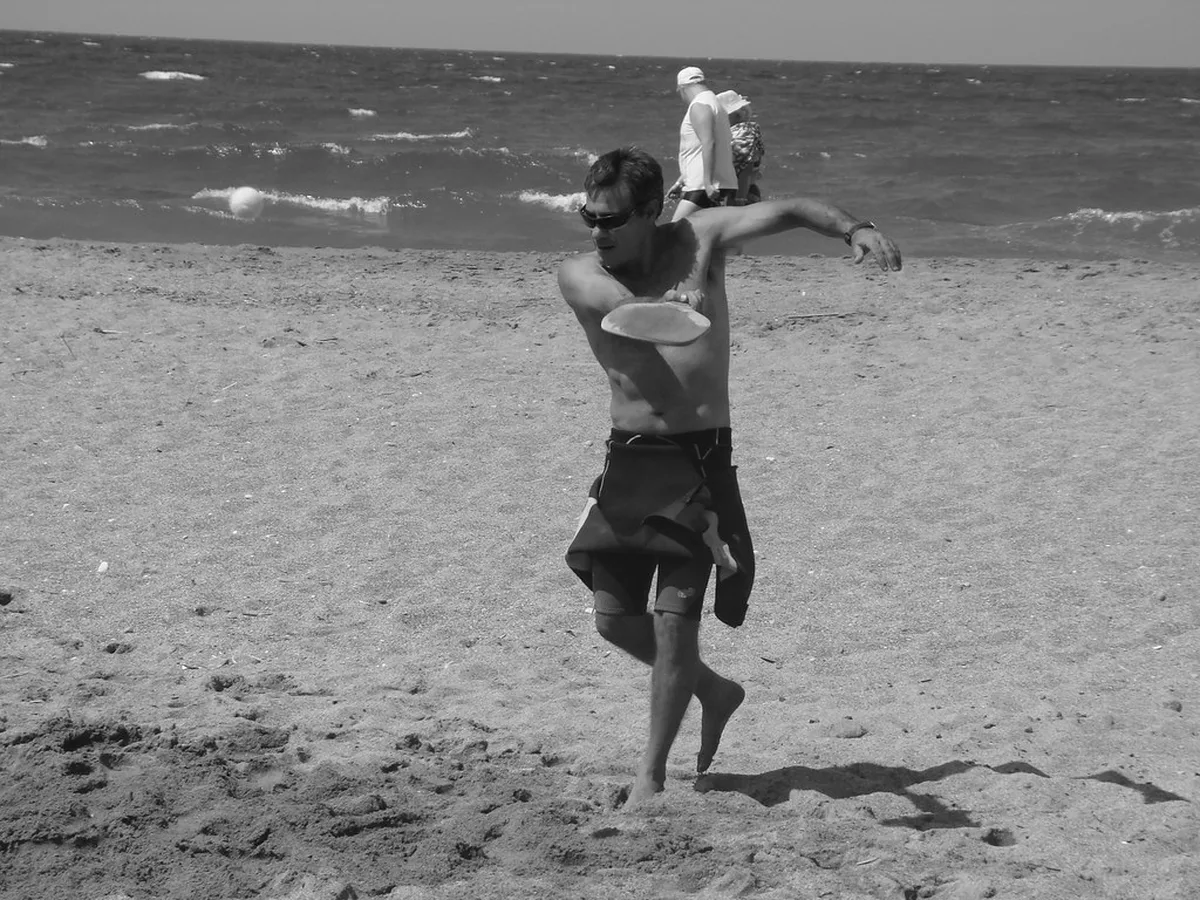
The steady afternoon breeze rolling in from the north makes Ammoudara one of Crete's premier windsurfing and kitesurfing venues. Rental boards and lessons are available at two dedicated centres near the Linoperamata end of the beach, with beginner packages starting at around €40 for a two-hour session. If you prefer calm water for a leisurely swim, arrive before 10 AM and use the western third of the beach, which is sheltered by a low rocky headland during moderate Meltemi conditions.
Reaching Ammoudara by public transport is straightforward. City bus lines 7 and 21 depart from the Heraklion central KTEL station every 15 minutes from 7 AM to 10 PM during summer, and a single ticket costs €2. By car the drive is under 10 minutes, and seasonal car parks along the beach road charge €3–5 per day. Taxis from the city centre cost around €8–10.
The strip of tavernas and beach bars behind the sand is a destination in itself, with fresh fish grills, local Cretan mezze, and draught Mythos beer. Most restaurants are family-run and offer good-value set menus at lunch for €12–16 per person including a drink. After dinner, the beachfront promenade stays lively well into the night during July and August, with several open-air bars hosting live Greek music at weekends.
Walking the full 7-kilometre length of the shore at dusk provides a panoramic view of the Heraklion harbour lights reflected in the calm evening sea. For a more urban complement to your beach day, the Heraklion old town is just 15 minutes by bus, with the Venetian fortress of Koules and the bustling 1866 Market Street waiting to be explored.
Agia Pelagia and Lygaria: Sheltered Northern Coves
Agia Pelagia sits in a protected bay approximately 20 kilometres west of Heraklion, nestled between two rocky promontories that buffer the cove from the prevailing northern winds. The result is unusually calm, deep-blue water that stays swimmable even on days when Ammoudara is rough. Sunbed hire at the main Agia Pelagia beach costs €12–15 per set; the smaller pebble pocket around the headland to the east is free and stays quieter throughout the day.
Snorkelling is exceptional here. Rocky outcrops just 20 metres from shore shelter wrasse, damselfish, and occasional octopus. Mask and fin sets can be rented from the beachside water-sports kiosk for €8 per hour. For a longer adventure, local boat operators run 90-minute coastal tours to secluded sea caves for approximately €30 per person; departures are usually at 10 AM and 2 PM from the small jetty near the main taverna strip.
Getting to Agia Pelagia without a car is straightforward. The KTEL regional bus from Heraklion's main station runs roughly every two hours, takes 30–40 minutes, and costs €4 each way in 2026. Parking in the village can be scarce in July and August; a small pay-and-display area at the top of the hill charges €3–5 per day and is usually the only reliable option during peak hours.
Lygaria lies just 4 kilometres further west and offers a slightly quieter experience with an even smaller sandy cove. The descent to the beach is steep but manageable, and the reward is some of the clearest water on this stretch of coast. Two family tavernas perch right on the shoreline, serving grilled fresh fish priced per kilogram (typically €35–45/kg for sea bass). The road to Lygaria is narrow, so allow extra time if you are driving a larger vehicle.
Dining in both bays focuses on fresh, hyper-local ingredients sourced from nearby Cretan farms and the daily fish market in Heraklion. Try the slow-braised lamb with stamnagathi (a wild Cretan green) or a simple dakos salad topped with mizithra cheese and local olive oil. Many tavernas offer a free raki and small dessert at the end of your meal, a Cretan hospitality tradition that remains happily unchanged in 2026.
Karteros and Amnissos: Historic Shores Near the Airport
Karteros Beach lies just east of Heraklion International Airport, roughly 9 kilometres from the city centre, and is one of the widest sandy beaches on the northern coast. Entry to the beach is free — there are no parking charges and no gate fees — making it one of the most budget-friendly options near Heraklion in 2026. The broad expanse means that even on busy summer weekends there is room to spread out without feeling crowded. Sunbed sets cost €8–12, and the car park immediately behind the dunes is free, making Karteros one of the most wallet-friendly organised beaches near Heraklion. Families especially appreciate the gentle shelving of the sand into calm, shallow water that stays safe for young children well into August.
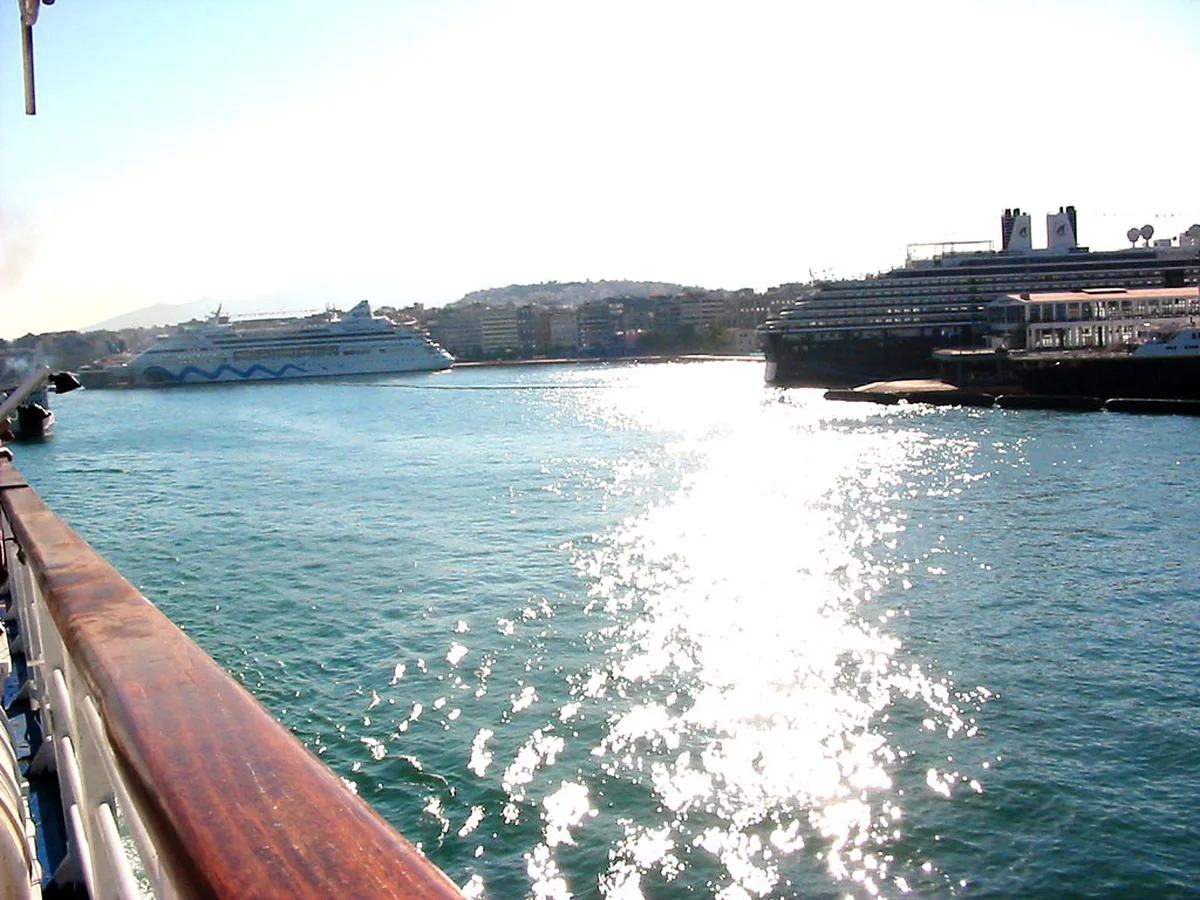
Amnissos Beach, the next cove to the east, holds considerable historical significance: it was once the ancient harbour of Knossos, the Minoan capital. Directly behind the beach road stand the preserved ruins of the Bronze Age "Villa of the Lilies," named for the lilies painted on its plastered walls around 1500 BCE. Entry to the ruin site is free and unsigned, so look for the low stone walls behind the car park. Combining a swim at Amnissos with a brief ruin walk is one of the most uniquely Cretan experiences available within 15 minutes of the city.
Both beaches are easy to reach by public transport. Bus line 1, which also serves the airport terminal, stops at both Amnissos and Karteros; the journey from the city centre takes about 20 minutes and costs €1.50. By car, the coastal road runs the whole way without tolls, and street parking is free along the eastern sections of Amnissos.
Water quality at both beaches is consistently rated Blue Flag standard, and facilities include showers, changing rooms, and lifeguard posts active from 10 AM to 6 PM from June through September. Several affordable beach cafes operate here, serving freshly squeezed orange juice, cold coffee frappes, and toasted sandwiches for €3–6. The airplane views, while not for everyone, add a curious visual spectacle that children particularly enjoy.
Horseback riding along the dunes near Karteros is a popular evening activity, with guided 60-minute rides along the waterline available for approximately €40 per person. This is a memorable way to see the coastline from a different angle as the sun drops towards the Heraklion skyline to the west. Bookings are best made the day before during peak season as the stables limit group sizes for animal welfare reasons.
Kokkini Hani and Hersonissos: Family-Friendly Shallow Beaches Toward Malia
Heading east along the E75 coastal highway from Heraklion opens up a string of low-key, shallow-water beaches ideal for families and those who want to avoid the busier resort strips. Kokkini Hani sits approximately 15 kilometres east of the city centre and offers gently shelving sand, crystal-clear water, and excellent facilities without the steep prices found at more famous spots. In 2026, sunbed sets here cost €8–10, and covered beach showers are free to use. The beach is well signposted from the main road, and a free car park handles most of the demand outside August.
The water depth at Kokkini Hani stays below waist height for the first 30 metres from shore, making it one of the safest options for children under 8. A small water park sits just 2 kilometres away along the coastal road and operates from May to October, with day passes for children under 12 priced at €15 in 2026. Combining a morning beach session with an afternoon at the water park is a popular itinerary for families based in Heraklion hotels.
Continuing east, the village of Hersonissos is 28 kilometres from Heraklion and marks the beginning of the more developed resort corridor. While Hersonissos itself caters mainly to nightlife tourism, its beach clubs offer a full-service experience with sunbeds priced at €15–20 per set and a wide range of water sports and cocktail bars. The smaller coves between Kokkini Hani and Hersonissos, including Analipsi and Kato Gouves, offer shallow, calm water with local tavernas right on the sand. Analipsi in particular has a clean pebble beach that rarely fills up even in mid-August.
Malia Beach, 36 kilometres from Heraklion, is long and sandy with a gentle gradient suitable for children. It is separated from the party strip of Malia town by a 15-minute walk, so the beach itself tends to be far calmer than the town's reputation might suggest. Sunbeds cost €10–12 per set, and the beach road has free street parking for most of its length. A bus to Malia departs from Heraklion central station roughly every 30 minutes during summer and costs €3.20 one way.
Snorkelling and water sports are widely available along this east Heraklion corridor. Pedalos and kayaks can be hired at Kokkini Hani and Analipsi for €10–15 per hour, and several dive operators offer introductory discover-scuba sessions from Hersonissos for €60–80 per person including full equipment. The underwater landscape features sandy plains punctuated by low rocky reefs, with good visibility of 10–15 metres on calm days. These family-accessible water sport options make the east Heraklion beaches a well-rounded day destination beyond simply sun and sand.
Matala: The Famous Hippie Beach with Sea Caves Day Trip from Heraklion
Matala is one of the most iconic beaches in all of Greece and a must-do day trip from Heraklion. Situated 75 km southwest of the city on the Libyan Sea coast, Matala takes roughly 90 minutes to reach by car via the E75 and the fertile Messara plain, passing olive groves and vineyards the entire way. A KTEL bus from Heraklion central station departs three times daily for Matala and costs approximately €10 return — one of the most affordable full-day excursions from the city.
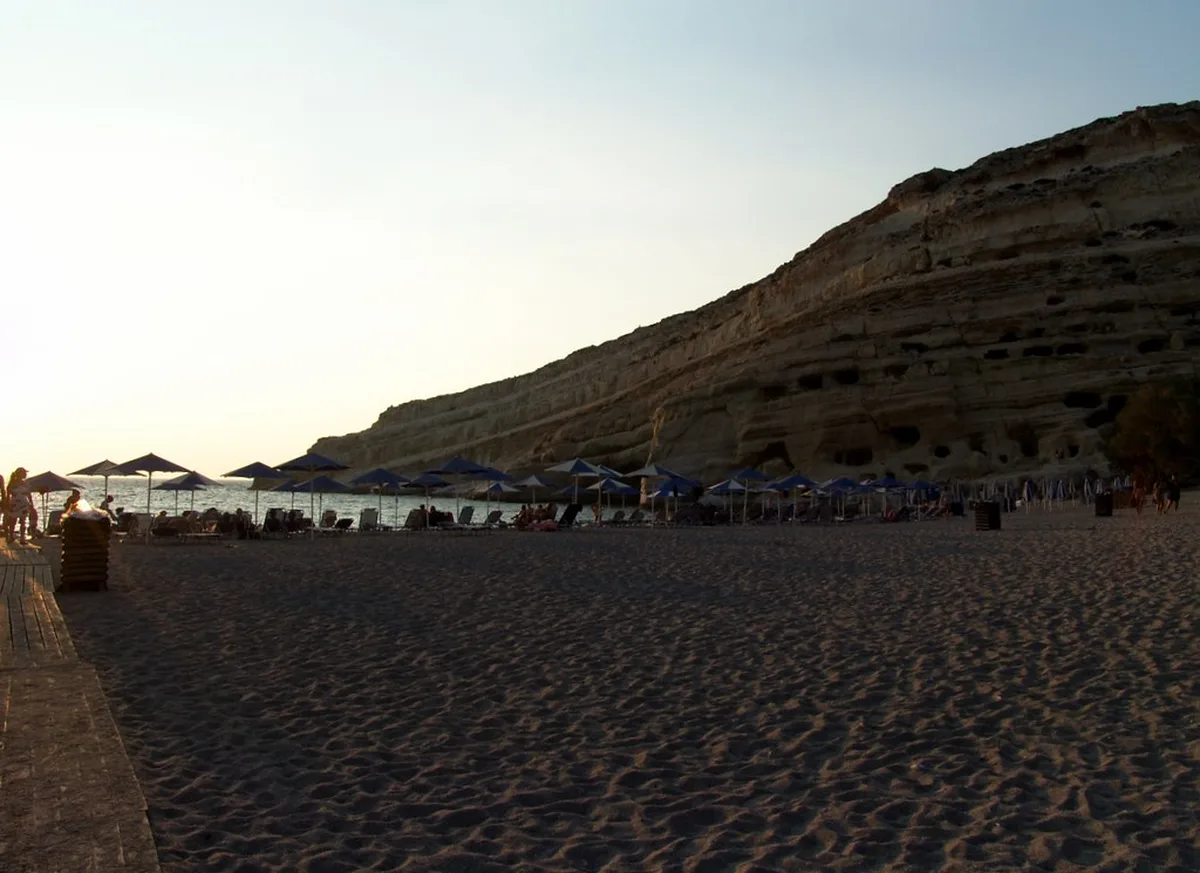
The beach itself features coarse dark sand and pebbles, and the water drops off quickly to a deep, vivid blue that is noticeably warmer than the northern coast by several degrees in summer. What truly sets Matala apart, however, are the sculpted sandstone sea cliffs pocked with cave dwellings carved from the rock in ancient times and later repurposed during the late 1960s and early 1970s by an international community of free-spirited travellers. Joni Mitchell, Cat Stevens, and Bob Dylan are among the musicians said to have passed through Matala during those countercultural years. Entry to the historic cliff caves is charged at approximately €4 per adult in 2026; the caves are open from 8 AM to 8 PM and are worth every cent for their extraordinary views over the bay at sunset.
Nearby Kommos Beach, 4 kilometres north of Matala along a dirt track, offers a much longer and completely unorganised stretch of sand for those seeking solitude. The beach is also a designated protected nesting ground for the endangered loggerhead sea turtle (Caretta caretta), active from June to August. Marked nesting zones must not be disturbed: do not use umbrellas or sunbeds within the marked perimeters, and avoid the beach entirely after dark during nesting season to preserve the turtles' natural behaviour.
Red Beach, accessible via a 20-minute cliff-top footpath from Matala's south end, is one of Crete's most visually dramatic swimming spots. The red-ochre volcanic rock walls frame a small cove of dark pebbles and deep water. There are no facilities whatsoever, so bring your own water, food, and first-aid kit. The path is rugged but well-marked; wear proper shoes rather than flip-flops for the descent. The effort is rewarded with a beach that rarely holds more than 30 people even at the height of August.
The temperatures on the southern coast routinely run 3–5°C warmer than Heraklion during July and August, and the Libyan Sea is sheltered from the Meltemi that buffets the north. Pack at least two litres of water per person, high-factor sunscreen (SPF 50 minimum), and a hat if you plan to combine a beach swim with exploring the caves and walking to Red Beach in a single day. The small tavernas at Matala village serve excellent grilled fish and local Cretan rosé wine for a well-earned lunch between activities. For ideas on combining Matala with other excursions, see our day trips from Heraklion guide.
Choosing the Right Spot in Your Heraklion Beach Guide
Every traveller has different needs when it comes to a day by the sea. Some seek the convenience of city proximity, while others want the thrill of discovery on a secluded cove. This comparison helps you prioritise your limited vacation time effectively and allocate your budget wisely across what can be a very broad coastal area.
Consider the wind direction before you leave your hotel each morning. The Meltemi, a persistent north-westerly wind, is strongest from mid-July to late August and can make northern beaches choppy between noon and sunset. Checking a dedicated forecast site such as Windfinder for the Heraklion bay area takes two minutes and can save you an uncomfortable afternoon. If the forecast shows winds above 4 Beaufort, head east toward Kokkini Hani or south toward Matala, both of which are more sheltered.
Budgeting for your beach day involves more than just the cost of transport. Sunbed prices range from €8 at local beaches like Karteros to €20 at upscale Hersonissos clubs. Bringing your own beach towel and a travel umbrella eliminates the sunbed fee entirely at unorganised stretches, saving €10–15 per person per day. Many families save significantly by visiting beaches east of the city, where facilities are good but prices have not yet caught up with the more famous western resorts.
- Ammoudara Beach Quick Facts
- Type: Long sandy stretch, 7 km
- Distance from city: 5 km west
- Best for: Families, windsurfing
- Access: City bus every 15 min, €2
- Sunbed cost: €8–12/set; parking €3–5
- Karteros Beach Quick Facts
- Type: Wide sandy beach, free entry
- Distance from city: 9 km east
- Best for: Pre-flight swims, families, free parking
- Access: Airport bus, €1.50
- Sunbed cost: €8–12/set; parking free
- Hersonissos Quick Facts
- Type: Resort beach with full service
- Distance from city: 28 km east
- Best for: Water sports, beach bars
- Access: KTEL bus ~€3.20 each way
- Sunbed cost: €15–20/set
- Matala Quick Facts
- Type: Hippie caves + dark sand beach
- Distance from city: 75 km southwest
- Best for: History, warmest water, day trips
- Access: KTEL bus €10 return
- Cave entry: €4/adult; no sunbed hire needed
The golden rule for any Heraklion beach trip is to go early. By 8:30 AM almost every beach is quiet, the water is at its calmest, and the morning light is spectacular for photos. By 11 AM, bus-load tourists begin arriving, sunbeds fill up, and the wind starts building. Even a one-hour head start transforms the experience entirely, particularly at smaller coves like Lygaria where space is genuinely limited.
Essential Planning Tips for Heraklion Beach Hopping
The Meltemi winds can create large waves on the northern coast during the summer months, particularly from July through late August. Always check the daily wind forecast before deciding which direction to travel for your swim. Southern beaches such as Matala and the Messara Bay coves almost always remain calm when the north is too windy for safe swimming, offering a reliable backup option that also provides a completely different landscape.
Public transport is reliable and affordable for reaching most major coastal destinations in the Heraklion prefecture. A single bus ticket to city beaches like Ammoudara costs €2, while regional KTEL routes to destinations like Agia Pelagia (€4), Malia (€3.20), and Matala (€10 return) cover the entire range of beach options without requiring a hire car. Keep small change ready as some drivers do not accept large denomination euro notes for tickets, and the on-board ticket machines are card-only at some rural stops.
Sun protection is vital as the Cretan sun remains intense even on partly cloudy summer days. UV radiation at this latitude peaks between 11 AM and 3 PM; either stay in the shade during these hours or apply SPF 50 sunscreen every 90 minutes if you remain on the sand. Many organised beaches provide parasols with their sunbed packages (already included in the €8–20 fee depending on the beach), but bringing your own lightweight travel umbrella gives you flexibility at unorganised stretches where no rental is available.
Hire car costs in 2026 for a small hatchback start at around €25–35 per day from Heraklion Airport, with unlimited mileage. A hire car unlocks the most remote coves — places like Lygaria, Kommos, and the small coves east of Karteros — that are difficult or impossible to reach by bus. Booking at least two weeks in advance reduces the price significantly in peak season, and returning the car with a full tank avoids the inflated refuelling surcharges charged by some operators.
Respect local customs and environment by taking all rubbish with you when you leave. Many beaches, particularly in the Amnissos and Kommos areas, are part of protected archaeological or ecological zones that rely on visitor care to stay pristine. Fishing within 300 metres of marked turtle nesting areas is prohibited from June to September under Cretan environmental law. For full-day coastal excursions across the island, the Heraklion day trips guide covers the top routes and planning tips.
Frequently Asked Questions
Which beach near Heraklion is best for families with children?
Ammoudara Beach and Kokkini Hani are the top choices for families. Ammoudara is just 5 km west of the city centre with shallow, sandy water and a city bus running every 15 minutes for €2. Kokkini Hani, 15 km east, has an even gentler slope into the sea and is less crowded, with sunbeds costing €8–10 per set in 2026. Both beaches have lifeguards, showers, and toilets on site.
How do I get to Matala from Heraklion by bus?
A KTEL bus departs from Heraklion central bus station to Matala three times daily during summer 2026. The return ticket costs approximately €10 and the journey takes around 90 minutes each way. Matala is 75 km southwest of Heraklion across the Messara plain. Alternatively, a hire car takes about 75 minutes via the E75 highway and local roads, giving you flexibility to stop at Kommos or Red Beach on the way.
Are there any hidden or quiet beaches near Heraklion city?
Lygaria, located 24 km west near Agia Pelagia, is a small, steep-access cove used mainly by locals with very clear water and two simple tavernas. Analipsi, 20 km east between Kokkini Hani and Hersonissos, is a clean pebble cove that rarely fills up even in August. Both are best reached by hire car as bus connections are limited.
Is it safe to swim at the northern beaches when it is windy?
Swimming can be dangerous during strong Meltemi winds as currents and breaking waves are common on the northern coast. Always check the flag colour at lifeguard stations before entering the water: green means safe, yellow means caution and stay close to shore, red means swimming is prohibited. On red-flag days, drive to Agia Pelagia's sheltered bay or take the bus south toward Matala, both of which stay calm in northern wind conditions.
How much does a day at the beach cost near Heraklion in 2026?
Budget around €25–40 per person for a comfortable beach day near Heraklion. A typical breakdown: bus or car park €1.50–5, sunbed hire €8–20 depending on the beach, lunch at a taverna €12–18, two cold drinks €5–8, and bottled water €1–2. Bringing your own food and towel, and choosing a free unorganised beach like the eastern end of Ammoudara, cuts the total to under €10 per person for transport and refreshments only.
What is the best time of year to visit Heraklion beaches?
Late May to mid-June and September are the best months for Heraklion beaches in 2026. Sea temperatures reach a comfortable 24–25°C by early June, crowds are 40–50% lower than in August, and sunbed prices drop by around €3–5 per set. July and August offer the warmest water (up to 27°C) but also the strongest Meltemi winds and the highest visitor numbers. October remains warm enough to swim at sheltered spots like Agia Pelagia, with daytime air temperatures around 23°C.
Heraklion offers a surprisingly diverse range of coastal experiences for every type of traveller in 2026. From the historic sands of Amnissos to the calm sheltered bay of Agia Pelagia, from the family-friendly shallows of Kokkini Hani to the dramatic hippie cliff caves of Matala, you will find a perfect stretch of coast to match your pace and budget. The beaches east of the city toward Malia remain genuinely underrated, offering excellent facilities at lower prices than the more famous western resorts.
Planning for wind, transport, and timing will ensure your beach days are relaxing and cost-effective. Arriving early, checking the Meltemi forecast, and bundling beach visits with nearby cultural stops — the ruins at Amnissos, the old town Venetian harbour, or the Knossos palace — gives a richer experience that pure resort tourism cannot match. The Heraklion old town guide and the day trips from Heraklion guide are useful companions to this beach resource.
The combination of ancient Minoan history, Venetian architecture, and sparkling Cretan Sea water makes the Heraklion region truly special for visitors who take the time to look beyond the hotel pool. Pack your sunscreen, confirm the bus times the night before, and get ready to enjoy some of the best coastal experiences in the entire Mediterranean. Safe travels and enjoy your 2026 summer in the sun.