Ultimate Heraklion Old Town Guide for 2026
The Heraklion Archaeological Museum costs €15 per adult in 2026 (Mon 12PM–8PM, Tue–Sun 8AM–8PM). A combined ticket covering both the museum and Knossos Palace costs €25 — the best-value pass for first-time visitors to Crete.
Koules Fortress charges €6 per adult in 2026 and opens Tuesday through Sunday 8AM–8PM. The Morosini Fountain on Lions Square and the entire 1866 Market Street are free to visit at any time.
Heraklion Old Town offers a journey through layers of history and vibrant Greek culture. Visitors find ancient Venetian walls standing tall against the deep blue Cretan sea. Exploring these narrow streets reveals hidden cafes and bustling local markets at every turn. The area serves as the beating heart of Crete's most energetic city.
Walking through the historic center allows travelers to witness a unique blend of architectural styles. Byzantine churches sit comfortably next to elegant Venetian mansions and Ottoman fountains. Many people start their journey at the busy harbor before heading into the winding alleys. This district provides an immersive experience that goes beyond typical tourist attractions.
Planning a visit requires understanding the layout of the old fortifications and pedestrian zones. Local life thrives in the squares where residents gather for morning coffee and conversation. Finding the best spots for authentic food often means stepping away from the main tourist paths. A well-prepared traveler can see the best of the city in a single afternoon.
Exploring the Venetian Walls and Koules Fortress
The massive Venetian walls represent one of the most significant military structures in the Mediterranean. Walking along the top of these fortifications offers panoramic views of the city and the sea below. Most visitors begin their walk near the Jesus Gate, also called Kainourio Gate, to see the impressive stonework up close. The gate itself dates to the early Venetian occupation and still bears the carved Lion of St. Mark above its arch. The path remains open throughout the day and provides a superb workout for active travelers covering the full 3-kilometre loop.
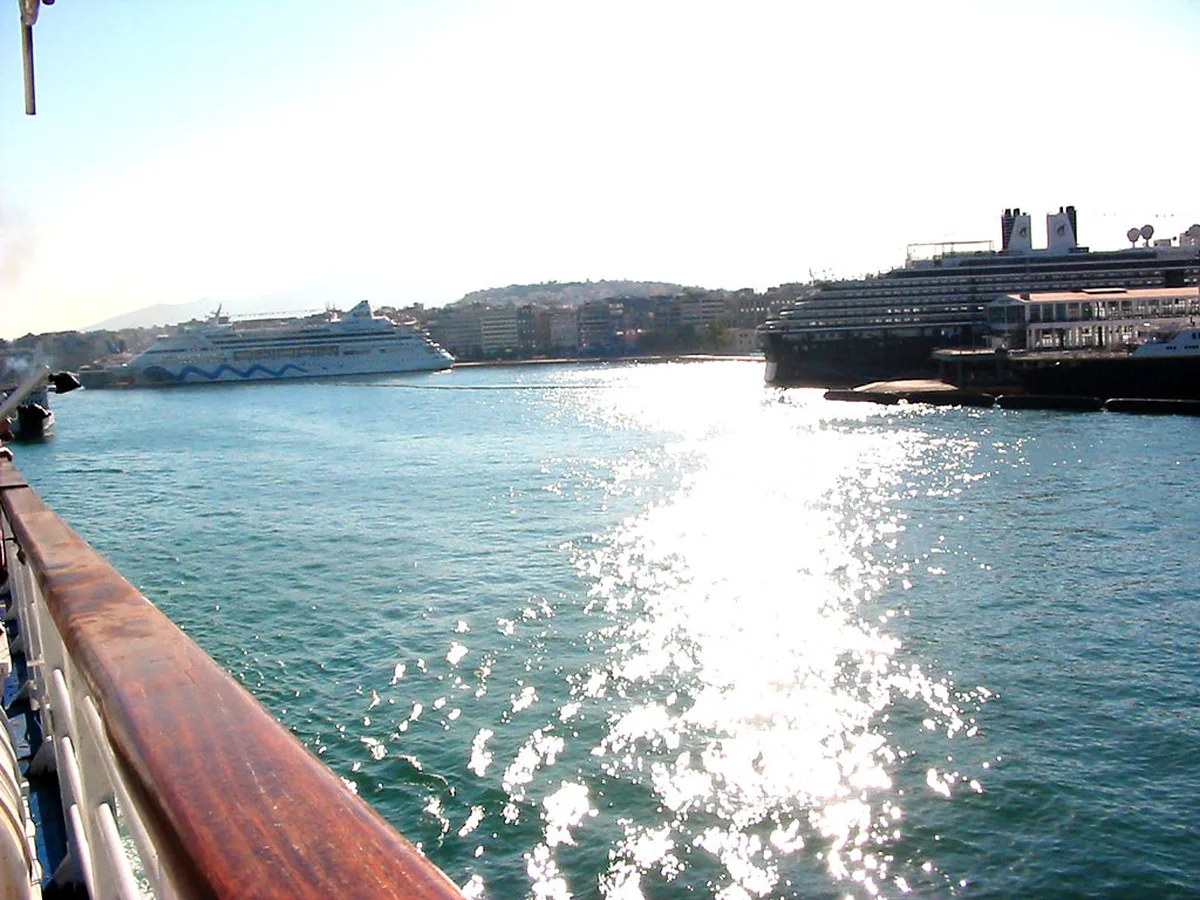
Koules Fortress — officially the Rocca al Mare — stands at the entrance of the old harbor as the defining symbol of Heraklion. This 16th-century sea tower was completed in 1540 and once protected the city from Ottoman naval invasions and relentless pirate attacks along the Aegean trade routes. In 2026, entry tickets cost €6 per adult, making it one of the most affordable major historical stops on the island. The fortress is open Tuesday through Sunday, 8:00 AM to 8:00 PM in summer (April–October). Inside, cold stone corridors house ancient cannons, naval artifacts, and rotating archaeological exhibitions that change each season.
The harbor area surrounding the fort is perfect for a breezy late-afternoon stroll before sunset. Local fishermen still use traditional wooden caïques moored along the stone piers, and watching the nets being mended is a genuine slice of Cretan daily life. The breakwater extending from the fortress is roughly 400 metres long and offers unobstructed views of the Aegean. Watching the sunset from this point is a favorite ritual for both locals and first-time visitors. For more activities in the surrounding area, the Heraklion beach guide covers the best coastal spots within easy reach of the old town.
Military history enthusiasts will appreciate the strategic design of the various bastions ringing the city. The Martinengo Bastion, the largest and most southwestern, holds the tomb of the famous Cretan writer Nikos Kazantzakis. The grave is marked by a simple wooden cross and an inscription in Greek: "I hope for nothing. I fear nothing. I am free." Visiting this site offers a quiet moment of reflection entirely separate from the city noise below. Literature lovers from across Europe make a specific pilgrimage to this spot each year.
Morning visits to the walls help you avoid the intense Cretan sun that beats down from June through August. Bring at least one litre of water as there are no shops or kiosks located directly on the fortification path. Sturdy walking shoes with grip are essential because the stone surfaces can be uneven and slippery after overnight rain. Photography enthusiasts should aim for the golden hour between 6:00 PM and 8:00 PM to capture the warm amber glow on the pale limestone battlements. The combination of sea, sky, and ancient stone at that hour is unlike anything else in Greece.
- Koules Fortress
- Cost: €6 adults (2026)
- Hours: Tue–Sun 8:00 AM–8:00 PM (summer)
- Time to allow: 45–60 minutes
- Access: Via harbor pier, 5-minute walk from Lions Square
- Tip: Book online to skip the queue in peak season
- Venetian Walls Walk
- Cost: Free access year-round
- Full circuit: approx. 3 km, 2 hours
- Access: Multiple gate entries around the perimeter
- Best for: Panoramic views, sunrise and sunset photography
Walking Through the Heart of Heraklion Old Town
Lions Square — officially Eleftherias Square but universally called Lions Square — serves as the primary meeting point for everyone visiting the historic center. The Morosini Fountain sits at its center, built in 1628 by Francesco Morosini to channel water from the Archanes springs 15 kilometres inland. Four carved lions pour water from their mouths into ornate octagonal basins, and the detail in the relief carvings rewards close inspection. Dozens of cafes surround the square, offering the famous Cretan bougatsa pastry for breakfast alongside thick Greek coffee. Eating this warm custard or cheese-filled pastry while people-watching is a quintessential Heraklion morning experience, and you can expect to pay around €2.50 to €3.50 per serving. Admission to the fountain area is free, and the square stays lively from early morning until well past midnight.
The Venetian Loggia stands nearby as one of the most elegant civic buildings in all of Greece. Completed in the early 17th century, it once served as a meeting place for the Venetian nobility to discuss trade, politics, and local governance. The building was repeatedly damaged by Ottoman cannon fire and later by Allied bombing in 1941, but meticulous restoration has returned it to near-original condition. Today the Loggia houses the town hall offices and features a beautiful open-air arcade on its ground floor. Visitors can freely admire the intricate Renaissance carvings and classical arches directly from the street level at any hour.
Saint Titus Church is another architectural highlight located just down the pedestrian street from the Loggia. The church has served as both a Catholic cathedral under Venetian rule and a mosque under Ottoman occupation — you can still see traces of the minaret base in the courtyard wall. Its quiet interior holds the reliquary of Saint Titus, the first bishop of Crete and a companion of the Apostle Paul. The church is open for visits Monday through Saturday, roughly 8:00 AM to 1:00 PM and 5:00 PM to 8:00 PM; entry is free. Inside, pilgrims and history buffs alike stand quietly before the silver reliquary that has safeguarded the saint's remains for centuries.
Pedestrian streets like 25th of August Street connect the harbor to the main squares in a direct north-south line. Neoclassical buildings with wrought-iron balconies line this route, showcasing the prosperity Heraklion enjoyed during the 19th century. Walking this path is easy and pleasant as private cars are restricted from the central zone throughout the day. Many shops here sell high-quality leather goods, Cretan olive oil products, and handcrafted local jewelry at prices more reasonable than the harbor-side souvenir stands.
Exploring the side alleys reveals smaller squares filled with local life, potted plants, and the sound of arguing neighbours. Agios Minas Cathedral dominates the southern skyline with its massive twin domes and paired bell towers. Built between 1862 and 1895, it is one of the largest Orthodox churches in Greece and features stunning interior frescoes by Konstantinos Volanakis. A small adjacent chapel, Agia Ekaterini, now functions as an icon museum housing six iconic panels by Mikhail Damaskinos — a contemporary and likely acquaintance of El Greco. Respectful visitors are welcome to enter the cathedral outside of regular service times, which typically occur at 7:00 AM and 7:00 PM daily.
Authentic Shopping and Dining in the Central Market
The Central Market on 1866 Street provides a sensory explosion of colors, scents, and sound that no sanitized food hall can replicate. The street stretches for roughly 200 metres and is flanked on both sides by stalls displaying piles of fresh herbs, Cretan thyme honey, barrels of local olives, and strings of dried figs. Entry to 1866 Market Street is completely free, and the market runs from early morning until mid-afternoon daily. Walking through this market feels like stepping into a more honest era of commerce where quality speaks for itself and the vendor knows the name of the farmer. Prices here are consistently better than in the souvenir shops clustered near the main fountain, especially for bulk spices and dried legumes.
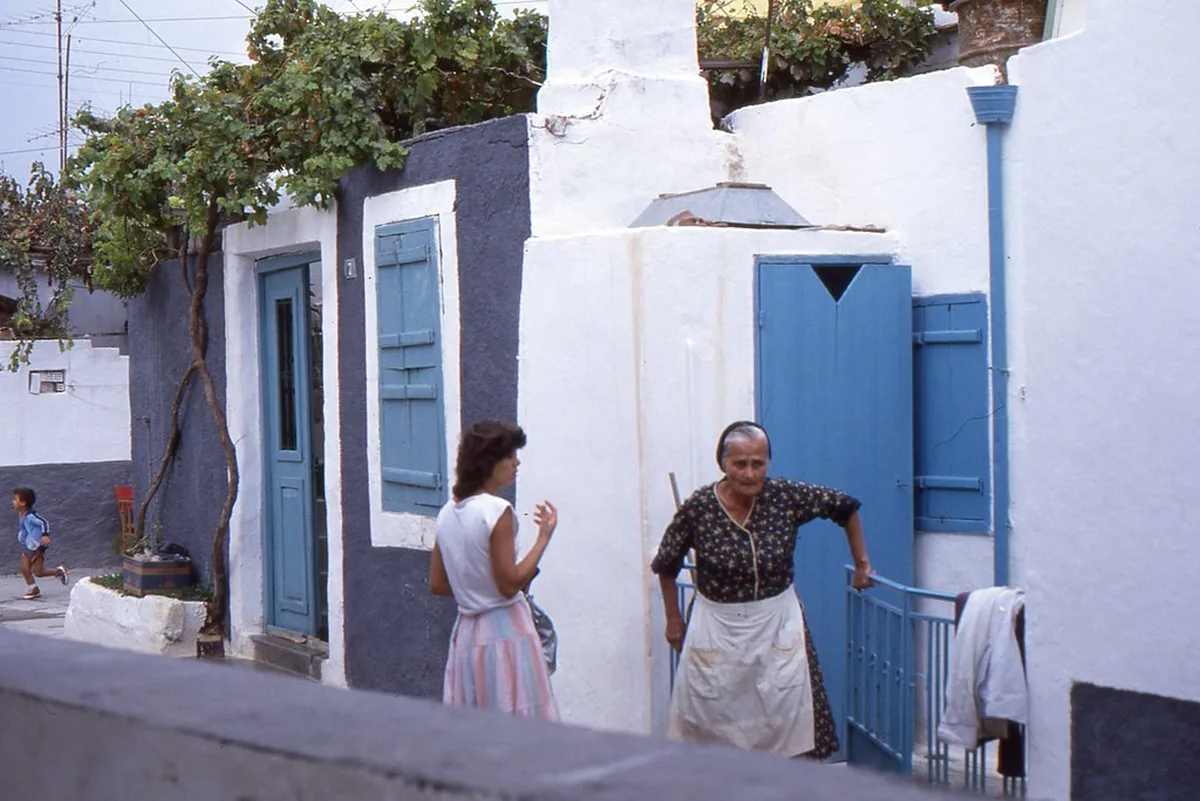
Food lovers should look specifically for small stalls selling aged graviera cheese and single-origin thyme honey. Cretan graviera, produced in the mountainous interior, carries a Protected Designation of Origin status and has a nutty, slightly sweet flavour quite unlike standard Greek cheeses. Sampling a piece before committing to a purchase is standard practice and any vendor worth their salt will offer it willingly. You will also find fresh carob products — carob flour, carob syrup, and carob-chocolate bars — which are a traditional Cretan ingredient now gaining renewed interest for their high fiber content and low glycemic index.
Many traditional tavernas are tucked into the narrow passages branching off the market. Ordering a small carafe of local raki to begin your meal often arrives with a complimentary plate of olives and a sliver of cheese. Local favorites include dakos salad — barley rusk soaked in tomato juice and topped with mizithra cheese and capers — and slow-cooked lamb with stamnagathi, the wild mountain green that grows only in the Cretan highlands. A full taverna meal for two, with wine and dessert, typically costs €35 to €50 in 2026. After a long day of walking, the Heraklion beach guide points you toward nearby coastal spots where you can wind down with a swim before dinner.
Souvenir shopping in Heraklion rewards those who look beyond the obvious. Seek out workshops where artisans still carve olive wood bowls and platters by hand in the back rooms — the grain patterns in aged olive wood are genuinely beautiful and food-safe. Authentic Cretan knives (makhairas) with handcrafted handles and short poetic inscriptions engraved on the blade make for meaningful gifts that pass through airport security in checked luggage without issue. Handmade ceramics in the Minoan tradition — geometric patterns in terracotta and blue glaze — are another worthwhile purchase. Avoid mass-produced plastic miniatures and factory-printed T-shirts concentrated in the high-traffic tourist zones near the port.
Morning is the optimum time to visit the market to see the freshest produce and the widest selection. Most stalls begin packing up by early afternoon as the midday heat makes outdoor trading uncomfortable. Saturday mornings are particularly lively when producers come in directly from surrounding villages, and you may find varieties of olive oil, fresh cheeses, and seasonal vegetables not available on weekdays. Bring small-denomination euro coins and notes as some of the smaller stalls are still cash-only and do not accept cards.
Heraklion Food Culture: The Market District and Iconic Local Dishes
Cretan cuisine is one of the most studied and celebrated in the world, and Heraklion Old Town is where you can eat it in its most authentic form. The neighborhoods radiating out from Lions Square and the 1866 Street market form the culinary core of the city. Understanding a handful of key dishes will transform a simple lunch into a genuine cultural immersion and help you identify quality from the menu without speaking Greek.
Dakos is the dish most closely associated with Crete and it is deceptively simple. A thick barley rusk called paximadi is soaked briefly in cold water or tomato juice until it softens just enough to bite without crumbling. The rusk is then covered with grated ripe tomato, crumbled soft mizithra cheese or dried graviera, a drizzle of local olive oil, and sometimes dried oregano or capers. You will find it as a starter in almost every taverna in the old town, typically priced at €5 to €7. The version served at the small kafeneion tables around the Morosini Fountain area tends to use slightly staler, crunchier rusks that absorb the tomato more evenly — a small but notable difference.
Boureki is a Cretan baked casserole combining thin-sliced zucchini, potato, and fresh mizithra cheese layered with olive oil and dried mint, then baked until the top is golden. It is a fixture of home cooking rather than a restaurant set-piece, which means the best versions are found in the smaller family-run places on the side streets off the market rather than the larger tourist-facing restaurants near the port. A generous portion costs roughly €6 in 2026 and makes a satisfying lunch on its own.
Lamb with stamnagathi is the emblematic main course of Cretan highland cooking. Stamnagathi is a bitter wild chicory relative that grows in rocky terrain across Crete's interior; it is boiled, dressed with lemon and olive oil, and served alongside slow-braised or oven-roasted lamb. The bitterness of the greens cuts through the richness of the meat in a way that feels designed, because it is — this pairing has been standard in Cretan cooking for centuries. Expect to pay around €14 to €18 for a main course portion in 2026 at a mid-range taverna in the old town.
The area around the Morosini Fountain is excellent for coffee and afternoon pastry. The kafeneion tradition here is older than the espresso-bar culture that has taken over much of Greek urban life. Order a Greek coffee (ellinikos kafes) prepared sketo (no sugar), metrio (medium sweet), or glyko (sweet), and it will arrive in a small copper briki with a glass of cold water. Many of the cafes on the southern side of Lions Square stay open until midnight in summer, making the square a pleasant place to sit after dinner and watch the city decompress from the heat of the day. A coffee costs €2 to €3.50; a slice of traditional galaktoboureko — semolina custard in phyllo — runs €3.50 to €4.50.
For day excursions that pair well with a food-focused morning in the old town, the day trips from Heraklion guide covers routes to wine country in the Peza region and olive oil mills in the Heraklion hinterland that open for tastings. Producers in both areas offer direct-sale prices significantly below what you find in the city's souvenir shops.
Heraklion Archaeological Museum: World-Class Minoan Collection
The Heraklion Archaeological Museum on Xanthoudidou Street — a short walk north of Lions Square — is considered the most important Minoan museum in the world and one of the unmissable stops for any visitor to Crete in 2026. In 2026, admission is €15 for adults. Opening hours are Monday 12:00 PM to 8:00 PM and Tuesday through Sunday 8:00 AM to 8:00 PM (summer season April–October). Winter hours are reduced, so check before arriving if visiting outside peak season. Allow at least two hours to move through the chronological galleries at a comfortable pace.
The museum's 27 rooms display artifacts from all four major Minoan palace sites — Knossos, Phaistos, Malia, and Zakros — in sequence from 7000 BC through the Roman period. The famous Snake Goddesses, two faience figurines discovered at Knossos circa 1600 BC, are the single most photographed objects in the collection. The Harvester Vase, a carved steatite rhyton depicting a procession of agricultural workers, is another standout, as is the extraordinary Bee Pendant from Malia: a gold ornament of two bees sharing a honeycomb disc, crafted around 1700 BC with a precision that seems impossible for the era.
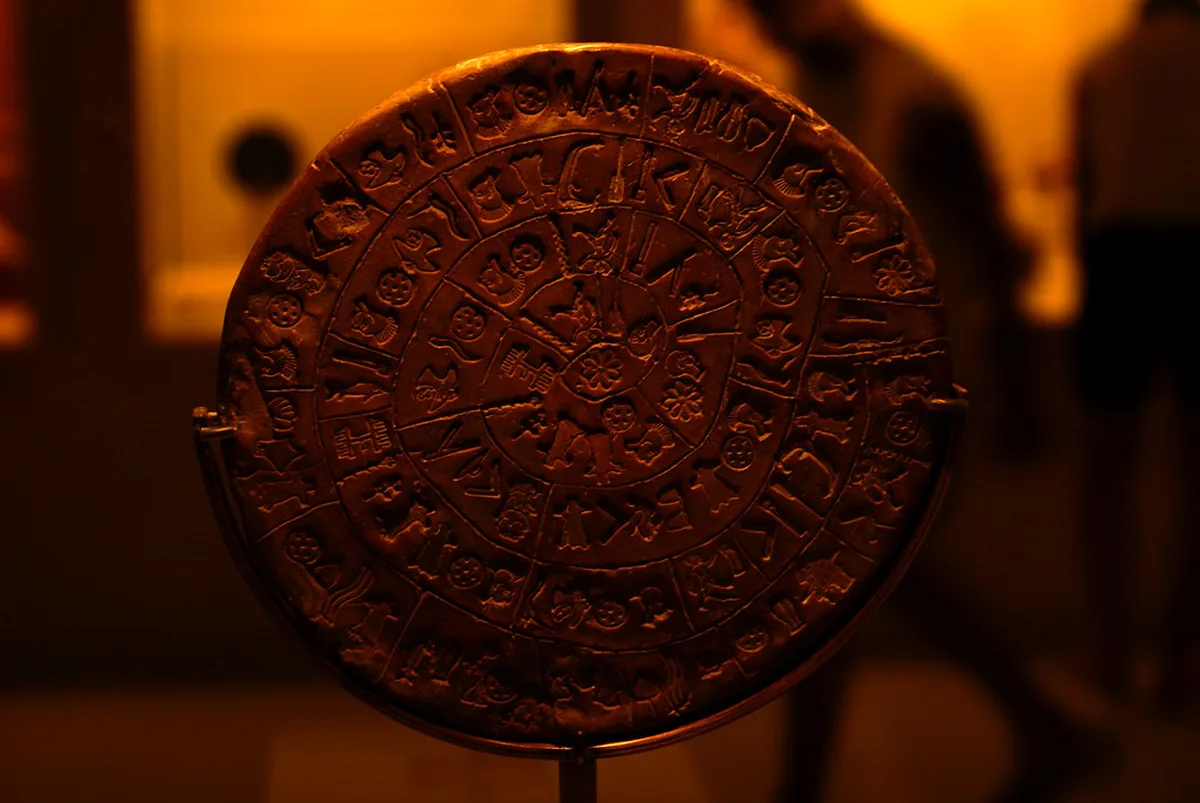
The Phaistos Disc sits in its own dedicated case and draws crowds from across the globe. This fired clay disc, discovered in 1908, bears 241 symbols arranged in a spiral — an undeciphered script that has resisted every serious attempt at translation for over a century. Standing in front of it in person, you feel the full weight of the mystery. The gallery lighting here is deliberately low and focused, pulling your eye directly to the object.
A free audio guide app is available for iOS and Android and works offline once downloaded. It covers all major galleries and is a strong substitute for a paid guided tour if you prefer to set your own pace. The museum gift shop stocks high-quality reproduction jewelry and illustrated catalogues for serious collectors. The combined ticket covering both the Archaeological Museum and Knossos Palace costs €25 in 2026 — a saving of €5 over buying separately — and is the most popular ticket option among visitors doing both sites in a single day.
To plan your wider Heraklion itinerary around the museum visit, the day trips from Heraklion guide integrates the archaeological sites south of the city into a logical full-day route starting from Lions Square.
Knossos Palace: The Minoan Marvel Near Heraklion
Knossos Palace, lying just 5 kilometres south of Heraklion city center, is the largest Bronze Age archaeological site on Crete and one of the most visited ancient sites in all of Europe. In 2026, entry to the Knossos site costs €15 per adult. If you plan to combine your visit with the Heraklion Archaeological Museum — which houses the finest Minoan artifacts excavated from Knossos itself — a combined ticket is available for €25, saving €5 over purchasing each separately. The site opens at 8:00 AM and closes at 8:00 PM from April through October; winter hours are shorter (8:00 AM–3:30 PM). Arrive before 9:30 AM or after 4:00 PM in July and August to avoid the densest cruise-ship groups.
Getting there by public transport is simple and inexpensive. City bus number 2 departs from the central bus station near the old harbor roughly every 20 minutes and reaches the Knossos stop in approximately 20 minutes. The bus fare costs just €1.50 each way in 2026 — far cheaper than a taxi and nearly as fast. Taxis from Lions Square take around 10 minutes and cost approximately €8 to €10. Rental car drivers can use the on-site parking area, which fills quickly by mid-morning in peak season.
The palace complex was first inhabited around 1900 BC and reached its peak grandeur during the Neopalatial period (1700–1450 BC), when it served as the political, ceremonial, and economic center of Minoan civilization. At its height, Knossos likely housed 10,000 to 12,000 people within its walls and controlled a trading network stretching from Egypt to mainland Greece. The labyrinthine floor plan — which may have given rise to the legend of the Minotaur and the mythological labyrinth — spans over 1,300 rooms across multiple storeys.
British archaeologist Sir Arthur Evans excavated and partially reconstructed the palace between 1900 and 1935, adding concrete columns, painted reproductions of Minoan frescoes, and color-reconstructed facades that remain controversial among archaeologists. The reconstructions make the site visually dramatic and accessible to non-specialists, but visitors should understand that much of what they see is Evans' interpretation rather than original stone. The genuine frescoes — the Prince of the Lilies, the Bull-Leaping Fresco, the Dolphin Fresco — are now in the Heraklion Archaeological Museum; the versions at the site are high-quality reproductions.
Hiring a licensed guide on-site costs approximately €15 to €20 for a one-hour tour and is genuinely worthwhile. The guides explain Evans' reconstructive choices, point out subtle Minoan engineering features — the light wells, the drainage channels, the storage magazines — and give the myth and archaeology the context that a solo walkthrough rarely provides. Audio guide devices are also available for rent at the entrance kiosk. Comfortable walking shoes, sun protection, and at least one litre of water are essential; the site is almost entirely unshaded and exposed to the full Cretan sun by mid-morning. Most visitors find that 2 to 2.5 hours at the site is sufficient before visiting the museum to see the original artifacts in the afternoon.
- Knossos Palace
- Entry fee: €15 per adult (2026 site-only)
- Combined with Archaeological Museum: €25 (best value)
- Bus: Line 2 from Heraklion harbor, €1.50 each way, ~20 minutes
- Hours: Apr–Oct 8:00 AM–8:00 PM; Nov–Mar 8:00 AM–3:30 PM
- Best arrival: Before 9:30 AM or after 4:00 PM in summer
- Time to allow: 2–2.5 hours on site
The Historical Museum of Crete
The Historical Museum of Crete sits on the waterfront boulevard just west of the old harbor and is the single best place in Heraklion to understand the island's full chronological arc from Byzantine and Venetian periods through to the Second World War. In 2026, admission is €7 for adults, with reduced rates for students and free entry for children under 18. Opening hours run Monday through Saturday, 9:00 AM to 5:00 PM, and Sunday 10:00 AM to 3:00 PM; the museum is closed on major public holidays. Allow at least 90 minutes to do it justice. The collection includes the only two El Greco paintings remaining in Crete — the artist was born in Heraklion circa 1541 — and a fully reconstructed study of Nikos Kazantzakis with his original desk, manuscripts, and personal effects.
The museum's Byzantine gallery on the second floor traces the island's religious art from the 6th century through the fall of Constantinople, with portable icons, frescoes removed from rural chapels, and liturgical metalwork displayed under careful conservation lighting. The Venetian and Ottoman rooms that follow show how architecture, dress, and daily life transformed across successive occupations without ever fully erasing what came before. Interactive maps on the ground floor are labeled in both Greek and English, making the spatial context easy to follow even without a guide.
Combining the Historical Museum in the morning with the Heraklion Archaeological Museum in the early afternoon, then finishing with the Venetian walls at golden hour, makes for a coherent full-day cultural itinerary without requiring a car. All three sites are walkable from Lions Square or reachable by the city's bus network. The Historical Museum's relatively modest €7 admission makes it easy to justify even if you are on a tight budget, and its Venetian and Ottoman collections complement the prehistoric focus of the Archaeological Museum across the street.
Strategic Planning for Your Old Town Visit
Timing your visit is the single most impactful logistical decision you will make. Large cruise-ship groups typically descend on the city center between 10:00 AM and 2:00 PM from May through October, swelling Lions Square and the 1866 Street market to uncomfortable density. Arriving before 9:30 AM or after 3:30 PM gives you the same sights with a fraction of the crowds. Planning museum visits during the mid-morning peak hours lets you stay in air-conditioned comfort while the outdoor spaces are busiest, then enjoy the streets in the cooler, quieter late afternoon.
Parking near the old town can be genuinely frustrating for those arriving by rental car. The most reliable option is the large municipal parking area near the old harbor, which charges approximately €1.50 per hour or a flat €8 to €10 for a full day. Street parking within the fortification walls is restricted to residents during most of the day. Walking from the harbor car park into the heart of the old town takes under ten minutes on level ground. Alternatively, taxis from the central rank outside the Astoria Hotel on Eleftherias Square are plentiful and metered fares to most parts of the city run €5 to €10.
Public transport in Heraklion is efficient and inexpensive. City buses run frequently on all main routes, with tickets priced at €1.20 to €1.70 depending on distance and purchased from kiosks or ticket machines before boarding. For those planning to explore beyond the city limits, the day trips from Heraklion guide details intercity bus connections to Knossos, Rethymno, and Chania operating from the KTEL bus station adjacent to the harbor. Ferries to the Greek islands depart from the main port, with Santorini and Mykonos accessible by high-speed catamaran in approximately 2 hours.
Digital navigation works well in the main streets but GPS signals can stutter in the narrow alleys deep inside the old town. Downloading an offline map before your visit — Google Maps, Maps.me, or the free offline layers in the Visit Greece app — helps you maintain orientation when the signal drops. Look for the brown heritage signs that point toward major monuments; these are placed at key junctions and are often more reliable than GPS in the labyrinthine residential quarters. Most cafes and restaurants now offer free Wi-Fi to customers, so reconnecting is rarely more than a coffee stop away.
Hidden Byzantine chapels are dotted throughout the residential districts of the old town and are often locked but worth seeking out for their exterior detail. The chapels of Agios Mattheos and Agios Petros are among the oldest surviving structures in the city, predating the Venetian occupation. Local residents generally appreciate visitors who approach these quiet corners with respect and maintain a low conversational volume near homes and courtyards. Discovering these overlooked spots provides a depth of connection to the city that no organised tour can replicate, and they are most easily found by wandering the blocks immediately south of Lions Square in the late afternoon.
Frequently Asked Questions
How much does it cost to visit the Heraklion Archaeological Museum in 2026?
The Heraklion Archaeological Museum charges €15 per adult in 2026. It is open Monday 12:00 PM to 8:00 PM and Tuesday through Sunday 8:00 AM to 8:00 PM during the summer season. A combined ticket for both the Archaeological Museum and Knossos Palace costs €25, saving €5 compared to buying each ticket separately.
How much is entry to Knossos Palace and how do I get there from Heraklion?
Entry to Knossos Palace costs €15 per adult in 2026. A combined ticket with the Heraklion Archaeological Museum is €25. From the old harbor, take city bus number 2 — the fare is €1.50 each way and the journey takes approximately 20 minutes. Taxis from Lions Square cost around €8 to €10. The site opens at 8:00 AM and closes at 8:00 PM from April through October.
How much time do I need to explore Heraklion Old Town?
A thorough exploration of the historic center typically takes four to six hours. This allows time for visiting Koules Fortress (€6, about 45 minutes), walking part of the Venetian walls (free), browsing the 1866 Street market (free), and enjoying a traditional Cretan lunch at a local taverna. Add another 90 minutes for the Historical Museum of Crete (€7) and two or more hours for the Archaeological Museum (€15).
What are the 2026 prices for major attractions in Heraklion Old Town?
In 2026: Koules Fortress €6 (Tue–Sun 8:00 AM–8:00 PM); Historical Museum of Crete €7 (Mon–Sat 9:00 AM–5:00 PM); Heraklion Archaeological Museum €15 (Mon 12:00 PM–8:00 PM, Tue–Sun 8:00 AM–8:00 PM); Knossos Palace €15 (8:00 AM–8:00 PM); combined Archaeological Museum + Knossos ticket €25. The Venetian walls, Morosini Fountain, and 1866 Market Street are free.
What traditional Cretan food should I try in the old town?
Start with dakos — a barley rusk topped with grated tomato, mizithra cheese, and olive oil (€5–7). Try boureki, a baked casserole of zucchini, potato, and fresh cheese (around €6). For a main course, order slow-cooked lamb with stamnagathi, the wild bitter green unique to Crete (€14–18). The 1866 Street Central Market (free entry) is the best place to buy aged graviera cheese and local thyme honey to take home.
Is Heraklion Old Town easy to walk for all fitness levels?
The central area is mostly flat and pedestrianized, making it very accessible. The main thoroughfare — 25th of August Street — is wide, paved, and level from the harbor to Lions Square. However, the Venetian walls and many side streets have uneven cobblestones that can be challenging for visitors with mobility concerns. Stick to the main paved avenues if mobility is a consideration, and wear supportive footwear regardless of fitness level.
What are the best day trips to take from Heraklion?
Heraklion is an excellent base for exploring central Crete. Top day trips include Knossos Palace (20 minutes south by bus, €1.50 fare), the wine villages of the Peza region (30 minutes by car), Rethymno Old Town (1.5 hours by bus), and Chania with its famous Venetian harbor (2 hours by bus). For coastal options, beaches east and west of the city are reachable in 20 to 40 minutes. The day trips from Heraklion guide covers each route in full detail with transport and timing.
Heraklion Old Town in 2026 is a city that rewards the curious and patient traveler far beyond its headline sites. Walking through these historic streets offers a deep appreciation for Crete's resilient spirit — a place that has absorbed Minoan, Roman, Byzantine, Venetian, Ottoman, and modern Greek influences without losing its distinctly Cretan character. Every corner tells a story of the many civilizations that have called this harbor home, and the mix of sights, flavors, and textures creates a lasting impression on every traveler who takes the time to look beyond the obvious.
Taking the time to explore beyond the main squares rewards you with authentic experiences that no guidebook can fully capture. Whether your primary interest is history, food, architecture, or simply absorbing the rhythm of daily life in a working Mediterranean city, this district delivers. Use the admission prices, opening hours, and practical tips in this guide to navigate the best spots and sidestep common tourist bottlenecks. For coastal escapes nearby, the Heraklion beach guide covers the best beaches within easy reach. Your journey through the old town will almost certainly be the highlight of your Cretan holiday.