Explore Old Town Secrets on a Riga Walking Tour
Riga's free walking tour meets daily at 10:30 AM at the Latvian Riflemen Monument in Town Hall Square; the 2.5-hour tour covers Old Town highlights on a tip-based model (€5–15 per person); private guides are available from €80 for groups up to 8 in 2026.
A self-guided Riga Old Town walk covers 2 km in 2–3 hours starting at the Freedom Monument; top free sights include the Three Brothers buildings, the Roland statue, Dome Square, the Swedish Gate archway, and Riga Castle exterior; St Peter's Church tower costs €9 for the best city panorama.
Riga stands as a stunning Baltic gem where medieval history blends seamlessly with modern European culture. Many travelers choose a riga walking tour to experience the narrow streets and grand architecture at a relaxed pace. This compact capital offers walkable routes that reveal centuries of stories within a few square miles.
Explorers can easily navigate the main landmarks without needing public transport or expensive taxi rides. Strolling through the city allows you to spot hidden courtyards and intricate carvings that bus tours often miss. You will find that the best way to soak in the atmosphere is by wandering on foot.
Quick answer: A Riga walking tour covers the Old Town, Art Nouveau district, and Freedom Monument in roughly 2–3 hours on foot. Most self-guided routes start at Town Hall Square and loop back via Alberta Street, totalling around 4–5 km.
Top Landmarks for Your Riga Walking Tour
Starting your journey in the heart of the historic center provides an immediate look at the city's wealth. Town Hall Square (Rātslaukums) serves as the primary meeting point for most guided walks and self-guided explorers alike. The House of the Blackheads dominates this space with its ornate red brick facade and golden statues that catch the morning light beautifully. You should consider paying the €7 entry fee to see the opulent ballrooms inside, where the guild hosted banquets for centuries. Arrive before 10:00 to beat the tour groups and enjoy the square at its quietest — early morning light from the east illuminates the gilded statues and makes for exceptional photographs without a crowd in frame.
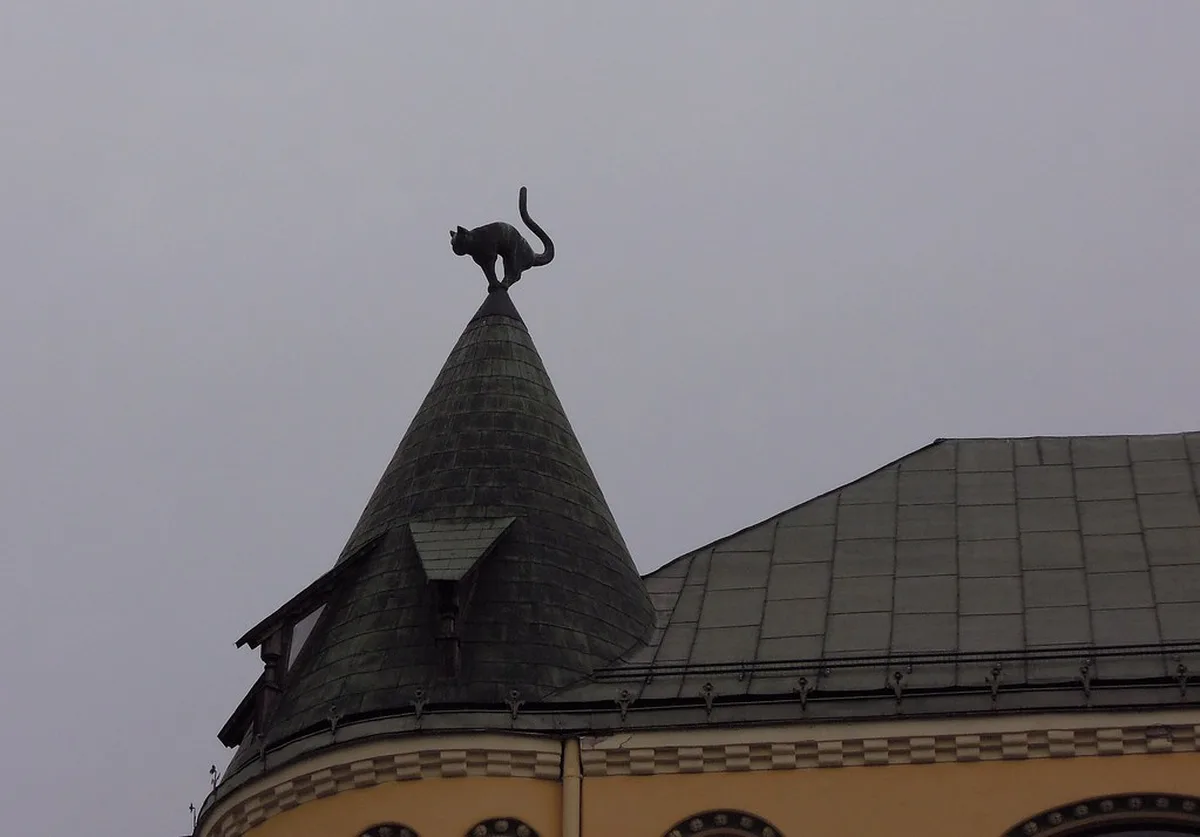
Walking just a few steps north along Kalķu iela brings you to the towering spire of St. Peter's Church, which soars 123 metres above the city. This landmark offers a glass-enclosed lift to the observation deck where visitors enjoy panoramic views stretching all the way to the Daugava River and the Riga Gulf on clear days. Tickets for the tower cost €9 for adults in 2026, and queues are shortest before 10:00 in the morning. From the top you can map out the rest of your route before descending to street level — the Dome Cathedral and the three spires of Old Town orient you perfectly from this vantage point.
The Freedom Monument stands as a powerful symbol of Latvian independence just outside the medieval core, at the junction of Brīvības bulvāris and Raiņa bulvāris. Guards of honour stand watch here, and the changing of the guard ceremony happens every hour on the dot from 09:00 to 18:00 — budget five minutes to witness this if your timing allows. The monument is a 19-metre granite column topped by the bronze figure of Milda holding three stars, each representing one of Latvia's historical regions. Locals often gather in the nearby canal-side parks to enjoy the green space between historic districts, and the nearby Esplanade Park is perfect for a short rest before continuing your walk. This area marks the transition from the Old Town to the wider 19th-century boulevards and is roughly a 10-minute walk from Town Hall Square. The canal belt path itself is paved and smooth — ideal for a short detour on a warm afternoon.
Do not miss Maza Pils Street, a quiet lane just five minutes' walk from St. Peter's Church, where the Three Brothers — three medieval stone townhouses dating from the 15th, 16th, and 17th centuries respectively — stand side by side. These are the oldest surviving residential buildings in all of Riga, and their contrasting facades tell the story of how architectural tastes shifted over two hundred years. The White Brother (No. 17) dates to the 15th century and is the oldest; the Yellow Brother (No. 19) and the Green Brother (No. 21) followed over the next two hundred years. Entry to the interiors is free from the street, and the courtyard behind the white house is a peaceful spot that most day-trippers overlook entirely. Budget 20 minutes here for photographs and to read the interpretive panels on each facade.
Just a four-minute walk south of the Three Brothers along Jāņa iela stands the Roland Statue in Town Hall Square — the city's merchant symbol of justice and freedom, rebuilt in 1897. Riga Castle (Rīgas pils), the official residence of the Latvian president, sits at the northern edge of the Old Town where the Daugava River curves. The exterior is free to view at any time, with two towers and pale yellow walls offering a calm counterpoint to the busy tourist streets inside the walls. Allow 90 minutes for this entire northern loop of the Old Town before heading south toward the Cathedral.
- House of the Blackheads
- Type: Historic guild house
- Cost: €7
- Location: Rātslaukums (Town Hall Square)
- Tip: Visit the cellar for medieval exhibits; arrive before 10:00 for best light
- St. Peter's Church Tower
- Type: Medieval church with viewing platform
- Cost: €9
- Address: Skārņu iela 19
- Best for: Orientation photography and panoramic views
- The Three Brothers
- Type: Oldest surviving dwellings in Riga (15th–17th century)
- Location: Maza Pils iela 17–21
- Cost: Free exterior; Architecture Museum inside by appointment
- Roland Statue & Riga Castle
- Type: Civic symbol + presidential residence
- Location: Town Hall Square / Pils laukums
- Cost: Free exterior view
Exploring the Famous Art Nouveau District
Riga boasts the highest concentration of Art Nouveau architecture in the entire world, with over 800 buildings spread across the quiet center district. Most of these masterpieces sit just a ten-minute walk from the Freedom Monument along Alberta iela and Elizabetes iela. Every building along this stretch features elaborate faces, mythical creatures, and flowing floral patterns crafted in stone and stucco that appear almost alive in afternoon light. Architects like Mikhail Eisenstein created many of these stunning facades between 1901 and 1908 during Latvia's economic golden age — a period when Riga was the fifth-largest city in the Russian Empire and its prosperity showed in every cornice and roofline.
Walking north from the Freedom Monument along Brīvības iela and then turning left onto Alberta iela places you immediately among the most celebrated buildings in the district. Numbers 2a, 4, 6, 8, and 13 on Alberta iela are all Eisenstein designs and offer a textbook lesson in Jugendstil ornamentation within just 200 metres of pavement. Look upward at the screaming face masks, sphinxes, and peacock motifs that crown each story — details you can spend a full hour simply absorbing without entering a single building. The Art Nouveau Museum at Alberta iela 12 (€8 entry in 2026) includes access to a beautifully preserved period apartment complete with original furniture, ornate tiled stoves, and painted ceilings that bring the Jugendstil lifestyle to life. Allow 45 minutes inside if you book in advance; tickets can sell out in peak summer weeks.
Photography enthusiasts will find the best light for the blue-and-white facades between 07:00 and 09:30, when the rising sun hits the plasterwork from the east and the streets are quiet enough for unobstructed compositions. Overcast days are actually ideal for pulling out fine stucco detail — diffused cloud light eliminates harsh shadows in deep-relief carvings in a way that direct sun cannot. The parallel street of Strēlnieku iela offers equally remarkable examples of National Romanticism, a more rugged Baltic take on the Art Nouveau movement that draws on folk motifs rather than Mediterranean themes. Elizabetes iela, running roughly parallel two blocks south, presents a further gallery of ornate facades alongside pavement cafes where you can rest over a coffee or a slice of rye cake between photo sessions. Allowing 90 minutes for the district provides enough time to see the highlights without feeling rushed, and combining it with a return walk through Vērmanes dārźs garden makes for a relaxing loop back toward Old Town. See the dedicated Art Nouveau section below for the full 2.5 km walking route with specific building addresses and photography guidance.
Riga Art Nouveau Walking Tour: The World's Highest Concentration of Art Nouveau
Riga holds a globally unique distinction: it is home to more Art Nouveau buildings per square kilometre than any other city on Earth. Of the approximately 800 Art Nouveau structures that survive across the city, the vast majority are concentrated in a tight grid of quiet residential streets in the city's historic centre district — making this the only city in the world where you can walk an entire neighbourhood saturated in the style. UNESCO has recognised this architectural heritage as part of Riga's Outstanding Universal Value as a World Heritage city, and the claim to the highest global concentration of Art Nouveau is backed by documented surveys of surviving pre-1914 building stock.
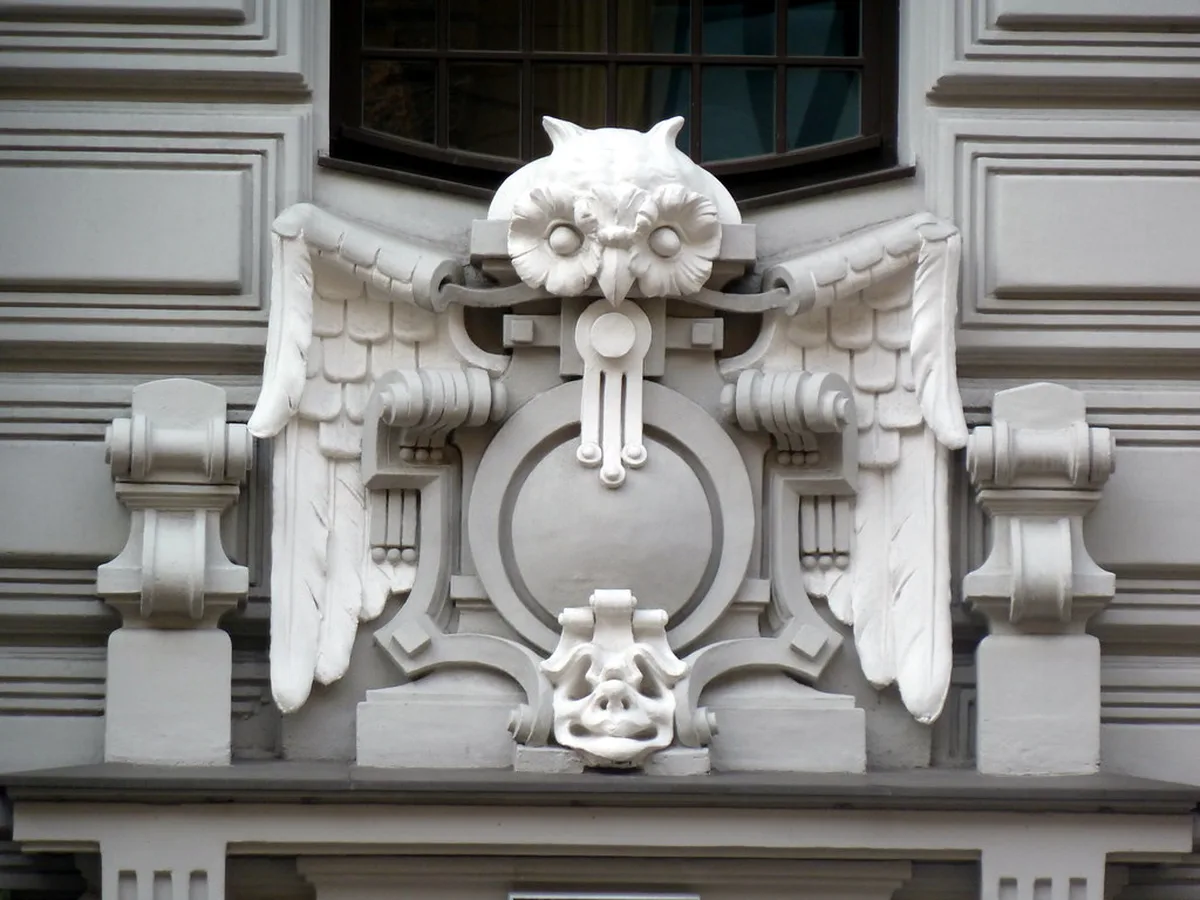
The undisputed showpiece is Alberta iela (Alberta Street), where eight consecutive Art Nouveau buildings — all erected between 1901 and 1906 — line a single block on both sides of the street, free to view from the exterior at any hour. Start your route at the junction of Alberta iela and Strēlnieku iela and walk west. The facades at No. 2a, 4, 6, 8, and 13 were all designed by Mikhail Eisenstein, the most flamboyant architect of the Riga Jugendstil movement. Eisenstein's buildings are immediately recognisable: screaming face masks over the upper windows, serpentine plant tendrils wrapping column capitals, large mythological female heads flanking the entrance arches, and warrior figures perched at roofline. No. 4 Alberta iela is considered his most dramatic composition — stand on the opposite pavement to take in the full four-storey elevation before moving along the street.
Elizabetes iela runs parallel two blocks south and contains a second concentration of notable buildings, including several by Konstantīns Pēkšēns and Eižens Laube — architects who developed a distinctly Latvian National Romantic variant of Art Nouveau incorporating folk-art motifs, rough granite facings, and Baltic folk symbols alongside the more internationally recognisable Jugendstil ornament. Strelnieku iela (Strēlnieku iela), running one block north of Alberta, provides a quieter alternative walk where the buildings are less famous but equally detailed and almost entirely free of tourist crowds even in peak summer.
The Art Nouveau Museum at Alberta iela 12 is the essential stop on this route. Entry costs €8 in 2026 and includes access to a fully furnished period apartment preserved exactly as a wealthy Riga merchant family would have lived in 1903 — ornate tiled stoves, hand-painted ceiling frescoes, curved Jugendstil furniture, and original wallpaper panels. The museum also sells the best printed map of all 800+ Art Nouveau buildings in the city, which serious architecture walkers will find indispensable for extending the route beyond the main streets. Pre-booking via the museum website is strongly recommended in July and August when the apartment fills to capacity.
For photography, overcast days are definitively better than bright sunshine for capturing Art Nouveau facades. Direct sunlight creates harsh shadows inside the deep-relief stucco carvings — particularly in Eisenstein's face masks and the intricate column capitals — whereas cloud-diffused light fills every carved surface evenly and reveals the full depth and texture of the work. The golden hours (07:00–09:00 and 18:00–19:30) offer the best compromise of warm colour and low shadows if you visit in clear weather. Aim your camera slightly upward from the opposite pavement rather than from directly below the facade.
The full Art Nouveau walking route from Alberta iela to the edge of Old Town covers approximately 2.5 km and takes around two hours at a photography-friendly pace. Walk Alberta iela west to east, turn south onto Elizabetes iela, continue past Vērmanes dārźs garden, then follow Elizabetes south-west until it meets Brīvības bulvāris at the Freedom Monument — from there Old Town is a five-minute walk. This circuit connects the Art Nouveau district seamlessly to the medieval core, making it the logical second half of a full-day Riga walk. You can combine both districts — Old Town in the morning, Art Nouveau after lunch — for a complete 6–7 km day on foot.
Free Walking Tours in Riga 2026
Riga's free walking tour scene is one of the best-organised in the Baltic states, with multiple operators running daily departures from the historic centre. The standard meeting point used across operators is the area around Town Hall Square, and the most established tour in the city departs daily at 10:30 AM from the Latvian Riflemen Monument — the bronze statue at the south end of Town Hall Square, directly in front of the House of the Blackheads. No pre-booking is required: simply arrive a few minutes early and look for a guide holding a coloured umbrella or flag near the monument.
The tour runs on a tip-based model with no upfront cost. A tip of €5–15 per person is the local norm and reflects fair compensation for a 2.5-hour professionally guided walk. For groups of up to eight people who prefer a more personal experience, private guides are available from €80 total — enquire at the Riga Tourist Information Centre on Rātslaukums or via the rigafreetours.com website. Private tours can be tailored to specific interests: architecture, Soviet history, food culture, or the Art Nouveau district exclusively.
A standard free walking tour covers three distinct areas of the city. The first leg moves through the medieval streets of the Old Town, pausing at Town Hall Square, the House of the Blackheads, and the Cathedral of Riga (Doma laukums). The second leg covers key Old Town monuments including the Swedish Gate, Jacob's Barracks, and the Three Brothers. The third leg typically loops through the lower section of the Art Nouveau district along Elizabetes iela before returning to the Old Town. The combined walking distance across all three sections is approximately 4 km on a mix of cobblestone and paved surfaces — comfortable shoes with cushioned soles are essential.
A competing operator listed on freewalkingtour.com focuses specifically on the Old Town circuit with a theme of Riga history and culture. Their tour covers Dome Square, the Swedish Gate, Jacob's Barracks, and the Three Brothers in greater historical depth. This option suits travelers who have already seen the Central Market or who have limited time and want a focused two-hour experience. Both operators employ university-educated English-speaking guides who deliver story-driven commentary on Latvian history, Soviet occupation, and the city's remarkable post-independence transformation since 1991.
Booking tips for 2026: groups larger than ten should email ahead to guarantee a dedicated guide. In high summer (July–August) morning tours often attract 30 or more participants; afternoon slots are noticeably smaller and allow more questions and detours. Carry cash in small denominations for the tip, as card readers are not standard on street tours. A water bottle and a light waterproof jacket cover the two most common midwalk needs in Baltic weather. Most operators run tours every day of the year including public holidays, though the route may be adjusted in heavy snow or extreme cold during January and February.
Practical Advice for Your Riga Walking Tour
Footwear remains the most important consideration for anyone planning a riga walking tour. The medieval streets of the Old Town consist of uneven cobblestones — particularly on Jāņa sēta, Maza Pils iela, and the lanes behind the Cathedral — that can be very hard on your feet after the first hour. Sturdy sneakers with cushioned soles or flat ankle boots with arch support provide the best comfort for a full day of exploration and give enough grip on wet stone surfaces, which become genuinely slippery after rain. Avoid thin sandals or high heels if you plan to walk for several hours — the gaps between larger granite setts can easily catch a narrow heel, and a twisted ankle on cobblestone is a common tourist injury in summer. In contrast, the Art Nouveau district streets and the canal belt paths are smooth asphalt and far easier on the feet.
Baltic weather can be unpredictable even during the height of the summer months. Carrying a compact umbrella or a light waterproof jacket ensures you stay dry during sudden rain showers that blow in from the Gulf of Riga with very little warning — sometimes arriving within 15 minutes of a completely clear sky. Many shops along Kalķu iela and in the Central Market sell affordable rain ponchos for under €5 if you get caught unprepared. Checking the forecast before leaving your hotel and dressing in thin moisture-wicking layers gives you the flexibility to adapt as the day warms up. Temperatures in July and August typically range from 18–25°C but can spike higher during heat waves that have become more frequent in recent summers.
Travelers often wonder about safety when wandering through unfamiliar European streets at night or in quieter corners of the city. You will find that Riga is safe for tourists — the answer is yes, with standard big-city precautions applying. Keep an eye on your belongings in crowded areas like the Central Market and at the main bus station, and be aware of the usual tourist-area pickpockets near Town Hall Square, particularly during the peak summer months when large guided groups create a distraction. Most locals speak excellent English and are genuinely happy to provide directions if you get lost, and police presence in the Old Town is consistent throughout the day and evening.
Carry a portable charger and download an offline map (Maps.me or OsmAnd both work well with Riga's detailed street data) before you head out. The Old Town has few free Wi-Fi hotspots outside of cafes, and navigating on data roaming can be costly for visitors on non-EU plans. Most self-guided routes cover between 5 and 8 km over the course of a full day — plan a mid-walk lunch stop near Doms Square or at the Central Market to keep your energy levels steady. Budget around €8–12 for a satisfying lunch at the market's gastronomy pavilion, where Latvian rye bread, smoked fish, and grey peas with bacon give you an authentic taste of the local food culture alongside your architectural exploration.
Seasonal Insights for Walking in Riga
Summer offers the longest days for walking, with daylight in Riga lasting well into the late evening hours — the sun sets after 22:00 in late June. You can explore the city until 10 PM while still enjoying the bright northern light that gives the limestone facades and river a golden hue. This season also brings various outdoor markets and street performances to Doms Square, Esplanade Park, and the embankment along 11. Novembra krastmala. Reviewing the best time to visit Riga guide helps you align your trip with the Riga City Festival in August or the Latvian Midsummer (Jāņi) celebrations in late June, both of which dramatically change the atmosphere of the streets. During Jāņi weekend the entire city centre becomes a pedestrian festival ground with folk singing, bonfires, and traditional flower garlands worn by Rigans of all ages.
Winter transformations turn the Old Town into a festive wonderland filled with wooden stalls and strings of fairy lights strung between the medieval spires. Walking between the Christmas markets in Dome Square — where Riga claims to have held the world's first Christmas tree in 1510 — and Esplanade Park is a magical hour-long circuit that most visitors rank among their best travel memories. You should dress warmly in thermal base layers and a wind-blocking outer shell, as temperatures frequently drop below −10°C in January and the wind off the Daugava adds to the chill. Hot balsam drinks (a Latvian herbal digestif served warm) are available at many street stalls for €2–3 and provide a welcome internal heat source between stops. Winter also means fewer tourists — you will have Town Hall Square almost to yourself on a midweek morning in February, a rare treat in a city this photogenic.
Spring and fall provide a much quieter experience for those who dislike large tourist crowds, with shoulder season hotel prices often running 30–40% lower than summer peak. In 2026, the Riga Opera Festival is scheduled for June, while the Riga City Marathon in May turns the riverside boulevard into a pedestrian-friendly promenade for a full weekend — excellent for walkers who enjoy a lively street atmosphere without needing to run. The crisp autumn air in September and October makes for ideal walking conditions, with low humidity, mild temperatures averaging 10–15°C, and the foliage in Vērmanes dārźs and along the canal belt adding warm amber and red colour to the Art Nouveau streets. If you plan to visit in winter, pair your walk with a trip to the Riga beach guide for Jūrmala, the seaside resort just 30 minutes by train — unexpectedly beautiful even in the off-season when the pine forest and empty white sand create a serene contrast to the city.
Common Mistakes and Local Nuance
Many tourists make the mistake of staying entirely within the walls of the Old Town for their entire visit. While the historic center is undeniably beautiful, crossing Vanšu Bridge to the left bank (Pārdaugava) provides a unique perspective of the city skyline from the terrace beside the National Library (Latvijas Nacionālā bibliotēka), which opened in 2014 and is nicknamed the Glass Mountain after a Latvian fairy tale. You will find fewer crowds, lower cafe prices, and a more authentic look at how Rigans actually live in the residential streets of Āgenskalns and Torņakalns — just 15 minutes' walk from the bridge landing. The wooden architecture of the Āgenskalns market and the surrounding 19th-century timber houses offer a completely different visual language from the stone and stucco of the Old Town and Art Nouveau district, and are entirely free to explore.
Skipping the Central Market at Nēģu iela 7 is another common error that many first-time visitors regret deeply. These five massive former Zeppelin hangars — each approximately 90 metres long — house one of the largest covered food markets in Europe, with separate pavilions dedicated to meat, fish, dairy, produce, and gastronomy. You can sample local farmhouse cheeses, cold-smoked sprats, grey peas with bacon, and fresh rye bread for just €2–3 a portion. The market is open from 07:00 to 17:00 on weekdays and from 07:00 to 16:00 on Saturdays — it is a ten-minute walk south along Aspazijas bulvāris from the central train station, or 15 minutes from Town Hall Square. Arriving at 08:00–09:00 catches the freshest produce and the most animated vendor activity before the daytime tour groups arrive.
Planning your route around the city's vibrant evening scene can enhance your overall experience considerably. After a long day of walking, the Riga nightlife guide covers the best bar locations in the Old Town and the creative Miera iela district. Many medieval cellars on Kalēju iela and Peldu iela have been converted into cozy pubs serving local craft beers from breweries like Labietis and Valmiermuiža. These dimly lit stone-vaulted spaces offer a perfect place to rest your legs at the end of a full walking day, and the atmosphere in the evenings is genuinely convivial without the pressure-sales culture of some western European tourist bars. For a complete guide to the medieval core itself, the Riga Old Town guide covers every street and lane in detail with opening hours and entry costs updated for 2026.
Frequently Asked Questions
How long does a typical Riga walking tour take?
A standard guided tour usually lasts between two and three hours. This timeframe allows you to see the major Old Town sites and the Art Nouveau district without rushing. Self-guided walkers who add the Central Market and the left bank can extend the experience to a full day of five to six hours at a comfortable pace, covering roughly 6–8 km in total across the city's main districts.
Is there a free walking tour in Riga?
Yes. Riga's free walking tour departs daily at 10:30 AM from the Latvian Riflemen Monument in Town Hall Square — no booking required, just show up a few minutes early. The 2.5-hour tour covers Old Town highlights on a tip-based model with no fixed upfront charge; a tip of €5–15 per person is the local norm. Private guided tours for groups up to 8 people are available from €80 in 2026, and can be tailored to Art Nouveau, Soviet history, or food culture themes.
How long does it take to walk Riga Old Town?
A brisk loop around the core of Riga Old Town — from Town Hall Square past the Cathedral, the Three Brothers, the Swedish Gate, and back — takes about 45 minutes without stopping. Add another 30–60 minutes if you pause at viewpoints, enter the House of the Blackheads (€7), or climb St. Peter's Church tower (€9). Most visitors spend 2–3 hours exploring the Old Town at a relaxed sightseeing pace, with the self-guided loop covering roughly 2 km starting from the Freedom Monument.
What is Riga most famous for architecturally?
Riga is globally famous for having the highest concentration of Art Nouveau architecture in the world, with over 800 Art Nouveau buildings in the city centre — more than any other city on Earth. Alberta iela is the showpiece street, where eight Art Nouveau buildings stand in a single row (all free to view from the exterior). Architect Mikhail Eisenstein designed the most dramatic facades, featuring screaming face masks, mythological figures, and elaborate stucco ornamentation. The Art Nouveau Museum at Alberta 12 charges €8 entry and shows a preserved period apartment from 1903. Riga's medieval Old Town — a UNESCO World Heritage Site — is equally celebrated for its Gothic spires, Hanseatic guild houses, and the ornate House of the Blackheads on Town Hall Square.
Is Riga a walkable city for seniors?
Riga is very flat overall, which makes it easier to navigate than many other European capitals. However, the cobblestones in the Old Town can be a challenge for those with mobility issues. Taking frequent breaks at the many benches along the canal belt and in Esplanade Park is highly recommended. The Art Nouveau district streets are smooth paved asphalt rather than cobblestone — much easier underfoot — and the canal belt path is fully accessible. For further mobility and accessibility planning, the Riga Old Town guide notes which lanes are smoothest.
What shoes should I wear for a Riga walking tour?
Wear well-cushioned, closed-toe shoes or flat ankle boots with non-slip soles. The Old Town streets are predominantly large granite cobblestones that are uneven and can be slippery when wet. Avoid heels, thin-soled canvas shoes, or flip-flops, especially if you plan to walk for more than two hours. Comfortable trainers with arch support are the single most important gear choice for a pain-free Riga walking day — the Art Nouveau district and canal belt are asphalt and much gentler on the feet, but the Old Town cobblestones will punish inadequate footwear quickly.
A walking tour remains the most rewarding way to discover the layers of history in Latvia's capital. From medieval towers and guild houses to the extraordinary decorative facades of the Art Nouveau district — the world's densest concentration of the style — every street corner in Riga offers something new to admire and photograph. The free daily tour from the Latvian Riflemen Monument at 10:30 AM gives you a guided foundation, while the self-guided 2 km Old Town loop and the 2.5 km Art Nouveau route let you explore at your own pace. You will leave with a deeper appreciation for the city's resilience, artistic ambition, and the quiet pride that Rigans take in their urban landscape.
Remember to wear comfortable shoes and keep a flexible schedule to allow for spontaneous discoveries — the best moments often come from ducking into an unmarked courtyard or following the sound of an outdoor concert. If you have more time after your walk, consider looking into day trips from Riga to explore the beautiful Latvian countryside and the UNESCO-listed wooden architecture of Jūrmala. Your adventure on foot is just the beginning of what this remarkable region has to offer in 2026.