Choosing the Best Time to Visit Riga for Your Trip
The best time to visit Riga is May to June or September to October — mild 15-22°C temperatures, 30-40% lower hotel prices than peak summer (€60-95 mid-range vs €90-140 in July-August), and significantly smaller crowds at major attractions in 2026.
July and August are Riga's warmest months (22-25°C) with beach trips to Jūrmala (30 min train, €2), but Riga Old Town attracts its highest crowds; Riga Jūras Festival in July is free outdoor concerts on the Daugava riverbank.
Riga offers a stunning blend of medieval history and vibrant modern culture throughout the year. Finding the best time to visit Riga depends on your preference for weather, local events, or travel budget in 2026. This guide explores seasonal shifts to help you plan a perfect Baltic adventure. From summer sunshine to winter snow, each month brings a unique atmosphere to this UNESCO-listed capital.
Direct answer: The best overall time to visit Riga is June through August for warm weather and festivals, or December for Christmas markets. Budget travelers get the best value in January–February, when hotel rates drop to €50–80/night and flights are 40–50% cheaper than peak summer fares.
Summer Weather and Peak Season in Riga
Summer remains the most popular period for exploring the city under long daylight hours. Temperatures hover around 20–22°C (68–72°F) in June, rising to 24–26°C (75–79°F) in July and August. Daylight stretches to nearly 18 hours near the summer solstice, giving you ample time to explore every corner of the old town without rushing. This makes summer ideal for a Riga walking tour through the cobblestone streets.
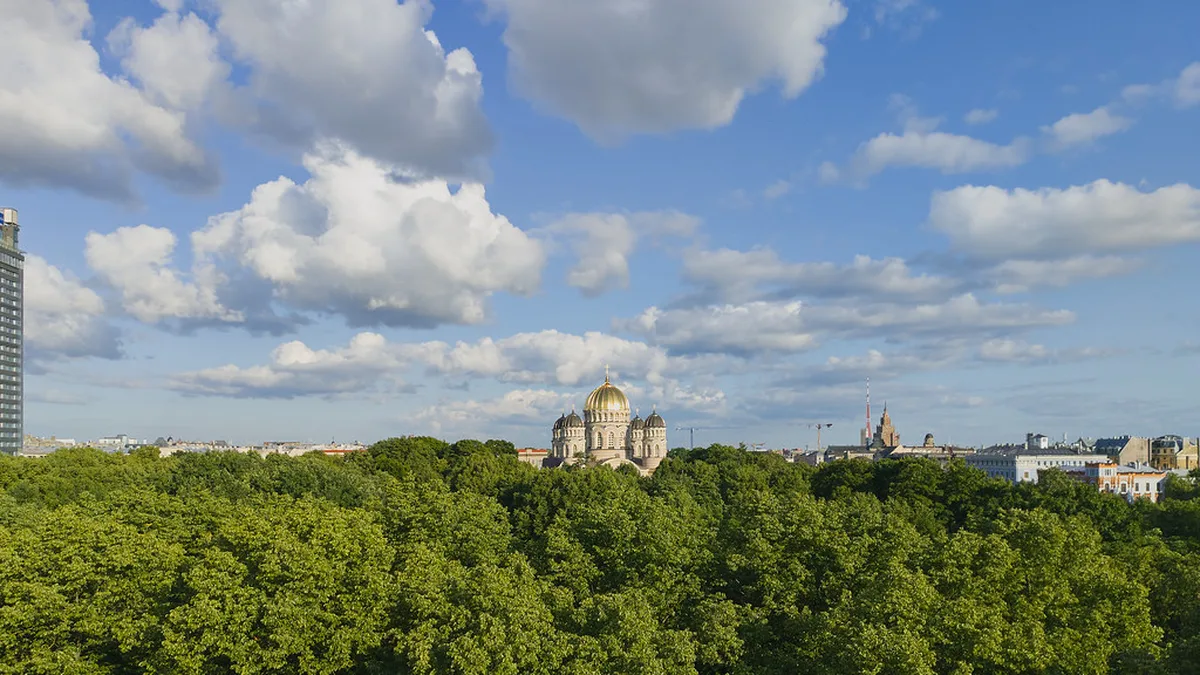
June kicks off with the Ligo festival around June 23–24, Latvia's most beloved midsummer celebration combining folk songs, flower crowns, and bonfire traditions. While locals head to the countryside, the city remains festive with open-air markets and craft stalls. The Riga City Festival in late August draws large crowds to the city center for free concerts and street performances along the Daugava riverbank.
July and August are peak months when hotel prices are at their highest — expect to pay €120–200/night for a mid-range hotel in the historic center, and €200–350/night for boutique four-star properties. Budget hostels typically run €20–40/night even in high season. Flights from major European hubs like London, Berlin, and Amsterdam are most expensive in July, often 30–50% higher than shoulder-season fares. Booking at least three months in advance is strongly recommended to lock in reasonable rates.
Crowds at top attractions like Riga Central Market, the House of the Blackheads, and Dome Cathedral peak between late July and mid-August, particularly when cruise ships dock at the Passenger Terminal. Despite this, the city rarely feels as overwhelmed as Paris or Prague. Outdoor concerts and festivals occur almost every weekend throughout summer, and the parks fill with locals enjoying picnics and boat rides on the canal.
For a refreshing escape from urban heat, the Riga beach guide covers the short train ride to Jurmala, where the Gulf of Riga warms to 18–21°C (64–70°F) in July and August. Most major attractions operate with extended opening hours during summer to accommodate the influx of international visitors, making it the most logistically convenient time for first-time travelers.
Spring Awakening and Budget Opportunities
Travelers seeking fewer crowds should consider visiting during the shoulder months of spring. May is the standout spring month, with temperatures climbing from 12°C (54°F) in early May to a comfortable 18°C (64°F) by month's end. Daylight hours extend to 16–17 hours, giving you nearly as much light as summer without the peak crowds. This is an excellent time to explore the Riga old town guide without queuing at every doorway.
March and April can still feel quite chilly as the last of the winter ice melts away. March averages just 2–5°C (36–41°F), while April warms gradually to 8–10°C (46–50°F). You might experience a mix of sunny skies and sudden spring rain showers throughout your stay — carrying a light waterproof jacket is essential. By late April, the first outdoor café terraces begin opening, and locals reappear on the streets after months of cold isolation. This spring transition mirrors the general awakening across Latvia as nature emerges from its winter dormancy.
Accommodation rates are significantly lower in spring compared to the busy summer months. Mid-range hotels in the Old Town that charge €180–200/night in summer often drop to €90–120/night in April and early May. Budget hotels and guesthouses can be found for €50–70/night throughout spring. Flight prices follow a similar pattern, with April being one of the cheapest months to fly into Riga from Western Europe — often 20–35% below July peaks.
The city parks come alive with greenery and colorful flowers as the days grow longer. Vermanes Garden and Bastejkalna Park are particularly beautiful during the late spring transition, when lilac and cherry blossoms create dramatic backdrops for photography. Locals start returning to outdoor terraces as soon as the first warm rays of sun appear, bringing a joyful energy to the city squares.
Spring is also a fantastic time for foodies to sample seasonal Latvian ingredients like birch sap, gathered fresh in April and May. Many local restaurants introduce spring menus featuring wild garlic, ramps, and early-season vegetables sourced from local farms. You can enjoy these culinary delights in a quieter atmosphere before the tourist crowds arrive, often with better service and more attentive staff at popular dining spots.
Autumn Colors and Cultural Events
September offers crisp air and beautiful autumn colors across the city's many historic parks. Temperatures range from 14–17°C (57–63°F) in early September, dropping to 8–11°C (46–52°F) by October. Daylight hours decrease noticeably — from around 13 hours in early September to just 9 hours by late October — so plan outdoor sightseeing for the morning and midday. Hotels return to shoulder-season pricing, typically €90–130/night for mid-range properties, making it one of the better value periods to visit.
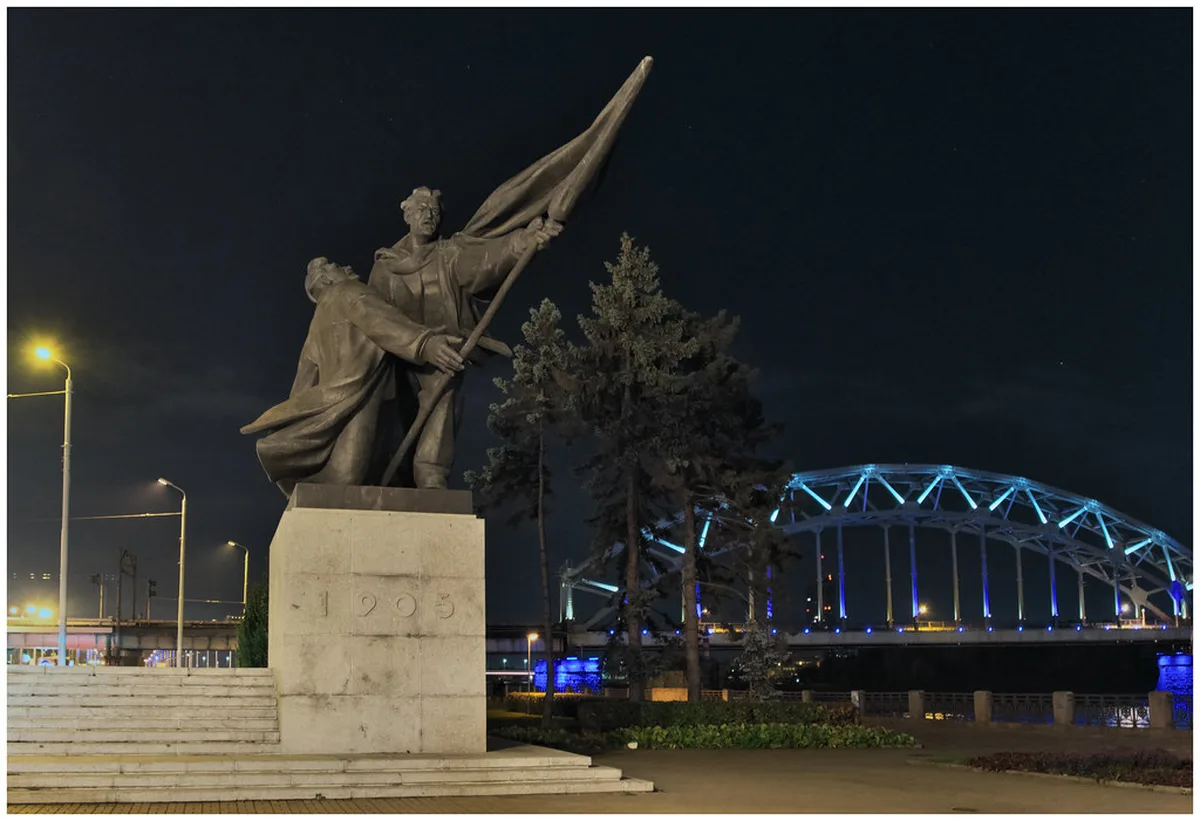
Many cultural institutions open their new autumn seasons in September, providing plenty of evening entertainment options. The Latvian National Opera launches its season with major productions, and the Riga Choreography Competition brings international dance companies to the city. The golden foliage in October makes for stunning photography opportunities along the city canal and in the Art Nouveau district, where the ornate facades look particularly dramatic against orange-leaved trees.
The Riga International Film Festival (Riga IFF), held each October, screens independent European and Baltic cinema at venues across the city center. Cultural enthusiasts should also watch for the Homo Novus theatre festival in September, which showcases experimental performance art from across Europe. These events offer a deeper look into the modern cultural identity of the Latvian capital beyond its medieval monuments.
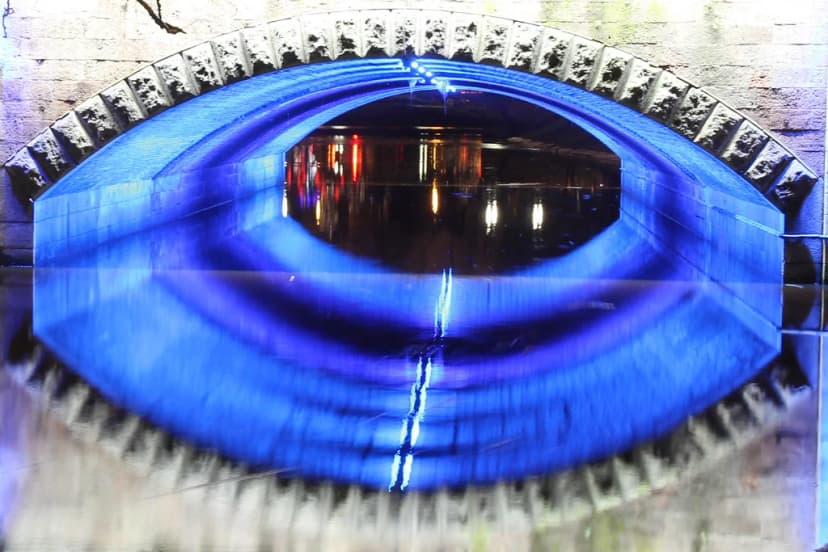
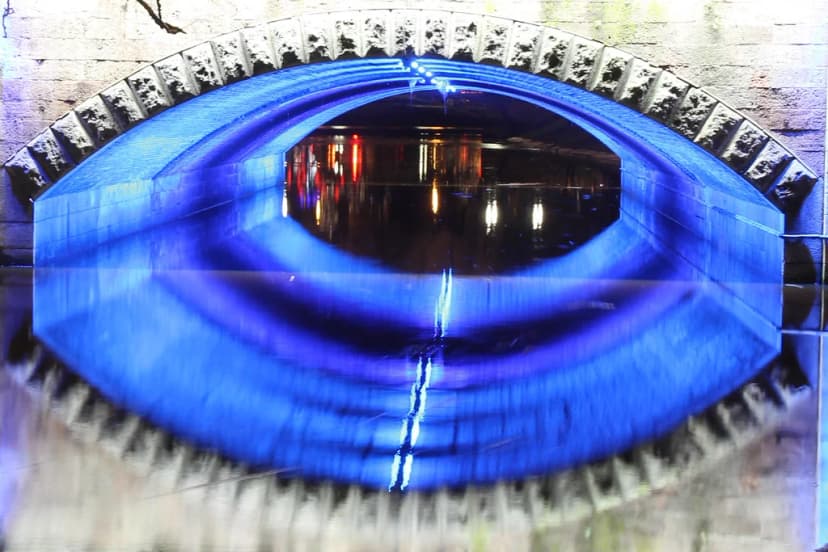
November is the quietest month for tourism but holds great significance for Latvians. The country celebrates Independence Day on November 18th with impressive light displays, a torchlight procession along the Daugava embankment, and military parades. The Staro Riga light festival typically illuminates the city during this dark month, turning historic facades and bridges into large-scale art canvases — entry is free and the displays run nightly.
Rain is more frequent in late autumn, so indoor activities become the primary focus for many visitors. Riga has an excellent selection of museums, galleries, and cozy tea houses. The Central Market — Europe's largest covered market, housed in five former zeppelin hangars — is a particularly rewarding destination in autumn, when seasonal mushrooms, wild berries, and smoked fish fill the stalls. Hotel rates in November are among the lowest of the year, often dipping to €60–80/night for comfortable three-star accommodation.
Winter Magic and Christmas Markets
Winter transforms the city into a snowy wonderland perfect for cozy and festive indoor experiences. December is especially magical because the traditional Christmas markets fill the historic squares with warm golden light. You can sample hot Riga Black Balsam (a traditional herbal liqueur), mulled wine, and local gingerbread while browsing handmade Latvian crafts at stalls in Dome Square and the Town Hall area. Temperatures in December average -1 to +3°C (30–37°F), with occasional snowfall that dusts the red-roofed medieval skyline.
January and February are the coldest months, with temperatures often dropping to -5 to -8°C (18–23°F) and daylight lasting just 7–8 hours. This period is ideal for budget travelers who want to avoid high season costs entirely. Check out the Riga nightlife guide to find warm basement bars and clubs during chilly nights — the city's nightlife scene thrives year-round regardless of outdoor temperatures.
Snowy weather provides a unique atmospheric backdrop for visiting the historic churches and Art Nouveau buildings. Several city parks offer cross-country skiing and ice skating tracks right within city limits — Mezaparks, the large forested park north of the center, maintains groomed ski trails in good snow years. After a day in the cold, a traditional Latvian sauna (pirts) experience at one of the city's wellness centers is highly recommended.
Daylight is very limited during the winter months, with the sun setting by 3:30–4:00 PM in December and January. This creates a long evening atmosphere where the city lights and Christmas decorations truly shine across the Old Town rooftops. Museums and galleries remain warm and inviting even when the weather outside is harsh — you can spend hours exploring the National Museum of Art or the Museum of the History of Riga and Navigation without feeling rushed.
Winter travel requires heavy coats, thermal layers, and sturdy waterproof boots to navigate the icy cobblestones. Hotel rates in January and February are at their annual lowest, typically €50–80/night for mid-range three-star options and €80–120/night for four-star properties. Flights are also significantly cheaper in mid-January and February compared to peak summer — a round trip from London to Riga can cost as little as €60–100 during these months.
Riga in Winter: Christmas Markets, Ice Skating, and Off-Season Savings
Riga holds one of Europe's most historically grounded Christmas market traditions, rooted in a remarkable claim: the world's first recorded decorated Christmas tree was erected in Riga's Town Hall Square in 1510. A bronze plaque now marks the spot on Town Hall Square (Rātslaukums), and it remains a point of genuine local pride. The Riga Christmas Market runs from late November to January 6 (Epiphany) and entry to the market grounds is completely free. Dozens of wooden stalls fill the square with handmade amber jewelry, woolen mittens, linen textiles, ceramic ornaments, and traditional Latvian smoked meats and piparkukas (spiced gingerbread cookies).
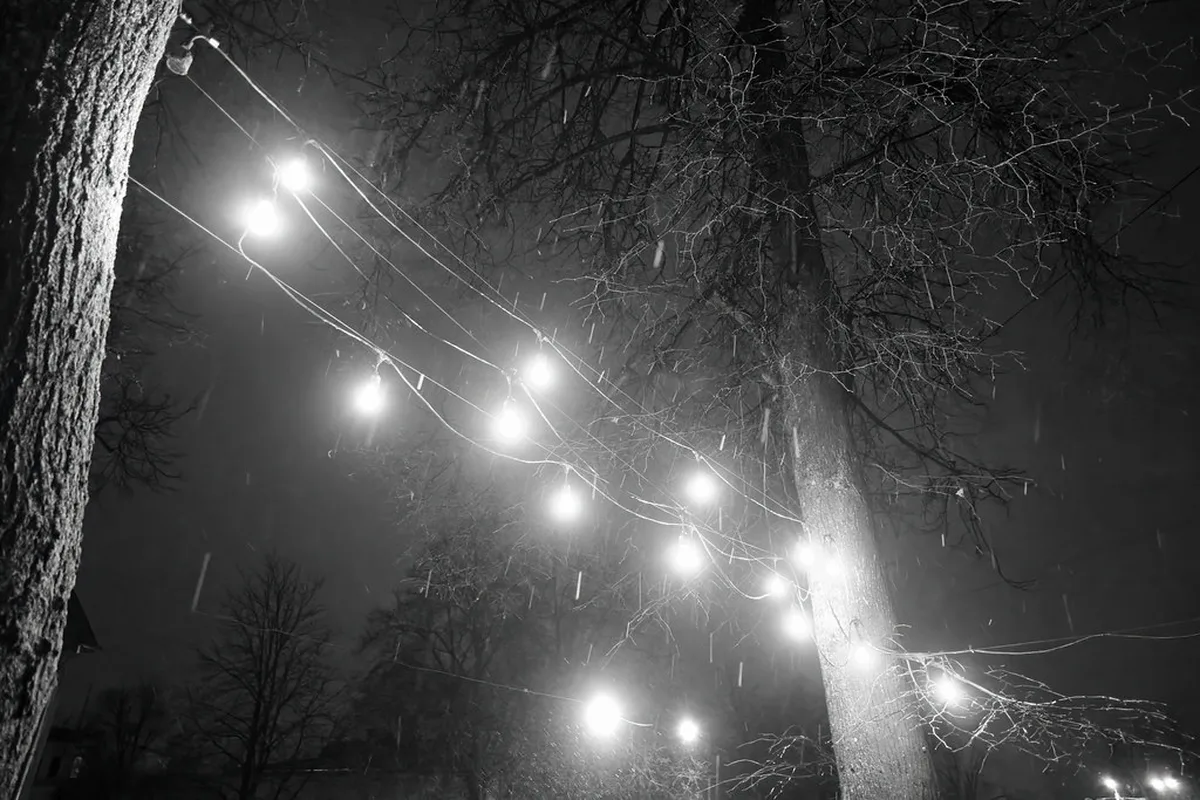
Temperature during the Christmas market season (late November through January) ranges from -5 to +3°C (23–37°F). Snowfall is common and adds enormously to the atmosphere — the medieval cobblestones and Gothic spires of the Old Town look spectacular under a light dusting of snow after dark. Dress in proper winter layers: thermal base layer, mid-layer fleece, and a heavy windproof outer coat. Waterproof boots with good grip are essential for navigating the sometimes icy cobblestones. The entire Old Town is decorated with light installations and the Riga Cathedral and Riga Bourse building are dramatically illuminated each evening.
An ice-skating rink is installed annually at Town Hall Square alongside the market — sessions typically cost €5–8 per person including skate hire, making it one of the most affordable festive activities in the city center. For a more local ice-skating experience, Lucavsala island (a short walk or taxi from the Old Town) maintains an outdoor rink where skate hire costs €5. The island setting on the Daugava River provides a peaceful alternative to the crowded Old Town rink, and is popular with Riga families throughout January and February.
Riga Central Market — Europe's largest covered market, housed in five former zeppelin hangars — is open year-round and is particularly rewarding in winter. The heated indoor pavilions sell seasonal smoked fish, pickled vegetables, dairy, and Latvian winter staples like grey peas with bacon and sauerkraut. Unlike outdoor markets, the Central Market is fully operational on even the coldest January days, and its scale (7 hectares, over 3,000 traders) means there is always something to discover regardless of the season.
Hotel prices in November and February drop to €35–60 per night for comfortable mid-range three-star accommodation, making winter the most affordable season for a Riga visit. Once the Christmas market crowds depart after Epiphany (January 6), rates settle at their annual floor and every major attraction — the Latvian National Museum of Art, the Art Nouveau Museum, the House of the Blackheads — is fully operational with virtually no queues. The Latvian Song and Dance Festival, a UNESCO-recognized celebration held every five years, is next scheduled for 2028; planning a winter trip in 2026 allows you to prepare for that landmark event without peak-season pricing. Plan day trips from Riga to the snowy Gauja National Park or the baroque Rundale Palace for a dramatically different experience from summer visits — both are far less crowded in winter and offer a quieter, more contemplative atmosphere.
Monthly Breakdown for Riga Travelers
Choosing the right month can change your entire experience in the Latvian capital significantly. Each season offers distinct advantages for different types of travelers and budgets, and the differences between peak and low season are more pronounced here than in many Western European cities. This breakdown summarizes key features of every month to help you decide.
Weather patterns in the Baltics can be quite volatile and change quickly within a single day. Always check the local forecast a few days before your departure for the most accurate conditions. Being prepared for varying conditions — particularly the risk of sudden rain in summer and sharp cold spells in transitional months — will help you enjoy your trip regardless of the month you choose.
- June to August
- Type: Peak summer season
- Temperatures: 18–26°C (64–79°F)
- Daylight: 16–18 hours
- Best for: Outdoor festivals, Jurmala beach, city walking
- Hotel rates: €120–200/night (mid-range), €200–350/night (boutique)
- Flights: Highest of the year (30–50% above shoulder)
- Crowds: High — book 3 months in advance
- May and September
- Type: Shoulder season
- Temperatures: 12–18°C (54–64°F)
- Daylight: 13–17 hours
- Best for: City walking, cultural events, photography
- Hotel rates: €90–130/night (mid-range)
- Flights: Moderate — 15–25% below peak summer
- Crowds: Moderate
- December (market season)
- Type: Festive holiday season
- Temperatures: -5 to +3°C (23–37°F)
- Daylight: 7–8 hours
- Best for: Christmas markets, Dome Square, ice skating
- Hotel rates: €80–110/night (Christmas week), €50–70/night (early Dec)
- Flights: Moderate — can spike over Christmas holidays
- Crowds: Moderate to high in market areas
- January and February
- Type: Quiet winter low
- Temperatures: -8 to -1°C (18–30°F)
- Daylight: 7–9 hours
- Best for: Budget travelers, museum-focused visits, city without crowds
- Hotel rates: €50–80/night (mid-range)
- Flights: Cheapest of the year (€60–100 round trip from London)
- Crowds: Very low — near-empty attractions
- March and April
- Type: Late winter / early spring transition
- Temperatures: 2–10°C (36–50°F)
- Daylight: 11–14 hours
- Best for: Budget visitors who want spring atmosphere without peak prices
- Hotel rates: €60–90/night
- Crowds: Low
- October and November
- Type: Late autumn, low season
- Temperatures: 4–14°C (39–57°F)
- Daylight: 8–12 hours
- Best for: Cultural events, film festival, Staro Riga light festival, Independence Day
- Hotel rates: €60–90/night
- Crowds: Low — best for independent travelers
Local Insights for a Better Riga Visit
One local nuance many visitors miss is the massive exodus during the Ligo holiday in late June. Most locals leave the city to celebrate in the countryside, leaving Riga surprisingly quiet over the June 23–24 long weekend. Some smaller shops and family-run restaurants may close their doors for several days during this period — plan accordingly if you are arriving around Midsummer.
Safety is rarely a concern in this capital, but it is always good to stay informed. You can read our guide on is Riga safe for tourists for more detailed local tips. Generally, the city is very welcoming to international guests in every season, though as with any European capital, awareness in crowded areas is sensible.
If you visit during the winter, try the local grey peas with bacon for a hearty, traditional meal — this dish is a staple of Latvian winter comfort food and is widely available in Old Town restaurants for €8–12. In summer, look for cold beet soup (aukstā biešu zupa), a refreshing and vibrantly pink local favorite sold at many cafés and market stalls.
For the most complete seasonal experience, consider combining a city stay with a countryside excursion. Consider taking a day trip from Riga to see the changing seasons in the Gauja National Park. The park is breathtaking in autumn when the leaves turn bright red and orange, and the medieval Turaida Castle towers above the gorge. In summer, the park offers excellent hiking and cycling trails, while winter brings cross-country skiing through snow-covered pine forests.
Always keep a small amount of local cash (euros are accepted everywhere in Latvia since 2014) for visiting the Central Market in any season. While most city-center establishments accept cards, some market vendors and smaller stalls still prefer cash transactions. This allows you to easily buy fresh seasonal berries in summer — strawberries, blueberries, and chanterelle mushrooms are standout buys — or warm handwoven wool socks and amber pieces in winter.
Quick Answers: Riga Seasonal Travel
Best time to visit Riga overall: June to August for long daylight and outdoor festivals; hotel rates peak at €120–200/night. December for Christmas markets at Dome Square; January–February for lowest prices (€50–80/night) and fewest crowds.
Cheapest time to visit Riga: January and February offer the lowest hotel rates (€50–80/night mid-range) and cheapest flights year-round — round trips from London can be as low as €60–100. All major museums and attractions remain fully open with minimal queues.
Frequently Asked Questions
What is the rainiest month in Riga?
August and September typically see the highest rainfall levels in Riga, with August averaging around 80–90mm of precipitation. You should always pack a compact umbrella or light raincoat when visiting during these months. Despite the rain, temperatures remain quite mild and comfortable for most outdoor sightseeing activities — rain showers are usually brief rather than all-day downpours.
When is the best time to visit Riga for cheap flights?
January and February are the cheapest months for flights to Riga. Round trips from London can cost as little as €60–100, compared to €150–200+ in peak summer. Mid-November is also relatively affordable after the autumn leaf season ends. Avoid flying around Christmas Eve and New Year's Eve, when holiday demand briefly spikes prices even in this otherwise low season.
Does Riga get very crowded in the summer?
Riga experiences a significant increase in tourists during July and August, especially when cruise ships dock at the Passenger Terminal and release hundreds of day-trippers into the Old Town. However, it rarely feels as overwhelmed as major hubs like Prague or Amsterdam. You can almost always find quiet spots in the Art Nouveau district even during the busiest summer weeks, and wait times at museums are manageable compared to Western European capitals.
Can I see the Northern Lights in Riga?
Seeing the Northern Lights in Riga itself is quite rare due to significant light pollution from the city center and its relatively southern Baltic latitude. During strong geomagnetic storms (Kp index 7 or higher), faint aurora displays are occasionally visible from dark suburbs or outskirts in winter months. For reliable aurora hunting, travel further north toward Estonia or Finnish Lapland. Most visitors to Riga focus on the festive city lights and Christmas decorations rather than the aurora.
Is Riga worth visiting in winter?
Yes — Riga in winter is absolutely worth visiting, especially in December during the Christmas market season at Dome Square. The medieval Old Town looks spectacular under snow and festive lighting. January and February are ideal for budget-focused travelers: hotel rates drop to €50–80/night, flights are at their cheapest, and every museum and attraction is uncrowded. The cold (averaging -5 to -1°C) is manageable with proper winter clothing, and the city's café and bar culture means there are always warm spaces to retreat to.
When does Riga have the best weather for sightseeing?
May and June offer the best sightseeing weather in Riga — temperatures reach 15–22°C (59–72°F), daylight extends to 16–17 hours per day, and rainfall is lower than in July and August. September is the second-best option: temperatures of 14–17°C (57–63°F) are comfortable for walking, the autumn foliage in the Art Nouveau district and city parks is visually spectacular, and hotel rates drop 30–40% below summer peaks. Both shoulder periods combine pleasant outdoor conditions with manageable crowds compared to the July–August high season, making them the practical sweet spot for first-time visitors who want long daylight hours without paying premium prices.
The best time to visit Riga in 2026 depends entirely on what you want to experience. Summer offers the best weather and lively festivals with long daylight hours, while winter provides a magical and affordable atmosphere anchored by the historic Christmas markets at Dome Square and the festive spirit of the Old Town.
Shoulder seasons like May and September offer a perfect balance of pleasant weather and lower costs — typically 30–40% cheaper than peak summer for both hotels and flights. No matter when you choose to go, the city's rich history, Art Nouveau architecture, and vibrant local culture will impress you at any time of year.
Plan your itinerary carefully to take advantage of the unique seasonal events and local traditions. Riga remains one of Europe's most underrated capital cities — a genuinely rewarding destination that rewards both first-time visitors and those who return to discover it in a different season.