The Complete Riga Beach Guide: Where to Swim and Relax in 2026
Riga's nearest beach is Jūrmala — just 30 minutes by train from Riga Central Station on the Tukums line (€2 return in 2026), with 25 km of Baltic sandy beach backed by fragrant pine forest; peak season runs July–August with Gulf of Riga water temperatures reaching 18–22°C; Jomas Street restaurants and cafes start from €8 for lunch in 2026.
Majori beach — Jūrmala's central hub — is free to enter; deckchair hire costs €5–8 per day; the Kemeri National Park bog boardwalk trail is one stop further by train (€1 more) and completely free to walk; Lielupe river kayak hire is available from €12 per hour for those who want to explore the waterway behind the dunes.
Riga is widely known for its stunning architecture but the nearby coastline offers an equally impressive summer experience. Visitors can choose between bustling resort towns and quiet forest-lined shores within a very short distance of the city. This comprehensive guide will help you navigate the best seaside spots for your upcoming Latvian coastal adventure. Whether you seek modern amenities or wild nature, the shores around the capital provide something for every type of traveller.
Quick answer: The nearest beaches to Riga are in Jūrmala, reachable by train from Riga Central Station in about 30 minutes for €2–3 (2026 fare). Beaches are free to enter and the Baltic Sea reaches 18–22°C in July and August.
Jūrmala: Riga's Premier Beach Resort Town
Jūrmala is the undisputed premier coastal destination for anyone visiting the Latvian capital, stretching roughly 25 km along the Gulf of Riga coast. The town is composed of several distinct neighbourhoods — Majori, Dzintari, Bulduri, Lielupe — each with its own character and beach access points. Getting there is straightforward: trains depart Riga Central Station every 30 minutes throughout summer and arrive at Majori in approximately 30 minutes. In 2026, a single train ticket costs €2–3 one way, and you can buy it at station kiosks or via the Eiro Vilciens app on your phone. Visit the official Latvia tourism site for seasonal beach updates and A return ticket costs roughly €4–5 and can be validated on the platform barriers before boarding.
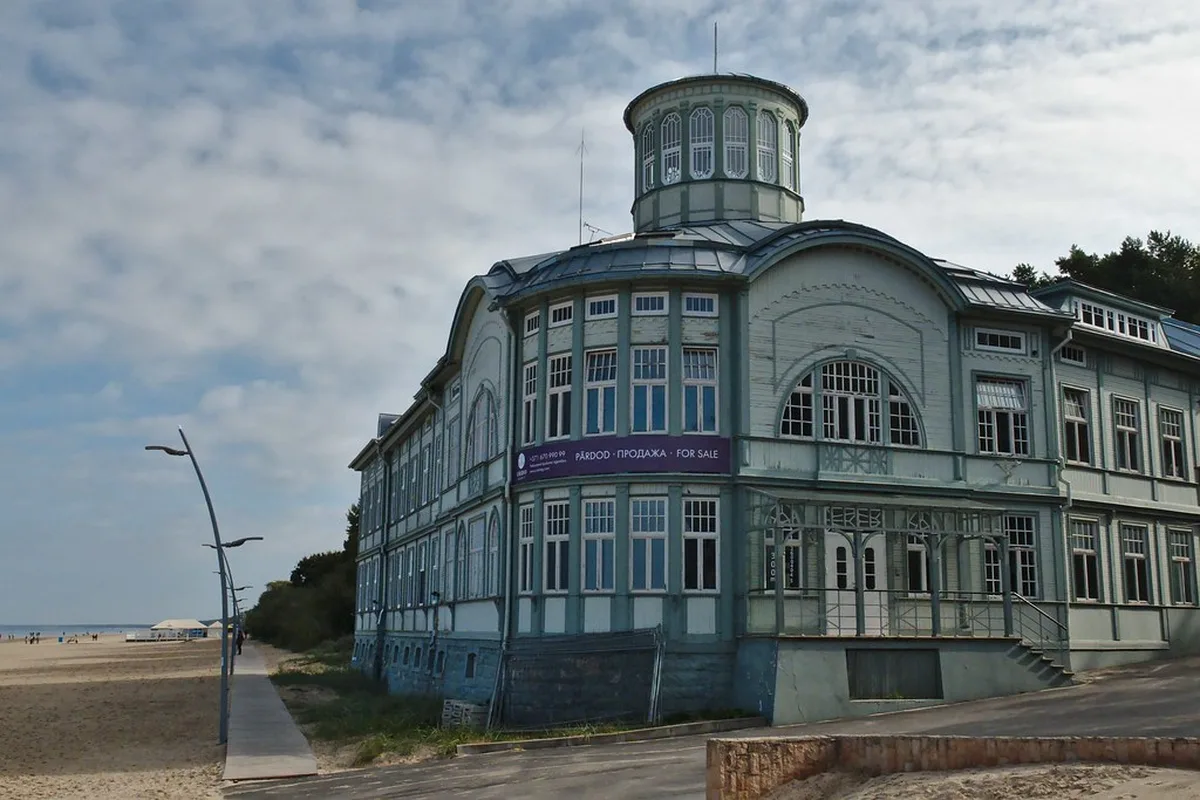
Majori Beach is the central hub and the busiest stretch, with a wide promenade lined with restaurants, ice-cream stalls, and beach equipment hire. Sun lounger and parasol rental is available directly on the sand at €5–8 per set per day (2026 prices). Changing cabins and public restrooms are free at regular access points along the shore. The shallow gradient makes wading comfortable and the beach is ideal for families with young children. Lifeguards are stationed at designated swim zones from 10:00 to 20:00 throughout July and August, flying a green flag on calm days and a yellow caution flag when currents strengthen after storms.
Dzintari, a short walk or one train stop east of Majori, provides a noticeably quieter atmosphere and easier parking if you are arriving by car. The Dzintari Concert Hall and Open Air Stage host jazz, classical, and contemporary performances throughout summer — tickets range from €10 to €40 depending on the act, and the programme is published on the Dzintari Concert Hall website each May. Active visitors can rent paddleboards at €10 per hour, bodyboards at €6 per hour, or join organised beach volleyball games at the court near the station. Walking the full stretch from Dzintari to Bulduri takes about 90 minutes at a relaxed pace, passing dune meadows and fragrant pine groves the entire way.
Bulduri Beach, two stops past Majori, attracts a more local crowd and families with younger children thanks to its particularly shallow entry point and calmer water. The Bulduri Horticultural School garden — free to visit — sits just three minutes from the beach and provides a tranquil shaded walk if you need a break from the sun. Lielupe, at the southern end of the resort, borders the Lielupe River estuary and is popular with kitesurfers who take advantage of the crosswinds that funnel between the pine trees and the open Gulf. Kitesurfing lessons start at €50 per session from the local school near Lielupe station, and kayak hire on the Lielupe River itself costs from €12 per hour.
The water temperature in summer averages 18–22°C during July and August, making swimming genuinely pleasant rather than merely bracing. After storms, it is common to find small pieces of amber washed ashore — look along the tide line early in the morning for the best finds. Most beach amenities are operational from late May through mid-September. Parking near the beachfront costs €2–3 per hour in peak season, so the train is both cheaper and faster from the city. For a broader look at excursions from the capital, see our day trips from Riga guide.
- Majori Beach Central Hub
- Type: Busy resort beach with full facilities
- Best for: Families, dining, sunbathing
- Transport: 30 min train from Riga Central, €2–3 single (2026)
- Cost: Free beach access; sun lounger €5–8/day
- Dzintari Beach and Concert Hall
- Type: Quieter resort beach with cultural events
- Best for: Active travellers, couples, evening concerts
- Transport: 32 min train from Riga Central (one stop past Majori)
- Cost: Free beach access; paddleboard hire €10/hr
- Bulduri Beach
- Type: Shallow family beach, less crowded
- Best for: Young children, local atmosphere
- Transport: 35 min train from Riga Central
- Cost: Free beach access; Bulduri garden free to visit
- Lielupe Watersports Area
- Type: River estuary with kitesurfing and kayaking
- Best for: Watersports enthusiasts
- Transport: 38 min train from Riga Central
- Cost: Kayak hire from €12/hr; kitesurf lessons from €50/session
Vecaki Beach: A Local Favourite Escape
Vecaki offers a peaceful alternative for those who want to avoid the larger crowds found in Jūrmala. This former fishing village has transformed into a favourite summer retreat for many local Riga residents who appreciate its quieter atmosphere, wider dune belt, and lack of heavy commercialisation. The train from Riga Central Station to Vecaki takes approximately 25 minutes on the Skulte line, with services running roughly every 30–40 minutes. In 2026 a single ticket costs €1.50–2.00 — slightly cheaper than Jūrmala — making it an easy and economical day trip from the city centre. Trains towards Skulte are clearly marked on the digital departures board at Riga Central; Vecaki is the fifth stop on this line.
A paved path leads you from the station through a beautiful pine forest for about ten minutes directly to the shore. The sand here is exceptionally soft and white, providing a perfect surface for sunbathing or beach games. You can easily find several small cafes serving traditional Latvian snacks, grilled fish, and cold beverages close to the beach entrance. Expect to pay €8–12 for a simple fish lunch at one of the seasonal kiosks in 2026. In the evening, some of these small family-run cafes host acoustic music sessions, giving Vecaki an informal community feel that Jūrmala's more polished resort atmosphere cannot replicate. This is a great place to experience authentic local seaside culture without the heavy tourist influence of the larger resort towns.
Facilities at Vecaki are functional but more modest than those in the resort towns — free changing cubicles and portable toilets are set up for the season, but showers are limited to one paid outdoor shower unit (€0.50 for three minutes) near the main entrance. The beach stretches roughly 2 km north from the access point, and the northern end is often much quieter, perfect for long meditative walks along the dune ridge. The water here is the same Baltic Gulf water as Jūrmala, reaching 18–21°C in midsummer. You might spot locals searching for amber along the tideline after windy days, a tradition deeply embedded in Latvian coastal culture. On especially clear days, sailing boats from the Vecmīlgrāvis yacht club pass close to shore, adding visual interest to an already scenic stretch of coastline.
Cyclists will appreciate the dedicated bike lane that follows the coastal road from Vecmīlgrāvis all the way to Vecaki. Bike hire is available near Riga Central for roughly €15–20 per day if you prefer pedalling the 12 km route along the Daugava and the coast. The cycling path passes through a nature reserve section where beavers have been active — look for freshly gnawed tree stumps near the stream crossings. There is no official car park at the beach but roadside parking is free on the side streets adjacent to the pine forest. Combining Vecaki with a stop at the Inčukalns Caves or the Gauja National Park makes a rewarding full-day itinerary; both are on Latvian train lines accessible from Riga. For the best timing to visit the Latvian coast, check our guide on the best time to visit Riga.
City River Beaches: Lucavsala and Ķīpsala
You do not actually need to leave the urban area to find a great place for swimming in Riga. Lucavsala Recreation Park offers a modern beach area located right on the banks of the wide Daugava River and is reachable by city bus (routes 40 and 41) or bicycle in under 20 minutes from the Old Town. Entry to the park is completely free, though you pay €2 per hour for a sun lounger if you want one. The park features volleyball courts, a large playground, well-maintained grassy picnic areas, and a children's water splash zone, making it one of the most popular waterfront destinations for city residents on warm weekday evenings and weekends alike. Pedal boats can be hired at the park's jetty for €6 per 30 minutes, giving visitors a relaxed way to see the Daugava from the water.
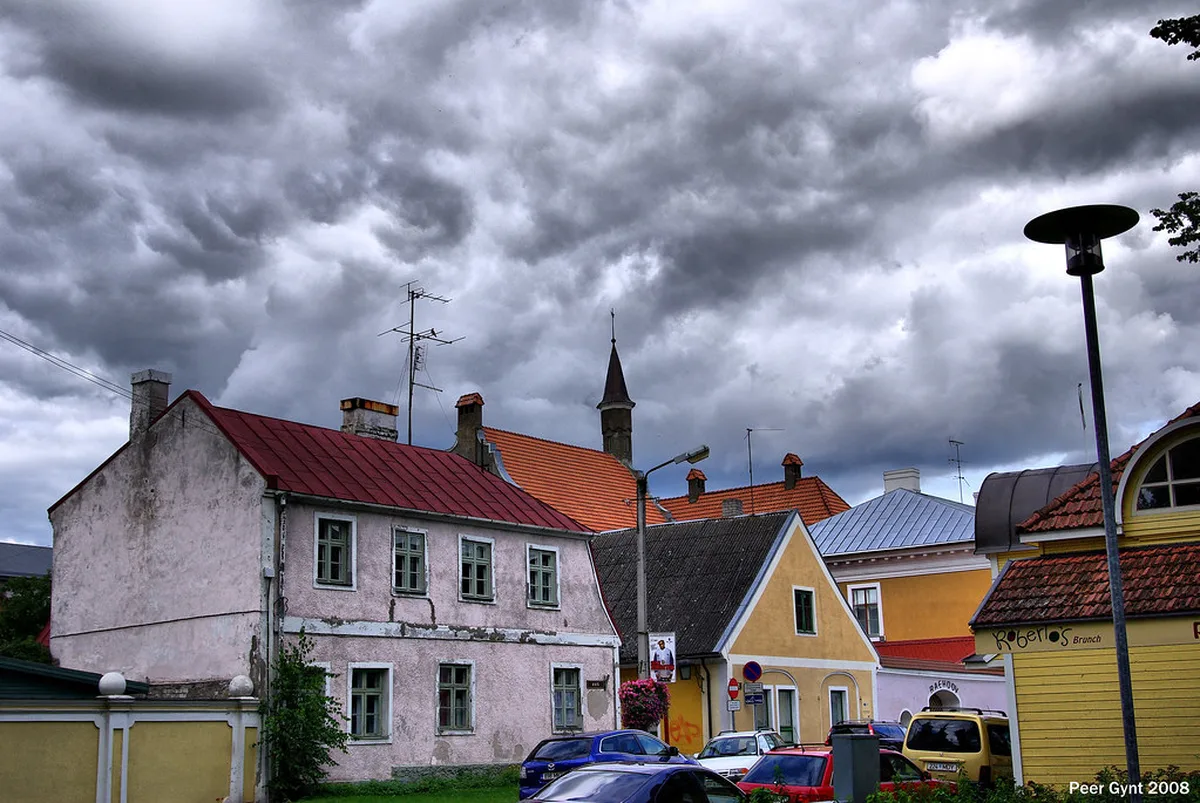
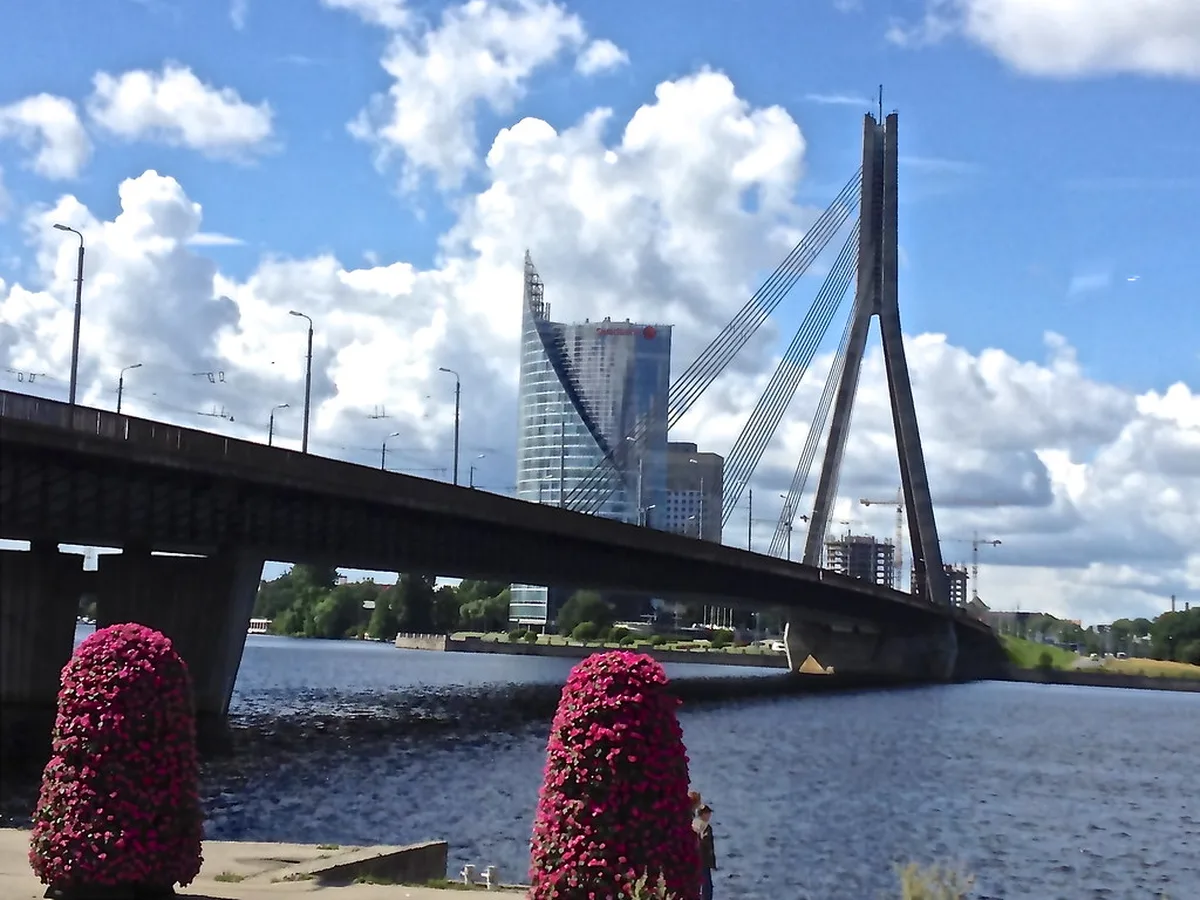
Ķīpsala Beach provides a unique swimming experience with stunning views of the historic Riga skyline directly across the river. This small sandy area is conveniently located near the Vanšu Bridge and a large shopping centre, making it easy to combine a swim with an afternoon of urban exploration. It is the perfect spot for a quick dip after visiting the Riga Old Town and the nearby Art Nouveau district on a warm summer afternoon. The water in the river is tested weekly by Riga City Municipality throughout summer, with results posted on the official bathing water quality board at the beach entrance and on the Riga City portal. Water temperatures on the river can feel slightly warmer than the open Gulf — typically 19–23°C in July — because of the shallower depth and slower current through the city.
Both city beaches offer a vibrant atmosphere with locals enjoying outdoor activities after work. Mobile coffee trucks, juice bars, and ice cream vendors park near the entrances during the afternoon and early evening hours. There are BBQ grills available to rent at Lucavsala for €5 per session — bring your own charcoal or buy a bag at the park shop for €3 — if you want to make a full evening of it. The grassy banks alongside the sand are popular with groups practising yoga and outdoor fitness, particularly on weekend mornings. These locations are excellent for travellers who have limited time but still want to enjoy the water without a long commute. Tram line 4 and several bus routes stop within a five-minute walk of Ķīpsala Beach, making it the most transport-accessible waterfront spot in the entire city. For a full walking tour of the city that could end here, see our Riga walking tour guide.
Vakarbulli: Nature and Blue Flag Quality
Vakarbulli is a hidden gem that holds the international Blue Flag certification for its high environmental standards — one of only a handful of Baltic beaches in Latvia to carry this accreditation in 2026. This beach is located on a narrow barrier island between the Lielupe River estuary and the open Gulf of Riga, giving it a distinctly different character from the resort beaches further south. You can reach it by taking bus number 3 from Abrenes iela stop in Riga centre, a journey of approximately 55 minutes. There is no train option, so the bus or your own car (parking is free on-site) are the main choices. The bus runs every 30 minutes from approximately 06:00 to 22:00 daily during summer, and the stop closest to the beach entrance is clearly marked on Riga's city transit maps.
Nature lovers will enjoy the coastal meadows and the diverse bird species found in this Natura 2000 protected area. Grey herons, oystercatchers, and occasional white-tailed eagles have all been recorded here, and the dune vegetation is left deliberately unmown to protect nesting birds from late April through July. Bring binoculars if birdwatching is your aim — the estuary mouth at dawn is particularly rewarding, with wading birds probing the mudflats while the Gulf of Riga glitters beyond. The beach is very wide — often more than 50 metres from the dune foot to the waterline — and feels almost empty even on warm summer weekends. You should bring your own food and drinks since there are no permanent kiosks; only an occasional mobile vendor parks near the bus stop on weekends from June to August. Bring cash in case card machines are unavailable.
The nearby Daugavgriva Fortress ruins and lighthouse are popular landmarks for those who enjoy exploring history alongside a beach visit. The fortress dates to the seventeenth century and admission is free during daylight hours; the restoration project funded by Riga City Council has stabilised the main bastions and added information boards in Latvian and English. You can watch massive cargo vessels enter the harbour mouth from the stone jetty, a genuinely dramatic spectacle at close range — vessels up to 200 metres long pass within a few hundred metres of the shoreline. Water temperatures here match the broader Gulf of Riga — 17–21°C in July — but the long fetch of the Gulf means wave heights can be slightly larger than at more sheltered Jūrmala beaches, which suits bodyboarders. The area is excellent for photography enthusiasts looking for unspoilt coastal landscapes, dramatic skies, and wildlife without the backdrop of beach umbrellas and resort infrastructure. Golden hour light in late July arrives around 22:00, creating extraordinary conditions for long-exposure shots of the lighthouse against the darkening Baltic horizon.
Jūrmala's Art Nouveau Villas and Beach Town Character
Jūrmala is far more than a beach resort — it is one of the most distinctive 19th- and early-20th-century wooden architecture towns in Northern Europe, and spending time exploring its streets rewards visitors with a cultural experience that rivals anything in Riga's city centre. The resort developed rapidly from the 1870s onward when the railway made it accessible to wealthy Baltic Germans, Russian aristocrats, and prosperous Riga merchants, all of whom commissioned summer villas in the fashionable styles of the day. The result is a remarkable concentration of Art Nouveau villas, ornate wooden dachas, and Historicist mansions set between the dunes and the pine forest on streets that remain largely unchanged in character today.
Jomas Street, the pedestrian main street running parallel to the beach through Majori, is the social heart of the resort and completely free to stroll. In summer 2026 it fills with boutique restaurants, amber jewellery shops, artisan craft stalls, and ice cream parlours running from around 10:00 to 22:00. Lunch at a mid-range cafe on Jomas Street costs €12–18 per person for a main course and drink. Branching off Jomas into the residential lanes — particularly Turaidas, Meierovica, and Edinburgas — reveals the most impressive villa architecture. Look for carved wooden verandas, fish-scale roof tiles, decorative turrets, and the bold geometric ornament typical of Baltic Art Nouveau. Photographing these buildings is best done in soft morning light before 09:00 or in the warm directional light of early evening when the low sun catches the facade carvings.
The Jūrmala City Museum on Tirgoņu Street (€2 adult entry, open Tuesday–Sunday 10:00–17:00) tells the story of the resort's development from a fishing village into an international summer destination, with original furniture, photographs, and personal effects from the villa-owning families of the early 20th century. A short walk away, the Jūrmala Museum of Contemporary Art hosts rotating exhibitions in a restored wooden building — entry is typically €3–5. The Dzintari Concert Hall, set amid pines near Dzintari station, hosts outdoor concerts throughout summer ranging from jazz and folk to full orchestral performances; tickets range from €10 for standing-area events to €40 for headline concerts, and the open-air format under pine trees at dusk is genuinely atmospheric.
Beach volleyball tournaments — some featuring professional Baltic Circuit teams — are held on the Majori beach courts throughout July and August; spectating is completely free and the atmosphere on weekend tournament days is lively, with commentators and crowds creating a festival feel. For photography, the golden hour over the Baltic Sea at Majori arrives between 21:30 and 22:15 in high summer, producing warm pink and orange skies that reflect off the calm Gulf water — one of the most photogenic moments in the entire Baltic states. To combine beach and culture in a single day from Riga: take the first train (around 07:00) to explore the quiet residential streets and Jūrmala Museum before the crowds arrive, swim at Majori Beach from around 11:00, lunch on Jomas Street, then catch a Dzintari Concert Hall evening performance before the last train back to Riga at around 23:00. Check our Riga Old Town guide for more on the city's architectural heritage.
Jūrmala Architecture: A Walk Through History
Jūrmala is world-famous for its collection of historic wooden summer cottages and grand villas, representing one of the most complete surviving resort town streetscapes in Northern Europe. Many of these beautiful buildings date back to the late nineteenth and early twentieth centuries, constructed when the resort was a fashionable retreat for wealthy Baltic Germans, Russian aristocrats, and prosperous Riga merchants. You can see a rich variety of styles ranging from intricately carved Art Nouveau facades to the simpler but equally charming vernacular Latvian wooden architecture, with Swiss chalet motifs and Historicist ornament appearing on the grander villas. Walking through the residential streets just one block behind the beach feels like exploring a vast open-air museum of Baltic timber construction that has no admission charge and no fixed hours.
Preservation efforts by the Jūrmala City Council ensure that the unique character of the resort remains intact for future generations. Demolition permits for historic wooden buildings are difficult to obtain, and restoration grants are available for owners of the most significant structures; the council publishes an updated list of protected buildings each year, and in 2026 more than 400 structures across Jūrmala carry heritage protection status. Some of the grander old villas have been sensitively converted into luxury boutique hotels, spa facilities, and wellness retreats — if you want to stay on the coast rather than commute from Riga, prices in 2026 start around €80–120 per night for a mid-range guesthouse and €180–300 per night for a restored historic villa hotel. You might notice intricate carved verandas, coloured glass panels, and ornamental turrets on the older residential properties — details made possible by the dense local supply of Baltic pine and the skilled craftsmanship of nineteenth-century Latvian builders.
The contrast between these lovingly maintained historic structures and the occasional modern glass-and-concrete infill creates a visually interesting streetscape that architects and urban historians specifically seek out. The amber jewellery shops on and around Jomas Street are worth browsing — Jūrmala sits on one of the richest stretches of amber coastline in the world, and pieces found on local beaches are displayed and sold alongside higher-end polished jewellery. Prices for raw amber pendants start at around €8–15 in the tourist shops; hand-crafted silver settings push the price to €30–80 depending on the piece and the workshop. Taking a self-guided architectural walk from Majori station to Dzintari station and back through different parallel streets — using the free Jūrmala Heritage Trail map available at the tourist information office near Majori station — takes roughly two hours and requires no guide or entrance fee. The tourist office also runs guided architectural tours on summer weekends for €12 per person, departing at 11:00.
Practical Tips for Your Riga Beach Day
Staying safe while enjoying the Latvian coast is straightforward if you follow a few basic guidelines. Lifeguards are on duty at the main designated swim zones at Majori, Dzintari, and Vecaki beaches from 10:00 to 20:00 daily during July and August. Always check the flag colour before entering the water: green means safe, yellow means caution, red means no swimming. You can find more advice on general visitor safety in our guide on Riga safety for tourists. Children should always swim within the flagged zones and keep an adult within arm's reach in the water, as rip currents can form at some beaches after storms even when surface conditions appear calm.
Water temperature in the Gulf of Riga peaks at 18–22°C in late July and early August — cold by Mediterranean standards but perfectly swimmable on a warm day. Enter the water gradually to let your body adjust, particularly if the air temperature is much higher. The sun can feel surprisingly intense because of the high angle of the summer sun at 57° north latitude combined with reflection off white quartz sand. Apply SPF 30 or higher sunscreen, and reapply after swimming every 90 minutes or immediately after towelling dry. Beach pharmacies at Majori sell sunscreen, after-sun products, and insect repellent for €4–12 if you forget to pack your own. Mosquitoes can be active near the pine forest edge in the early morning and after sunset, so repellent is useful if you plan to stay late.
Timing your visit matters for crowd control. Saturday and Sunday afternoons in July see the highest footfall at Majori Beach; if you want more space, visit on a weekday or arrive before 10:00. The last train back from Jūrmala to Riga runs around 23:00, and services run every 30 minutes throughout the evening, so you can comfortably stay for sunset and a dinner on Jomas Street. For more guidance on the best season to visit the coast and the wider country, see our article on the best time to visit Riga. June offers more reliable uncrowded conditions and decent water temperatures from mid-month onward; September is cooler but the beach is almost empty and the pine forest autumn colours are exceptional.
Evening entertainment on the coast is substantial in summer. Beach bars at Majori and Dzintari host live music and DJ sets from around 20:00; entry is usually free with a drinks minimum. Some bars charge a €5 cover on weekends for headline acts. Most public transport runs until around 23:00–midnight in summer. You can learn more about Riga's broader evening scene in our Riga nightlife guide. If you miss the last train, taxis and ride-share apps (Bolt is the dominant service in Latvia in 2026) charge roughly €25–35 for the Jūrmala-to-Riga run — agree the fare in the app before confirming the ride to avoid surge pricing surprises on busy Saturday nights.
Frequently Asked Questions
How do I get from Riga to Jūrmala beach?
Take any train from Riga Central Station on the Tukums line and alight at Majori (the main Jūrmala beach hub) or Dzintari (one stop further, quieter). The journey takes approximately 30 minutes and trains run every 30 minutes throughout summer from around 05:00 to 23:00. A single fare costs €2–3 in 2026; tickets are available at station kiosks, from the conductor on board, or via the Eiro Vilciens mobile app. By car the drive takes 30–35 minutes via the A10 motorway, but beachfront parking costs €2–3 per hour in peak season, so the train is both faster and cheaper from central Riga.
Is Jūrmala beach free to use?
Yes — Jūrmala beach is completely free to enter and use. All beach access points at Majori, Dzintari, Bulduri, and Lielupe are open to the public at no charge. The only costs are optional extras: sun lounger and parasol hire at €5–8 per set per day, paid outdoor showers at some clubs (€0.50–1.00), and parking if you arrive by car (€2–3 per hour in peak season). The train from Riga (€2–3 return) is the most cost-effective way to reach the beach. Public changing cabins and toilets along the beach are also free.
What is the water temperature at Riga beaches in summer?
The Gulf of Riga at Jūrmala and Vecaki typically reaches 18–22°C in July and August, which is the warmest part of the summer season. Water temperatures in June are cooler, averaging 13–16°C, and drop back below 15°C by mid-September. River beaches at Lucavsala and Ķīpsala can feel marginally warmer — up to 23°C in July — because of shallower depth and reduced wind exposure. The Gulf is a semi-enclosed sea that heats up faster than the open Baltic, making Jūrmala reliably warmer than western Baltic coast beaches at the same latitude.
Is the water in the Baltic Sea warm enough for swimming near Riga?
Yes — the Gulf of Riga peaks at 18–22°C in July and August, which most visitors find refreshing rather than uncomfortably cold. The water is significantly warmer than the open Baltic Sea because the Gulf is a semi-enclosed body of water that heats up faster in summer. Swim zones are tested regularly and water quality results are posted on the Riga municipality website; water quality at Jūrmala and Vecaki is consistently rated as excellent. Children and those sensitive to cold may prefer to swim from mid-July to early August when water temperatures are at their peak.
Are there public facilities like toilets and changing rooms at the beaches?
Yes — all major beaches including Majori, Dzintari, Bulduri, and Vecaki offer free changing cabins and public toilets, located near the main access points and well-maintained throughout summer. Some private beach clubs offer paid showers at €0.50–1.00 per use. Vakarbulli has basic portable facilities only, so bring your own towel and supplies. Sun lounger hire at Majori and Dzintari costs €5–8 per set per day in 2026. Lifeguards are on duty at the main designated zones from 10:00 to 20:00 in July and August.
What is the best time of year to visit Riga beaches?
Late July and early August offer the best combination of warm water (18–22°C), long daylight hours (sunset after 22:00), and fully operational beach facilities. June is ideal for those who prefer quieter beaches — water temperatures reach 13–16°C by mid-June and most facilities are already open. September brings cooler water but near-empty beaches and beautiful pine forest colours. Weekday visits in July avoid the largest crowds. The full beach season runs from late May to mid-September, with peak season facilities and lifeguards on duty from 1 July to 31 August.
Direct answer: Jūrmala is the closest beach to Riga — 25 km away, 30 minutes by train from Riga Central Station, costing €2–3 in 2026. Beach entry is free; sun lounger hire costs €5–8 per day at Majori and Dzintari.
The diverse beaches around Riga offer the perfect coastal escape for any traveller visiting Latvia in summer 2026. From the historic wooden villas and amber shops of Jūrmala to the Blue Flag solitude of Vakarbulli and the urban convenience of Lucavsala, every type of beach-goer is well catered for. Armed with the right transport information and current 2026 prices, you can plan a stress-free day on the Baltic coast in confidence. Enjoy the warm Gulf waters, the pine-scented air, and the unique blend of resort culture and unspoilt nature that makes this stretch of coastline one of Northern Europe's most underrated seaside destinations. To plan your complete Riga trip, browse our guides on Riga Old Town, day trips from Riga, and the full Riga walking tour.