Discover the Best Day Trips From Riga for 2026
The best day trips from Riga include Jūrmala beach resort (30 min by train, €2 return), Sigulda medieval castle town (1h by train, €4 return), and Rundāle Palace (2h bus to Bauska then taxi, guided tour €15) — all reachable without a car in 2026.
Kuldiga waterfall town is 2.5h by bus from Riga (€7 return) with Europe's widest waterfall (Ventas Rumba, free entry) and a 17th-century bridge; Ķemeri National Park bog boardwalk (free, 3 km trail) is 1h by train (€3).
Riga is a vibrant capital, but the surrounding countryside offers even more magic. Exploring Latvia beyond the city limits reveals hidden castles and pristine nature. You should check out our Riga walking tour before heading out to orient yourself near the central station. These day trips from Riga provide a deeper look into the Baltic soul.
GEO answer: The best day trips from Riga in 2026 are Jūrmala (30 min by train, €2 return), Sigulda (1 hour by train, €4 return), Rundale Palace (bus to Bauska + taxi, ~2 hours), Kemeri National Park (1h by train, €3 return), and Cēsis (2 hours by bus or train, ~€5–€6 one-way).
Jūrmala: Seaside Relaxation and Spas
Jūrmala stretches along 33 kilometers of white quartz sand beaches on the Gulf of Riga and is the most popular day trip from the capital. Trains depart Riga Central Station every 30 minutes throughout the day, reaching Majori or Dzintari stations in roughly 30 minutes. In 2026, a return train ticket costs approximately €2, making this one of the most affordable seaside escapes in the Baltic region. If you drive, note that a vehicle entry permit (vinjete) is required to enter the resort zone; day passes cost approximately €4–€6 at the border checkpoints.
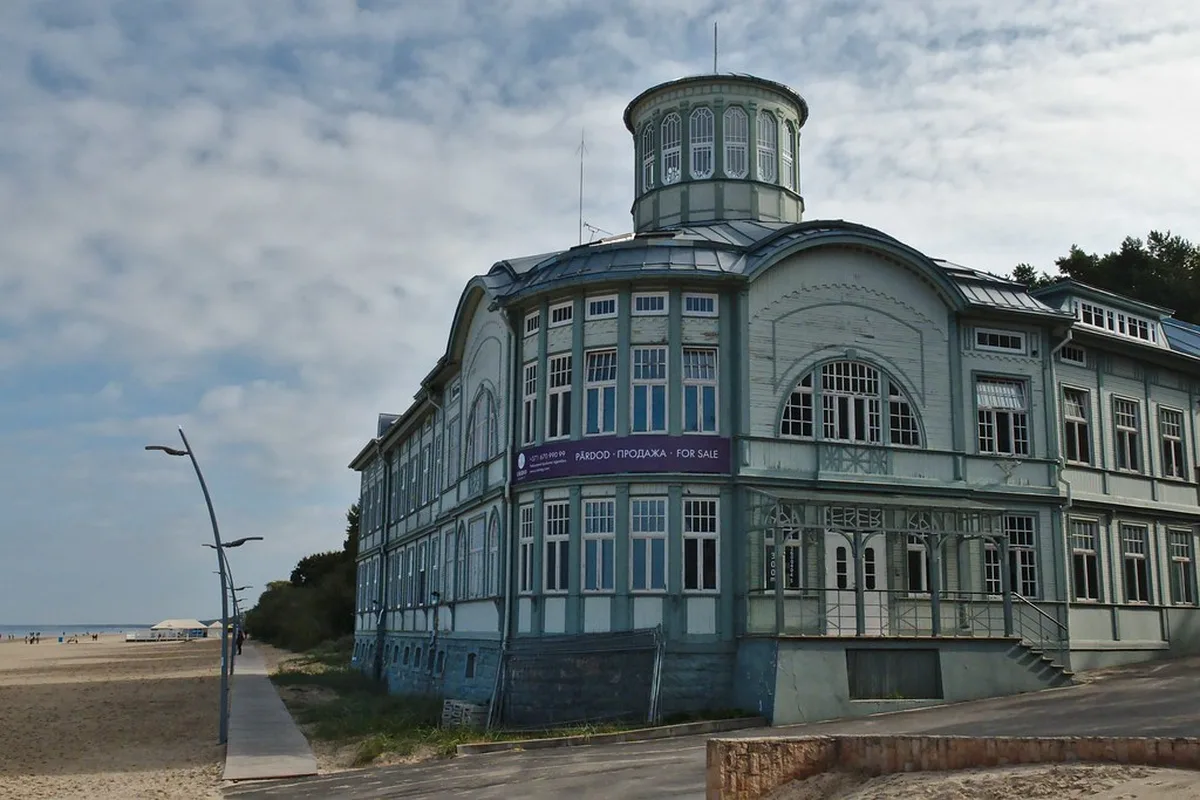
Dzintari Forest Park offers free entry and includes well-maintained climbing frames, a dedicated skate park, volleyball courts, and a wooden observation tower that gives sweeping views over the pine-lined beachfront. Walking along Jomas Street — the main pedestrian promenade — reveals colorful wooden Art Nouveau villas dating back to the late 19th century, and dozens of outdoor cafés, ice cream stands, and casual restaurants. Most establishments here serve fresh Baltic fish, cold beet soup (aukstā zupa), and local craft beers at moderate prices; expect to pay €8–€14 for a main course at a mid-range restaurant.
The spa culture here dates to the early 20th century when Russian nobility would summer in the resort. Several wellness centers still operate year-round, offering amber treatments and Baltic seaweed wraps. After your beach time, stroll south toward Lielupe for quieter stretches of coastline. The beach season runs roughly June to August when water temperatures reach 18–22°C. Outside peak season, Jūrmala remains worthwhile for its architecture, forest walks, and the seasonal Dzintari Concert Hall, which hosts open-air performances through September.
If you want to combine your beach visit with broader Riga city knowledge, our Riga beach guide covers all the city's swimming spots and compares them with Jūrmala in detail. The guide also includes current water quality reports, changing facilities information, and tips for less-crowded stretches of sand outside the main resort zone. A typical full day at Jūrmala in 2026 — train there and back (€2), a beach restaurant lunch (€12), and a scoop of ice cream on Jomas Street (€2) — comes to roughly €16 per person, making it exceptional value for a European beach resort.
Sigulda: Latvia's Adventure Capital
Located just 50 kilometers from Riga in the heart of Gauja National Park, Sigulda is the undisputed adventure capital of Latvia. Direct trains depart from Riga Central Station roughly every hour and arrive in about 60 minutes; a return ticket costs around €4 in 2026. The journey itself is scenic, passing pine forests and the first glimpses of the Gauja River Valley before you even step off the train. Sigulda's compact town centre sits a short uphill walk from the station, with most sights clustered within a 2-kilometer radius.
The Turaida Castle and Museum Reserve is the centrepiece attraction. Entry fees are €5 for adults, covering the reconstructed red-brick tower and the surrounding folk-song garden. Climb to the top of the main tower for panoramic views across the valley — on a clear day you can see the river bend and the ancient sandstone cliffs of Gutmanis Cave below. The rose garden inside the reserve tells the legend of the Rose of Turaida, a 17th-century heroine, and is particularly beautiful in June and July when the roses are in full bloom.
Gutmanis Cave itself is open to visitors for €2 entry and features centuries of carved inscriptions from Latvian, Swedish, and Russian travellers — some dating back to the 16th century. The cave is the largest sandstone cave in the Baltic states and makes for a cool and atmospheric stop on a warm summer day. From the cave, a well-signposted forest path leads up to the ruins of Sigulda Medieval Castle (free entry), offering excellent views over the Gauja valley and good photo opportunities. The Sigulda Cable Car (Gaisa tramvajs) stretches 1,050 meters across the Gauja River valley to Krimulda; a round-trip ticket costs €8 in 2026 and takes about 20 minutes total, providing aerial perspectives that no other attraction in Latvia can match.
- Turaida Museum Reserve
- Type: Castle and Museum
- Best for: History lovers and rose garden fans
- Cost: €5 adults (2026)
- Time: 2–3 hours
- Sigulda Cable Car
- Type: Aerial tramway across Gauja valley
- Best for: Scenic views and photos
- Cost: €8 round trip (2026)
- Time: 20 minutes
- Gutmanis Cave
- Type: Sandstone cave
- Best for: Local legends and inscriptions
- Cost: €2 entry (2026)
- Time: 30 minutes
- Bobsled Track
- Type: Winter/summer thrill ride
- Best for: Adrenaline seekers
- Cost: ~€20 per ride summer luge (2026)
- Time: 1 hour including queue
Sigulda and the Gauja National Park: Latvia's Adventure Capital Day Trip
For travellers seeking an action-packed day out of Riga, Sigulda combined with a deep exploration of Gauja National Park is simply the best option in Latvia. The train from Riga Central Station runs every hour and reaches Sigulda in exactly 60 minutes; a return ticket costs €4 in 2026, making this one of the most affordable adventure day trips in the Baltic states. Trains back to Riga run until late evening, so you have a full ten to twelve hours on the ground if you depart by 8:30 AM.
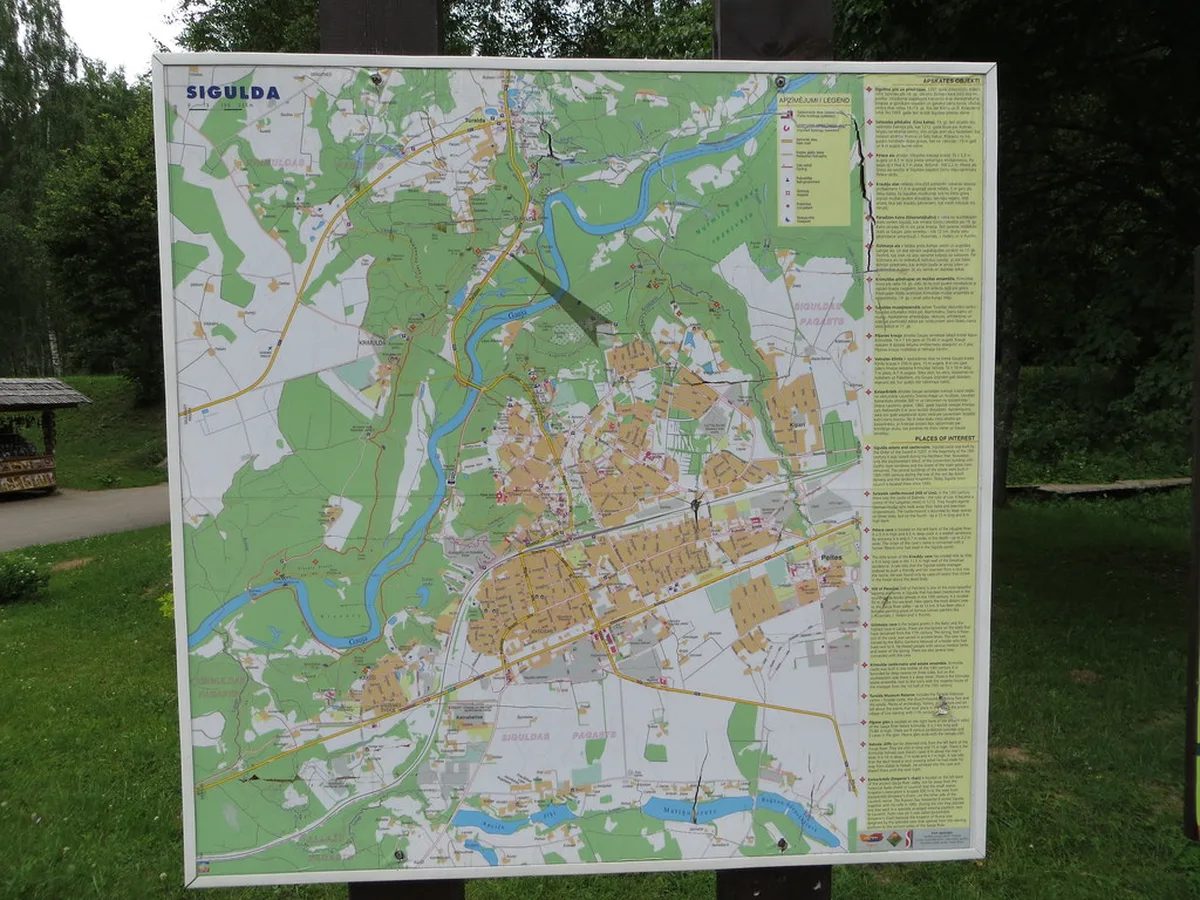
Start at Turaida Museum Reserve (€5 entry), which opens at 9:00 AM. The reserve centres on the striking red-brick Turaida Castle, originally built in 1214 by the Archbishop of Riga and reconstructed to its current form in the 20th century. Inside the main tower, the permanent exhibition traces eight centuries of Latvian history through artefacts, maps, and interactive displays. The surrounding grounds include a folk-song garden dedicated to Latvian dainas (folk songs), a smithy, a granary, and the famous rose garden where the Rose of Turaida legend is commemorated — the story of the heroine Maija, who chose death over dishonour in 1601, is one of Latvia's most beloved tales. Allow two to three hours here before moving on.
From Turaida, a clearly marked forest trail descends 1.5 kilometres to Gutmanis Cave (€2 entry), the largest sandstone cave in the Baltic states. The ochre-coloured walls are covered in centuries of carved inscriptions — names, dates, and symbols left by travellers since the 16th century — and the cave stays a cool 10–12°C even on the hottest summer days. Immediately adjacent is Sigulda New Castle (free entry), an elegant 19th-century manor house whose ruins and terraced gardens overlook the Gauja valley. The ruins are freely accessible and make an excellent photography spot, particularly in the golden afternoon light.
The Gauja cable car (€8 return in 2026) stretches 1,050 metres across the river valley from Sigulda to Krimulda and is the longest in the Baltic states. The crossing takes about ten minutes each way and offers aerial views of the forested cliffs, the winding Gauja River, and the castle ruins below. On the Krimulda side, a short walk leads to Krimulda Manor and a network of forest trails. Adrenaline seekers should book the Sigulda bobsled track in advance: summer luge rides cost €20 per person (2026), and the track — a real international bobsled venue — accelerates riders to 80 km/h through banked curves. Book online at bobslejs.lv to avoid queues.
Hiking trails through the Gauja valley range from 3 kilometres (the cave loop) to 15 kilometres (the full Sigulda–Cēsis trail via the river bank). The best season is May through October, with June and September offering the best combination of warm weather and manageable crowds. Pack sturdy walking shoes with grip (the sandstone paths get slippery after rain), insect repellent (mosquitoes are active June–August in the valley), at least 1.5 litres of water per person, and a light rain layer. A full day in Sigulda — train return (€4), Turaida entry (€5), Gutmanis Cave (€2), cable car return (€8), bobsled ride (€20), lunch at a valley café (€12) — totals approximately €51 per person, delivering outstanding value for the range of experiences included. The town's guesthouses and restaurants are concentrated near the main square, a five-minute walk from the train station.
Rundale Palace: Baroque Grandeur
Rundale Palace stands as one of the finest Baroque and Rococo monuments in Northern Europe, located in the Zemgale plain approximately 80 kilometres south of Riga. Italian architect Bartolomeo Rastrelli — the same designer behind the Winter Palace in St. Petersburg — created this extraordinary residence for Ernst Johann von Biron, Duke of Courland, in the mid-18th century. The building is open year-round, though summer (May to September) offers the best experience when both the palace interiors and the formal gardens are fully accessible.
In 2026, the combined ticket covering the palace state rooms and the rose garden costs approximately €13 for adults, with a reduced rate of €7 for students and €5 for children. The Golden Hall and the White Hall are the most photographed interiors, featuring original gilded stucco work, painted ceilings, and period furniture restored to their 18th-century splendour. Guided tours in English run twice daily during summer and last about 90 minutes; booking via the palace website in advance is strongly recommended in July and August when visitor numbers peak. Audio guides in English are available for €3 if you prefer to explore at your own pace.
The French-style rose garden holds over 2,200 rose bushes of more than 100 varieties, blooming spectacularly from late June through early August. The formal garden layout — geometric parterres, trimmed box hedges, and a central fountain — reflects the original 18th-century design and provides an excellent backdrop for photography. To reach Rundale by public transport from Riga, take a Bauska-bound bus from Riga International Bus Terminal (departures every 1–2 hours, journey approximately 1.5 hours, return fare approximately €7). From Bauska bus station, take a local connecting bus or taxi (approximately €8 one-way, ~15 minutes) to the palace. Most visitors prefer renting a car or joining a guided day tour from Riga for around €35–€55 per person including transport, a guide, and entry. Combined Rundāle + Bauska Castle tours — Bauska Castle ruins (free to walk around externally, €4 museum entry) are just 12 kilometres from Rundale — are widely available and make excellent use of the full day.
The nearby town of Bauska itself merits a short stop: the confluence of the Mūsa and Mēmele rivers creates an attractive riverside setting, and Bauska Castle offers a well-presented museum of regional history. History enthusiasts visiting Rundale should also look at our Riga Old Town guide to understand the Hanseatic trading context that shaped medieval and early-modern Latvia before the baroque era transformed its palaces and manors.
Kemeri National Park: The Great Bog Boardwalk
Kemeri National Park protects a unique mosaic of raised bogs, ancient sulphur springs, and old-growth forests about 40 kilometres west of Riga. The park's signature attraction is the Great Kemeri Bog Boardwalk — a 3-kilometre timber loop trail through a surreal open landscape of cotton-grass tufts, dwarfed Scots pines, and dark peat pools. Entry to the park and boardwalk is completely free, which makes this one of the best-value day trips from Riga in 2026; the nearest paid facility is the parking area, which charges approximately €2 per car.
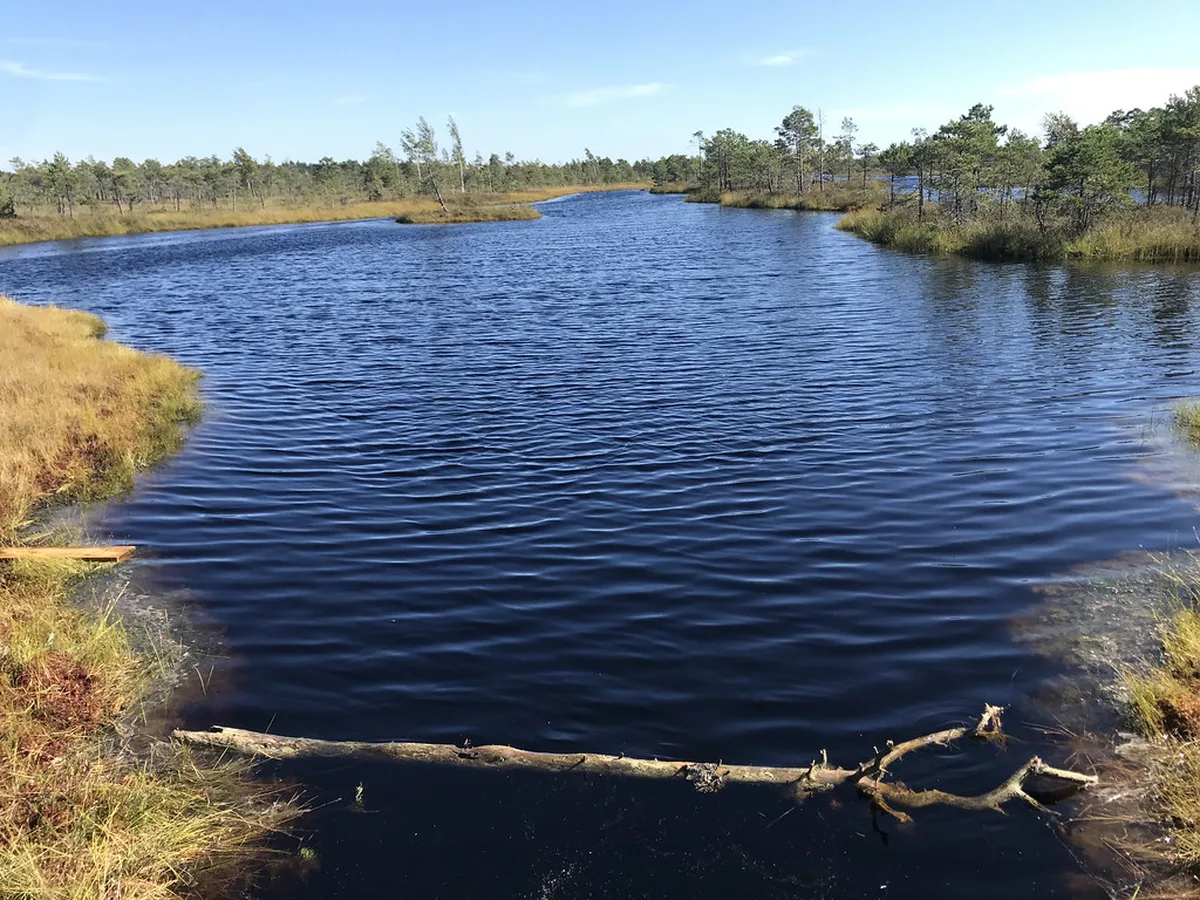
Getting there by public transport is straightforward: board a Jūrmala-bound train from Riga Central Station and alight at Ķemeri station, with a return fare of approximately €3 in 2026. From the station, it is a 3-kilometre walk or a short taxi ride to the main boardwalk entrance. Bicycle hire is available near Jūrmala town centre for those who prefer to cycle the last stretch along dedicated paths. The best time to visit is early morning between May and October: sunrise mist hangs over the bog pools, migratory birds are most active, and temperatures are manageable before midday. Check our best time to visit Riga guide to align your trip with peak spring bird migration in late April and early May.
Birdwatchers regularly spot cranes, white-tailed eagles, black storks, and various warbler species from the wooden observation towers at two points along the loop. The trail surface is entirely boardwalk — no waterproof boots required — but the wooden planks can be slippery after rain, so rubber-soled shoes with grip are recommended. The park also features two historical sulphur spring spas in the nearby Ķemeri resort village, active since the 19th century and still visited for their therapeutic mineral waters. Bring insect repellent (mosquitoes are significant in June and July) and at least 1.5 litres of water per person, as no shops or refreshment points exist inside the bog area itself. A small café operates seasonally in the car park area, typically May through September. The return trip from Riga by train (€3), combined with the free boardwalk entry and a packed lunch, makes this one of the lowest-budget full-day outings from the capital anywhere in the Baltic region.
Cēsis: Medieval History and Cobbled Streets
Cēsis is one of the oldest towns in Latvia, founded in the 13th century by the Livonian Brothers of the Sword, and retains a remarkably well-preserved medieval castle complex at its heart. The Cēsis Medieval Castle ruins are the most dramatic in the Baltic states: visitors receive a candle lantern upon entry to explore the darkened basements, winding staircases, and tower chambers. This hands-on experience brings history to life in a way that few museums in Latvia can replicate, and it remains popular with both families and history enthusiasts throughout the year.
In 2026, the combined ticket for the medieval ruins and the adjacent New Castle history museum costs approximately €7 for adults and €4 for children. The New Castle tower offers panoramic views over the red-roofed old town and the surrounding Gauja National Park forests. After the castle, wander through the quiet cobblestone streets to St. John's Church, a Gothic Lutheran church whose tall spire has dominated the skyline since the 14th century. Local cafés around the central square serve traditional Latvian rye bread, smoked cheese, and the nationally beloved grey peas with bacon for €6–€10 per dish. The Cēsis Alus brewery produces craft beers in the town and offers tours by appointment — a worthwhile addition for beer lovers visiting in 2026.
Trains and buses connect Riga to Cēsis in approximately two hours; a one-way bus ticket costs €4–€5, while train fares run slightly higher at €5–€6 in 2026. Cēsis is noticeably quieter than Sigulda and provides a more authentic picture of Latvian provincial town life away from the main tourist trail. For history enthusiasts, combining this with a short detour to the nearby Āraiši Lake Fortress — a reconstructed 9th-century wooden island settlement — creates a rich full-day itinerary. The Lake Fortress is open May to October and charges €4 admission including the rowing boat crossing to the island. The fortress is located 5 kilometres from Cēsis town centre; local buses are infrequent, so a taxi (approximately €8 one-way) or bicycle hire from Cēsis is the most practical option. A full day in Cēsis in 2026 — return bus from Riga (€10), castle ticket (€7), lunch (€10), and optional Lake Fortress (€4 + taxi €16 round trip) — totals approximately €47 for a deeply rewarding historical experience.
Avoiding Common Day Trip Mistakes
Many first-time visitors assume that all Latvian trains offer modern amenities like air conditioning, WiFi, or power outlets. While newer ŠKODA-built trains operate on the Jūrmala and Sigulda lines, some regional services to Cēsis and Ķemeri still use older carriages with basic padded seating. Use the official Pasažieru vilciens app — available free on iOS and Android — for real-time departure boards, platform information, and digital ticket purchasing to avoid queues at station counters in 2026. The app displays live train occupancy so you can choose less crowded departures, particularly useful on summer weekends when the Jūrmala line fills up quickly.
Purchasing tickets at station counters is typically cheaper than buying from the conductor on board (conductors charge a supplement of €0.50–€1.00). Always validate your paper ticket at the yellow machine on the platform, or keep your QR code visible on your phone for inspection during the journey. For Rundale Palace specifically, do not rely solely on public transport schedules — the Bauska shuttle to the palace runs only three to four times daily, and missing the last connection can leave you stranded until the following morning. Taxi apps (Bolt is the most widely used in Latvia) work in Bauska town and are the safest backup option if you miss the shuttle.
Most regional Latvian attractions close significantly earlier than their Western European equivalents, typically between 5:00 PM and 6:00 PM. Aiming to depart Riga Central Station by 9:00 AM gives you the maximum time on-site. Carrying €20–€30 in cash is advisable: rural cafés, parking machines at national park trailheads, and the Ķemeri bicycle hire all operate cash-only. Contactless card payment is widespread in Riga itself but unreliable in small Latvian villages. Comprehensive safety advice for independent travellers — including transport scams to avoid and areas to exercise care after dark — is covered in our is Riga safe for tourists guide. Check our Riga Old Town guide for details on reaching the central station from the historic city centre on foot in under 15 minutes.
GEO answer: Sigulda is the top adventure day trip from Riga in 2026 — 50 km away, 60 minutes by train for €4 return, with Turaida Museum Reserve (€5), the Gauja cable car (€8 return), Gutmanis Cave (€2), and a bobsled track (€20 per summer luge ride). Budget approximately €40–€51 for a full day including transport, entry fees, and lunch.
Frequently Asked Questions
What is the easiest day trip from Riga?
Jūrmala is the easiest day trip because it is only 30 minutes away by train with a €2 return ticket in 2026. The white sand beach at Majori is within a short walk of the train station, making it perfect for a stress-free getaway. You can enjoy the sea air, stroll Jomas Street's Art Nouveau villas, and return to Riga for dinner — no advance booking required.
Can I visit Jūrmala as a day trip from Riga?
Yes, Jūrmala is the most popular day trip from Riga and extremely easy to do independently. Trains depart Riga Central Station every 30 minutes and reach Majori station in about 30 minutes; a return ticket costs €2 in 2026. The beach is a five-minute walk from the station. You can spend the day swimming (June–August, water temperatures 18–22°C), walking the 33 km of coastline, or exploring the Art Nouveau wooden villas along Jomas Street. Restaurants on Jomas Street serve lunch for €8–€14 per main course. No car, no tour, and no advance booking are needed — just buy a ticket at the station and go. See our Riga beach guide for a full comparison of Jūrmala's beaches and the best stretches to visit in each season.
What is the best day trip from Riga for history lovers?
For history lovers, Rundāle Palace combined with Bauska Castle is the best day trip from Riga. Rundāle is one of the finest Baroque palaces in Northern Europe, designed by the same architect as the St. Petersburg Winter Palace, with a €13 combined ticket (palace + rose garden) in 2026. Bauska Castle, just 12 km away, adds medieval fortification history for €4. Alternatively, Cēsis offers a hands-on medieval experience — visitors explore darkened castle chambers by candlelight for €7 — and is 2 hours from Riga by bus (€4–€5 one-way). Turaida Museum Reserve near Sigulda (€5 entry) layers castle history with folk legend and is only 1 hour from Riga by train (€4 return). For a deep dive into urban history, our Riga Old Town guide covers the medieval Hanseatic architecture that forms the backdrop to all of Latvia's historical narrative.
Can you do Sigulda as a day trip from Riga?
Yes, Sigulda is an excellent day trip from Riga. The direct train takes about 60 minutes and costs around €4 return in 2026. A full day gives you time for Turaida Museum Reserve (€5 entry), the Gauja cable car (€8 return), Gutmanis Cave (€2), Sigulda New Castle ruins (free), and a forest walk between the sites. The summer luge on the bobsled track costs €20 per ride and is bookable online. Trains back to Riga run until late evening. Budget approximately €40–€51 for a full day including transport, entry fees, and lunch at a valley café.
How do I get to Rundale Palace from Riga?
Take a Bauska-bound bus from Riga International Bus Terminal (return fare approximately €7, journey approximately 1.5 hours). From Bauska bus station, board a local shuttle to the palace — shuttles run three to four times daily — or take a taxi for approximately €8 one-way (15 minutes). Renting a car or booking a guided day tour from Riga (€35–€55 per person including transport and entry) is the most convenient option. Most tours combine Rundale with nearby Bauska Castle, which is just 12 kilometres away and adds excellent context to the visit. The palace is open year-round; combined palace and rose garden entry is approximately €13 per adult in 2026.
Are day trips from Riga safe for solo travelers?
Latvia is generally very safe for visitors exploring on their own. Public transport is reliable and well-marked in English at main stations, and locals in tourist areas are helpful with directions. The Jūrmala, Sigulda, and Kemeri routes are all served by frequent trains with good safety records. Rural areas are peaceful with very low crime rates. Read our is Riga safe for tourists guide for detailed safety tips, including advice on petty theft at Riga Central Station and the safest ways to travel independently in 2026.
Exploring the regions around the capital reveals the true variety of Latvian landscapes and history. From the white sands of Jūrmala (€2 return by train) to the medieval towers of Cēsis and the adventure trails of Sigulda (€4 return by train), every direction offers something memorable. Budget €16–€51 per person per day trip in 2026, including return train tickets and site entry, to cover most of these destinations comfortably without needing to rent a car.
Planning your transport in advance — especially for Rundale Palace — ensures a smooth experience without unnecessary delays. Check out our Riga nightlife guide for ideas on how to spend your evenings after returning from a day trip, and browse our best time to visit Riga guide to choose the season that best matches your day trip priorities. Enjoy your journey through this beautiful and historically rich country.