The Ultimate Riga Old Town Guide for 2026 Travelers
Riga Old Town (Vecrīga) is a UNESCO World Heritage Site with medieval churches, the baroque House of the Blackheads (€7 entry), and the world's first Christmas tree plaque (free); St Peter's Church tower costs €9 for panoramic Baltic views in 2026.
Three Brothers (Trīs brāļi) — the oldest residential stone buildings in the Baltics — are free to view from outside; Riga Castle (Rīgas pils) exterior is free; the Latvian National History Museum inside costs €3; most Old Town walking takes 2–3 hours.
Riga Old Town is a stunning UNESCO World Heritage site filled with narrow cobblestone streets and medieval architecture. You will find centuries of history packed into this compact area on the Daugava River's east bank. Exploring this district feels like stepping back into a fairy tale where every corner reveals a new secret. Most travelers spend at least one full day wandering through the charming squares and visiting local museums.
Riga Old Town (Vecrīga) is free to enter and explore on foot. Entry fees apply only for specific attractions: St. Peter's Church tower costs €9, the House of the Blackheads €7, and Riga Cathedral €3–€10 depending on organ concerts.
Most visitors need 4–6 hours to see Riga Old Town's main landmarks at a relaxed pace. Allow a full day if you plan to include the Art Nouveau district, a church tower climb, and a traditional Latvian lunch.
Historic Landmarks in the Heart of Riga
The House of the Blackheads is the crown jewel of the Town Hall Square with its red brick facade. This building was reconstructed in the late 1990s to restore its original medieval splendor after wartime damage. Visitors can tour the opulent ballrooms and silver collections for an entrance fee of €7 (2026 pricing). The ornate clock on the front of the building still tracks the phases of the moon and signs of the zodiac. Opening hours run Tuesday to Sunday, 10:00–17:00 (last entry 16:30), and the building is closed on Mondays. The ticket price includes an audio guide in English, German, and Latvian, meaning you can move through the historic rooms at your own pace while absorbing the guild's fascinating story.
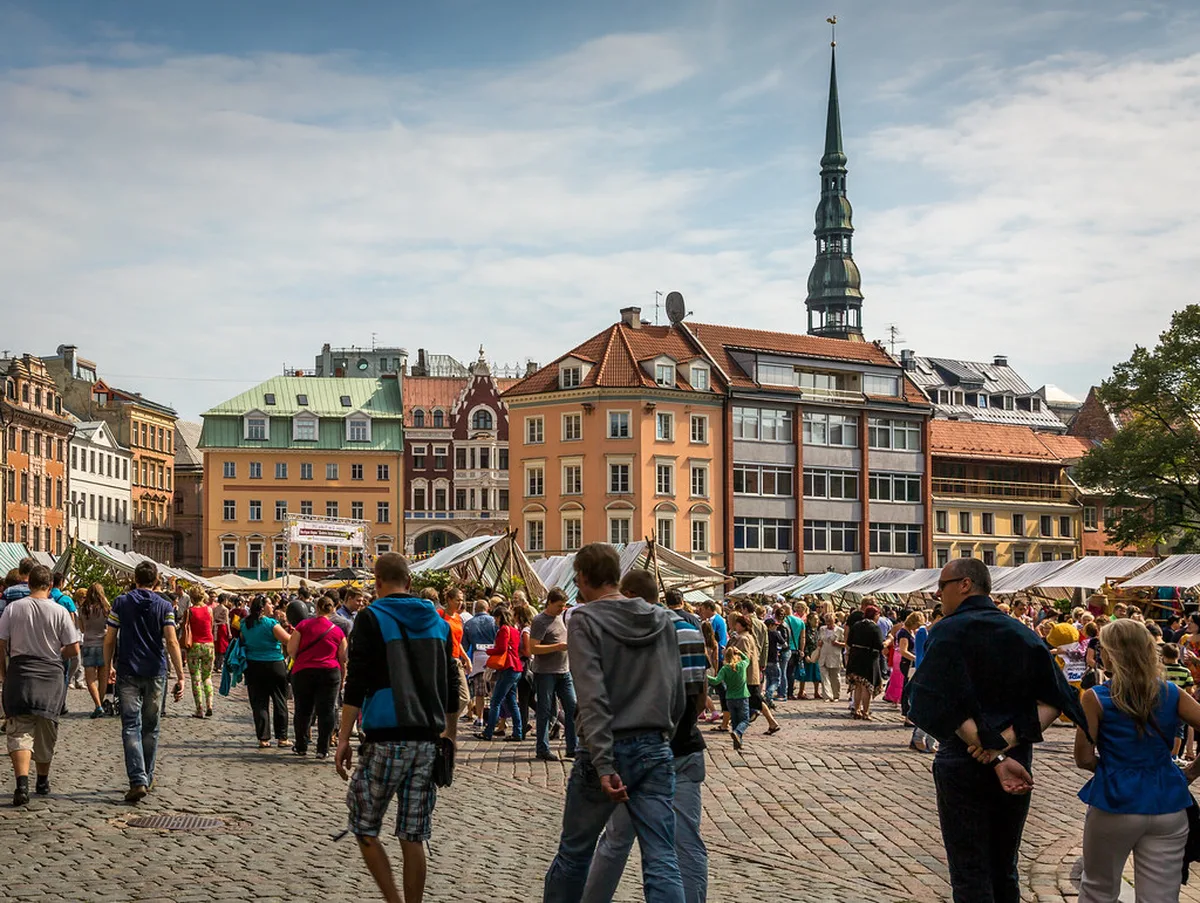
St. Peter's Church provides a stunning vantage point for photographers looking to capture the city skyline from above. The church itself dates to the 13th century, making it one of the oldest standing structures in Riga, and the current spire — rising 123 metres — was reconstructed in 1970 after being destroyed during the Second World War. Admission to the tower costs €9 in 2026 and includes access to the historic church interior where you can examine the medieval stone floor and restored organ. Tickets can be purchased at the main entrance desk until thirty minutes before closing time. The tower is open daily 10:00–18:00 (April–October) and 10:00–17:00 (November–March). An elevator takes you to the observation platform at 72 metres, saving you the effort of climbing the full staircase. On clear days you can see across the Daugava River to the newer districts of the city as well as the Gulf of Riga on the horizon.
The Riga Cathedral (Rīgas Doms) dominates the skyline with its massive dome and ancient brick walls that date back to 1211, making it the oldest church in the Baltic states. Standard entry to the cathedral costs €3, while concert tickets for the famous organ recitals are priced at €10. These concerts typically begin at 12:00 on weekdays and last about twenty minutes — a genuinely moving experience in this enormous stone space. The cathedral is open Monday to Saturday from 10:00 to 17:00 and Sunday from 14:00 to 17:00. The cathedral cloisters offer a quiet space to view historical artifacts and ancient stone carvings, and the cloister museum holds one of the finest collections of medieval stonework in the Baltic region. The pipe organ, installed in 1884 by the German firm E.F. Walcker, was once the largest in the world and still draws classical music lovers from across Europe.
The Three Brothers buildings on Maza Pils Street are free to view from the outside and represent three distinct eras of architecture standing side by side. The oldest white house dates from the late 15th century and shows Gothic styling, while its yellow and green neighbors were built in the 17th and 18th centuries respectively. The buildings now house the Latvian Museum of Architecture, open Tuesday to Saturday, 09:00–17:00, with a modest €3 entry fee. The lane itself is just a 3-minute walk from the Riga Cathedral, making it an easy addition to any historic center walk. Together the three buildings span more than 300 years of Latvian urban history in a single, remarkably preserved row.
Riga Castle (Rīgas pils), located at the northern edge of the Old Town overlooking the Daugava River, serves as the official residence of the President of Latvia. The castle's exterior is free to admire and photograph from the river promenade. The Latvian National History Museum inside the castle complex charges €3 admission (open Tuesday to Sunday, 10:00–17:00) and houses a comprehensive collection of artifacts tracing Latvian culture from prehistoric times through the Soviet period. The Latvian National Art Museum is a short walk away and offers further depth for visitors interested in fine art alongside archaeology and ethnography.
- Explore the House of the Blackheads on Town Hall Square
- Type: Medieval guild house
- Best for: History enthusiasts
- Where: Town Hall Square
- Cost: €7 entry (2026)
- Hours: Tue–Sun 10:00–17:00
- Climb the St. Peter's Church tower for panoramic views
- Type: Historic church tower (13th century)
- Best for: Photography lovers
- Where: Skarnu iela 19
- Cost: €9 entry (2026)
- Hours: Daily 10:00–18:00 (Apr–Oct)
- Visit the Riga Cathedral to hear the famous pipe organ
- Type: Ancient brick cathedral (est. 1211)
- Best for: Music lovers
- Where: Herder Square
- Cost: €3 entry; €10 concert tickets (2026)
- Hours: Mon–Sat 10:00–17:00
- See the Three Brothers buildings on Maza Pils Street
- Type: Oldest residential houses in the Baltics
- Best for: Architecture fans
- Where: Maza Pils iela 17–21
- Cost: Free outside view; €3 museum entry
- View Riga Castle exterior from the river promenade
- Type: Presidential residence and national museum
- Best for: History and photography
- Where: Pils laukums 3
- Cost: Free exterior; €3 National History Museum
- Hours: Museum Tue–Sun 10:00–17:00
House of the Blackheads and Town Hall Square: Riga's Showpiece Architecture
Town Hall Square (Rātslaukums) is the beating heart of Riga Old Town and one of the most photogenic public spaces in the entire Baltic region. The square is anchored by the rebuilt House of the Blackheads, whose striking stepped gable facade is an icon of Latvian tourism. The original building was constructed in the early 14th century as a meeting hall for the Brotherhood of Blackheads, a guild of unmarried foreign merchants who traded in Riga from the 13th century onward. The guild took its unusual name from the patron saint of African merchants — St Maurice — whose image appears on the guild's coat of arms and on the facade of the building itself. The Brotherhood of Blackheads dissolved in 1940 following the Soviet occupation of Latvia, but their building remains one of the most recognizable structures in the country.
The original House of the Blackheads was severely damaged during the Second World War when German and Soviet forces clashed over Riga, and the ruins were eventually demolished by Soviet authorities in 1948. The current building is a meticulous reconstruction completed in 1999 to mark the 800th anniversary of the founding of Riga. The rebuilt interior matches historical records and photographs down to the gilded ballroom ceilings and ornate silver hall. Entry costs €7 in 2026 and includes an audio guide in English, Latvian, Russian, and German. Opening hours are Tuesday to Sunday, 10:00–17:00 (last entry 16:30); the building is closed on Mondays. Tickets can be purchased at the door or in advance online to skip the queue during peak summer months.
The plaque embedded in the cobblestones of Town Hall Square marks the site of the world's first Christmas tree — or at least where Riga plants its annual claim to that title. Historical records suggest that merchants of the Brotherhood of Blackheads decorated a tree in Town Hall Square in 1510, predating all other documented Christmas tree traditions. The plaque is entirely free to find and photograph; it sits just in front of the House of the Blackheads and is clearly signposted. Beside it stands a replica of the Roland Statue — the original medieval guardian figure symbolizing city independence and trading rights — which is also free to view at all hours.
The Occupation Museum (Latvijas Okupācijas muzejs) sits directly on Town Hall Square in a striking Soviet-era building and offers free entry since 2022 (open Tuesday to Sunday, 11:00–18:00). It documents Latvia's years under Soviet and Nazi occupation from 1940 to 1991 with English-language exhibits, personal testimonies, and photographs. The Latvian Riflemen Monument, a striking bronze sculpture of Soviet-era soldiers standing directly outside the museum, is one of the most debated public artworks in Riga and is always freely accessible. The Dome Square (Doma laukums) is a short walk north and provides the main public approach to Riga Cathedral (€3 entry; tower extra).
For photographers, Town Hall Square rewards those who arrive early. Between 07:00 and 09:00 on weekday mornings, the square is almost entirely empty and the morning light catches the copper-green spire of St Peter's Church and the gilded ornaments of the House of the Blackheads at their best. By 10:00, tour groups from cruise ships and coaches begin filling the cobblestones. The best elevated shot of the square comes from St Peter's Church tower (€9), which looks directly down onto the House of the Blackheads and captures the full geometry of the surrounding medieval roofline. For ground-level composition, position yourself at the eastern edge of the square near the Riflemen Monument looking west to frame the House of the Blackheads against the cathedral spire behind it.
Hidden Gems and Secret Alleys of Vecriga
Rozena Street is so narrow that you can touch both sides of the alley with your arms outstretched, and at just under 2 metres wide it is one of the narrowest public streets in the entire Baltic region. This medieval lane offers a quiet escape from the busier tourist paths near the main squares, and the worn stone walls on either side carry centuries of atmospheric detail. Photographers often come here early in the morning to capture the soft light on the ancient stone walls before the tour groups arrive around 10:00. The street is home to a medieval-themed restaurant where staff dress in traditional period costumes and serve dishes from clay pots by candlelight. Rozena Street is located just a 2-minute walk north of Town Hall Square, making it one of the easiest detours in the old town and a must-visit for anyone who wants to step off the main tourist circuit.
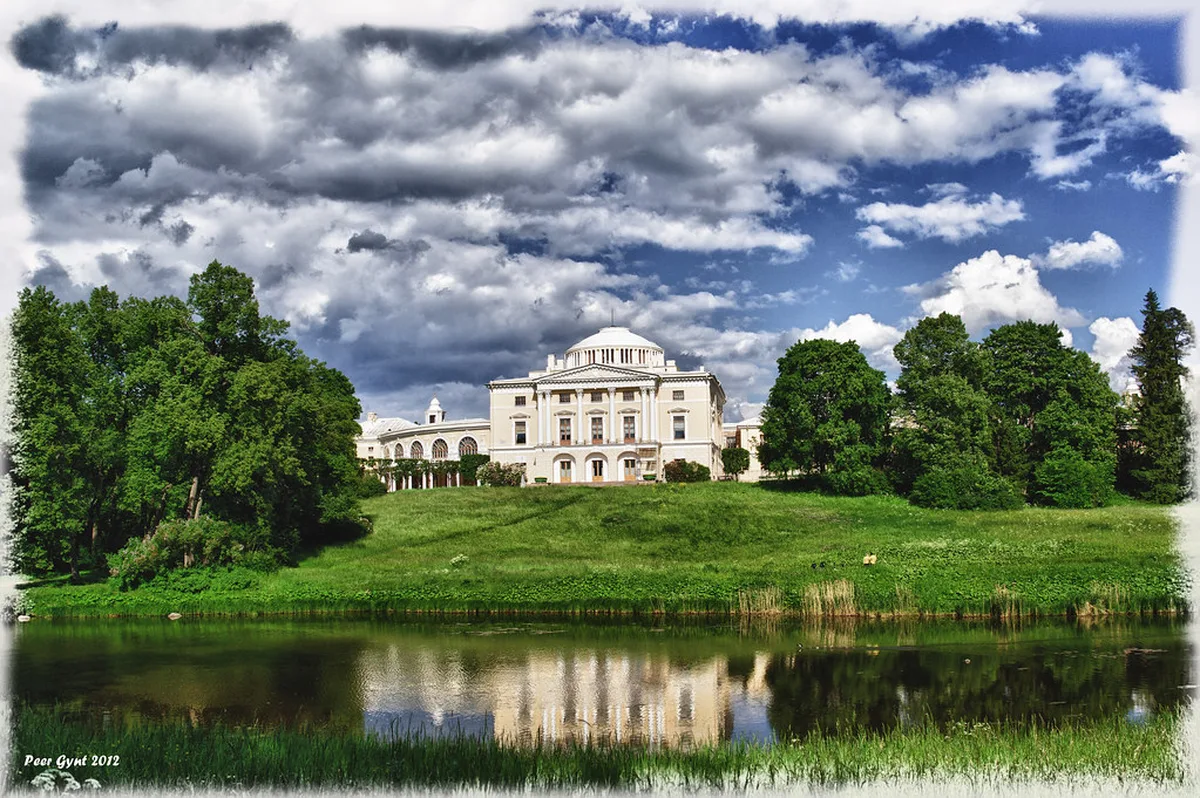
The Swedish Gate is the only remaining gate from the city's original fortification system, built in 1698 during the period of Swedish rule over Riga. Local legends claim the gate is haunted by a young woman who fell in love with a foreign soldier and was walled up alive as punishment — the flowers that sometimes appear in the iron grille are said to be placed by the spirit herself. You can find this historic archway at Torna iela 11, near the old artillery barracks on the northern edge of the district. Passing through the gate is a favorite tradition for local couples seeking good luck in their relationships. Entry is free and the gate is open at all hours, functioning as a public passage through the old city wall. The adjacent Jacob's Barracks stretch along Torna Street and now house a row of small boutiques and craft workshops worth browsing. The entire walk from Town Hall Square to the Swedish Gate takes about 10 minutes on foot through the quieter northern lanes of the old town.
The Powder Tower (Pulvertornis), located at the junction of Smilsu and Torna Street, is another free exterior sight that many visitors miss entirely. This round medieval tower is the oldest surviving military structure in Riga, with origins dating to the 14th century. Its walls are 2.5 metres thick — designed to absorb direct cannon fire — and you can still see original iron cannonballs embedded in the masonry on the exterior. The tower now houses the Latvian War Museum, which offers free admission (open Tuesday to Sunday 10:00–18:00). The museum tells the story of Latvia's turbulent history through the 20th century with English-language exhibits on all floors, covering the First and Second World Wars, the Soviet occupation, and Latvia's restoration of independence in 1991. It is one of the most informative free attractions in the entire country and should not be skipped by anyone with an interest in 20th-century European history. Allow at least 90 minutes to do the full collection justice.
The Jacob's Cathedral (Rīgas Sv. Jēkaba katedrāle) on Jēkaba iela is frequently overlooked despite being the main Roman Catholic church in Riga and a building with origins in the 13th century. Entry is free and the interior is significantly quieter than the more famous Riga Cathedral. The church is a 3-minute walk from the Swedish Gate and the Powder Tower, making the northern quarter of the old town ideal for a self-guided architectural loop that covers four distinct medieval structures within a 20-minute walking circuit. Combine this northern loop with a return along the riverside promenade past Riga Castle for a full Old Town walk of roughly 3 kilometres.
The Art Nouveau District: Riga's Architectural Masterpiece
Latvia holds the world's largest concentration of Art Nouveau architecture, with over 800 buildings displaying the style across the city. This remarkable density earned the district a UNESCO commendation and makes Riga unique even among European capitals known for Art Nouveau. The movement flourished here between 1896 and 1913 when a new merchant class commissioned flamboyant facades to signal prosperity and modernity. The result is an outdoor gallery that rivals anything inside a museum, and viewing the exteriors is entirely free. The Art Nouveau district lies roughly 15 minutes on foot northeast of the Old Town across the city canal, making it the obvious second stop on any full-day itinerary.
Alberta iela is the single best street for Art Nouveau in Riga and arguably in all of Europe. Eight consecutive buildings along this one block were designed by Mikhail Eisenstein — father of the famous Soviet film director Sergei Eisenstein — between 1903 and 1906. Numbers 2, 2a, 4, 6, 8, and 13 on Alberta iela feature the most extravagant examples: screaming faces, lion heads, sphinxes, and mythological female figures cascade across every facade. Stand on the opposite pavement to take in each building fully. The buildings are entirely free to photograph from the street. The street is a 10-minute walk north-east from the Riga Cathedral, passing through the city canal park, or a 12-minute walk from Town Hall Square. The best light for photography falls on the facades between 09:00 and 11:00 when the morning sun illuminates the ornamental details from the east.
The Riga Art Nouveau Museum at Alberta iela 12 offers a rare look inside one of these buildings as it appeared around 1903. Entry costs €10 (2026 pricing) and includes a self-guided tour of the original apartment, complete with period furniture, porcelain stoves, and decorative details that have survived intact for over a century. The museum is open Tuesday to Sunday from 10:00 to 18:00. Guided tours in English run at 12:00 and 15:00 daily and are included in the ticket price. Photography is permitted throughout the interior, making this one of the best value museums in the Baltic states. The museum regularly hosts temporary exhibitions on Latvian design and early 20th-century decorative arts, so check the website before visiting to see what additional programming may be running during your stay.
Beyond Alberta iela, Elizabetes iela and Strēlnieku iela offer further examples of the style in a quieter atmosphere. The buildings here tend toward the more restrained National Romantic branch of Art Nouveau, featuring folk motifs, stylized Latvian oak leaves, and rough-hewn stonework rather than the fantastical faces of Eisenstein's designs. The National Romantic style was pioneered by Latvian architects including Jānis Alksnis and Konstantīns Pēkšēns as a deliberate expression of emerging Latvian national identity in the early 20th century, giving these streets a cultural significance that goes beyond their visual appeal. A self-guided walk taking in all three streets and the museum requires about 2 hours. Combine it with a stop at the nearby Esplanāde park for a break before returning to the old town.
Common Mistakes to Avoid in the Old Town
Many visitors only eat at the large restaurants in the main squares where prices are often much higher than elsewhere in the city. You can find better value and more authentic flavors by looking for taverns located in basement cellars just one or two streets away from Town Hall Square. These hidden spots often serve traditional meals for half the price of the more visible tourist cafes. Check the side streets near the Swedish Gate for smaller bakeries that locals prefer for their morning coffee and rye bread pastries. The pusdienu piedāvājums (lunch special) signs visible outside restaurants between 12:00 and 15:00 are your best guide to affordable, high-quality mid-day meals — most offer a two-course set for under €10.
Forgetting to explore the areas just outside the old town walls means missing the incredible Art Nouveau district described above. A short ten-minute walk will lead you to some of the most beautiful buildings in Northern Europe along Alberta iela. These streets feature intricate carvings and mythological figures that are truly unique in the world of European architecture. The quiet canal park between the old town and the Art Nouveau district also provides a pleasant transition and a good spot to rest between sightseeing sessions. Many visitors fail to realise that the canal itself is a remnant of the old city moat that once surrounded the medieval fortifications, adding another layer of historical depth to what appears to be a simple ornamental waterway.
Some travelers fail to check the schedule for the local markets, which close earlier than most retail shops. Planning your visit to the Central Market before 16:00 ensures you see the full range of local produce. This massive market is located in former zeppelin hangars just a five-minute walk from the old town boundary at Gogola Street. You can buy fresh rye bread, smoked fish, amber jewelry, and local honey here for much less than in the souvenir shops near Town Hall Square. The market operates Monday to Saturday from 07:00 to 17:00 and Sunday from 07:00 to 15:00, so Sunday afternoons are not a reliable option. The five enormous pavilions are each dedicated to different product categories — dairy, meat, fish, vegetables, and a general goods hall — making it worth walking through all of them even if you are not buying.
Another common oversight is arriving at popular attractions without checking seasonal closures. The House of the Blackheads closes every Monday, and the Latvian War Museum closes on Mondays and Tuesdays. The Latvian Museum of Architecture in the Three Brothers also keeps reduced hours in winter (November–March), typically closing at 16:00 instead of 17:00. Checking opening hours in advance — especially for spring and autumn shoulder seasons when some attractions reduce their hours — prevents wasted journeys across the cobblestones. A practical tip: download the Riga Tourism Board's free visitor app, which provides real-time opening hours for all major attractions and sends notifications when an attraction is unexpectedly closed.
Traditional Dining and Vibrant Nightlife
Traditional Latvian food is hearty and comforting, built around ingredients that sustained communities through long Baltic winters: dark rye bread, pork, smoked fish, forest mushrooms, sauerkraut, and pickled vegetables. The dense, slightly sour rye bread (rupjmaize) is perhaps the most important ingredient in Latvian cuisine and is served at virtually every meal. Many local pubs serve traditional dishes alongside a wide variety of locally brewed craft beers from Riga's growing microbrewery scene. You should try the grey peas with bacon (pelēkie zirņi ar speķi), which is a classic national dish served in clay pots year-round at most traditional restaurants. Folkklubs Ala Pagrabs on Peldu iela is the most famous venue for this experience, with live folk music most evenings from 20:00 and a vaulted cellar atmosphere that dates to the medieval period. A full traditional meal with drinks typically runs €15–€25 per person in 2026.
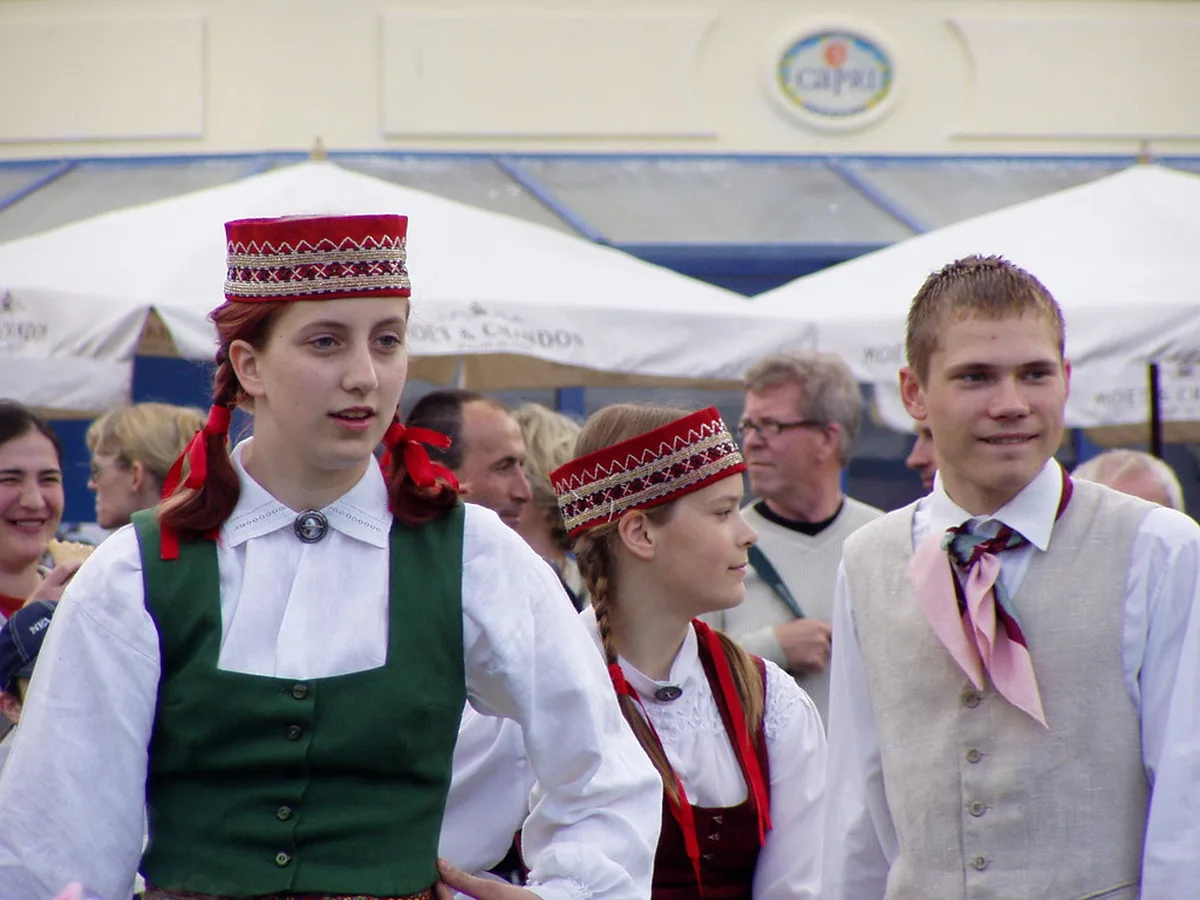
For a deeper look at the evening scene, our riga nightlife guide covers the best cocktail bars, live music venues, and club districts. You should try the local Black Balsam liqueur (Rīgas Melnais Balzams), which is often served warm with blackcurrant juice in winter or cold in a cocktail year-round. This drink has been a local staple since the middle of the eighteenth century and is produced using a secret recipe of 24 herbs, flowers, and roots in an earthenware jug. Many bars in the old town offer tasting flights so you can sample the different Black Balsam varieties alongside craft beer from local producers like Labietis and Valmiermuiža. The old town's bar scene is concentrated on Miesnieku iela and around Town Hall Square, with live jazz and acoustic music common in the smaller cellar venues from Thursday through Saturday from around 20:00.
Lunch specials (pusdienas) are a great way to save money while enjoying high-quality meals in historic surroundings. Most cafes offer a two-course meal for under €12 during the work week between 12:00 and 15:00. Look for the "Pusdienu piedāvājums" signs outside restaurants to find these daily deals — they typically include soup, a main course, bread, and a soft drink. Booking a table in advance is strongly recommended if you plan to dine after 19:00 on weekends, particularly at popular spots like Lido or Rozengrāls, where queues can stretch to 30 minutes without a reservation. The Central Market's indoor food stalls offer the most affordable eating in the area, with hot meals from around €4–€6 — an excellent option for budget travelers willing to walk the extra 10 minutes from the old town boundary.
Practical Tips for Navigating the District
Walking on the medieval cobblestones can be uncomfortable if you are not wearing sturdy, supportive footwear. Leave your high heels at home and opt for sneakers or boots with good grip for safety. The stones become particularly slippery when it rains, and the steeper lanes near the city wall accumulate water during heavy showers — take extra care especially on Torna iela and the lanes flanking the Swedish Gate. Many shops along Kalku Street sell handmade wool socks and waterproof overshoes if you need an extra layer of comfort or protection on wet days. Visitors with mobility difficulties should note that while most of the old town's main squares and principal streets are navigable with a wheelchair, the narrower medieval alleys like Rozena Street and parts of Maza Pils Street have uneven surfaces and no dropped kerbs.
Navigating the winding streets is easier if you download an offline map (Maps.me or Google Maps offline) to your phone before you start exploring. You can also join a riga walking tour to get your bearings quickly and hear stories about the city's history that no guidebook can replicate. Most guided tours depart from Town Hall Square at 10:00 and 14:00 daily and last about two hours. Free walking tours operate on a tip-based system and are an excellent option for budget travelers who still want in-depth context. The free tour guides are typically local university students with a genuine enthusiasm for Riga's history — many travellers find them more engaging than the fixed-price alternatives. Check the noticeboard outside the House of the Blackheads for current tour operators and departure times, which shift slightly by season.
Public transport in the city is efficient, but the old town is best explored entirely on foot due to vehicle restrictions throughout the district. Most major attractions sit within a 15-minute walk of each other in the historic center. Trams and buses stop just outside the old town perimeter at the Rātslaukums and Nacionālais teātris stops, and cost €1.50 per ride in 2026. A 24-hour transit card costs €5 and is worth buying if you plan to reach the Central Market or the Art Nouveau district by tram rather than on foot. If you are also planning day trips from Riga, the Riga Card (from €30/24h) includes unlimited public transport and entry discounts at over 50 attractions across the city.
Currency and payment: Latvia uses the Euro, and card payments are accepted almost everywhere in the old town — even at market stalls and smaller cafes. ATMs can be found near the Town Hall Square and along Kalku Street. Tipping is not mandatory but rounding up or leaving 10% is customary in sit-down restaurants. Most museums offer student and senior discounts of 30–50%, so carry proof of student or senior status if applicable. The Riga Card also provides free entry to the Art Nouveau Museum, House of the Blackheads, and the Latvian War Museum, making it cost-effective for visitors who plan to see four or more paid attractions in a single day.
Seasonal Planning for Your Visit
Summer (June–August) is the most popular time to visit because the weather is warm — averaging 20–24°C — and the days are very long, with sunset not arriving until nearly 22:00 in June. The extended daylight makes it possible to fit extraordinary amounts of sightseeing into a single day without feeling rushed. You might enjoy a quick trip to the nearby Jūrmala coast by following our riga beach guide. The train from Riga Central Station takes only thirty minutes and costs less than €3 for a round trip in 2026. Summer event schedules include the Riga City Festival in August and open-air concerts at the Dzintari Concert Hall in Jūrmala, both well worth building your itinerary around. The downside of summer is higher hotel prices and crowded attractions — Town Hall Square in July can feel uncomfortably busy between 11:00 and 16:00 when cruise ship passengers flood the old town.
Winter (December–February) brings a cozy atmosphere with festive lights and traditional Christmas markets appearing in Town Hall Square from late November. The old town is widely considered the best time to visit Riga for a romantic city break, when the crowds thin and hotel prices drop by 20–30% compared to summer peaks. Snow transforms the cobblestone streets into a beautiful scene during January. Hot drinks and gingerbread cookies are available at wooden stalls throughout the square, and the iconic Latvian Christmas tree tradition — Riga claims to have hosted one of the world's first Christmas trees in 1510 — adds historical resonance to the seasonal festivities. The House of the Blackheads is particularly magical at night during December when the whole facade is illuminated in warm gold light against the dark sky.
Spring (April–May) and autumn (September–October) offer the best balance of mild weather, smaller crowds, and competitive accommodation rates. These shoulder seasons provide good walking conditions and photography opportunities with interesting skies and low tourist density in the early mornings. You can find hotel rates 15–25% lower than July peaks if you book at least four weeks in advance. The colorful fall leaves in the city canal park and Esplanāde make October a particularly attractive month for photography, while May brings tulip and lilac blooms to the outdoor parks surrounding the historic center. For safety context before your trip, read our guide on whether Riga is safe for tourists — the old town is very low risk year-round, but the guide covers practical advice on late-night areas and common scams targeting visitors.
Frequently Asked Questions
Is Riga Old Town free to explore?
Yes, walking through Riga Old Town (Vecrīga) is completely free. The cobblestone streets, squares, and exterior architecture can be enjoyed at no cost at any hour. Entry fees apply only to specific attractions: St. Peter's Church tower (€9), House of the Blackheads (€7), Riga Cathedral (€3, or €10 for organ concerts), and the Art Nouveau Museum (€10). The Latvian War Museum near the Powder Tower is free to enter, as is the Occupation Museum on Town Hall Square. Three Brothers and Riga Castle can be viewed from outside at no charge.
What is the most famous building in Riga Old Town?
The House of the Blackheads on Town Hall Square is the most iconic building in Riga Old Town. Originally built in the 14th century as a meeting hall for the Brotherhood of Blackheads — a guild of unmarried foreign merchants — it was destroyed during World War II and meticulously rebuilt in 1999. Its ornate Gothic and Dutch Renaissance facade, decorated with statues, clocks, and gilded detail, is the defining image of Riga and appears on most of the city's tourism material. Entry costs €7 in 2026 and includes an audio guide.
How long does it take to see Riga Old Town?
A focused visit to Riga Old Town's main landmarks takes 4–6 hours. This covers the House of the Blackheads, St. Peter's Church tower, Riga Cathedral, the Three Brothers, and the Swedish Gate with time for lunch. Allow a full 8-hour day if you want to include the Art Nouveau district (an extra 2 hours) plus evening dining and a look at the Central Market. Most visitors walking the riga walking tour route complete the core highlights in about 2–3 hours with a guide.
Is Riga Old Town safe for solo travelers?
Yes, the historic center is very safe for visitors during the day and evening. You should still watch for pickpockets in crowded areas like Town Hall Square and the Central Market, particularly in summer when cruise ship passengers fill the streets. Late-night bar areas carry the usual city-center risks if alcohol is involved. For detailed safety advice, read whether Riga is safe for tourists before you arrive.
How many days should I spend in Riga Old Town?
Most travelers find that one to two days is enough to see the main historic sites comfortably. One day covers the key landmarks and a traditional meal. Two days allows for the Art Nouveau district, a day trip to Jūrmala beach, and a deeper dive into museums. You can easily extend to three days if you plan to explore the Central Market, the Moscow District, and several evening entertainment options. Check our guide on day trips from Riga if you have extra time to explore the Latvian countryside.
What is the best place for photos in the Old Town?
The observation platform at St. Peter's Church (€9 entry, open 10:00–18:00 April–October) offers the best panoramic views of the red-tiled roofs and the Daugava River. Town Hall Square is the top ground-level spot for capturing the House of the Blackheads facade — arrive between 07:00 and 09:00 before tour groups fill the square. For architecture photography, Alberta iela in the Art Nouveau district provides unique facade details unlike anything else in the Baltic. Early morning light before 09:00 is best for avoiding crowds and catching directional light on the ornamental stonework at any of these locations.
Riga Old Town is a destination that captures the heart of every traveler with its timeless charm, world-class medieval architecture, and remarkable Art Nouveau heritage. You will leave with wonderful memories of cobblestone lanes, organ music echoing through ancient stone walls, and the storied history of the Brotherhood of Blackheads immortalized in gilded baroque splendor. Whether you climb St Peter's Church tower for panoramic Baltic views, stand beside the world's first Christmas tree plaque in Town Hall Square, or simply wander the narrow medieval alleys at your own pace, Vecrīga delivers an experience that no other city in Northern Europe can replicate. Start planning your 2026 journey to this Baltic gem and discover why it consistently ranks among Europe's most rewarding and underrated city break destinations.