The Ultimate Bologna Beach Guide: Finding the Sea from the City in 2026
The Adriatic coast is roughly 80–110 km from Bologna city centre; Rimini — the nearest major sandy beach — is 90 km away and reachable in 55–70 minutes by regional train costing €10.80 in 2026.
Cesenatico is 65–75 minutes from Bologna Centrale (€10–12 one way), Cervia–Milano Marittima takes about 80 minutes (€12–14), and Riccione is roughly 65–75 minutes via Rimini at the same €10.80 regional fare.
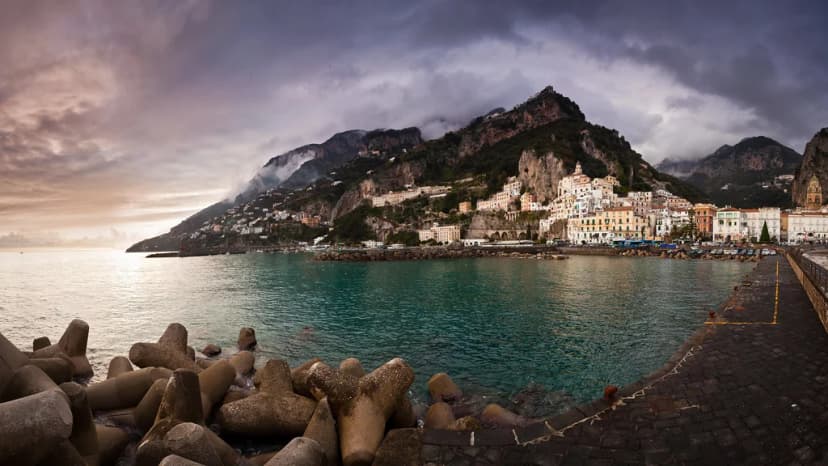
Planning a seaside escape along the Emilia-Romagna coast requires understanding the unique layout of the Italian coastline and its transport links. Regional trains offer a reliable and affordable connection to several world-class resort towns. Sun seekers can easily enjoy a morning espresso in the piazza and a seafood lunch by the water.
Getting to the Coast from Bologna
Bologna Centrale serves as a major transport hub with frequent regional trains heading toward the coast. In 2026, tickets to Rimini on regional services cost €10.80 each way, while high-speed Frecciarossa seats start from €15–25. The journey takes approximately 55–70 minutes on regional trains and just 35 minutes on the faster Frecciarossa. Travelers should check the Trenitalia app for real-time schedules and platform updates before heading to the station.
Regional trains are the most cost-effective way to explore various day trips from Bologna during the summer. Trains run every 30 minutes to Rimini throughout the day, making it easy to leave mid-morning and return after dinner. Purchasing tickets in advance via digital apps helps avoid long queues at the station kiosks. Always remember to validate paper tickets at the green machines located on the platforms to avoid heavy fines.
Driving provides more flexibility but requires navigating the often-congested A14 motorway during peak holiday weekends. Parking near the beach in towns like Riccione can be expensive and difficult to find during July and August. For those renting a car, reviewing a guide on parking in Bologna helps when returning your rental car to the city centre. Once you have secured your coastal plans, consulting the Bologna 3-day itinerary makes it easy to slot in a beach day alongside the city's top cultural highlights.
- Regional Train to Rimini
- Cost: €10.80 each way (2026)
- Duration: 55–70 minutes
- Frequency: Every 30 minutes
- Frecciarossa High Speed to Rimini
- Cost: €15–25 (2026, advance booking)
- Duration: 35 minutes
- Best for: Maximum beach time
- Regional Train to Cervia–Milano Marittima
- Cost: €12–14 each way (2026)
- Duration: ~80 minutes
- Frequency: Hourly
- Regional Train to Cesenatico
- Cost: €10–12 each way (2026)
- Duration: ~65–75 minutes
- Frequency: Every 30–60 minutes
- Regional Train to Riccione
- Cost: €10.80 each way via Rimini (2026)
- Duration: ~65–75 minutes
- Frequency: Every 30 minutes to Rimini, then 10 minutes onward
Top Adriatic Beaches Near Bologna
Rimini stands as the most famous seaside destination in the region with over fifteen kilometres of sandy coastline. This vibrant city blends ancient Roman history — including the Arch of Augustus and the Roman Tiberius Bridge — with a modern, high-energy beach club atmosphere. Visitors can walk from the train station to the shore in less than ten minutes, making it the easiest beach day trip from Bologna in 2026. In high season, a pair of sunbeds plus one umbrella at a standard Rimini stabilimento costs €20–35 per day, rising to €40–50 in premium front-row positions.
Riccione, just 10 minutes south of Rimini by regional train, offers a more upscale experience with luxury boutiques lining the famous Viale Ceccarini. Beach clubs here often feature swimming pools, high-end restaurants, and sophisticated lounge areas for sunset drinks. Families often prefer this area for its clean shallow waters and extensive playground facilities. Expect to pay €25–40 for a two-sunbed and umbrella set at a mid-range stabilimento in 2026; top-tier clubs closer to the waterfront can charge €50 or more for the same package during the peak July and August weeks.
Cervia provides a calmer alternative with its lush pine forests providing natural shade near the sand. The town is famous for its historic salt pans and traditional seafood festivals held throughout the year. The wide, gently shelving beach makes it a reliable family choice, and the spiaggia libera (free public beach) sections here are among the most spacious on the Riviera Romagnola. A regional train from Bologna Centrale to Cervia–Milano Marittima takes approximately 80 minutes and costs €12–14 each way in 2026. Including a coastal stop can enhance a visit by adding a relaxing change of pace to a packed cultural schedule. For day-trip planning that covers both city and coast, the day trips from Bologna guide lists all the most practical routes and seasonal tips.
- Rimini Central Beach
- Atmosphere: High energy, buzzing
- Best for: Nightlife, history, convenience
- Train from Bologna: 55–70 min, €10.80
- Sunbed + umbrella: €20–50 depending on row
- Riccione Beach
- Atmosphere: Upscale, fashionable
- Best for: Shopping, fine dining, families
- Train from Bologna: ~65–75 min via Rimini, €10.80
- Sunbed + umbrella: €25–50 (2026)
- Cervia Beach
- Atmosphere: Relaxed, pine-forest backed
- Best for: Families, couples, nature lovers
- Train from Bologna: ~80 min, €12–14
- Sunbed + umbrella: €10–20 (back rows near pines)
Cervia and Milano Marittima: Family-Friendly Riviera Beaches
Cervia and its upscale neighbour Milano Marittima form one of the most appealing family beach zones along the Adriatic Riviera. The two resorts share a seamless stretch of fine sand backed by a fragrant pine forest, giving them a more elegant and tranquil feel than the busier Rimini strip. In 2026, the area continues to attract Italian families who return year after year for its clean waters, gentle slope into the sea, and exceptionally well-organised beach clubs that cater to all age groups from toddlers to grandparents.
Milano Marittima is the trendier half of the duo, lined with boutique hotels, wine bars, and some of the coast's best-regarded beach clubs. The waterfront promenade is entirely pedestrian-friendly and ideal for evening strolls after a day on the sand. Beach umbrella and sunbed rentals at Milano Marittima's stabilimenti typically run €20–35 for a pair of sunbeds and one umbrella in the front rows in 2026; back rows closer to the pine trees cost €10–20 per day and offer natural shade as a bonus. Many clubs also rent out paddleboards and kayaks for €8–15 per hour, making it easy to extend the day on the water.
From Bologna, the train to Cervia–Milano Marittima station takes approximately 80 minutes on regional services and costs around €12–14 each way in 2026. The station sits between the two resorts and is a short walk to either beach. Families with young children particularly appreciate that the shallow sandy entry into the water here is among the safest on the entire Riviera Romagnola, with water depth reaching only knee height some 20 metres from shore. Combine a morning at the beach with an afternoon visit to Cervia's 18th-century salt pans for a genuinely memorable day out. The salt-pan nature reserve also offers guided boat tours in summer for around €10 per adult and €6 per child, an unusual and educational activity alongside the standard beach experience.
Dining near the beach in Cervia and Milano Marittima ranges from casual piadina kiosks — the local flatbread filled with prosciutto or squacquerone cheese from around €4–6 — to sit-down seafood restaurants where a full grilled fish lunch costs €20–35 per person. Waterfront trattorias in both resorts serve reliable spaghetti alle vongole and grilled sea bream at competitive prices compared to Rimini's more tourist-driven menus, making the extra 10 minutes on the train well worthwhile for food-focused visitors.
Hidden Gems and Quieter Coastal Escapes
Cesenatico features a stunning canal harbour designed by Leonardo da Vinci that remains a local favourite. Traditional fishing boats with colourful sails line the water, creating a picturesque backdrop for evening strolls. The beaches here feel slightly less crowded than those in the larger neighbouring cities, and the quality of fresh seafood at waterside trattorias is exceptional. The journey from Bologna takes roughly 65–75 minutes by regional train and costs €10–12 in 2026 — strong value for one of the Riviera's most characterful stops.
Comacchio sits further north and is often referred to as the 'Little Venice' of the region. Nearby beaches like Lido di Volano offer a more rugged, natural landscape within the Po Delta Park. Birdwatchers and nature lovers will find this area far more rewarding than the standard resort strips. Access requires a combination of train to Ferrara and a bus connection, so allow at least two hours each way and budget around €12–15 return including local bus fares.
Gabicce Mare marks the border with the Marche region and offers dramatic cliffs overlooking the sea. Hiking trails in the San Bartolo Park provide panoramic views that are rare along this otherwise flat coastline. Local restaurants in this area serve excellent brodetto, a traditional Adriatic fish soup, and the less-touristed atmosphere makes for a more authentic Italian seaside experience. A day trip here from Bologna involves a train to Rimini (€10.80) followed by a short regional connection southward, with the total journey running around 80–90 minutes each way.
Lido di Savio is another quietly appealing escape, positioned between Cervia and Cesenatico. It rarely appears on tourist itineraries yet offers long stretches of well-maintained sand, a handful of relaxed mid-priced beach clubs charging €12–20 for a sunbed-and-umbrella pair in 2026, and a genuinely local Italian atmosphere in high season. The train stops at Lido di Savio on the Bologna–Rimini line and the journey time is similar to Cervia at around 75–85 minutes from Bologna Centrale, with fares in the €11–13 range. For travellers who have already ticked off Rimini and Cesenatico, Lido di Savio rewards a quieter, more authentically local Adriatic afternoon.
Cesenatico: Bologna's Most Charming Beach Town
Cesenatico consistently ranks among the most beloved beach day trips from Bologna among locals, and for good reason. Beyond its Leonardo-designed port canal — a functioning working harbour that has guided fishermen for over five centuries — the town offers a wide sandy beach stretching several kilometres in each direction from the harbour mouth. Unlike the non-stop party energy of Rimini, Cesenatico operates at a gentler rhythm that suits couples, families, and anyone looking for a genuine taste of Adriatic life in 2026.
The Museo della Marineria anchors the harbour and showcases a fleet of restored traditional sailing vessels, free to admire from the quayside. Cesenatico's beach clubs are well-run and mid-priced: a pair of sunbeds and a parasol costs €15–25 per day at most stabilimenti in the 2026 season, noticeably cheaper than Milano Marittima. The spiaggia libera (free public beach) sections are also more spacious here than in Rimini, a genuine advantage for budget travellers who prefer to bring their own equipment and simply pay for a gelato and a cool drink.
Lunchtime in Cesenatico means fresh grilled fish, fried mixed seafood platters, and piadina romagnola — the local flatbread stuffed with cured meats or squacquerone cheese. Several waterfront restaurants offer fixed-price summer menus from around €18–25 per person including a carafe of local Trebbiano wine. The town is easy to reach from Bologna: take a direct regional train (change at Rimini or Cesena depending on the service) in 65–75 minutes, costing €10–12 in 2026. Booking a sunbed online the evening before visiting in July and August is strongly recommended, as the most affordable clubs sell out by 9:00 AM at weekends during peak season.
Evening in Cesenatico is a pleasure in itself. The illuminated harbour with its historic sailing vessels reflects in the canal water as locals promenade past gelaterias and wine bars. A scoop of gelato at a canal-side gelateria runs €2.50–3.50, and a glass of local Sangiovese at a harbour bar costs €4–6. Unlike Rimini's more intense nightlife scene, Cesenatico's evenings are relaxed and family-oriented — perfect for those who plan to catch the last regional train back to Bologna, which runs as late as 11:30 PM in summer, ensuring a comfortable return after a full day at the coast.
San Mauro Mare and Bellaria-Igea Marina: The Underrated Riviera Pair
Situated between Rimini and Cesenatico on the Adriatic Riviera, Bellaria-Igea Marina and its smaller neighbour San Mauro Mare are among the best-kept secrets for Bologna day-trippers seeking a quieter coastal escape in 2026. Bellaria-Igea Marina is a proper seaside town of around 19,000 residents with a lively harbour, a wide sandy beach stretching nearly four kilometres, and a well-organised seafront promenade that stays active from early morning swimmers to late evening passeggiata walkers. San Mauro Mare, just 3 km to the north, is even quieter and is often described by locals as the Riviera before mass tourism changed its character.
Both towns are served by the regional train line from Bologna Centrale: the nearest station is Bellaria on the Rimini–Ravenna line, a journey of approximately 70–80 minutes and €11–13 each way in 2026 depending on the service. A short local bus or a 15-minute walk connects Bellaria station to the seafront in either direction. The beach here is wide enough that even in the first two weeks of August — the peak of the Italian summer holidays known as Ferragosto — you can find a spot without the elbow-to-elbow crowds of central Rimini.
Beach clubs in Bellaria-Igea Marina and San Mauro Mare charge noticeably less than their more famous neighbours. In 2026, a standard pair of sunbeds and one umbrella at a mid-range stabilimento in Bellaria runs €15–22 per day, with some back-row positions available for €10–14. Free beach (spiaggia libera) sections are generous by Riviera standards and kept reasonably clean throughout the season. The seafront restaurants in both towns specialise in straightforward Adriatic fare: grilled branzino, tagliolini al sugo di pesce, and the local brodetto fish stew, typically priced at €14–22 per person for a full main-course meal without wine.
A visit to Bellaria also offers the chance to follow in the footsteps of film director Federico Fellini, who spent summers of his childhood here and drew on coastal Riviera memories throughout his career — the local museum and seafront mural trail dedicated to his life make for a cultural diversion between dips in the sea. For those planning a longer stay in the region and looking to extend beyond Bologna itself, the Bologna vs Florence for a day trip guide shows how to structure multi-stop Emilia-Romagna and Tuscan itineraries that can be combined with a Riviera coastal day.
River Beaches and Local Swimming Spots
Lido di Casalecchio serves as the historic 'beach' for locals who want to stay close to the city. Located on the banks of the River Reno, this spot offers grassy areas and refreshing water for wading. Bus line 20 connects the Bologna old town area to this park in twenty minutes, making it the quickest cool-down option on a hot summer day without buying a train ticket.
Public swimming pools like Piscina Vandelli provide a convenient way to cool off during intense heatwaves. Most outdoor pools in the city open in late May and offer sun loungers for a daily fee typically around €5–8 in 2026. Checking the official city website for current opening dates ensures you find a spot that is operational during your visit.
Exploring the hills of Bologna reveals several hidden stream spots where locals go to escape the humidity. Parco della Chiusa features wide green spaces and access to the river for a natural swimming experience. These locations are perfect for those who have already completed the main cultural highlights and want an afternoon of calm before heading back through the old town porticos. If you are spending an evening in the city after a day by the water, the Bologna nightlife guide has well-tested recommendations for aperitivo bars and late-night venues in every budget range.
Essential Tips for Italian Beach Clubs in 2026
Italian beaches along the Adriatic are mostly divided into private 'stabilimenti balneari' where you pay for equipment. In 2026, daily rentals for two sunbeds and one umbrella typically range from €15 to €45 depending on the resort town and the row. Front-row spots near the water usually command the highest prices — often €35–45 at premium clubs — and require early morning reservations, especially in July and August. Many clubs now offer online booking via their own websites or through aggregator platforms, so securing a spot the evening before visiting is strongly advisable during the peak Ferragosto period in the first two weeks of August.
Free beaches, known as 'spiaggia libera', are available but often lack showers and changing rooms. Look for the signs indicating these public areas, which are usually located between the private clubs or near the harbour mouth. Packing a light towel and a portable umbrella allows for more freedom when exploring multiple coastal towns on a single day trip from Bologna. A reusable water bottle is also essential: beach kiosks sell 500 ml bottled water for €2–3, but tap water at public fountains (fontanelle) in most Riviera towns is perfectly drinkable and free.
Lunch at a beach club restaurant is a quintessential part of the local summer experience. Most venues serve fresh pasta with clams or fried calamari right on the wooden deck, with a typical two-course meal running €15–22 per person in 2026. Booking a table for 1:00 PM is highly recommended as these spots fill up quickly with local families, particularly on weekends in peak season. Arriving early — before 9:30 AM — also allows you to claim a sunbed without queuing and to enjoy the sea before the mid-day crowds arrive from inland cities and the motorway services.
Frequently Asked Questions
How far is the sea from Bologna?
The Adriatic Sea is approximately 80–110 km from Bologna city centre, depending on which resort you target. Rimini, the nearest major beach town, is about 90 km away. By the fastest Frecciarossa train in 2026 the journey takes just 35 minutes and costs €15–25; standard regional trains take 55–70 minutes and cost €10.80 each way.
Which beach is closest to Bologna?
Rimini is the closest major beach to Bologna, situated around 90 km east of the city. Regional trains run every 30 minutes from Bologna Centrale and cost €10.80 each way in 2026, with the journey taking 55–70 minutes. For a quieter alternative at similar distance, Cesenatico is 65–75 minutes by regional train and costs €10–12 each way.
How long does it take to get to the beach from Bologna?
Travel times to the nearest Adriatic beaches range from 55 to 80 minutes by regional train from Bologna Centrale. Rimini is the fastest option at 55–70 minutes on a regional train (€10.80) or just 35 minutes on the high-speed Frecciarossa (€15–25). Cesenatico takes 65–75 minutes (€10–12), and Cervia–Milano Marittima takes around 80 minutes (€12–14).
Is it safe to travel alone to the Adriatic coast from Bologna?
Yes, the coastal train routes from Bologna and the resort towns themselves are generally very safe for solo travellers and tourists. The Rimini–Cesenatico corridor is well-policed and busy throughout summer, which adds to personal security. Standard precautions apply: keep valuables secure on crowded trains and busy beach promenades, and avoid leaving bags unattended on the sand. For broader safety context specific to the city, the is Bologna safe for tourists guide covers crime statistics, neighbourhoods to be aware of, and practical safety tips.
Which beach near Bologna is best for families?
Cervia and Milano Marittima are widely considered the best options for families in 2026 due to their shallow sandy seabed, calm Adriatic waters, and extensive facilities. The pine forest backing the beach provides natural afternoon shade, and the pedestrian promenade is ideal for pushchairs and young children. Train from Bologna Centrale costs €12–14 each way and takes approximately 80 minutes. Bellaria-Igea Marina is a slightly closer and less expensive alternative (€11–13, ~75 minutes) that also offers wide, family-friendly beaches without Rimini's peak-season crowds.
Can I find free beaches near Bologna?
Free public beaches (spiaggia libera) exist in every coastal town reachable from Bologna, though they are typically smaller than the private stabilimento sections. Look for spiaggia libera signs — these areas are usually located between the private clubs or near harbour mouths. Cesenatico and Cervia have relatively generous free-beach sections with adequate space even in summer. Bellaria-Igea Marina also has well-sized free beach strips and is less competitive for space than central Rimini during the peak August fortnight.
How much do beach clubs cost near Bologna in 2026?
Beach club prices vary by resort and row position. In 2026, a pair of sunbeds and one umbrella costs approximately €15–25 in Cesenatico and Bellaria-Igea Marina, €20–35 in Cervia and Milano Marittima front rows (€10–20 back rows near the pines), and €20–50 in Rimini and Riccione depending on tier. Premium front-row clubs in Riccione can charge €50 or more per day in peak season. Booking online the evening before is recommended in July and August to secure lower-row pricing.
Bologna offers a unique advantage by providing easy access to both historic culture and the Adriatic coast. A short train journey opens up a world of sandy retreats, fresh seafood, and vibrant seaside energy. Using this Bologna beach guide for 2026 ensures you find the perfect spot to cool off during your Italian summer — whether you have 35 minutes on the Frecciarossa to Rimini or a leisurely day to spend in charming Cesenatico or the underrated Bellaria-Igea Marina.
Whether you prefer the high-energy clubs of Rimini, the family-friendly pine-backed sands of Cervia and Milano Marittima, the quiet canals of Cesenatico, or the low-key Riviera atmosphere of San Mauro Mare, the Adriatic coast is closer than most visitors expect. Plan your transport in advance using Trenitalia's app and book beach club sunbeds online to secure the best spots in peak season. The transition from the red city to the blue sea is one of the best experiences in Emilia-Romagna in 2026.