Exploring the Best Day Trips from Bologna by Train
The best day trips from Bologna in 2026 are Florence (35 min, €20–40 by Frecciarossa), Ferrara (30 min, €4–6 by regional train), Ravenna (75 min, €8–10), Parma (40 min, €6–10), and Rimini (60 min, €10–14). All reachable by train without a car.
Bologna Centrale is Italy's busiest rail junction — high-speed Frecciarossa services depart every 15–30 minutes to Florence (€20–40), while regional Trenitalia trains to Ferrara, Ravenna, and Parma run hourly and cost under €10 each way in 2026.
Bologna serves as the ultimate gateway for travelers wanting to explore the diverse landscapes of Northern Italy. The city's central railway station acts as a major junction for high-speed trains connecting the north and south. Visitors can reach world-class art galleries and famous culinary hubs in less than one hour of travel time. Staying here allows you to enjoy the things to do in Bologna while seeing much more of the country.
Emilia-Romagna is a region known for its incredible food, fast cars, and deep historical roots. Many of Italy's most iconic destinations sit just a short distance from the porticoes of the city center. Planning a few excursions can turn a standard city break into a comprehensive tour of Italian culture. This guide highlights the most rewarding destinations you can visit before returning for the evening.
Why Bologna is the Perfect Hub for Day Trips
Bologna sits near the UNESCO World Heritage city of Ferrara and at the heart of Italy's transport network, making it a strategic choice for savvy travelers. High-speed rail lines connect the city to major urban centers like Milan, Florence, and Venice with remarkable speed. Most regional destinations are reachable within thirty to ninety minutes from the central platform. This efficiency means you spend less time commuting and more time exploring historical landmarks.
The geographic position of the city allows for easy access to both the mountains and the sea. Travelers can head north for Alpine views or east for the sandy shores of the Adriatic coast. Regional trains offer an affordable way to reach smaller, charming towns that larger tours often bypass. In 2026, a Trenitalia regional pass valid for a single day of unlimited regional travel costs approximately €15–18 and can cover trips to Ferrara, Ravenna, and Parma in one outing. The frequency of departures provides great flexibility for spontaneous morning decisions.
Choosing Bologna as a base eliminates the stress of packing and unpacking your luggage every two days. You can enjoy the vibrant local dining scene every evening after returning from your daily adventures. The station is conveniently located near the city center and is easily accessible on foot or by bus. The ATC bus network within Bologna charges a flat €1.50 per single journey or €5 for a day pass in 2026, making it easy to reach the station from any neighbourhood.
Bologna Centrale also operates an AV (alta velocità) lounge where high-speed ticket holders can wait in comfort before departure. Luggage storage at the station costs €6 for the first five hours and €1 per hour thereafter, allowing you to explore without carrying a heavy bag. Reliable public transport ensures that you can maximise every hour of your 2026 vacation schedule. The Frecciarossa 1000 trains feature Wi-Fi and power sockets in every class, meaning you can plan the next day's trip on the return journey.
Budget-conscious travellers should note that Trenitalia offers advance purchase discounts of up to 40% on high-speed routes when booked 30 or more days ahead. Italo, the private high-speed operator, also serves the Bologna–Florence corridor and sometimes undercuts Trenitalia on last-minute fares. Comparing both operators on their respective apps before purchasing is always worth the extra two minutes. For the most flexibility, buy regional tickets the morning of travel directly at the self-service kiosk — there is no surcharge for same-day purchases on slow trains.
Art and Renaissance Splendor in Florence
Florence is arguably the most popular destination for a quick excursion from Bologna Centrale. High-speed trains like the Frecciarossa complete the journey through the Apennine mountains in just 35 minutes. In 2026, standard-class seats on this route start at €20 when booked in advance and rise to €40 or more for walk-up fares. This rapid connection makes it possible to see the world-famous Duomo before the lunch hour begins.
The Uffizi Gallery charges €20 per adult in 2026, with an obligatory online booking fee of €4 added to each ticket. The Accademia — home to Michelangelo's David — also costs €16 per adult, with a €4 booking fee. Both museums sell out weeks in advance during peak summer months, so purchasing tickets before you leave Bologna is essential. Early morning departures on the 07:00–08:00 services ensure you arrive before the largest tour groups descend upon the narrow alleyways.
The Brunelleschi Dome climb (Cupola del Brunelleschi) costs €18 per person in 2026 and must be reserved online. Entry to the Baptistery (Battistero di San Giovanni) is €5, and the Campanile di Giotto is €20 for a combined cathedral complex ticket. Walking through the historic streets allows you to see the Ponte Vecchio and the Piazza della Signoria entirely for free. Many visitors find that the street-level experience alone — the medieval lanes, the leather market at San Lorenzo, the views from Oltrarno — justifies the train fare.
Dining in Florence offers a different perspective on Tuscan flavors compared to the rich pasta of Bologna. A traditional lampredotto sandwich from a street kiosk costs €4–5, while a trattoria lunch with house wine averages €18–25 per person. The city is compact enough to explore entirely on foot without needing to use the local tram or bus system. Return trains run until approximately 22:30 from Santa Maria Novella, giving you plenty of time for a sunset view from Piazzale Michelangelo before heading back.
For a deeper comparison of both cities' strengths, see the dedicated Bologna vs Florence for a day trip guide, which covers crowds, costs, and which city suits different travel styles. Florence also has a strong option for half-day visitors: the Boboli Gardens (€10) and Pitti Palace State Apartments (€16) are often quieter than the Uffizi and can be combined in a single afternoon. The key to a smooth Florence day trip is moving fast in the morning and relaxing slowly in the afternoon.
- Florence Travel Essentials (2026)
- Distance: 97 km south of Bologna
- Transit: High-speed Frecciarossa / Italo — 35 min
- Train fare: €20–40 (advance / walk-up)
- Uffizi Gallery: €20 + €4 booking fee
- Accademia (David): €16 + €4 booking fee
- Dome Climb: €18 per person
- Main Sight: Santa Maria del Fiore (Duomo)
Culinary Adventures in Parma and Modena
Parma and Modena are essential stops for anyone interested in the authentic flavors of Italian cuisine. Modena is world-famous for its traditional balsamic vinegar, which is aged in wooden barrels for a minimum of 12 years under the strict Denominazione di Origine Protetta rules. You can visit small family acetaie (vinegar producers) on the outskirts of the city, with guided tours typically costing €10–15 per person including a tasting session. The city also boasts a stunning Romanesque cathedral and baptistery that are recognised as a UNESCO World Heritage site — entry to the cathedral is free, while the baptistery charges €3 in 2026.
Parma offers a sophisticated atmosphere filled with elegant boutiques and beautiful opera houses. This city is the birthplace of Parmigiano Reggiano cheese and the delicate Prosciutto di Parma ham. Many local dairies offer morning tours where you can watch the cheese-making process from start to finish; a typical caseificio tour including tasting costs €12–18 per adult. Food markets in the city center — particularly the Mercato della Ghiaia — provide excellent opportunities to buy vacuum-sealed wedges of parmesan and sealed packets of prosciutto as souvenirs.
The journey from Bologna to Modena takes just 17 minutes by regional train, with fares of €3–5 each way in 2026. Bologna to Parma takes approximately 40 minutes and costs €6–10 on the regional service. Neither route requires advance booking, so you can make a spontaneous morning decision based on the weather. Combining both towns in a single day is feasible: take the early morning train to Modena, spend the morning there, then catch a direct regional service to Parma for the afternoon.
Automotive enthusiasts will find Modena and its surroundings to be a paradise for high-performance engineering. The Enzo Ferrari Museum in Modena charges €17 per adult in 2026 and is located just a short walk from the train station. The MAME museum (Museo Enzo Ferrari birthplace in Maranello) costs an additional €15 but requires a bus or taxi to reach. Nearby, the Maserati factory and several private car collections showcase the region's rich mechanical heritage, and the Motor Valley Pass bundles multiple attractions at a combined saving of around 20%.
Parma also has strong cultural credentials beyond food. The Teatro Regio opera house offers pre-performance tours at €7 per person, and the Parma Cathedral frescoes by Correggio are considered among the finest in Northern Italy. The Camera di Correggio — a small painted room decorated by Correggio in 1519 — is one of the region's most underrated sights, and entry costs just €6 in 2026. Spend the final hour of your Parma visit at the Piazza Garibaldi, where local aperitivo culture means a Lambrusco and a plate of affettati misti cost around €8–12 at any bar terrace.
Byzantine Mosaics and Medieval History in Ravenna
Ravenna was once the capital of the Western Roman Empire and holds incredible historical significance. The city is home to eight UNESCO World Heritage sites that feature breathtaking Byzantine mosaics. Basilica di San Vitale contains intricate tile work that has remained vibrant for over fifteen hundred years. In 2026, a combined ticket covering the five main mosaic monuments — San Vitale, the Mausoleum of Galla Placidia, the Arian Baptistery, the Archbishop's Chapel, and Sant'Apollinare Nuovo — costs €11.50 per adult and is the most popular way to visit. Individual site entry is not available for the main monument package.
The journey from Bologna to Ravenna takes approximately 75 minutes by regional train with one change at Castel Bolognese or Faenza, and costs €8–10 each way in 2026. Direct regional services also operate during peak periods in summer, cutting the travel time slightly. The city center is compact and entirely walkable from Ravenna station — most mosaic sites cluster within a 10-minute radius. The Sant'Apollinare in Classe basilica, located 5 km outside the centre, charges a separate €5 entry and is reachable by local bus 4 (€1.50 single).
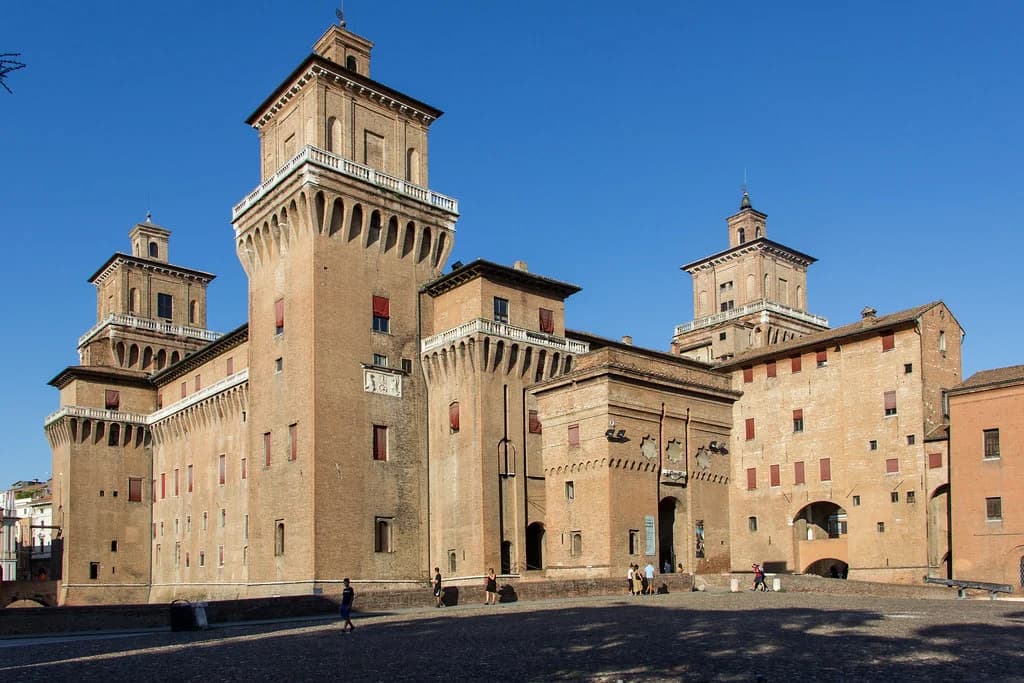
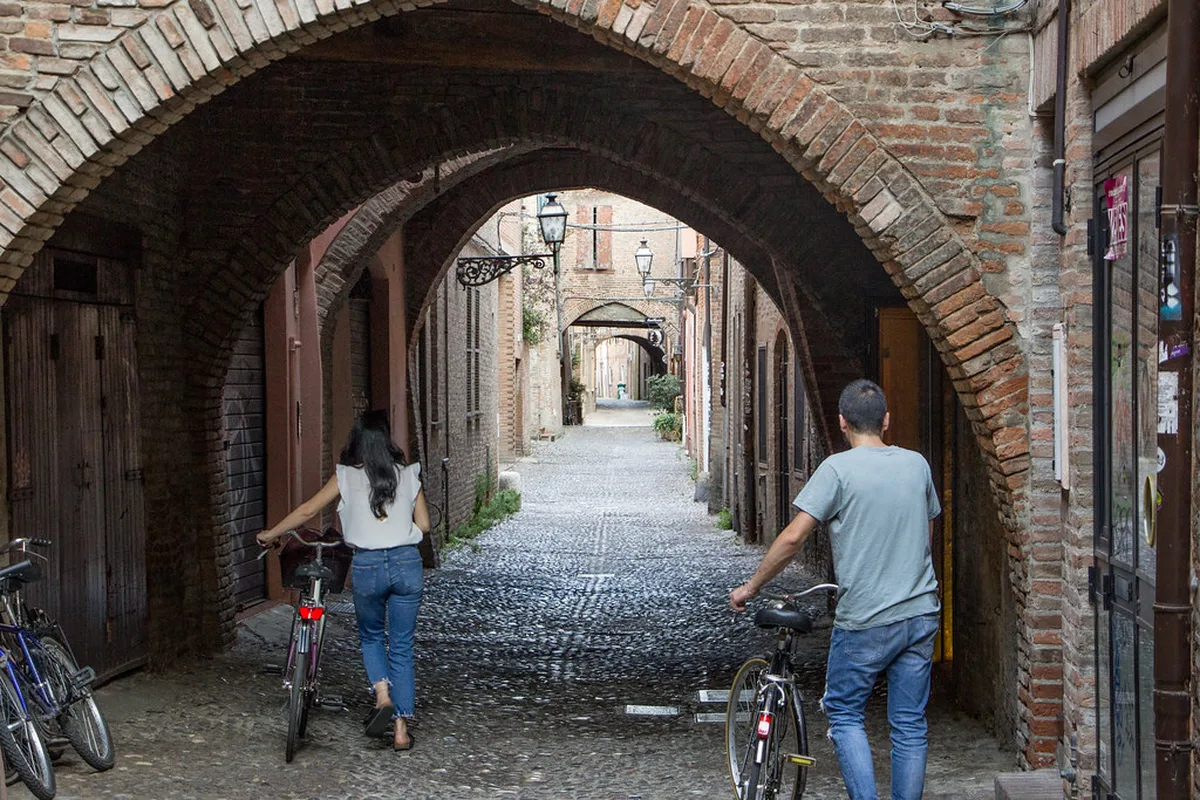
Ferrara is another medieval gem that features a massive moated castle in the heart of the city. The Castello Estense — built in 1385 as the seat of the powerful Este family — charges €15 per adult in 2026 for full access including the dungeon and the private Este apartments. Bicycles are the primary mode of transport in Ferrara, and rental costs approximately €10–12 for a full day from shops near the station. Riding along the nine kilometres of ancient city walls provides a peaceful escape from traffic that no other Italian city can offer.
Both Ravenna and Ferrara are often overlooked by first-time visitors to Italy, which means significantly shorter queues and a more authentic atmosphere than Florence. Regional train tickets require no advance booking and are purchased at the station kiosk on the day of travel. The Bologna old town guide covers the local historical backdrop that makes these regional comparisons so rewarding. These destinations provide a deeper look into the complex political history of the Italian peninsula during the late Roman and Renaissance periods.
If you visit Ferrara, the Palazzo dei Diamanti hosts rotating art exhibitions and charges between €8–15 depending on the show. The Este Collection of the Pinacoteca Nazionale inside Palazzo dei Diamanti runs as a permanent exhibition costing €8 per adult in 2026. The Jewish Museum and the medieval ghetto quarter around Via Mazzini can be explored for free as a self-guided walking tour. Ferrara's market day on Friday morning at Piazza Travaglio offers cheap street food including the local flatbread cappellacci di zucca and fresh produce from surrounding farms.
Parma Deep Dive: Baptistery, Ham Museum, and Correggio
Parma deserves its own dedicated section because it offers a rare combination of world-class art, medieval architecture, and food tourism that few Italian cities can match. Located 54 km northwest of Bologna, the city is reached in approximately 40 minutes by regional train at a cost of €6–10 each way in 2026. The journey passes through the flat Po Valley farmland that produces much of Italy's finest cured meat and cheese, giving the trip a purposeful agricultural atmosphere even before you arrive.
The Parma Baptistery, begun in 1196 by sculptor Benedetto Antelami, is one of the finest Romanesque-Gothic monuments in Europe. Entry costs €10 per adult in 2026 and includes access to the attached Museo della Cattedrale. The interior features twelve-sided tiers of carved marble reliefs depicting the labours of the months and scenes from the life of St John the Baptist. The adjacent Parma Cathedral is free to enter and contains Correggio's celebrated ceiling fresco of the Assumption of the Virgin, painted between 1526 and 1530 — this is one of the most important mannerist artworks in Italy and requires no ticket.
The Museo del Prosciutto di Parma in Langhirano (20 km south by local bus) charges €5 per adult in 2026 and documents the full production cycle of Parma ham from pig rearing to the 24-month curing process. Guided tours in English run at 11:00 and 15:00 daily from April through October. Combining the museum visit with a lunch stop at one of the prosciuttifici (curing houses) nearby allows you to buy whole legs or sliced packs directly from the producer at wholesale prices. A vacuum-sealed 100g pack of 24-month Prosciutto di Parma DOP costs approximately €8–12 at producer shops compared to €18–22 at tourist delis in central Parma.
The Camera di San Paolo — also known as the Camera di Correggio — is located inside the former Benedictine monastery on Via Melloni and charges €6 per adult in 2026. This small painted room, completed by Correggio in 1519, features a trompe-l'oeil pergola of interwoven branches and lunettes filled with mythological figures. It is one of the most intimate Renaissance interiors in Italy and is rarely crowded. Booking tickets directly at the door is almost always possible outside July and August.
For food shopping, the Salumeria Garibaldi on Via Farini and the La Prosciutteria Parma near Piazza della Ghiaia offer curated selections of regional products. Budget approximately €20–30 per person for a sit-down lunch at a local trattoria with a half-litre of house Lambrusco Grasparossa. The Piazzale della Pace sculpture park behind Palazzo della Pilotta provides a free afternoon rest stop before your return train. Parma is consistently rated among the most liveable cities in Italy, and a single day visit makes it easy to understand why.
Seaside Escapes and Microstates Near Bologna
Rimini serves as the gateway to the Adriatic Riviera and is one of the most popular summer day trips from Bologna. The regional train takes approximately 60 minutes and costs €10–14 each way in 2026. The city features wide sandy beaches operated by private stabilimenti (beach clubs) where a sun lounger and parasol rental costs €15–25 per person for a full day. Public beach sections (spiaggia libera) are free but require arriving early in summer months to claim a good spot on the sand.
Beyond the coast, Rimini also contains a surprising concentration of Roman ruins and Renaissance architecture. The Arco d'Augusto, built in 27 BC, is the oldest surviving Roman arch in Italy and stands freely in the city center. The Tempio Malatestiano — a Renaissance remodelling of a Gothic church by Alberti — is free to enter and contains remarkable reliefs by Agostino di Duccio. The city's Roman bridge, Ponte di Tiberio, is also free to visit and provides excellent photo opportunities at sunrise and sunset.
San Marino is one of the world's smallest and oldest republics, perched high on Mount Titano. You can take the Rimini–San Marino express bus from the Rimini ferry terminal area for approximately €5 each way in 2026, with the journey taking around 50 minutes. The three medieval towers — Guaita, Cesta, and Montale — each charge €4.50 separately, or a combined Towers Pass is available for €9.50. The panoramic views from Guaita tower stretch across the Adriatic to Croatia on clear days, making the climb genuinely worthwhile.
Visiting the coast is most enjoyable during June through early September, when sea temperatures average 24–26°C and all beach clubs are fully operational. Weekend trains to Rimini can become very crowded with local residents and university students from Bologna, so booking seats in advance through the Trenitalia app is strongly recommended on Saturdays between late June and late August. Planning your seaside visit for a Tuesday or Wednesday will ensure a much more relaxed experience, with fewer crowds at both the beach and the Roman sites. A basic beach snack of bruschetta, clams, and a cold beer at a seafront bar costs around €12–18 per person in 2026.
Romeo and Juliet in Verona: Arena, Amphitheatre, and Adige Views
Verona sits 145 km north of Bologna and is reachable in approximately 55–70 minutes by high-speed Frecciarossa or Frecciargento train, with fares starting at €18–30 in advance and rising to €45 for walk-up purchases in 2026. Regional Intercity trains also serve the route at a fixed fare of €16–20 each way but take around 95 minutes and require a change at Verona Porta Nuova. The city's compact UNESCO World Heritage historic centre is a flat 15-minute walk from Verona Porta Nuova station, making arrival effortless without any local transport costs.
The Arena di Verona is one of the best-preserved Roman amphitheatres in the world and the city's most iconic sight. Built in the 1st century AD, it seats up to 22,000 spectators and continues to host world-class opera performances during the summer season from June through early September. In 2026, daytime entry to the Arena as an archaeological monument costs €12 per adult; evening opera tickets begin at €30 for unreserved stone steps and rise to €350 for premium stalls. Booking opera tickets at least two to three months ahead is essential during July and August, when productions sell out weeks in advance.
Juliet's House (Casa di Giulietta) on Via Cappello is one of the most visited addresses in Italy, even though the Romeo and Juliet story is fiction. The courtyard, famous for its bronze statue of Juliet and the balcony above, is free to enter during daylight hours. The small museum inside the house charges €7 per adult in 2026. The nearby Piazza delle Erbe — a vibrant outdoor market square surrounded by Renaissance palaces and a Venetian-era column — is free to walk through and is lined with cafes serving Veneto-style aperitivo from around €9 including a Spritz and cicchetti.
The Torre dei Lamberti, a 12th-century tower rising 84 metres above Piazza delle Erbe, charges €8 per adult in 2026 for a lift to the top with panoramic views over the Adige river and the red-tiled rooftops. The Basilica di Sant'Anastasia, Verona's largest Gothic church, is free to enter and contains a celebrated fresco by Pisanello (St George and the Princess, 1438) above the Pellegrini chapel. The Romanesque Basilica di San Zeno Maggiore on the western edge of the historic centre charges €3 for entry and is considered one of the finest examples of Romanesque architecture in Northern Italy.
For lunch, Verona's food culture blends the pasta traditions of Emilia-Romagna with Venetian seafood influences. A sit-down trattoria meal with house Soave white wine averages €20–28 per person in the historic centre. The municipal market at Piazza delle Erbe offers fresh fruit and street food for significantly less. For a full picture of what to see and where to eat, consult the dedicated Verona old town guide and the day trips from Verona article for onward connections from the city. Return trains to Bologna run until approximately 23:00, leaving plenty of time for an aperitivo before the journey home.
- Verona Travel Essentials (2026)
- Distance: 145 km north of Bologna
- Transit: Frecciarossa / Frecciargento — 55–70 min
- Train fare: €18–30 (advance) / €45 (walk-up)
- Arena di Verona (museum entry): €12 per adult
- Arena opera tickets: from €30 (steps) to €350 (premium)
- Torre dei Lamberti: €8 per adult
- Main sight: Arena di Verona and Piazza delle Erbe
Practical Logistics for Planning Your Excursions
Navigating the Italian rail system is straightforward once you understand the difference between train types. High-speed Frecciarossa and Frecciargento services require seat reservations and their fares vary dynamically — a Bologna–Florence ticket bought 60 days ahead costs €20–23, while the same journey costs €38–42 as a walk-up fare at the station on the day. Regional Regionale Veloce (RV) and Regionale (R) trains charge a flat fixed fare regardless of when you book, making them ideal for spontaneous travel. A well-planned Bologna 3-day itinerary usually includes at least one full day exploring a nearby hub by regional train.
Renting a car is only recommended if you plan to visit rural vineyards, remote mountain villages in the Apennines, or the Lamborghini and Ferrari factory districts around Maranello and Sant'Agata Bolognese. Driving into city centres is often prohibited due to strict Limited Traffic Zones known as ZTL — surveillance cameras operate 24 hours daily in most historic centres and fines of €80–120 are common for accidental ZTL entry. If you prefer driving, make sure to research parking in Bologna before renting a vehicle to understand where overnight street parking is permitted. Major car hire companies at Bologna airport charge €40–70 per day for a compact car in 2026, with fuel at approximately €1.85 per litre for unleaded.
Most train stations in Italy offer luggage storage facilities (deposito bagagli) if you are arriving or departing between hotel stays. Bologna Centrale's left luggage office charges €6 for the first five hours and €1 per additional hour, open daily from 06:00 to 23:00. Validate your paper regional tickets at the green or yellow validation machines on the platform before boarding — failure to do so results on-the-spot fines of €50 even if you hold a valid ticket. Digital tickets purchased through the Trenitalia or Italo apps do not require physical validation but the app must be open and displayable when the conductor passes through.
Travel insurance is strongly recommended for any trip involving advance museum bookings and high-speed rail reservations, as these are generally non-refundable within 24 hours of departure. Trenitalia offers a FlexiPass (Abbonamento Regionale Mensile) for residents of Emilia-Romagna, but visitors are better served by the single-day regional ticket or by purchasing individual journeys. The Visit Emilia app (free on iOS and Android) aggregates regional museum opening times, live train departure boards, and curated food trail itineraries, making it a genuinely useful companion tool for day-trip planning in 2026. Always check the final destination displayed on the station departure monitors rather than relying solely on the train number or the scheduled time shown in your booking confirmation.
Frequently Asked Questions
What is the best day trip from Bologna for food lovers?
Parma and Modena are the top choices for food enthusiasts visiting the region in 2026. Parma is 54 km from Bologna (40-min regional train, €6–10) and is the home of Prosciutto di Parma and Parmigiano Reggiano, with dairy tours costing €12–18. Modena is closer — just 17 minutes by train at €3–5 — and is world-famous for traditional balsamic vinegar aged in wooden barrels; acetaia tours with tasting cost €10–15. Both cities are very walkable from their respective stations and offer excellent lunch options for under €25 per person.
Can I visit Florence and Venice in one day from Bologna?
While both Florence (35 min) and Venice (90–110 min) are technically reachable from Bologna, trying to visit both in a single day is not recommended. Each city requires several hours to appreciate the major landmarks and museums properly. Florence alone warrants a full day to cover the Uffizi (€20 + €4 booking fee), Accademia (€16 + €4 booking fee), and the Duomo area. Focus on one destination per excursion for a meaningful, unhurried experience.
How do I buy train tickets for day trips from Bologna?
In 2026, you can purchase Trenitalia tickets at the self-service kiosks in Bologna Centrale (accepts card and cash), via the Trenitalia app, or on the Trenitalia website. Italo tickets are available on the Italo app or at their dedicated counter in the station. High-speed tickets should be booked in advance for the best prices — fares drop by up to 40% when purchased 30+ days ahead. Regional train tickets for destinations like Ferrara (€4–6), Ravenna (€8–10), and Modena (€3–5) have fixed fares and can be bought on the day without any penalty.
Are day trips from Bologna expensive?
Day trips from Bologna can be very affordable, especially using regional trains. Return fares to Ferrara cost €8–12, to Ravenna €16–20, and to Parma €12–20 in 2026. The biggest variable is museum entry: Florence's Uffizi and Accademia together cost around €44 including booking fees, while Ravenna's combined UNESCO mosaic ticket is just €11.50 and Ferrara's Castello Estense is €15. Packing a light lunch or eating at local markets and avoiding tourist-facing restaurants can easily keep a full day trip under €60 total including transport.
Which day trip from Bologna is best for a first-time visitor to Italy?
Florence is the best choice for first-time visitors because it concentrates the greatest number of world-famous Renaissance landmarks in a single compact city. The 35-minute Frecciarossa from Bologna (€20–40) makes it one of the most accessible major art destinations in Europe. Advance booking of the Uffizi Gallery (€20 + €4 fee) and the Accademia (€16 + €4 fee) is mandatory in peak season. Arriving by 09:00 and leaving after a sunset visit to Piazzale Michelangelo gives you a full and deeply satisfying day.
How do I get from Bologna to Ferrara by train in 2026?
Regional trains run from Bologna Centrale to Ferrara every 30–60 minutes and the journey takes approximately 30 minutes. The fixed fare in 2026 is €4–6 each way — no advance booking needed. Validate your paper ticket at the platform kiosk before boarding to avoid an on-the-spot fine of €50. From Ferrara station, the historic centre and Castello Estense (€15 entry) are a flat 10-minute walk. Bicycles can be rented near the station for €10–12 per day to explore the medieval walls, which are 9 km long and fully cyclable.
Is Verona worth visiting as a day trip from Bologna in 2026?
Yes — Verona is an excellent day trip from Bologna in 2026, reachable in 55–70 minutes by Frecciarossa or Frecciargento with fares from €18–30 when booked in advance. The Arena di Verona, one of the best-preserved Roman amphitheatres in the world, charges €12 for daytime entry; evening opera tickets start at €30 for unreserved stone seats. Juliet's House courtyard (free to enter), the Torre dei Lamberti (€8 for panoramic views), and the Basilica di San Zeno Maggiore (€3 entry) fill a comfortable full day. Return trains run until approximately 23:00, allowing time for an aperitivo and sunset over the Adige before heading back to Bologna.
Bologna provides an unparalleled base for discovering the hidden gems and famous landmarks of Northern Italy. The combination of high-speed rail and regional charm makes every excursion both easy and rewarding. Whether you crave Renaissance art in Florence, Byzantine mosaics in Ravenna, Romeo-and-Juliet history in Verona, medieval castles in Ferrara, or world-class cured meats in Parma, the perfect destination is only a short train ride away. Consult the Bologna nightlife guide for ideas on how to spend your evenings after returning from a day's exploration, and check the is Bologna safe for tourists guide for practical safety advice before you travel.
Start planning your 2026 adventure by picking two or three cities that match your personal interests and transport budget. Remember to book your museum entries and high-speed rail tickets early to ensure a smooth journey — especially for Florence in July and August. Exploring beyond the city limits will give you a much deeper appreciation for the Italian way of life. Enjoy the freedom of the rails as you uncover the magic of the Emilia-Romagna region.