Bologna vs Florence for a Day Trip: The Ultimate 2026 Guide
Bologna suits budget-conscious food lovers — pasta lunch €10–€14, museum entry €3–€15 — while Florence is unmissable for first-time visitors chasing the Uffizi (€25) and the Duomo; the 37-minute Frecciarossa train (€15–€25) connects both.
In 2026, a full day in Bologna costs roughly €35–€55 all-in versus €60–€90 in Florence; both cities sit on the same high-speed rail corridor, making a combined one-day visit from Milan, Verona, or Rome entirely practical.
Both destinations sit on the high-speed rail line connecting the north and south of the country. You can reach either city in under 40 minutes from the other using modern trains, with tickets ranging from €15 to €25 in 2026. This guide helps you weigh the pros and cons of each historic location for your next adventure.
Deciding on the right destination depends on your interest in art history or culinary exploration. Florence feels like a grand museum while Bologna offers a more lived-in Italian experience. Understanding the subtle differences in atmosphere will ensure you make the most of your limited time.
Atmosphere and Crowd Levels in Each City
Florence feels like an open-air museum filled with tourists and grand marble statues. You will encounter busy piazzas and long lines at the main cathedral entrance throughout the day. Early morning walks offer the best chance to see the city without the heavy midday rush. Most visitors congregate around the Duomo and the Ponte Vecchio during peak hours, with queues at the cathedral baptistery sometimes stretching 45–60 minutes in summer 2026.
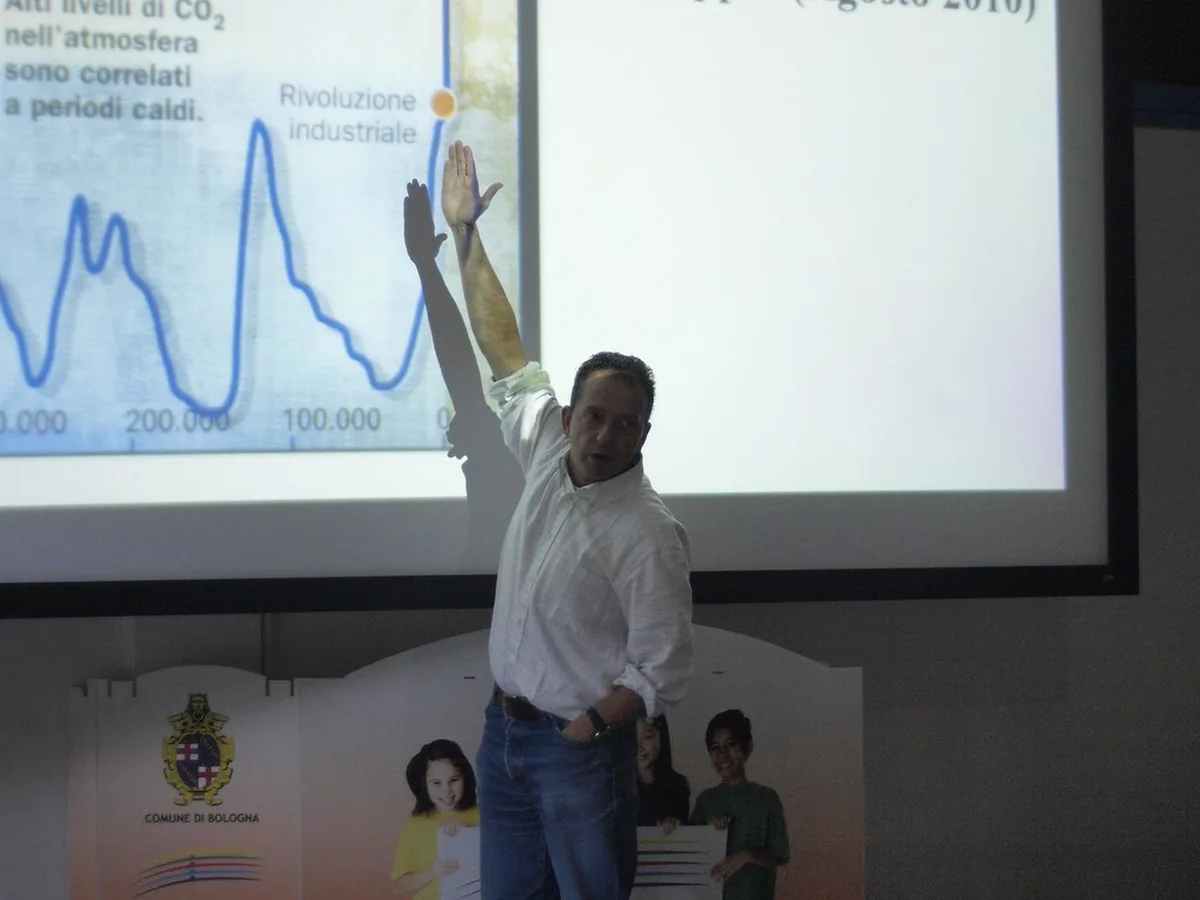
Bologna offers a more local and gritty vibe thanks to its massive student population of around 100,000 enrolled at its ancient university. Its famous porticos provide nearly 40 kilometers of covered walkways for rain or shine. You will find fewer selfie sticks and more residents going about their daily business in the squares. The city feels authentic and less polished compared to the curated streets of its Tuscan neighbor.
Florence peaks in popularity during the summer months when heat and crowds can become intense. Travelers often find themselves weaving through tour groups in the narrow medieval alleys. The city receives around 13 million visitors per year, making it one of the most-visited destinations in Europe. Bologna, by contrast, attracts closer to 2 million annual visitors, ensuring a dramatically calmer street atmosphere even in August.
Budget travelers often find Bologna more affordable for a quick lunch or mid-day coffee. Florence often charges a premium for views near the iconic landmarks or historic bridges — a simple coffee at a table near Piazza della Signoria can run €5–€7, compared to €1.50–€2 standing at a Bologna bar. Local prices in Bologna reflect the needs of the thousands of students living there year-round. Choosing Bologna can save you a significant amount while providing a more intimate look at everyday Italian life.
The seasonal rhythm also differs sharply. Florence's streets empty only slightly in winter, with January and February being the quietest months. Bologna, hosting major food and fashion trade fairs, can see hotel prices spike in March and October for non-tourist reasons entirely. Checking your travel dates against the Italian trade fair calendar is a smart move before booking either city.
Food and Dining: The Culinary Battle
Bologna holds the title of Italy's culinary capital — La Grassa, meaning "The Fat One" — for many dedicated food lovers around the world. You should try the authentic Tagliatelle al Ragù or fresh Tortellini in brodo at a local trattoria; a generous portion at a sit-down restaurant typically costs €10–€14 in 2026. Many small shops in the Quadrilatero district sell high-quality cured meats and local cheeses by weight. Food quality remains consistently high even in the more casual eateries near the university, where competition keeps prices sharp and portions honest.
Florence focuses on hearty Tuscan flavors like the massive Bistecca alla Fiorentina steak, which is priced by weight at roughly €5–€8 per 100g at reputable restaurants. Street food fans should look for Lampredotto sandwiches sold at traditional wooden carts — a €4 snack that gives an authentic taste of working-class Florentine cuisine. A glass of Chianti wine pairs perfectly with the local unsalted bread and rich olive oil. Dining in Florence often involves a mix of rustic traditions and high-end gourmet experiences, with the full range from €12 trattoria lunches to €70+ tasting menus.
Bologna's food market scene is one of the city's top draws. Local markets like Mercato di Mezzo (covered market near the Two Towers) stay open until late evening for snacks and social drinks, with aperitivo culture in full swing from 6 PM. Florence markets like San Lorenzo offer a mix of food stalls and leather goods, but food quality can be inconsistent in the tourist sections. Bologna's markets feel more focused on the daily grocery needs of local residents, keeping quality high and prices grounded. For a deeper look at the neighborhood surrounding these markets, read our guide to the Bologna Old Town.
Restaurant prices in Bologna generally stay lower than in the tourist-heavy center of Florence. You might pay €12–€15 for a great pasta dish in Bologna's university district versus €18–€22 for comparable quality near Florence's Duomo. Florence restaurants near the major landmarks often include a coperto (cover charge) of €2–€4 per person on top of the bill. Eating two or three streets away from the main squares in either city will always yield better value and a more local dining atmosphere.
Wine and drinks also differ in character. Bologna sits close to the Lambrusco and Pignoletto production zones, making local sparkling wines abundant and cheap. Florence is surrounded by Chianti Classico country, so Tuscany's great red wines appear on nearly every menu, sometimes at surprisingly affordable prices in unpretentious trattorias. Both cities reward the curious drinker who ventures beyond the house wine.
Art and Museums: Renaissance vs. Medieval
Florence is the undisputed home of the Renaissance with masterpieces around every corner of the city. The Uffizi Gallery houses works by Botticelli and Da Vinci that require advance booking months ahead in peak season; entry costs €25 in 2026 and is worth every cent for serious art lovers. Expect to spend at least three hours to see the main highlights of the collection properly. Art lovers will find themselves in heaven among the sculptures in the Loggia dei Lanzi, which is free and permanently open to the public.
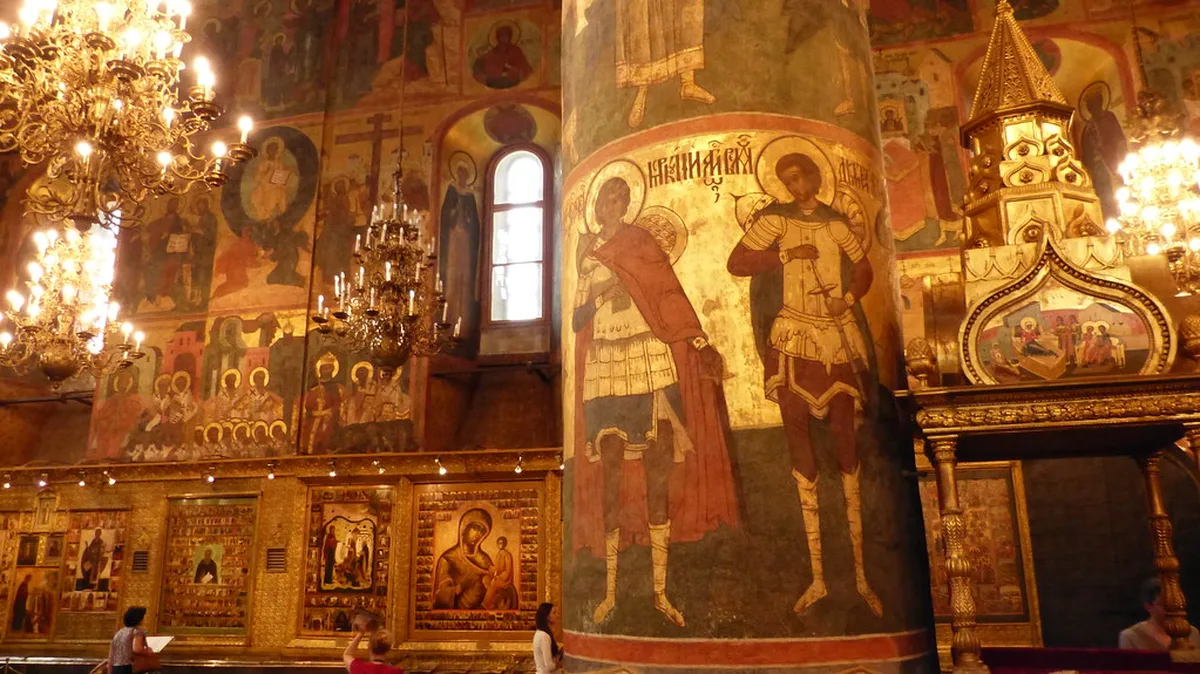
Bologna highlights its academic history as the home of the oldest university in the Western world, founded in 1088. Visit the Archiginnasio to see the stunning anatomical theater carved entirely from wood in the 1600s — entry runs around €3 and rarely requires a long wait. The city's art is often found in its historic churches rather than in massive galleries, making the experience feel like genuine discovery rather than scheduled touring. The Pinacoteca Nazionale di Bologna charges €8–€10 for entry and contains an impressive collection of Bolognese Baroque painters largely unknown to international visitors.
Climbing Giotto's Campanile in Florence provides a stunning view of the terracotta rooftops; entry costs €15 in 2026 and requires timed tickets booked in advance. In Bologna, the Asinelli Tower offers a similar bird's-eye perspective for around €5, with shorter queues and a more spontaneous visiting experience. Both climbs involve narrow stairs and require a moderate level of physical fitness. Florence's skyline is dominated by Brunelleschi's massive dome — one of the greatest architectural achievements in Western history — while Bologna's skyline is defined by the leaning Asinelli and Garisenda towers.
If you enjoy smaller crowds, consider combining your Bologna visit with day trips from Bologna to nearby medieval towns like Modena or Ferrara, where Ferrari's museum and Este Castle add entirely different cultural layers. This allows you to skip the heavy museum lines often found in the heart of Florence. You can still see beautiful frescoes without the three-hour security queues at the major sites. Bologna offers a quieter way to appreciate Italian history without the constant pressure of crowds.
For travelers who enjoy street-level public art, Florence wins on sheer density — the city is essentially one vast outdoor gallery. But Bologna's medieval portico system, a UNESCO World Heritage Site since 2021, is itself an extraordinary architectural achievement that stretches 40 kilometers across the city. Walking under the vaulted arches of the Portico di San Luca, the longest porticoed street in the world at 3.8 km, is a free and unforgettable experience that Florence simply cannot match.
Logistics: Travel Times and Walkability
High-speed Frecciarossa and Italo trains run between Bologna Centrale and Firenze Santa Maria Novella every 15–30 minutes throughout the day. Tickets booked at least a week in advance via Trenitalia or Italo can cost €15–€25 in 2026; last-minute purchases on peak-season Saturdays can push prices to €35–€45. The journey takes only 37 minutes through the scenic tunnels of the Apennine mountains. This proximity makes it very easy to visit both cities during a single week-long trip or even — with planning — in a single long day.
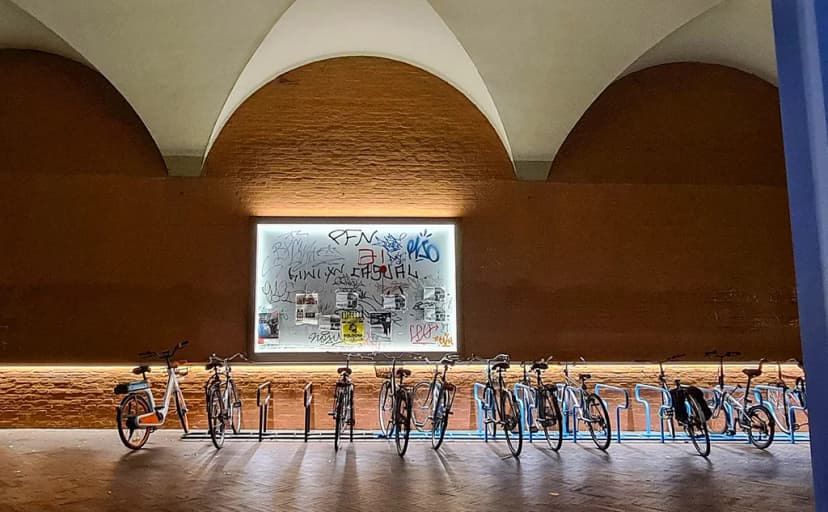
Florence is highly walkable once you arrive, but the uneven cobblestones can be tough on your feet over a long day. Most major sites sit within a 20-minute walk of the main Santa Maria Novella station. Bologna is also compact and largely flat, making it easy to navigate under the cool shade of the historic porticos without straining yourself. Walking through Bologna feels more like exploring a neighborhood than a tourist destination — locals cycle through the porticoed streets alongside visitors.
Bologna serves as a major rail hub, making it a strategic base for exploring Northern Italy efficiently. You can easily connect to Venice (1h 10min, ~€20–€30), Verona (55min, ~€15–€25), or Parma (30min, ~€8–€15) for additional excursions. Florence acts as the main gateway to the rolling hills and vineyards of Tuscany, with buses and rental cars serving the region well. Choosing your base depends on whether you prefer city hopping across Northern Italy or rural landscapes and wine country.
In 2026, train schedules remain frequent and reliable for those planning a day trip between cities. Always check the latest departure times on the Trenitalia or Italo apps before heading to the station. Regional trains (marked R or RV on schedules) offer a cheaper alternative at €8–€12 but take 60–90 minutes due to additional stops. For day-trippers who prioritize flexibility, buying a return ticket in advance on the Frecciarossa provides the best balance of speed and value.
Parking in either city as a driver is challenging but manageable. Florence has strict Limited Traffic Zones (ZTL) in the center that carry automatic fines for uninformed visitors. Bologna's ZTL covers a smaller central area. If you are driving to the region, check our parking in Bologna guide before arrival — both cities are best approached by train from Rome, Milan, or Venice, as driving adds complexity without meaningful benefit for a single-day visit.
Nightlife and Evening Options: Where to End Your Day
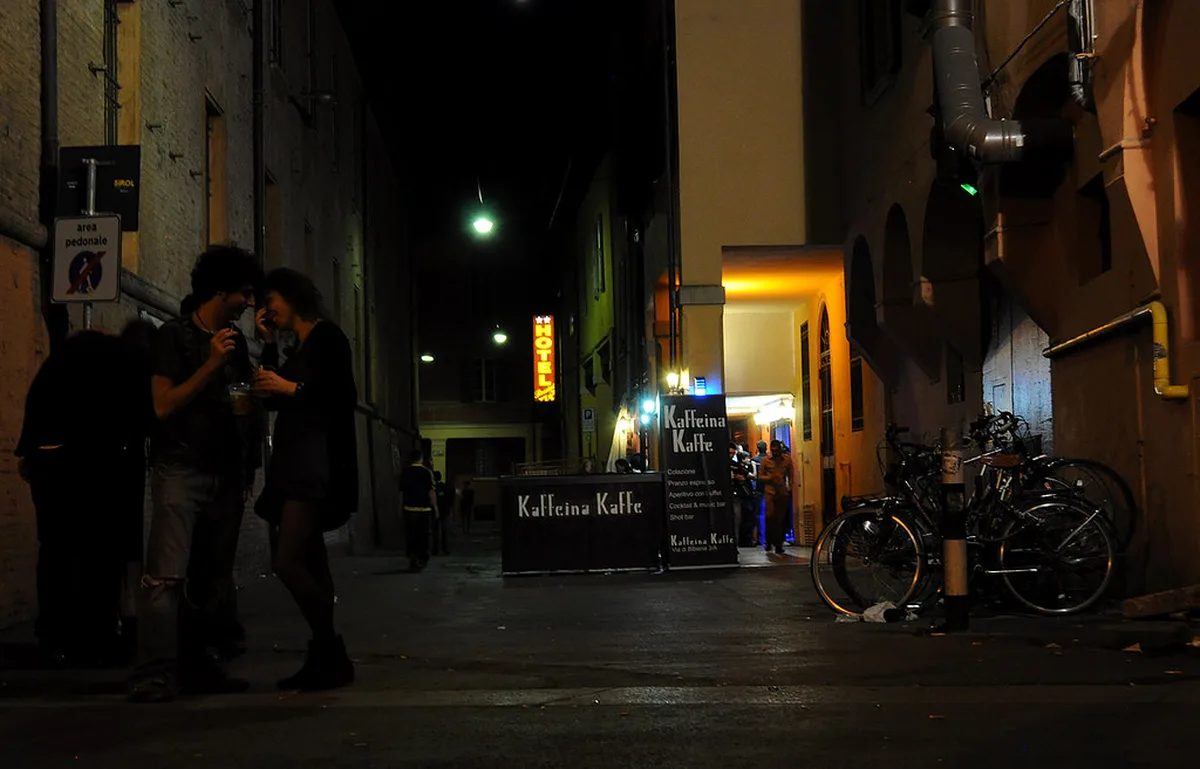
Bologna's evening scene is anchored by its enormous student population, which keeps bars, wine bars, and live music venues busy every night of the week. The aperitivo tradition — a free or low-cost snack buffet served from 6 PM when you buy a drink (typically €5–€8 for a Spritz or Pignoletto) — is one of Europe's great bargains and is deeply embedded in Bologna's social fabric. Streets like Via del Pratello and Via Zamboni fill with locals from early evening, creating an atmosphere that feels genuinely Italian rather than performed for tourists.
Florence's nightlife concentrates in the Oltrarno district across the Ponte Vecchio bridge, where wine bars called enoteche serve Chianti Classico by the glass for €4–€7. The city has a more sedate evening culture than Bologna — partly because the tourist majority tends to have early dinners and return to hotels, and partly because Florence enforces noise limits in the historic center. Jazz clubs, cocktail bars, and rooftop terraces exist, but they skew expensive, with cocktails starting at €10–€14 near the central piazzas.
For a budget-friendly evening, Bologna wins convincingly. A full aperitivo spread — drinks plus food — costs €6–€10 per person at most bars in the university quarter. An equivalent evening in Florence's Oltrarno or near Santa Croce will run €15–€25 once you factor in a sit-down dinner starter. Bologna's nightlife also starts earlier and ends later, driven by a student demographic that prioritizes value and volume over prestige. For more on Bologna's after-dark options, see our dedicated Bologna nightlife guide.
Travelers combining both cities in a single day — Bologna in the morning, Florence in the afternoon — will find that the natural endpoint is an early evening return to their base, with dinner taken either at Florence's Oltrarno (budget €25–€35 for two courses plus wine) or back in Bologna for a cheaper and livelier experience (budget €15–€25). If you are staying overnight in Florence, the Piazzale Michelangelo sunset (free) followed by an Oltrarno dinner is among the most memorable evenings in Italy — crowds thin dramatically after 8 PM as the day-trippers depart.
Special events tip the scales further. Bologna hosts student festivals, outdoor cinema seasons, and free concerts in Piazza Maggiore throughout summer 2026 — many of them free or under €5. Florence's summer cultural calendar is more formal, with ticketed opera, classical concerts, and the Calcio Storico (historic football match, June) that sell out months ahead. Choosing which type of evening suits your travel style is as important as planning the daytime itinerary.
Combining Both: Bologna Morning + Florence Afternoon
The 37-minute Frecciarossa train connecting Bologna and Florence (€15–€25 in 2026) makes a combined one-day visit genuinely practical — and one of the most rewarding ways to experience Northern Italy in a single day. The key is treating each city as a half-day sprint rather than a leisurely exploration, accepting that you will return to both cities another time for the full experience.
The itinerary works best if you are based in a city to the north — Milan (1h to Bologna), Verona (55min to Bologna), or Venice (1h 10min to Bologna) — or alternatively from Rome in the south (Florence is 1h 30min from Rome by Frecciarossa). Starting from Rome, you would reverse the sequence: Florence first (morning), then a short sprint to Bologna for lunch and the afternoon.
Suggested schedule from a northern base (e.g. Milan or Verona):
- 7:30 AM — Depart Milan Centrale; arrive Bologna by 9:00 AM (Frecciarossa, ~€20–€35 advance).
- 9:00–9:30 AM — Walk from Bologna Centrale to Piazza Maggiore (10 min on foot). Grab a coffee and cornetto at a bar under the porticos (~€2–€3).
- 9:30–11:30 AM — Explore the Quadrilatero food market, duck into the Archiginnasio anatomical theater (€3), and climb the Asinelli Tower (€5) for panoramic views.
- 11:30 AM–12:30 PM — Lunch: a bowl of Tortellini in brodo or Tagliatelle al Ragù at a trattoria near the university (€10–€14). This is non-negotiable — Bologna's food is the whole reason you are here in the morning.
- 12:45 PM — Walk back to Bologna Centrale (12 min); board the 1:00–1:30 PM Frecciarossa to Florence (€15–€25, 37 min).
- 2:00 PM — Arrive Florence SMN; pre-booked Uffizi entry for 2:30 PM (€25, book online at least 1 week ahead in summer).
- 2:30–5:00 PM — Uffizi Gallery highlights (Botticelli's Birth of Venus, Titian, Da Vinci rooms). Stick to 2–3 rooms to avoid fatigue.
- 5:00–7:00 PM — Cross Ponte Vecchio, walk to Piazzale Michelangelo for the sunset view over the Arno (free), then descend for a Bistecca snack or Lampredotto sandwich (~€4–€6).
- 7:30–9:00 PM — Return train to your northern base, or stay overnight in Florence for a deeper exploration the following morning.
What to prioritize with limited time: in Bologna, the food market, one tower, and Piazza Maggiore cover the city's essence in under 4 hours. In Florence, the Uffizi plus a walk to Ponte Vecchio and Piazzale Michelangelo delivers the emotional core of the city without overloading your schedule. Skip the Cathedral interior on a half-day visit — queues are long and the interior, while impressive, does not justify 45 minutes of waiting when you have a train to catch.
The combination works best from October to April when summer heat and peak crowds ease in Florence. In July and August, the afternoon Uffizi visit can feel oppressive, and booking the earliest available entry slot (8:30–9:00 AM) is strongly recommended — which means reversing the sequence and starting in Florence early, then taking the lunch train to Bologna for the afternoon food experience instead.
Budget for the full day: Bologna food and entry fees (~€25–€30) + Bologna–Florence train (~€15–€25) + Florence Uffizi (€25) + transport back to base (~€20–€40) = approximately €85–€120 all-in for a remarkably rich two-city day. For more inspiration on what to include in your Bologna time, check the Bologna 3-day itinerary.
Making Your Choice: Decision Criteria
Choose Florence if you want to see world-class landmarks and iconic Renaissance architecture that simply cannot be replicated anywhere else on Earth. It is the better pick for first-time visitors to Italy who want the bucket-list experience — the Duomo, the Uffizi, and the Ponte Vecchio are genuinely transformative sights. Plan for a busy day with plenty of walking and several pre-booked museum entries; the Uffizi costs €25 in 2026 and should be reserved weeks ahead in summer. The city offers a visual feast that is hard to match anywhere else in the world, despite the crowds.
Pick Bologna if you prefer a relaxed atmosphere and some of the best food in Europe without tourist-zone prices. It suits travelers who have already checked Florence off their list and want something more authentic on a return trip to Italy. The city feels more like a living community than a dedicated tourist destination — the university, the markets, and the porticoed streets all belong to the residents first. You will enjoy a slower pace that allows for long lunches at €12–€15 and casual wandering without scheduled entry windows. Bologna's safety record for tourists is excellent, adding further peace of mind for first-time visitors to the city.
Consider your budget carefully when making the final decision for your Italian day trip. Florence dining near the historical center averages 30–40% more expensive than Bologna; museum entry is also significantly higher. Bologna offers better value for money and a more laid-back pace, making it especially attractive for travelers on a tighter schedule or budget. Both cities provide unique memories that will last a lifetime regardless of your final choice.
- Best for Art Enthusiasts
- City: Florence
- Must-see: Uffizi Gallery (€25)
- Focus: Renaissance art
- Cost: High — budget €60–€90 for a full day
- Best for Food Lovers
- City: Bologna
- Must-try: Tortellini in brodo (€10–€14)
- Focus: Gastronomy and markets
- Cost: Moderate — budget €35–€55 for a full day
- Best for Doing Both
- Transport: Frecciarossa high-speed train
- Journey: 37 minutes, €15–€25
- Frequency: Every 15–30 mins
- Tip: Book Uffizi tickets at least 1 week ahead
Frequently Asked Questions
Is Bologna or Florence better for a day trip?
Florence is better for world-famous art and iconic landmarks like the Duomo and Uffizi Gallery (€25 entry in 2026). Bologna is superior for food lovers and those seeking an authentic, less crowded Italian vibe with lower prices — pasta lunch runs €10–€14 versus €18–€22 near Florence's Duomo. Both cities are accessible by Frecciarossa high-speed train in 37 minutes for €15–€25, and combining them in one day from a northern base like Milan or Verona is entirely feasible with advance planning.
Is one day enough to see Florence?
One full day in Florence allows you to see the main highlights — the Duomo exterior, the Uffizi Gallery, and the Ponte Vecchio — but requires advance planning. Book Uffizi tickets online before you travel (€25 in 2026); walk-up queues can cost you 2–3 hours. Focus on one or two museums and use the remaining time for the historic center rather than trying to cover everything. Arriving before 9 AM and ending your day at Piazzale Michelangelo for the sunset makes the most of the available hours.
Is Bologna or Florence cheaper?
Bologna is significantly cheaper than Florence in 2026. A pasta lunch in Bologna costs €10–€15 versus €18–€22 near Florence's Duomo. Museum entry in Bologna runs €3–€15 compared to Florence's Uffizi at €25. A coffee at a bar in Bologna costs €1.50–€2 standing versus €5–€7 at a tourist-zone table in Florence. The large student population in Bologna keeps accommodation, snacks, and nightlife prices well below the Tuscan tourist premium — a full day budget in Bologna is €35–€55 compared to €60–€90 in Florence.
Can you visit both Bologna and Florence in one day?
Yes — the 37-minute Frecciarossa train (€15–€25 in 2026, departing every 15–30 minutes) makes a Bologna morning plus Florence afternoon entirely feasible from a northern base like Milan or Verona. Spend 4 hours in Bologna covering the food market, Asinelli Tower (€5), and a trattoria lunch (€10–€14), then take the midday train to Florence for the Uffizi (€25, pre-booked) and Ponte Vecchio. Pre-booking the Uffizi at least one week ahead in summer is essential — walk-up tickets are rarely available during peak season.
How long is the train from Bologna to Florence?
The Frecciarossa high-speed train from Bologna Centrale to Firenze Santa Maria Novella takes 37 minutes. Trains run every 15–30 minutes throughout the day in 2026. Advance tickets cost €15–€25 on Trenitalia or Italo; last-minute fares on busy weekend days can reach €35–€45. Regional trains (marked R or RV) are cheaper at €8–€12 but take 60–90 minutes due to additional stops. Always book Frecciarossa tickets at least a week ahead for weekend travel to secure the best fares.
What is Bologna most famous for?
Bologna is most famous for being Italy's food capital — the birthplace of Tagliatelle al Ragù (Bolognese sauce), Tortellini, and Mortadella. It also hosts the world's oldest university (founded 1088) and a UNESCO-listed portico system stretching 40 kilometers, recognized in 2021. Compared to Florence, Bologna offers an authentic student-city atmosphere with lower prices (pasta €10–€14, tower entry €5) and far smaller tourist crowds — around 2 million annual visitors versus Florence's 13 million.
Which city has better nightlife — Bologna or Florence?
Bologna has significantly better nightlife for budget-conscious travelers in 2026. The city's 100,000-strong student population drives a lively aperitivo scene where a Spritz and a full food buffet costs €5–€8 per person from 6 PM onward on Via del Pratello and Via Zamboni. Florence offers quality wine bars and rooftop terraces in the Oltrarno district, but cocktails typically start at €10–€14. Bologna's bars open earlier, stay open later, and cater to a local crowd rather than a tourist one — making for a more spontaneous and affordable evening experience.
Both Bologna and Florence offer incredible experiences for a day trip in 2026. Florence will dazzle you with its artistic heritage and stunning marble cathedrals that have defined Western aesthetics for six centuries. Bologna will win your heart through its stomach and its charming medieval porticos — a UNESCO-protected labyrinth that locals still use for their daily commute.
Whichever city you choose, the high-speed rail system makes the journey effortless and quick. If your schedule and budget allow, the Bologna morning plus Florence afternoon combination is one of the most rewarding single-day itineraries in Italy. Make sure to book your Uffizi tickets (€25) or restaurant tables at least a week ahead in peak season. Enjoy the unique flavors and history that make this region of Italy so endlessly compelling.