Is Bologna Safe for Tourists? A Complete 2026 Safety Overview
Bologna is one of Italy's safest cities for tourists in 2026: violent crime is rare, the university atmosphere keeps streets lively at all hours, and emergency services are reachable at 113 (police) or 118 (ambulance).
Key emergency numbers for Bologna: 112 (all emergencies), 113 (Polizia di Stato), 118 (ambulance), 115 (fire brigade) — all free, 24/7, with English-speaking dispatchers available.
Most visitors explore the medieval streets without ever encountering a single security concern during their stay. While petty theft exists in crowded areas, violent crime remains exceptionally rare across the metropolitan area. Local authorities prioritize tourist safety to maintain the city's growing reputation as a top-tier destination.
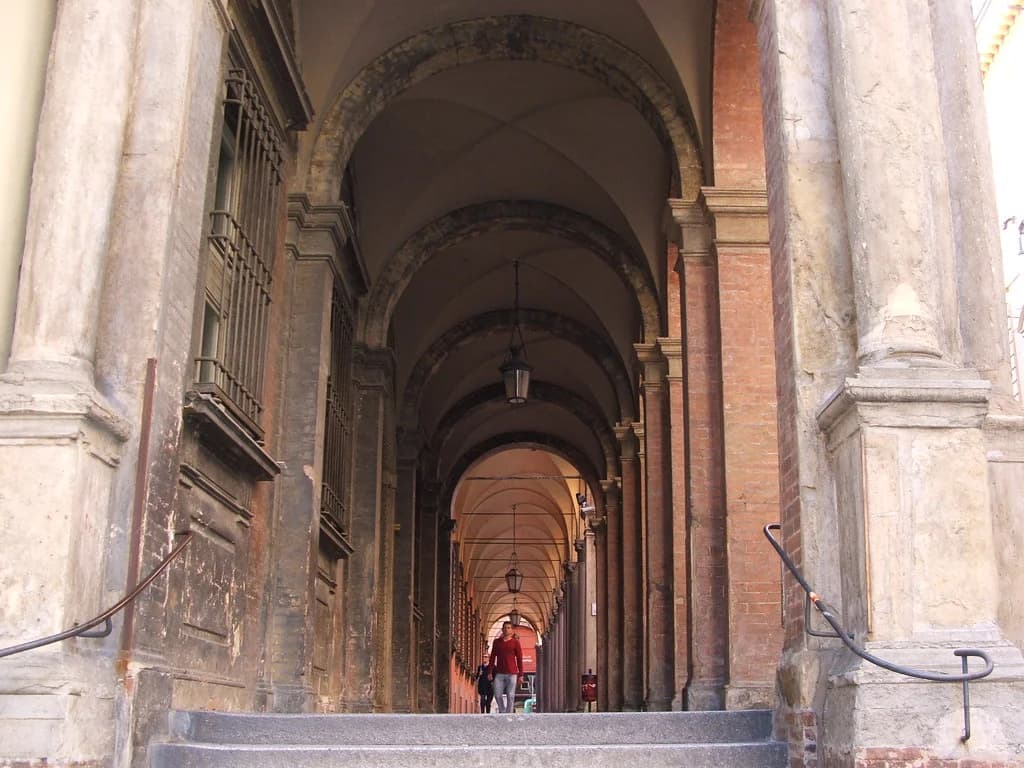
The heavy presence of university students creates a lively atmosphere that feels secure even late at night. You will find that the famous porticoes offer both shelter and a sense of community for those walking between attractions. Planning ahead ensures you can focus on the incredible food rather than worrying about your surroundings.
General Safety Overview for Bologna Visitors
Statistical data consistently ranks Bologna as a safe environment for both families and solo adventurers. The city thrives on a mix of academic energy and traditional Italian hospitality that discourages major criminal activity. Visitors often remark on the relaxed pace of life found within the ancient city walls.
Pickpocketing is the most frequent issue travelers might face, particularly in high-traffic zones during the peak summer months. These incidents usually occur near major landmarks or on crowded public buses where tourists are easily distracted. Keeping your belongings secured in a zipped bag is usually enough to prevent these minor crimes.
Local police maintain a visible presence in the main squares to assist the public and deter opportunists. Most officers are helpful and can provide directions or assistance if you feel uncomfortable in any situation. Understanding that the city is built for pedestrians helps you navigate with confidence throughout the day.
Residential areas outside the immediate center are also considered very secure for those booking longer stays. You will see locals of all ages enjoying the parks and cafes well into the evening hours. This shared public life contributes significantly to the overall feeling of security for everyone in the city.
Bologna's crime rate is notably lower than Italian cities of comparable size. The Emilia-Romagna region consistently reports some of the lowest violent crime statistics in all of Italy, and the regional capital benefits from that wider culture of civic order. Compared to tourist-heavy destinations like Florence, Venice, or Naples, visitors here almost universally report feeling comfortable and at ease throughout their trip.
The Carabinieri station on Via Marconi and the Questura (state police headquarters) on Piazza Galileo are both centrally located and accessible within minutes from most tourist accommodation. For non-emergency tourist assistance, the Tourist Police desk at Bologna Centrale station is staffed during peak hours and can assist with lost documents, theft reports, and general guidance. You can also call 113 directly to reach the Polizia di Stato for any non-violent incidents. For a deeper orientation before arrival, the Bologna old town guide covers the historic neighborhoods and key squares where police presence is highest.
Safe Neighborhoods and Areas to Watch
Choosing the right base for your trip can significantly impact your perception of safety and convenience. The historic center is the primary choice for most visitors due to its constant activity and well-lit streets. Exploring the central districts first will help you identify the best streets for your accommodation before venturing further afield.
While most of the city is perfectly fine, certain spots require a bit more situational awareness after the sun goes down. Piazza Verdi is the heart of the student district and can become quite rowdy during university terms. While not inherently dangerous, the noise and large crowds might feel overwhelming for some travelers.
The area immediately surrounding the central train station can also feel a bit gritty compared to the posh shopping districts. It is wise to avoid lingering in the station plazas late at night when foot traffic thins out. Simply walking with purpose to your destination is the best strategy in these transition zones.
Stick to well-traveled routes like Via dell'Indipendenza when returning to your hotel after a late dinner. These main arteries remain busy and bright, providing a comfortable path through the city. Most residential neighborhoods like Saragozza or Costa-Saragozza are exceptionally peaceful and safe at all hours.
The Quadrilatero market district, the tight medieval grid between Piazza Maggiore and Via Rizzoli, is extremely safe during the day and early evening. Street vendors, butchers, cheese sellers, and tourists fill its narrow lanes from morning until around 21:00, creating natural eyes on the street. Porto and Mazzini, two districts just east of the center along Via San Vitale and Via Mazzini, are popular with young professionals and are consistently quiet and safe even late at night.
Navile, the neighbourhood north of the station along the old canal, is undergoing regeneration and is fine to visit by day — particularly around the Manifattura delle Arti arts complex — but the blocks directly west of the station, toward Via Matteotti, are best avoided after dark. Borgo Panigale and Corticella, the western and northern suburbs, are entirely residential and safe but offer little of tourist interest. If you are venturing to the hills around San Luca Basilica via Via Saragozza, the route is well-maintained and popular with locals jogging or cycling at all times of day.
- The Quadrilatero District
- Type: Historic market
- Best for: Foodies
- Where: Near Piazza Maggiore
- Safety: Very high
- Piazza Verdi Student Area
- Type: University hub
- Best for: Cheap drinks
- Where: University quarter
- Safety: Moderate at night
- Bologna Centrale Station
- Type: Transit hub
- Best for: Transport
- Where: Northern city edge
- Safety: Use caution late
Navigating Bologna Nightlife and Transport Safely
Bologna is famous for its vibrant evening culture, which revolves around social drinking and late-night dining. The streets are often more crowded at midnight than they are at midday during the warmer months. The Bologna nightlife guide will lead you to the most reputable bars and clubs in 2026.
Public transportation is reliable, but many visitors find that the city is small enough to navigate entirely on foot. If you choose to use the bus system, be mindful of your wallet when boarding or exiting the vehicle. These transition moments are when pickpockets are most likely to attempt a quick theft.
Official taxis are a safe and regulated way to get home if you are staying outside the walkable historic core. Official taxi stands are located at major squares, and drivers are required to use a meter for all trips. Avoid accepting rides from unlicensed drivers who may approach you near the train station or airport. A typical metered fare from the station to Piazza Maggiore runs approximately €8–12 EUR during the day, rising to €12–18 EUR after 22:00 or on weekends.
Driving in the city presents a different kind of safety challenge involving strict traffic regulations. The ZTL zones are restricted to residents and can result in heavy fines of €80–300 EUR for unsuspecting tourists. Consult a guide on parking in Bologna to avoid legal headaches and expensive tickets during your visit.
The city's bus network (TPER) is generally reliable and safe. Lines 25 and 27 are the most tourist-relevant, connecting the station to Piazza Maggiore and the university district respectively. Validate your ticket at the orange machines immediately when boarding — plainclothes inspectors check frequently, and the fine for an unvalidated ticket is €45 EUR. For late-night returns after the buses stop, the licensed radio-taxi service (CAT Bologna, +39 051 372727) offers a reliable and safe option with fixed-rate pricing available from the app.
Cycling is popular and the city has invested heavily in protected bike lanes along Via dell'Indipendenza and around Piazza dei Martiri. Bike rentals are available throughout the center from approximately €12–20 EUR per day. If you rent, always lock your bike with a heavy-duty U-lock rather than the thin cable locks provided at some hire points — opportunistic bike theft is the one property crime that has increased modestly in recent years.
Common Tourist Scams in Bologna
While Bologna lacks the aggressive scam culture of larger tourist traps, a few tricks still target the unwary. One common sight is individuals offering "free" friendship bracelets or small charms in the main squares. Once the item is on your wrist, they will demand a significant payment and may become persistent.
Always review your bill at outdoor cafes to ensure the "coperto" or cover charge is clearly stated. This is a standard legal fee in Italy, typically €1.50–3.00 EUR per person, but it should not be an exorbitant surprise at the end of your meal. Knowing the main tourist areas helps you identify legitimate ticket sellers for local attractions.
Street performers or people asking for signatures on petitions can sometimes be a distraction for a second accomplice. While most are genuine, it is best to keep a hand on your bag while engaging with street entertainment. Maintaining a polite but firm "no thank you" usually ends any unwanted interactions quickly.
Be cautious when using ATMs located in secluded areas or those that look like they have been tampered with. It is always safer to use machines located inside bank lobbies during normal business hours. This simple habit protects your card details from skimming devices often used in high-traffic tourist zones.
Unofficial tour guides sometimes approach visitors near the Two Towers (Le Due Torri) on Piazza di Porta Ravegnana, offering guided walks for a "suggested donation." These are not vetted professionals — if you want a walking tour, book through the Bologna Welcome tourist office on Piazza Maggiore or via a registered local agency. Similarly, unofficial luggage storage operators near the station sometimes charge three to four times the standard rate (up to €12–15 EUR per item vs the standard €4–6 EUR); the official left-luggage office inside Bologna Centrale charges a transparent flat fee.
Restaurant touting on Via dell'Indipendenza is relatively mild by Italian standards, but the establishments most aggressively promoting themselves at tourists are rarely the best value. The best trattorie in Bologna are typically down side streets — Via delle Pescherie Vecchie, Via Clavature, and the alleys off Piazza Santo Stefano — and rarely need to chase customers. If the menu outside is translated into six languages with large photos, keep walking.
Weather and Natural Hazard Safety in Bologna
Bologna's climate brings distinct seasonal hazards that tourists should factor into their planning. The city sits in the Po Valley, surrounded by the Apennine mountains to the south, which creates a continental climate with hot, humid summers and cold, foggy winters. Understanding these conditions helps you pack correctly and stay safe throughout the year.
Summer temperatures between June and August regularly reach 34–38°C, with high humidity making conditions feel significantly hotter. Heat-related illness is a real risk for visitors unaccustomed to these temperatures, particularly when walking long distances between sights. Stay hydrated using the free public drinking fountains (nasoni) found throughout the historic center, schedule heavy walking for early mornings before 10:00 or evenings after 18:00, and carry at least 1 litre of water at all times. The pharmacies along Via dell'Indipendenza stock oral rehydration sachets for approximately €3–5 EUR if you begin to feel unwell.
Fog (nebbia) is a defining feature of autumn and winter in Bologna, typically arriving from October through February. While fog itself is not dangerous on foot, driving or cycling in dense fog significantly increases accident risk. If you are renting a car for day trips, check the weather forecast carefully and consider that visibility can drop below 50 metres on the plains surrounding the city. The city's motorway ring (tangenziale) can become particularly hazardous; if conditions deteriorate, pull safely off the road and wait for conditions to improve rather than continuing.
Flooding along the Reno and Savena rivers, which run through the outer districts, can occasionally affect traffic and low-lying areas during heavy autumn rains. The historic center itself sits at a higher elevation and is not at direct flood risk, but check local alerts (Allerta Meteo Emilia-Romagna) before venturing to riverside parks or cycling along canal paths after prolonged rainfall. Sign up for free alerts at the Arpae Emilia-Romagna website before your trip.
Italy sits in a seismically active zone, and while Bologna is not considered high-risk, the broader Emilia-Romagna region experienced significant earthquakes in 2012. In the unlikely event of an earthquake, standard guidance applies: drop to the ground, take cover under a sturdy table or doorframe, and hold on until shaking stops. After any tremor, move to open ground away from buildings and follow instructions from local emergency services (112 for all emergencies, 118 for medical assistance). Most hotels in the city post emergency assembly points — take a moment to note yours on arrival.
For up-to-date weather and travel advisories during your visit, monitor the Protezione Civile (Italy's civil protection agency) website or ask your hotel reception about any active alerts. Planning a three-day visit gives you enough flexibility to adjust your itinerary around adverse weather; the Bologna 3-day itinerary includes rainy-day alternatives and indoor attractions throughout.
Practical Tips for a Worry-Free Visit
Preparation is the key to maintaining your safety while exploring the beautiful streets of the Emilia-Romagna region. Carry a digital copy of your passport on your phone and leave the physical document in your hotel safe. This prevents a major logistics crisis in the unlikely event that your bag is lost or stolen.
In an emergency, call 112 (all services), 113 (Polizia di Stato for theft reports), or 118 (ambulance) directly. All lines operate 24/7 with English-speaking dispatchers and are free from any phone including foreign SIM cards. Knowing these numbers provides peace of mind as you venture out for a day of sightseeing.
Tap water in Bologna is perfectly safe to drink and meets high European quality standards. You can save money and reduce plastic waste by refilling your bottle at the many public fountains found throughout the city. These fountains are a charming and functional part of the local infrastructure that tourists often overlook.
If you are planning a longer stay, following a Bologna 3-day itinerary can help you pace your visit safely. Moving with a plan reduces the time spent looking at maps in the middle of busy sidewalks. Confident travelers are much less likely to be targeted by petty criminals or scammers.
Register your stay with your home country's embassy or consulate before departing — most offer free traveler registration services online. EU citizens staying more than a few days should check whether their accommodation has filed the mandatory guest registration (alloggiati web) with local authorities; reputable hotels handle this automatically. Non-EU travelers should keep their entry stamp accessible, as Italian police are entitled to request identity documentation at any time.
Travel insurance with medical evacuation coverage is strongly recommended for any trip to Italy. The public health system (SSN) will treat emergencies regardless of insurance status, but repatriation costs can be significant. The nearest major hospital to the Bologna historic center is Policlinico Sant'Orsola-Malpighi on Via Massarenti, approximately 1.5 km east of Piazza Maggiore and reachable by bus line 19 or a taxi fare of approximately €8–12 EUR. For non-emergency medical issues, the city has several private walk-in clinics along Via Emilia that operate extended hours and have English-speaking staff.
If you are day-tripping from Bologna and want to compare it with a nearby city, the Bologna vs Florence day trip guide covers transport, safety, and what to expect in each city so you can plan with confidence. For wider regional exploration, day trips from Bologna covers the safest and most rewarding destinations within easy reach by train or car.
Solo Female Travel Safety in Bologna
Bologna has earned a strong reputation as one of Italy's most welcoming cities for women traveling alone. The density of university students — the University of Bologna is one of the oldest in the world and enrolls over 85,000 students — creates a cosmopolitan, progressive atmosphere that is notably more relaxed than in many southern Italian cities. Most solo female travelers report feeling comfortable and unbothered throughout their stay, including during evening hours.
The Quadrilatero market area, the tight grid of medieval lanes running north from Piazza Maggiore to Via Rizzoli, is extremely safe for women during the day and into the early evening. The market stalls, wine bars, and delicatessens keep the area busy and sociable until around 21:00. It is an ideal base for afternoon exploration and a natural gathering point before dinner.
Piazza Maggiore itself remains busy, well-lit, and very safe after dark. The square is a genuine public living room for Bolognesi — families, students, couples, and older residents all share the space comfortably until midnight and beyond. Sitting at a cafe on the square or walking its perimeter at night feels no more concerning than doing the same in any well-managed European city center.
The university area along Via Zamboni and the streets around Piazza Verdi are perfectly safe during the day and evening but become very loud and crowded on Thursday, Friday, and Saturday nights during term time. Rowdy student crowds, street drinking, and noise are the main issues rather than any genuine safety threat. If you prefer quieter surroundings after dark, the streets east of Piazza Santo Stefano — particularly Via Santo Stefano and Via Castiglione — offer a calmer alternative with good restaurants and bars.
A few practical tips specific to solo female travelers: the portico walks that define Bologna's streetscape are a mixed blessing after midnight — they shelter from rain but can feel isolating when foot traffic drops. Stick to the lit sections of Via dell'Indipendenza, Via Rizzoli, and Strada Maggiore for late-night returns. Avoid the narrow lanes directly behind the central market (Via dei Giudei, Via Orefici) after 23:00 when the foot traffic disappears entirely. Keep bags on the inside shoulder when walking under the porticoes, as occasional bag-snatching by moped has been reported near Via Ugo Bassi.
Emergency contacts for solo travelers: 112 (all emergencies), 113 (Polizia di Stato for theft reports and non-violent incidents), 118 (ambulance), 1522 (anti-violence helpline, free, 24/7, multilingual). The Bologna Welcome tourist office at Piazza Maggiore 1 can also assist with lost documents or general concerns during business hours.
Frequently Asked Questions
Is Bologna safe for solo female travelers?
Bologna is considered very safe for solo female travelers due to its high density of students and active street life. Standard precautions like staying in well-lit areas at night and monitoring your drink are recommended. Piazza Maggiore stays busy and well-lit until midnight, and the university quarter is lively rather than threatening. Most women find the city respectful and easy to navigate alone. If you ever feel unsafe, call 112 for all emergencies or 1522 for the multilingual anti-violence helpline (free, 24/7).
Is Bologna safer than Rome or Naples?
Yes, Bologna is statistically safer than both Rome and Naples. Rome has significantly higher rates of pickpocketing and tourist-targeted scams, while Naples has a higher overall crime rate. Bologna's compact historic center, strong university presence, and Emilia-Romagna's civic culture combine to make it one of Italy's safer cities for visitors. Violent crime is extremely rare in all three cities, but petty theft in Bologna is noticeably less common than in the other two. You can compare safety considerations for Naples directly in our Is Naples safe for tourists guide.
Can I walk around Bologna at night safely?
Yes, walking around the city center at night is generally safe because the streets remain busy until late. The porticoes are well-illuminated and provide a secure path between major squares and residential zones. Avoid the university area if you want to bypass loud, intoxicated crowds on Thursday through Saturday nights. Stick to Via dell'Indipendenza and Strada Maggiore for the most comfortable late-night routes. If you need a taxi after the buses stop, call CAT Bologna on +39 051 372727 or use the app; a typical fare within the center costs €8–15 EUR.
Are there many pickpockets in Bologna?
Pickpocketing occurs in Bologna but is less frequent than in cities like Venice or Florence. Be extra careful on TPER bus lines 25 and 27 and near the Two Towers (Le Due Torri) where crowds gather. Secure your valuables in front-facing pockets or cross-body bags to minimize any risk of theft. If your belongings are stolen, report it to the Polizia di Stato by calling 113 or visiting the Questura on Piazza Galileo to file a denuncia, which you will need for any insurance claim.
Is the water in Bologna safe to drink?
The tap water in Bologna is completely safe to drink and meets high European quality standards. You will find many public drinking fountains, known as nasoni, offering cold, clean water for free throughout the historic center. Using these fountains is a common local practice that is both safe and environmentally friendly. There is no need to purchase bottled water during your stay, which saves money and reduces plastic waste.
What are the emergency numbers in Bologna?
The key emergency numbers in Bologna are: 112 (universal emergency line — police, fire, ambulance), 113 (Polizia di Stato for theft reports and non-violent incidents), 118 (ambulance and medical emergencies), and 115 (fire brigade). All numbers are free from any phone including foreign SIM cards and operate 24/7 with English-speaking dispatchers. For the anti-violence helpline, call 1522 (free, multilingual, 24/7). Save all five numbers before you travel.
Is the area around Bologna Centrale station safe?
Bologna Centrale station and its immediate surroundings are safe during the day and for normal transit use. The plazas north of the station — Piazza delle Medaglie d'Oro and the adjoining streets — can feel less comfortable late at night when foot traffic drops. Walk with purpose, use the official taxi rank on the south side of the station (fares to the historic center run €8–12 EUR), and avoid engaging with strangers who offer assistance with luggage or accommodation. The Tourist Police desk inside the station can assist with theft reports and lost documents during staffed hours.
What should I do if I get sick or injured in Bologna?
For medical emergencies in Bologna, call 118 immediately — the ambulance service operates 24/7 with English-speaking dispatchers and is free. The nearest major hospital to the historic center is Policlinico Sant'Orsola-Malpighi on Via Massarenti, approximately 1.5 km east of Piazza Maggiore, reachable by bus line 19 or a taxi (approximately €8–12 EUR). For non-urgent issues, several private walk-in clinics along Via Emilia have extended hours and English-speaking staff. EU citizens should carry their EHIC card; non-EU visitors are strongly advised to carry travel insurance with medical evacuation cover, as repatriation costs can run into thousands of EUR.
Bologna, in Italy, remains one of the safest and most rewarding cities to visit in Italy during 2026. By following basic safety protocols and staying aware of your surroundings, you can enjoy a seamless vacation. The combination of historic charm and modern security makes it an ideal choice for every type of traveler.
Whether you are exploring the narrow alleys of the market or taking day trips from Bologna, your safety is rarely at risk. Use common sense, respect local customs, and embrace the local lifestyle for the best experience. The city is ready to welcome you with open arms and incredible flavors.