The Ultimate Bologna Nightlife Guide 2026 for Travelers
Bologna's nightlife in 2026 centers on three zones: Via Zamboni (student bars, drinks from €3), Via del Pratello (alternative pubs, local craft beer), and Piazza Santo Stefano (upscale wine bars, €8–12 per glass). Clubs open around midnight and charge €10–15 entry; many require an ARCI membership card (€12, valid one year).
Aperitivo runs 6:00–9:00 PM across Bologna. Order an Aperol Spritz (€6–8) or local Pignoletto wine (€5–7) at most bars and receive a complimentary plate of mortadella, bruschetta, and olives. The aperitivo hour is the single best value-for-money experience in the city.
Bologna is famous for its lively energy and ancient, portico-lined streets. Thousands of students from the oldest university in Europe fill the bars every evening. This comprehensive bologna nightlife guide helps you find the best spots for a memorable evening. Discover where the locals go for drinks and dancing in this historic city.
The city offers a unique mix of gritty student hangouts and elegant cocktail lounges. You can start your night with a traditional aperitivo before heading to a high-energy club. Planning your evening ahead ensures you experience the most authentic parts of the local culture. Check out our Bologna 3-day itinerary to build your full schedule around the nightlife.
The Heart of Bologna Nightlife Districts
The university district of Italy is represented most prominently in Bologna. The is the primary hub for evening activity in the city center. Via Zamboni and Piazza Verdi stay crowded with students from Università di Bologna until the early morning hours. Drink prices here remain very affordable compared to other major Italian cities. In 2026, expect to pay around €3–5 for a large beer or a basic mixed drink from one of the dozens of small bars lining the street. Shots and simple cocktails hover at €4–6, making this the best zone for budget-conscious travelers who still want a lively atmosphere.
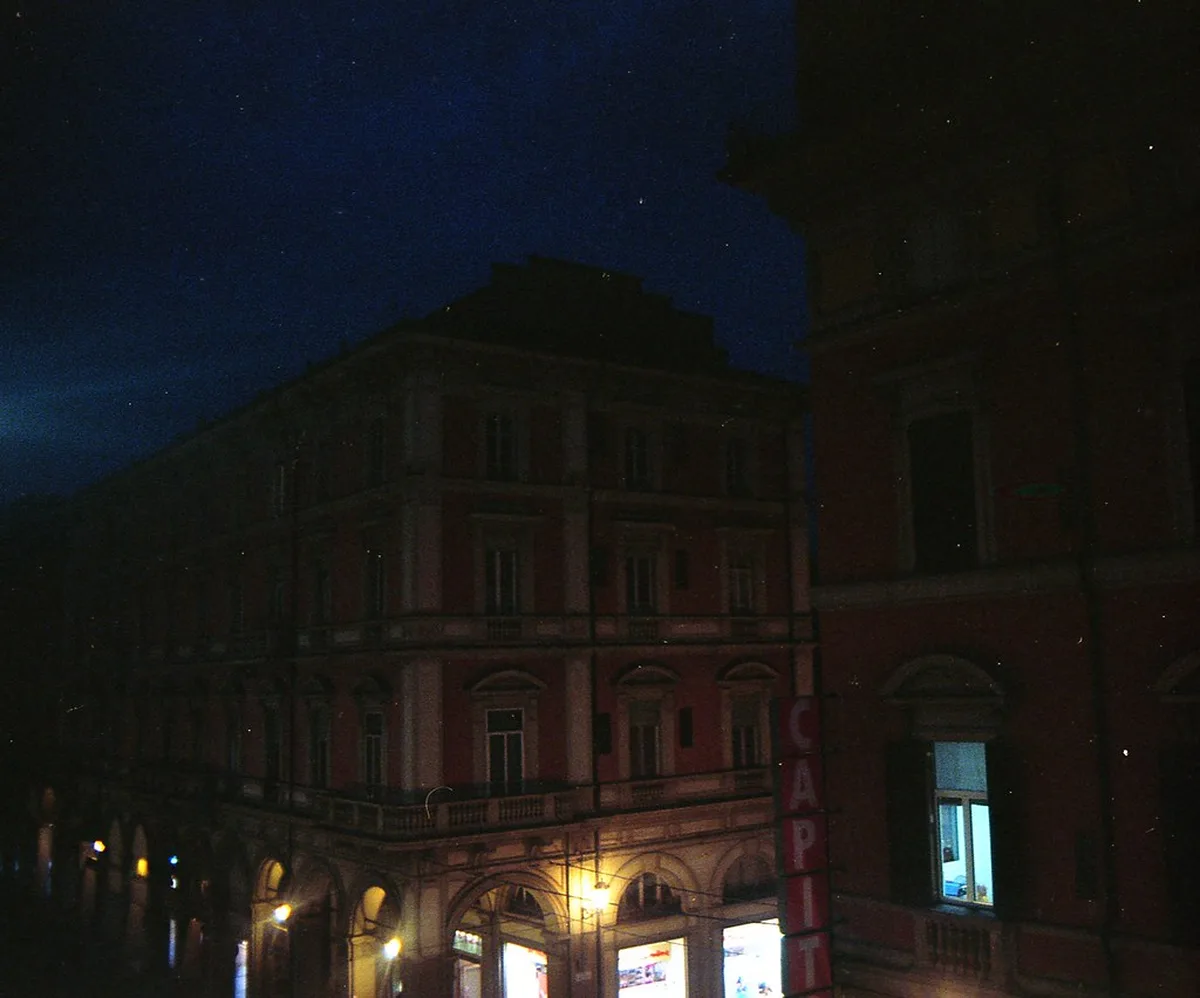
Via del Pratello offers a more alternative and local atmosphere for your night out. This long street is lined with small pubs and cozy wine bars that attract a creative, artistic crowd. It feels far less touristy than the main squares and the bar density is high enough to let you wander without a plan. Standout stops include Osteria del Sole (one of Italy's oldest taverns, open since 1465 — bring your own snacks, they only serve wine from €3.50 a glass) and Caffè Zamboni, where a craft IPA runs €5–6 and the crowd spills onto the pavement on warm evenings. Many locals prefer this area for its relaxed vibe and creative spirit.
Piazza Santo Stefano provides a more sophisticated setting for evening drinks. The beautiful Romanesque architecture makes it a popular spot for a quiet glass of wine, with cocktail prices ranging from €8 to €12 at the terrace bars around the square. Tables spill out onto the cobblestones during the warmer months and the lighting creates a uniquely atmospheric setting that rewards a slow evening pace. The area suits travelers who want to combine history with a civilized aperitivo rather than a loud bar crawl.
Piazza Maggiore, while primarily a daytime destination, transforms after 9:00 PM on weekends when outdoor film screenings and pop-up events draw large mixed crowds. The bars on the northern edge of the square serve Aperol Spritz for €6–7 and usually stay open until 1:00 AM. Getting there early means securing outdoor seating; late arrivals often stand. This district bridges the gap between the student zone and the upscale bar scene near the Two Towers, making it a natural transition point during a longer night out.
- Via del Pratello Bar Crawl
- Vibe: Alternative and local
- Cost: €4–7 per drink in 2026
- Best for: Craft beers and Pignoletto
- Crowd: Locals, artists, musicians
- University District Hub (Via Zamboni)
- Vibe: High-energy student scene
- Cost: €3–6 per drink in 2026
- Best for: Budget nights and street energy
- Location: Between Piazza Verdi and Porta San Donato
- Santo Stefano Lounges
- Vibe: Elegant and scenic
- Cost: €8–12 per drink in 2026
- Best for: Fine wine and architecture watching
- Setting: Historic Romanesque square
Top Spots for an Authentic Italian Aperitivo
The Quadrilatero district offers the most traditional start to your evening in Bologna. Narrow medieval streets fill with locals enjoying regional wine and generous platters of cured meats from around 6:00 PM. Visit this area between 6:00 PM and 9:00 PM for the best social experience, when the market stalls have closed and the bars unlock their street furniture. In 2026, a standard aperitivo — one drink plus a buffet spread — runs €8–12 per person, representing outstanding value by any Italian city standard. For a deeper look at the neighbourhood, read our Bologna old town guide before you visit.
Ordering an aperitivo usually includes a small selection of snacks with your drink. Some bars in the Quadrilatero operate a generous open buffet (you pay for the drink, the food is free), while more polished establishments in the centre bring a private charcuterie plate to your table. In 2026, mortadella DOP, local Parmigiano Reggiano, bruschetta, and cured salumi remain the staples of every aperitivo spread. A full Aperol Spritz-plus-buffet experience at Drogheria della Rosa or Cantina Bentivoglio typically comes in at €10–12 and serves as a complete light dinner before a late night out.
Try a Pignoletto DOC wine if you want to drink like a true local in 2026. This crisp, lightly sparkling white wine comes from the Colli Bolognesi hills surrounding the city and is largely unknown outside Emilia-Romagna. A glass costs €5–7 in most neighbourhood bars, compared to €8–10 in tourist-facing restaurants. It is a refreshing, slightly mineral alternative to the more common Aperol Spritz, and most bartenders will happily open a local bottle and talk you through the vineyard. Lambrusco, a lightly sparkling red from further down the Po Valley, is another option worth ordering — especially the drier Lambrusco di Sorbara style at €5–8 a glass.
Mercato delle Erbe is another excellent choice for a casual early-evening aperitivo. The covered market on Via Ugo Bassi houses several small bars and food stalls that stay open until around 10:00 PM on weekdays and midnight on weekends. In 2026, draft beer runs €4–5 and a mixed plate of charcuterie is €8–10. The vaulted iron architecture dates from the early 20th century and the atmosphere feels authentically Bolognese rather than tourist-packaged. Groups find it far easier to get a table here than in the tiny street bars of the Quadrilatero during peak hours.
For a more curated aperitivo experience, Enoteca Italiana on Via Marsala is a reliable address: 90+ bottles by the glass from €5, a rotating small-plates menu of regional Italian produce, and a knowledgeable staff who can guide you toward emerging producers from Emilia-Romagna. Opening hours are 5:30 PM–12:30 AM Tuesday to Sunday. The bar fills quickly after 7:00 PM, so arriving by 6:30 PM is advisable on weekends.
Bologna's Student Bar Scene: Via Zamboni and the University Quarter
Università di Bologna is the oldest university in the Western world (founded 1088) and its students define the city's nightlife identity. The university quarter stretches along Via Zamboni from the Two Towers to Porta San Donato and packs more bars per square metre than almost any comparable Italian street. In 2026, this is where you find the lowest prices, the loudest energy, and the most spontaneous street life after 9:00 PM.
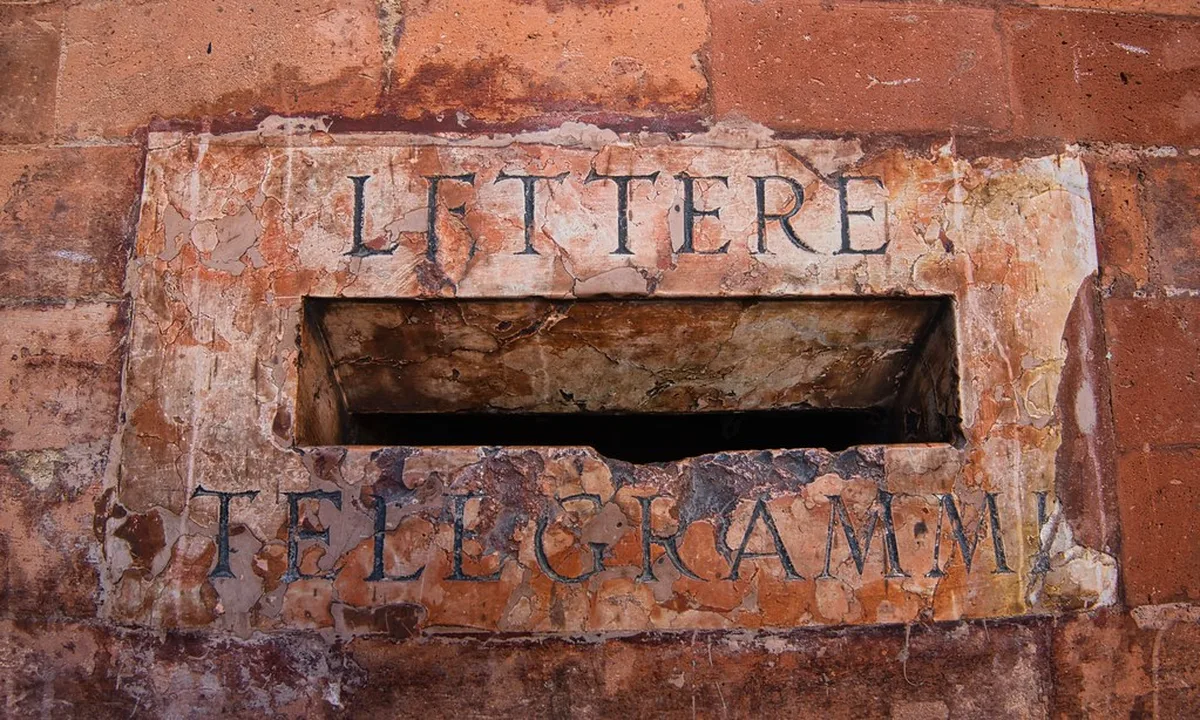
Piazza Verdi sits at the heart of the student zone and functions as an open-air social hub on warm evenings. Dozens of students gather on the steps of the Teatro Comunale with cans bought from nearby shops (€1.50–2.50) or drinks from the surrounding bars. The piazza rarely quietens before 2:00 AM at weekends. Police presence is generally low-key and the atmosphere is convivial rather than aggressive. Be respectful of residents — noise complaints have increased in 2024–2026 and the city council has introduced late-night decibel monitoring in the area.
Key student bars along Via Zamboni in 2026 include:
- Cantina Bentivoglio — Via Mascarella 4b, jazz live music from 9:30 PM Wednesday–Sunday, entry free before 10 PM, cocktails €9–11, excellent Emilian wine list
- Berberè — Via Mascarella 4, craft pizza and natural wine bar popular with students, house Aperol Spritz €7, open until midnight
- Clandestino — Via Zamboni 18, €3 beers on tap, no frills, heavy student crowd, open 6 PM–2 AM
- Moog Café — Via Clavature 18 (nearby), best cocktail menu in the student zone with signature drinks at €9, atmospheric low lighting, open until 2 AM
Cocktail prices in the university quarter in 2026: draft beer €3–5 (50 cl), bottled craft beer €5–6, Aperol Spritz €6–8, mojito or negroni €7–9, long drinks €6–8. Shots are universally €3–4. The price gap between the student zone and the upscale Piazza Santo Stefano area is substantial — often 30–40% cheaper for equivalent quality. If budget is a priority, anchor your evening here before heading to the clubs.
Many bars in the student quarter organise theme nights, open-mic evenings, and DJ sets from Thursday through Saturday without charging entry. Check Instagram handles or posted flyers for weekly schedules, as programming changes frequently and does not appear on Google Maps listings. The ARCI card (€12 for 12 months) opens additional doors to the cultural association venues scattered through the quarter — bars that are technically private clubs but publicly accessible once you register.
Dancing at the Best Clubs in Bologna
Bologna has a strong reputation for electronic, techno, and underground music that dates back to the 1980s. Venues like Link Project on Via Fioravanti are a cornerstone of the European club circuit, regularly hosting international DJs and large-scale dance events. In 2026, Link entry fees range from €10 for local nights to €20–25 for headline international bookings. The venue is located about 15 minutes on foot west of the city centre and doors open at midnight — do not arrive before 12:30 AM if you want a crowd. Check their official website (linkproject.org) for monthly event calendars, as they sell out regularly.
Qubò is a popular choice for those who prefer mainstream hits, pop, and commercial house music. The club is located inside a historic building near the Two Towers and operates Thursday through Saturday from 11:30 PM. Entry fees in 2026 are €10–15 Thursday, €15–20 Friday, and €18–22 Saturday. One drink is typically included in the entry price. The queueing system is relaxed — arriving by 12:30 AM avoids the peak line. The interior is large enough to hold several hundred people across two floors and the sound system was upgraded in late 2025.
Cassero LGBTQ+ Centro Comunitario is one of Italy's most celebrated LGBTQ+ venues, located inside the Porta Saragozza medieval gatehouse on Via Don Minzoni. It hosts diverse parties, cultural events, and themed club nights throughout the entire week. In 2026, entry for most events is €5–8 for ARCI members (card required, €12 at the door). The atmosphere is genuinely welcoming and community-focused, drawing a mixed crowd that includes many straight-friendly visitors. Open Tuesday–Sunday from 6 PM; club nights start around 11 PM.
Estragon on Viale Pietramellara (near Bologna Centrale station) is the city's main live-music venue for larger acts — rock, indie, electronic, and occasional touring international bands. In 2026, ticket prices range from €15 to €35 depending on the booking. The venue has standing and seated options and its large outdoor area stays open in summer. Pre-booking via Ticketmaster or directly at the venue box office is strongly advised as popular shows sell out weeks in advance.
Dress codes across Bologna clubs are generally more relaxed than in Milan or Rome. Smart-casual is acceptable at most venues. Some upscale cocktail lounges near Piazza Maggiore may request no sportswear after 11 PM. Always carry a valid photo ID — Italian law requires identification for entry to all licensed premises after 10 PM. Bouncers at larger clubs are professional and consistent; avoid arguing at the door.
The Secret of the Italian Private Club Card
Many of Bologna's most interesting nightlife spots operate as private cultural associations (circoli privati) rather than standard licensed bars. You must purchase a specific membership card to enter these unique venues — a detail consistently missed by first-time visitors and rarely mentioned in tourist guides. The two most common networks are ARCI (Associazione Ricreativa e Culturale Italiana) and AICS (Associazione Italiana Cultura Sport). Both function as national umbrella organisations for thousands of local clubs.
In 2026, the standard ARCI card costs €12 and remains valid for the full calendar year from date of purchase. You can buy the card directly at the door of the first ARCI-affiliated venue you visit — typically a two-minute registration process requiring your passport or Italian identity card (a photo on your phone is usually accepted). Once registered in the ARCI system, you can enter any affiliated club in Bologna and across Italy without additional paperwork. The AICS card similarly costs around €10–15 depending on the issuing club.
These private clubs consistently host the most interesting live music, experimental art installations, and themed cultural shows. They operate under rules that allow them to open later, serve drinks at lower prices, and host events that standard commercial bars cannot. Drinking at Freakout Club (ARCI-affiliated, Via Emilio Zago 7c) or Locomotiv Club (Via Sebastiano Serlio 25/2) feels like being part of a self-selecting community rather than a transactional venue. Both are essential stops on the Bologna underground music circuit in 2026, with entry usually €5–10 for most events.
Ask your accommodation staff whether specific cards are required for your planned stops, especially if your itinerary includes venues in the university quarter or along Via del Pratello. Most hostels that cater to younger travellers keep a list of ARCI venues and can advise on the nearest registration point. The card pays for itself after one or two visits, as drink prices inside ARCI venues are often €1–2 lower than equivalent commercial bars for comparable drinks.
Live Jazz and Rooftop Bars in Bologna
Bologna has a long tradition of live jazz that predates its reputation as an electronic music hub. The city hosted some of Italy's first jazz clubs in the 1950s and the scene has never slowed. In 2026, live jazz nights run every Wednesday through Sunday at several dedicated venues, giving visitors a sophisticated alternative to the louder student bars and clubs. Entry is typically free before the first set or capped at €5–8 on headline nights. Drinks run €8–12 for cocktails and €6–9 for house wine.
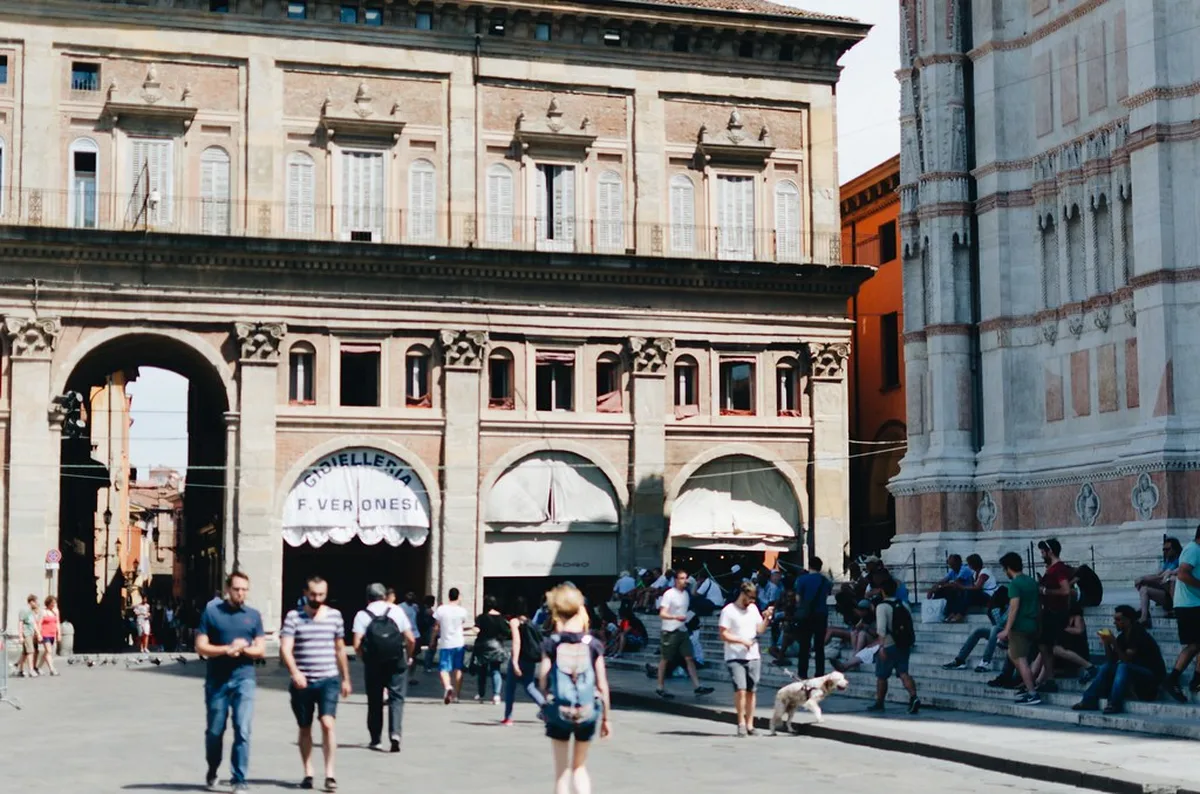
Cantina Bentivoglio on Via Mascarella 4b is the benchmark address for jazz in the city. The venue operates a full Emilian kitchen (dinner from €18–28 per person) alongside nightly live sets from 9:30 PM. Reservations are essential for dinner; bar standing is walk-in only. In 2026, a standard gin-and-tonic runs €10 and the house Lambrusco is €7 a glass. The cellar setting — rough stone walls, candlelit tables, an intimate low stage — is unlike any other venue in the city. Sets typically run 90 minutes with a 30-minute interval, finishing around midnight. Check their social media pages for seasonal guest bookings, which attract musicians from the broader European jazz circuit.
For something more casual, Officine Minganti on Via della Beverara 123 hosts monthly jazz and blues sessions in a converted industrial space on the northern edge of the city. The programming varies, so checking ahead on their website is worthwhile. Entry is €5–10 (ARCI card required) and the bar serves local craft beer at €5–6 a pint and natural wine from €6 a glass. The industrial architecture and deliberately rough interior make for a very different atmosphere compared to the candlelit caves of the centre.
Rooftop drinking in Bologna is more limited than in Rome or Milan due to the city's medieval building heights, but two addresses stand out in 2026. The Unipol Arena rooftop terrace near Casalecchio di Reno (15 minutes by tram) opens on summer event nights with city skyline views, cocktails at €10–13, and a DJ set from 9:00 PM. Closer to the centre, the Savhotel Rooftop Bar on Via dei Fornaciai opens to non-guests Thursday through Saturday from 7:00 PM, serving aperitivo cocktails at €9–11 and offering views across the Apennine foothills. Reservations via the hotel's booking page are advisable for weekend visits as capacity is limited to around 60 guests.
For a combined jazz-and-food experience, Trattoria del Rosso on Via Augusto Righi occasionally pairs its traditional Bolognese menu with acoustic jazz on Friday evenings from October to March — tagliatelle al ragù is €13 and tortelloni di ricotta is €14. Confirm the schedule by phone before visiting, as the acoustic nights depend on seasonal demand. Combine this with our Bologna old town guide for a full cultural evening that balances architecture, cuisine, and live music in the historic centre.
- Cantina Bentivoglio — Via Mascarella 4b, jazz from 9:30 PM Wed–Sun, cocktails €9–11, dinner €18–28
- Officine Minganti — Via della Beverara 123, monthly jazz/blues, €5–10 entry (ARCI), beer €5–6
- Savhotel Rooftop Bar — Via dei Fornaciai, Thu–Sat from 7 PM, cocktails €9–11, city views, book ahead
- Trattoria del Rosso — Via Augusto Righi, seasonal acoustic jazz Fridays, mains €13–14
Late Night Snacks and Local Food Tips
Finding food after midnight is a cherished tradition for students and night owls alike. Bologna's reputation as the food capital of Italy extends well into the small hours. Secret bakeries (forni notturni) across the city sell fresh-baked piadine, tigelle, and cornetti through small street windows from around 1:30–2:00 AM. Look for the smell of baking bread in the streets around Piazza Aldrovandi and along Via Castiglione. These spots are typically unmarked, identified only by a small queue and a glowing window, and a fresh piadina with mortadella and stracchino costs €3–5.
Pizza al taglio (pizza by the slice) is widely available across the university district until 2:30–3:00 AM on weekends. A generous portion of focaccia or bianca runs €2.50–4.00, while topped slices (prosciutto, funghi, four-cheese) are €3–5. Kebab shops on Via Zamboni and Via Ugo Bassi also stay open until 3:00 AM most nights and offer wrap-and-chips combos for €6–8. Most accept contactless payment, though carrying €5–10 in cash ensures you can access the bakery windows that remain cash-only.
Tipping in Italian bars and clubs is not culturally mandatory, unlike in the US or UK. Most locals leave the small coins from their change if they received table service. Service charges (coperto) range from €1.50 to €3.00 per person at sit-down bars in nicer areas — always check the menu or receipt for this before ordering. At student bars along Via Zamboni the coperto is almost never applied. Rounding up to the nearest euro is perfectly appropriate and genuinely appreciated by bar staff.
If you have the appetite for a proper late meal, Trattoria da Me on Via San Felice serves a late-night pasta menu until 12:30 AM on Fridays and Saturdays — tagliatelle al ragù is €14 and tortellini in brodo is €13. For something lighter, the 24-hour petrol station on Via Stalingrado (15 minutes by night bus) stocks fresh sandwiches from a local deli distributor, a surprisingly popular stop with students coming back from the clubs east of the station.
Staying Safe While Exploring Bologna at Night
Bologna is generally one of the safest city centres in Italy for tourists to explore after dark. The porticoed streets are well-lit throughout the night and the density of people in the student quarter means you are rarely isolated. That said, pickpocketing is a reported issue near Piazza Maggiore and around the train station — keep valuables in a front pocket or money belt on busy weekend nights. For a comprehensive safety overview, read our guide on is Bologna safe for tourists.
Night buses (notte) run on major routes after regular tram and bus service ends. Line N1 connects Bologna Centrale with the university quarter and Via del Pratello corridor, running approximately every 30–40 minutes from midnight until 4:30 AM at weekends. Single tickets cost €1.50 and can be purchased via the BolognaWelcome app, Tper app, or at automated machines outside the station. Validate your ticket immediately on boarding to avoid a €60 spot fine from inspectors who operate on weekend nights. Taxis are available at ranks near Piazza Maggiore, the Two Towers, and outside Bologna Centrale — a ride from the club district to the centre costs approximately €8–12 after midnight.
If you are driving into Bologna, be aware of the strict ZTL (Zona a Traffico Limitato) restrictions in the historic centre, which apply 24 hours a day in the most restricted zones. CCTV cameras at every entry point automatically photograph plates; an unregistered foreign vehicle can receive a fine of €80–164 within days of the violation. Parking outside the ZTL and taking a night bus is far more practical and economical. For a full breakdown of legal parking zones and costs in 2026, consult our parking in Bologna guide.
Emergency numbers in Italy: 112 (general emergency), 113 (police), 118 (ambulance). The nearest hospital to the student quarter is Policlinico Sant'Orsola on Via Massarenti. Most bar and club staff speak basic English and will call a taxi or assist with any safety concern if asked. Avoid accepting drinks from strangers in clubs and use the buddy system when moving between venues late at night.
Frequently Asked Questions
What time does nightlife start in Bologna?
Nightlife in Bologna starts with aperitivo around 6:30 PM in bars across the Quadrilatero and Via del Pratello. Bars in the university district along Via Zamboni begin filling up after 9:00 PM. Clubs do not fill until well after midnight, with most opening doors at 11:30 PM–midnight but reaching capacity between 1:00 and 2:00 AM. In 2026, the student scene on Piazza Verdi is lively from around 9:00 PM onwards on Friday and Saturday.
Are bars in Bologna expensive?
Bologna is one of Italy's most affordable nightlife cities in 2026. In the student zone along Via Zamboni, beer costs €3–5 and cocktails €6–9. Aperol Spritz runs €6–8 at aperitivo bars, often including a free food buffet worth €5–8. Upscale lounges near Piazza Santo Stefano charge €8–12 per drink. Clubs charge €10–22 entry depending on the night and whether a drink is included. Compared to Milan or Florence, you typically spend 20–30% less for a comparable evening out.
Do I need to book clubs in advance?
Most casual bars and aperitivo spots in Bologna do not require reservations. For popular clubs like Link Project or Estragon during headline events, buying a ticket online 3–5 days ahead is strongly recommended to avoid long queues or sold-out nights. Always check whether a private membership card (ARCI or AICS, €10–12) is required for entry — ARCI-affiliated venues will not admit guests without it, regardless of pre-booking. Purchase the card at the door on your first visit with a passport or photo ID.
What is the legal drinking age in Italy?
The legal age to purchase and consume alcohol in Italy is 18 years old. Most venues, especially clubs, will ask for a valid photo ID if you look under 25. Carry a digital copy of your passport on your phone, as bouncers generally accept a clear screen photograph for ID checks. Venues found serving alcohol to under-18s face substantial fines under 2024 Italian hospitality law, so enforcement is consistent at the door of all licensed nightlife venues in Bologna.
What local wines should I try during a night out in Bologna in 2026?
Bologna is surrounded by two excellent wine regions in 2026. Pignoletto DOC is the local white — a crisp, lightly sparkling wine from the Colli Bolognesi hills priced at €5–7 a glass in neighbourhood bars. Lambrusco di Sorbara is the regional red, lighter and drier than most people expect, at €5–8 a glass. Both pair perfectly with the charcuterie-heavy aperitivo culture. Order either at an enoteca like Enoteca Italiana on Via Marsala or at the wine bars around Piazza Santo Stefano for the best selection.
How does the ARCI membership card work in Bologna?
The ARCI card is a national membership for private cultural association venues in Italy. In Bologna in 2026, the card costs €12 and is valid for the full calendar year. Buy it at the door of any ARCI-affiliated venue — you need a passport or ID photo and the registration takes under five minutes. Once issued, the card grants entry to all ARCI venues across Bologna and Italy. Key ARCI venues in Bologna include Freakout Club (Via Emilio Zago 7c), Locomotiv Club (Via Sebastiano Serlio 25/2), and Cassero LGBTQ+ Centre. Without the card you will be turned away at the door.
Where can I hear live jazz in Bologna in 2026?
The best live jazz in Bologna in 2026 is at Cantina Bentivoglio (Via Mascarella 4b), where sets run Wednesday through Sunday from 9:30 PM. Entry is free before 10:00 PM on most nights; cocktails are €9–11 and the full Emilian dinner menu runs €18–28 per person — book a table in advance. For a rougher, ARCI-card atmosphere, Officine Minganti (Via della Beverara 123) hosts monthly jazz and blues sessions in a converted industrial space with entry at €5–10 and craft beers at €5–6. Rooftop aperitivo with city views is available at the Savhotel Rooftop Bar (Via dei Fornaciai), open to non-guests Thursday to Saturday from 7:00 PM, cocktails €9–11.
Bologna offers a diverse and energetic nightlife scene that caters to every type of traveler and budget in 2026. From sub-€5 student beers on Via Zamboni to elegant Pignoletto at a Piazza Santo Stefano enoteca, the city delivers an authentic Italian night out at every price point. Using this bologna nightlife guide ensures you find the most local experiences while avoiding common tourist traps.
Remember to pick up an ARCI card before heading to alternative clubs — it costs €12 and unlocks some of the city's best venues. Plan your full Bologna stay with our Bologna 3-day itinerary to maximise both daytime sightseeing and evening entertainment. If you are weighing your options, our Bologna vs Florence day trip comparison explains why Bologna often wins for travellers who want authentic food and nightlife without the crowds.