Exploring the Best Day Trips From Porto for 2026
The best day trip from Porto in 2026 is the Douro Valley: take the CP train from São Bento to Pinhão (2.5 hours, ~€15), taste Port wine at a quinta, and return by evening — total cost under €55 including lunch.
For history, Guimarães is Portugal's most rewarding half-day: CP train €3.65 single, Guimarães Castle €2, Paço dos Duques €5, and the UNESCO-listed medieval centre is free to walk — under four hours covers it all.
Porto serves as a magnificent gateway to the diverse landscapes and historic treasures of Northern Portugal. Visitors often find that leaving the city for a few hours reveals a completely different side of the country. The surrounding regions offer everything from terraced vineyards and medieval castles to colorful coastal villages and ancient universities. Many of these destinations sit within a comfortable ninety-minute journey from the city center.
Planning a Porto 3-day itinerary usually leaves enough room for at least one major excursion beyond the Douro River into the authentic traditions of the Minho and Beira regions. If you are staying near the waterfront, the Porto old town guide covers the Ribeira UNESCO district and Lello bookshop before you head out. Selecting the right getaway depends on your interest in history, gastronomy, or coastal scenery. This guide breaks down the most rewarding 2026 excursions — with current transport fares, entry fees in EUR, and practical timing — to help you maximize every hour in Northern Portugal.
The Douro Valley: Wine and Scenic Vistas
The Douro Valley remains the single most popular destination for travelers leaving Porto for a day, and in 2026 it is easier and more affordable to reach than ever. Vineyards terrace the steep hillsides across 26,000 hectares, creating a landscape that UNESCO recognized as a World Heritage site in 2001. The most practical way to arrive is the CP Douro Line from São Bento station: a single ticket to Pinhão costs approximately €15 and the journey takes two hours and thirty minutes of scenic riverside riding. Alternatively, book a seat on the historic Comboio Histórico steam train on select summer Saturdays for €35–50 return, which includes a guided wine stop.
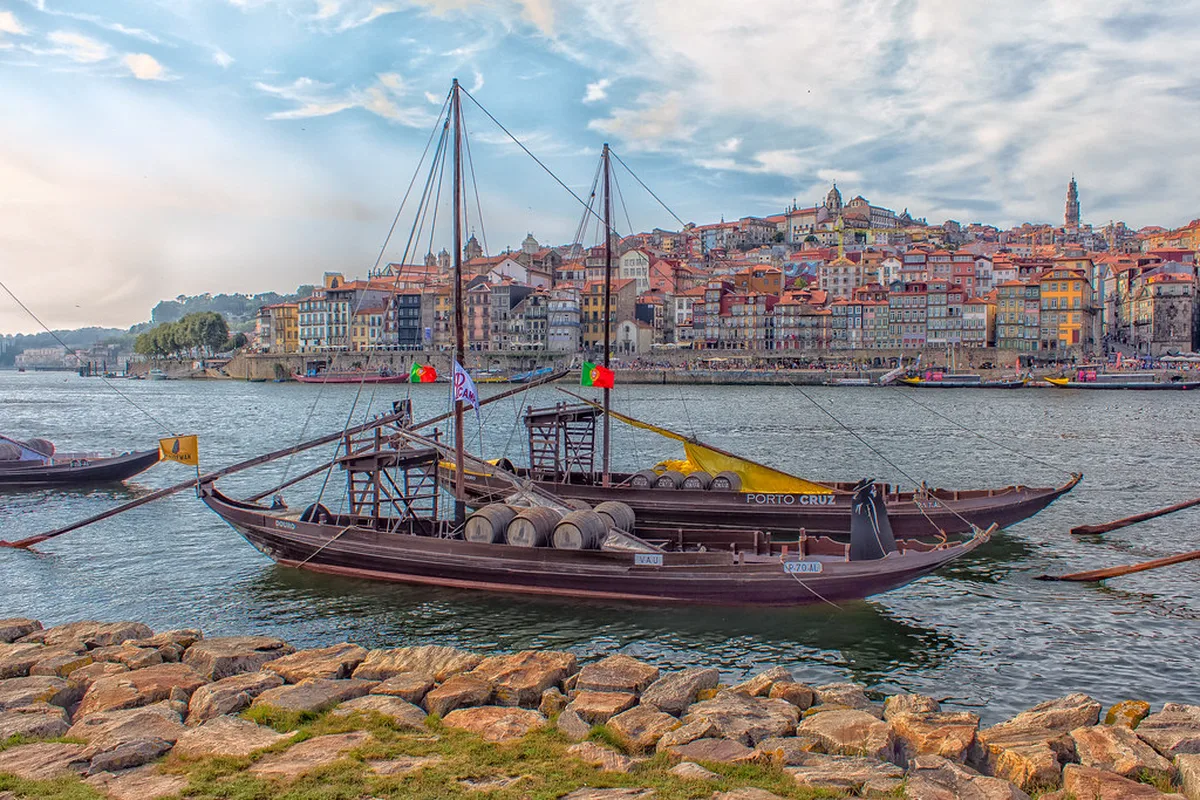
Pinhão serves as the best base for exploring local quintas and enjoying short river cruises. In 2026 a shared boat tour on the Douro between Pinhão and Régua costs €35–55 per person depending on the operator and duration — full-day cruises departing from the Ribeira in Porto and arriving at the valley reach €75–110 including lunch and a quinta visit. Booking any river experience at least 48 hours in advance is essential during the September-October harvest season. Most independent visitors find that four to five hours on the ground in the valley — two quinta visits, a tasting, and a riverside lunch — provides a thoroughly satisfying experience.
Winery tastings at reputable estates such as Quinta do Crasto, Ramos Pinto, and Quinta de la Rosa typically run €10–20 per person for three to five wines, with premium vertical tastings reaching €35–50. Entry to the quinta grounds is usually included when you book a tour. Travelers who prefer a full water-borne journey can opt for a full-day boat cruise departing from the Ribeira: these tours often include breakfast, an onboard lunch, and a visit to a quinta for structured wine education. While the boat takes longer than the train, the slow pace allows for better photography of the dramatic 600-metre schist cliffs.
Independent explorers who prefer flexibility might rent a car to reach more remote panoramic viewpoints like Casal de Loivos and São Salvador do Mundo, where you look down across sweeping river bends. Car rental from Porto city center starts at €35–50 per day in 2026; petrol for the 100 km each way adds roughly €12–15. Driving allows spontaneous stops at smaller family-run adega that larger tour groups bypass, but be prepared for narrow, winding single-track roads through the mountainous terrain. Local drivers recommend arriving at valley viewpoints before 10:00 to avoid the midday heat and tour-bus congestion that peaks between 11:00 and 14:00 in July and August.
Guimarães: Birthplace of Portugal Day Trip
Guimarães sits 50 km north of Porto and holds the singular distinction of being the birthplace of the Portuguese nation — the city where Afonso Henriques was born and declared the first King of Portugal in 1143. Its medieval centre was inscribed as a UNESCO World Heritage Site in 2001, and the entire historic core is remarkably compact, meaning four hours is sufficient to cover the key highlights at a relaxed pace without feeling rushed. The ambience here is less touristed than Lisbon's Alfama, which makes Guimarães one of the most authentic half-day escapes available to any Porto visitor in 2026.
Getting here is straightforward and inexpensive. CP regional trains depart Porto Campanhã and Porto São Bento regularly throughout the day, with a single ticket costing €3.65 in 2026. If you prefer to arrive faster, the Alfa Pendular high-speed service costs €8–12 single and cuts the journey to around 40 minutes. Trains run roughly every 30–60 minutes, so you can leave Porto after a leisurely breakfast at 09:00 and be walking the medieval streets before 10:30 without any pre-booking anxiety.
Guimarães Castle (Castelo de Guimarães), perched on a granite outcrop at the top of the old town, charges €2 entry in 2026. The battlements offer sweeping views over the terracotta rooftops and the distant hills of the Minho. A short walk downhill leads to the Paço dos Duques de Bragança, the 15th-century ducal palace that charges €5 entry and houses an impressive collection of Flemish tapestries, armour, and Chinese porcelain. Both sites together cost just €7 — exceptional value for their historical significance.
Below the palace, the historic centre itself — Largo da Oliveira, Praça de Santiago, and Rua de Santa Maria — is a free open-air museum of granite arcades, medieval fountains, and church facades. Pick up a glass of locally produced Vinho Verde at one of the small vinotecas tucked into the lanes; expect to pay €8–12 for a short tasting flight of three regional whites in 2026. Lunch is an event in Guimarães: order cozido à portuguesa, the slow-cooked meat and vegetable stew that is the regional signature dish, at any traditional tasca. A generous portion with bread and a half-litre of house wine costs €14–18. By 15:00 you can be back on the train to Porto, arriving in the late afternoon with enough energy for an evening pastel de nata in the Bolhão market.
Guimarães and Braga: Combined Northern Heritage Tour
Braga sits just 22 km west of Guimarães and offers a compelling counterpoint to the medieval fortress feel of its neighbour. Where Guimarães evokes royal origins, Braga is Portugal's religious capital — a city of baroque churches, archbishop's palaces, and the country's oldest cathedral, the Sé de Braga, founded in 1070. Entry to the cathedral complex costs €3 in 2026 and includes the choir, royal pantheon, and treasury. The sheer concentration of ecclesiastical architecture within the old town makes it unlike anywhere else in Northern Portugal.
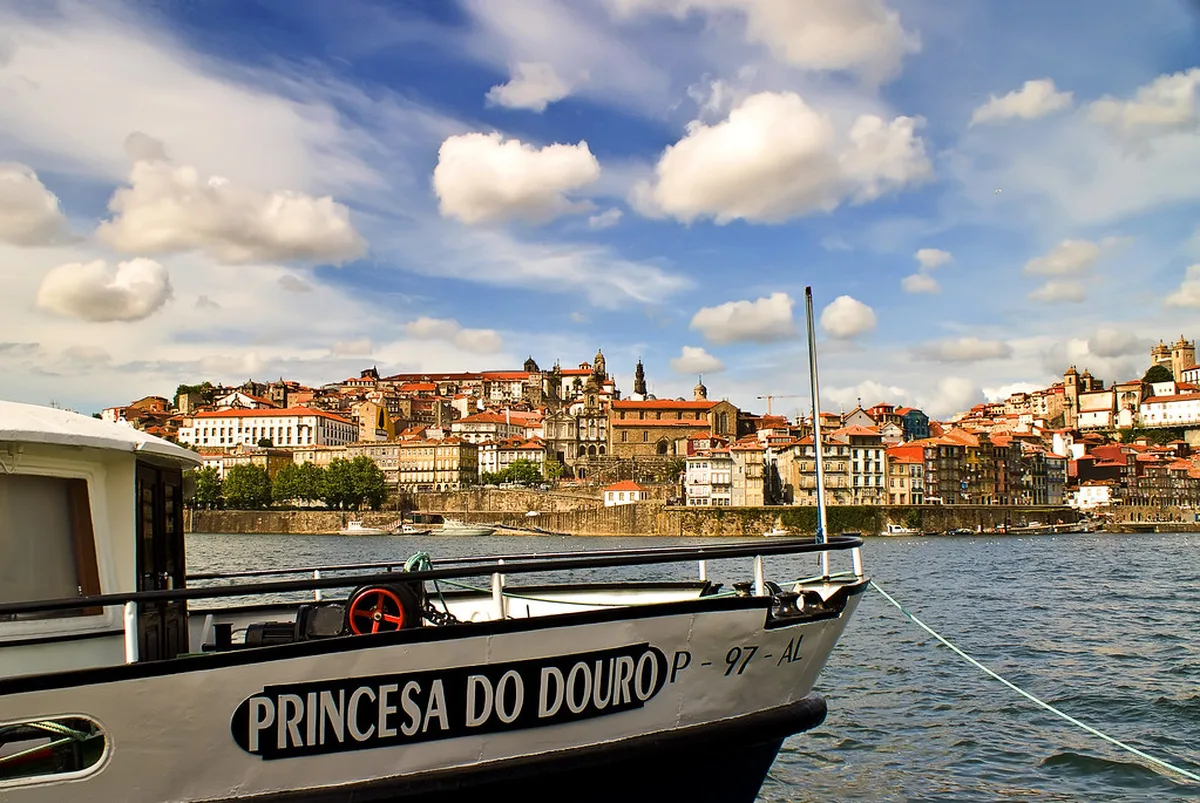
The Bom Jesus do Monte sanctuary, perched 400 metres above sea level on a wooded hill 5 km east of the city, is Braga's most photographed landmark. The famous zigzagging baroque staircase — the Escadaria do Bom Jesus — climbs nearly 600 steps through ornamental fountains and chapels representing the Stations of the Cross. Visitors who prefer not to climb can ride the water-powered funicular, inaugurated in 1882 and the oldest hydraulic elevator in the world still in daily operation; the return ticket costs €2 in 2026. Entry to the church grounds and viewpoint terrace is free, making this one of the most extraordinary free panoramas in Portugal.
Combining both cities into a single day trip is entirely feasible if you depart Porto before 09:00. From Porto, a direct CP regional train to Braga takes 55 minutes and costs €3.50 single in 2026. The Braga–Guimarães bus (line 61) runs hourly and costs €2.50, completing the 30-minute journey between the two cities conveniently. Using a car saves time and provides access to the Bom Jesus hilltop without waiting for a bus, but navigating the city centres for parking adds 15–20 minutes to your day. Total rail and bus cost for the combined circuit Porto→Braga→Guimarães→Porto: under €10 per person.
Lunch in the Minho region typically features hearty portions of traditional dishes like Bacalhau à Braga, the regional salt-cod preparation baked with potatoes and onions. Local restaurants serve Vinho Verde abundantly, often at house-pour prices of €2–3 per glass. Expect to pay €14–20 for a two-course lunch with wine in either city centre. Those who linger too long at the Bom Jesus viewpoint can graze on local street food: papas de sarrabulho (a Minho-style meat porridge served in bread bowls) is available from kiosks near the sanctuary for €6–8.
- Key sites — Braga and Guimarães combined loop
- Guimarães Castle: €2 entry, 45 min
- Paço dos Duques de Bragança: €5 entry, 45 min
- Braga Sé de Braga: €3 entry, 30 min
- Bom Jesus do Monte: free grounds, funicular €2 return
Viana do Castelo: Atlantic Minho Coast
Viana do Castelo lies 74 km north of Porto and is the most underrated coastal day trip in Northern Portugal. The town straddles the mouth of the Lima River where it meets the Atlantic, producing a dramatic juxtaposition of beach, river, and medieval hilltop that few destinations in Portugal can match. In 2026 the CP train from Porto-Campanhã to Viana do Castelo costs €6 single and takes approximately one hour and ten minutes — one of the best value scenic rail journeys in the country. Trains depart at least hourly throughout the day, making it easy to plan around your preferred lunch time.
The Santa Luzia basilica, a neo-Byzantine church modelled on Sacré-Cœur in Paris, dominates the hill above the town and can be reached by funicular from the town centre for €3 return in 2026, or on foot in about 25 minutes. The panoramic terrace offers unobstructed Atlantic views stretching from the Lima estuary north towards the Minho river and Spanish Galicia. Entry to the basilica itself is free; a climb to the dome costs €2 for those wanting the highest vantage point. The hilltop park is a pleasant picnic spot and considerably quieter than the equivalent viewpoints in Sintra or Braga.
The old town around Praça da República contains one of Portugal's finest collections of 15th to 18th-century civic and ecclesiastical architecture, all concentrated within five minutes' walk of the main square. The Gil Eanes ship, a former Portuguese navy hospital vessel now converted into a floating museum and youth hostel moored at the riverside promenade, charges €3 entry and is a quirky and photogenic stop before or after lunch. The town market, held every Friday at the Feiras Novas fairground, showcases traditional Viana embroidery and gold filigree jewellery that the region is nationally famous for.
Seafood is the culinary focus here: fresh Atlantic fish, razor clams, and percebes (barnacles) appear on every restaurant menu. A seafood lunch at a riverside tasca — grilled dourada (gilthead bream) with potatoes, salad, and a carafe of Lima Valley Vinho Verde — costs €16–22 per person in 2026. The beach at Cabedelo, reached by a 5-minute ferry crossing from the town quay (€1.50 each way), is one of the finest surf beaches in Northern Portugal and a pleasant afternoon destination before the evening train back to Porto. Budget €35–45 for the full day including train, ferry, basilica funicular, museum, and a proper seafood lunch.
Aveiro and Costa Nova: Canals and Colors
Aveiro is frequently called the Venice of Portugal due to its network of urban canals and the traditional moliceiro boats that once gathered seaweed from the lagoon. These brightly painted wooden vessels now carry tourists through the city's central canal network. In 2026 a standard 45-minute canal tour costs €13 per person — book directly at the embarkation point near Praça do Peixe or reserve online to secure your preferred departure time during peak summer weekends. The city center is flat and very easy to navigate on foot, or by using the free BUGAs shared bikes available at nine docking stations throughout the town.
A short 8 km bus ride or taxi from Aveiro leads to the coastal village of Costa Nova do Prado. This area is famous for its palheiros — wooden beach houses painted with vibrant vertical and horizontal stripes in red, green, blue, and yellow. These former fishermen's huts now serve as picturesque holiday homes and trendy seafood restaurants lining the narrow road between the lagoon and the beach. The striped façades make Costa Nova one of the most Instagrammed villages in Portugal; arrive before 11:00 on summer weekends to photograph them without crowds. Walking along the ocean-side promenade provides excellent photography against the Atlantic backdrop and the endless sandbars of the Ria de Aveiro lagoon.
Food lovers should seek out ovos moles, the UNESCO-listed traditional confectionery of Aveiro: sweet egg-yolk and sugar pastry encased in rice-paper shells moulded into shells, fish, and barrel shapes. These treats reflect the salt-panning and monastic heritage of the lagoon. Many shops in the historic Bairro da Beira Mar offer short 20-minute workshops where you learn about the 500-year history of these convent-made sweets. A box of twelve costs €8–10 in 2026 and makes a genuinely local souvenir, unlike the azulejo fridge magnets found everywhere else in Portugal.
The CP urban train from Porto-Campanhã to Aveiro runs every 30 minutes during the day and takes approximately one hour; the single fare is €3.55 in 2026, making this one of the cheapest day-trip options from Porto. The station is located 10 minutes' walk from the canal embarkation point, so you can start your boat tour within 15 minutes of arriving. Afternoon sea breezes off the Atlantic can be cool even in July, so pack a light jacket. Most visitors find that six hours covers the canal tour, the Costa Nova walk, and lunch comfortably — budget €35–50 per person for a full day including all transport, the boat tour, and a seafood meal at one of the lagoon-view restaurants at Costa Nova. For beaches closer to Porto itself, see the Porto beach guide for day-accessible Atlantic coastline within the metro area.
Coimbra: Tradition and Academic Heritage
Coimbra served as the capital of Portugal during the Middle Ages and remains the country's premier academic hub, home to one of the oldest universities in the world — founded in 1290 and continuously operating since 1537 on its current hilltop campus. The University of Coimbra was inscribed as a UNESCO World Heritage site in 2013 and the campus is open to visitors daily. In 2026 a general entry ticket covering the Joanina Library, the Royal Palace, and the Academic Prison costs €19 per person; timed entry to the Joanina Library (which limits visitor numbers to protect the 16th-century book collection from humidity changes) must be reserved online at least 24–48 hours in advance during summer. Students in traditional black capes and white shirts remain a common sight through the steep cobblestone lanes, especially during the Queima das Fitas festival each May.
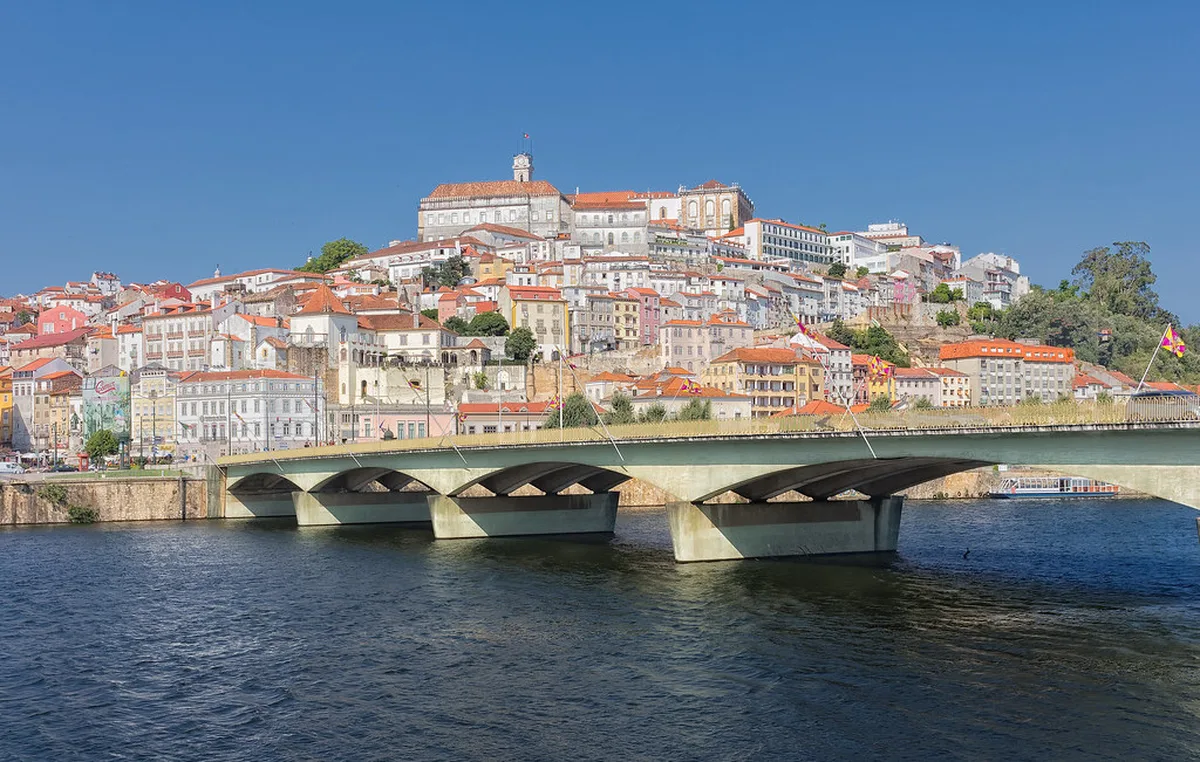
Fado de Coimbra offers one of Portugal's most distinctive musical experiences, entirely separate in style and tradition from the Lisbon variety. This version is performed exclusively by male voices, typically university students and alumni, and is rooted in medieval student serenades known as serenatas. Several small venues near the Sé Velha cathedral host afternoon and evening performances lasting 50–60 minutes in 2026; tickets cost €15–18 and usually include a glass of Bairrada sparkling wine or a regional red. Attending even one performance provides a depth of cultural immersion impossible to find in Porto or Lisbon.
The Monastery of Santa Cruz, located at the base of the hill on Praça 8 de Maio in the town center, holds the tombs of Afonso Henriques and Sancho I — the first two kings of Portugal — and is one of the most historically significant churches in the country. Entry is free in 2026. The carved Manueline portal and the 16th-century azulejo panels lining the nave make Santa Cruz an essential stop even for visitors without a particular interest in medieval history. The lower town around Praça da República is filled with busy university-district cafes serving the famous pastel de tentúgal (a flaky pastry filled with egg cream) for €1.50–2 each.
Direct Alfa Pendular trains from Porto-Campanhã reach Coimbra-B station in one hour and ten to fifteen minutes in 2026; book in advance online to pay €14–18 for a single seat rather than the walk-up fare of €24–28. Coimbra-B is 3 km from the city centre, but a free shuttle train to the central Coimbra-A station runs every few minutes. From Coimbra-A the university hilltop is 15 minutes on foot or a short taxi ride (€5–6). Budget €55–75 per person for a full Coimbra day: train return, university entry, fado performance, lunch, and pastries.
Amarante: Riverside Baroque and Wine Country
Amarante sits 60 km east of Porto along the Tâmega River and is one of the least-visited yet most photogenic towns in Northern Portugal. The town's defining image is the 18th-century São Gonçalo church and convent reflected in the slow-moving green waters of the Tâmega, framed by the Ponte de São Gonçalo — a handsome two-arched granite bridge that has anchored the old town since 1790. Visitors who have spent days in Porto's Ribeira waterfront will find Amarante's riverfront entirely crowd-free even in peak summer, making it the best-kept secret among Porto day trips in 2026.
Reaching Amarante by public transport requires a bus from Porto's Campo 24 de Agosto terminal operated by Rede Expressos; the journey costs approximately €5.50 single and takes 75–85 minutes. Bus departures run roughly every two hours throughout the day. Alternatively, renting a car is popular because it allows a circular drive through the Douro tributaries and the Vale do Tâmega wine subregion, where small family cooperatives produce dense, tannic reds under the Alenquer DOC. Car hire from Porto costs €35–50 per day; petrol for the 120 km round trip adds €10–14.
The São Gonçalo church complex, which took over two hundred years to build (1540–1795), houses the tomb of the town's patron saint — a 13th-century friar credited with helping unmarried women find husbands. The church charges no entry fee in 2026, and the ornate gilded interior rivals any baroque church in Braga. Adjacent to the convent is the Municipal Museum of Amadeo de Souza-Cardoso, the Amarante-born modernist painter whose work influenced the early 20th-century Portuguese avant-garde. The museum charges €2 entry and displays around sixty original Souza-Cardoso canvases in a beautifully restored 18th-century cloister — exceptional value for the quality of the collection.
Lunch in Amarante is a highlight worth planning around. The town is famous for its doçaria conventual — monastic sweets — particularly toucinho do céu (almond and egg-yolk cake) and bolos de São Gonçalo (phallic-shaped pastries traditionally given by women to their sweethearts on the feast day of São Gonçalo in June). Any pastelaria along the riverfront sells these for €1.50–2.50 each. For a proper sit-down meal, riverside restaurants along the Largo Conselheiro António Cândido serve grilled trout from the Tâmega alongside local Vinho Verde; a two-course lunch with wine averages €16–22 per person in 2026. Sitting on a riverside terrace with the bridge and church reflected in the water is one of the most authentically Portuguese experiences you can have on a day trip from Porto without encountering significant tourist crowds.
Wine lovers should time their visit to include a tasting at one of the small Tâmega-valley cooperatives within a 10 km drive of the town centre. Quinta do Cruzeiro and Quinta da Espinhosa both offer cellar-door tastings for €8–12 per person covering four to six wines including a late-harvest white and the characteristically robust regional red. These smaller producers rarely appear on Porto tour itineraries and the personal welcome from the winemaker is the opposite of the polished commercial tasting rooms found in Pinhão. Budget €35–50 for a full Amarante day: bus fares, museum entry, lunch, and a wine tasting — making it one of the most affordable and rewarding half-day excursions in this guide.
Strategic Decisions for Porto Day Trips
Choosing between the CP train network and a rental car is the most consequential logistical decision for any regional excursion from Porto. If you are driving, review the parking in Porto guide before leaving the city — knowing where to leave your car saves 20–30 minutes at departure. Portugal's rail network is excellent for direct city-to-city routes: Aveiro (€3.55), Braga (€3.50), Guimarães (€3.65), and Viana do Castelo (€6) are all under €7 single in 2026 and served by frequent regional trains from São Bento or Campanhã stations. Trains let you drink Vinho Verde at lunch without navigating the A28 motorway home in the dark. For the Douro Valley, however, a car opens up viewpoints and small quintas that the train simply cannot reach; car hire starts at €35–50 per day from Porto city-centre agencies in 2026.
Timing your trip is crucial because most monuments and museums close on Mondays throughout Portugal. National holidays — particularly Easter week and the June popular saints festivals (Santo António on June 13 in Lisbon, São João on June 24 in Porto) — cause partial or full closures at major sites and significantly heavier crowds on trains. During July and August the Douro Valley and Aveiro see their highest visitor volumes, making pre-09:00 departures strongly advisable for anyone who wants to photograph the landscape without a crowd. Spring (March–May) and autumn (September–October) offer the best balance of settled weather, manageable tourist numbers, and occasional harvest or festival events.
Budgeting realistically for a Porto day trip in 2026 means accounting for return transport, one or two entry fees, and a proper sit-down lunch. Using the figures in this guide: Aveiro comes in at the low end (€35–50 total), while a full Coimbra day with Alfa Pendular train and fado can reach €75. The Douro Valley with a boat tour sits in the middle at €55–80 depending on whether you choose train or car and whether you book a half-day or full-day cruise. Organised group tours departing from Porto start at €65–110 for the Douro Valley and typically include coach transport, a guide, and a quinta lunch — reasonable value if you are a solo traveller or first-timer who prefers not to self-navigate. These guided options often include smaller family wineries that independent travelers on tight schedules overlook.
A practical tip: purchase a Andante Tour card at any Porto metro or São Bento station for €0.60 and load it with the exact credit you need for your day-trip train journey — it works on urban and regional CP trains within the Porto metro zone. For destinations beyond the zone (Aveiro, Guimarães, Viana do Castelo, Coimbra) you buy a point-to-point CP ticket either at the station or via the CP app, which offers a 5% discount on advance online bookings. Check our Porto itinerary guide for suggested combinations if you are staying three or more nights.
Frequently Asked Questions
What is the easiest day trip from Porto by train?
Aveiro is the easiest day trip from Porto by train in 2026. Frequent CP urban trains depart São Bento and Campanhã stations every 30 minutes, the journey takes about one hour, and the single fare is €3.55. The city centre is flat and walkable from the station, making it perfect for a stress-free excursion with minimal planning. A 45-minute moliceiro canal tour costs €13, and a quick 8 km bus ride reaches the colourful striped houses of Costa Nova.
Is it possible to visit the Douro Valley without a tour?
Yes, you can visit the Douro Valley independently by taking the CP Douro Line from São Bento station to Pinhão for approximately €15 single — the 2.5-hour journey is one of the most scenic rail routes in Europe. At Pinhão you can walk to several quintas for tastings (€10–20 per person) and book a shared river cruise (€35–55) on the spot or in advance. A car is only necessary if you want to reach high-altitude panoramic viewpoints like Casal de Loivos.
Can I visit Braga and Guimarães in one day?
Yes, visiting both Braga and Guimarães in one day is very practical in 2026. Take the CP train from Porto to Braga (55 minutes, €3.50 single), spend the morning at the Sé cathedral (€3) and Bom Jesus do Monte (free grounds, funicular €2 return), then take the hourly bus to Guimarães (30 minutes, €2.50) for the afternoon. Visit Guimarães Castle (€2) and Paço dos Duques (€5) before catching the direct CP train back to Porto. Depart Porto before 09:00 to complete both cities comfortably.
How much does a typical day trip from Porto cost?
A typical independent day trip from Porto costs between €35 and €75 per person in 2026. Train fares range from €3.55 (Aveiro) to €15 (Douro Valley/Pinhão). Entry fees at major sites are modest: Guimarães Castle €2, Paço dos Duques €5, Coimbra University complex €19, Bom Jesus funicular €2 return. A sit-down lunch with wine averages €14–20. A Douro Valley boat tour adds €35–55. Organised group tours from Porto start at €65–110 and include transport, a guide, and usually a quinta lunch.
How do I get from Porto to Guimarães in 2026?
The cheapest and most convenient way to reach Guimarães from Porto in 2026 is the CP regional train from Porto-Campanhã or São Bento, costing €3.65 single with a journey time of around 65–75 minutes. Trains run roughly every 30–60 minutes throughout the day. If you prefer a faster connection, the Alfa Pendular costs €8–12 single and takes approximately 40 minutes. By car the drive on the A3 motorway takes 40–50 minutes depending on traffic, and parking in central Guimarães costs €1–1.50 per hour.
What is the best time of year for day trips from Porto?
The best months for day trips from Porto are April to June and September to October. Spring and early autumn combine reliable sunny weather with manageable crowds and lower transport costs. The Douro Valley is spectacular during the September–October grape harvest (vindima), with quintas offering special tastings and harvest participation experiences. Avoid mid-July to late August for the Douro Valley and Aveiro if you dislike tour-bus crowds; those months are peak season and trains sell out on weekends. Winter (November–February) is quiet and mild but some smaller quintas and coastal restaurants reduce hours.
Is Amarante worth a day trip from Porto in 2026?
Yes, Amarante is one of the most underrated day trips from Porto and strongly worth the journey in 2026. The Rede Expressos bus from Campo 24 de Agosto costs approximately €5.50 single and takes 75–85 minutes. The São Gonçalo church and its Tâmega riverside reflection are free to visit; the Municipal Museum of Amadeo de Souza-Cardoso charges just €2 entry. A full day including bus fares, museum, wine tasting (€8–12), and riverside lunch averages €35–50 per person — making Amarante one of the cheapest and least-crowded excursions in this guide.
Exploring the regions surrounding Porto provides a much deeper understanding of Portuguese culture and history than staying in the city alone. Whether you choose the UNESCO terraced vineyards of the Douro, the birthplace fortress of Guimarães, the baroque staircase at Bom Jesus, the painted houses of Costa Nova, or the ancient university at Coimbra, each destination delivers something genuinely distinct. These excursions turn a simple city break into a comprehensive journey through the character of Northern Portugal.
Plan your logistics ahead of time to ensure a smooth experience during your 2026 travels. With CP train fares starting from €3.50 and most destinations under 90 minutes away, the barrier to exploring beyond Porto is lower than almost anywhere else in Europe. If you are weighing whether to base yourself in Porto or Lisbon, our Porto vs Lisbon comparison guide covers day-trip access, costs, and atmosphere for both cities. For ideas on what to do before and after your day trips, see our guide to Porto nightlife for the best evening options when you return.