Porto vs Lisbon: Which City to Visit for Your Portugal Trip?
Quick verdict: Porto wins on budget and intimacy; Lisbon wins on size, beaches, and first-timer appeal. In 2026, a mid-range hotel in Porto averages €90–€120/night versus €130–€170/night in Lisbon — Porto is roughly 20–25% cheaper overall.
For first-time visitors to Portugal, go to Lisbon. For repeat visitors, wine lovers, or anyone wanting a slower pace without sacrificing world-class food and architecture, Porto is the stronger choice.
Choosing between Portugal's two largest cities often feels like a difficult travel puzzle for many international visitors. Lisbon offers grand plazas and sunny hills, while Porto provides a gritty, historic charm that many travelers adore. You should consider your personal travel style and priorities before booking your flights for 2026.
Deciding on porto vs lisbon which city to visit depends heavily on whether you prefer big-city energy or intimate riverfront walks. Both of these destinations feature stunning architecture and world-class seafood available at various price points for all travelers. Understanding the unique character of each spot helps ensure a better vacation for everyone involved.
Comparing the Atmosphere and Cultural Vibe
Lisbon feels like a sprawling, bright capital with a cosmopolitan Mediterranean energy that attracts millions of visitors annually. The city glows under golden sunlight that reflects off the white limestone pavements found throughout the central districts. Visitors can spend hours admiring the tile-covered buildings in the historic center, where faded azulejo panels narrate centuries of Portuguese history across entire building facades.
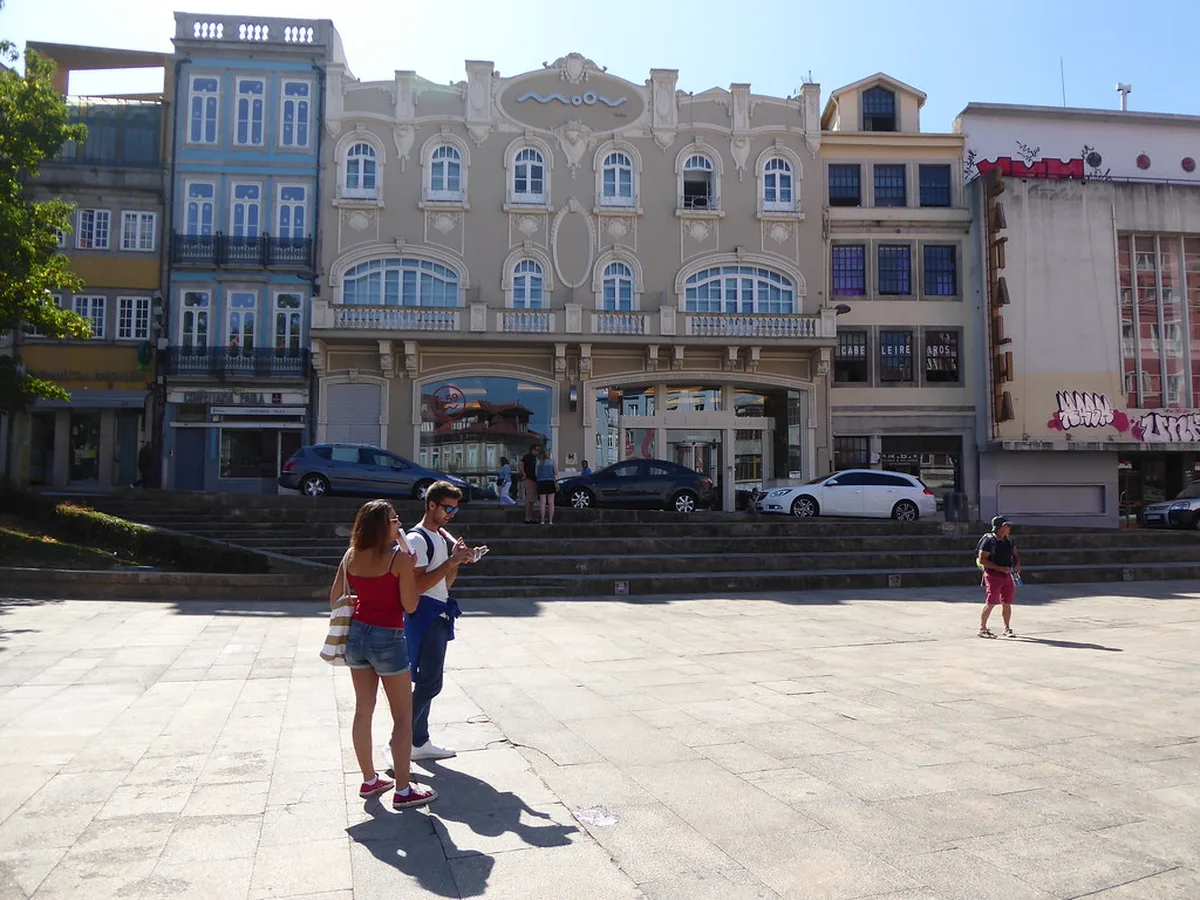
Travelers often notice a fast-paced rhythm in areas like Baixa and Chiado compared to the rest of the country. Exploring these hilly neighborhoods requires sturdy shoes and a sense of adventure to navigate the steep, cobbled paths. Many locals still use the traditional yellow trams to commute through the narrow streets, though tourists queue for the iconic Tram 28 route in numbers that rival any European city attraction.
The cultural offer in Lisbon is formidable. The city hosts more than 40 museums, a thriving live music scene anchored by fado houses in Mouraria, and a contemporary arts district in LX Factory that draws young creatives from across Europe. Entry to Lisbon's National Museum of Ancient Art costs just €6 in 2026, while the Museu Nacional do Azulejo charges €5 — both represent exceptional value compared to equivalent institutions in other European capitals.
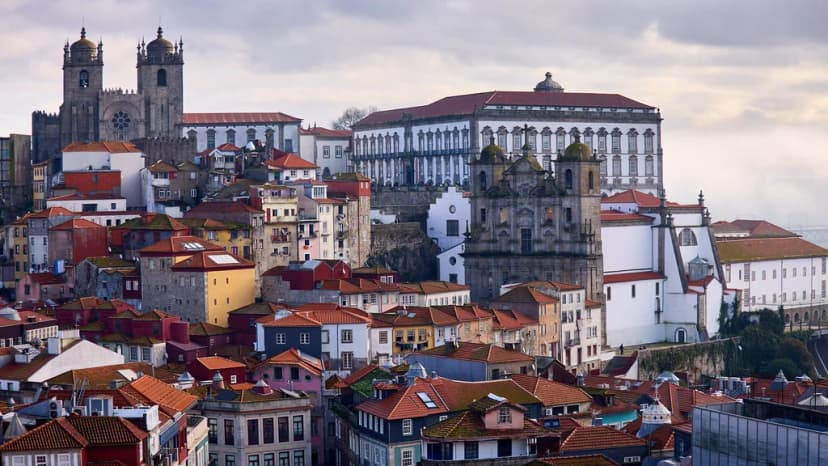
Porto offers a more compact and atmospheric experience centered around the historic Douro River and its ancient bridges. Its narrow, winding streets feel slightly more traditional and authentic than the polished avenues of the capital city. The atmosphere often feels more intimate and grounded than the grander scale of the capital, with a working-class pride that permeates everything from its food markets to its football culture.
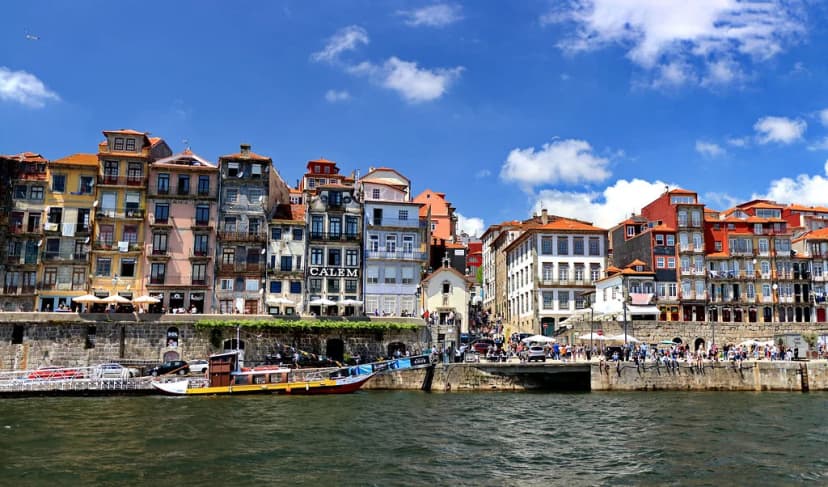
Many visitors find the pace of life in Porto slower and more focused on preserving local heritage and craftsmanship. The northern city often has a mistier, more romantic mood during the cooler months, which gives the granite buildings and iron bridges a particular visual drama. Exploring the riverside Ribeira district provides a deep sense of history that is hard to find elsewhere in Iberia.
Porto's cultural highlights include the Serralves Museum of Contemporary Art (entry €12 in 2026), the Casa da Música concert hall, and a thriving independent bookshop and café scene concentrated around the Bonfim and Cedofeita neighborhoods. The city's designation as a European Capital of Culture in 1994 still echoes in the quality of its public arts programming, much of which remains free to attend.
Vibe verdict: Lisbon is cosmopolitan and energetic; Porto is intimate and characterful. Neither is "better" — they suit different travelers and different moods.
Top Attractions and Sightseeing Highlights
Lisbon is famous for the historic Belém Tower and the massive Jerónimos Monastery located along the scenic Tagus River. These sites showcase Portugal's age of discovery through intricate Manueline architecture that remains remarkably preserved today. Walking through the cloisters provides a peaceful escape from the busy city streets nearby. In 2026, entry to the Jerónimos Monastery costs €10, the Belém Tower €6, and a combined ticket covering both plus the Monument to the Discoveries is available for €19 — a meaningful saving if you plan to visit all three in a single day.
Beyond Belém, the Lisbon Castle (Castelo de São Jorge) charges €15 for adults in 2026 and offers sweeping panoramas over the entire city and estuary. The National Tile Museum (€5) and the MAAT contemporary art centre (€9 single visit, €14 combined with the EDP Foundation collection) are also essential stops. Free attractions include the Miradouro da Graça viewpoint, the Praça do Comércio waterfront plaza, and the LX Factory market every Sunday.
Porto counters with the iconic Ribeira district and the stunning São Bento Train Station in the heart of the city, whose walls are covered in 20,000 blue-and-white azulejo tiles depicting scenes from Portuguese history. São Bento is widely considered one of the most beautiful transport hubs in the world — and crucially, entry is completely free as it functions as a working station. The Porto old town surrounding the station packs extraordinary heritage into a very walkable area.
A Porto 3-day itinerary allows enough time to see these highlights without feeling rushed or overwhelmed by crowds. Crossing the Dom Luís I Bridge is free and provides one of the most famous views in Europe for photography enthusiasts. The upper deck of the bridge leads directly to the Monastery of Serra do Pilar on the Vila Nova de Gaia side, where entry costs €4 in 2026. From here you overlook the entire Ribeira waterfront and the fleet of Port wine barges moored below.
Other key Porto sights include the Livraria Lello bookshop (entry voucher €5, redeemable against a purchase), the Clérigos Tower (€3 to climb), and the Bolhão Market, which reopened after extensive renovation and offers the best overview of northern Portuguese produce and street food culture. The Serralves Estate — a combination of a contemporary art museum, Art Deco villa, and 18-hectare park — charges €12 for a full adult ticket and is one of the most rewarding half-day experiences in the city.
- Jerónimos Monastery, Lisbon — €10 entry, Manueline architecture, Belém district
- Lisbon Castle (São Jorge) — €15 entry, panoramic city views, Alfama district
- MAAT Contemporary Art Centre, Lisbon — €9 entry, modern art and architecture, Belém
- Dom Luís I Bridge, Porto — Free, panoramic river views, Ribeira district
- Livraria Lello, Porto — €5 entry voucher, iconic bookshop, city centre
- Serralves Museum, Porto — €12 entry, contemporary art and gardens, western Porto
Attractions verdict: Lisbon has more sheer volume and variety; Porto delivers higher intensity per square kilometre. If you only have two or three days total, Porto's concentration of world-class sights in a compact area is hard to beat.
Food Scene and Nightlife Experiences
Foodies in Lisbon often flock to the Time Out Market for a modern culinary experience featuring the city's top chefs under one roof. The market's stalls charge €7–€14 per dish in 2026 — it is not the cheapest option in the city, but the quality and variety are consistently high. You should try the legendary Pastéis de Belém, which cost about €1.30 each at the original Antiga Confeitaria bakery. Budget around €15–€20 per person for a full sit-down lunch at a mid-range tascas in Alfama or Mouraria, and €35–€60 per person for dinner at Lisbon's better contemporary Portuguese restaurants in the Príncipe Real neighborhood.

Lisbon's nightlife is some of the liveliest in Southern Europe. The Bairro Alto neighborhood packs dozens of bars into narrow streets where crowds spill onto the pavement from around 11 pm, with most venues charging no entry and drinks starting at €3–€4 for a Super Bock beer or house wine. The Pink Street (Rua Nova do Carvalho) offers a mix of bars and clubs with entry fees of €5–€15 depending on the night and DJ. Fado houses in Alfama and Mouraria provide a more intimate evening — expect to pay €25–€40 per person for dinner with a live fado performance included. The Lisbon nightlife guide covers every major district and the best fado venues in the city.
Porto is the home of the Francesinha, a hearty sandwich layered with cured meats and covered in thick, melted cheese and a tomato-beer sauce that is impossible to replicate elsewhere. Local taverns serve this dish for €10–€14 in 2026, including a side of thick-cut fries. Most restaurants serve it with a cold local Superbock or Sagres beer for another €2–€3. A full lunch at a traditional Porto tasca — starter, main, wine, and dessert — regularly costs €12–€18 per person, making it significantly more affordable than equivalent meals in Lisbon.
Porto's nightlife scene is smaller than Lisbon's but consistently rated among Europe's most genuine. The Galerias de Paris strip in the city centre has evolved into Porto's answer to Bairro Alto, with packed cocktail bars and live music venues where entry is usually free and cocktails run €7–€10. The Foz do Douro neighborhood, near the Atlantic mouth of the river, offers a more upscale bar scene popular with locals. Discovering things to do in Porto almost always includes a sunset drink on the riverfront terraces of Vila Nova de Gaia, where wine bars at the Port lodges offer tasting flights starting at €8–€12.
Wine lovers will strongly prefer Porto. The Port wine lodges in Vila Nova de Gaia — Graham's, Sandeman, Ramos Pinto, Taylor's — offer guided cellar tours and tastings for €12–€20 per person in 2026, including three to five pours of different port styles. Lisbon has no equivalent concentrated wine destination, though the Wines of Portugal tasting room near the Praça do Comércio allows exploration of the full national portfolio for around €9.
Food and drink verdict: Porto is cheaper and more distinctive; Lisbon is more varied and internationally cosmopolitan. Both cities punch well above their weight on food quality relative to price.
Practical Logistics and Travel Costs
Accommodation in Lisbon is among the most expensive in Southern Europe for a capital city. In 2026, a bed in a well-rated hostel dormitory starts at €25–€35/night in the high season (June–September), while private rooms in budget guesthouses run €70–€100/night. Mid-range three-star hotels in central neighborhoods like Chiado, Baixa, or Príncipe Real average €130–€170/night in peak season. Boutique four-star properties in Alfama or around Avenida da Liberdade typically charge €200–€300/night, and five-star hotels on the Avenida corridor regularly exceed €400/night from July through August.
Porto is noticeably more affordable across all accommodation categories. Hostel dorms start at €18–€28/night, private guesthouses run €60–€85/night, and centrally located three-star hotels average €90–€120/night in peak season — roughly 20–25% less than equivalent Lisbon properties. Boutique hotels in the Ribeira or Bonfim neighborhoods charge €130–€200/night, meaning you get a higher-category property for the same outlay as a basic hotel in Lisbon. Parking in Porto averages €8–€12/day in central car parks, while Lisbon central parking runs €15–€22/day.
Daily travel costs in Lisbon add up quickly. A 24-hour transit pass (Viva Viagem card + 24h zapping) costs €6.80 in 2026 and covers the metro, buses, and most trams. The iconic Tram 28 is now only available via a tourist pass (€3.30 single ride) due to high demand. An Uber or Bolt from the airport to central Lisbon runs €15–€22 depending on traffic. In Porto, a 24-hour Andante 24 transit pass costs €4.15 in 2026 and covers the metro, buses, and funiculars. A single metro fare from the airport to the city centre is €2.00 via the metro (Line E), making Porto's airport connection significantly cheaper than Lisbon's.
Both cities are connected by a fast rail service that takes approximately three hours to travel between the centres. Alfa Pendular tickets start at €25 in advance and reach €45 for last-minute bookings. The cheaper Intercidades service costs €20–€30 and adds about 45 minutes to the journey. Booking via CP (Comboios de Portugal) website more than 30 days in advance typically secures the lowest fares on both services.
The fast train from Porto to Lisbon also makes a combined trip very practical. Many travelers spend three nights in Porto, take the morning Alfa Pendular south, and spend four nights in Lisbon before flying home from Lisbon Humberto Delgado Airport — this routing avoids backtracking and takes full advantage of both cities' distinct characters.
| Cost Category | Porto (2026) | Lisbon (2026) |
|---|---|---|
| Hostel dorm (per night) | €18–€28 | €25–€35 |
| Mid-range hotel (per night) | €90–€120 | €130–€170 |
| Budget lunch (tasca) | €10–€15 | €13–€20 |
| Mid-range dinner (per person) | €18–€30 | €25–€40 |
| 24h transit pass | €4.15 | €6.80 |
| Airport → city centre | €2 (metro) | €1.85 (metro, but longer ride) |
| Coffee (espresso) | €0.80–€1.00 | €0.90–€1.20 |
| Beer (500ml, bar) | €2.00–€3.00 | €2.50–€4.00 |
| Day budget (budget traveler) | €50–€65 | €65–€85 |
| Day budget (mid-range) | €120–€160 | €160–€220 |
Day Trip Potential from Each City
Lisbon is the undisputed leader for day trips thanks to its central location and excellent regional rail links radiating in multiple directions. Sintra is the most famous escape, featuring colorful palaces and misty forests just 40 minutes and €2.40 by train from Rossio station in 2026. You can easily spend an entire day exploring the Moorish Castle (€8 entry) and the Pena Palace (€14 entry), though crowds peak significantly in July and August — arriving before 9 am makes a measurable difference. The full Sintra day-trip experience including train, palace entries, and a meal runs around €40–€50 per person.
Other easy day trips from Lisbon include Cascais (35 min by train, free entry to the town, beaches free), Setúbal and the Arrábida Natural Park (best by car or guided tour, €25–€40 for a tour), and Évora in the Alentejo region (1.5 hours by bus, €12–€18 return). The day trips from Lisbon options are genuinely hard to match anywhere else in Southern Europe — the combination of Atlantic beaches, UNESCO-listed towns, and wine country within 90 minutes is exceptional.
Porto offers incredible access to the Douro Valley, a UNESCO World Heritage Site for its terraced vineyards and river landscapes. Taking the Douro train line from São Bento or Campanhã station provides one of Europe's most scenic rail journeys — a full return to Pinhão (deep Douro wine country) costs around €25 in 2026 and takes two hours each way. Boat tours on the Douro depart from the Ribeira quay and range from €15 for a short Six Bridges cruise to €55–€90 for a full-day cruise with lunch included.
Coastal options near Porto include Matosinhos (15 min by metro, €1.40 single), famous for its grilled fish restaurants where a whole sea bass with sides costs €18–€24, and the surf beach at Espinho (30 min by train, €2.70 return). Guimarães, the birthplace of the Portuguese nation and another UNESCO World Heritage Site, is just 45 minutes by train (€6.20 return in 2026) and offers an extraordinarily well-preserved medieval centre. The day trips from Porto lean toward wine country and medieval history rather than beaches, making the two cities genuinely complementary rather than duplicative.
Braga, Portugal's religious capital and a city of Roman-era monuments, is another excellent Porto day trip — the train costs €3.85 return and takes 50 minutes, and the Bom Jesus do Monte sanctuary (reached by a double-track water-powered funicular for €2) is one of the most distinctive pilgrimage sites on the Iberian Peninsula. Most northern excursions cost well under €30 per person all-in, reinforcing Porto's value advantage over Lisbon for day-trip heavy itineraries.
Day trips verdict: Lisbon has more famous destinations (Sintra, Cascais, Évora) with better transport links. Porto's day trips are cheaper and less crowded, with the Douro Valley and Guimarães standing out as genuinely world-class experiences.
Getting Around: Transport and Walkability Compared
How easily you can navigate a city shapes the entire holiday experience — and Porto and Lisbon take very different approaches. Understanding each city's transport network before you arrive saves both money and frustration, especially when you are juggling a packed sightseeing schedule against limited daylight hours in the shoulder season.

Lisbon's transport network is extensive but fragmented. The metro system covers four lines and connects the airport (Aeroporto station on the Red Line) to all major neighborhoods in roughly 30–40 minutes for a flat fare of €1.85. Bus routes fill in the gaps, but the city's topography — seven hills with steep gradients — means certain neighborhoods are more efficiently reached by tram, taxi, or on foot with comfortable footwear. The legendary Tram 28 runs through Alfama, Mouraria, and Estrela but is so heavily used by tourists that it is frequently impossible to board at busy stops in peak season. In 2026 a single Tram 28 ride costs €3.30 purchased on board. A 24-hour Viva Viagem transit pass covering metro, bus, and tram costs €6.80 — worthwhile if you plan to make three or more journeys in a day.
Uber, Bolt, and the local Taxify all operate in Lisbon. A cross-city ride within the central area typically costs €7–€12, and most Lisbon visitors use a mix of metro and rideshare to manage the hills efficiently. The Lisbon 3-day itinerary recommends building each day around a single neighborhood to minimize transit time and hill fatigue — this is good advice regardless of how many days you have.
Porto is more walkable than Lisbon despite its own substantial hills. The city centre — Ribeira, Batalha, Cedofeita, and the Bonfim neighborhoods — forms a coherent pedestrian loop that most travelers can cover without any public transport for entire mornings or afternoons. The metro system runs six lines and connects the airport (Aeroporto station on Line E) to the city centre in around 30 minutes for €2.00 — the cheapest airport-to-centre connection of any major Portuguese city. An Andante 24-hour transit pass costs €4.15 in 2026 and covers the metro, all urban buses, and the heritage funiculars.
Porto operates three heritage funicular lines that are part of the paid transport network rather than tourist attractions: the Funicular dos Guindais (€2.50 each way), the Elevador da Batalha (tram-funicular, €3.30 return), and the historic Ascensor dos Guindais. All three bridge the steep gradient between the Ribeira waterfront and the upper city, saving significant walking time and effort. Cross the Dom Luís I Bridge on foot for free — the upper deck connects directly to Vila Nova de Gaia in around eight minutes and offers the best free vantage point in the city.
Drivers should note that both cities have severely limited and expensive central parking. Parking in Lisbon costs €15–€22/day in central car parks, while street parking is limited to paid zones (€1.20–€2.00/hour) that fill quickly in summer. In Porto, central car parks charge €8–€12/day with somewhat better availability. Both cities strongly recommend arriving by train if you plan to stay in the centre — driving into either city without a specific plan for your car will cost time and money that is better spent elsewhere.
Cycling infrastructure has improved in both cities since 2023, though neither is a true cycling city. Lisbon has invested heavily in protected lanes along the Tagus waterfront and Avenida da Liberdade, and the city's GIRA bike-share scheme charges €2/hour or €15/month for unlimited 45-minute rides. Porto's cycling provision is sparser but improving in the Bonfim and Cedofeita flat zones. Neither city suits cycling beginners given the gradients in tourist-heavy areas.
Transport verdict: Porto is cheaper to get around and more manageable on foot for a compact central visit. Lisbon's larger metro network is better for multi-neighborhood days but costs more and requires more planning. Both cities are easily navigable without a car — and neither city rewards driving in the centre.
Porto vs Lisbon: Which City Is Better for Families?
Families with children will find both cities rewarding, but they offer very different practical experiences. Lisbon's sheer size means more specialist family attractions — the Lisbon Oceanarium in Parque das Nações is one of the best aquariums in Europe, charging €22 for adults and €14 for children aged 4–12 in 2026. The Natural History and Science Museum (€5 adult, €3 child) and the Pavilion of Knowledge interactive science museum (€10 adult, €8 child) add further depth. Parque Eduardo VII and the Belém waterfront provide large open spaces suitable for children of all ages without any entry cost.
Getting around Lisbon with young children requires planning. The city's famous hills and cobbled streets are physically demanding with strollers, and the tram network — while charming — is frequently overcrowded in tourist areas. The metro is stroller-accessible on most lines, and taxis and ride-shares handle the steeper residential areas efficiently. An Uber or Bolt within the central city costs €6–€12, which is reasonable for families avoiding the hills.
Porto is more compact and walkable for families, though its steep streets between the Ribeira and the hilltop neighborhoods present similar challenges to Lisbon's hills. The main advantage for families in Porto is cost — a family of four visiting Porto will typically spend €30–€50 less per day on accommodation and food than the same family in Lisbon. Porto's beaches at Matosinhos are just 15 minutes by metro and are larger and less crowded than most Lisbon urban beaches, making them a better choice for beach days with children.
Porto's Funicular dos Guindais (€2.50 each way in 2026) and the restored Clérigos Tower climb are novelties children tend to enjoy, as does the Six Bridges river cruise. The Porto funicular guide covers all three working heritage lines in detail. The Serralves park — 18 hectares of gardens and woodland around the museum — is an excellent free afternoon option for families, with the museum itself providing indoor shelter on rainy northern Portugal days.
For families visiting Portugal for the first time and wanting to maximise both beach time and cultural exposure, a split itinerary remains the optimal approach: fly into Lisbon, spend three nights, take the train to Porto for two nights, then fly home from Porto (or return to Lisbon). Alternatively, families based primarily around beach holidays should consider the Algarve rather than either city as their primary base.
Families verdict: Lisbon edges Porto on specialist family attractions; Porto is cheaper and less hectic. For beach-focused family trips, neither city competes with the Algarve — but Porto wins on day-to-day livability and cost for families who want a city base.
Porto vs Lisbon: Which City to Visit for Your Style?
Choose Lisbon if you want a diverse, sunny city with endless museums, world-class shopping, and proximity to famous coastal destinations. It serves as an excellent base for first-time visitors who want to see the most famous landmarks in Portugal without having to choose between them. The vibrant nightlife and internationally varied food scene cater to a wide range of global tastes and dietary requirements. Lisbon also has better weather reliability — its position on Portugal's southern Atlantic coast means more sunshine days and milder winter temperatures than Porto.
Pick Porto if you prefer a smaller, more walkable city with a strong sense of local identity and craftsmanship traditions that the capital has largely traded away for tourism revenue. The proximity to the Douro Valley makes Porto the superior choice for serious wine enthusiasts, romantic couples, and independent travelers who do their best exploring on foot in a concentrated area. You will find that local people take genuine pride in their northern roots, and that pride manifests in better casual food, stronger coffee, and a nightlife scene that feels less curated for tourist consumption.
Digital nomads and remote workers increasingly favor Porto over Lisbon in 2026. Average monthly accommodation costs for a furnished apartment in Porto's Bonfim or Cedofeita neighborhoods run €800–€1,100/month versus €1,100–€1,600/month for comparable space in Lisbon's Mouraria or Arroios areas. Porto's co-working spaces charge €100–€150/month for a hot desk versus €130–€200/month in Lisbon. Both cities have excellent fiber broadband and well-established digital nomad communities, but Porto's cost advantage is meaningful for long stays.
Travelers with limited time should note that Porto is much easier to navigate in a single weekend trip — the main sights cluster within 2–3 kilometers of the Ribeira, and the cross-river Port wine lodges add a uniquely Portuguese half-day that Lisbon cannot match. Lisbon requires more logistical planning to navigate its spread-out neighborhoods and famous steep gradients effectively, particularly for first-time visitors unfamiliar with the tram and bus routes.
Both cities offer unique experiences that reflect genuinely different aspects of Portuguese culture and history. Combining both into one trip is often the best strategy — the three-hour Alfa Pendular train connection means there is no logical reason to visit one without at least seeing the other. You will likely find that one city resonates more with your personal interests after the fact, and that knowledge shapes every subsequent return trip to Portugal.
Frequently Asked Questions
Is Porto or Lisbon cheaper for travelers?
Porto is consistently 20–25% cheaper than Lisbon across all spending categories in 2026. Mid-range hotel rooms average €90–€120/night in Porto versus €130–€170/night in Lisbon. A budget traveler can get by on €50–€65/day in Porto compared to €65–€85/day in Lisbon. A mid-range traveler spending on hotels, restaurants, and attractions will typically save €40–€60 per day in Porto, which adds up to €120–€180 over a three-night stay — enough to fund one or two high-quality Port wine cellar tours or a day trip to the Douro Valley.
How many days should I spend in Porto and Lisbon?
Allocate three full days for Porto and four to five days for Lisbon when visiting both on the same trip. Porto's compact layout means the main attractions — Ribeira, Port wine lodges, São Bento station, Clérigos Tower, Serralves — are all reachable within three days, with a Douro Valley day trip on day three fitting naturally. Lisbon's spread-out neighborhoods (Belém, Alfama, Bairro Alto, Parque das Nações) genuinely need four days to cover without feeling rushed, plus a fifth day for a Sintra or Cascais excursion. A combined seven- to eight-day Portugal trip covering both cities and Sintra is the sweet spot for first-time visitors.
What is the best time of year to visit Portugal?
May, June, and September are the best months to visit both Porto and Lisbon in 2026. These shoulder-season months offer warm temperatures (20–26°C in Lisbon, 18–24°C in Porto), manageable tourist crowds, and hotel rates 20–35% below the July–August peak. Spring (March–May) is particularly good for Porto, when its parks are in bloom and rainfall is declining. Avoid August if you dislike crowds — Lisbon especially becomes very crowded and expensive, with mid-range hotels regularly exceeding €200/night in central areas. Winter (November–February) brings the lowest prices but also higher rainfall, particularly in Porto.
Can I visit both Porto and Lisbon on the same trip?
Yes — combining both cities is straightforward and highly recommended for any Portugal visit of six days or more. The Alfa Pendular high-speed train connects Porto Campanhã with Lisbon Oriente in approximately 2 hours 45 minutes, with tickets starting at €25 when booked in advance on the CP (Comboios de Portugal) website. The most efficient routing is to fly into Porto, spend three nights, take the morning train south to Lisbon (trains depart roughly hourly between 6 am and 8 pm), spend four nights in Lisbon, and fly home from Lisbon. This one-way direction eliminates backtracking entirely and means you experience the Douro Valley approaching from the north and the Tagus estuary arriving from the north.
Which city is safer for tourists, Porto or Lisbon?
Both Porto and Lisbon are among the safest major cities in Europe for tourists in 2026. Portugal consistently ranks in the top 5 of the Global Peace Index. The main risk in both cities is petty theft — pickpocketing on crowded trams (especially Tram 28 in Lisbon) and in busy market areas. Porto's safety overview and Lisbon's tourist safety guide both recommend standard precautions: use a money belt, keep phones out of sight in crowds, and avoid leaving bags unattended at outdoor restaurant tables. Violent crime targeting tourists is extremely rare in both cities.
Which city has better beaches — Porto or Lisbon?
Lisbon has better access to a wider variety of beaches. The Cascais Coast (Cascais, Estoril, Praia de Guincho) is reachable in 30–40 minutes by train for €2.40 and offers beautiful sand beaches backed by low cliffs. The Setúbal and Arrábida peninsula south of Lisbon has some of the clearest water in mainland Europe. Porto's nearest beach options — Matosinhos, Leça da Palmeira, and Espinho — are Atlantic surf beaches with cooler water and occasional rough conditions, best suited to surfers and families who don't mind cold water. The Porto beach guide and Lisbon beach guide compare each city's options in full detail. If beach quality is a top priority, Lisbon is the clear winner — and the Algarve surpasses both.
Choosing the right destination between these two incredible cities ultimately depends on your personal travel priorities and budget. Lisbon offers a grand, cosmopolitan experience with more attractions, better beaches, and superior day-trip infrastructure — at a noticeably higher price. Porto rewards travelers with intimacy, authenticity, lower costs, exceptional wine culture, and a nightlife scene that remains genuinely local even as tourism grows.
For most first-time visitors to Portugal in 2026, the honest answer is: visit both. The Alfa Pendular train makes a combined itinerary easy, and the contrast between the two cities is precisely what makes Portugal such a compelling destination. Spend three nights in Porto and four in Lisbon, or reverse the order — either way, you will return home having experienced two of Europe's most distinctive and underrated city breaks.