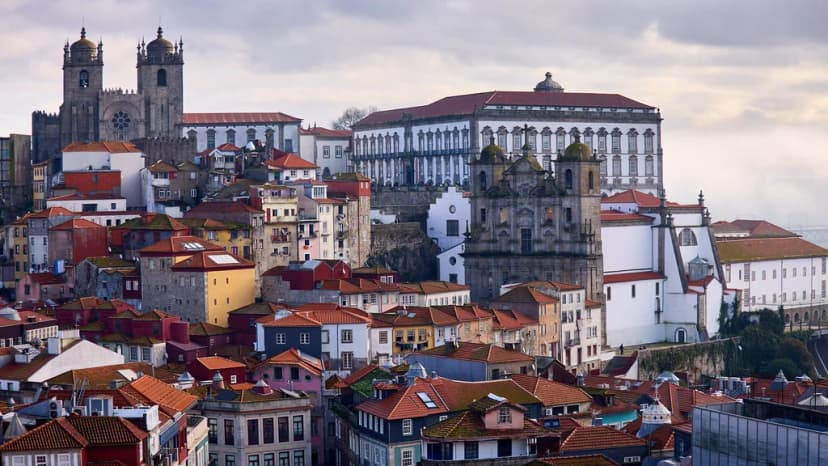
The Ultimate Porto Nightlife Guide for Every Traveler
Porto's top bars on Rua Galeria de Paris — including Candelabro, Snap Bar, and Era Uma Vez no Porto — open at 10 PM; draft beers cost €2–3 and gin tonics €5–6 in the Galerias de Paris strip in 2026.
Bonfim neighbourhood bars like Letra Craft Beer Garden on Rua da Alegria charge €2–2.50 per beer and €3 per wine glass — 10–15% cheaper than Galerias; clubs like Plano B charge €10–15 entry.
Porto's nightlife offers a unique blend of historic charm and modern energy that caters to every type of traveler visiting Portugal's northern coast. You will find that the city truly comes alive after the sun sets over the scenic Douro River. This porto nightlife guide will help you discover the best spots for drinks, dancing, and local culture. Whether you gravitate toward intimate wine bars tucked into cobblestone alleys or multi-room clubs pumping electronic beats until dawn, Porto delivers experiences that rival any European capital at a fraction of the price. The city's relatively compact center means you can cover multiple districts in a single evening without spending much on transport, making it ideal for both budget backpackers and those on mid-range travel budgets.
Exploring the streets at night reveals a different side of this famous UNESCO World Heritage city. Visitors can choose between cozy wine cellars, bustling street parties, and high-energy dance clubs. Planning your evening ahead of time ensures you catch the best views and most vibrant atmospheres across the city's distinct neighborhoods, each of which has its own character and crowd.
A Complete Porto Nightlife Guide to Top Districts
Galerias de Paris serves as the central hub for the city's late-night energy and social gatherings. Three main streets — Rua Galeria de Paris, Rua Cândido dos Reis, and Rua do Almada — host dozens of small bars where people spill onto the sidewalks with their drinks. You should arrive around 11 PM to see the area transform into a massive open-air party that stretches for several blocks. Drinks here are genuinely affordable: a domestic draft beer runs €2–3, a gin and tonic costs €5–6, and specialty cocktails top out at around €8. The crowd skews young and international, with a strong presence of Erasmus students, digital nomads, and budget-conscious travelers. Many bars in this strip offer two-for-one promotions before midnight, so arriving early pays off financially even if the street is still quiet.
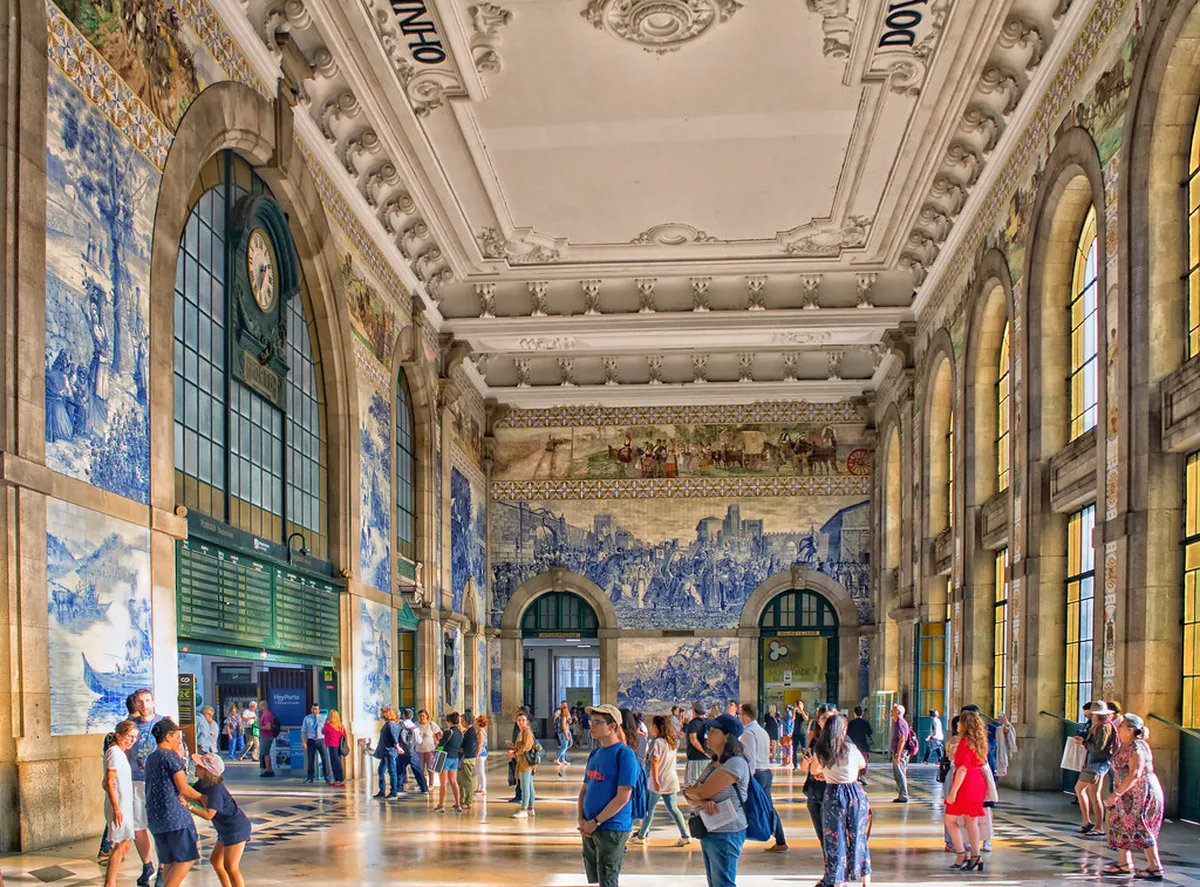
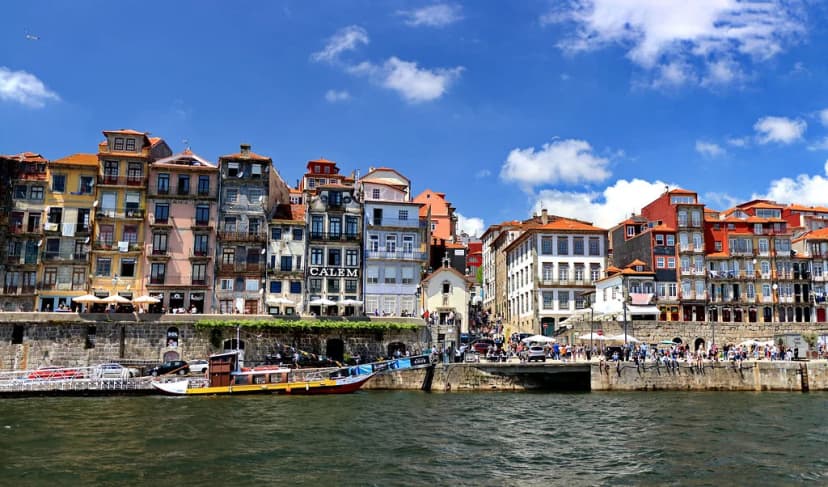
Visitors often flock to the Ribeira district for a more relaxed evening by the Douro River. Local bars here serve refreshing drinks while you enjoy the glow of lights reflecting off the water and the silhouette of the Dom Luís I Bridge overhead. You can enjoy a glass of local port wine for about €3–5 or order a more refined tawny from a 20-year reserve for €6–8 in the Porto old town riverside area. The Ribeira atmosphere is more laid-back than Galerias, making it an excellent first stop before moving on to the more energetic streets uphill. Arrive before 10 PM to secure outdoor seating at the better riverside terraces, as these fill quickly on warm evenings.
Cedofeita attracts a creative crowd with its alternative bars and contemporary art galleries. This neighborhood provides a quieter alternative to the bustling downtown core for those who prefer thoughtful conversation, craft drinks, and a local rather than tourist vibe. Most venues in this district offer craft beers at €3–4 per glass and unique signature cocktails at €6–7, often featuring locally foraged herbs or small-batch Portuguese spirits. The streets around Rua das Flores and Rua de Miguel Bombarda are particularly rewarding for bar-hoppers who appreciate independently owned spots over chain venues. On Thursday nights, many Cedofeita bars host live acoustic sessions that start around 10 PM and go until midnight, giving the district a relaxed but vibrant feel that stands apart from the louder Galerias strip.
Bonfim is an emerging district east of the city center that locals have adopted as their own in recent years. Here you will find a cluster of bars around Rua de São Victor and Praça da Alegria that draw a predominantly Portuguese crowd rather than tourists. Prices in Bonfim are typically 10–15% lower than in the Galerias strip, with beers at €2–2.50 and wine by the glass from €3. The neighborhood's relaxed energy and mix of indie bars, small concert venues, and garden terraces make it one of Porto's most authentic nightlife options for 2026.
Iconic Bars and Rooftops in the City
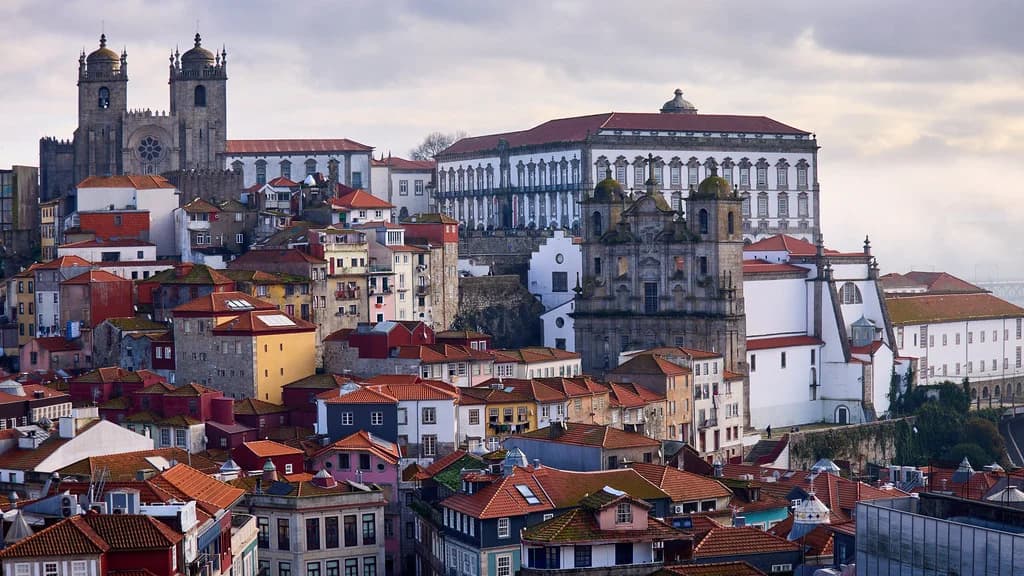
Rooftop bars provide stunning views of the city skyline and the iconic red-tiled roofs that define Porto's visual identity. Base Porto is a popular open-air spot located right next to the famous Clérigos Tower, and its elevated terrace gives a 360-degree view across the historic core. Most premium cocktails cost €10–14 at these popular upscale venues, though the view justifies the premium on a clear summer evening. Reservations are strongly recommended for weekends from May through September; walk-ins are usually accepted on weeknights after 10 PM. A house gin and tonic here uses Quinta do Crasto gin and freshly sliced citrus, setting it apart from the mass-produced pours at street-level bars.
Traditional taverns offer a more authentic experience for travelers who want to mingle with locals rather than other tourists. You can find many things to do in Porto's old town that revolve around tasting regional wines in centuries-old stone-walled cellars. Ordering a Port Tonic — white port over ice with tonic water and a slice of lemon — is a refreshing way to start your evening during the warm summer months, and it costs just €4–5 at most traditional tascas. These small taverns, often family-run for multiple generations, pour table wine by the carafe from €4 for 250ml, and a plate of petiscos (Portuguese tapas) such as pataniscas de bacalhau runs €5–7.
Garden bars offer a peaceful escape from the concrete streets, with lush greenery, fairy lights, and comfortable seating that creates a relaxed summer-festival atmosphere within the city. These hidden gems are perfect for a mid-evening break before heading to the louder dance clubs. Many locals prefer these spots for a long conversation over a bottle of Vinho Verde — the local slightly sparkling white wine — which costs €8–12 per bottle at garden bar prices. Look for the converted courtyards tucked behind iron gates in the Cedofeita and Bonfim neighborhoods; locals often know them by word of mouth rather than by any signage on the street.
- Base Porto Rooftop Bar
- Type: Open-air garden rooftop
- Best for: Sunset and city skyline views
- Where: Near Clérigos Tower, Rua de Santa Catarina area
- Cost: €10–14 cocktails, €5–6 beers
- Letra Craft Beer Garden
- Type: Craft brewery with outdoor seating
- Best for: Beer enthusiasts and group gatherings
- Where: Rua da Alegria, Bonfim
- Cost: €4–6 craft pints, €3–4 house lager
- Capela Incomum Wine Bar
- Type: Converted 18th-century chapel
- Best for: Romantic evenings and wine exploration
- Where: Cedofeita district
- Cost: €5–8 wine by the glass, €15–22 bottles
- Espaço 77
- Type: Garden bar with live acoustic music
- Best for: Mid-evening break, local crowd
- Where: Rua de Miguel Bombarda, Cedofeita
- Cost: €3–5 beers, €6–8 cocktails
Top Nightclubs and Late-Night Dance Venues
Plano B is an essential stop for clubbing enthusiasts, located near the busy Galerias area on Rua Cândido dos Reis. The venue features multiple rooms spread across two floors, with different music genres — house and techno downstairs, hip-hop and R&B upstairs — to suit various dancing tastes. Entry fees in 2026 range from €10–15 on standard nights and up to €20 for headline DJ events; the price usually includes one drink token redeemable at the bar. Plano B does not have a strict dress code, but trainers and sportswear are sometimes turned away at the door on busy Saturday nights. The queue builds from 1 AM, so plan to arrive no earlier than midnight for the right energy level inside.
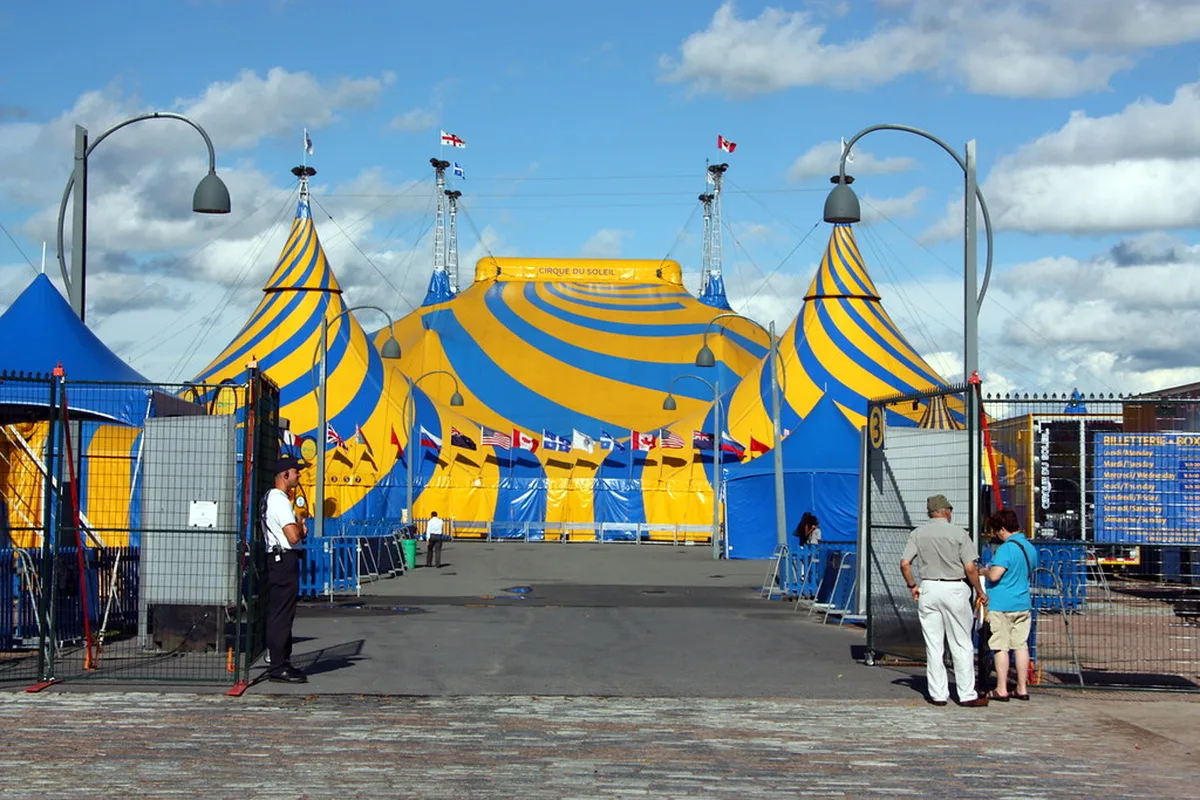
Hard Club is a unique venue housed in a beautifully renovated 19th-century Ferreira Borges market building near the Ribeira waterfront. The architecture alone is worth the visit — soaring iron-and-glass ceilings, exposed brick walls, and original market stalls converted into bar stations create a setting unlike any club in the country. It hosts diverse events ranging from underground electronic music to live rock and indie performances on most weekends, with tickets ranging from €12–18 depending on the act. Check the Hard Club website before visiting to see which artists are performing; some events sell out a week in advance. The outdoor terrace on the riverside side of the building is an excellent spot for a break between sets, with drinks at €4–6.
Maus Hábitos offers a multi-disciplinary space on the fourth floor of a downtown building where art, food, and nightlife intersect in one of Porto's most beloved alternative venues. You can find a mix of live music performances, DJ sets that run deep into the morning, and excellent pizza from the in-house kitchen at €8–12 per pie. This spot is perfect for those who enjoy an alternative and inclusive atmosphere — Maus Hábitos has been a welcoming space for Porto's LGBTQ+ community for over a decade, and the programming reflects a diverse range of artistic expression. Entry is typically free before midnight, then €5–8 after, and the bar serves reasonably priced cocktails at €6–8 throughout the night.
For those who prefer warehouse-style techno parties, Indústria Club in the Boavista area hosts dedicated electronic music events on Saturday nights that draw international DJs. Entry costs €12–15, the sound system is exceptional, and the crowd is knowledgeable about electronic music culture. Doors open at midnight and the venue runs until 6 AM or later on weekends, making it the go-to destination for serious clubbers who want to stay out until dawn.
Traditional Fado and Cultural Evening Experiences
Experience the soul of Portugal through a traditional Fado performance in Porto's historic city center, where the city's own melancholic style of Fado do Porto differs subtly but distinctly from Lisbon's more famous version. These emotional musical sets take place in intimate restaurants or dedicated Fado houses where the audience is expected to remain silent and attentive during each song — a custom that gives performances an almost sacred quality. Booking a dinner show in advance allows you to enjoy carefully prepared local cuisine while listening to the haunting melodies of the guitarra portuguesa and the human voice performing together.
Expect to pay €35–50 per person for a full Fado dinner experience in 2026, which typically includes a three-course set menu with wine, followed by two to three hours of live musical performances. Budget-conscious travelers can find Fado petiscos shows — where the music accompanies a selection of small plates rather than a full dinner — for €20–30 per person at smaller houses such as Casa da Mariquinhas. If you prefer a more active evening approach, structuring your time around a Porto 3-day itinerary helps you balance your energy for both daytime sightseeing and late-night cultural shows without burning out.
Many travelers find that a day trip from Porto to the Douro Valley or the Minho region is best followed by a relaxed evening of Fado or wine tasting rather than a night at the clubs. Balancing long excursions with gentler nightlife experiences helps you see more of northern Portugal's cultural richness without exhausting yourself. Jazz clubs are another excellent option for a sophisticated alternative to the louder dance floors: venues like the Hot Five Jazz Club on Largo do Actor Dias host live sets from 10 PM most Fridays and Saturdays, with entry of €5–8 and drinks at €4–6.
Porto also has an active classical music and contemporary performance scene. The Casa da Música — one of Portugal's most celebrated concert halls — hosts evening concerts ranging from chamber music to experimental electronic performances. Ticket prices vary widely, from €10 for smaller studio concerts to €40–60 for headline orchestral events, and the building itself, designed by Rem Koolhaas, is a cultural landmark worth visiting even if you do not attend a show inside. Visitors combining Porto with Lisbon often find that planning a Lisbon 3-day itinerary alongside a Porto stay creates a compelling contrast between the two cities' cultural evening scenes.
Gaia Waterfront Bars and Wine Lodges at Night
Vila Nova de Gaia, the municipality directly across the Douro River from Porto, is best known by day for its historic port wine lodges — but after sunset it transforms into one of the most scenic nightlife destinations in northern Portugal. The Gaia waterfront (Cais de Gaia) stretches along the southern bank of the Douro and offers an unobstructed view of Porto's illuminated skyline and the Dom Luís I Bridge, creating a backdrop that no bar in the city itself can replicate. Arriving on the Gaia side around 9–10 PM and working your way along the terrace bars before crossing the bridge to the Porto nightlife scene is a favorite local strategy for making the most of a long night out.
Several port wine lodges now operate evening tasting experiences that go well beyond the standard daytime tour. Sandeman, Graham's, and Calem all offer evening cellars sessions in 2026 priced at €18–35 per person, including guided tastings of three to five port styles poured in their atmospheric barrel-lined cellars. These sessions typically run from 6 PM to 9 PM, making them an ideal first act before heading across the bridge to the bars and clubs on the Porto side. Booking online is essential in summer; walk-in availability is hit or miss even in shoulder season.
The open-air bars along Rua Diogo Leite on the Gaia waterfront serve drinks at prices comparable to the Ribeira side: draft beers cost €3–4, cocktails run €7–10, and glasses of port wine start at €4 for a standard white or ruby. The terraces here are wider and less crowded than Porto's Ribeira promenade, especially earlier in the evening, and the southeast-facing orientation means you get an extended golden-hour view as the sun drops behind the Porto hillside. Several new rooftop bars have opened on the Gaia side since 2024, with 360-degree views that rival anything in central Porto and entry drinks packages from €12.
Getting between Gaia and Porto is effortless: the upper deck of the Dom Luís I Bridge is pedestrian-only and takes about 10 minutes to cross on foot. At night, the walk across the bridge is one of the most memorable experiences in the region, with the city lights reflecting across the river and the sound of distant music drifting up from the bars below. Alternatively, the gondola-style cable car from the Gaia waterfront up to the Serra do Pilar viewpoint runs until 8 PM in summer and costs €6 one-way — useful for the ascent but not for late-night returns.
Practical Tips for a Safe Night in Porto
Porto is generally very welcoming and safe for tourists, but it is wise to stay aware of your surroundings in busy nightlife areas, particularly around the Galerias strip after 2 AM when the crowds are densest. The most common risks are pickpocketing and bag-snatching in crowded bar areas, so keep your phone in a front pocket and use a crossbody bag with a zip closure. Read our guide on whether Porto is safe for tourists for detailed neighborhood-by-neighborhood precautions and current safety tips for 2026.
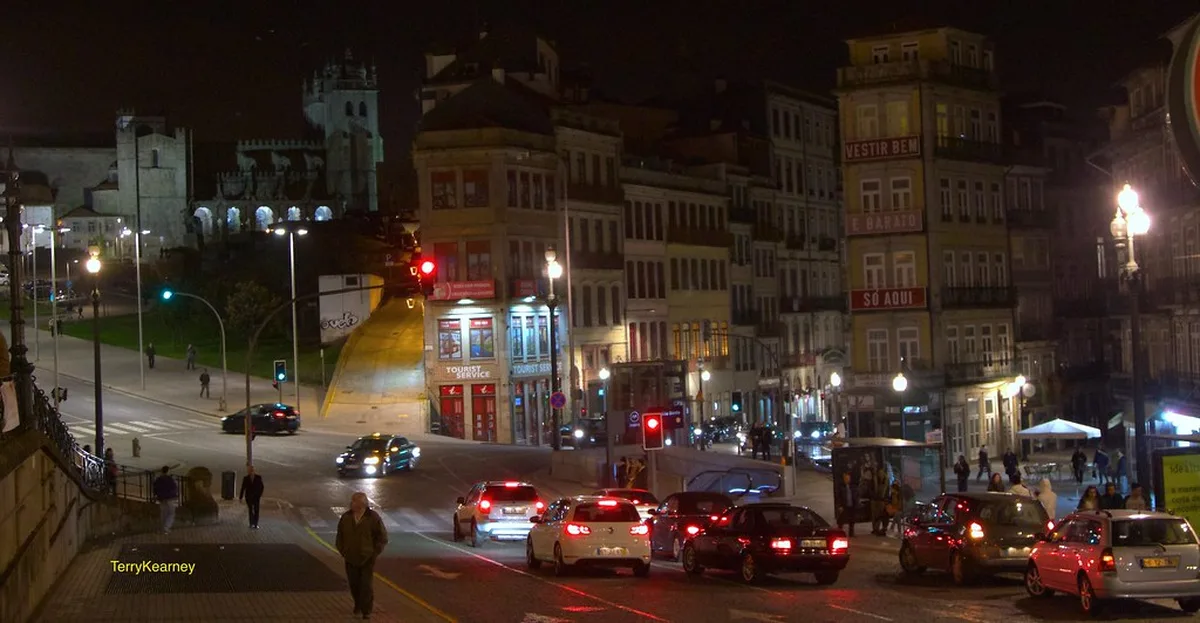
Taxis and ride-sharing apps are readily available and affordable for getting back to your hotel. A typical cross-city ride late at night — from the Galerias area to Foz do Douro, for example — costs €8–12 using Uber or Bolt, while a licensed taxi may charge €12–16 for the same route due to the nighttime surcharge. Drivers are generally friendly and can sometimes recommend bars or clubs worth visiting. Avoid unmarked cabs that approach you directly on the street, as these are unlicensed and unregulated.
Budget planning is straightforward if you know the price ranges: a typical night including a pre-dinner drink (€4–5), Fado dinner or restaurant meal (€20–35), three or four cocktails across multiple bars (€18–24), and club entry (€10–15) totals €52–79 per person. You can trim this significantly by skipping clubs in favor of the free street-party atmosphere on the Galerias strip, where many bars let you take your drink outside and the cost is simply whatever you order at the bar. Food vendors and pastelarias stay open late in the Galerias and Bonfim areas, selling bifanas (pork sandwiches) and francesinha snacks for €3–5 to keep you going through the night.
Many locals start their evening with dinner around 9 PM or even 10 PM — a schedule that can feel disorienting if you are used to northern European or North American dining times. Pacing yourself throughout a long night is key if you plan to stay out until the sun rises over Gaia. Most venues accept credit cards, but carrying €20–30 in cash covers entrance fees at smaller venues and tipping at traditional taverns, where card machines are not always reliable.
Navigating the City Streets After Dark
Walking between nightlife spots is easy in Porto's compact city center, but requires comfortable flat-soled shoes — this cannot be overstated. The steep granite cobblestone hills, particularly between the Ribeira waterfront and the Galerias strip, can be genuinely treacherous after a few drinks, and the streets are often slick with moisture from the Atlantic climate. Plan your route to minimize unnecessary climbs: start high (Galerias, Cedofeita) and work your way down toward the Ribeira as the night progresses, rather than the other way around.
Public transport options provide a safety net for late nights. The metro runs until around 1 AM on most weekend nights, with the Yellow Line (D) connecting Aliados in the city center to the airport and the Purple Line (E) serving Gaia. Check the updated 2026 schedules on the Andante Transport app before you go out so you know your last train time. Night buses — the Noctibus network — operate on eight routes after the metro closes, running until approximately 5 AM on Friday and Saturday nights, with €2 flat-fare tickets purchasable on board.
Crossing the Dom Luís I Bridge on foot offers a spectacular nighttime experience with illuminated views of both Porto and Gaia. The upper deck is reserved for the metro and pedestrians, while the lower deck carries vehicle traffic. The upper deck walk takes about 10 minutes and provides unobstructed views straight down to the Douro, making it one of the most photographed nighttime experiences in the city. Always stay in well-lit areas when walking between the riverfront and the higher downtown streets, and avoid the steep unmaintained steps that cut through the Barredo neighborhood after midnight. For an alternative take on navigating the city's terrain, see our Porto funicular and cable car guide for transport options that help you tackle the hills during daylight hours.
If you are planning day trips around your nights out, bear in mind that late nights and early morning departures are a difficult combination. Our day trips from Porto guide notes which destinations — like the Douro Valley — require early starts and which, like the beaches at Matosinhos and Miramar, are easy afternoon visits that can follow a lazy morning after a big night out.
Porto Nightlife for Wine Lovers: Bars and Port Tastings After Dark
Porto is the birthplace of port wine, and the city's evening wine scene goes far beyond a casual glass at a riverside terrace. Dedicated wine bars and port tasting experiences operate well into the night, offering a sophisticated and deeply local alternative to the club circuit. For visitors who prefer the complexity of a well-aged tawny to a cocktail, an evening built around the city's wine venues is one of the most rewarding ways to spend a night in northern Portugal in 2026.
Wine Quay Bar on Escadas do Codeçal, steps from the Ribeira waterfront, is one of the finest wine bars in the city and a favourite among sommeliers visiting Porto. The bar stocks over 200 Portuguese labels with a strong focus on small-production Douro reds and Vinho Verde whites. A glass of wine here ranges from €4 for an entry-level Alentejo red to €14 for a premium single-quinta Douro aged in French oak. The staff are exceptionally knowledgeable and willing to walk you through tasting notes — a level of service that makes this far better value than its price suggests. Wine Quay Bar is open until midnight on most nights and stays open until 1 AM on weekends.
Prova Wine Bar on Rua das Flores in the historic centre has built a loyal following since opening in 2010, serving exclusively Portuguese wines alongside a thoughtful small-plates menu. Ordering the tasting flight — three 50ml pours selected by the bar's sommelier — costs €12 and is an excellent way to discover producers from the Minho, Alentejo, and Dão regions in a single sitting. Prova pairs well with a plate of queijo da Serra (soft mountain cheese) at €6–8 or cured presunto ham at €7–9. The bar opens at 6 PM, making it an ideal starting point before the rest of the city wakes up.
For port wine specifically, the tasting rooms on the Gaia waterfront are the traditional option, but several Porto-side bars have emerged to serve port-focused menus without requiring you to cross the bridge. Bar do Cais near the Ribeira offers a port wine flight — four styles including white, tawny 10-year, tawny 20-year, and LBV — for €16 per person. Sipping a 20-year-old tawny while watching the Dom Luís I Bridge reflected in the Douro at midnight is a quintessential Porto experience that simply cannot be replicated in Lisbon. Read our Porto old town guide for the historic context behind the wine trade buildings lining the Ribeira waterfront.
Natural wine bars are increasingly popular in the Bonfim and Cedofeita districts. Casa do Livro on Rua Galeria de Paris doubles as a bookshop and natural wine bar — a combination that perfectly captures Porto's creative spirit. You can browse shelves of Portuguese literature while sipping a low-intervention Vinho Verde poured from a chilled bottle for €5 per glass. Garrafeira do Carmo near the Carmo Church stocks an impressive cellar of aged ports and regional wines available for on-site consumption from €5 per glass, with bottles to take away starting at €9. The knowledgeable proprietor is happy to recommend wines based on your preferred style or dishes you plan to pair them with during your stay.
Planning a wine-focused evening alongside a broader Portugal itinerary is straightforward: wine bars open early (6–7 PM), run comfortably until midnight, and pair naturally with a leisurely dinner. Visitors exploring Lisbon nightlife can compare the two cities' bar cultures — Lisbon's wine bar scene skews slightly more international, while Porto's remains rooted in Douro Valley producers and traditional port styles that reflect the city's historic role as the centre of the global port trade.
Frequently Asked Questions
What time does the nightlife start in Porto?
Porto nightlife follows a late schedule: locals typically have dinner between 8 PM and 10 PM, and the Galerias de Paris bar district begins to fill up after 11 PM. Nightclubs do not reach their peak energy until 1 AM or later, and it is common for clubs to stay open until 6 AM on weekends. If you arrive at a club before midnight, you will likely find a mostly empty dance floor. Plan your evening in stages — bars from 10 PM, street-party scene from midnight, clubs from 1 AM — to align with the local rhythm and get the most out of your night.
How much does a night out in Porto cost in 2026?
Porto is highly affordable by Western European standards. A draft beer at a bar costs €2–3, a cocktail costs €5–8, and club entry ranges from €10–15 on standard nights. A Fado dinner experience with food and wine runs €35–50 per person. For a full evening — dinner, several drinks across multiple bars, and club entry — budget €50–80 per person. Budget travelers who stick to the street-party scene in Galerias can have a memorable night for €15–25 by drinking at the bar and socializing on the pedestrian streets.
What is the typical dress code for bars and clubs in Porto?
Most bars in Porto are casual and do not enforce a dress code. Rooftop bars and upscale clubs prefer smart-casual attire — clean jeans, a shirt or blouse, and leather shoes or fashionable trainers are all acceptable. Avoid wearing beach flip-flops, sports gear, or tank tops if you plan to visit higher-end venues such as rooftop cocktail bars or the more prestigious clubs. Traditional Fado houses expect respectful, neat clothing — this is a cultural performance, not a party venue.
Where can I find parking if I drive into the city at night?
Driving in Porto's city center at night is not recommended due to the narrow medieval streets, one-way systems, and very limited parking near the main nightlife areas. If you do drive, multi-storey car parks at Parque das Antas and Parque de Campanhã near the eastern metro stations offer affordable overnight rates of €4–8 per night, and you can take the metro into the center. For a complete overview of options, see our guide to parking in Porto. Most visitors prefer to use Uber or Bolt for the return journey, eliminating parking concerns entirely.
Is Porto nightlife LGBTQ+ friendly?
Yes, Porto has a welcoming and growing LGBTQ+ nightlife scene. The area around Rua Cândido dos Reis and the side streets of the Galerias district has several inclusive bars and LGBTQ+-friendly venues. Maus Hábitos has been an established inclusive nightlife space for over a decade, and Pride Porto (typically held in June) draws large crowds to the city's streets and clubs. Same-sex couples are generally very well-received in Porto's nightlife venues, and there are no areas of the city where LGBTQ+ visitors should feel unsafe. Always check individual venue social media for current events and themed nights.
What are the best late-night food options after clubs close in Porto?
Porto has excellent late-night food options that operate well into the early hours. The most beloved post-club meal is the francesinha — a Porto-specific open-faced sandwich layered with cured meats, a fried egg, melted cheese, and a spicy beer-based sauce — available for €8–12 at cafes around the Galerias area that stay open until 4–5 AM. Pastelarias (Portuguese bakeries) in the Bonfim and downtown areas open from 6 AM and are a favorite stop for clubbers heading home after dawn, offering pastel de nata custard tarts for €1–1.50. Street food carts near the Dom Luís I Bridge sell bifana sandwiches (pork in a roll with mustard) for €3–4 on weekends until 3 AM, making them a convenient mid-night fuel stop.
Porto offers a diverse and exciting nightlife scene that has something for every type of visitor, from the emotional power of a Fado performance to the pulsing energy of Plano B at 2 AM. The Gaia waterfront adds a scenic dimension that most visitors overlook, turning a standard bar-hop into a full cross-river adventure. Whether you are comparing Porto vs Lisbon for your Portugal trip or have already committed to a northern Portugal itinerary, Porto's nights are as rewarding as its days. For a broader view of what the country offers, see our complete Portugal travel guide covering the best regions, cities, and experiences across the country.
Remember to pace yourself, wear comfortable shoes, and embrace the city's late-starting rhythms rather than fighting them. The city is waiting to show you its vibrant after-dark personality — and with drinks at €3–6, entry fees at €10–15, and Fado shows at €35–50, you will get outstanding value compared to almost any other major European nightlife destination in 2026. Use this porto nightlife guide to plan a safe, affordable, and genuinely memorable evening in this extraordinary city.